Cartilaginous rays
Stingrays are cartilaginous fishes in the suborder Myliobatoidei of the order Myliobatiformes.
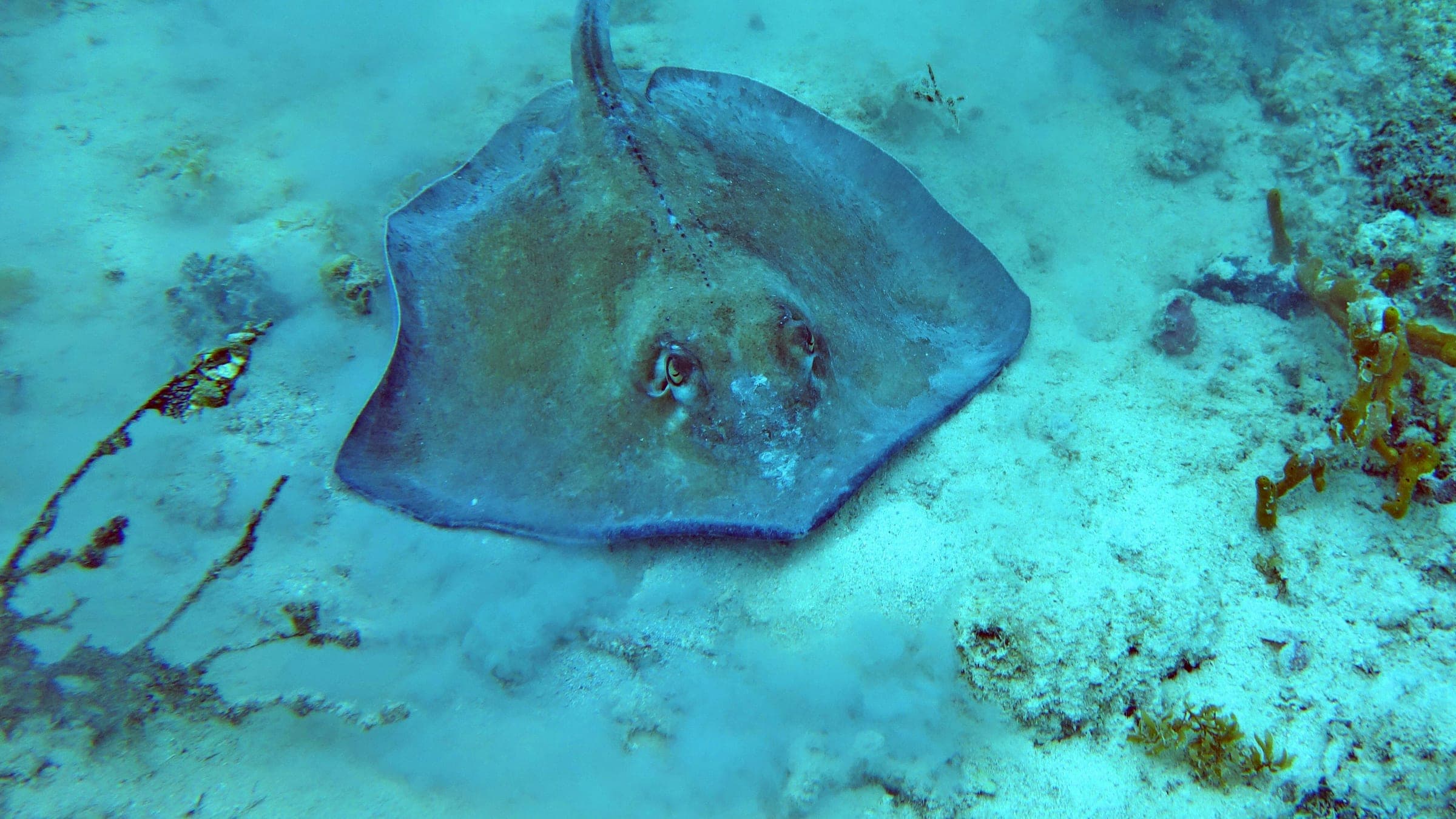
Stingrays are a diverse group of cartilaginous rays found mostly in coastal tropical and subtropical waters, with species in marine, deepsea, and some freshwater habitats.
Species Guide
A clean field guide focused on habitat, identification, behavior, and conservation context without burying the useful parts.
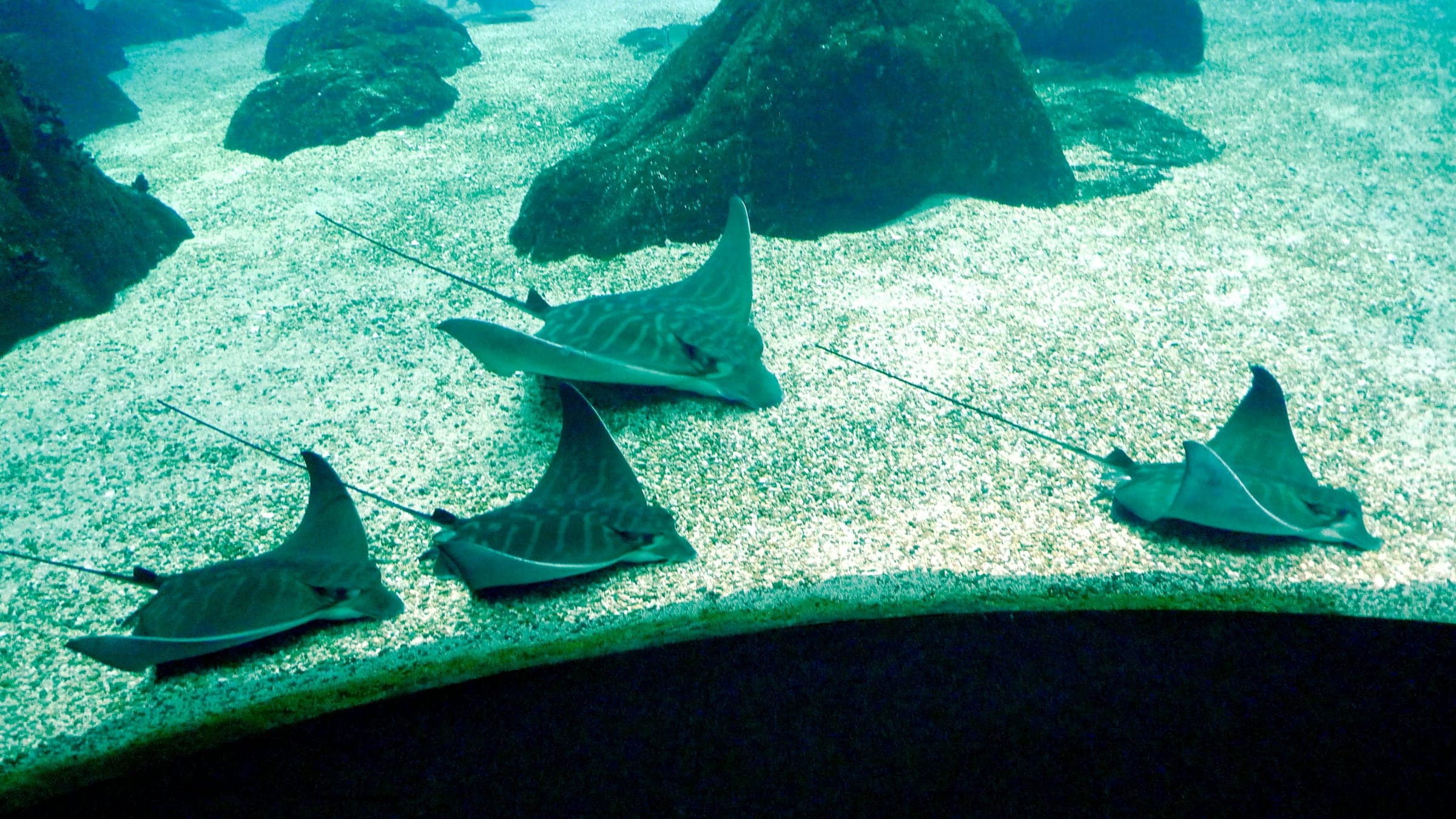
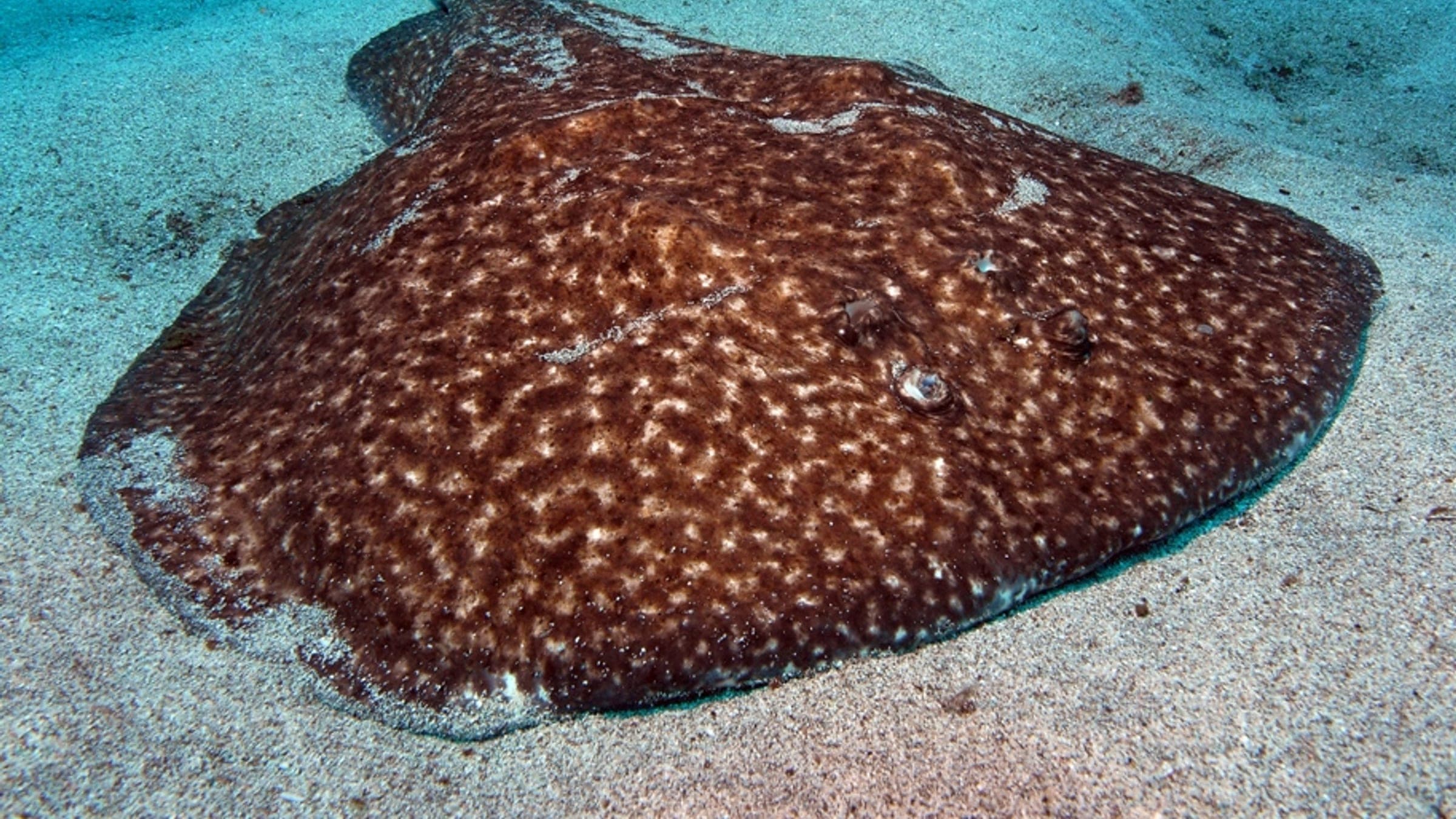
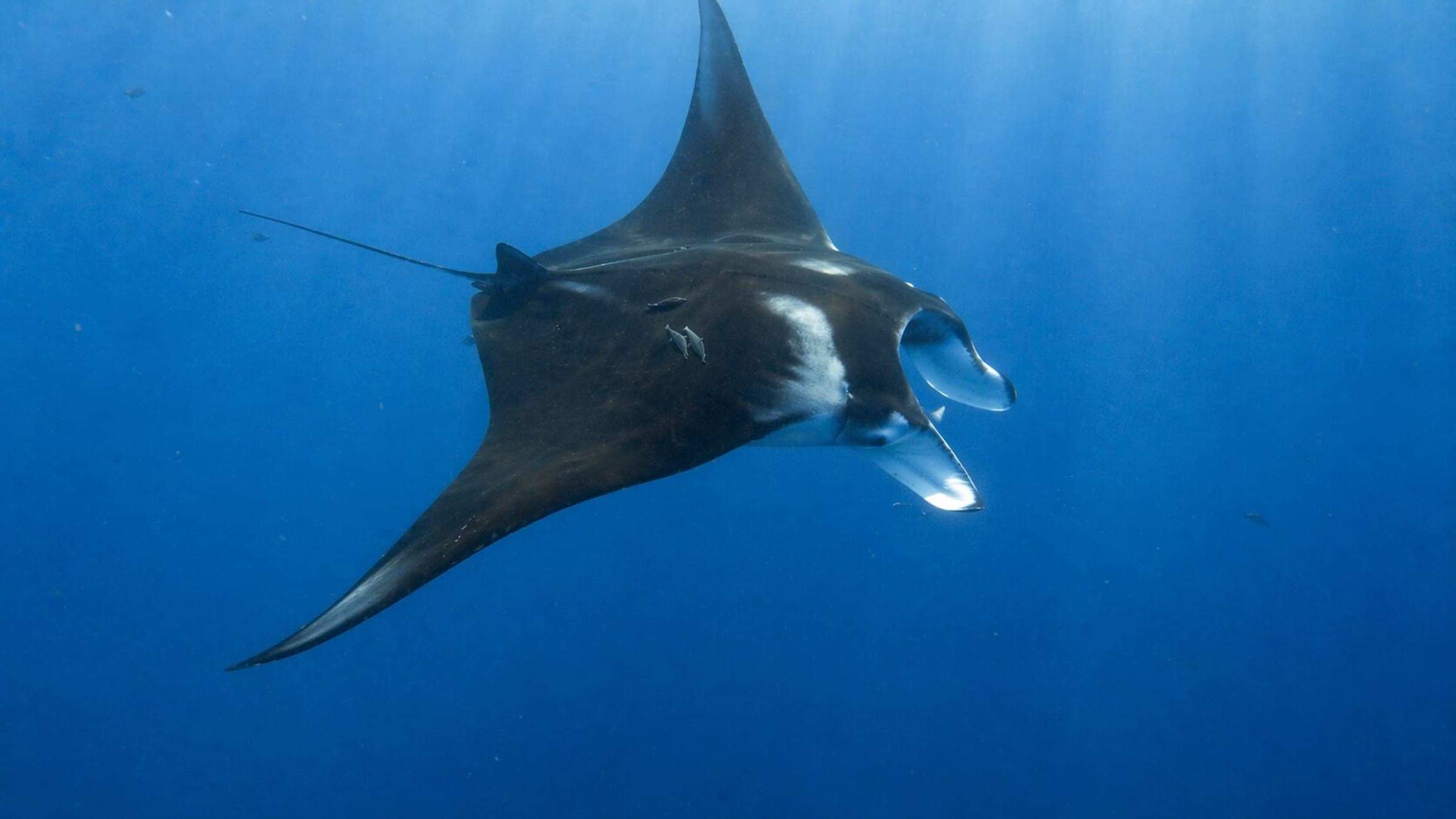
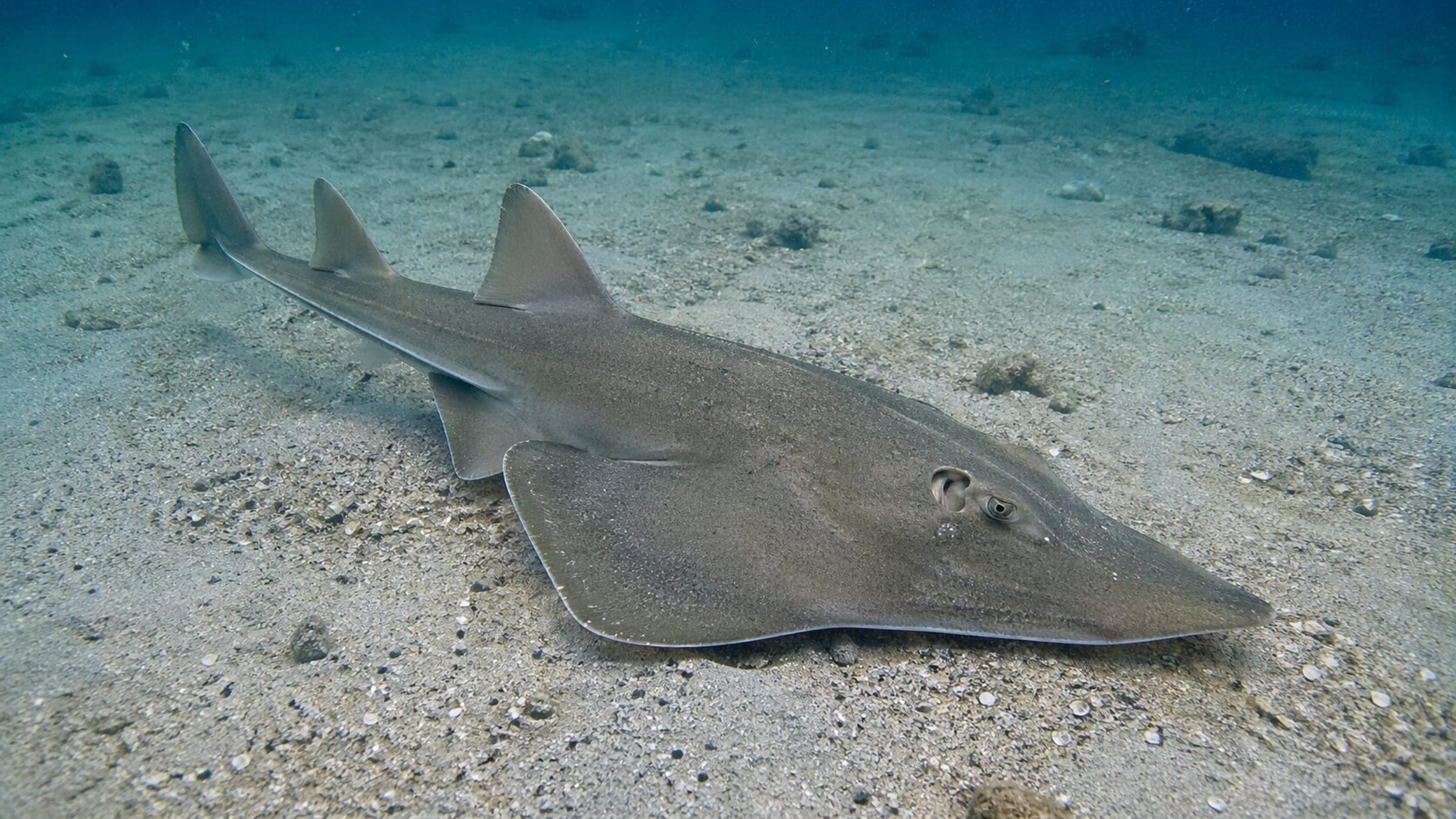
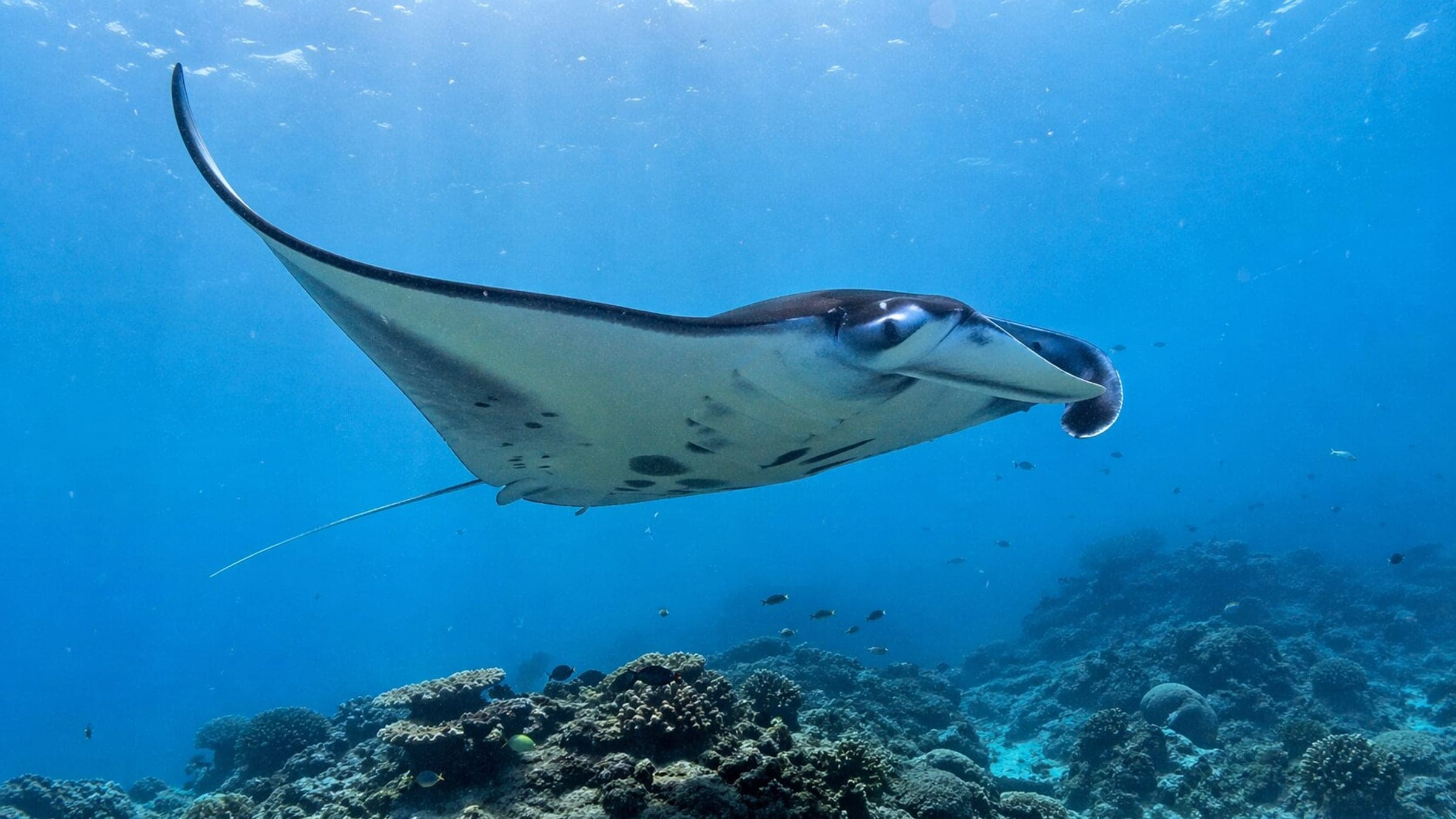
Stingrays are a group of rays in the suborder Myliobatoidei (order Myliobatiformes). The group includes about 220 known species in 29 genera and is divided among eleven families, including eagle rays, manta and devil rays, butterfly rays, whiptail stingrays, and river stingrays. Most stingrays are demersal (living near the sea floor), though some, such as pelagic stingrays and eagle rays, are pelagic. Species occur mainly in coastal tropical and subtropical marine waters worldwide; some occur in warmer temperate seas, deep ocean environments, or in fresh water (river stingrays).
Many stingray species are becoming threatened or vulnerable, with unregulated fishing identified as a major cause; some species lack sufficient data for assessment.
Most stingrays are demersal (inhabiting zones near the sea floor), while some species are pelagic and occupy the open water column.
The strongest linked planning options currently surface around destinations such as Caye Caulker, San Pedro (Ambergris Caye), Belize, Bayahibe and Dominicus and countries such as Dominican Republic, Belize, Spain for divers building trips around stingrayses.
Last Updated Mar 9, 2026 · 2 sources
Identification
The visual markers divers can use underwater, plus the species most likely to cause confusion.
Stingrays are cartilaginous fishes in the suborder Myliobatoidei of the order Myliobatiformes.
The group comprises about 220 species across 29 genera and eleven families, including both demersal and pelagic forms and some freshwater species.
Range and Movement
The broad range, seasonal movement, or migratory behavior that shapes where divers encounter this species.
Most stingrays are demersal (inhabiting zones near the sea floor), while some species are pelagic and occupy the open water column.
Population
Published estimates when credible, or an explicit note when no reliable global count exists.
About 220 known species organized into 29 genera.
Conservation
Status, pressure, and protection context grounded in cited sources rather than filler.
Many stingray species are becoming threatened or vulnerable, with unregulated fishing identified as a major cause; some species lack sufficient data for assessment.
Unregulated fishing is cited as a primary driver causing many stingray species to become threatened or vulnerable to extinction.
As of 2013, 45 stingray species had been listed as vulnerable or endangered by the IUCN; other species are listed as data deficient.
Responsible Encounters
Conservation-minded guidance for divers who want the encounter without adding pressure.
Give stingrays space, avoid blocking the animal's path, and follow local site and operator rules for wildlife interactions with rays.
Field Notes
Useful species context that makes the encounter more meaningful once you are underwater.
Stingrays are divided among eleven families, including manta and devil rays (Mobulidae) and river stingrays (Potamotrygonidae).
Species occur in coastal tropical and subtropical waters worldwide, with some in temperate seas, the deep ocean, or freshwater rivers.
Top Destinations
Destinations surfaced from the linked dive spots associated with this species.
Top Countries
The strongest country-level starting points currently linked to this species.
Top Dive Spots
Directly linked dive spots where this species already shows up in the planning data.
Boat-access canyon dive in front of San Pedro Town.
Boat-access reef and canyon diving off Ambergris Caye.
Historic offshore Djerba wreck with compact profile
Closed Similan reef with a shallow sandy slope.
Beginner-friendly bommie reef off Beau Vallon
Deep Djerba wreck with compact fish-rich profile
FAQ
Clear planning and conservation answers written for search visibility and AI retrieval.
Research Sources
Primary and credible references behind the field-guide and conservation claims on this page.
Related Species
Related species guides in the same encounter family.