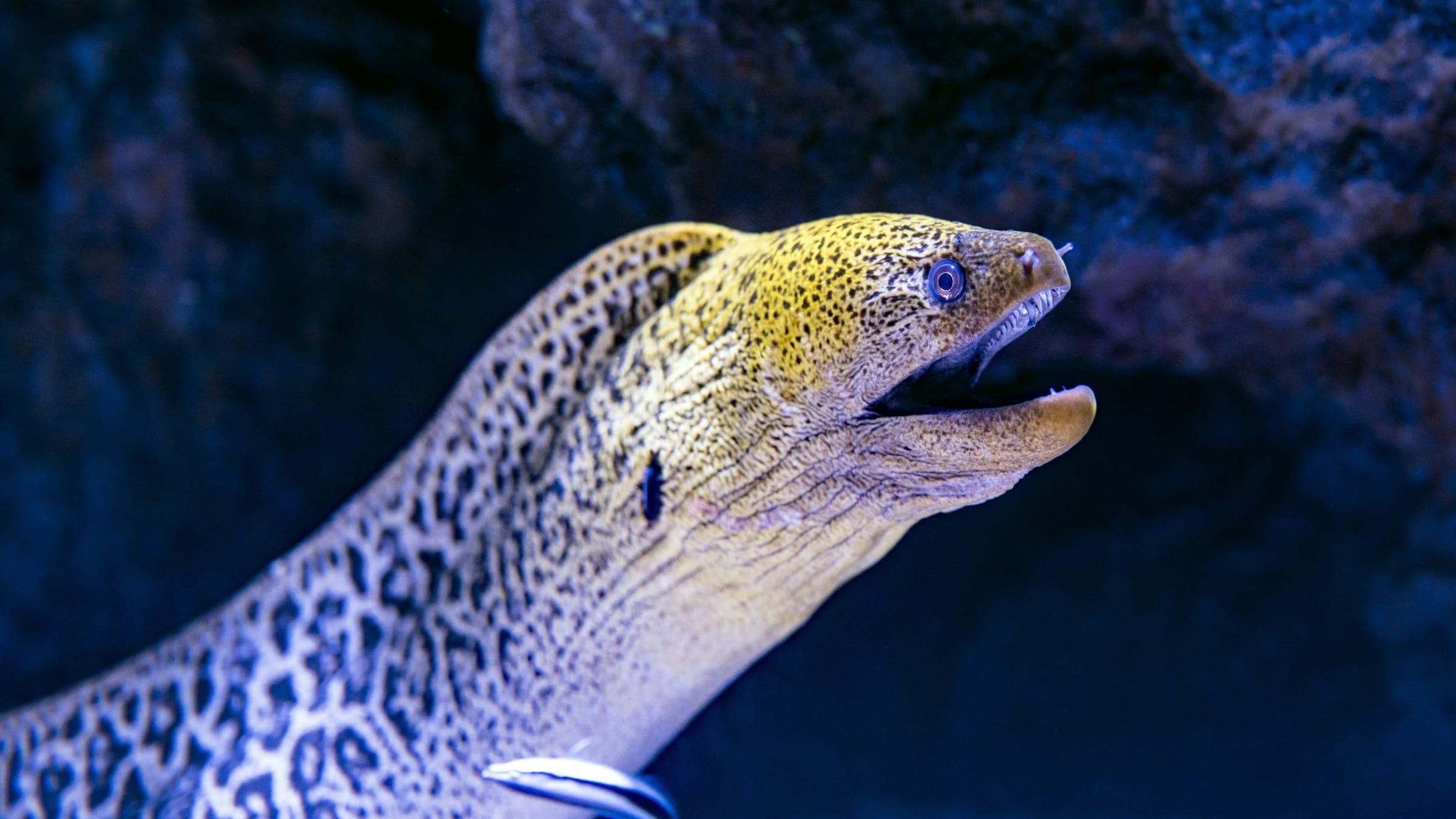
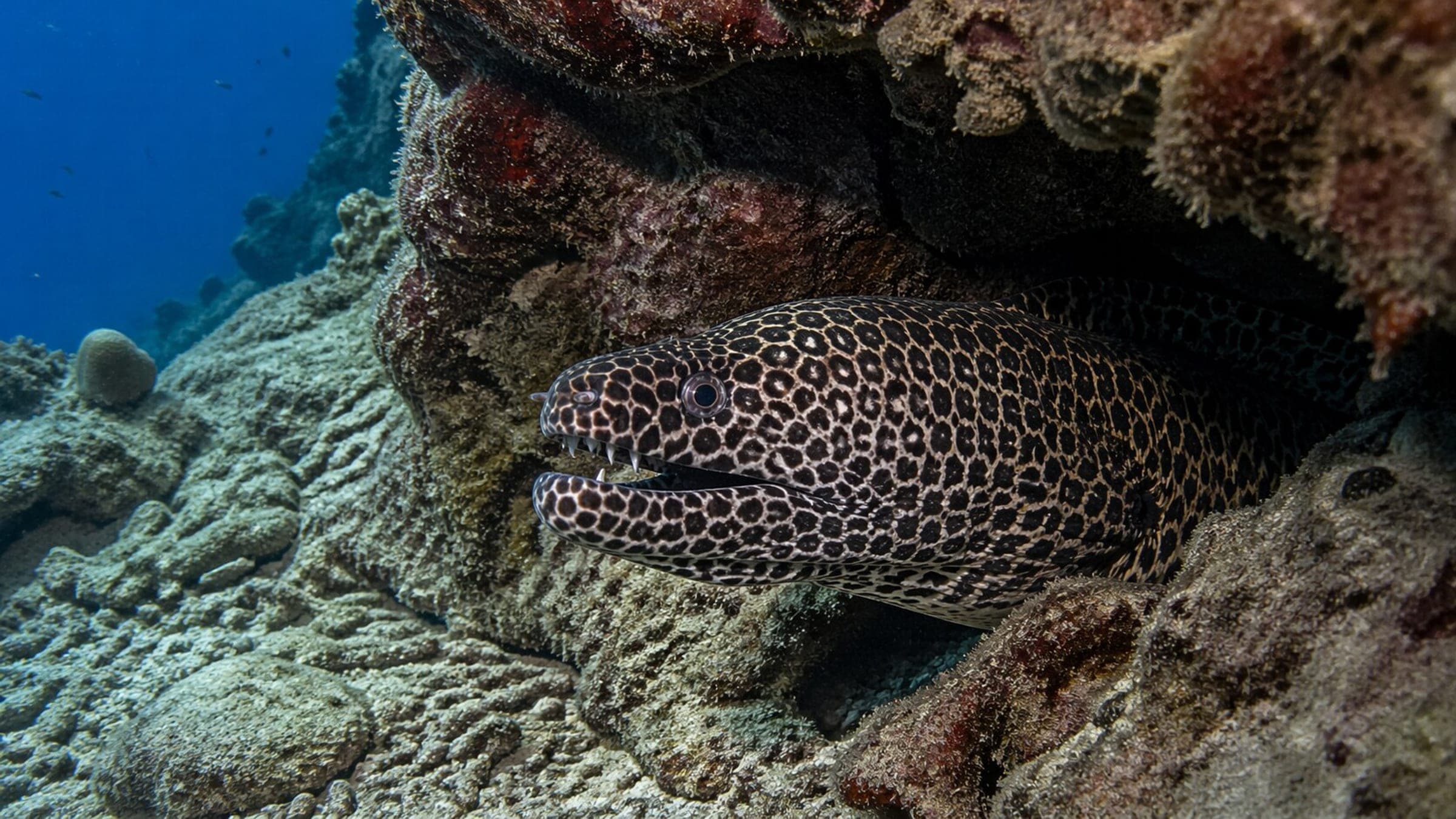
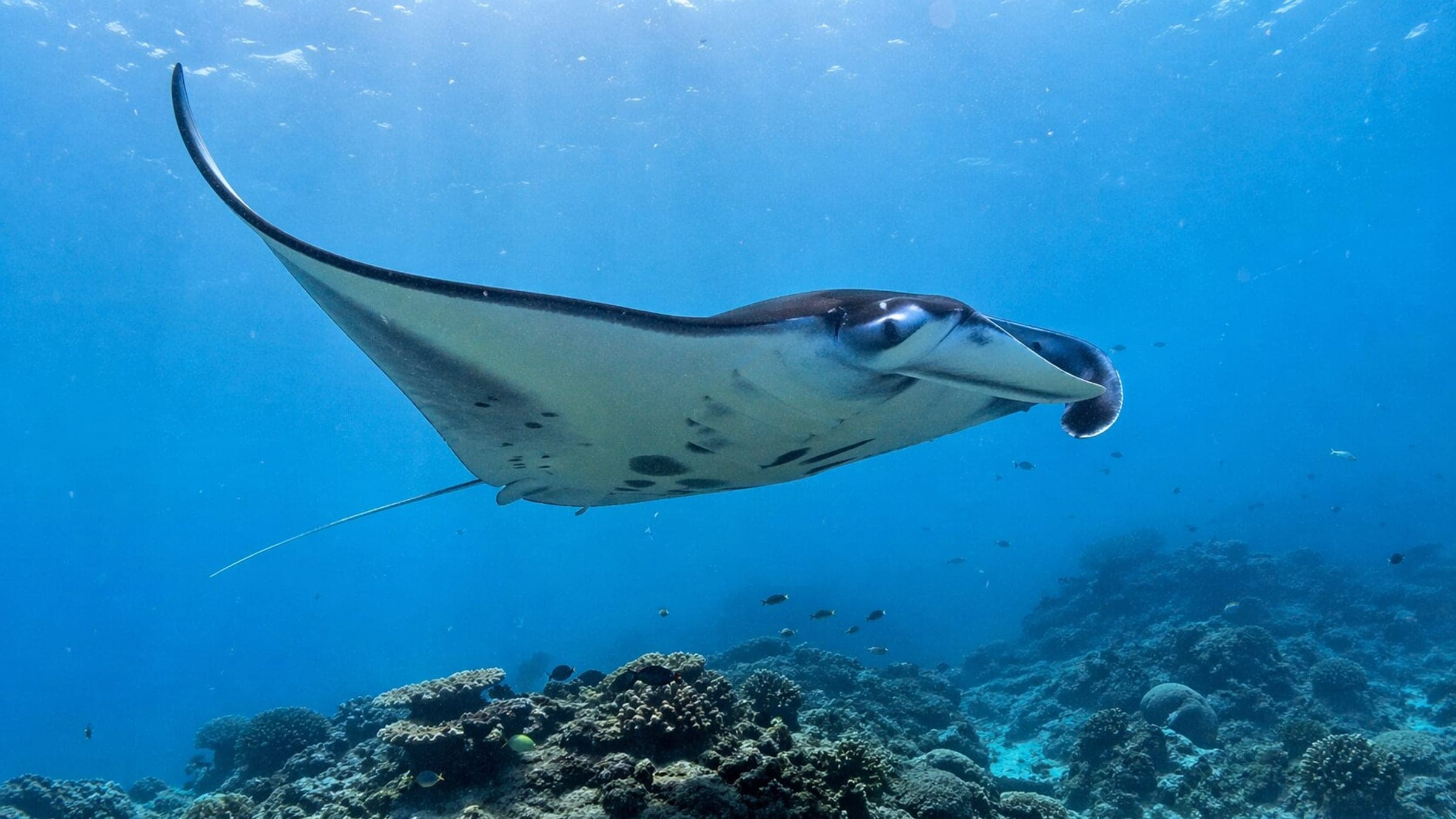
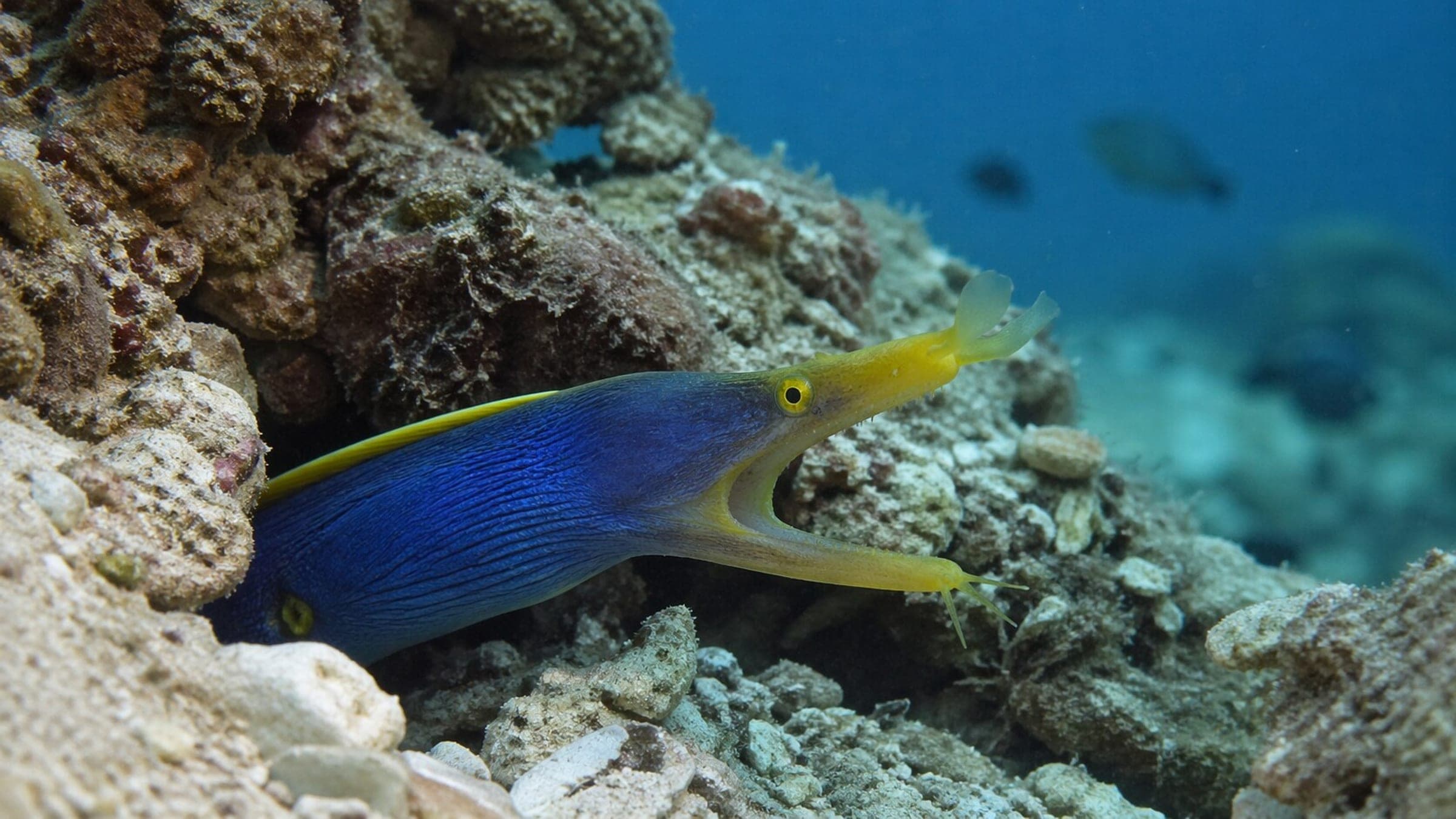
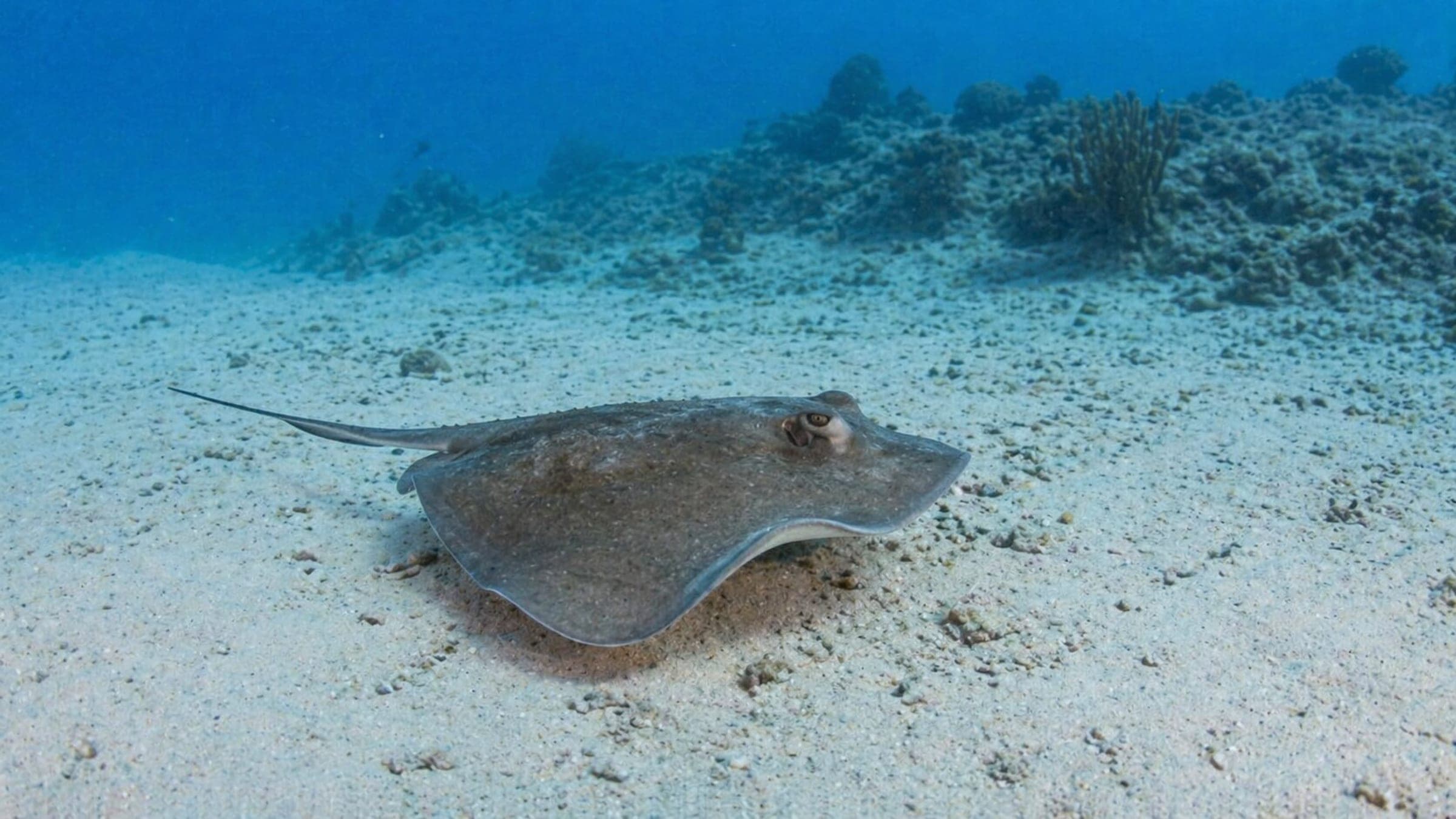
Body shape and fins
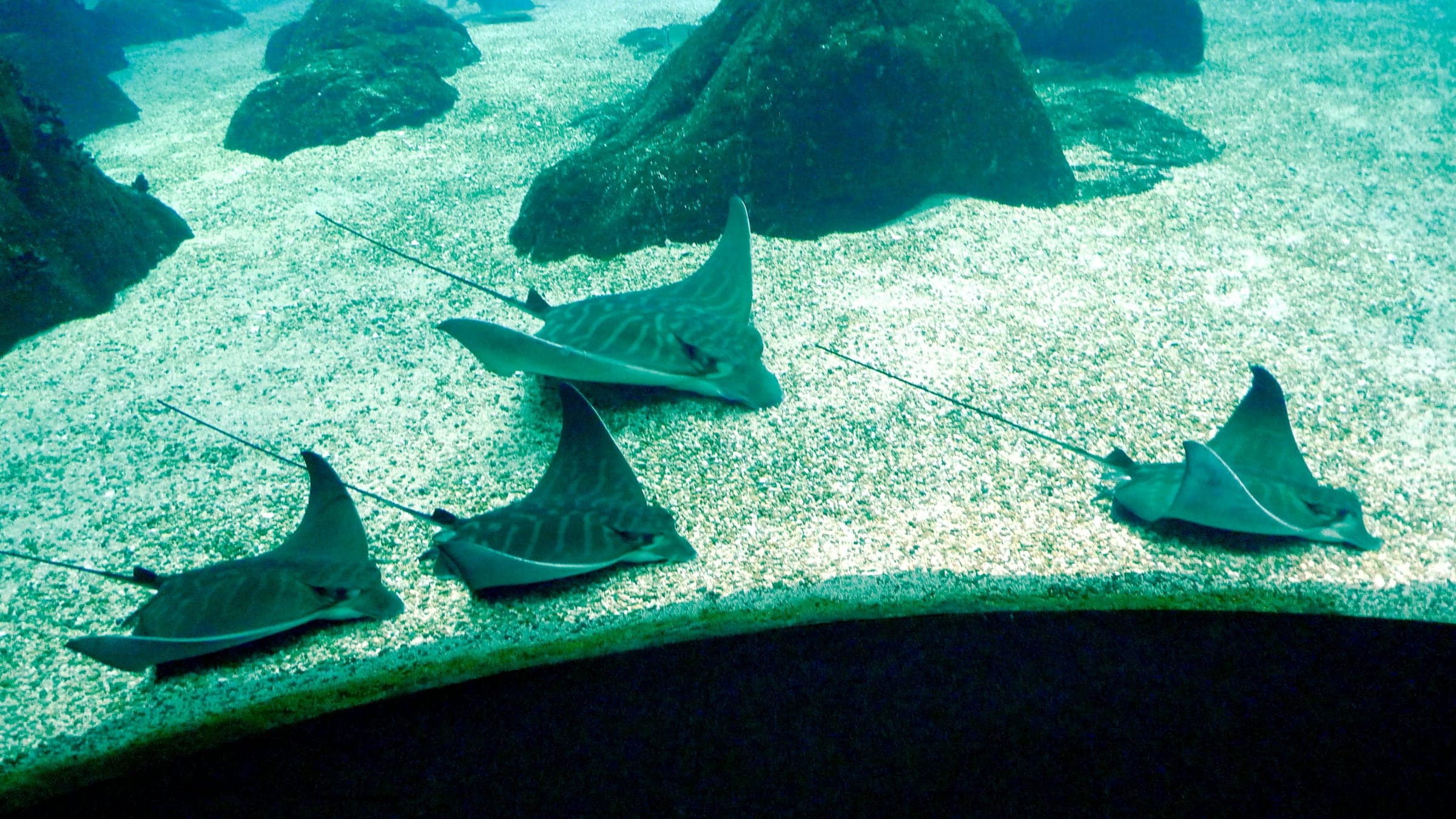
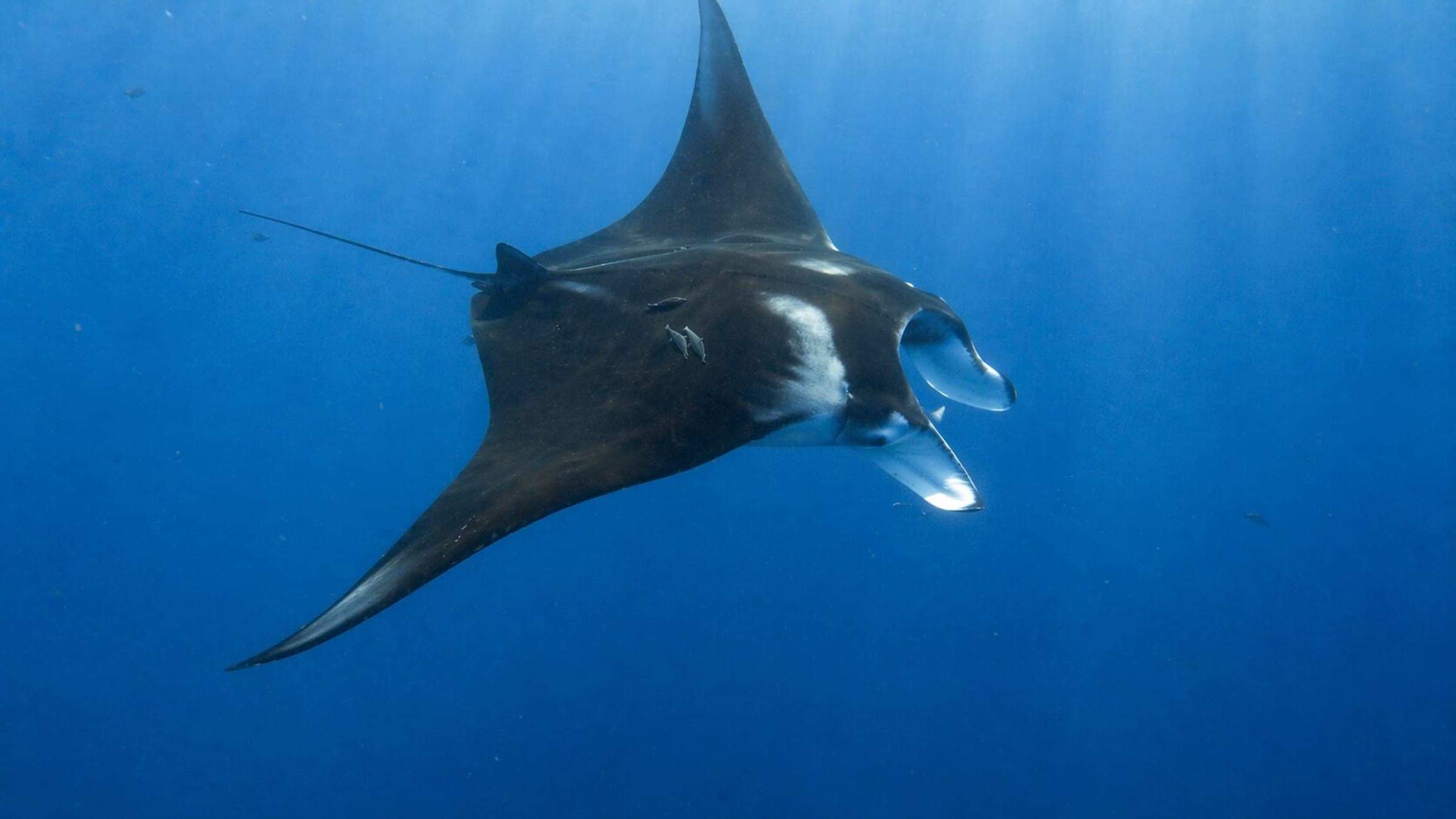
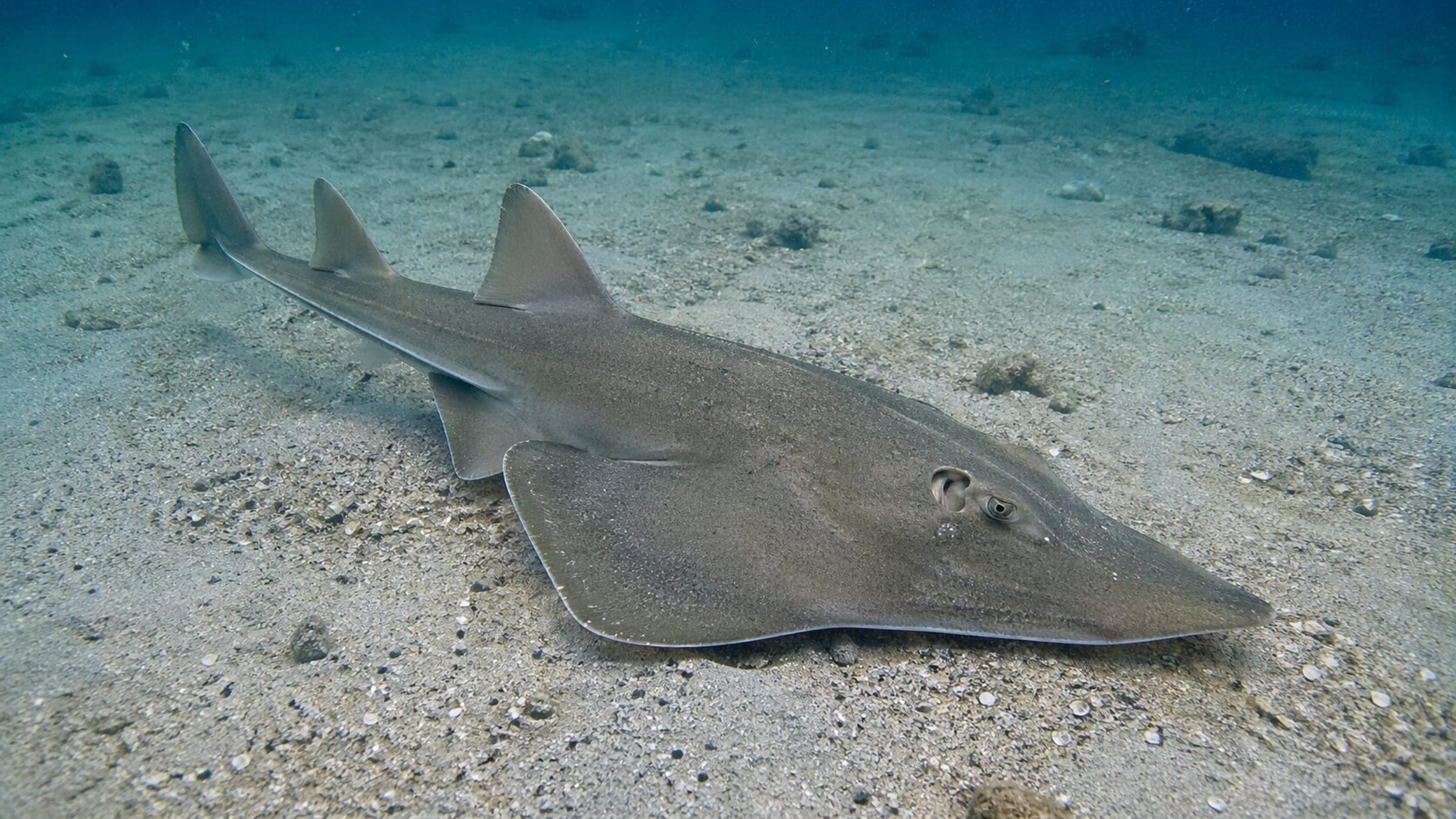
Flattened body with enlarged pectoral fins, typical of rays.
Species Guide
A clean field guide focused on habitat, identification, behavior, and conservation context without burying the useful parts.
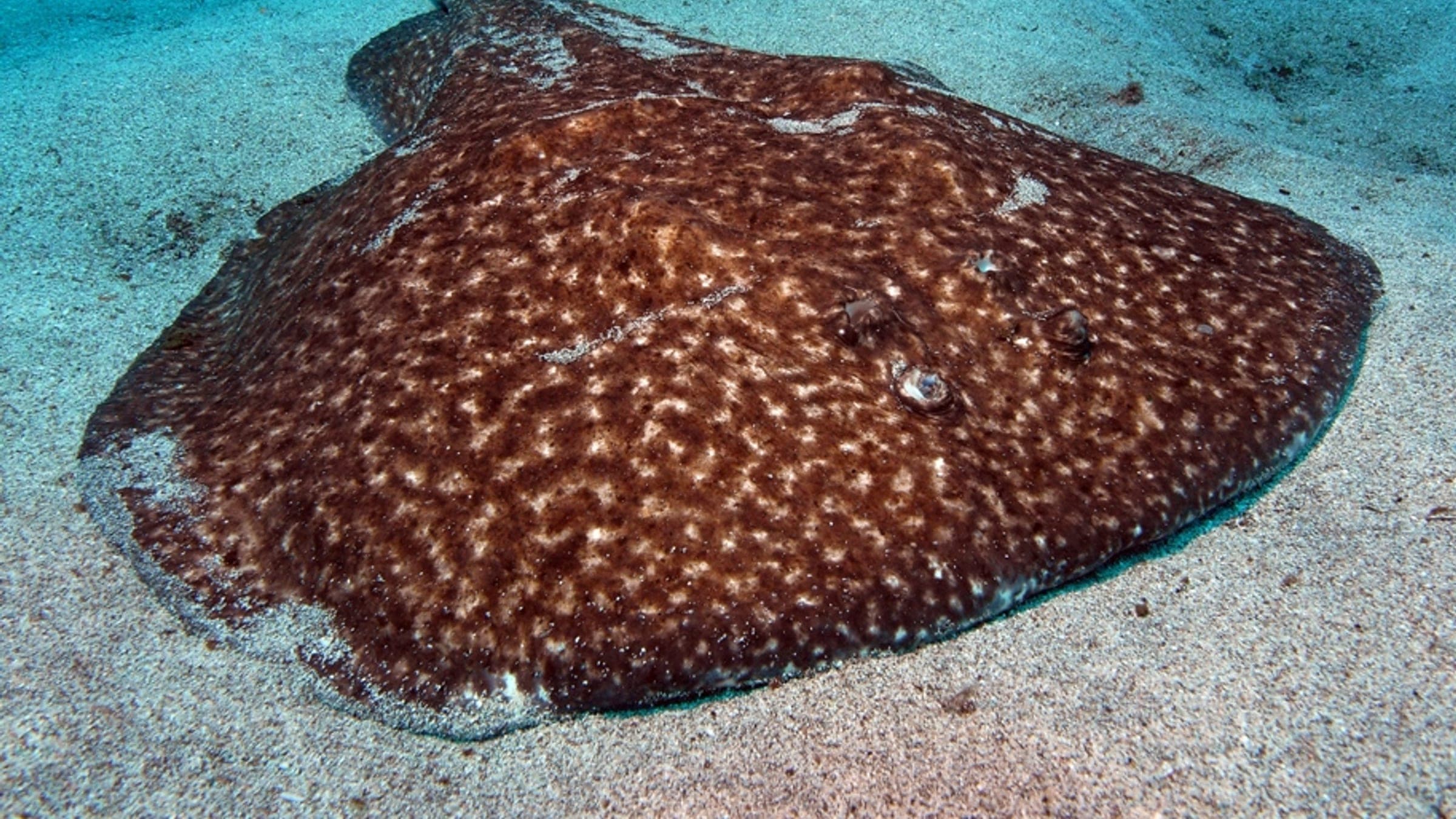
Electric rays are a group of flattened cartilaginous fishes in the order Torpediniformes, characterized by enlarged pectoral fins. They can produce electric discharges ranging from 8 to 220 volts depending on species, which they use to stun prey and for defense. The group contains 69 species divided among four families. Members of the genus Torpedo are among the best known; the undersea weapon "torpedo" was named after these fishes. The Latin root torpere, meaning "to be stiffened or paralyzed," refers to the effect of their electric shock on someone who touches the fish.
They use electric discharges to stun prey.
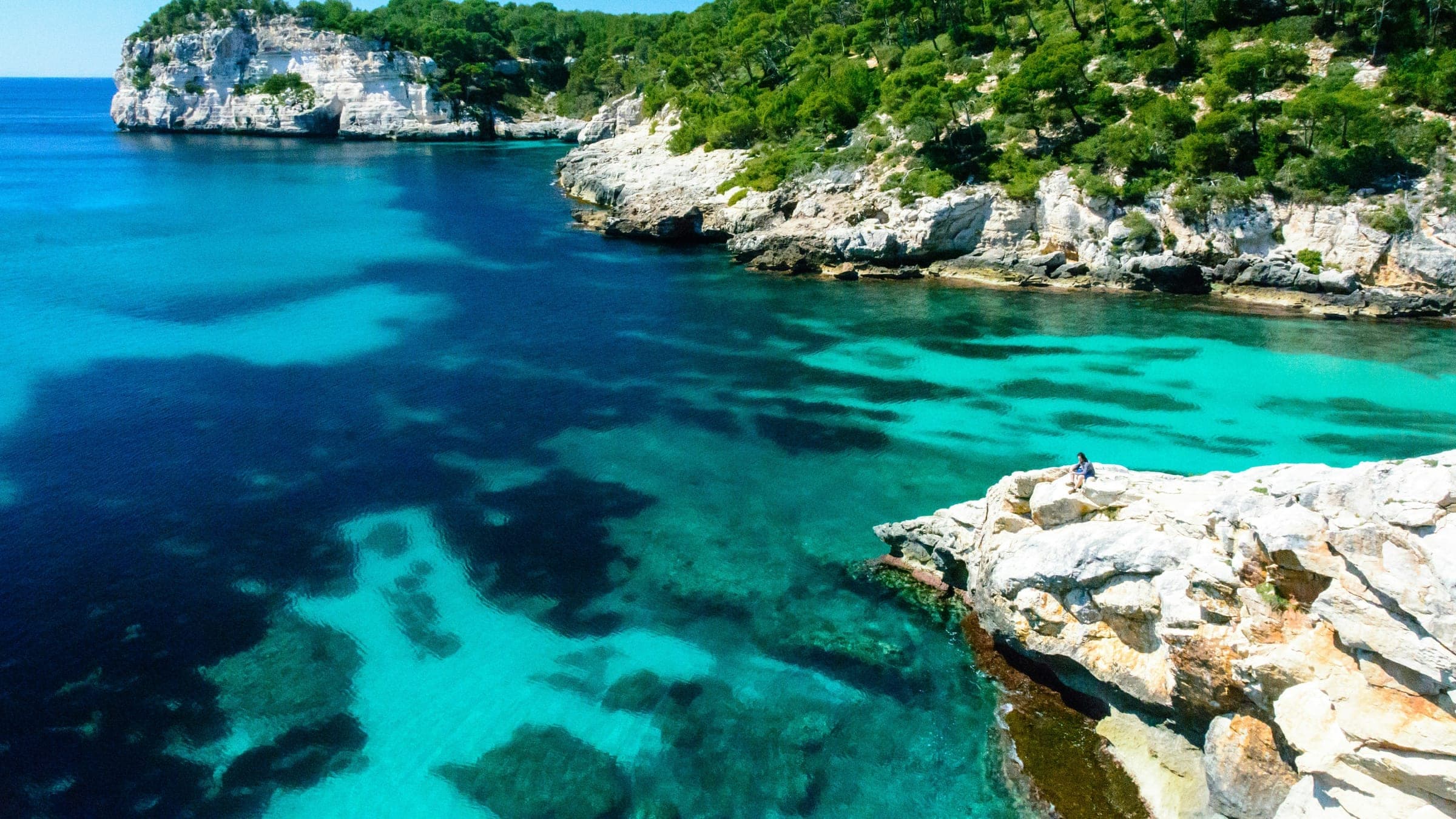
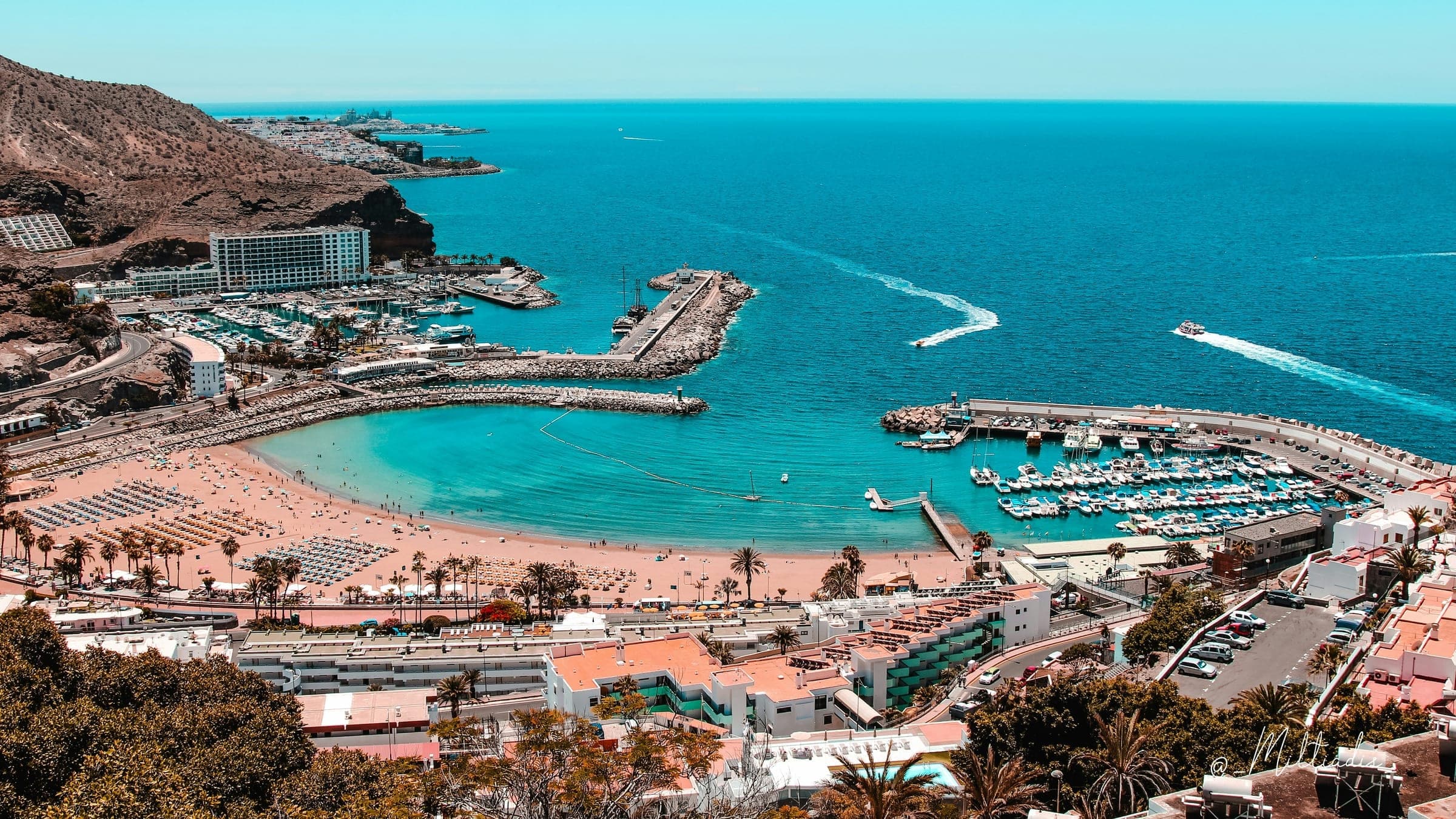
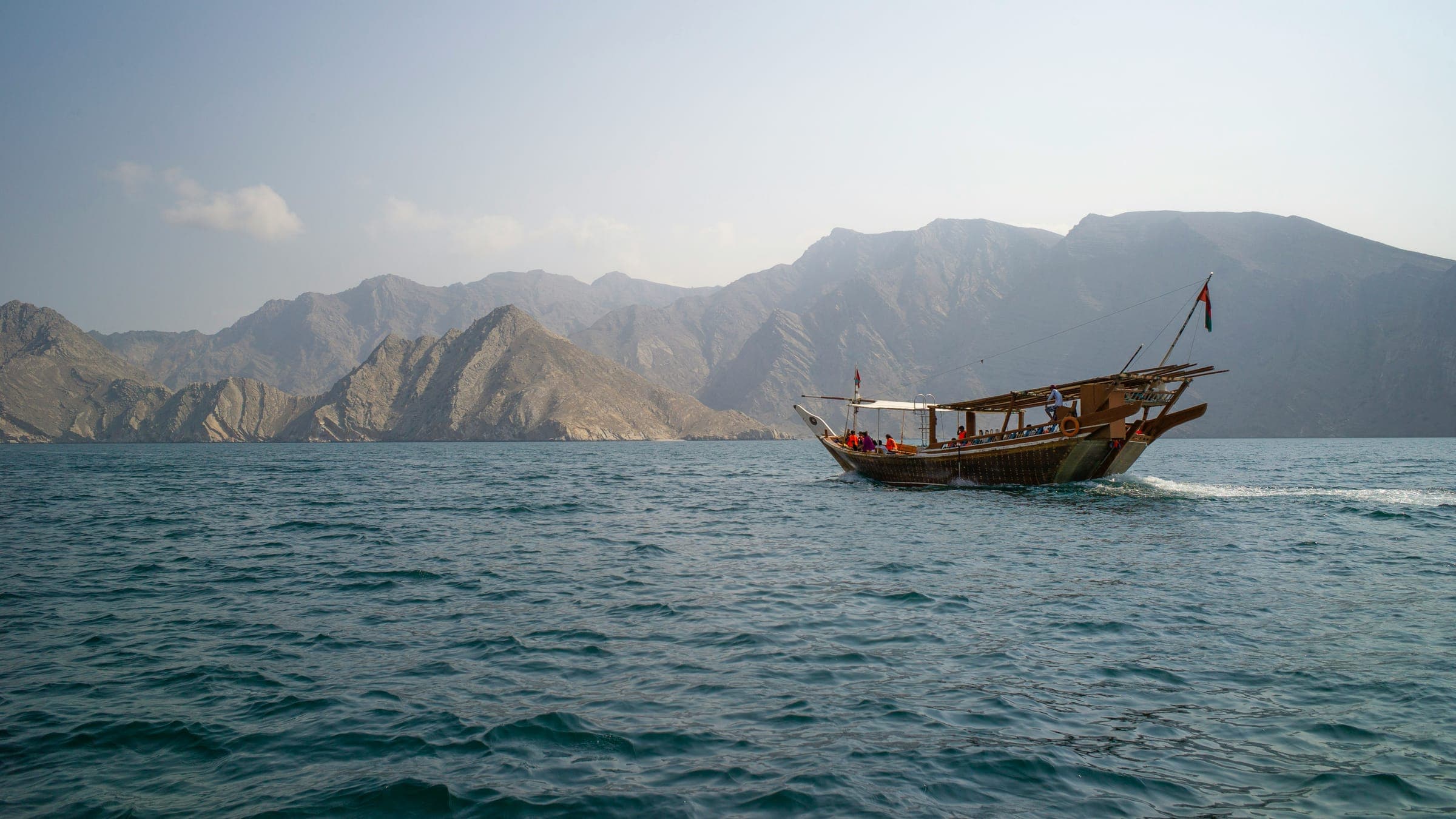
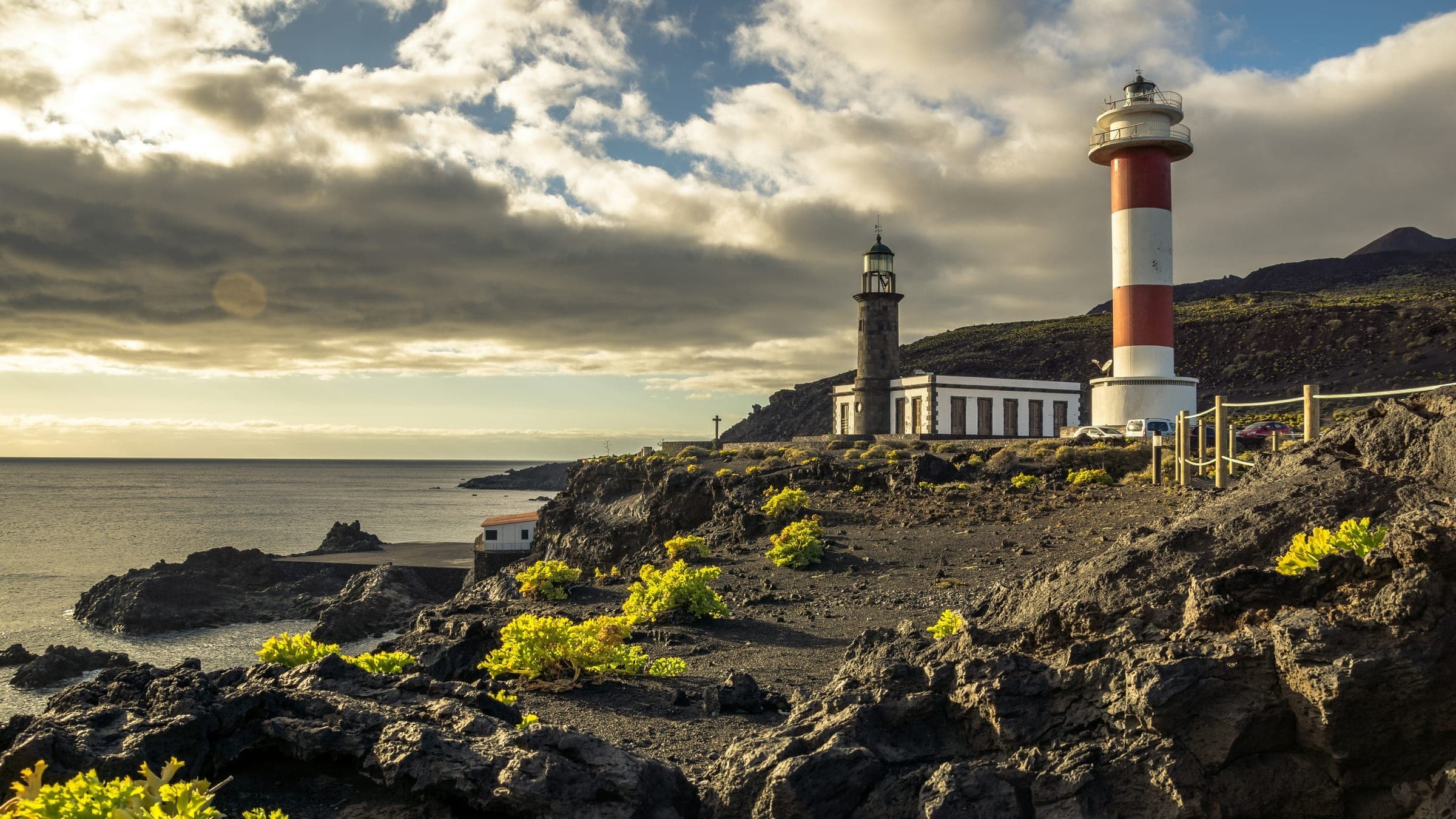
The strongest linked planning options currently surface around destinations such as Menorca, Gran Canaria, Musandam and countries such as Spain, France, Croatia for divers building trips around electric rays.
Identification
The visual markers divers can use underwater, plus the species most likely to cause confusion.
Flattened body with enlarged pectoral fins, typical of rays.
Capable of producing electric discharges (8–220 volts depending on species).
Diet
Useful feeding context that often explains habitat, movement, and encounter style.
They use electric discharges to stun prey.
Responsible Encounters
Conservation-minded guidance for divers who want the encounter without adding pressure.
Do not touch electric rays; their discharge can stun or paralyze.
Field Notes
Useful species context that makes the encounter more meaningful once you are underwater.
The Latin torpere, meaning to be stiffened or paralyzed, is the root of the name and reflects the effect of their electric shock.
The undersea weapon "torpedo" was named after members of the genus Torpedo.
Top Destinations
Destinations surfaced from the linked dive spots associated with this species.
Top Countries
The strongest country-level starting points currently linked to this species.
Top Dive Spots
Directly linked dive spots where this species already shows up in the planning data.
Easy boat reef with coral boulders and dense fish life.
Boat-accessed artificial reef over sand with steady reef life.
Boat-access artificial reef with concrete sculptures off Arguineguín.
Boat-dived artificial reef off southern Gran Canaria.
Boat-access artificial reef on Gran Canaria's south coast.
Shallow Isla Fuerte coral patch for skills and night dives.
FAQ
Clear planning and conservation answers written for search visibility and AI retrieval.
Research Sources
Primary and credible references behind the field-guide and conservation claims on this page.
Primary wildlife guide source.
Supporting wildlife source.
Supporting wildlife source.
Related Species
Related species guides in the same encounter family.