Size
Typical disc width 3–3.5 m; maximum around 5.5 m.
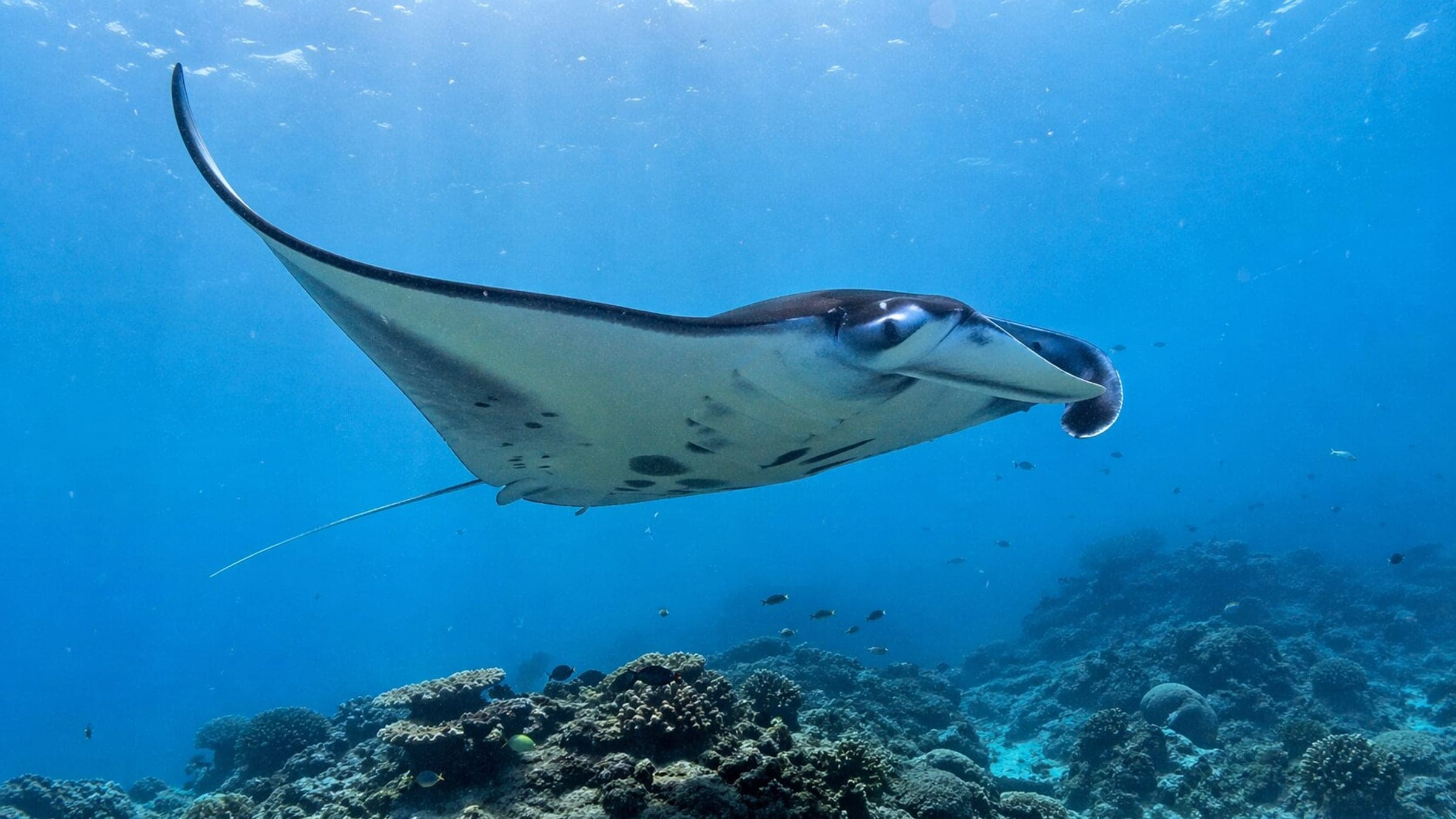
Mobula alfredi
A large Indo-Pacific ray typically found in shallow, coastal waters and reaching several metres in disc width.
Species Guide
A clean field guide focused on habitat, identification, behavior, and conservation context without burying the useful parts.
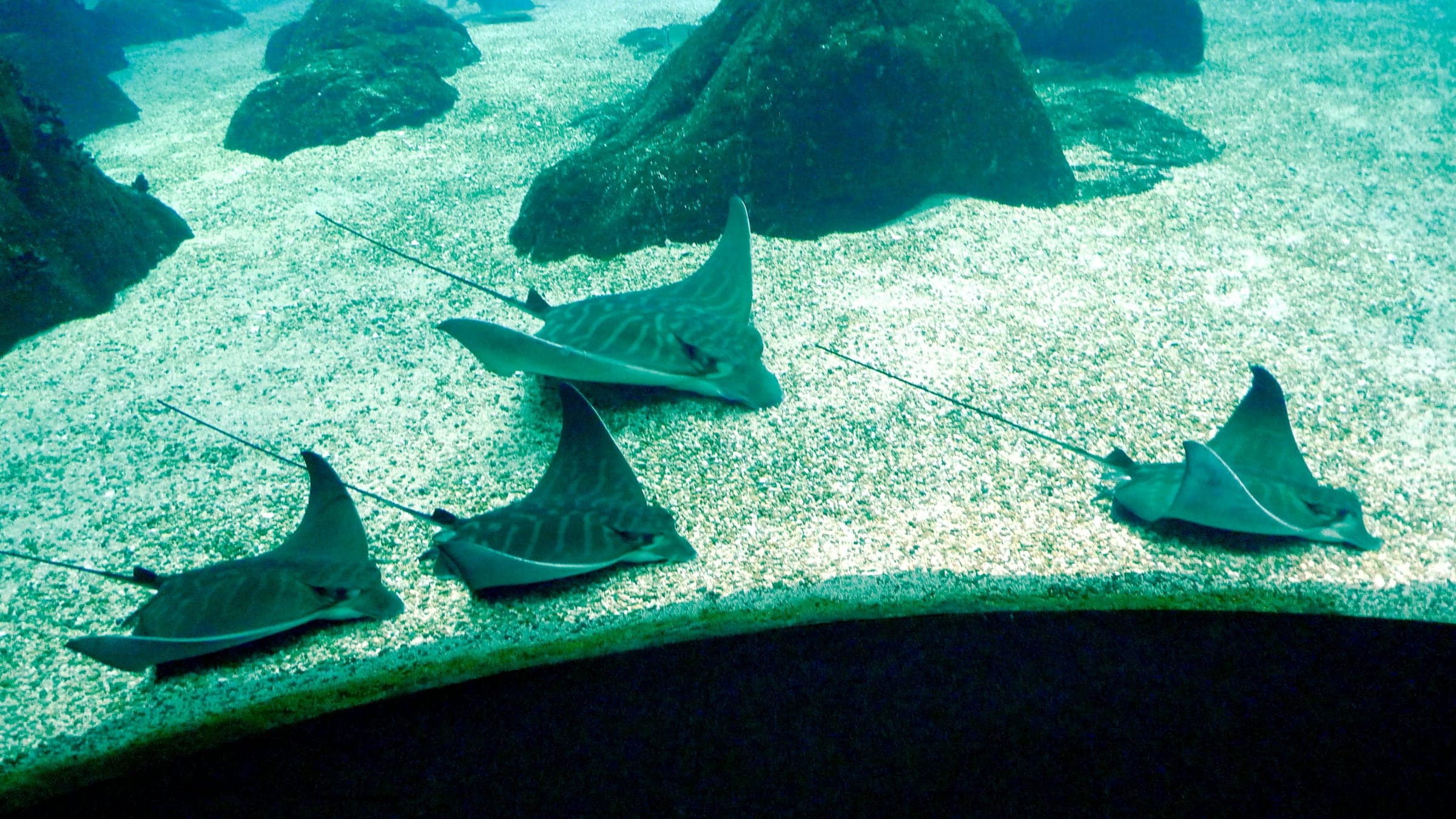
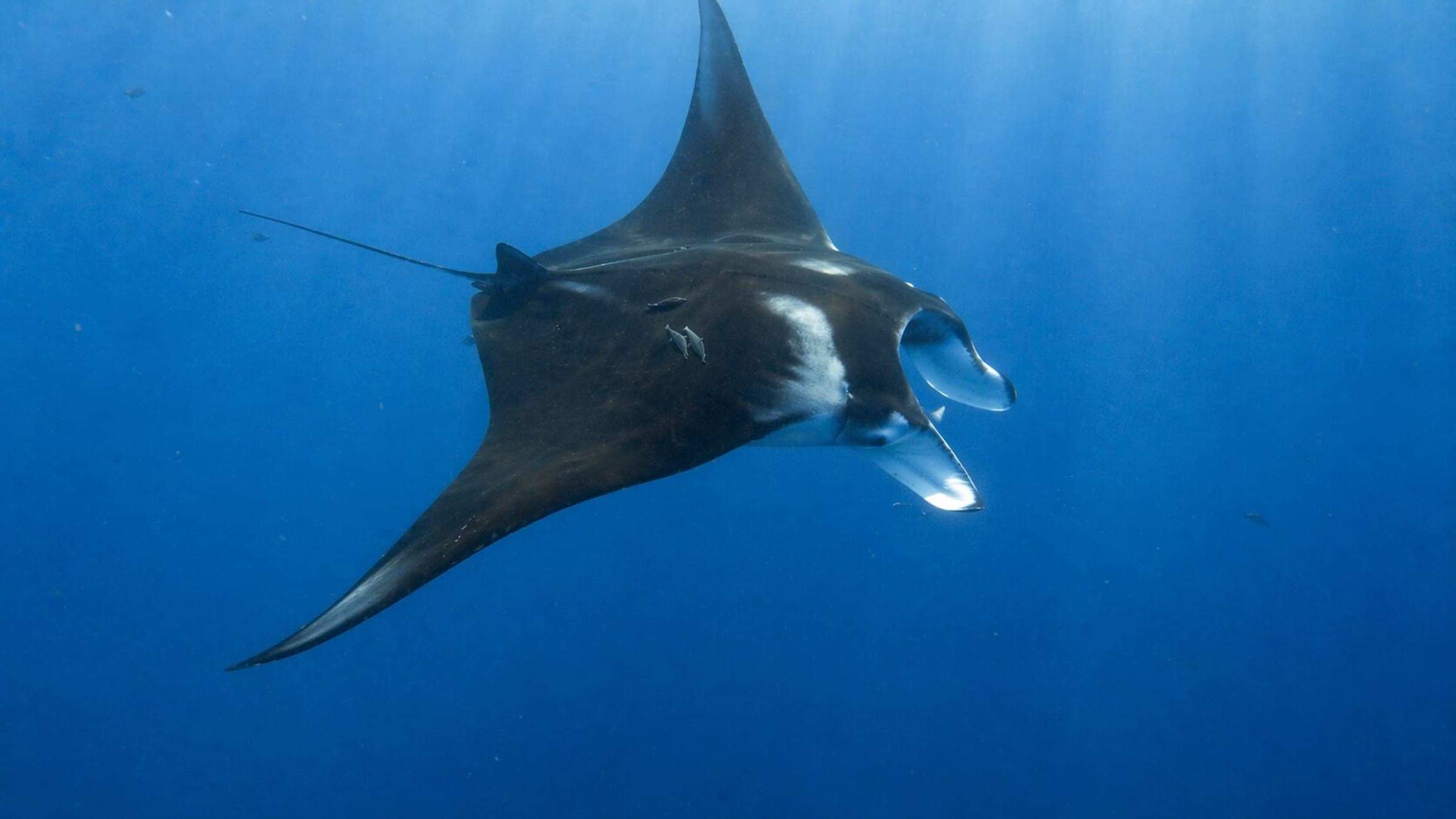
The reef manta ray (Mobula alfredi) is a species in the family Mobulidae and is among the largest rays in the world. It is generally 3 to 3.5 m (9.8 to 11.5 ft) in disc width, with a maximum recorded size of about 5.5 m (18 ft). The species was first described in 1868 by Gerard Krefft and was named in honor of Alfred, Duke of Edinburgh. Historically placed in the genus Manta, the species (along with other mantas) was reassigned to the genus Mobula in 2017. The reef manta ray is widely distributed through the tropical and subtropical Indo-Pacific, with a few records from the tropical East Atlantic; there are no records from the West Atlantic or East Pacific. Compared with the giant oceanic manta ray, the reef manta ray tends to occur in shallower, more coastal habitats, and local migrations have been reported. Mobula birostris (the giant oceanic manta ray) is similar in appearance and their distributions can overlap, so the two species may be confused.
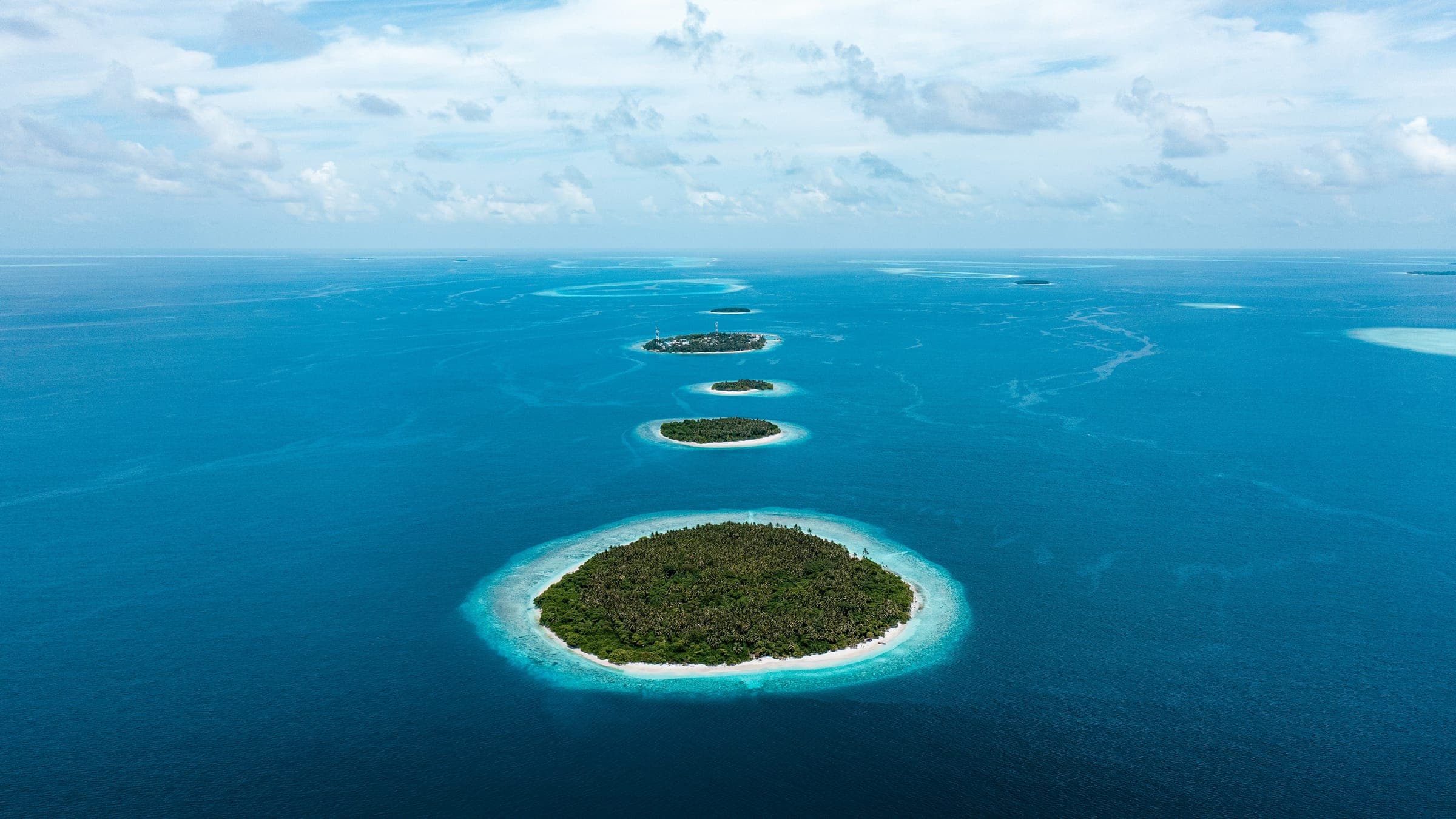
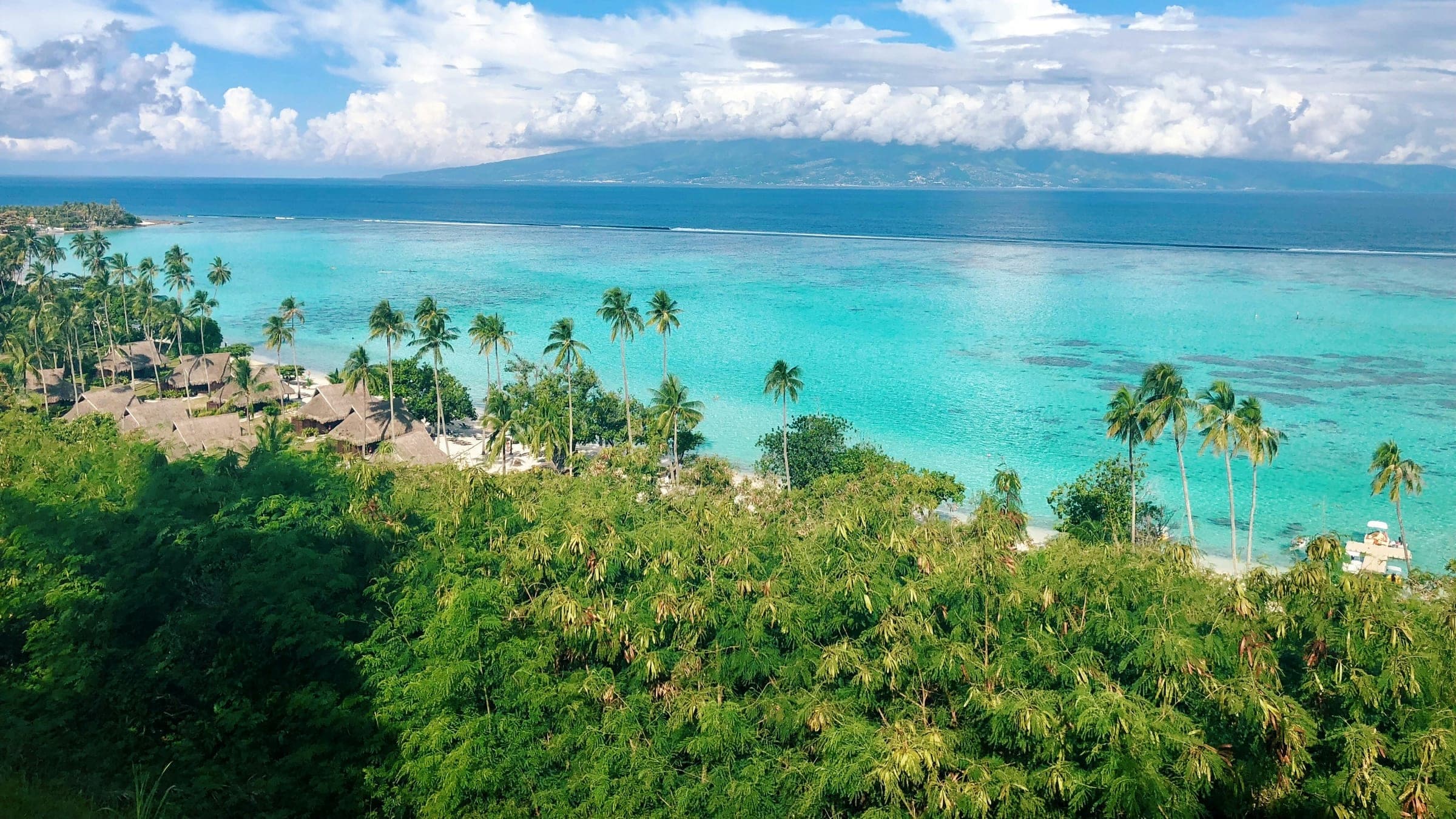
The strongest linked planning options currently surface around destinations such as Ari Atoll, Addu Atoll (Seenu Atoll), Komodo and countries such as Maldives, Indonesia, French Polynesia for divers building trips around reef manta rays.
Identification
The visual markers divers can use underwater, plus the species most likely to cause confusion.
Typical disc width 3–3.5 m; maximum around 5.5 m.
Last Updated Mar 9, 2026 · 3 sources
Tends to be found in shallower, more coastal habitats compared with the giant oceanic manta ray.
Described in 1868 as Manta alfredi; reassigned to genus Mobula in 2017.
Similar in appearance and overlapping in distribution, which can lead to confusion between the species.
Responsible Encounters
Conservation-minded guidance for divers who want the encounter without adding pressure.
Give reef manta ray space, avoid blocking the animal's path, and follow local site and operator rules for wildlife interactions with rays.
Field Notes
Useful species context that makes the encounter more meaningful once you are underwater.
The species name alfredi honors Alfred, Duke of Edinburgh.
Originally in genus Manta, reef mantas were moved to Mobula in 2017 along with other mantas.
Among generally recognized species, it is the third-largest ray, after the giant oceanic and Atlantic manta rays.
Top Destinations
Destinations surfaced from the linked dive spots associated with this species.
Top Countries
The strongest country-level starting points currently linked to this species.
Top Dive Spots
Directly linked dive spots where this species already shows up in the planning data.
Boat-only manta cleaning-station reef off south Nusa Penida.
Shallow manta cleaning station on southwest Penida.
Boat-access wall-and-plateau dive with changing swell.
Boat-accessed south-coast manta site with rocky pinnacles.
Central Komodo manta site with sandy slope and shallow bommies.
Advanced boat drift to a year-round manta cleaning station.
FAQ
Clear planning and conservation answers written for search visibility and AI retrieval.
Research Sources
Primary and credible references behind the field-guide and conservation claims on this page.
Primary wildlife guide source.
Supporting wildlife source.
Taxonomy reference.
Related Species
Related species guides in the same encounter family.