Best time to go
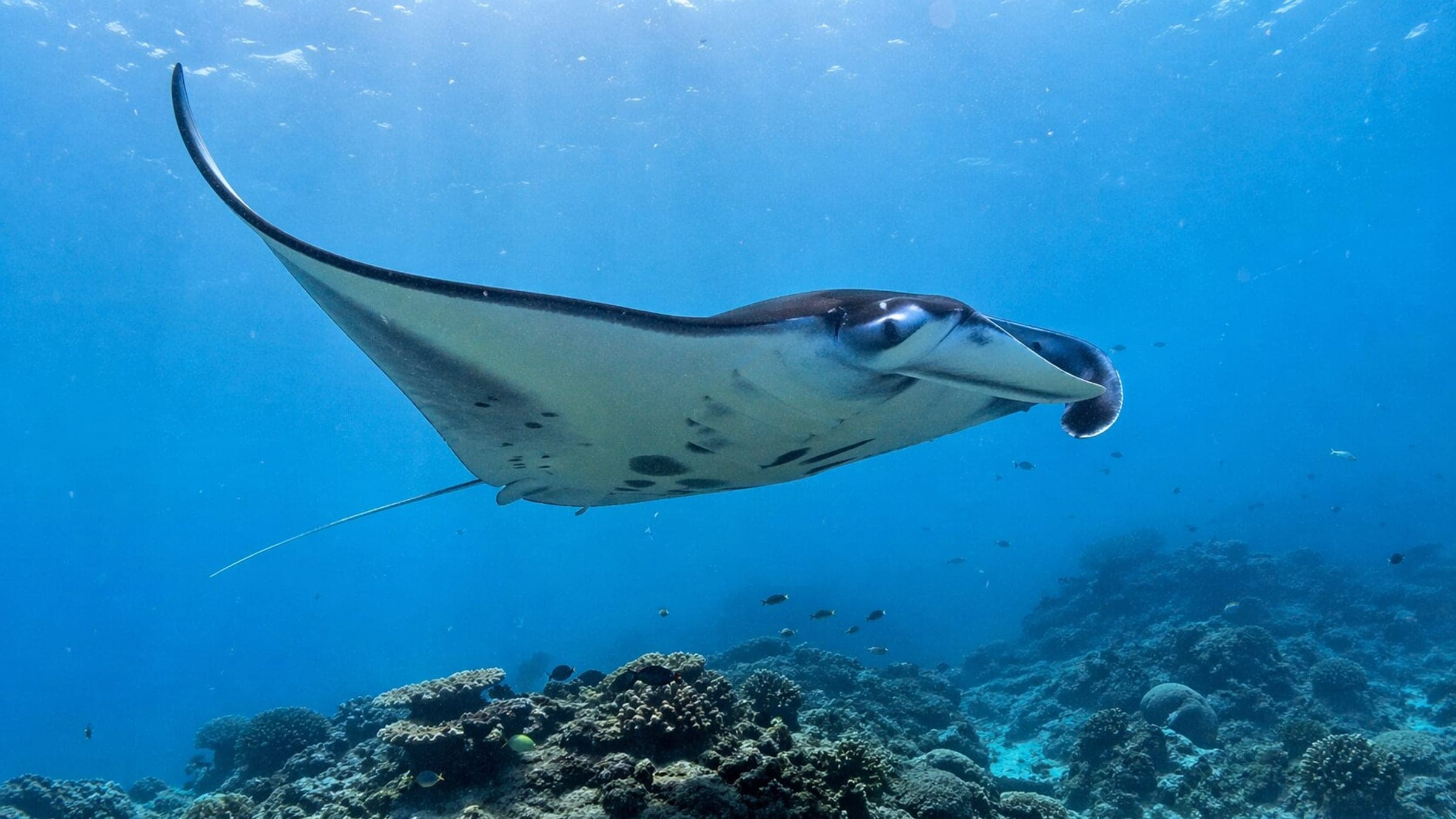
Jun-Oct for Hanifaru mantas
Drier spells or peak manta season. Expect air around 30°C and seas that range from calm to breezy.
Main caution: Start of the drier season but also holiday peak. Book early and expect premium pricing.
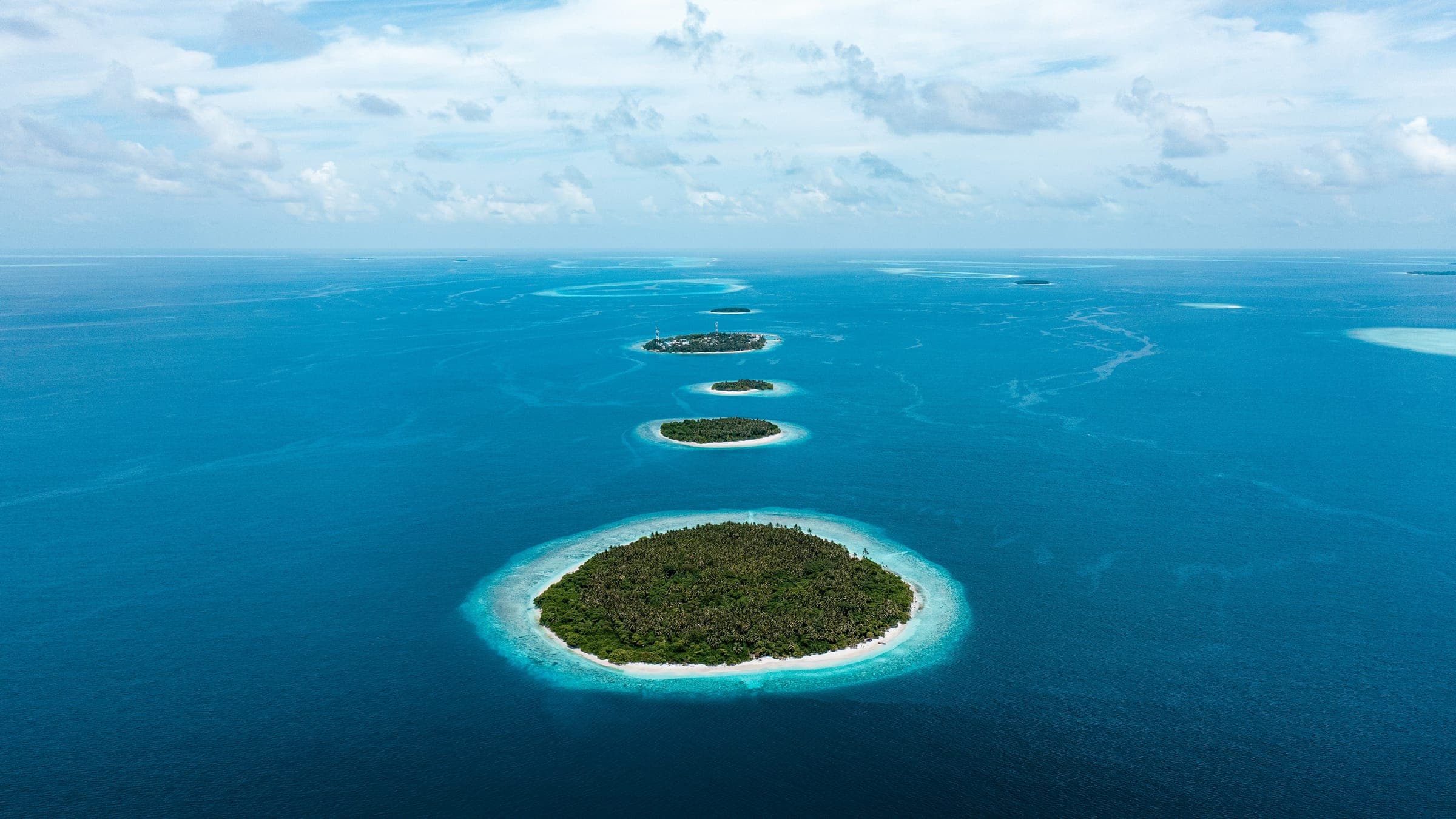
Manta rays, thila dives, and biosphere-reserve island life in one compact atoll
Overview
Baa Atoll is the Maldives' best all-around base for manta rays, with a UNESCO Biosphere Reserve wrapping reefs, lagoons, seagrass, and mangroves around a compact chain of resort and local islands. The headline is Hanifaru Bay, a strictly managed snorkeling-only site where plankton blooms can pull in dramatic manta feeding circles (and the occasional whale shark) in season. Outside the bay, scuba divers drop onto thilas and walls for reef fish, turtles, and seasonal cleaning stations, while freedivers and snorkelers can work shallow house reefs that start in just a few meters. Topside, split days between sandbank picnics, dolphin cruises, lacquerware crafts on local islands, and resort-grade wellness. With domestic flights into Dharavandhoo (DRV) and seaplane transfers from Male (MLE), Baa is easy to pair with a shorter trip and still feel remote once you are on the water.
Baa Atoll was designated a UNESCO Biosphere Reserve, protecting key habitats like coral reefs, seagrass beds, and mangroves alongside tourism.
One of the Maldives' most famous manta aggregation sites, managed with permits, time limits, and strict wildlife-distance rules.
Snorkel feeding events in Hanifaru Bay in season, plus scuba-accessible cleaning stations on nearby manta points.
Top species linked to approved dive spots in Baa Atoll.
Share what the whole destination was like. Once enough independent reviews are approved, DiveJourney publishes anonymous patterns, not reviewer profiles.
Quick shortlist before you jump into the full planning page.
DiveJourney destination guides are living documents built from local knowledge, operator experience, and publicly available sources. Conditions, regulations, and logistics can change. Each guide shows its last update date and sources used.
Last updated: February 13, 2026 • 13 sources
If destination data is inaccurate, stale, missing, or sourced poorly, send a factual correction. This is separate from anonymous destination reviews.
Domestic flights to Dharavandhoo (DRV) and seaplanes from Male (MLE) make it realistic to plan a shorter trip without sacrificing reef time.
Trip Planning
External Booking PartnerThis destination works either as a land-based plan or as a longer liveaboard itinerary. Use the guide for local planning, or compare boats if the remote circuit is the priority.
Land-based guide
Base areas, day boats, local operators, and shore logistics
Liveaboard planning
Boats, departures, and longer expedition-style routes
DiveJourney may earn referral revenue from the external booking partner. Liveaboard bookings are handled by the partner and operator under their terms.
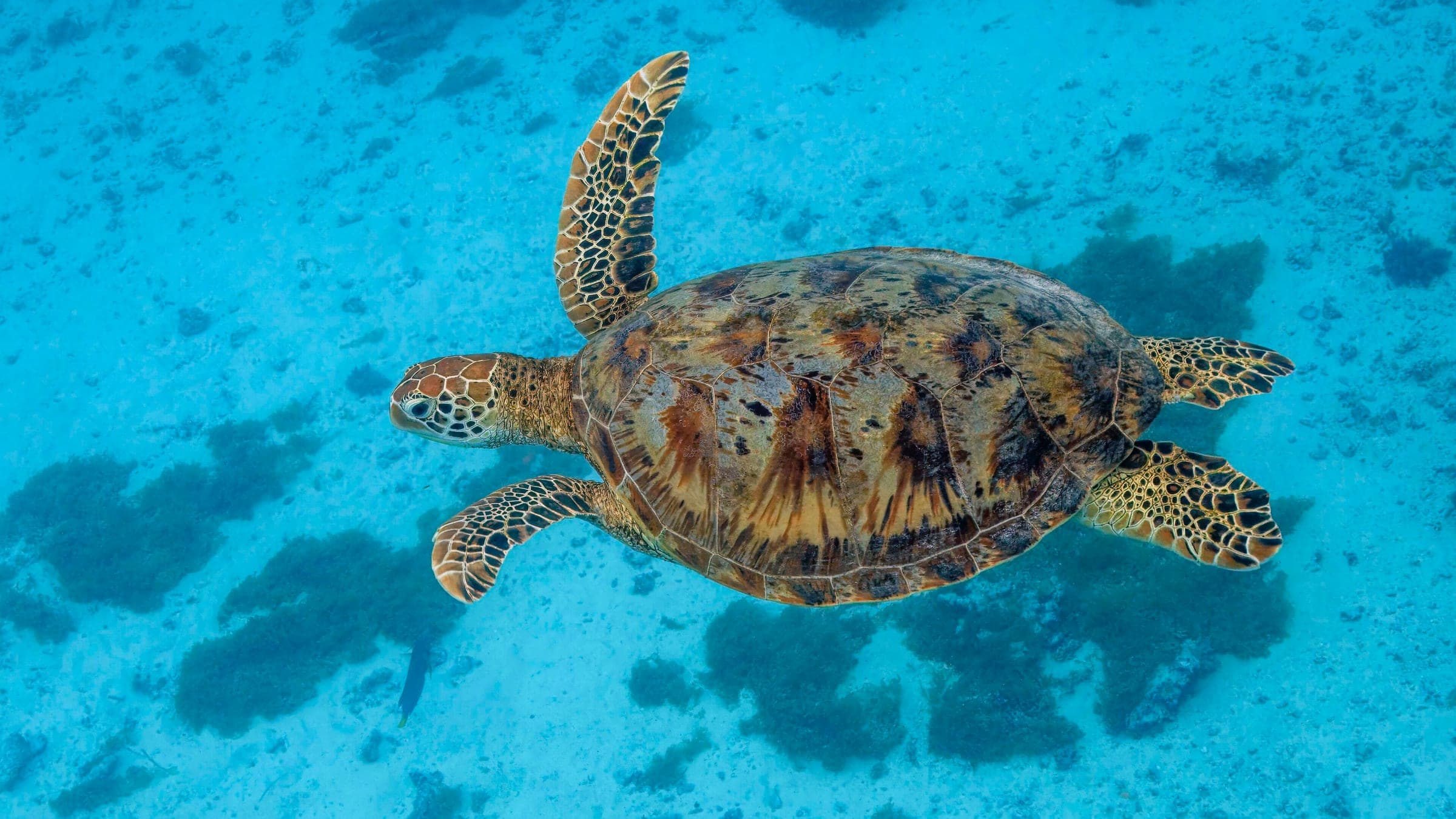
Chelonia mydas
4 linked spots
Best time to go
Jun-Oct for Hanifaru mantas
Drier spells or peak manta season. Expect air around 30°C and seas that range from calm to breezy.
Main caution: Start of the drier season but also holiday peak. Book early and expect premium pricing.