Size
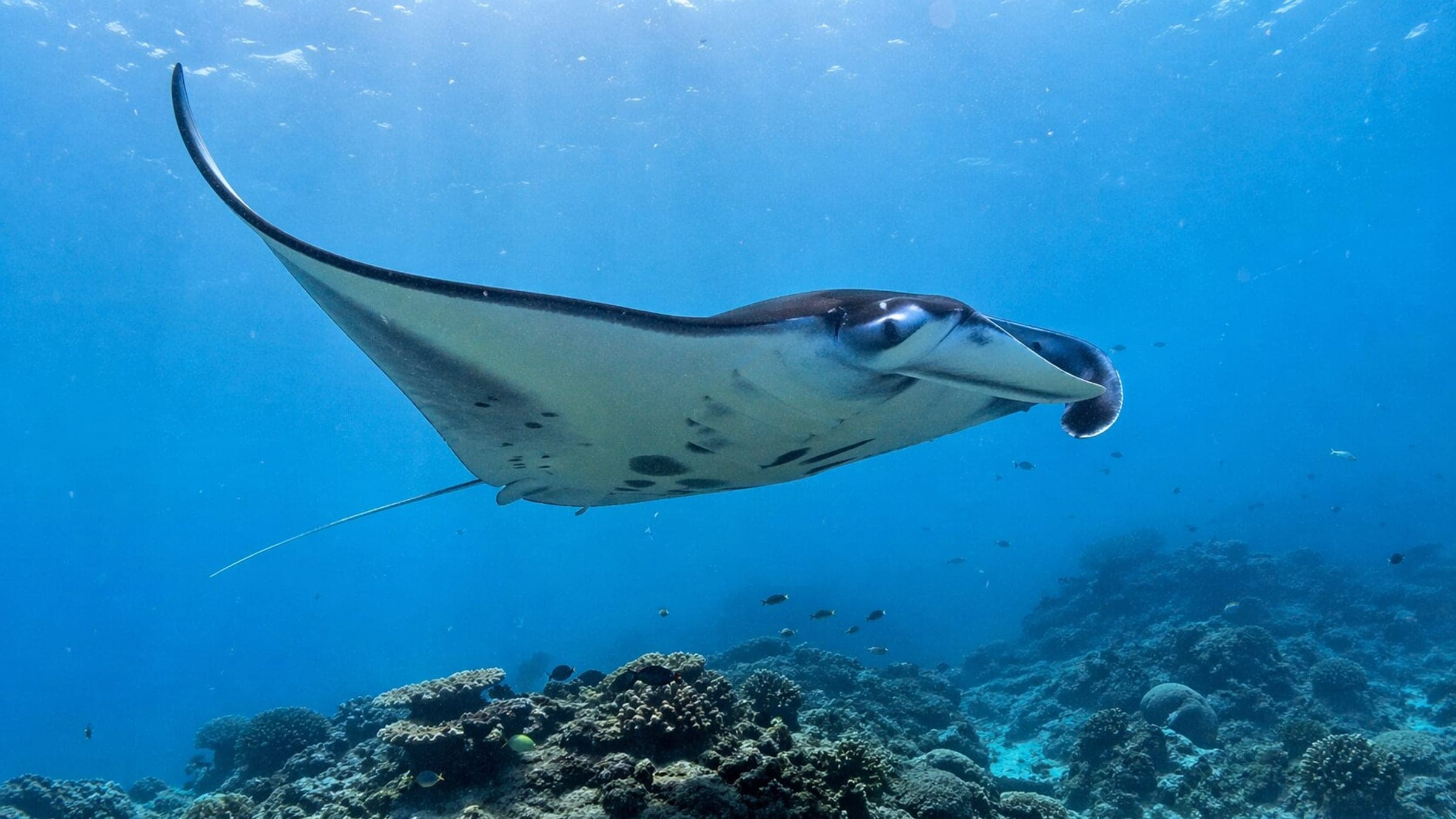
Recognized as the largest type of ray in the world.
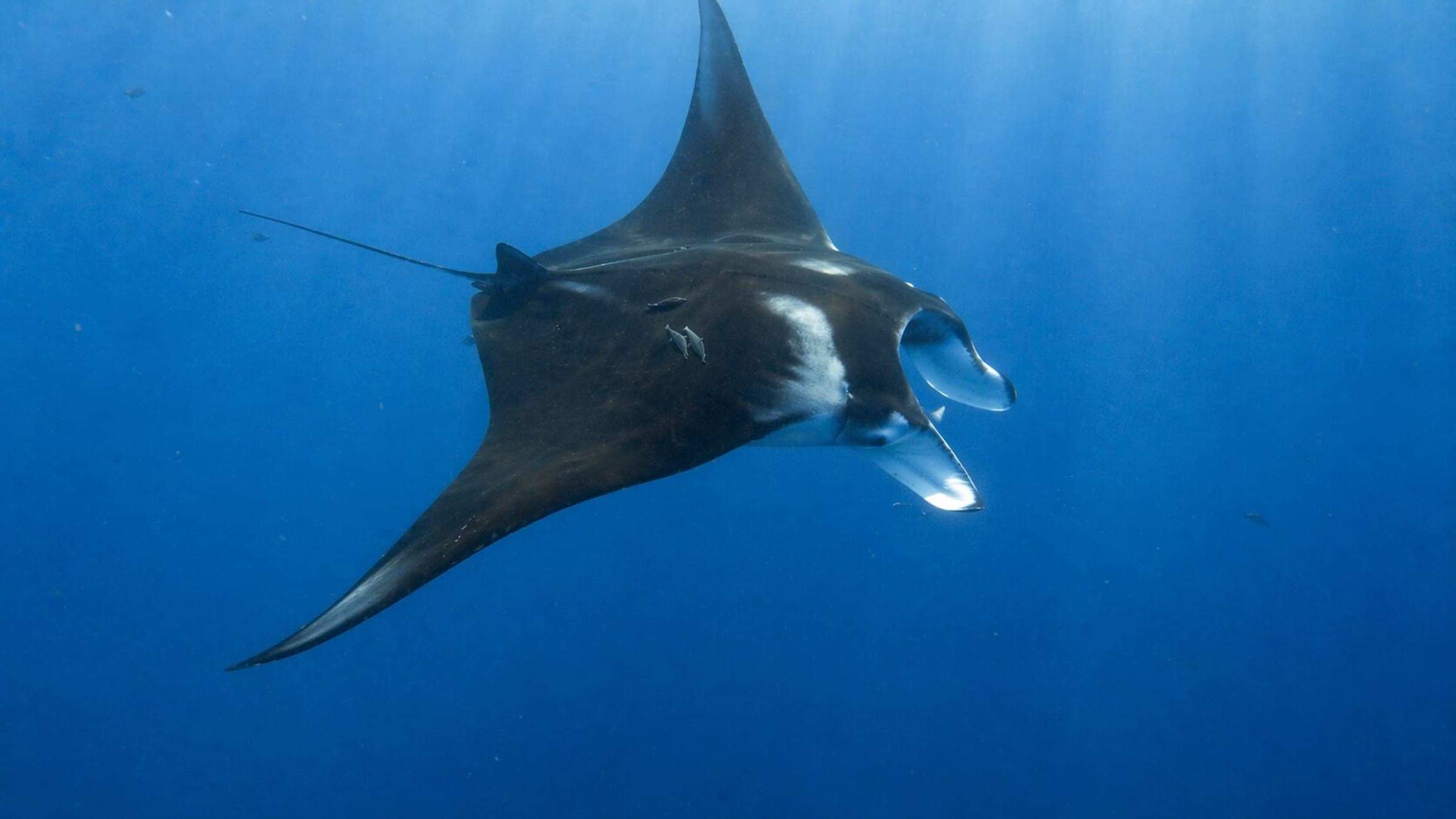
Mobula birostris
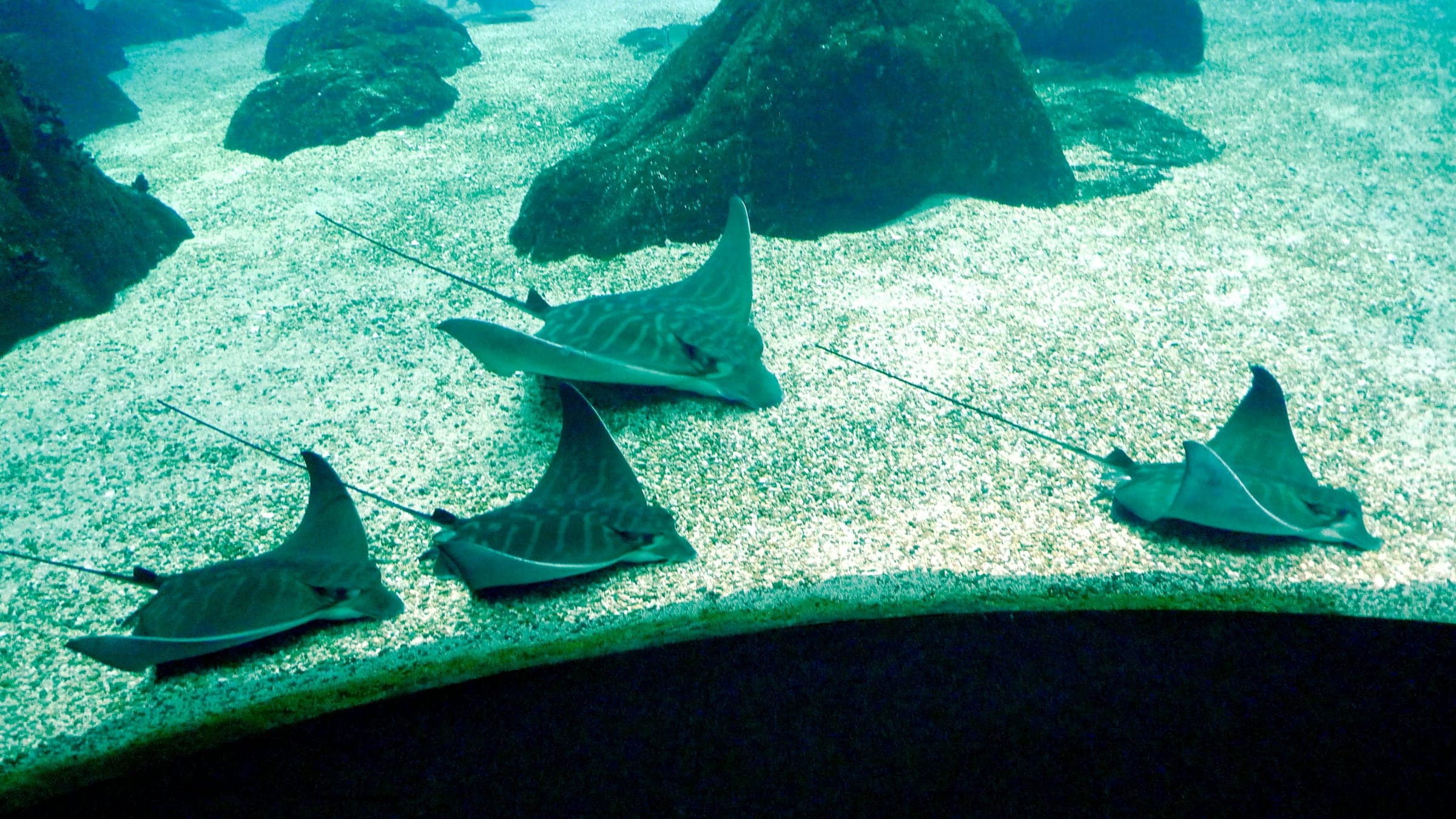
A circumglobal species, the giant oceanic manta ray (Mobula birostris) is the largest ray, typically found in tropical and subtropical waters and sometimes in temperate seas.
Species Guide
A clean field guide focused on habitat, identification, behavior, and conservation context without burying the useful parts.
The giant oceanic manta ray (Mobula birostris) is a species of ray in the family Mobulidae and is the largest type of ray in the world. It is circumglobal and typically occurs in tropical and subtropical waters, but can also be found in temperate waters. Until 2017 the species was placed in the genus Manta alongside the smaller reef manta ray (Mobula alfredi); DNA testing showed the two mantas are more closely related to some Mobula species than those Mobula are to other Mobula, and both manta species were reclassified into the genus Mobula.
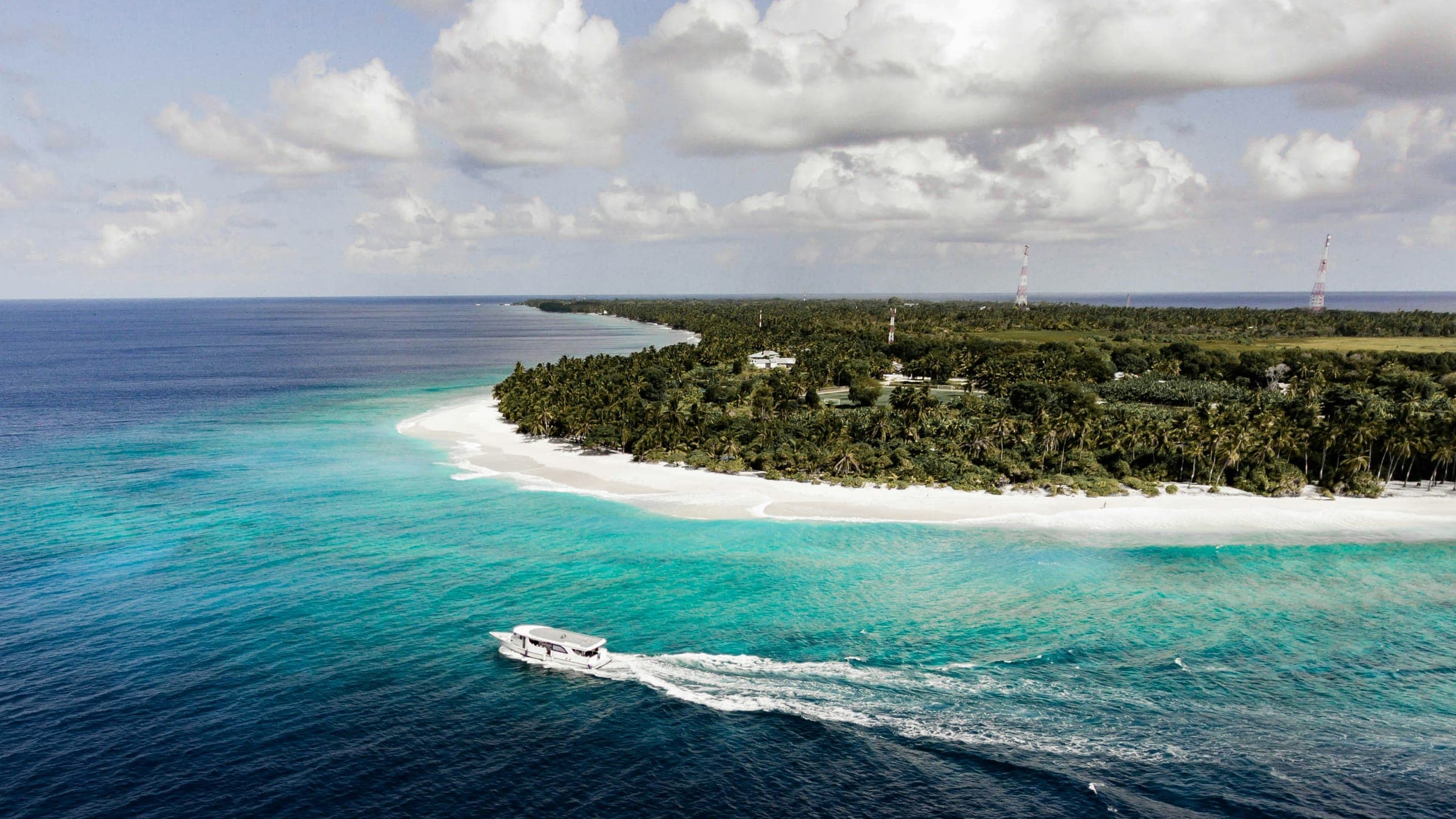
The strongest linked planning options currently surface around destinations such as Fuvahmulah, Khao Lak (Similan and Surin Islands), Phuket and countries such as Thailand, Maldives, Mexico for divers building trips around giant oceanic manta rays.
Identification
The visual markers divers can use underwater, plus the species most likely to cause confusion.
Recognized as the largest type of ray in the world.
Member of the family Mobulidae; scientific name Mobula birostris.
Last Updated Mar 9, 2026 · 2 sources
Circumglobal species found mainly in tropical and subtropical waters, and also in temperate waters.
A smaller manta species that was formerly grouped in the same genus (Manta) until reclassification in 2017.
Responsible Encounters
Conservation-minded guidance for divers who want the encounter without adding pressure.
Give giant oceanic manta ray space, avoid blocking the animal's path, and follow local site and operator rules for wildlife interactions with rays.
Field Notes
Useful species context that makes the encounter more meaningful once you are underwater.
DNA evidence led to the two manta species being moved from genus Manta into Mobula in 2017.
Top Destinations
Destinations surfaced from the linked dive spots associated with this species.
Top Countries
The strongest country-level starting points currently linked to this species.
Top Dive Spots
Directly linked dive spots where this species already shows up in the planning data.
Boat-only south-point drift for pelagics off Fuvahmulah.
Advanced offshore seamount dive for hammerheads and pelagics.
Miyaru Kandu is a protected shark channel with a strong drift.
Manta ridge with strong current and big pelagic life.
Boat-accessed triangle of three underwater pillars.
North Fuvahmulah reef-and-wall dive with pelagic passes.
FAQ
Clear planning and conservation answers written for search visibility and AI retrieval.
Research Sources
Primary and credible references behind the field-guide and conservation claims on this page.
Primary wildlife guide source.
Taxonomy reference.
Related Species
Related species guides in the same encounter family.