Australia's atoll lagoon for manta encounters, coral walls, and barefoot island days
Currently Viewing:
Overview
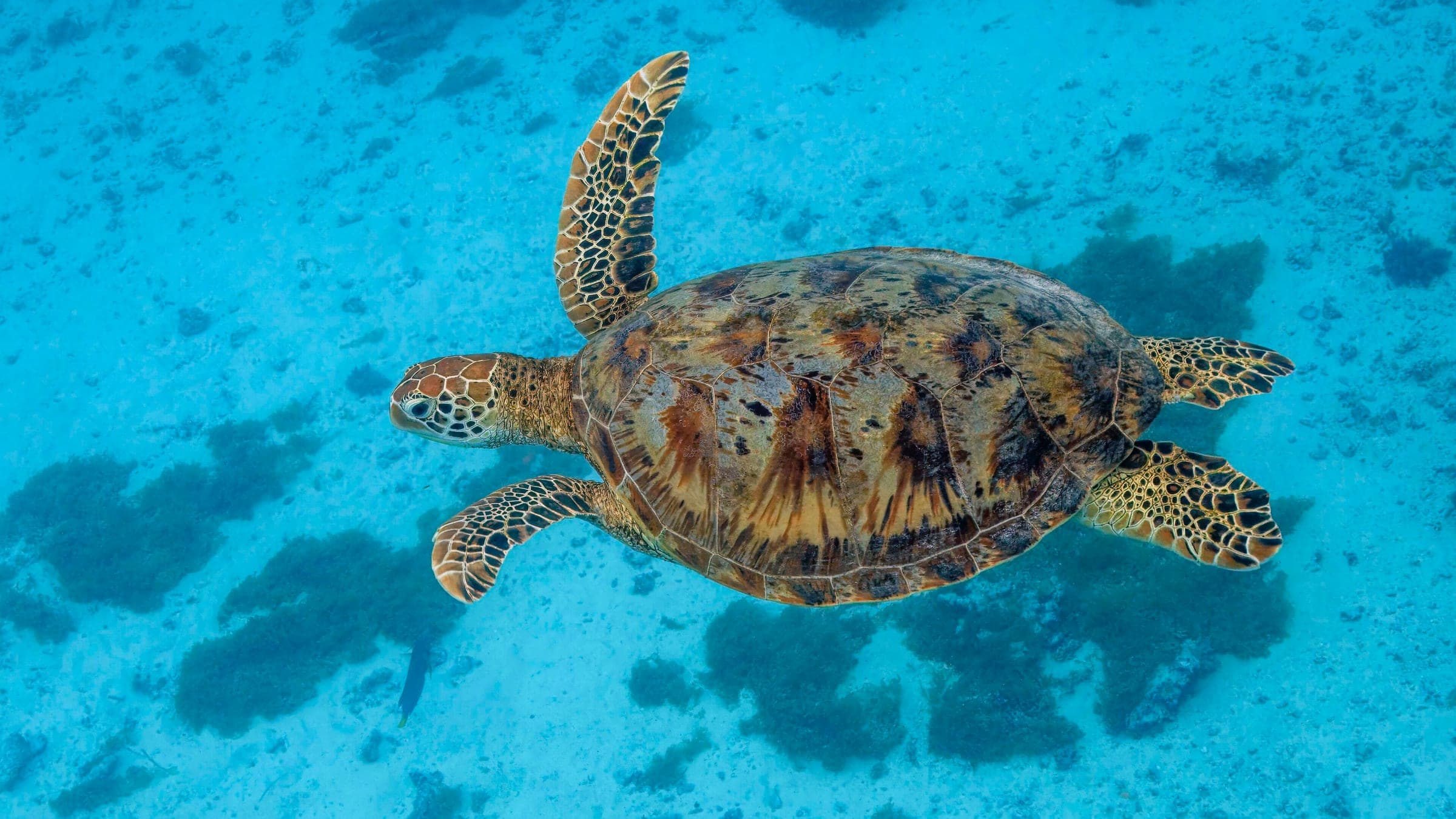
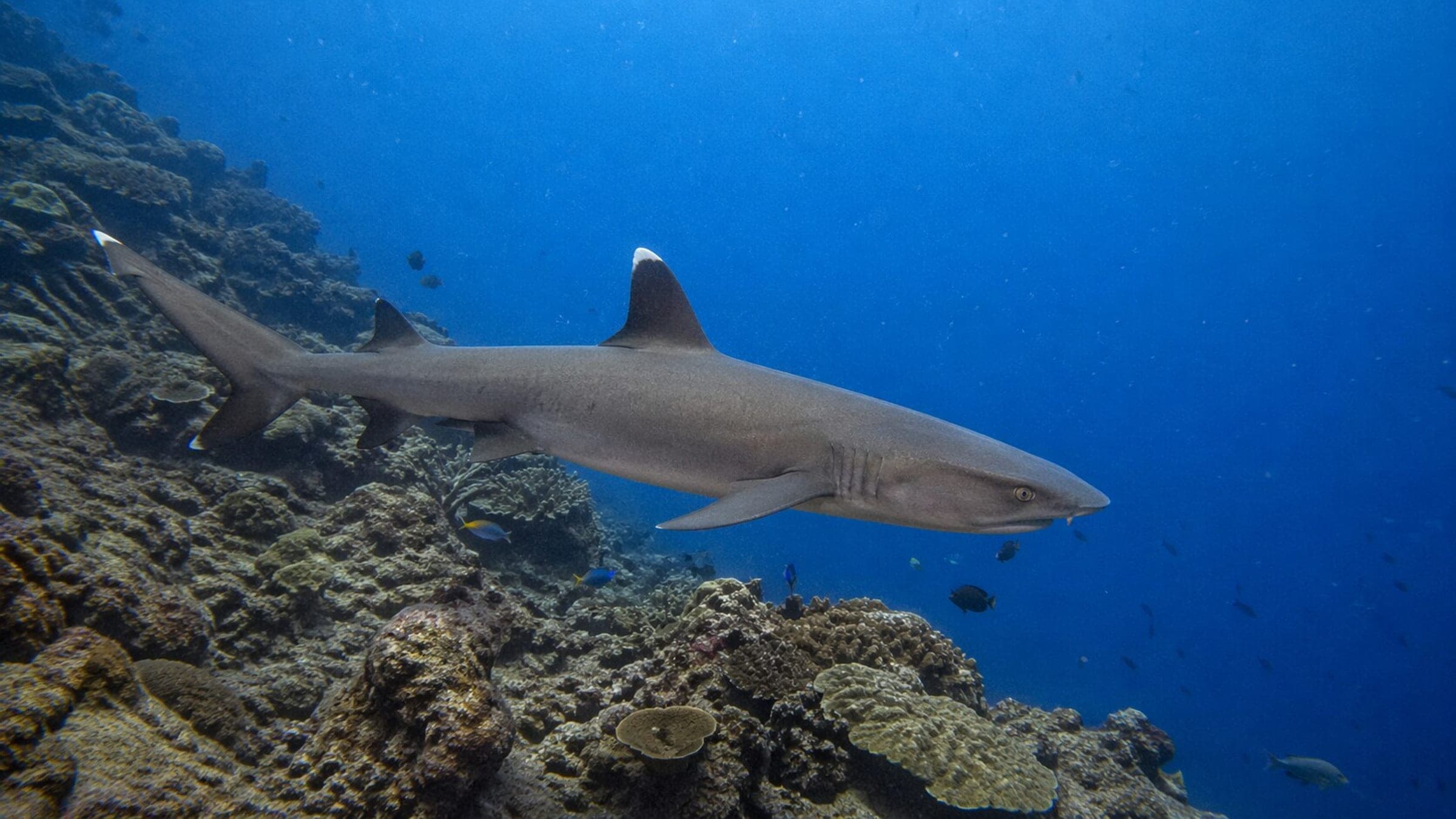
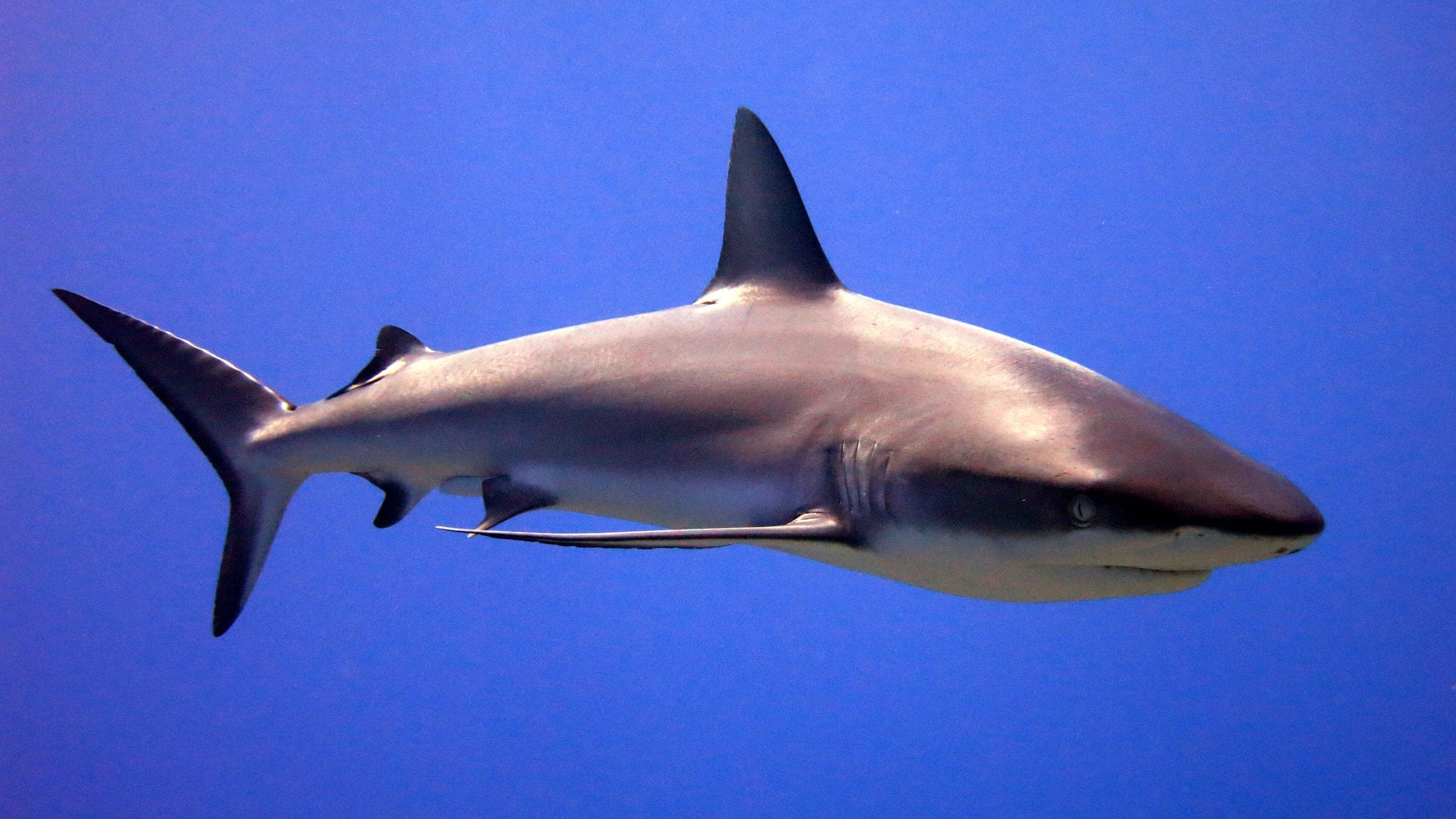
Barely on the map but fully in the water, the Cocos (Keeling) Islands are Australia's only true atoll lagoon: palm-fringed islets wrapped around electric-blue shallows and steep outer walls in the Indian Ocean. With only West Island and Home Island inhabited and a strict visitor cap, the vibe stays quiet and the reefs look freshly painted. Expect year-round warm water between 26°C and 29°C, visibility often around 25 m, and easy access to more than 20 mapped dive sites. Manta rays cruise cleaning stations inside the lagoon, while grey reef sharks and dogtooth tuna patrol outer drop-offs. Turtles and dolphins are common companions on snorkel and dive days. The trade-wind season (roughly May to October) is kiteboarding heaven, while calmer months (roughly November to April) make lagoon snorkelling and outer-reef boat dives simpler. Plan ahead: flights are limited, beds are limited, and there is a single dive operator.
The Cocos (Keeling) Islands are a remote Australian territory in the Indian Ocean made up of two coral atolls. West Island (administration) and Home Island (Cocos Malay community) sit on the southern atoll, which wraps a shallow lagoon in a near-perfect ring of sand cays. Most diving and snorkelling happens inside the lagoon or on the outer reef slopes just beyond the rim.
Australia has plenty of reefs, but very few classic atoll lagoons. Cocos gives you protected, shallow water for easy sessions, plus quick access to steep drop-offs when conditions allow.
Expect visibility often around 25 m and warm water between 26°C and 29°C. Hard corals, gorgonian fans and bommies support dense reef fish, turtles, reef sharks and regular manta rays.
There is one resident dive operator, so most people dive on a set schedule and in small groups. That is part of the charm, but it also means you should lock in dive days before you book flights.
The islands sit inside the Cocos (Keeling) Islands Marine Park. Inshore lagoon and reef areas are mostly Habitat Protection Zone, which allows some activities like recreational fishing but restricts seabed-disturbing methods. Two inshore areas (The Rip near Direction Island and Trannies Beach) are National Park Zone (green zone) where take is not allowed. Offshore waters beyond the atoll rim include large National Park Zone areas.
Always:
If your flight routing includes Christmas Island, consider adding a few days for rainforest hikes, land wildlife, and additional diving. The two islands deliver very different underwater terrain, so pairing them can make the long journey feel more worthwhile.
DiveJourney destination guides are living documents built from local knowledge, operator experience, and publicly available sources. Conditions, regulations, and logistics can change. Each guide shows its last update date and sources used.
Last updated: January 23, 2026 • 11 sources
If you see something inaccurate or outdated, you can submit an update. This is how the platform improves.
Trip callouts
A rare ring-shaped lagoon system with protected shallows plus quick access to outer-reef drop-offs.
Managed under the Cocos (Keeling) Islands Marine Park, including green zones at The Rip and Trannies Beach.
Water stays between 26°C and 29°C with visibility often around 25 m.
Strict limits on beds and a small local community keep reefs and beaches uncrowded, even in peak periods.
Pair lagoon time with Home Island's Cocos Malay culture and trade-wind kitesurfing season.
scuba
Why Cocos (Keeling) Islands for Scuba Diving
Cocos (Keeling) Islands deliver true atoll diving in Australia: turquoise lagoon sites for relaxed reefs and training, plus fast access to walls and drop-offs when conditions allow. Visibility is often around 25 m and the water stays between 26°C and 29°C year-round, so most divers pack a 3mm wetsuit or a rashguard. With more than 20 mapped sites but only one dive operator (Cocos Dive), the experience is small-group and highly curated. Expect manta rays at cleaning stations, turtles and dolphins in the lagoon, and grey reef sharks and dogtooth tuna on deeper edges.
freedive
Why Cocos (Keeling) Islands for Freediving
snorkel
Why Cocos (Keeling) Islands for Snorkeling
topside
What to do when you're not in the water
Freediving at Cocos is about clean lagoon water, gentle depth gradients, and the rare chance to meet mantas in an atoll setting at sites like Manta Cleaning Station and Old Cleaning Station. In calmer months (roughly November to April) the lagoon can go glassy, making it easier to run safe one-breath sessions from shore or with a small charter. When trade winds build (roughly May to October), pick leeward lagoon corners and plan tighter safety protocols. There is limited dedicated freedive infrastructure, so self-sufficiency matters: dive with a buddy, use a float and flag, and get local guidance on tides and channels.
Snorkeling is the fastest way to understand why Cocos is called an aquatic dream: the lagoon glows, the coral starts close to shore, and marine life density is high for such a small community. Expect warm water around 26°C and often excellent clarity. Beginners can wade in at protected lagoon beaches, while confident swimmers can graduate to current-assisted drifts like The Rip near Direction Island (best with local guidance and a pickup plan). Snorkel gear is available for hire on West Island, and boat tours and canoe safaris make it easy to hop between sand cays, coral gardens, and manta hot-spots.
Topside Cocos is all about slow island life and ocean-adjacent adventures. Spend a full day on Direction Island for picnic beaches and reef walks, ride the ferry to Home Island for Cocos Malay culture and food, and use the lagoon as a playground for SUP, kayaking, and glass-bottom boat tours. During trade-wind months (roughly May to October), the lagoon becomes a global-tier kitesurfing venue with steady breezes. Because accommodation and tours are limited, the best topside experiences reward travelers who book early and stay flexible.