Flattened disc and wing-like fins
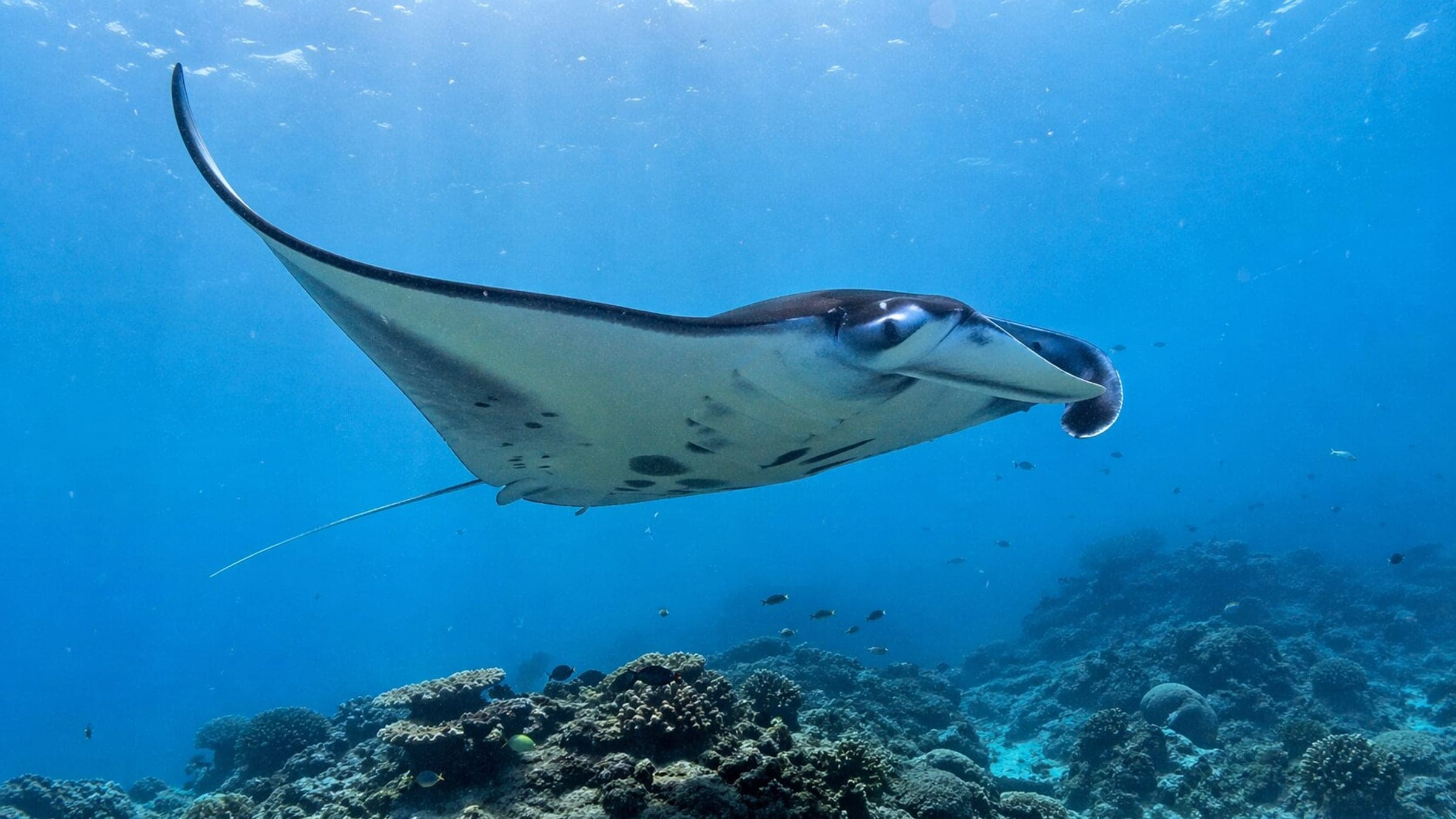
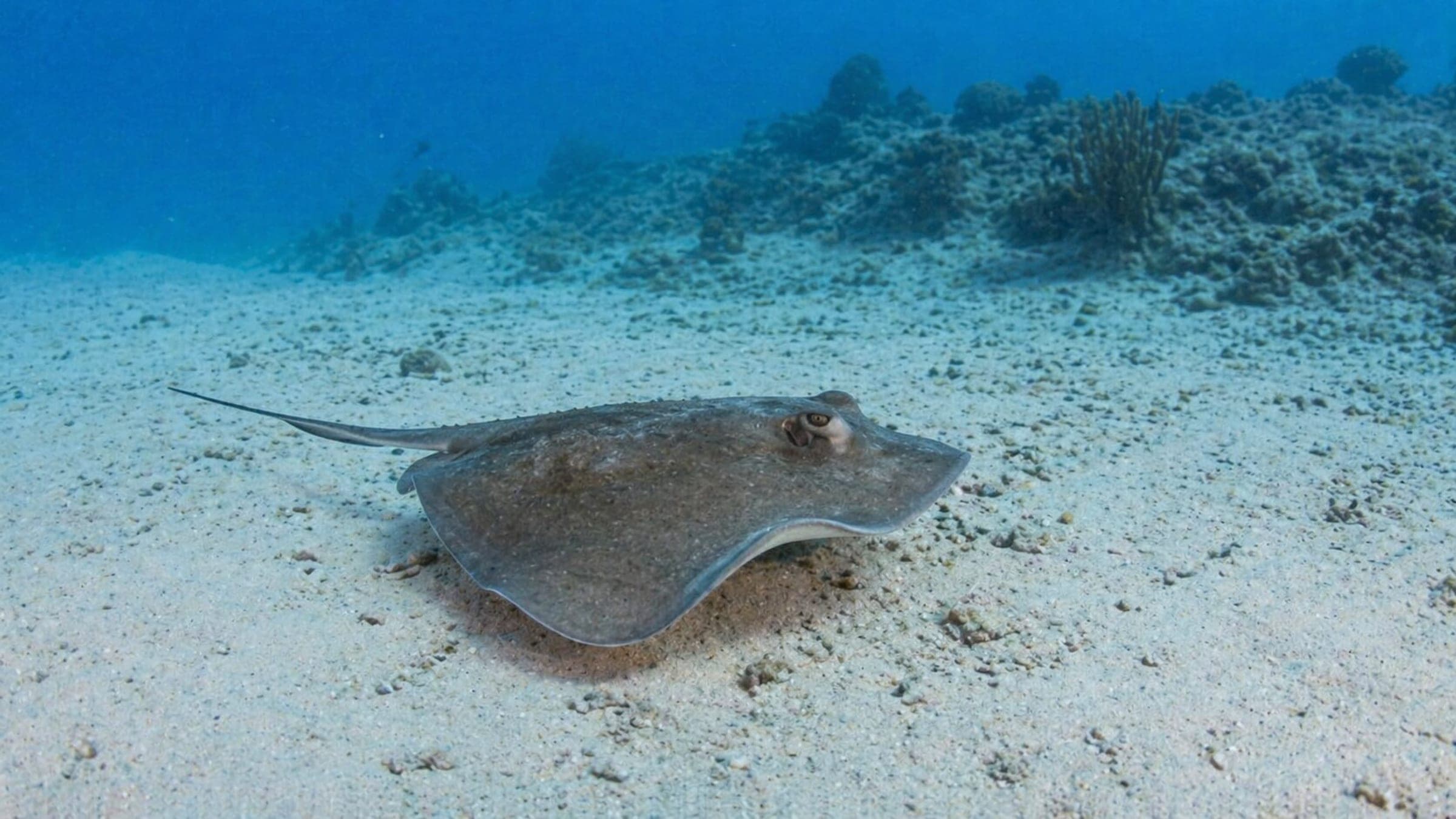
Most rays have a flattened body with enlarged pectoral fins fused to the head, creating the broad disc-shaped outline divers recognize immediately.
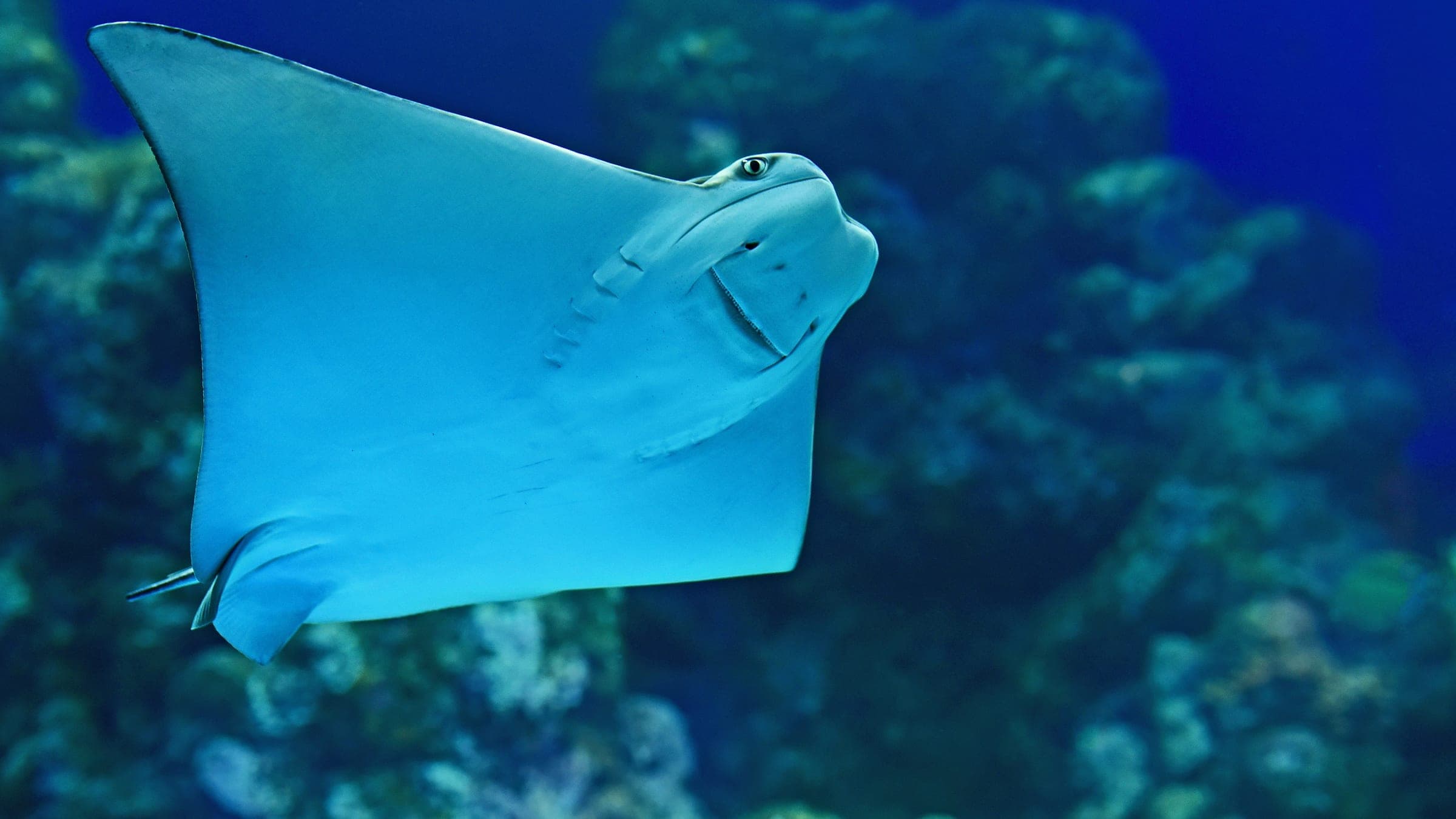
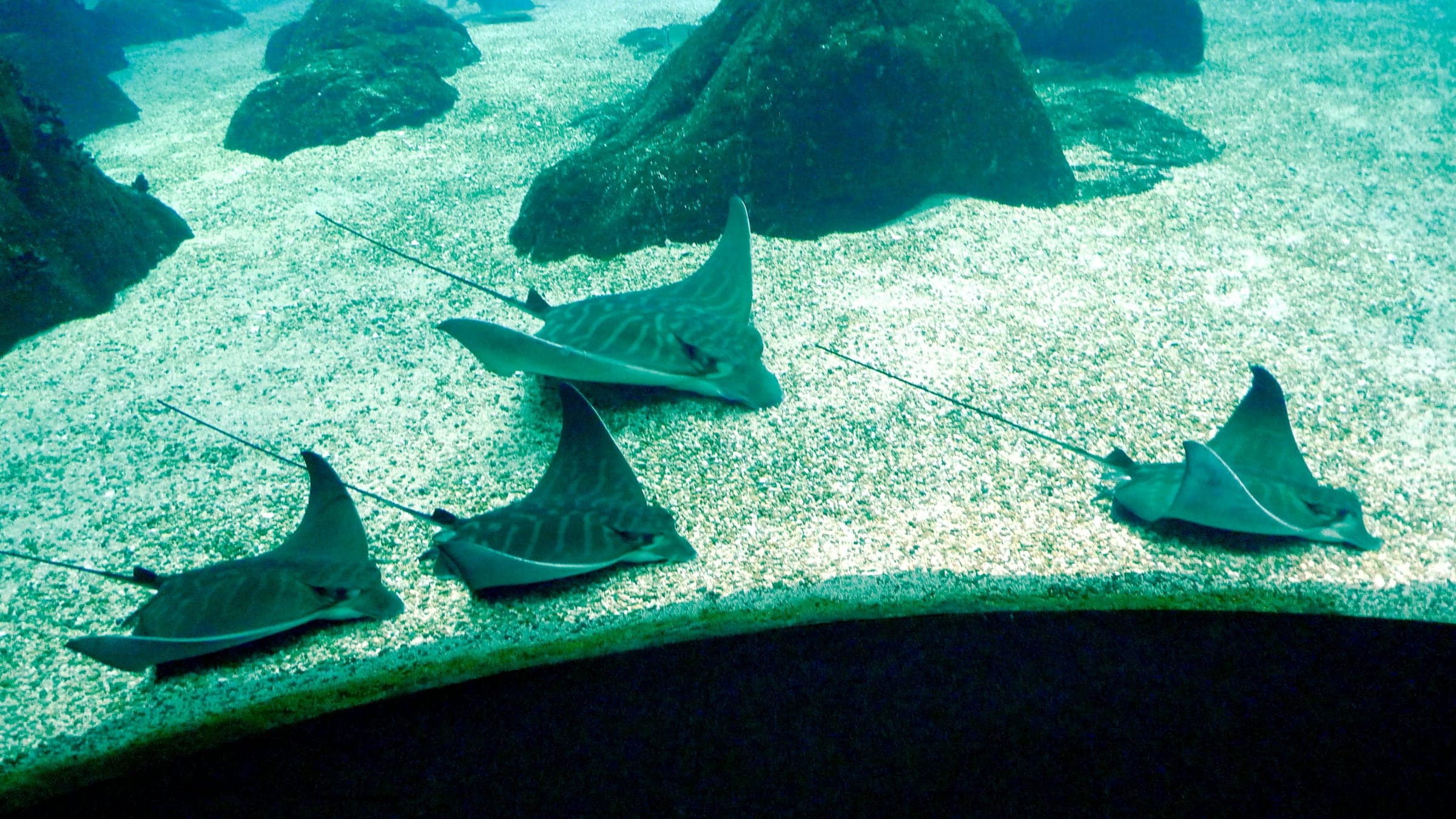
Rays are flattened cartilaginous fishes that range from buried coastal stingrays to cruising mantas and eagle rays, making them one of diving's broadest encounter groups.
Group Guide
A group-level field guide built to move divers from broad intent into the right species, destinations, and encounter planning.
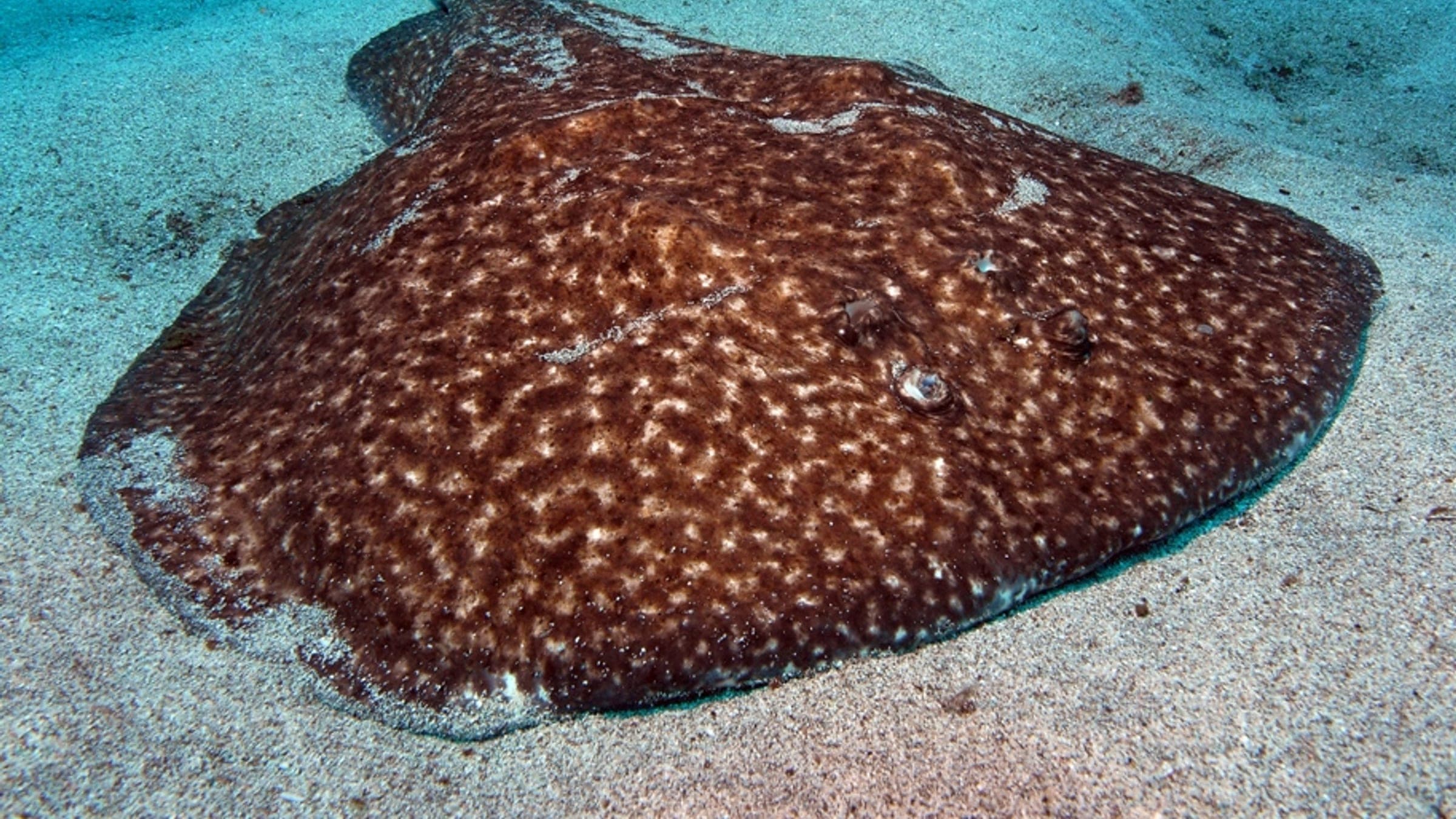
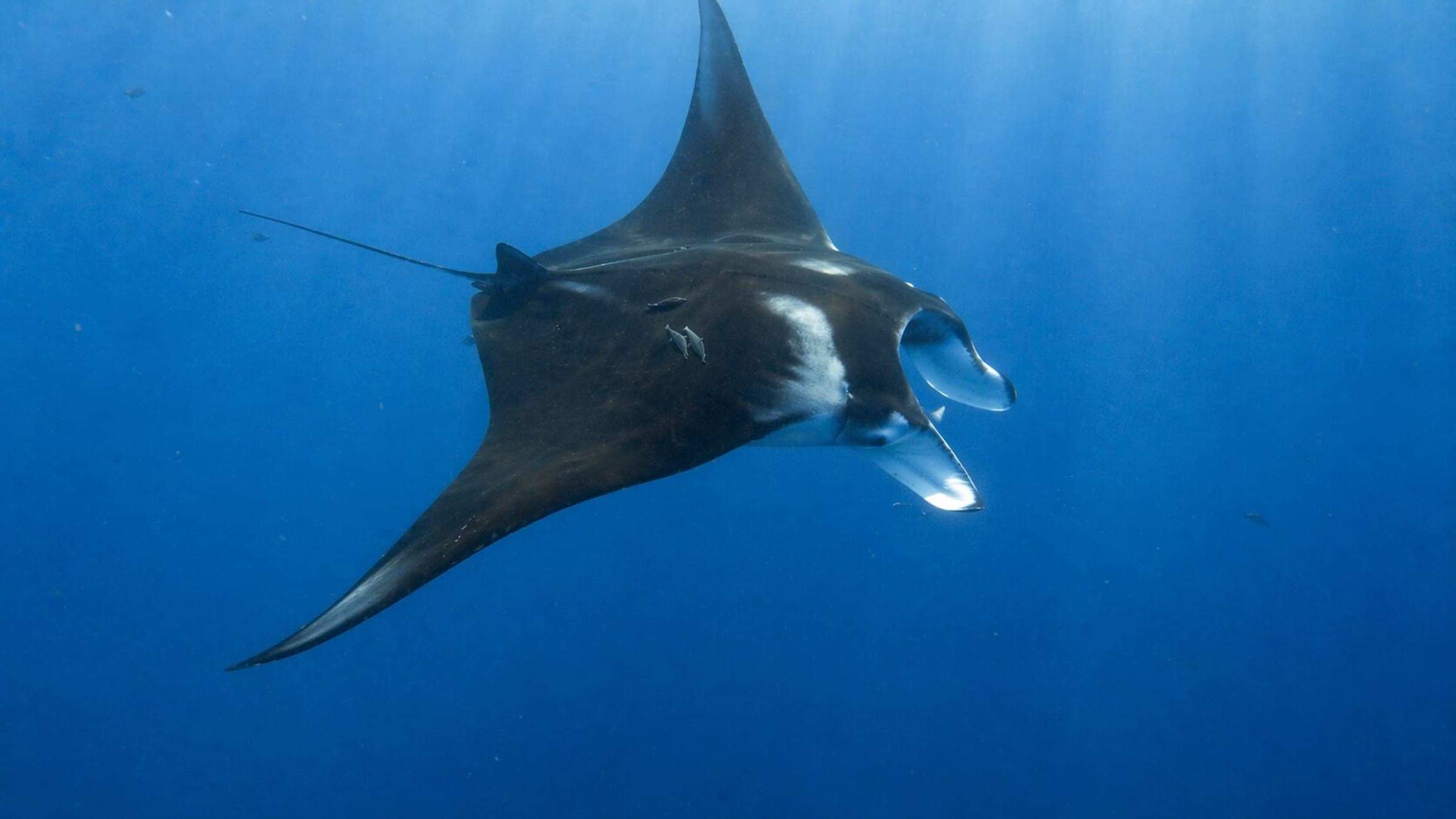
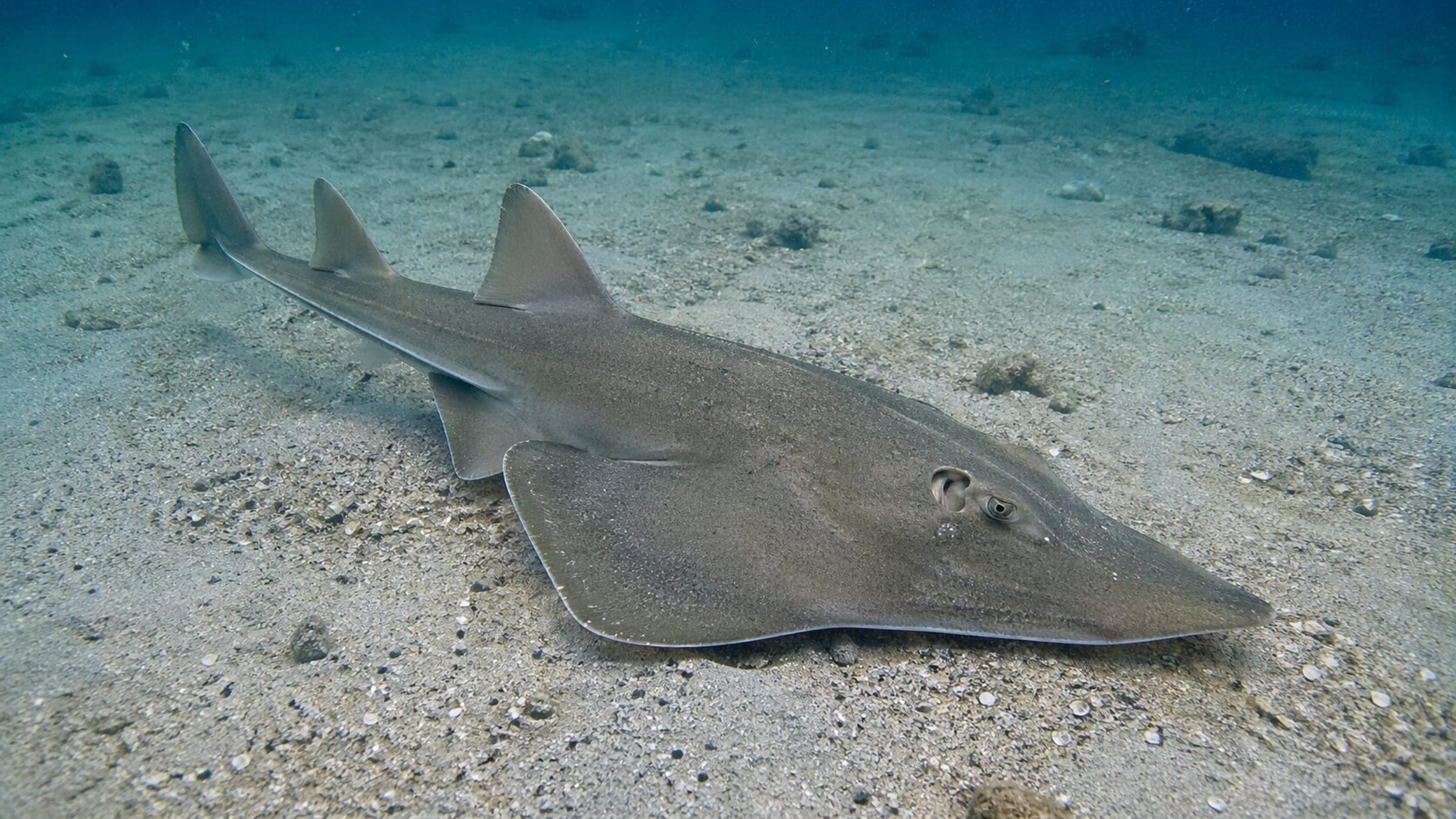
Rays sit inside the batoid branch of cartilaginous fishes, alongside skates, sawfishes, guitarfishes, and rhino rays. For divers, that means the Rays bucket covers very different encounters: buried Stingrays on sand, midwater Eagle Ray passes, and cleaning-station visits from Giant Oceanic Manta Ray.
Most rays share the same broad underwater silhouette: enlarged pectoral fins fused to the head, a flattened disc, and eyes and spiracles high on the body. In many bottom-feeding species, the mouth sits underneath the body so the animal can feed while staying close to sand or rubble.
Many rays are coastal or reef-associated and spend much of their time over sand flats, lagoons, reef edges, seagrass beds, and channels. Others are much more mobile. Mobulid rays can travel in schools and make very deep dives, while many skates are more closely tied to colder bottom habitats.
Rays do not all feed the same way. Many stingrays, skates, and eagle rays hunt benthic invertebrates, mollusks, crustaceans, and small fishes. Mobulid rays are the obvious exception, filtering plankton from the water column. That difference matters underwater: a bottom-resting ray is often feeding or sheltering close to structure, while mantas and devil rays are more likely to be cruising current lines or cleaning stations.
Rays are part of the wider global shark-and-ray conservation crisis, with fishing pressure and bycatch remaining the main recurring threats across the group. Risk is uneven, but it is often highest for slow-growing species and for rays caught in coastal fisheries or traded internationally. Management can help, yet protections still vary sharply by species and region.
This group guide pulls together 10 published Rays guides so divers can move from broad trip intent to the right species pages, destinations, and dive spots faster.
Many ray and skate species are now threatened or endangered, and global shark-and-ray assessments point to overfishing and bycatch as the dominant drivers. The risk is not uniform, but slow growth, low reproductive output, coastal habitat pressure, and international trade all make recovery difficult for several ray lineages. Progress depends on enforceable fishery limits, bycatch reduction, habitat protection, and species-specific trade controls where they exist.
Rays occur from shallow tropical reefs to deep temperate seafloors. Many of the rays divers see most often are local bottom-associated animals that patrol sand patches, reef margins, and channels, but mobulid rays are much wider-ranging and can move offshore, school seasonally, and dive deep.
That spread matters for trip planning. A ray encounter on a sheltered reef flat is a very different proposition from a seasonal manta aggregation or an open-water eagle-ray pass on a current line.
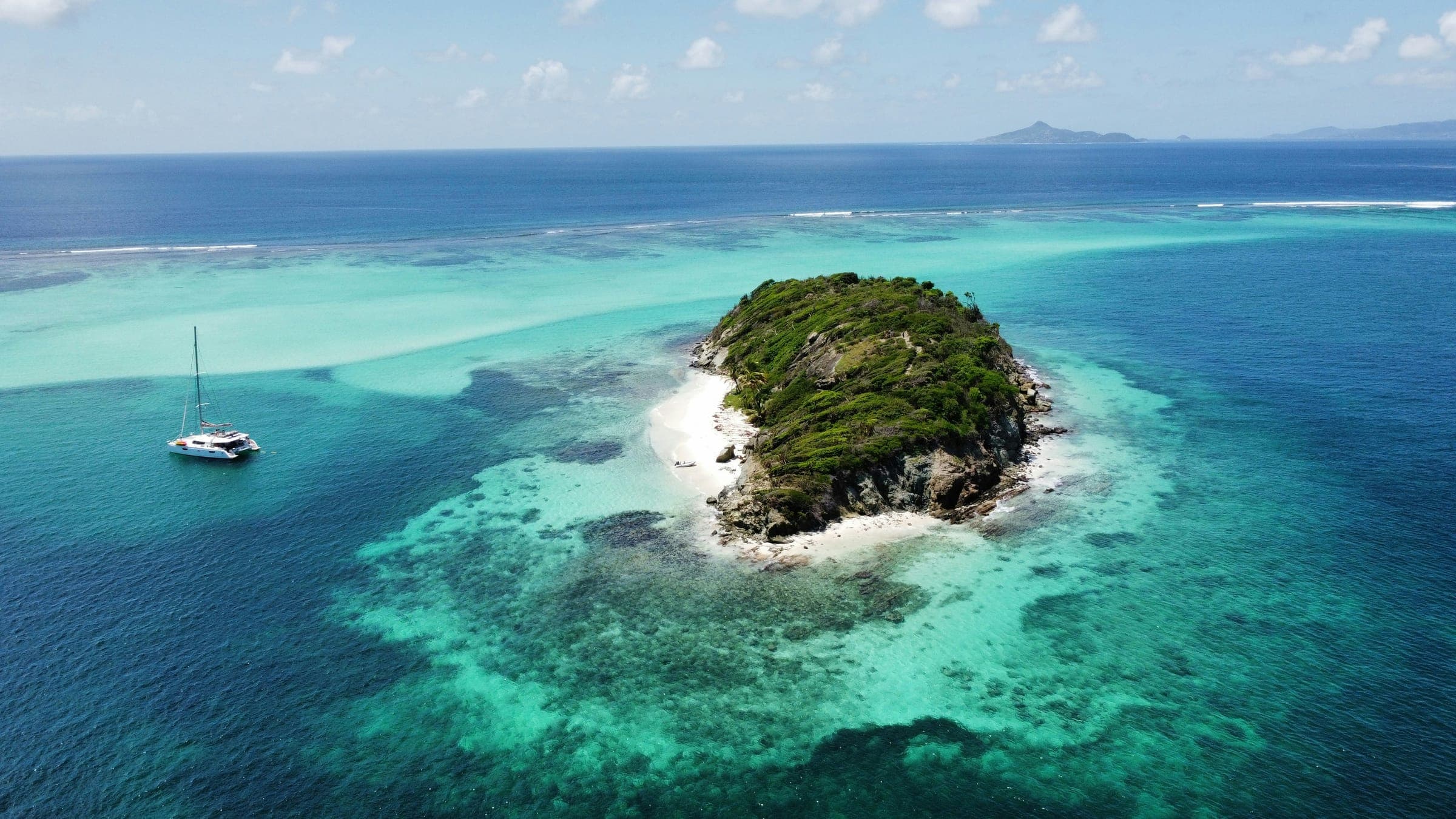
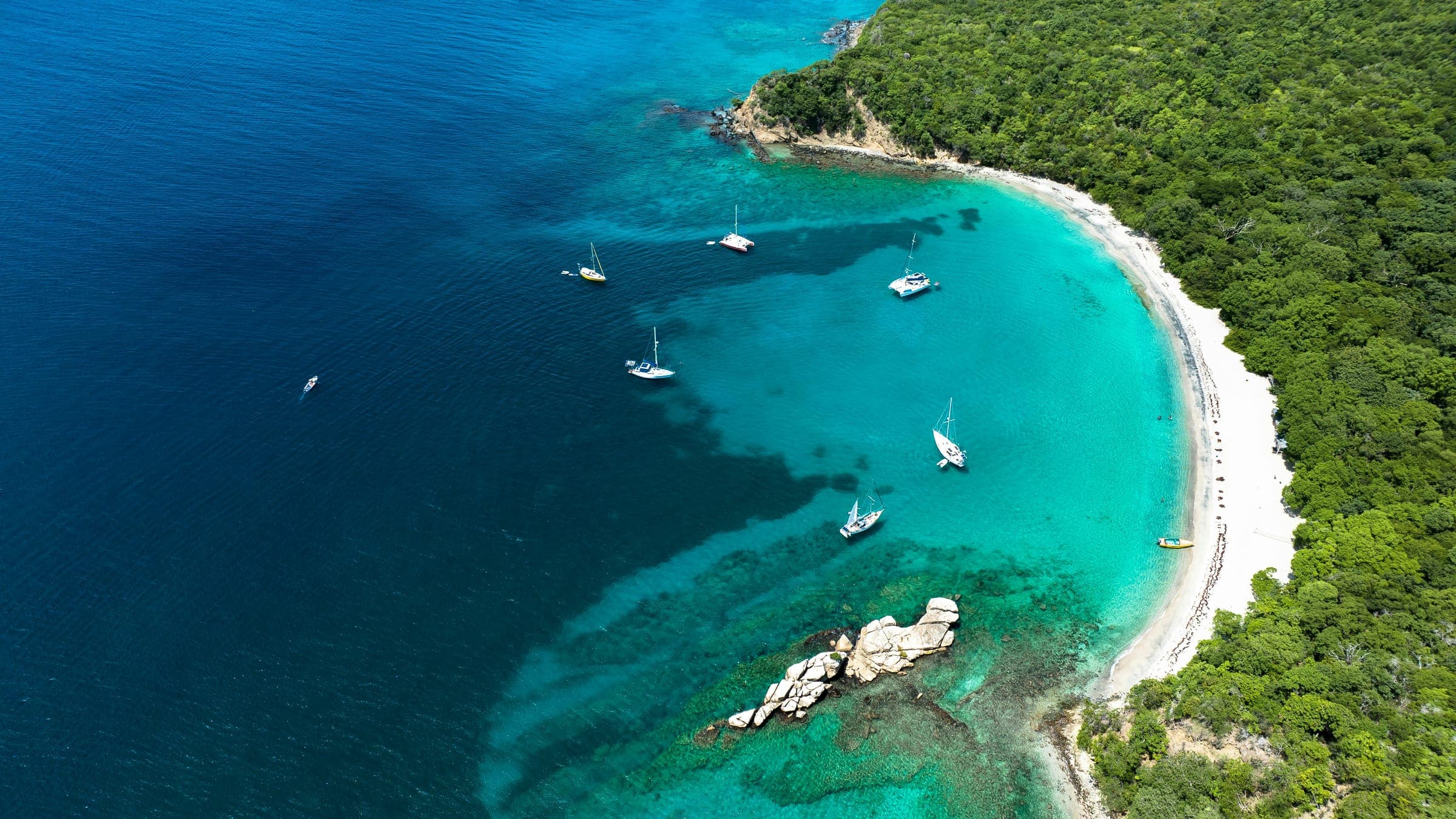
Bequia, Carriacou (Tyrrel Bay), and Khao Lak (Similan and Surin Islands) currently stand out as strong destination entry points for Rays planning.
Spain, French Polynesia, and Saint Vincent and the Grenadines are some of the clearest country-level starting points for this group right now.
Most rays have a flattened body with enlarged pectoral fins fused to the head, creating the broad disc-shaped outline divers recognize immediately.
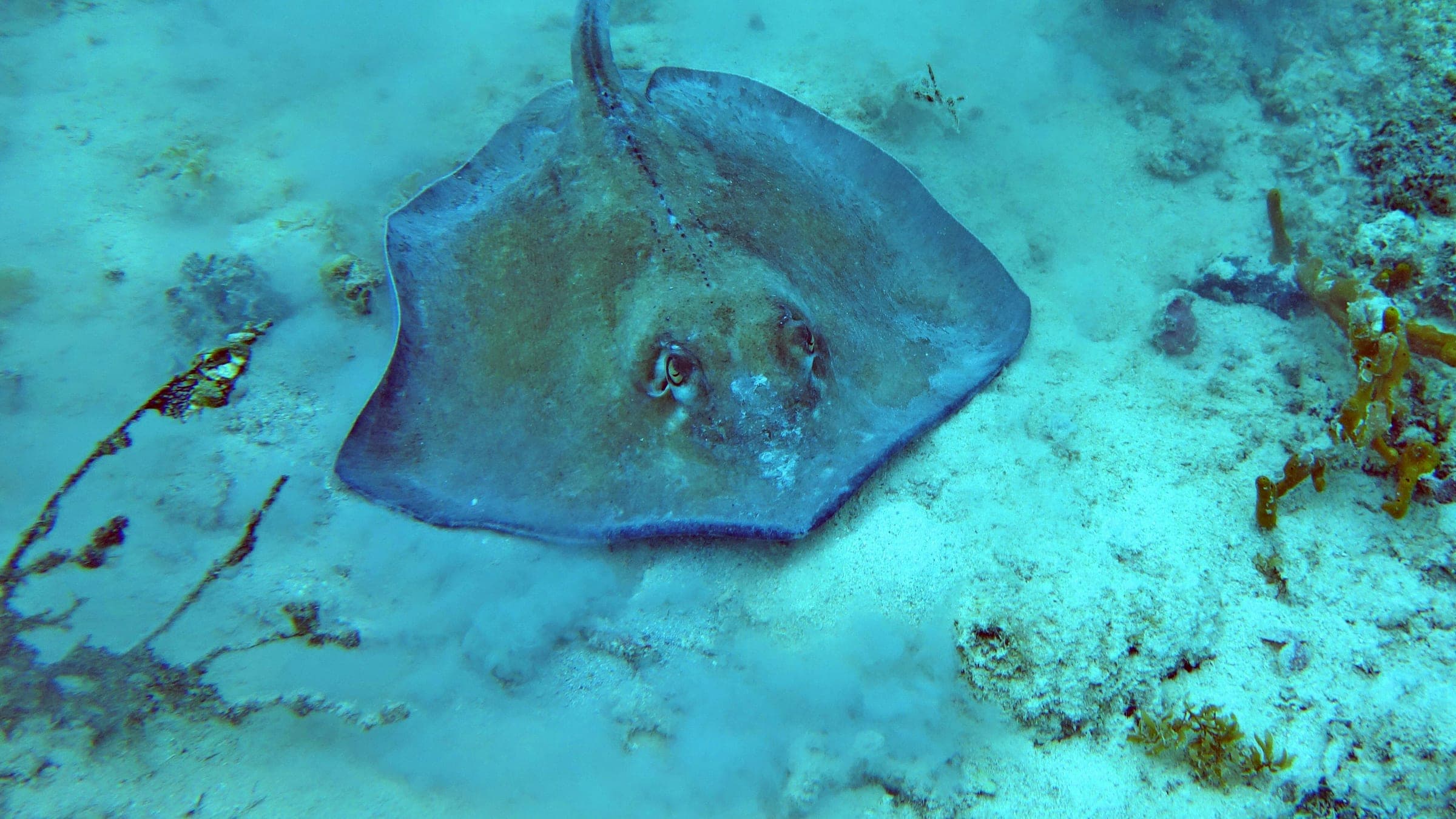
Many bottom-associated rays keep the eyes and spiracles high on the body so they can breathe while lying on or partly inside sand.
In many benthic-feeding rays, the mouth sits on the underside of the body, which helps them feed on prey in or just above the seabed.
The batoid superorder includes more than 600 species spread across rays, skates, sawfishes, guitarfishes, and related lineages.
Schooling mobula rays are not only surface-active; published museum guidance notes that some can dive to more than 2,000 meters.
Many rays combine a flattened body, top-mounted spiracles, and an underslung mouth so they can stay close to sand while feeding and ventilating.
Rays occur from shallow tropical reefs to deep temperate seafloors. Many of the rays divers see most often are local bottom-associated animals that patrol sand patches, reef margins, and channels, but mobulid rays are much wider-ranging and can move offshore, school seasonally, and dive deep.
That spread matters for trip planning. A ray encounter on a sheltered reef flat is a very different proposition from a seasonal manta aggregation or an open-water eagle-ray pass on a current line.
Many rays feed on benthic invertebrates and small fishes, using an underslung mouth to work close to the seabed. Mobulid rays break the pattern by filtering plankton from the water column.
Conservation
A group-level read on the pressures, protections, and diver behavior that matter most across these species.
Many ray and skate species are now threatened or endangered, and global shark-and-ray assessments point to overfishing and bycatch as the dominant drivers. The risk is not uniform, but slow growth, low reproductive output, coastal habitat pressure, and international trade all make recovery difficult for several ray lineages. Progress depends on enforceable fishery limits, bycatch reduction, habitat protection, and species-specific trade controls where they exist.
Give rays room to choose the interaction. Approach slowly from the side, stay off the bottom when a ray is resting or partly buried, and do not block a cleaning station or flight path for mantas and eagle rays.
Never touch, chase, or try to force a lift-off for a photo. If a ray speeds up, changes direction sharply, or repeatedly banks away from the group, treat that as a cue to increase distance.
Targeted capture and retention in coastal and offshore fisheries remain major pressures for many ray species, especially slow-growing lineages.
Rays are frequently caught unintentionally in trawl, gillnet, and other fisheries, which can drive severe declines even when the species is not the original target.
Coastal nursery loss, disturbance on heavily used flats and reef edges, and international trade in products from some ray lineages add further pressure on top of direct fishing mortality.
Where they are well enforced, catch limits, gear rules, and bycatch mitigation can reduce mortality and give depleted ray populations a better chance to recover.
International trade protections now cover some of the highest-profile ray lineages, but coverage and enforcement still vary by species and region.
Protecting nursery areas, feeding grounds, and aggregation sites is especially important for coastal rays and for predictable manta and devil-ray encounter sites.
Species
Jump into the individual species pages that currently sit inside this wildlife group.
Top Destinations
Destinations surfaced from the linked dive spots associated with species in this group.
Top Countries
The strongest country-level starting points currently linked to this wildlife group.
Top Dive Spots
Directly linked dive spots where species in this group already show up in the planning data.
Boat-access reef and canyon diving off Ambergris Caye.
Sheltered Red Sea bay with seagrass, reefs, and dugongs.
Historic offshore Djerba wreck with compact profile
Closed Similan reef with a shallow sandy slope.
Beginner-friendly bommie reef off Beau Vallon
Boat wall dive on Arsida Walll with very good visibility
FAQ
Direct answers to the questions divers and planners tend to ask first.
Research Sources
Primary and supporting references used for the published group guide.
Group scope, batoid diversity, broad morphology, and movement examples for mobulid rays.
Body plan, top-mounted eyes and spiracles, underside mouth placement, and benthic feeding adaptation.
Threatened-ray context plus fisheries and bycatch pressure framing.
Primary global assessment framing for shark-and-ray extinction risk driven by overfishing.