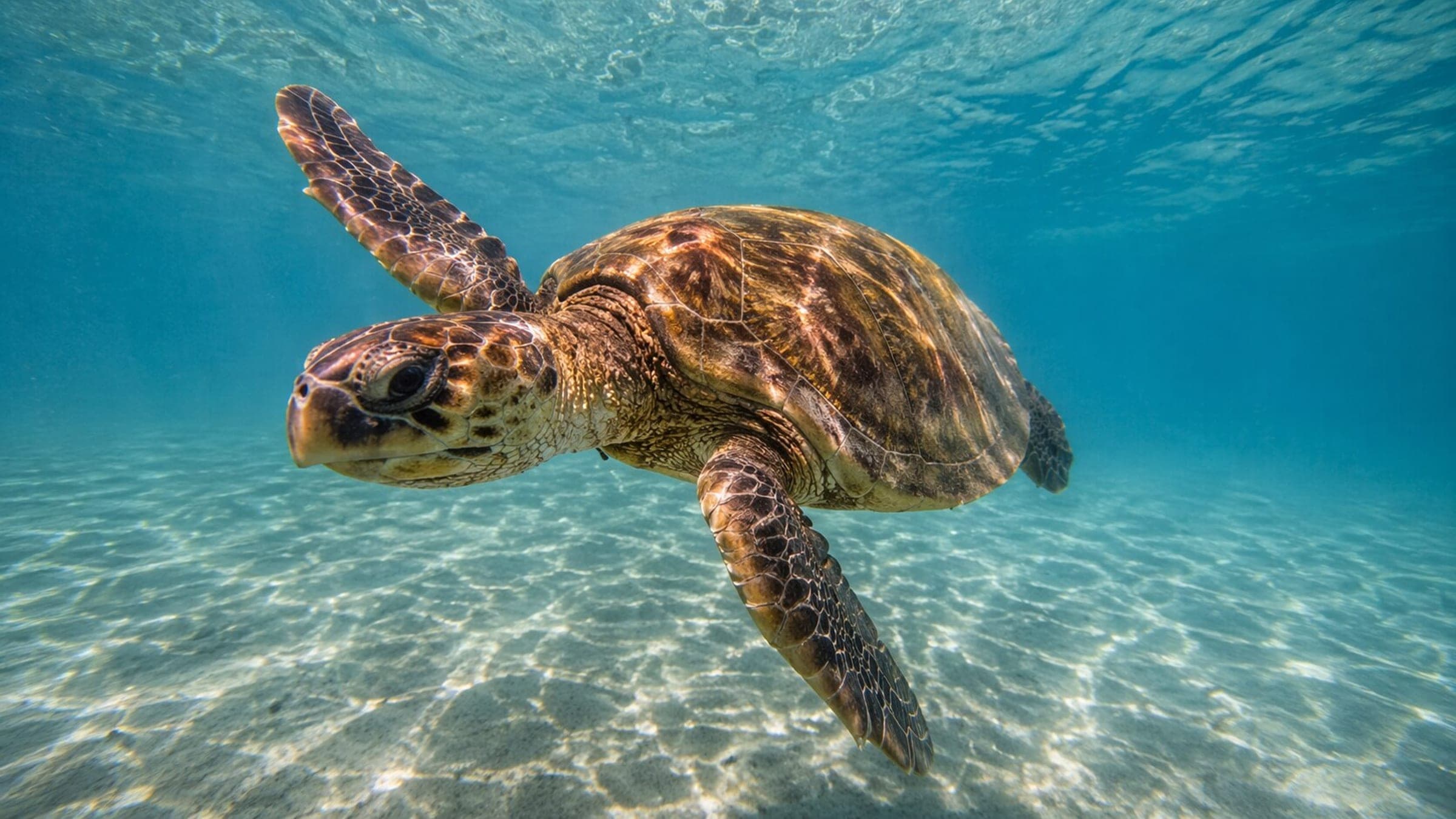
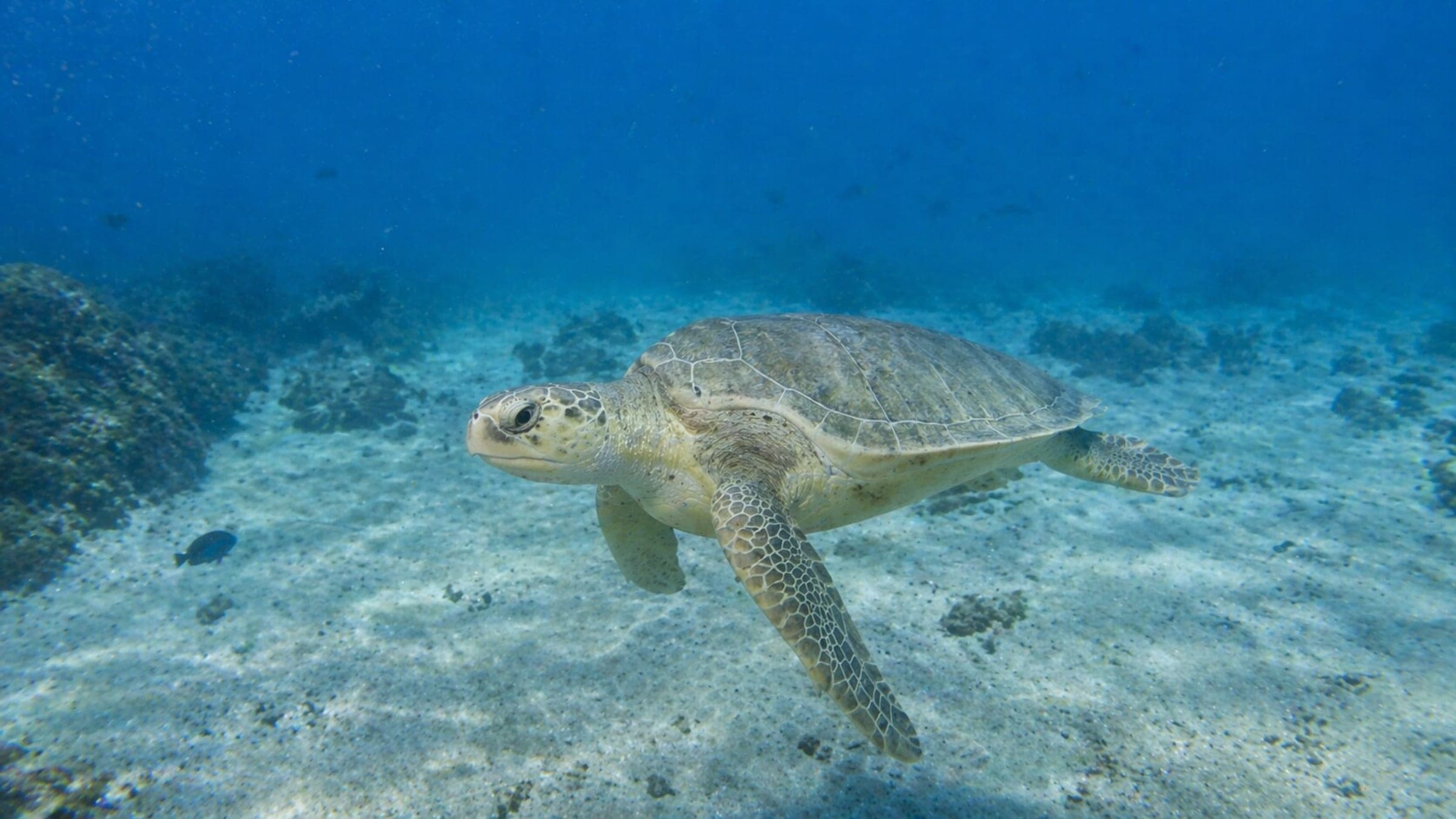
Eats a toxic sponge
The hawksbill turtle has been recorded preying on the sea sponge Tethya actinia, despite that sponge being highly toxic to fish.
Species Guide
A clean field guide focused on habitat, identification, behavior, and conservation context without burying the useful parts.
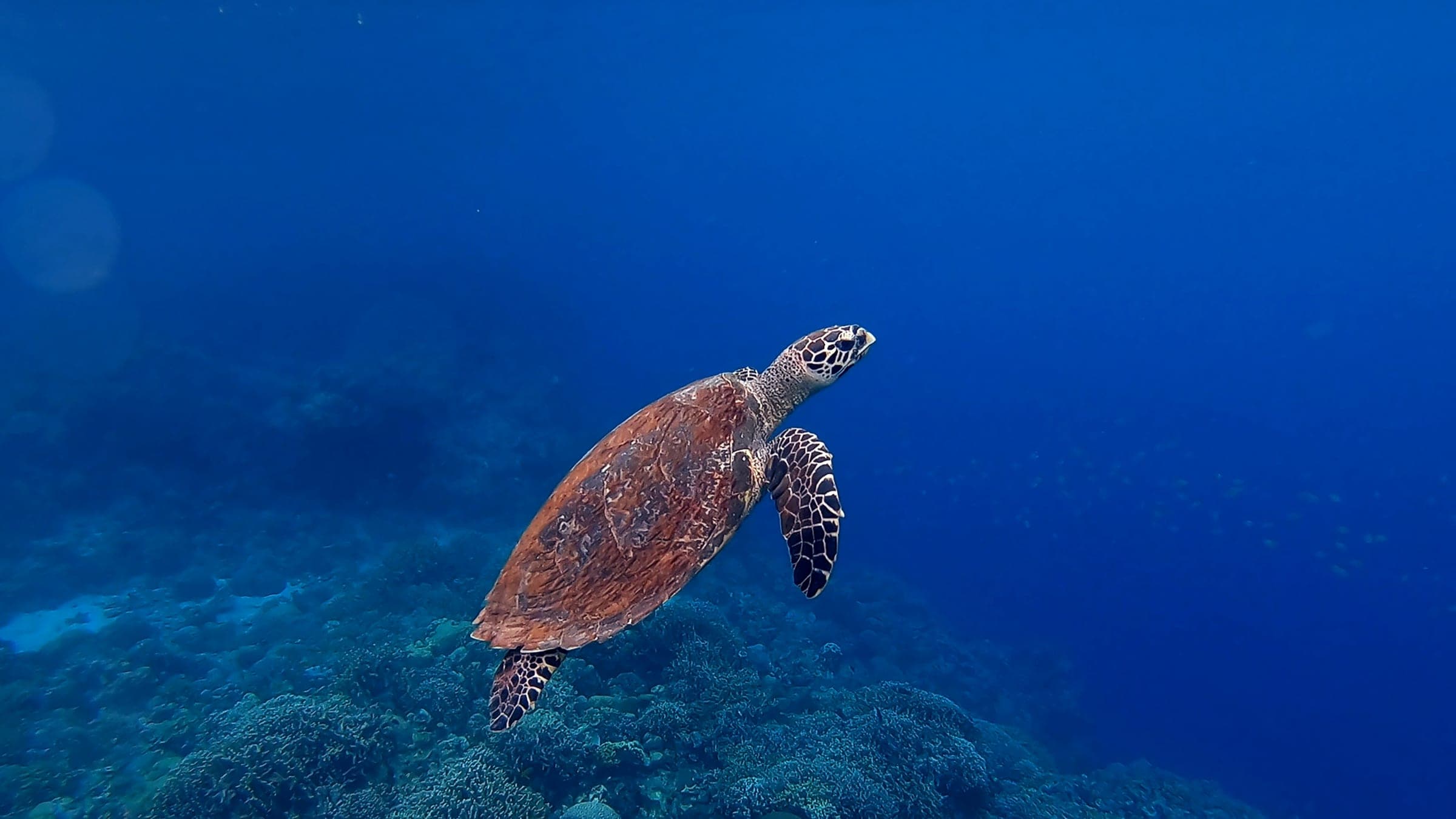
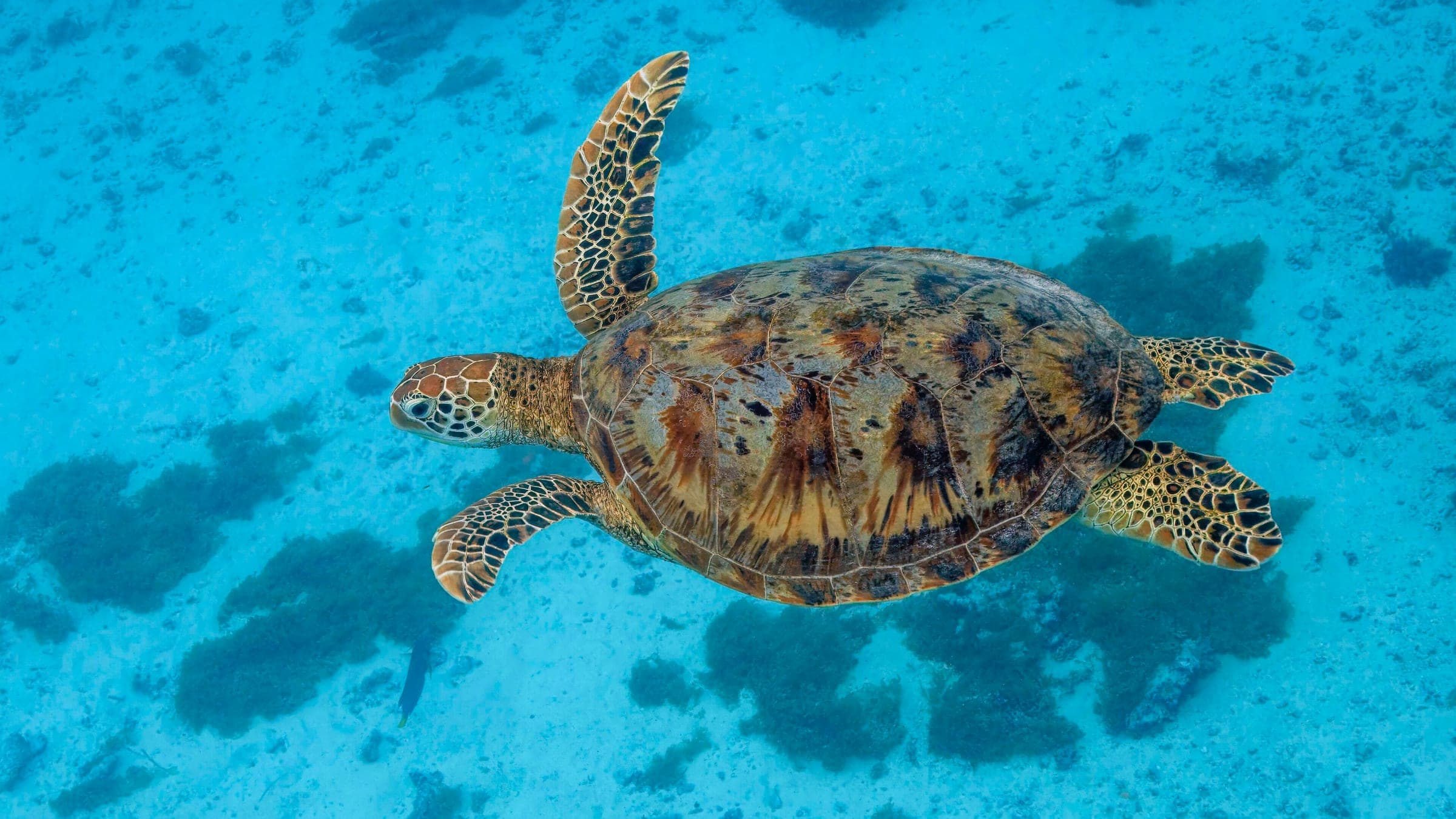
The hawksbill turtle (Eretmochelys imbricata) has been recorded preying on the sea sponge Tethya actinia, which is highly toxic to fish.
Recorded to prey upon the sea sponge Tethya actinia, which is highly toxic to fish.
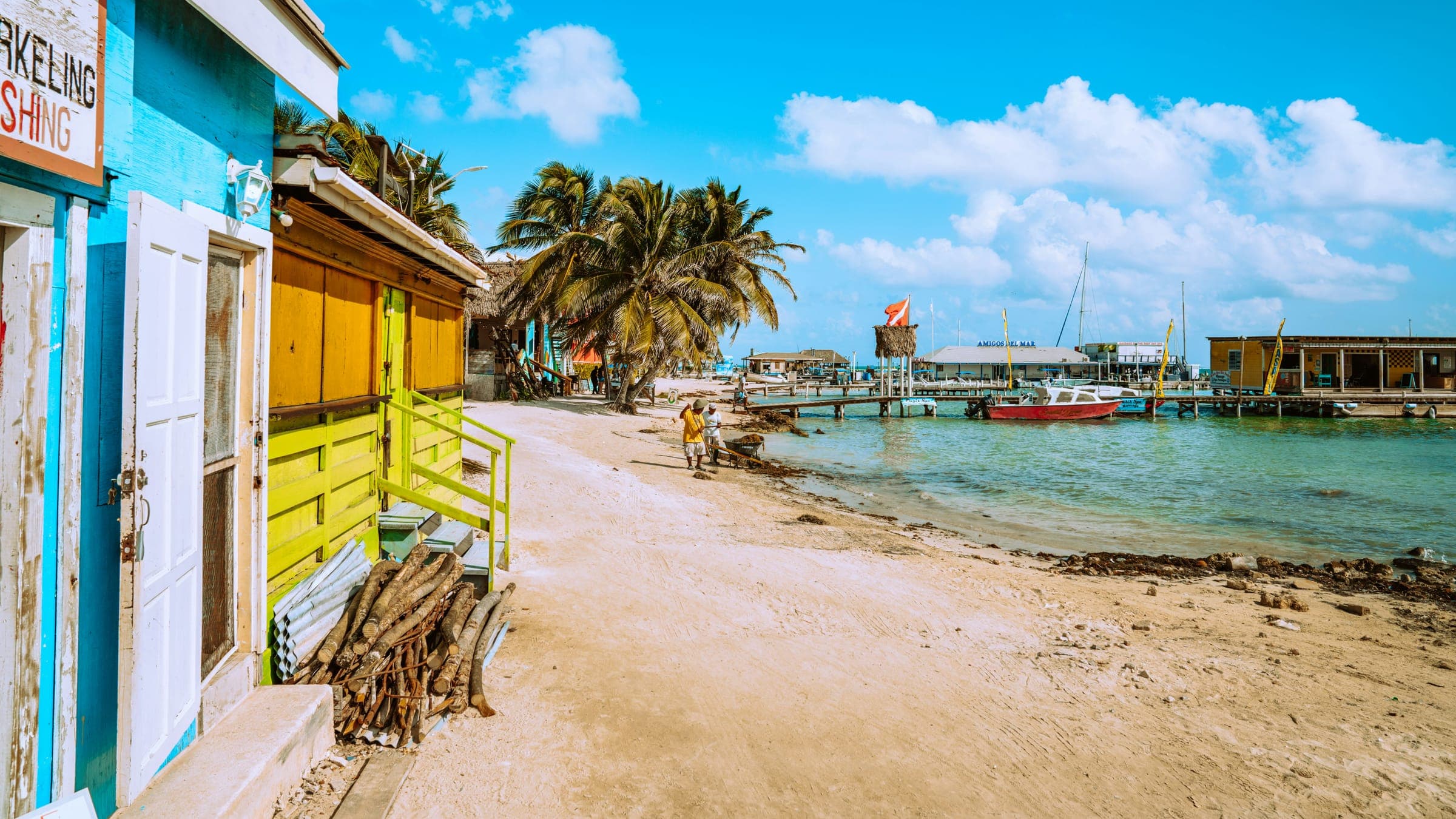
The strongest linked planning options currently surface around destinations such as Mahé, Caye Caulker, San Pedro (Ambergris Caye), Belize and countries such as Seychelles, Egypt, Belize for divers building trips around hawksbill turtles.
Diet
Useful feeding context that often explains habitat, movement, and encounter style.
Recorded to prey upon the sea sponge Tethya actinia, which is highly toxic to fish.
Responsible Encounters
Conservation-minded guidance for divers who want the encounter without adding pressure.
Give hawksbill turtle space, avoid blocking the animal's path, and follow local site and operator rules for wildlife interactions with turtles.
Field Notes
Useful species context that makes the encounter more meaningful once you are underwater.
The hawksbill turtle has been recorded preying on the sea sponge Tethya actinia, despite that sponge being highly toxic to fish.
Top Destinations
Destinations surfaced from the linked dive spots associated with this species.
Top Countries
The strongest country-level starting points currently linked to this species.
Top Dive Spots
Directly linked dive spots where this species already shows up in the planning data.
Boat-access canyon dive in front of San Pedro Town.
Boat-access reef and canyon diving off Ambergris Caye.
Abu Dabab Garden is a shore-friendly Marsa Alam reef.
Boat reef with coral blocks, caves, and soft corals
Sheltered Red Sea bay with seagrass, reefs, and dugongs.
Beginner-friendly bommie reef off Beau Vallon
FAQ
Clear planning and conservation answers written for search visibility and AI retrieval.
Research Sources
Primary and credible references behind the field-guide and conservation claims on this page.
Primary wildlife guide source.
Supporting wildlife source.
Taxonomy reference.
Related Species
Related species guides in the same encounter family.






![Scientific name: Dermochelys coriacea Common name Spanish: Tinglar Photo by Claudia Lombard, USFWS Location, Sandy Point National Wildlife Refuge, US Virgin Islands More information: [1]](/_next/image?url=https%3A%2F%2Fscccpsqeuaphhrqmepmb.supabase.co%2Fstorage%2Fv1%2Fobject%2Fpublic%2Fimages-public%2Fclean%2Fcontent%2Fce079739-416f-4696-b477-a5113ebfaec1%2Fmaster.jpg&w=3840&q=75)