Size
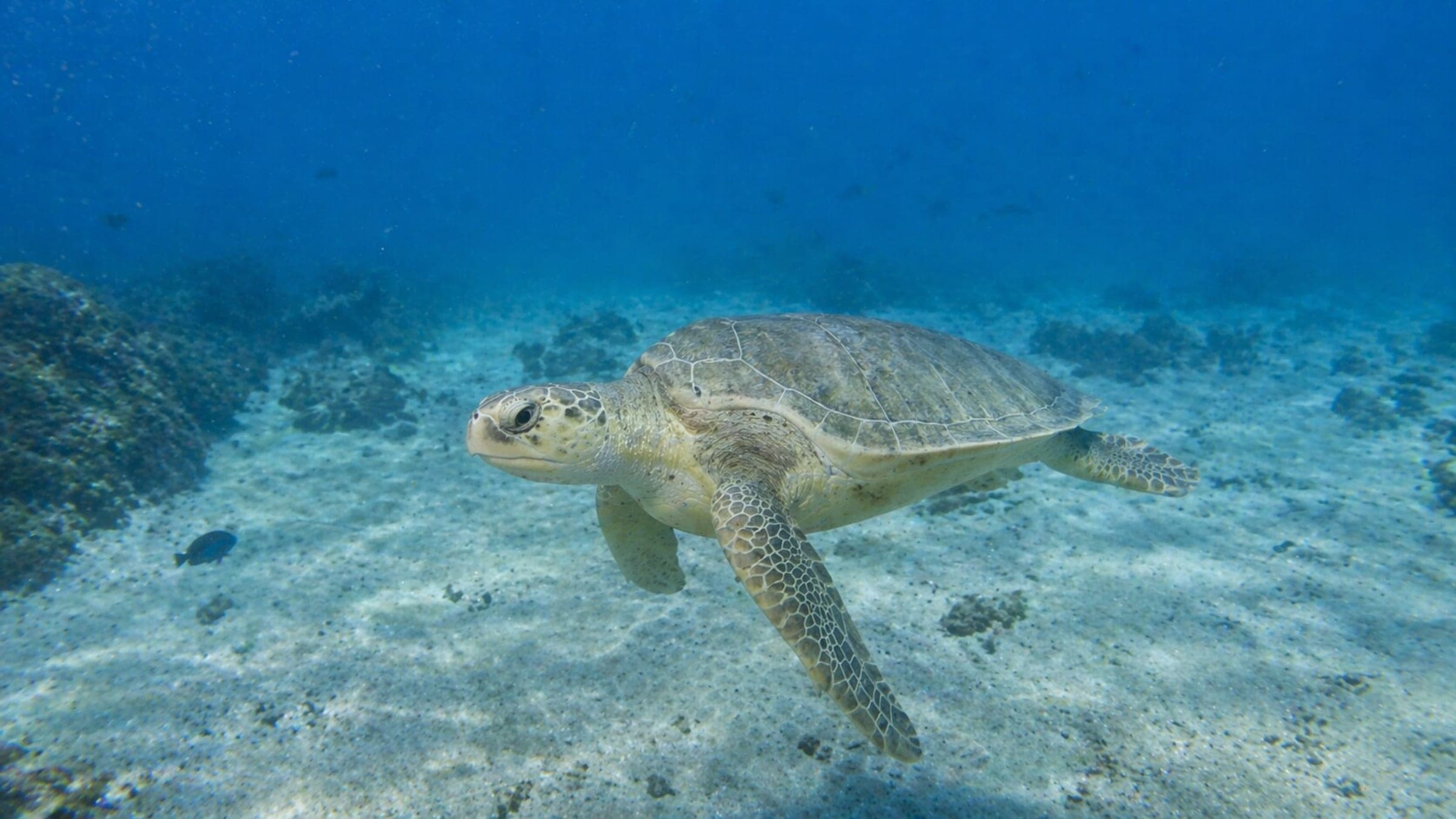
Adults average about 90 cm carapace length; large specimens can reach about 200 kg.
Caretta caretta
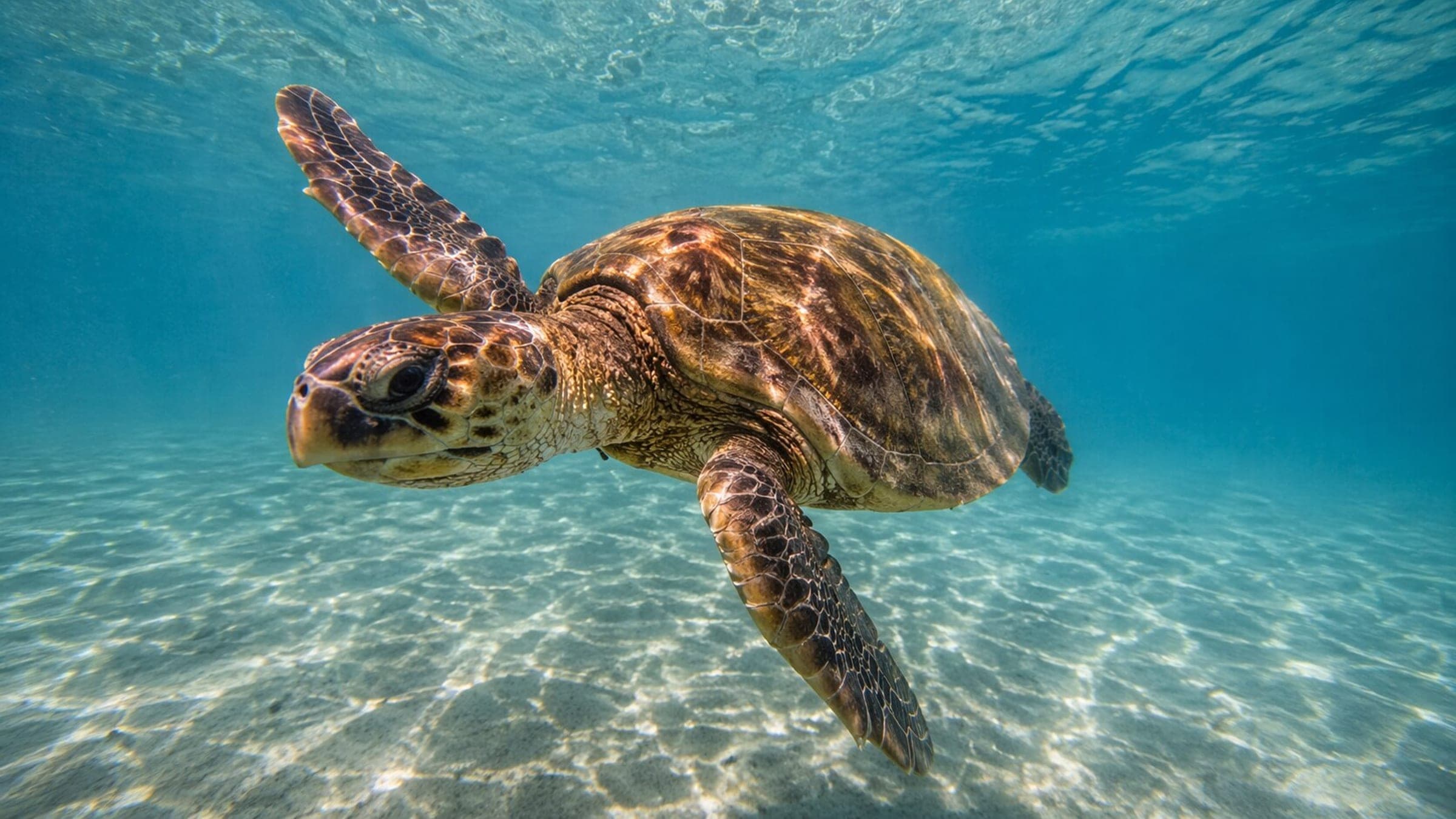
A large, reddish-brown sea turtle found worldwide that feeds on bottom-dwelling invertebrates and faces threats from habitat loss and fishing gear.
Species Guide
A clean field guide focused on habitat, identification, behavior, and conservation context without burying the useful parts.
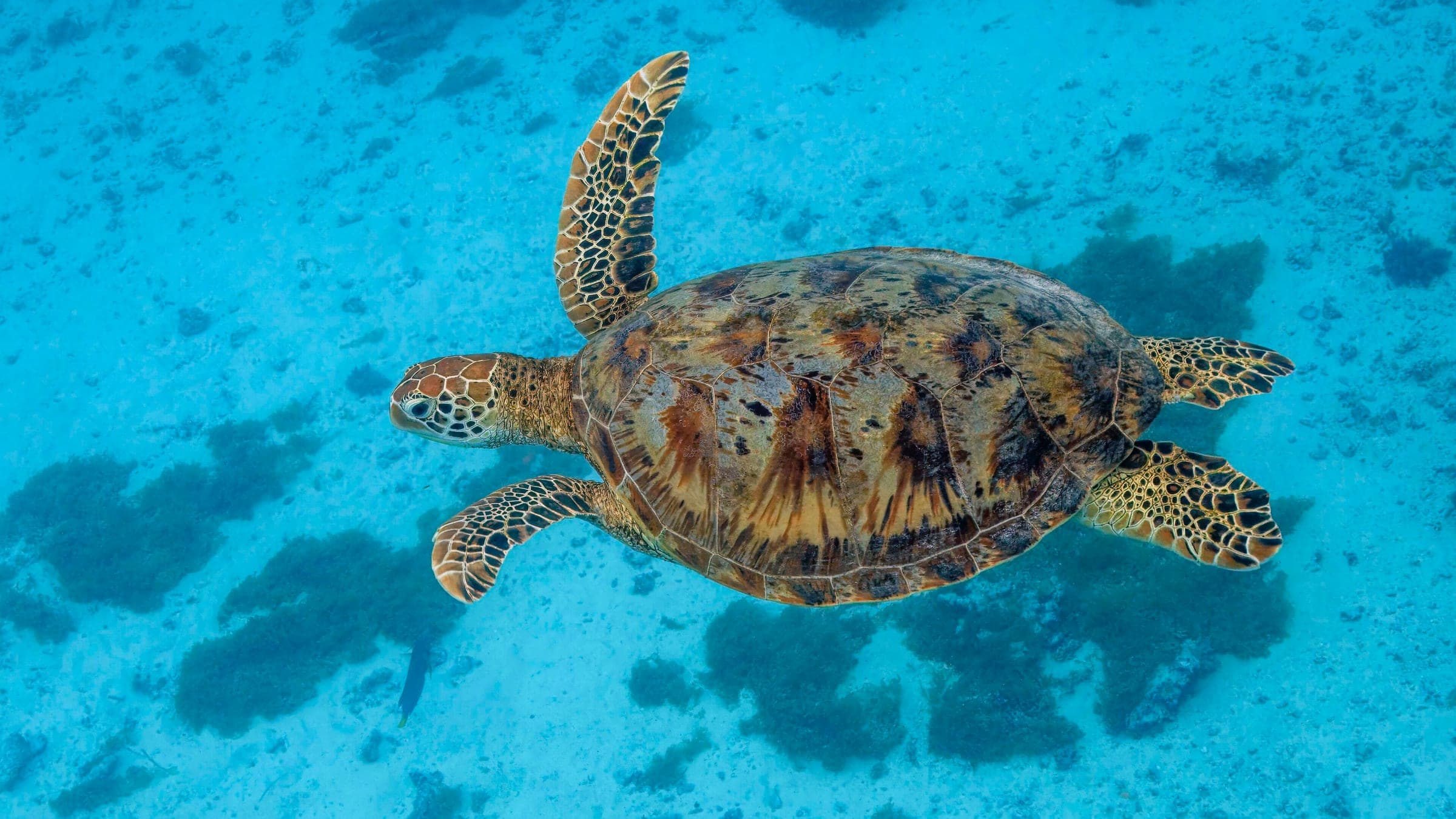
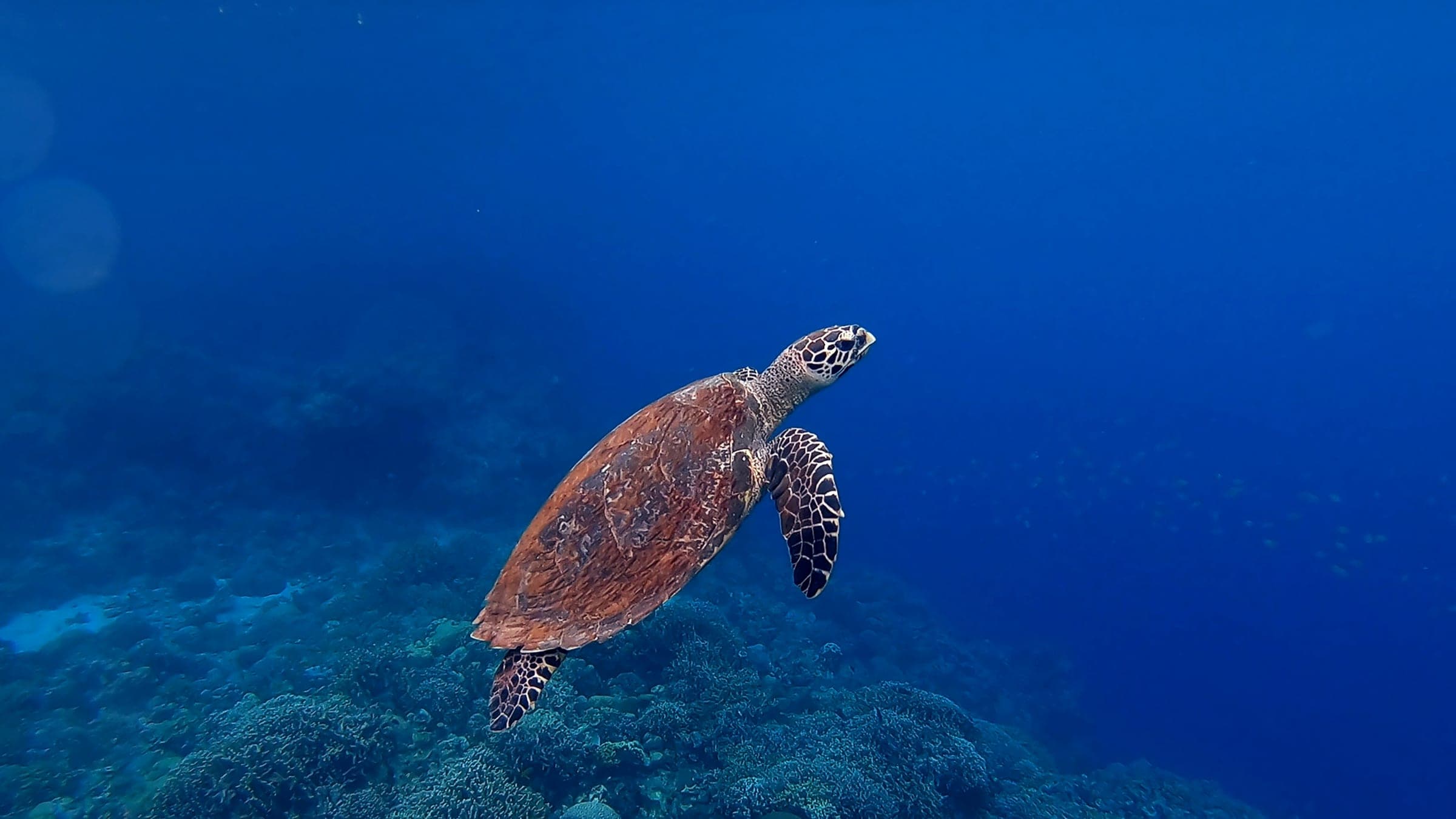
The loggerhead sea turtle (Caretta caretta) is a marine reptile in the family Cheloniidae found in the Atlantic, Pacific, and Indian Oceans and the Mediterranean Sea. Adults average about 90 cm carapace length and roughly 135 kg in weight, with the largest individuals near 200 kg. Skin color ranges from yellow to brown and the shell is typically reddish brown. No external sex differences are evident until adulthood, when males develop thicker tails and shorter plastrons than females. Loggerheads spend most of their lives in saltwater and estuarine habitats; females come ashore briefly to lay eggs. They reach sexual maturity within about 17–33 years and have been reported to live roughly 47–67 years. Loggerheads are omnivorous and feed mainly on bottom-dwelling invertebrates, using their large, powerful jaws to break apart prey. Eggs and young are vulnerable to numerous predators, while adult turtles are largely preyed upon only by large marine animals such as large sharks.
Loggerheads are considered Vulnerable. Key conservation measures include legal protections, restrictions on international trade, use of turtle excluder devices in trawl fisheries, and efforts to protect and restore nesting beaches; international cooperation is needed due to their wide-ranging movements.
Widely distributed across major oceans and the Mediterranean; spends most of life in saltwater and estuarine habitats and nests on beaches, with females coming ashore to lay eggs.
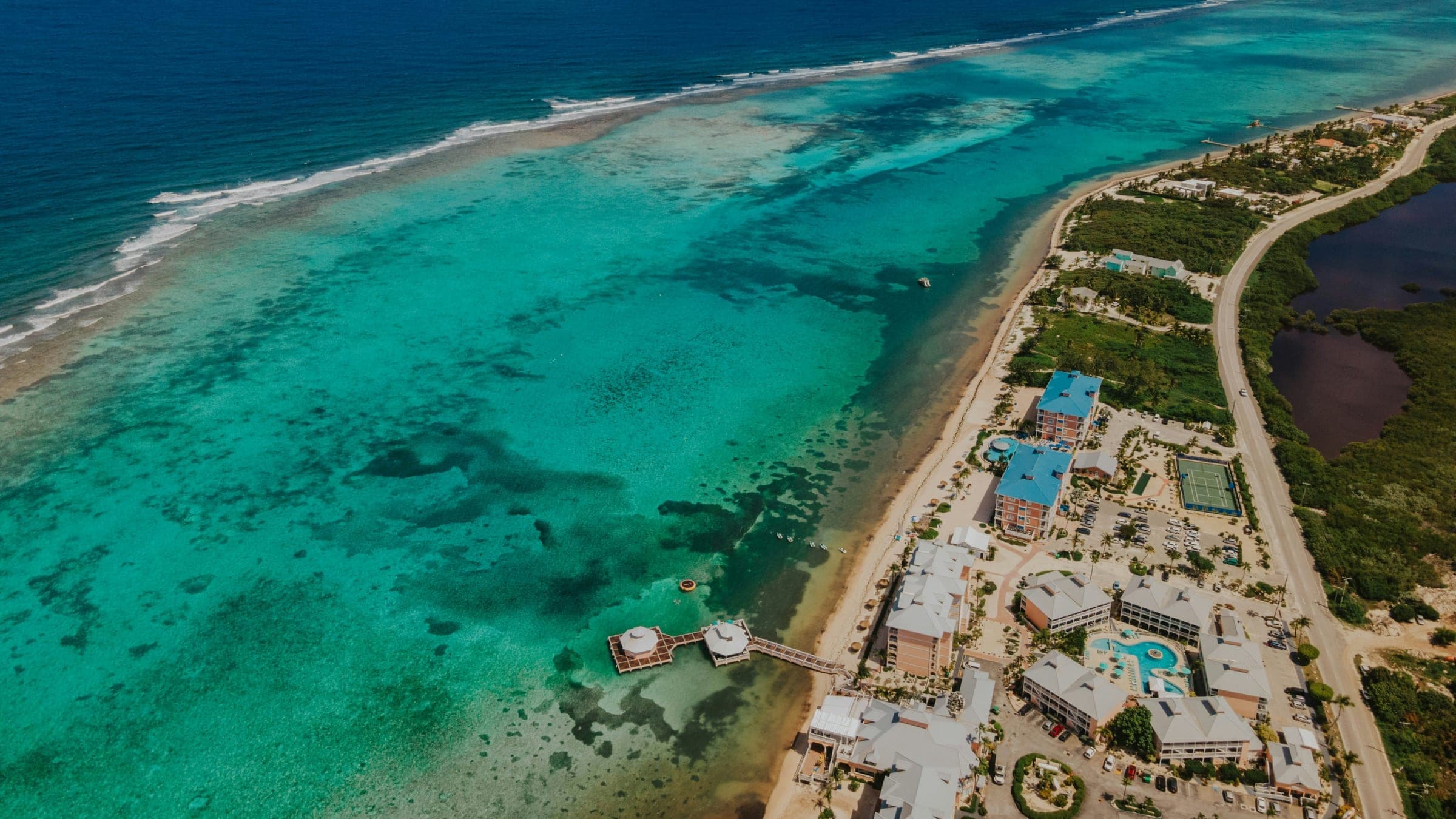
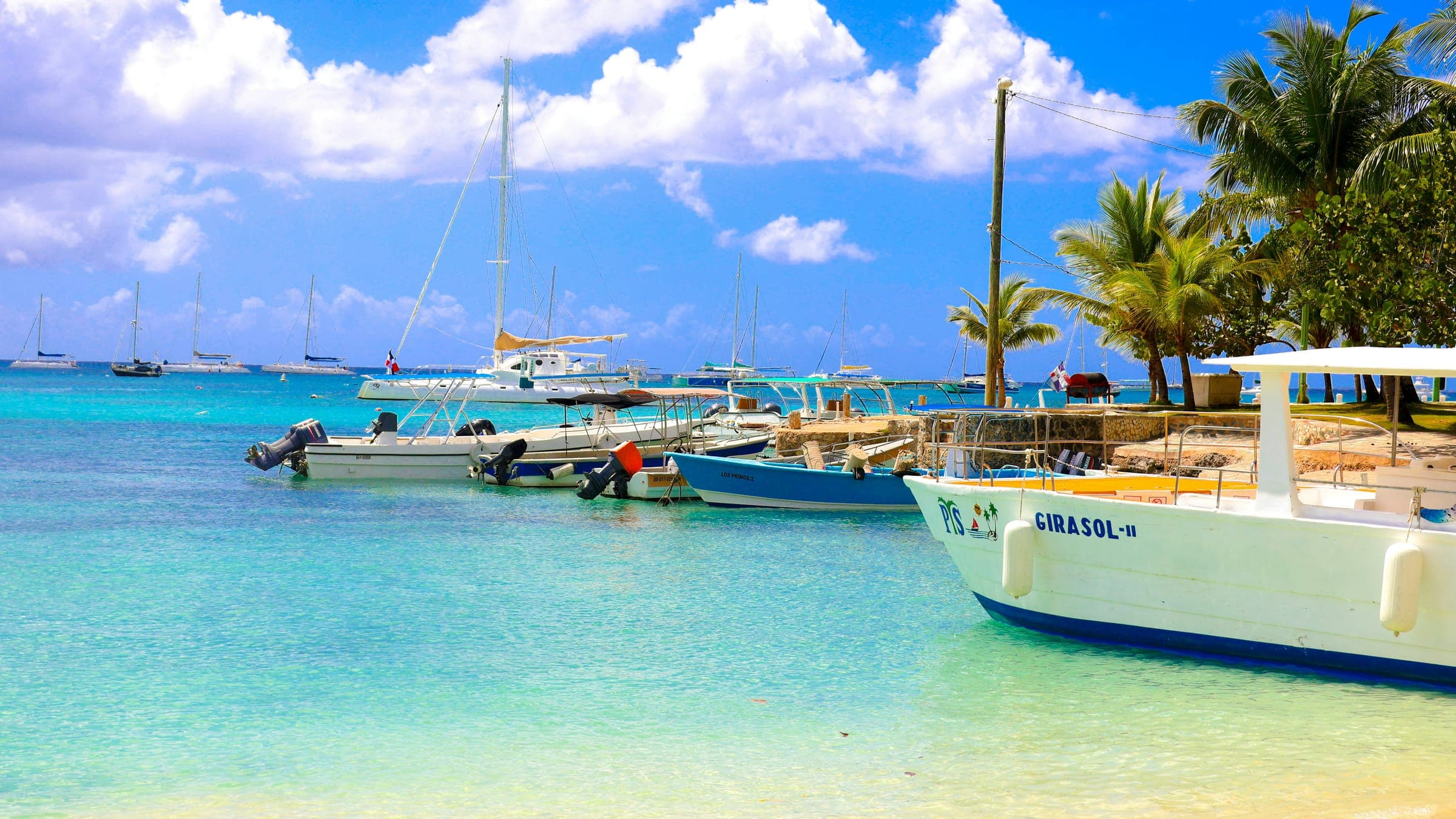
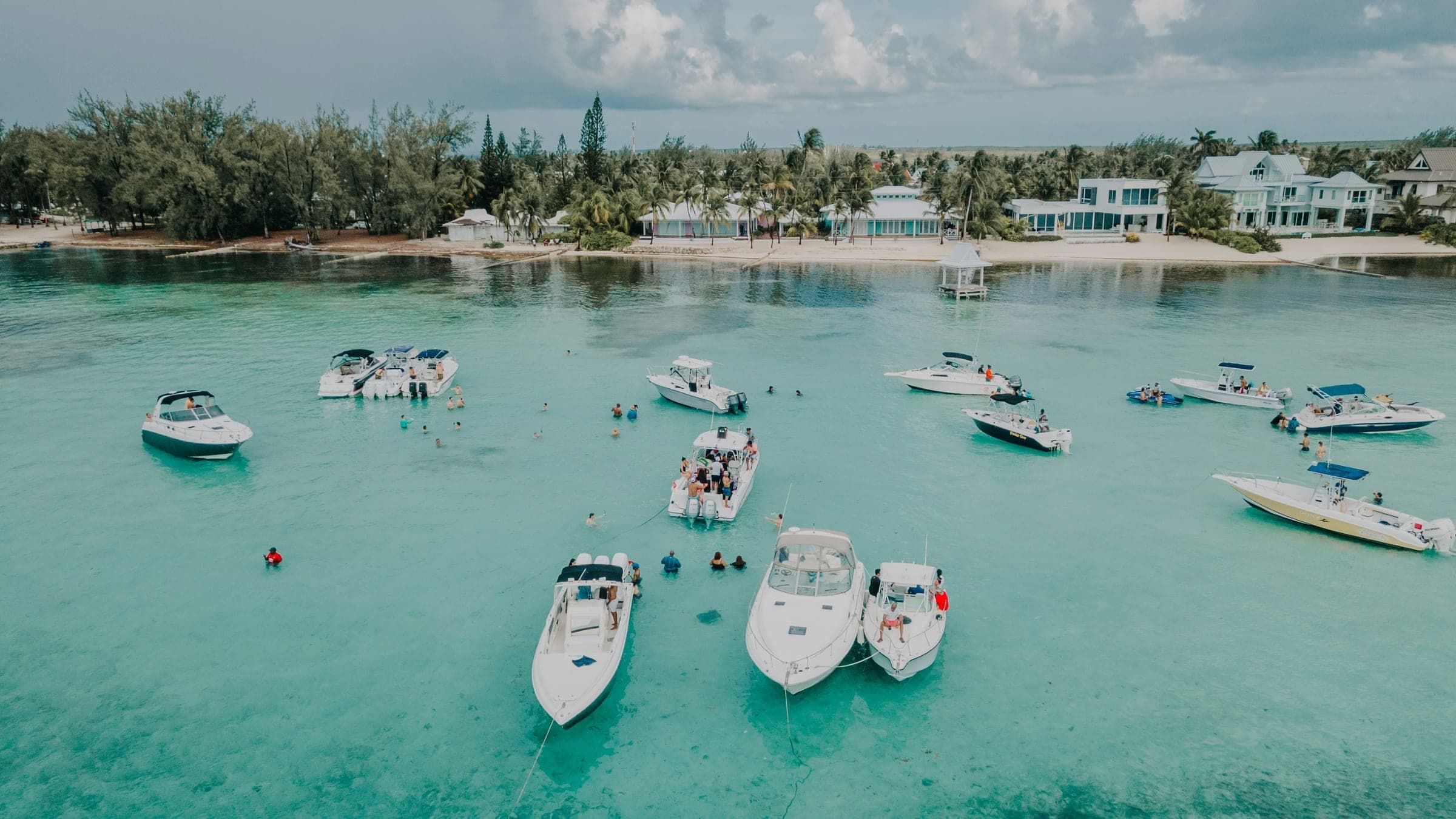
The strongest linked planning options currently surface around destinations such as Grand Cayman, Lady Elliot Island, Bayahibe and Dominicus and countries such as Greece, Australia, United States of America for divers building trips around loggerhead turtles.
Last Updated Mar 9, 2026 · 2 sources
Identification
The visual markers divers can use underwater, plus the species most likely to cause confusion.
Adults average about 90 cm carapace length; large specimens can reach about 200 kg.
Skin ranges from yellow to brown and the carapace is typically reddish brown.
Adult males have thicker tails and shorter plastrons than females.
Large, powerful jaws adapted for crushing and dismantling prey.
Range and Movement
The broad range, seasonal movement, or migratory behavior that shapes where divers encounter this species.
Widely distributed across major oceans and the Mediterranean; spends most of life in saltwater and estuarine habitats and nests on beaches, with females coming ashore to lay eggs.
Diet
Useful feeding context that often explains habitat, movement, and encounter style.
Omnivorous, feeding mainly on bottom-dwelling invertebrates; uses large powerful jaws to break apart prey.
Conservation
Status, pressure, and protection context grounded in cited sources rather than filler.
Loggerheads are considered Vulnerable. Key conservation measures include legal protections, restrictions on international trade, use of turtle excluder devices in trawl fisheries, and efforts to protect and restore nesting beaches; international cooperation is needed due to their wide-ranging movements.
Untended fishing gear and capture in trawls cause many deaths; turtles can suffocate or become trapped without escape routes.
Coastal development and loss of suitable nesting beaches reduce available nesting sites and contribute to population declines.
Coastal lighting and nearby housing developments can disorient hatchlings and disturb nesting females.
Eggs and young are vulnerable to numerous terrestrial and marine predators, including introduced exotic predators on nesting beaches.
Commercial international trade of loggerheads or derived products is prohibited under CITES Appendix I.
Nine distinct population segments are protected under the ESA, with four listed as threatened and five as endangered.
Turtle excluder devices have been implemented in trawl fisheries to reduce mortality by providing escape routes.
Responsible Encounters
Conservation-minded guidance for divers who want the encounter without adding pressure.
Give loggerhead turtle space, avoid blocking the animal's path, and follow local site and operator rules for wildlife interactions with turtles.
Field Notes
Useful species context that makes the encounter more meaningful once you are underwater.
Loggerheads reach sexual maturity at about 17–33 years and can live roughly 47–67 years.
Females typically lay an average of four egg clutches then become quiescent for two to three years.
Top Destinations
Destinations surfaced from the linked dive spots associated with this species.
Top Countries
The strongest country-level starting points currently linked to this species.
Top Dive Spots
Directly linked dive spots where this species already shows up in the planning data.
Boat-access wall dive with coral canyons off Mahahual.
Advanced outer reef with walls, soft corals, and pelagic fish life.
Boat-access Safaga reef with strong current and big fish
Easy shore dive with turtles and rock features.
Mersin wall dive with current and abrupt drop-off.
Sodwana Bay boat reef with coral ledges and reef fish
FAQ
Clear planning and conservation answers written for search visibility and AI retrieval.
Research Sources
Primary and credible references behind the field-guide and conservation claims on this page.
Primary wildlife guide source.
Taxonomy reference.
Related Species
Related species guides in the same encounter family.



![Scientific name: Dermochelys coriacea Common name Spanish: Tinglar Photo by Claudia Lombard, USFWS Location, Sandy Point National Wildlife Refuge, US Virgin Islands More information: [1]](/_next/image?url=https%3A%2F%2Fscccpsqeuaphhrqmepmb.supabase.co%2Fstorage%2Fv1%2Fobject%2Fpublic%2Fimages-public%2Fclean%2Fcontent%2Fce079739-416f-4696-b477-a5113ebfaec1%2Fmaster.jpg&w=3840&q=75)