Best time to go
May to October
Warm water around 22°C to 26°C, easy beach days, and balanced resort crowds.
Main caution: Windier period with cooler sea and air, often better for culture, birding, and wellness than for long inwater days.
Mediterranean wrecks, seagrass meadows, and white-sand lagoons on Tunisia's best mixed-group island
Overview
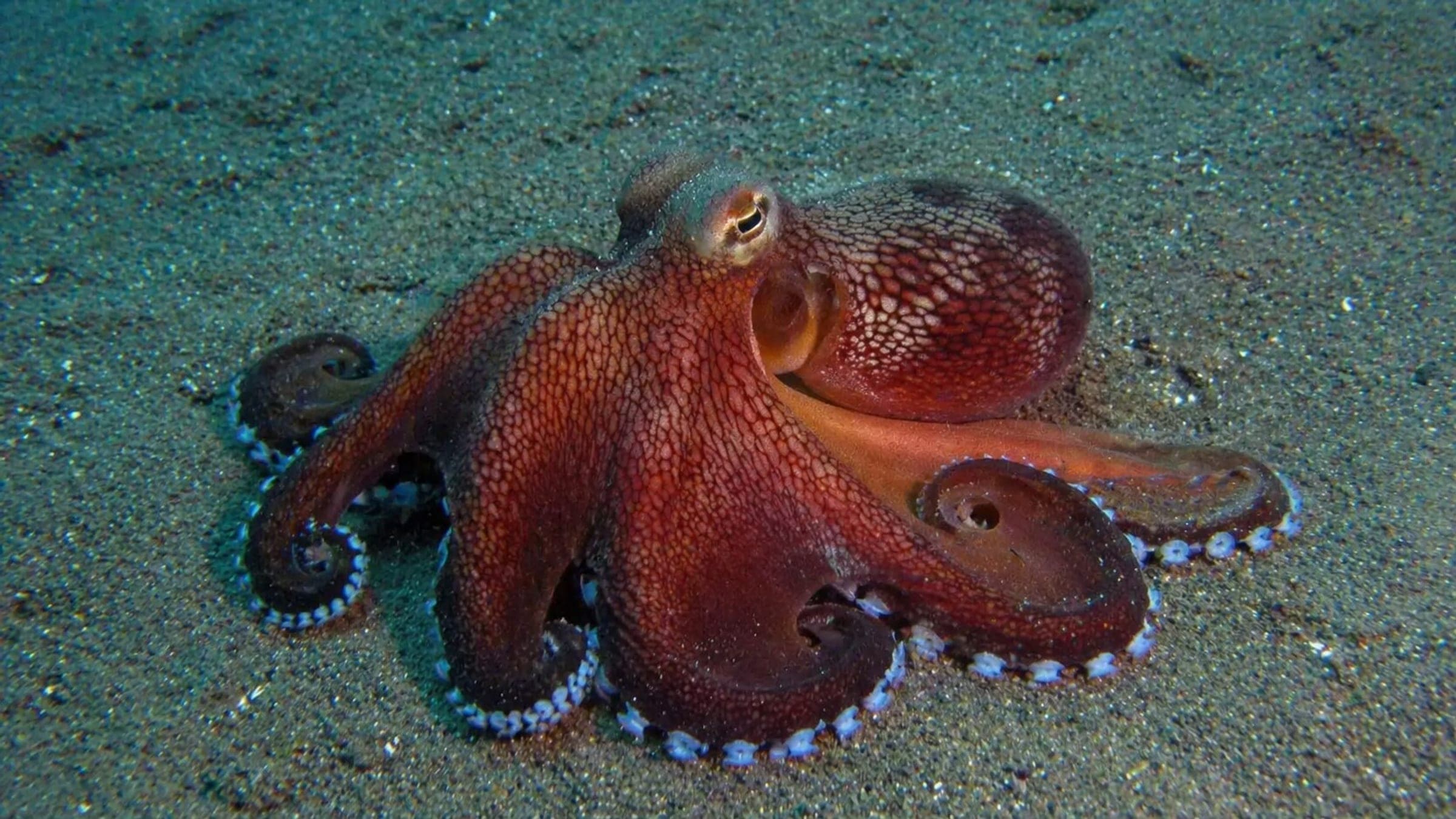
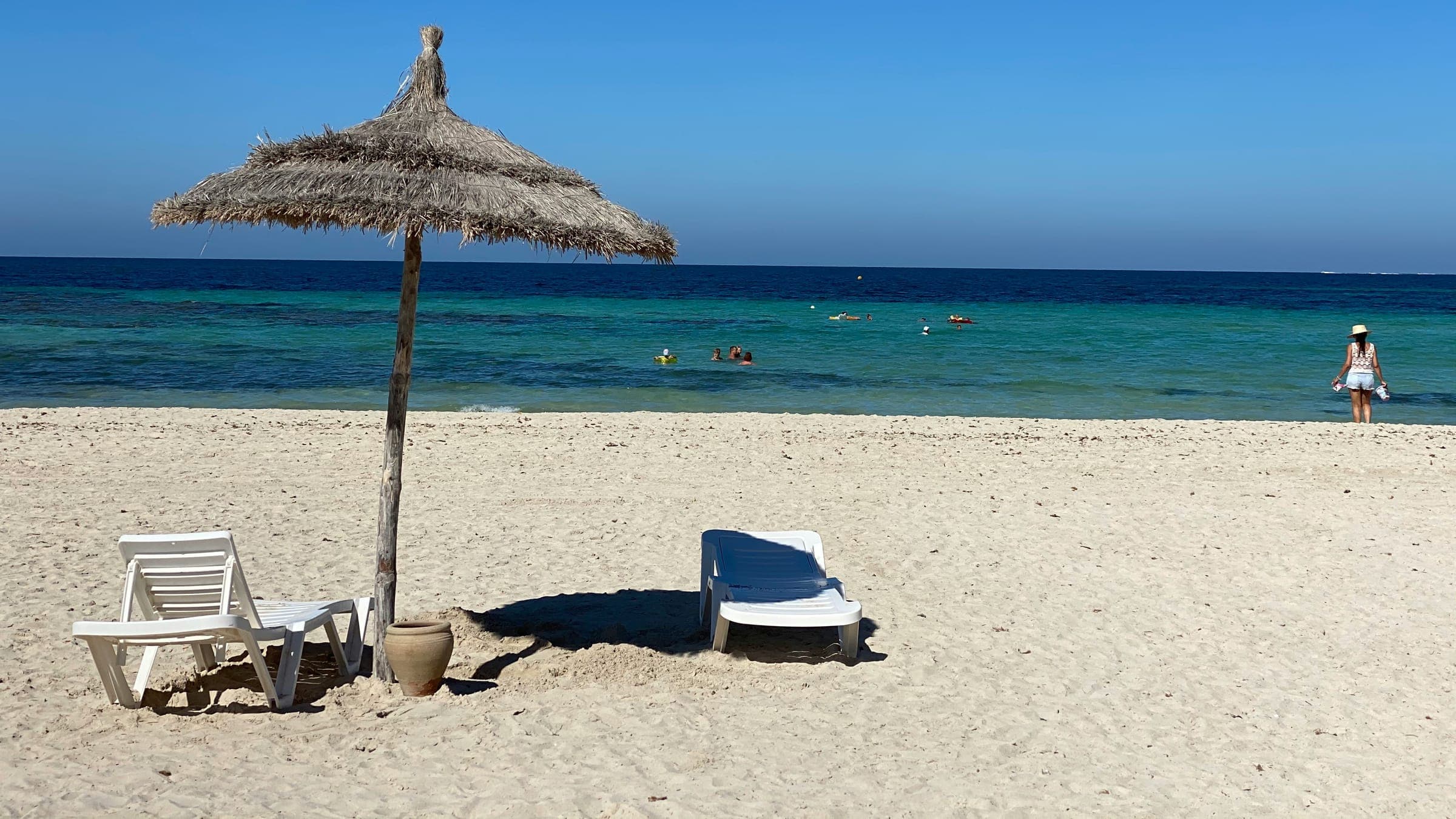
Djerba is not a wall-and-coral adrenaline destination. Its appeal is quieter and more Mediterranean: shallow posidonia meadows, octopus, cuttlefish, rays, accessible reefs for new divers, and a ladder of wrecks for more experienced teams. The Gulf of Gabes is unusually shallow, so snorkeling and beginner dives are easy to stage when wind is light, while offshore sites like Aida and Wreck Eso add history and structure. Above water, Djerba delivers far more than a dive base. You get broad sandy beaches, kite-friendly lagoons, thalasso hotels, Houmt-Souk markets, Erriadh and Djerbahood, Guellala pottery, and a UNESCO-listed island settlement landscape. For mixed groups, that balance is the destination's real strength: divers stay busy, non-divers are not stranded, and logistics are simple thanks to the island airport and short transfers.
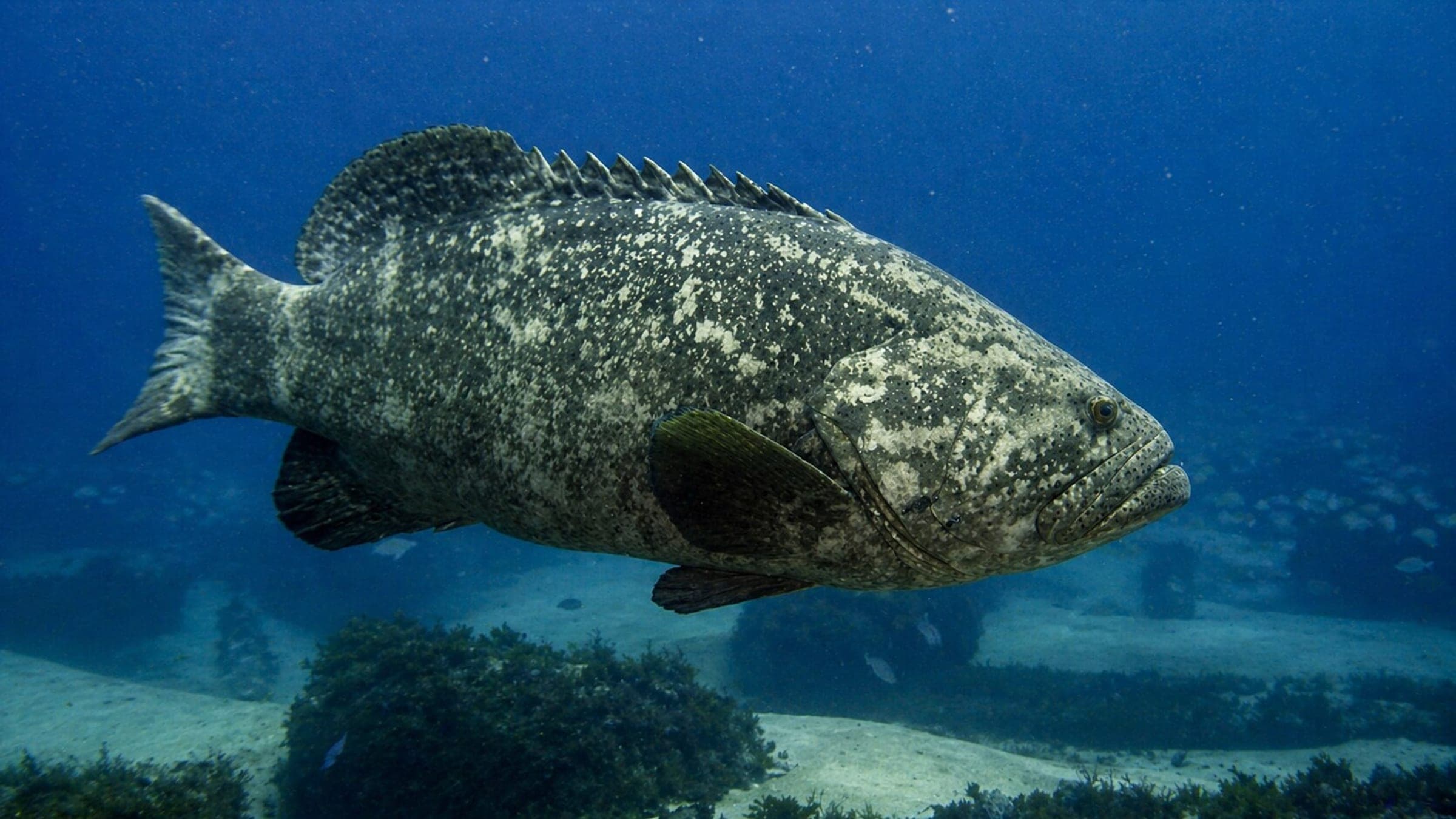
The draw is posidonia meadow ecology, rays, octopus, cuttlefish, and fish activity around shallow rocky structure rather than tropical coral spectacle.
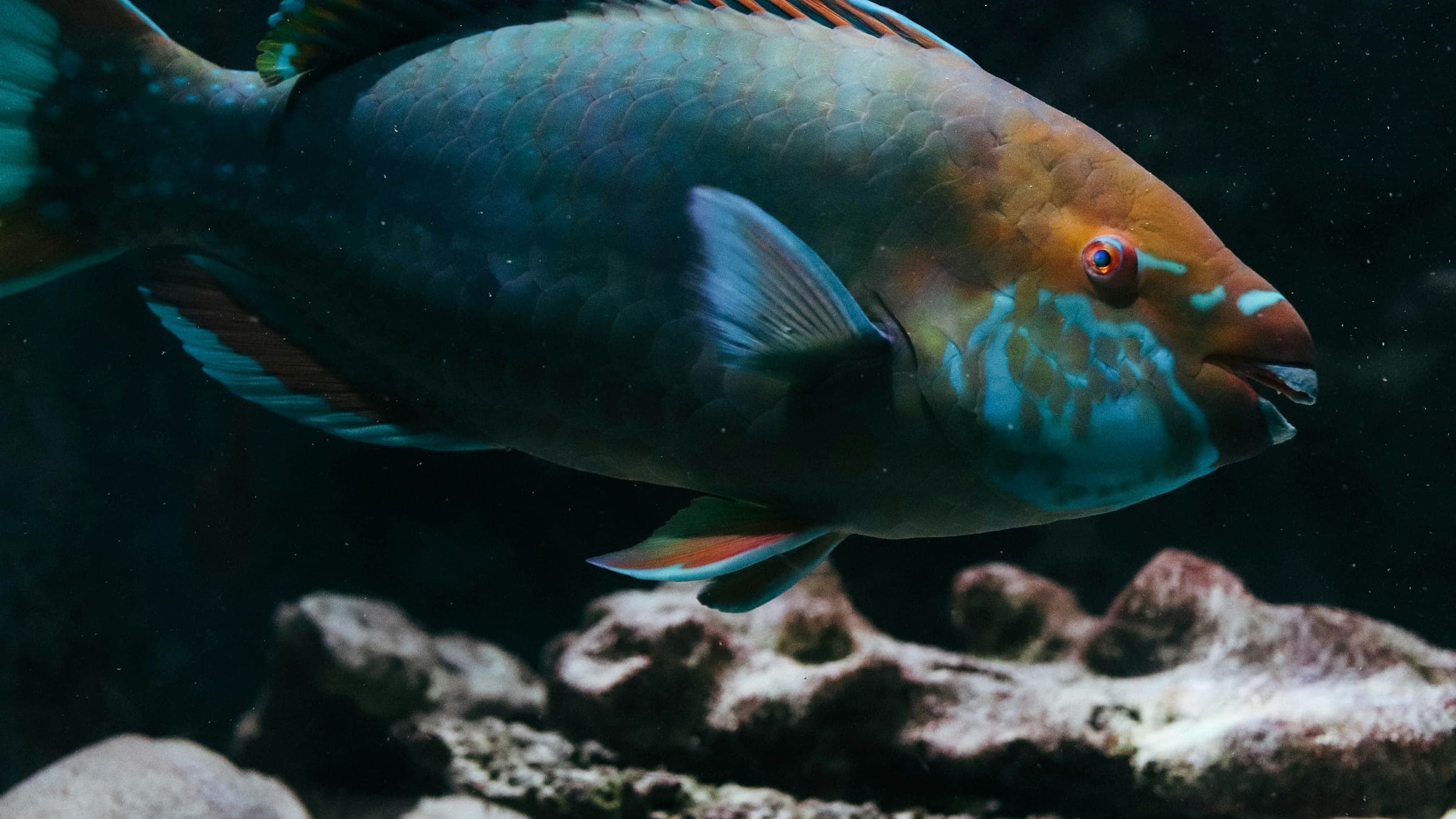
Top species linked to approved dive spots in Djerba.
Share what the whole destination was like. Once enough independent reviews are approved, DiveJourney publishes anonymous patterns, not reviewer profiles.
Quick shortlist before you jump into the full planning page.
DiveJourney destination guides are living documents built from local knowledge, operator experience, and publicly available sources. Conditions, regulations, and logistics can change. Each guide shows its last update date and sources used.
Last updated: March 25, 2026 • 19 sources
If destination data is inaccurate, stale, missing, or sourced poorly, send a factual correction. This is separate from anonymous destination reviews.
Thalasso hotels, souks, bird lagoons, pottery villages, and street art mean non-divers have a proper island itinerary, not just spare beach time.
Djerba-Zarzis International Airport sits about 9 km west of Houmt-Souk, so many arrivals reach their hotel or dive center quickly.
6 linked spots
Best time to go
May to October
Warm water around 22°C to 26°C, easy beach days, and balanced resort crowds.
Main caution: Windier period with cooler sea and air, often better for culture, birding, and wellness than for long inwater days.