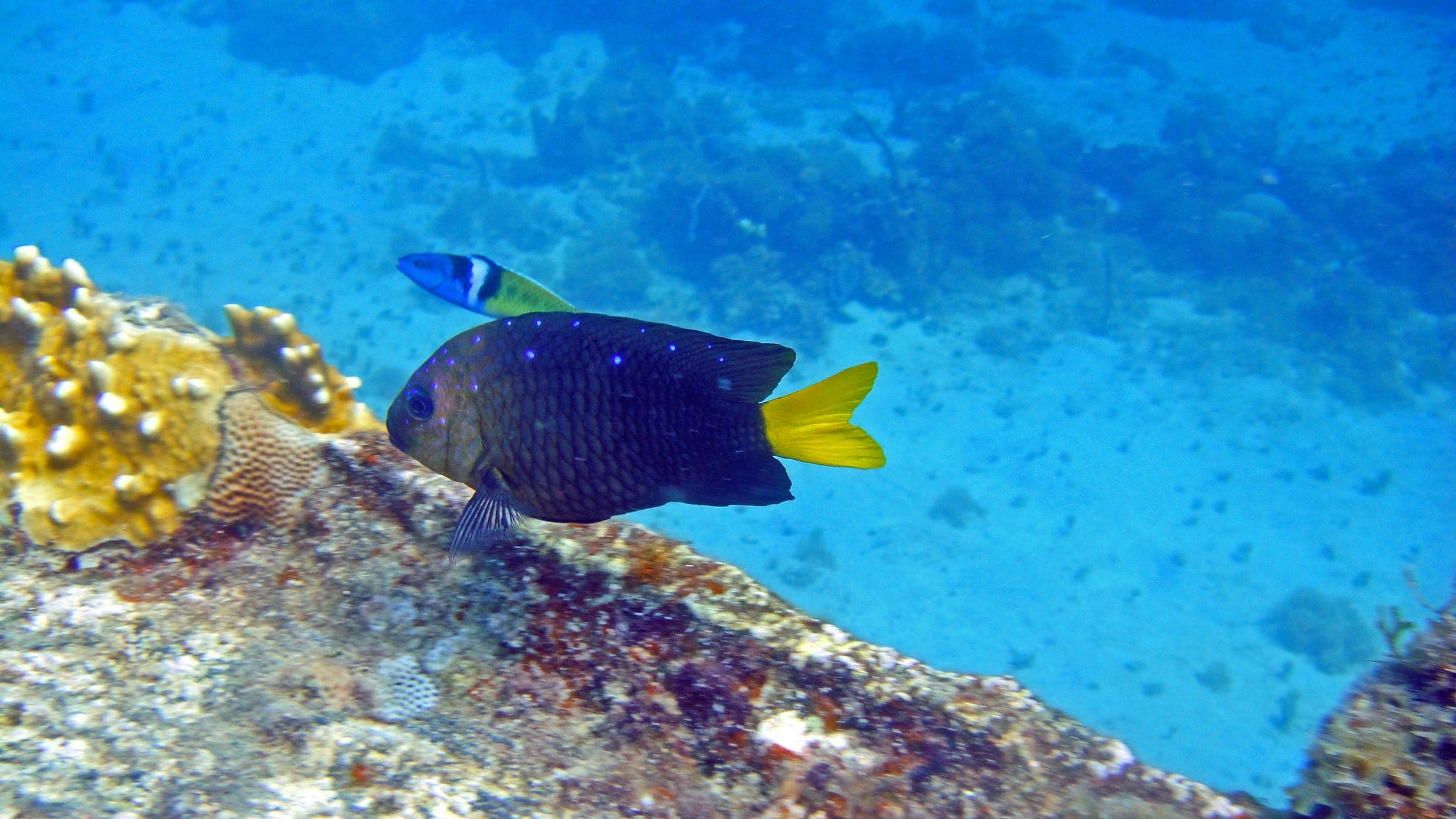
Beak-like mouth
Mouths resemble a parrot's beak, adapted for scraping and biting at coral and rock.
Species Guide
A clean field guide focused on habitat, identification, behavior, and conservation context without burying the useful parts.
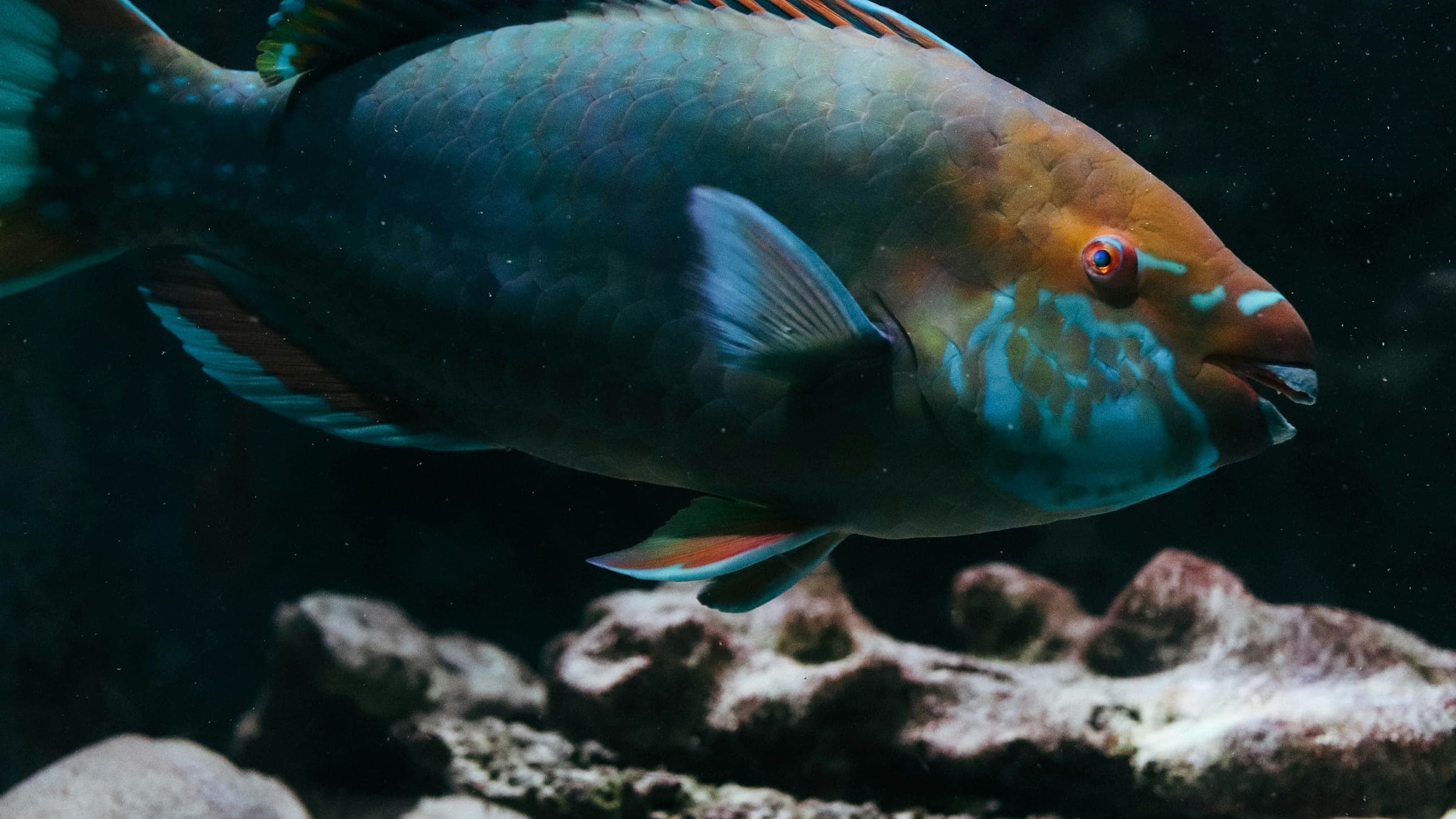
Parrotfish are a clade of fishes placed in the subfamily Scarinae of the wrasse family (Labridae). They were formerly treated as their own family, Scaridae, but genetic studies placed them within the wrasses. The group includes roughly 95 species, with greatest species richness in the Indo-Pacific. Parrotfishes are found in coral reefs, rocky coasts, and seagrass beds. They feed in a way that can erode coral and rock, contributing to bioerosion and increasing sand on the surrounding ocean floor.
Feed by scraping or biting coral, rock, and associated organisms; this feeding contributes to bioerosion and sand production.
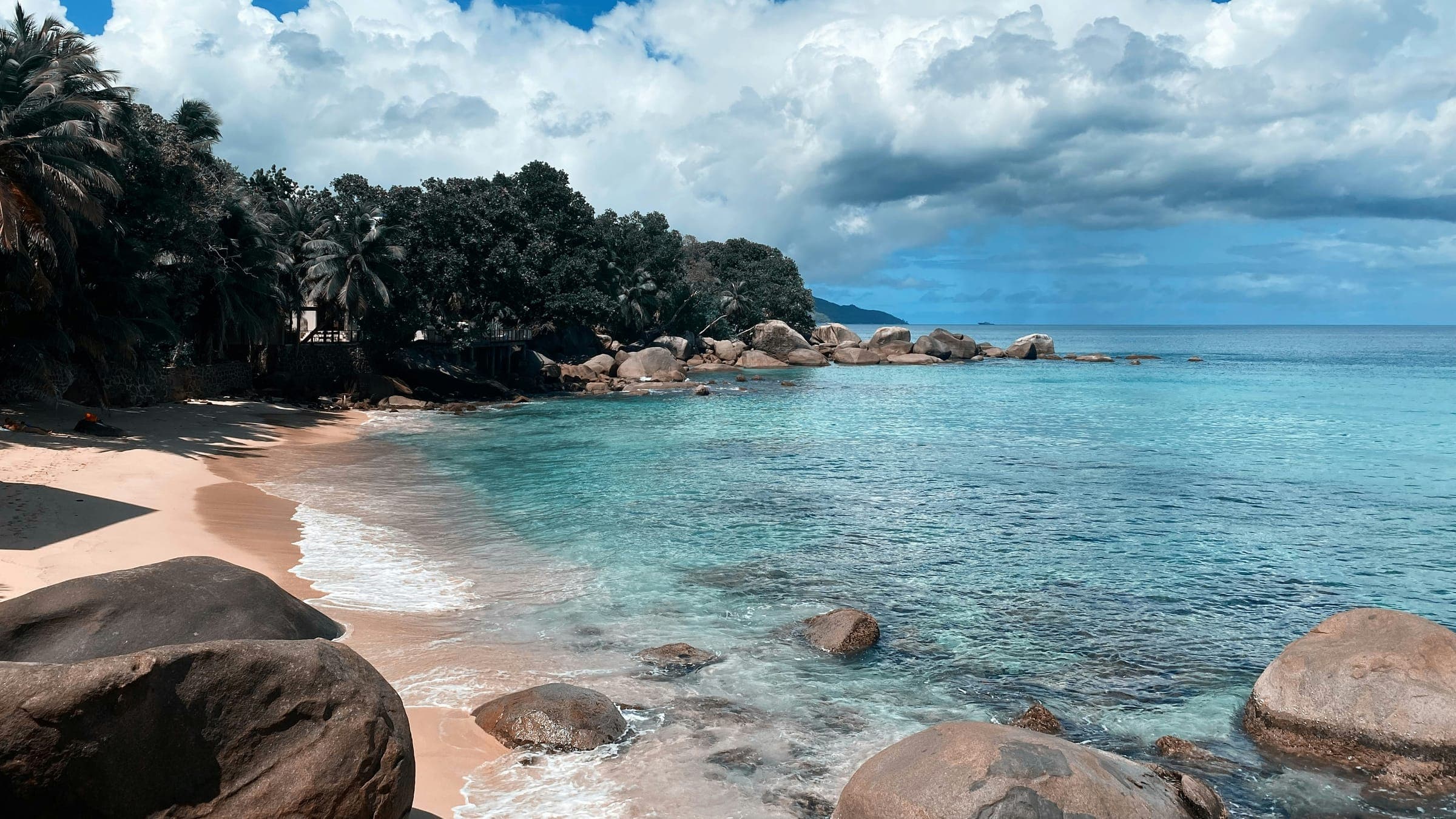
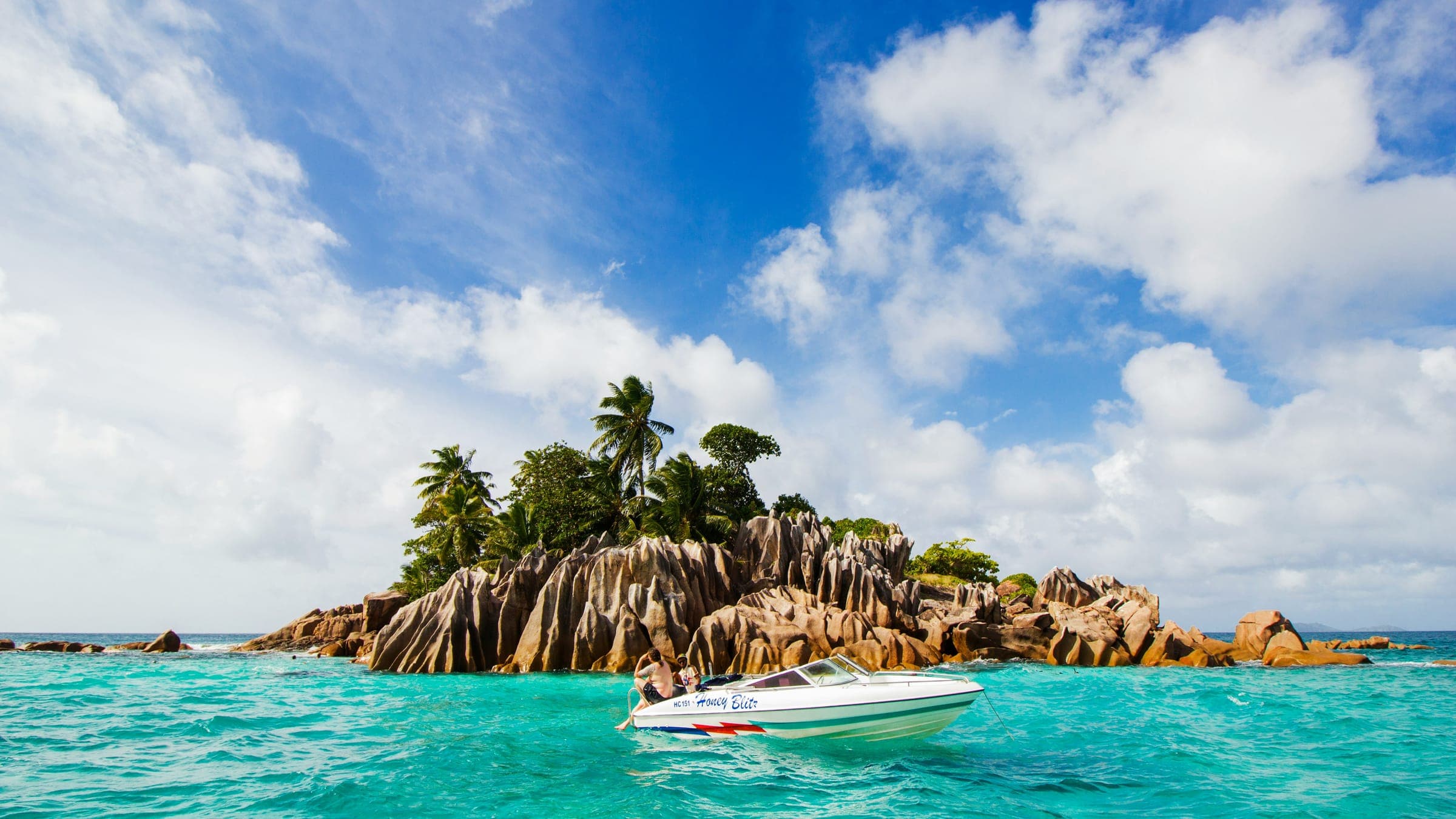
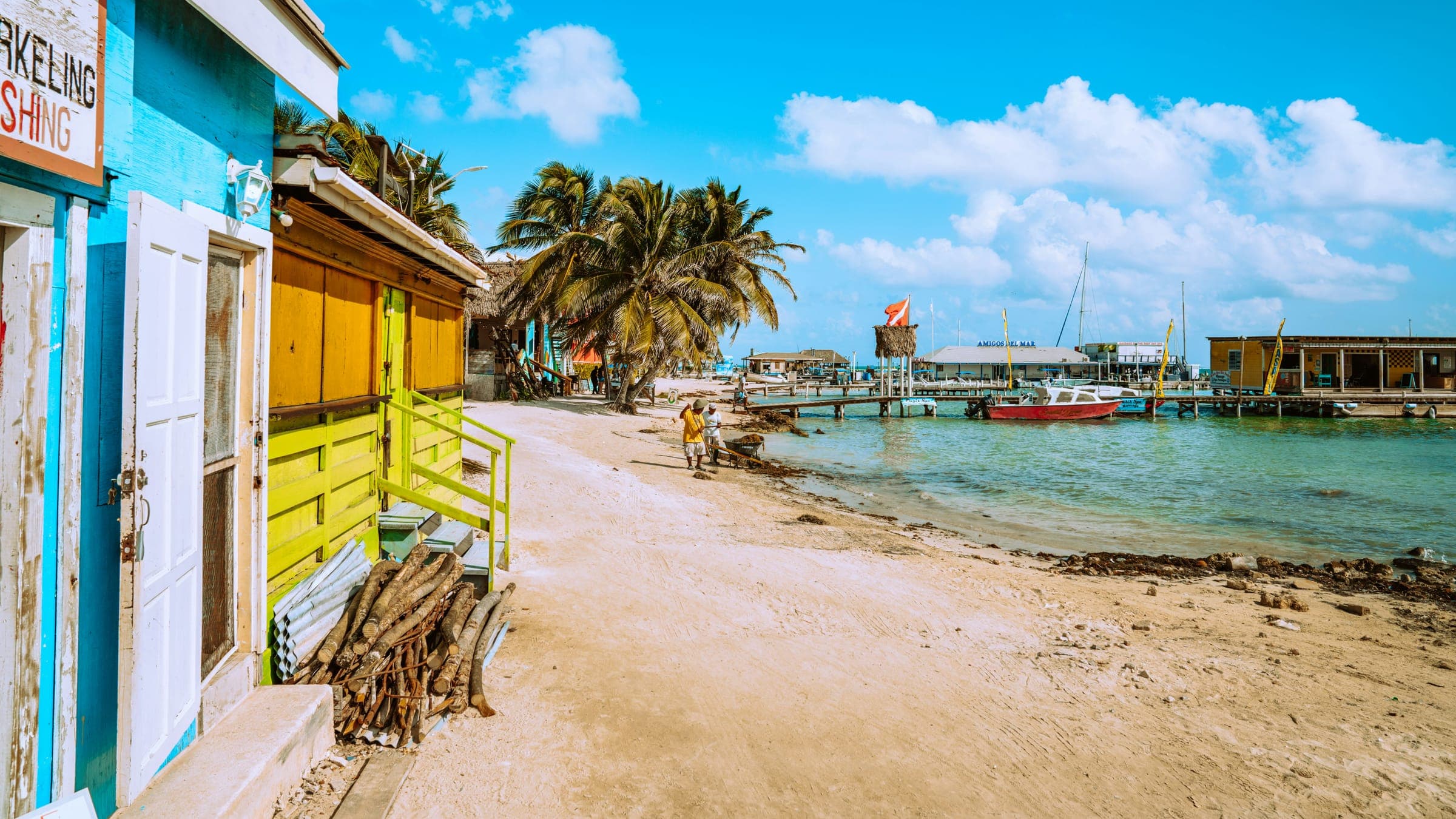
The strongest linked planning options currently surface around destinations such as Caye Caulker, Mahé, San Pedro (Ambergris Caye), Belize and countries such as Seychelles, Belize, Honduras for divers building trips around parrotfish.
Identification
The visual markers divers can use underwater, plus the species most likely to cause confusion.
Mouths resemble a parrot's beak, adapted for scraping and biting at coral and rock.
Diet
Useful feeding context that often explains habitat, movement, and encounter style.
Feed by scraping or biting coral, rock, and associated organisms; this feeding contributes to bioerosion and sand production.
Responsible Encounters
Conservation-minded guidance for divers who want the encounter without adding pressure.
Give parrotfish space, avoid blocking the animal's path, and follow local site and operator rules for wildlife interactions with saltwater fishes.
Field Notes
Useful species context that makes the encounter more meaningful once you are underwater.
Parrotfish feeding activity is often attributed to enriching sand content on the surrounding ocean floor.
Genetic studies moved parrotfish from their former family Scaridae into the subfamily Scarinae within Labridae.
The clade contains roughly 95 species, with the greatest diversity in the Indo-Pacific.
Top Destinations
Destinations surfaced from the linked dive spots associated with this species.
Top Countries
The strongest country-level starting points currently linked to this species.
Top Dive Spots
Directly linked dive spots where this species already shows up in the planning data.
One Tree Bay is a sheltered Tioman bay dive with rocks and easy reef terrain.
Tiger Reef Tioman is a current-swept pinnacle for advanced boat dives.
Miyaru Kandu is a protected shark channel with a strong drift.
Boat-access canyon dive in front of San Pedro Town.
Boat-access reef and canyon diving off Ambergris Caye.
Boat reef with coral blocks, caves, and soft corals
Diver Sightings
Approved diver reports where parrotfish were recently tagged.
FAQ
Clear planning and conservation answers written for search visibility and AI retrieval.
Research Sources
Primary and credible references behind the field-guide and conservation claims on this page.
Primary wildlife guide source.
Supporting wildlife source.
Related Species
Related species guides in the same encounter family.