Size
Includes some of the largest eel species, reaching up to around two metres or more in length.
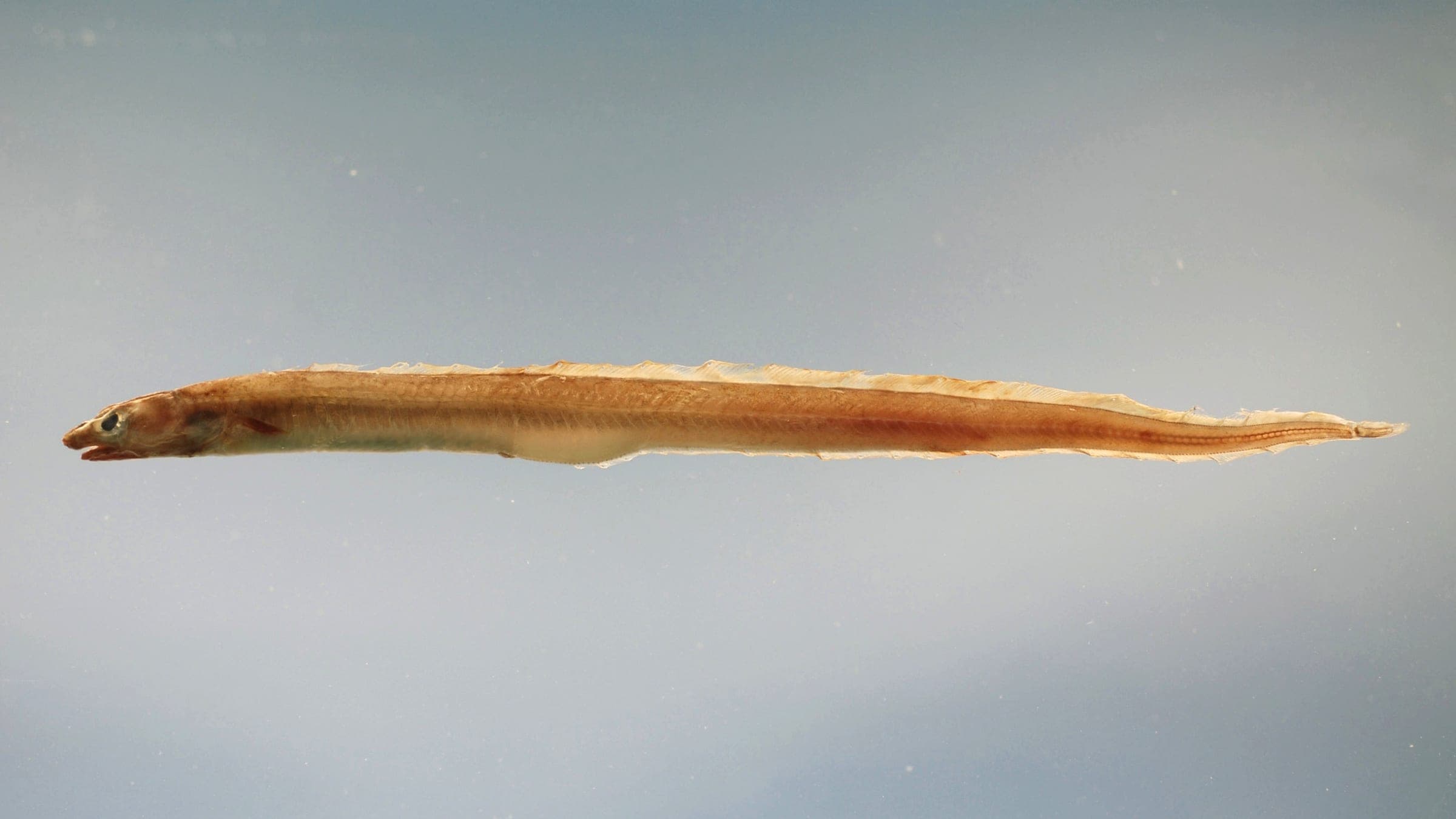
Conger
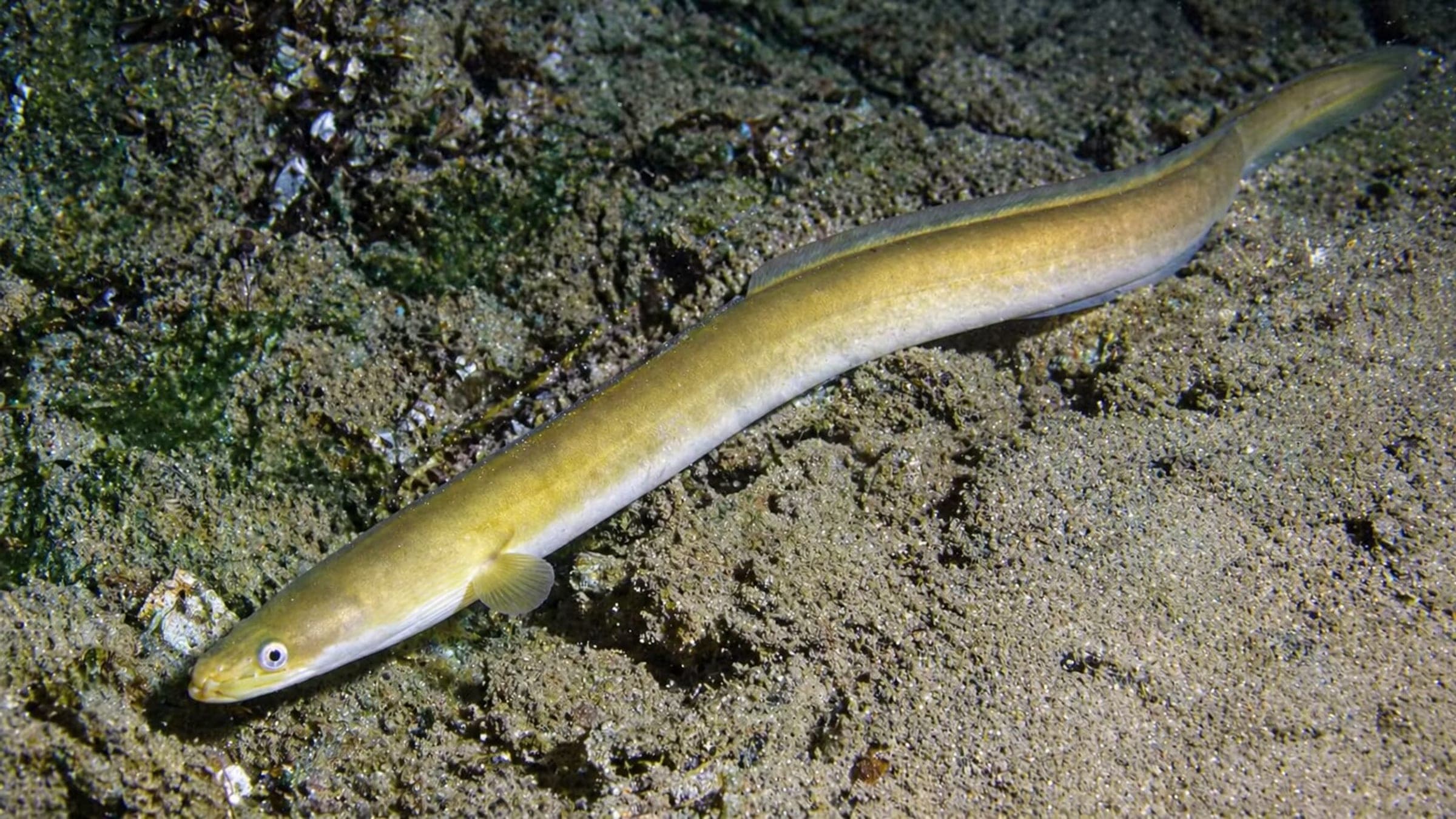
Conger is a genus of marine congrid eels that includes some of the largest eel species, with individuals reaching around two metres or more.
Last Updated Mar 9, 2026 · 4 sources
Species Guide
A clean field guide focused on habitat, identification, behavior, and conservation context without burying the useful parts.
Conger is a genus of marine congrid eels. The genus includes some of the largest types of eels, with individuals reaching up to two metres (about 6½ feet) or more in length, as in the European conger. Large congers have been observed by divers during the day in parts of the Mediterranean Sea. Both European and American congers are sometimes caught by fishermen along the European and North American Atlantic coasts. The life histories of most conger eels are poorly known; collections of leptocephalus larvae indicate the American conger spawns in the southwestern Sargasso Sea, near spawning areas of Atlantic freshwater eels. The term "conger" or "conger eel" is also used in common names for some species in the family Congridae.
Large congers have been observed during the day in parts of the Mediterranean Sea; detailed movement patterns are poorly known.
The strongest linked planning options currently surface around destinations such as Toulon and Hyères (Port-Cros and Porquerolles), Costa Brava and Medes Islands, Elba Island and countries such as Spain, Italy, France for divers building trips around conger eels.
Identification
The visual markers divers can use underwater, plus the species most likely to cause confusion.
Includes some of the largest eel species, reaching up to around two metres or more in length.
Large individuals have been observed by divers during daytime in parts of the Mediterranean Sea.
European and American congers are sometimes caught by fishermen along Atlantic coasts of Europe and North America.
Range and Movement
The broad range, seasonal movement, or migratory behavior that shapes where divers encounter this species.
Large congers have been observed during the day in parts of the Mediterranean Sea; detailed movement patterns are poorly known.
Responsible Encounters
Conservation-minded guidance for divers who want the encounter without adding pressure.
Divers have observed large congers during daytime in parts of the Mediterranean Sea; treat sightings as wildlife observations and avoid disturbing animals.
Field Notes
Useful species context that makes the encounter more meaningful once you are underwater.
Leptocephalus larvae collections indicate the American conger spawns in the southwestern Sargasso Sea.
The word "conger" or "conger eel" is sometimes used in common names for species in the family Congridae.
Top Destinations
Destinations surfaced from the linked dive spots associated with this species.

France
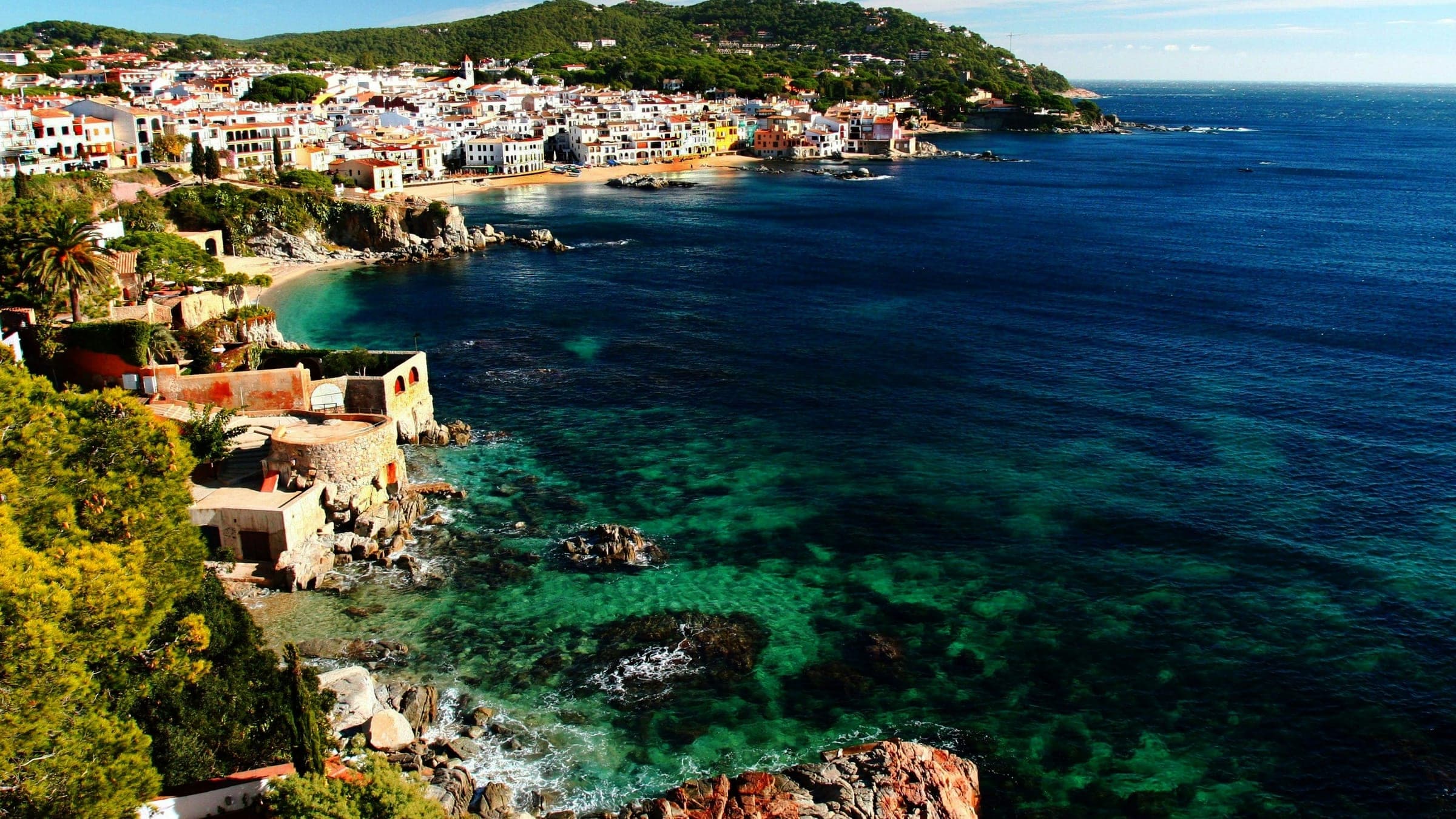
Spain

Italy

Italy

France
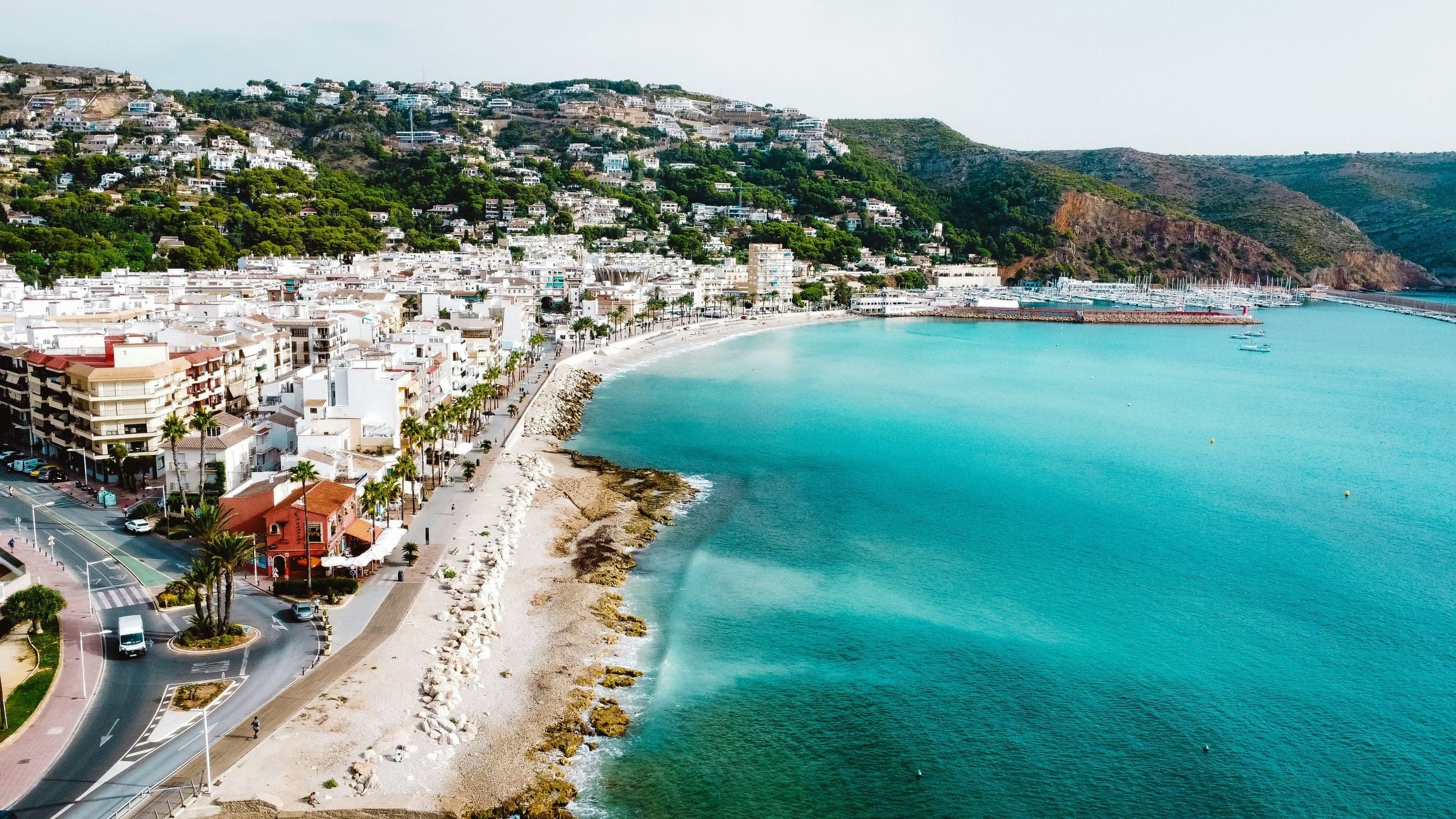
Spain
Top Countries
The strongest country-level starting points currently linked to this species.
Top Dive Spots
Directly linked dive spots where this species already shows up in the planning data.
3 mile Bommie is a boat reef with big marine life.
Acuari: expert boat dive near Barcelona with a deep rocky bar.
Shallow boat-access Comino cave with easy overhead scenery.
Shore-entry spirograph meadow in Archi
Deep Toulon wreck with nets hanging from the masts.
Advanced Civitavecchia wreck with buoy descent and controlled penetration.
Diver Sightings
Approved diver reports where conger eels were recently tagged.
FAQ
Clear planning and conservation answers written for search visibility and AI retrieval.
Research Sources
Primary and credible references behind the field-guide and conservation claims on this page.
Primary wildlife guide source.
Supporting wildlife source.
Supporting wildlife source.
Supporting wildlife source.
Related Species
Related species guides in the same encounter family.