Eel
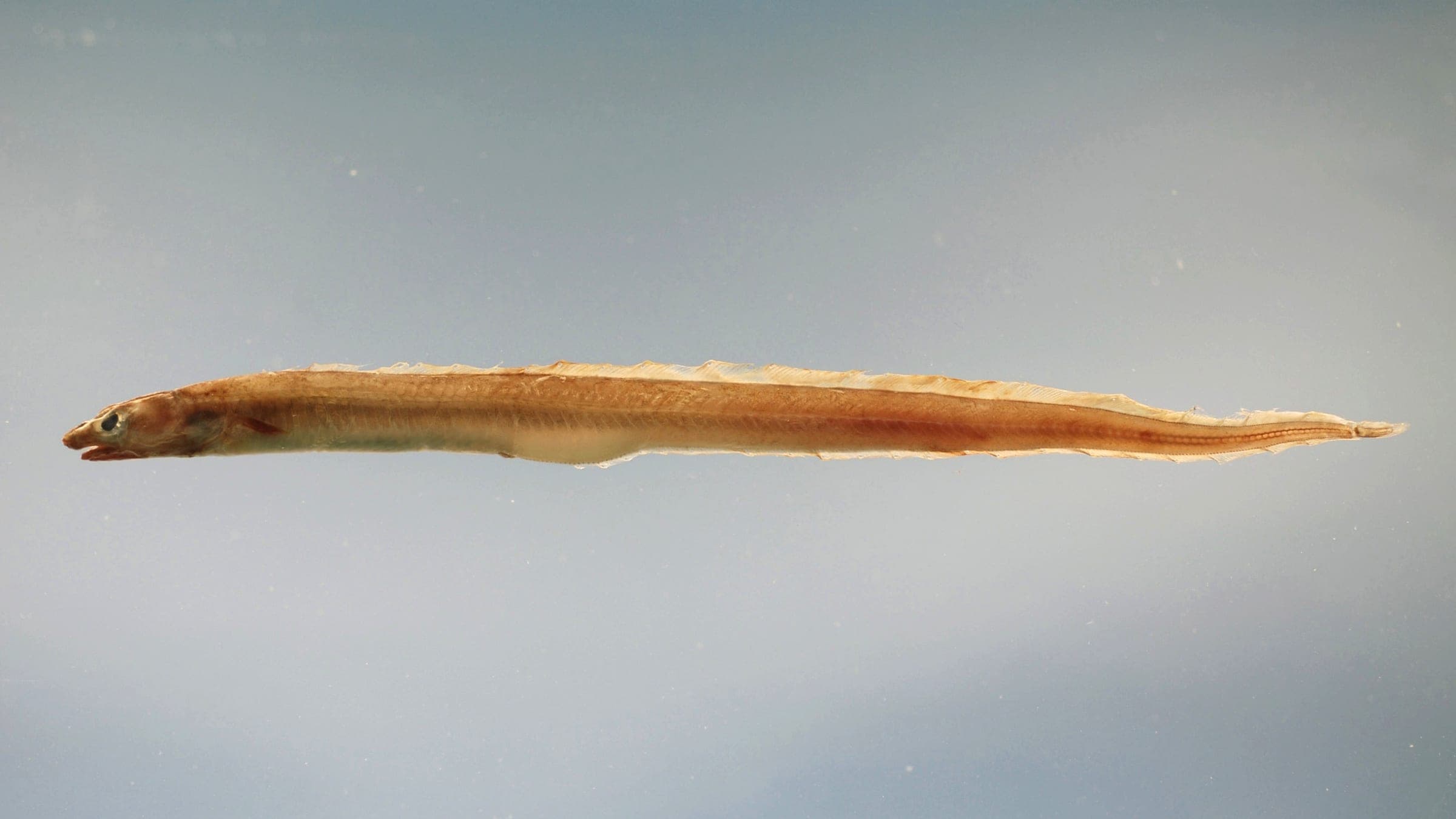
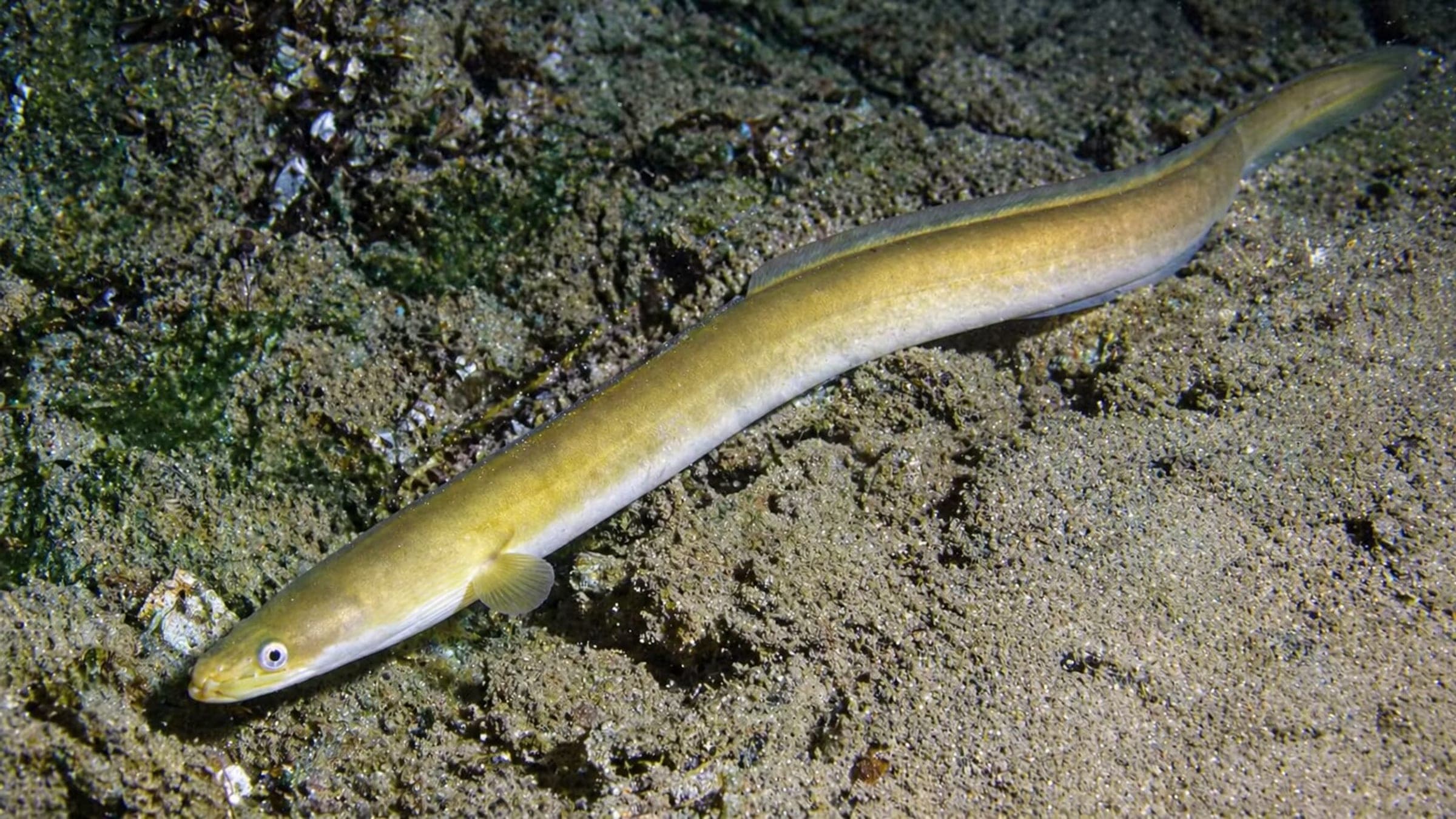
Eels are eel-shaped, ray-finned fishes of the order Anguilliformes, mostly marine predators with complex larval-to-adult development.
Anguilliformes (true eels)
Last Updated Mar 9, 2026 · 3 sources
Species Guide
What to know about eels
A clean field guide focused on habitat, identification, behavior, and conservation context without burying the useful parts.
Eels are ray-finned fishes in the order Anguilliformes, comprising eight suborders, 20 families, 164 genera and about 1,000 species. They undergo considerable development from an early larval stage to the adult form and are usually predators. The common name "eel" is also applied to unrelated eel-shaped fishes such as electric eels (genus Electrophorus), swamp eels (order Synbranchiformes), and deep-sea spiny eels (family Notacanthidae). Most eels are marine, but some taxa have different life histories: the catadromous genus Anguilla and the freshwater moray spend much of their life in freshwater, the rice-paddy eel spawns in freshwater, and the freshwater snake eel Stictorhinus is freshwater-associated. Deep-sea spiny eels (Notacanthiformes) are the sister clade to true eels.
Most eels are marine, but some taxa have different movement and life-history patterns: the genus Anguilla is catadromous (migrating between freshwater and the sea), some species like the rice-paddy eel spawn in freshwater, and other taxa (e.g., freshwater moray, Stictorhinus) spend much of their life in freshwater.
Eels are usually predators.
The strongest linked planning options currently surface around destinations such as Caye Caulker, San Pedro (Ambergris Caye), Belize, Bequia and countries such as Germany, Italy, United States of America for divers building trips around eels.
Identification
How to identify eels
The visual markers divers can use underwater, plus the species most likely to cause confusion.