Destination guide
Poor Knights Islands
Sea caves, stingrays and subtropical reefs off New Zealand's Tutukaka Coast
Community
0 in the area now · 0 planning trips
Counts include locals plus active trips inside the destination boundary; “planning” includes any future trip.
Currently Viewing:
Overview
Sea caves, stingrays and subtropical reefs off New Zealand's Tutukaka Coast
The Poor Knights Islands are an ancient volcanic archipelago turned marine reserve, sitting offshore from Tutukaka on New Zealand's North Island. Jacques Cousteau rated them among the world's top dive locations, and today they are famous for cathedral-like caverns, arches and walls coated in sponges and gorgonians, plus schools of blue maomao and visiting stingrays. Boats depart mainly from Tutukaka to reach this no-take, no-landing sanctuary, where divers, freedivers and snorkelers share clear water, dramatic topography and prolific subtropical life year round.
Why the Poor Knights Islands belong on your dive bucket list
The Poor Knights Islands / Tawhiti Rahi sit about 23 km offshore from Tutukaka and have been a marine reserve since 1981, with full no-take protection extending 800 m from the islands since 1998. Steep volcanic cliffs plunge to around 100 m before meeting sand, while caves, tunnels and arches create an underwater maze.
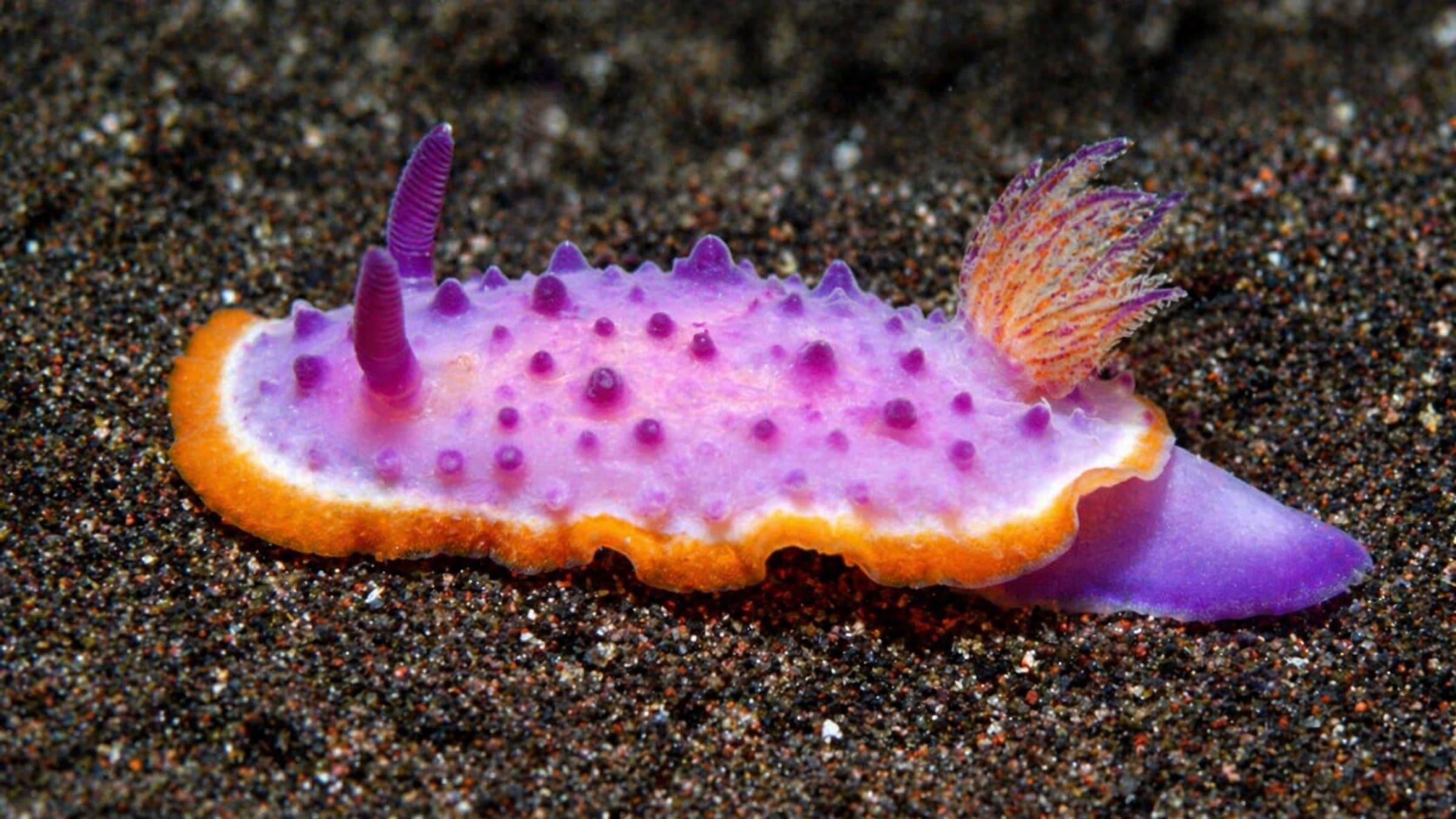
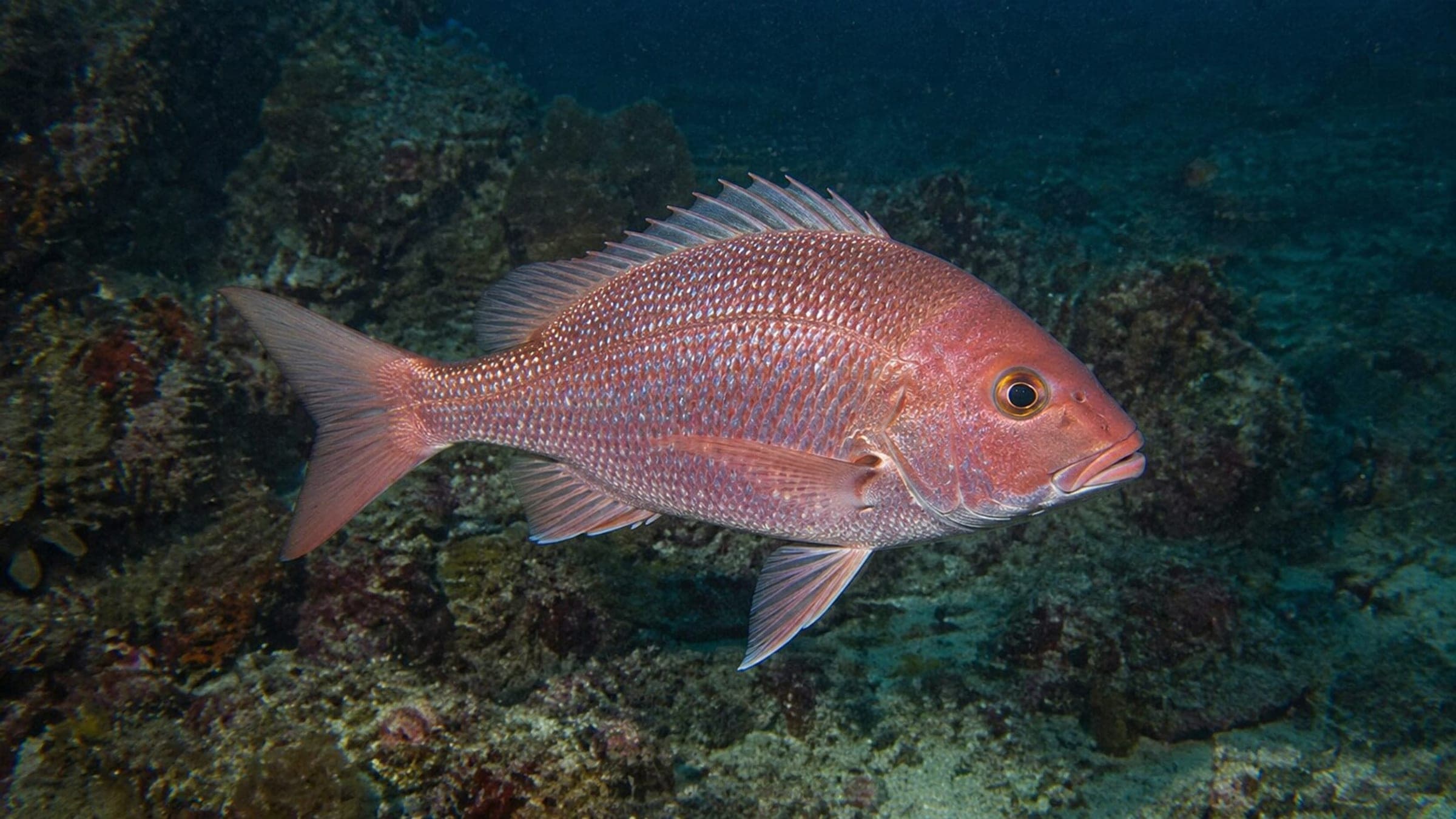
This structure, bathed by the warm East Auckland Current, supports sponge gardens, black coral, schools of blue and pink maomao, trevally, kingfish and occasional subtropical visitors like Lord Howe coralfish and mosaic morays rarely seen elsewhere in New Zealand.
Marine reserve culture
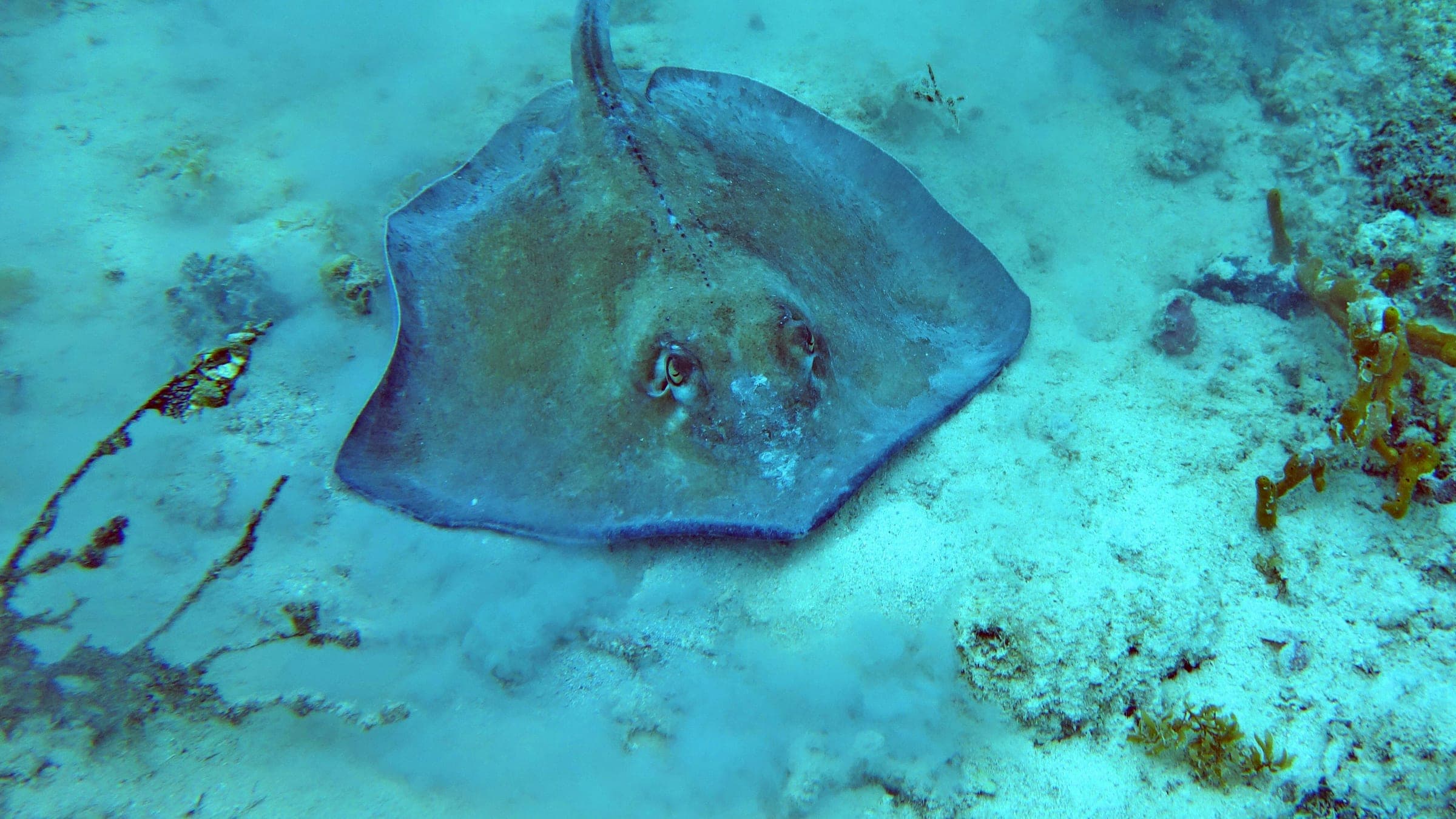
The Poor Knights are one of New Zealand's strictest marine and nature reserves: no fishing, no collecting and no landing on the islands at all. Anchoring is controlled, large vessels are excluded from a buffer zone and boaters must avoid discharging waste. This protection has allowed fish and invertebrate life to boom, and squadrons of short tailed stingrays gather in archways during warmer months.
Ngatiwai are kaitiaki (guardians) of the islands, which have deep cultural significance and a history that includes a tragic 19th century massacre, helping explain the ongoing tapu and landing bans.
Who this destination suits
- Scuba divers looking for world class temperate-subtropical walls, caverns and big-fish action.
- Freedivers who want dramatic drop offs, arches in the 5 m to 20 m range and depth lines over blue water.
- Snorkelers happy to join boat trips focused on surface time, sea caves and protected coves like Nursery Cove.
- Non-divers keen on scenic cruises, kayaking and wildlife viewing in a pristine marine sanctuary.
Conditions and seasonality
Diving is possible all year. Summer and early autumn (roughly December to April) bring the warmest water around 20°C to 23°C, more plankton and salps, and peak stingray and pelagic activity. Winter and early spring cool to roughly 14°C to 16°C but often deliver the clearest visibility, frequently 20 m plus and occasionally around 30 m.
On land, Tutukaka and nearby Whangarei enjoy a mild subtropical climate with summer daytime highs near 23°C and winter days typically 12°C to 17°C, so outdoor activities run year round.
Gateway and logistics
Most trips depart Tutukaka Marina, about a 30 km drive from Whangarei and roughly 190 km from Auckland. Specialised operators like Dive! Tutukaka, Yukon Dive, Divenow and Freedive Aotearoa provide charters, training and gear, so you do not need to bring full equipment unless you prefer to.
Trip callouts
- Iconic marine reserve
Strict no-take, no-landing rules protect dense schools, invertebrate gardens, and subtropical visitors.
- Caves, arches and walls
Riko Riko Cave and arches like Blue Maomao and Northern Arch give photogenic caverns and light beams.
- Subtropical wildlife
Expect maomao schools, stingrays, kingfish, occasional dolphins or orca, and warm-current tropical visitors.
- Freedive & snorkel friendly
Nursery Cove and calm summer bays suit snorkel and freedive courses alongside deeper sites.
Activity highlights
scuba
Why the Poor Knights Islands are legendary for scuba diving
Scuba at the Poor Knights is all about structure and life: sheer walls to 40 m, caverns like Riko Riko, arches packed with schooling maomao and pelagics cruising in from the blue. Local charters such as Dive! Tutukaka and Yukon Dive run daily trips from Tutukaka Marina, typically offering two different sites in a day and catering from confident Open Water divers through to experienced tech and photography teams.
freedive
Why the Poor Knights Islands are a dream for freedivers
For freedivers, the Poor Knights combine easy access depth with dramatic structure, clear winter water and abundant fish life. Local schools like Freedive Aotearoa and Divenow run dedicated courses and depth training days that finish with fun line sessions and exploration of arches such as Blue Maomao and Tie Dye.
snorkel
Why the Poor Knights Islands are outstanding for snorkeling
Snorkelers get the same world class scenery as divers: glassy coves, sea caves, arches and fish filled reefs, without needing scuba training. Day trips like the Perfect Day cruise from Dive! Tutukaka focus on easy entries, guided snorkeling, kayaking and cave tours, making the marine reserve accessible to families and non divers.
topside
What to do around the Poor Knights when you are not in the water
Topside, the Poor Knights experience revolves around scenic cruises and the Tutukaka Coast, backed up by easy hikes, waterfalls and relaxed Northland beach towns. Since landing on the islands is prohibited, non divers focus on boat based sightseeing plus time in Tutukaka, Ngunguru and Whangarei.
About these guides
DiveJourney destination guides are living documents built from local knowledge, operator experience, and publicly available sources. Conditions, regulations, and logistics can change. Each guide shows its last update date and sources used.
Last updated: November 21, 2025 • 11 sources
If you see something inaccurate or outdated, you can submit an update. This is how the platform improves.