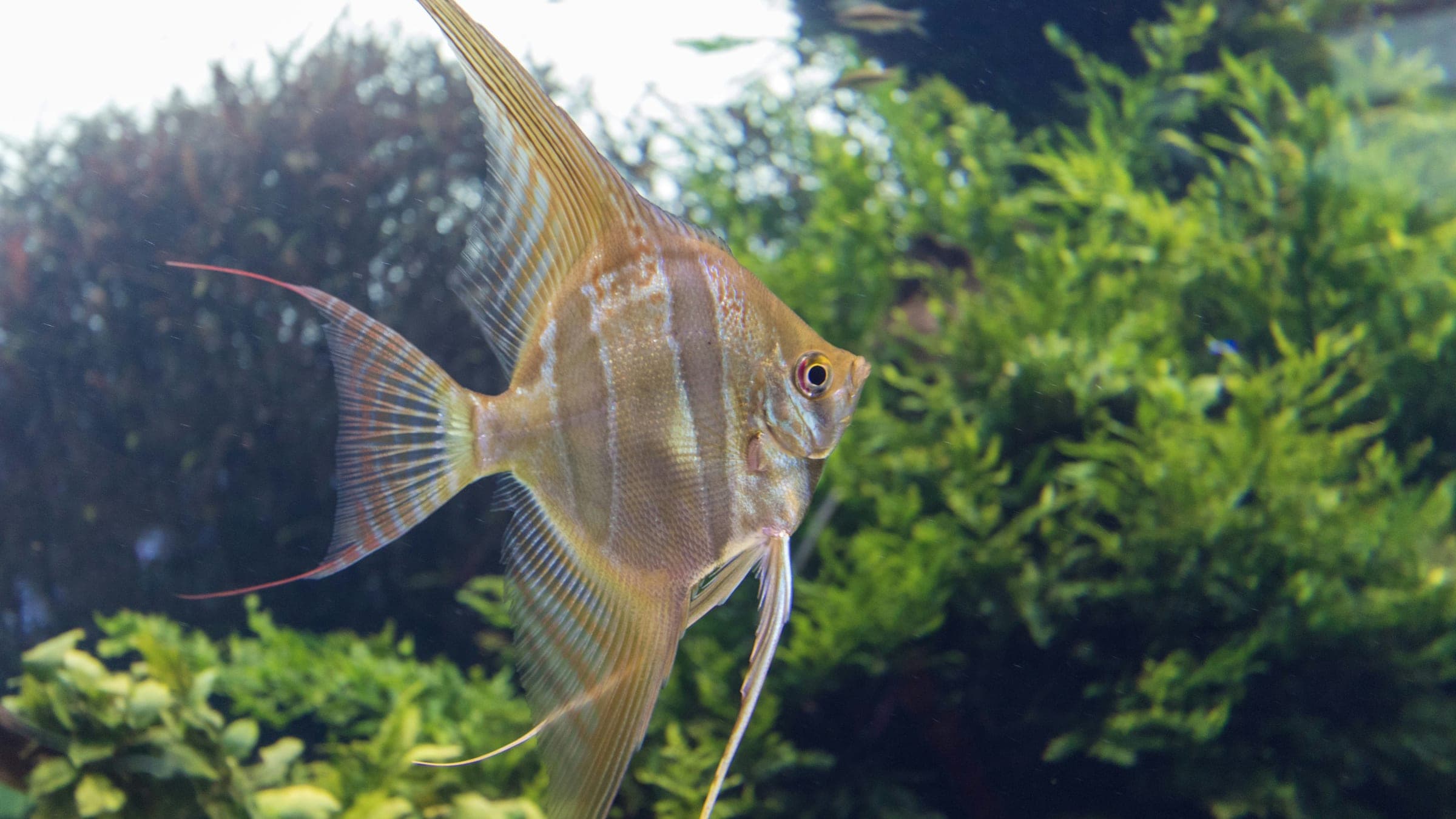
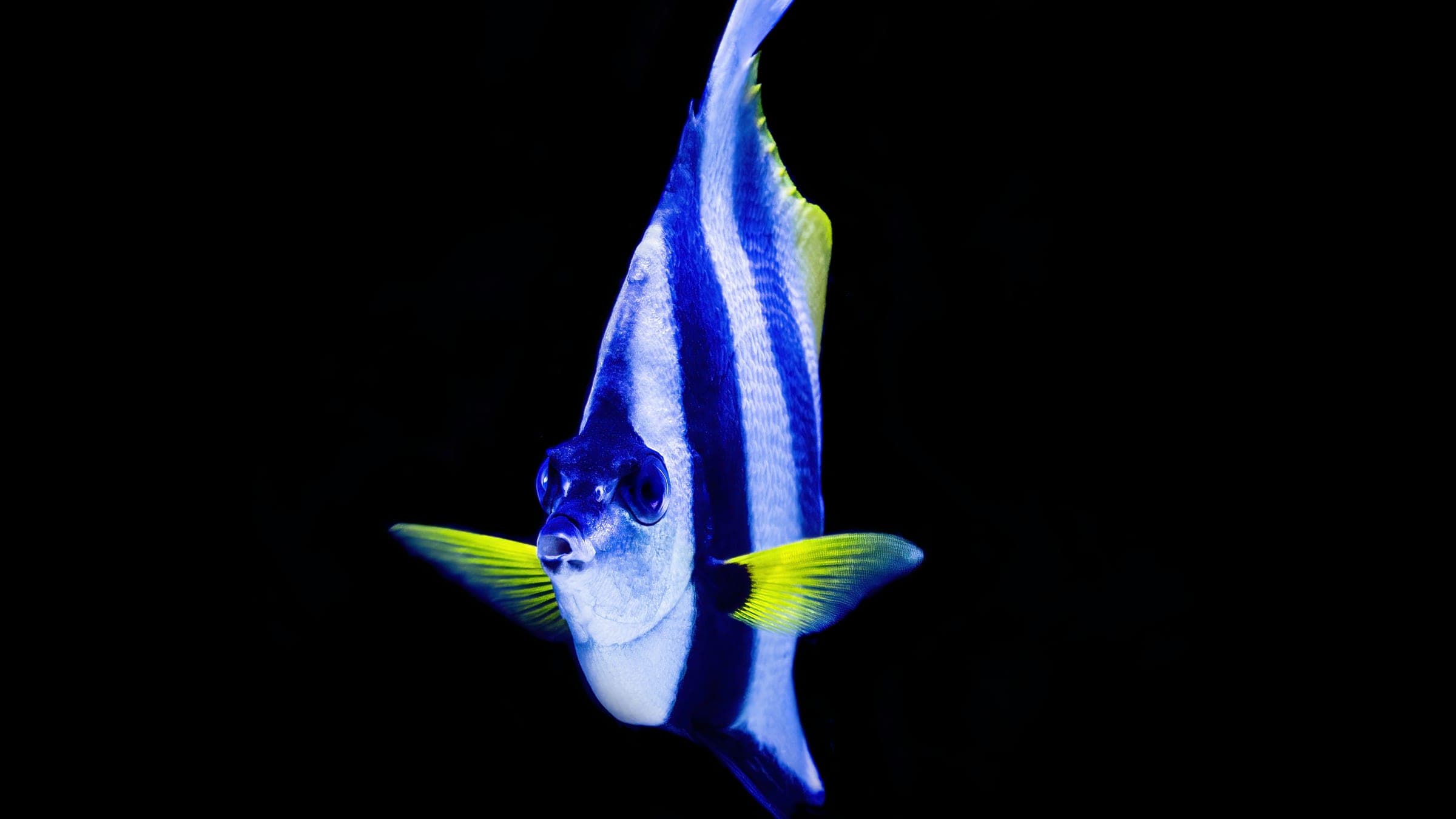
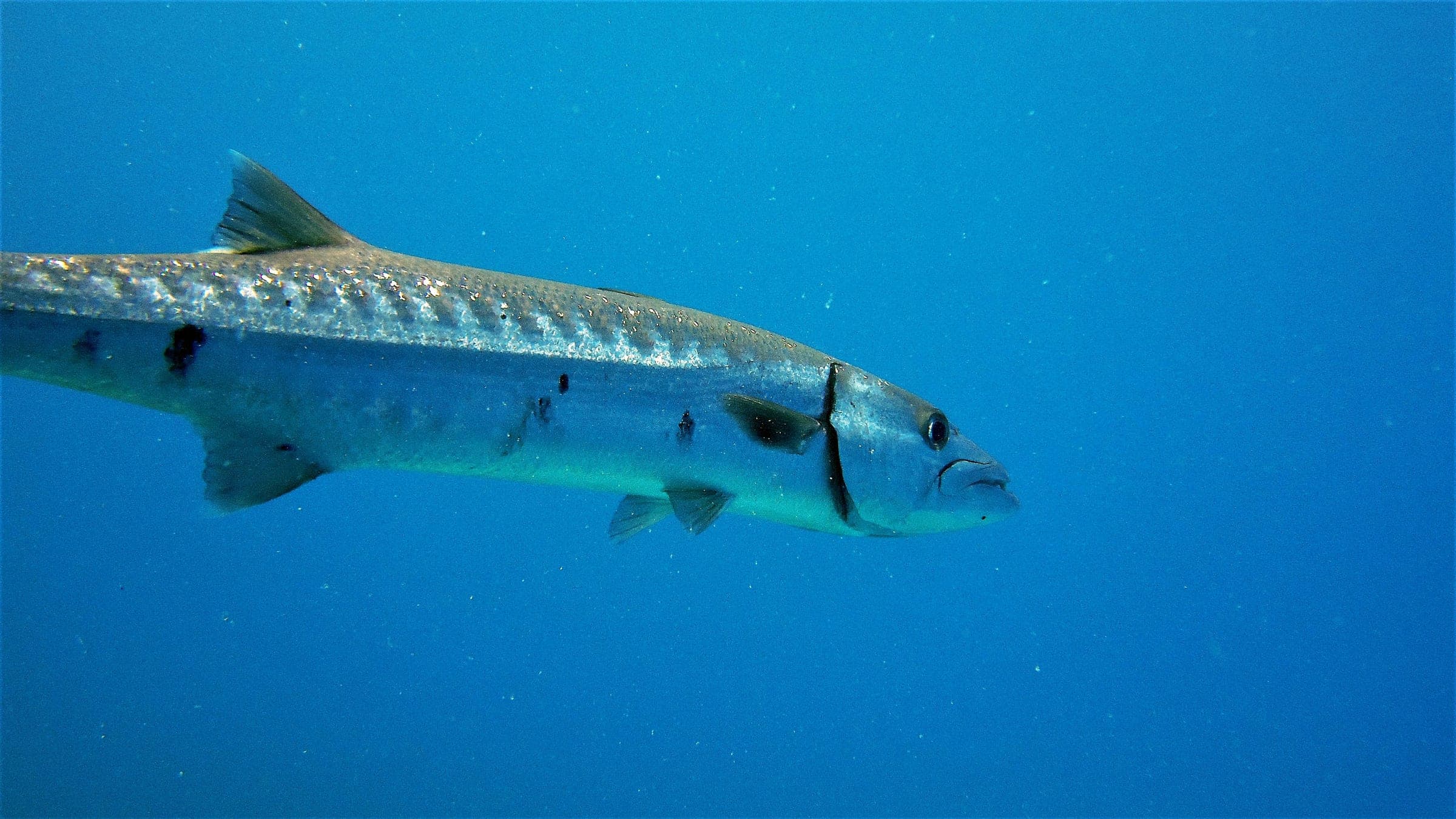
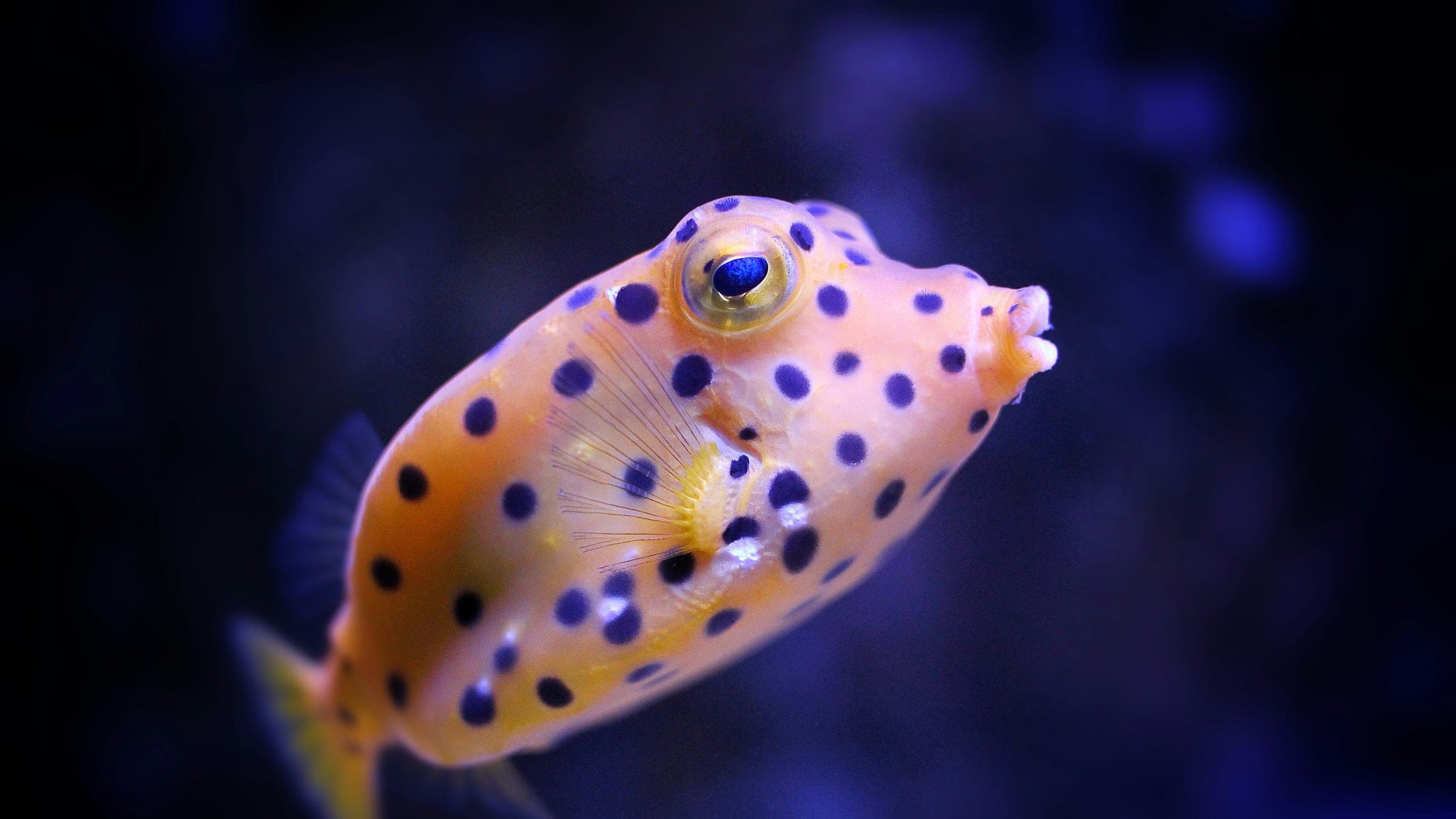
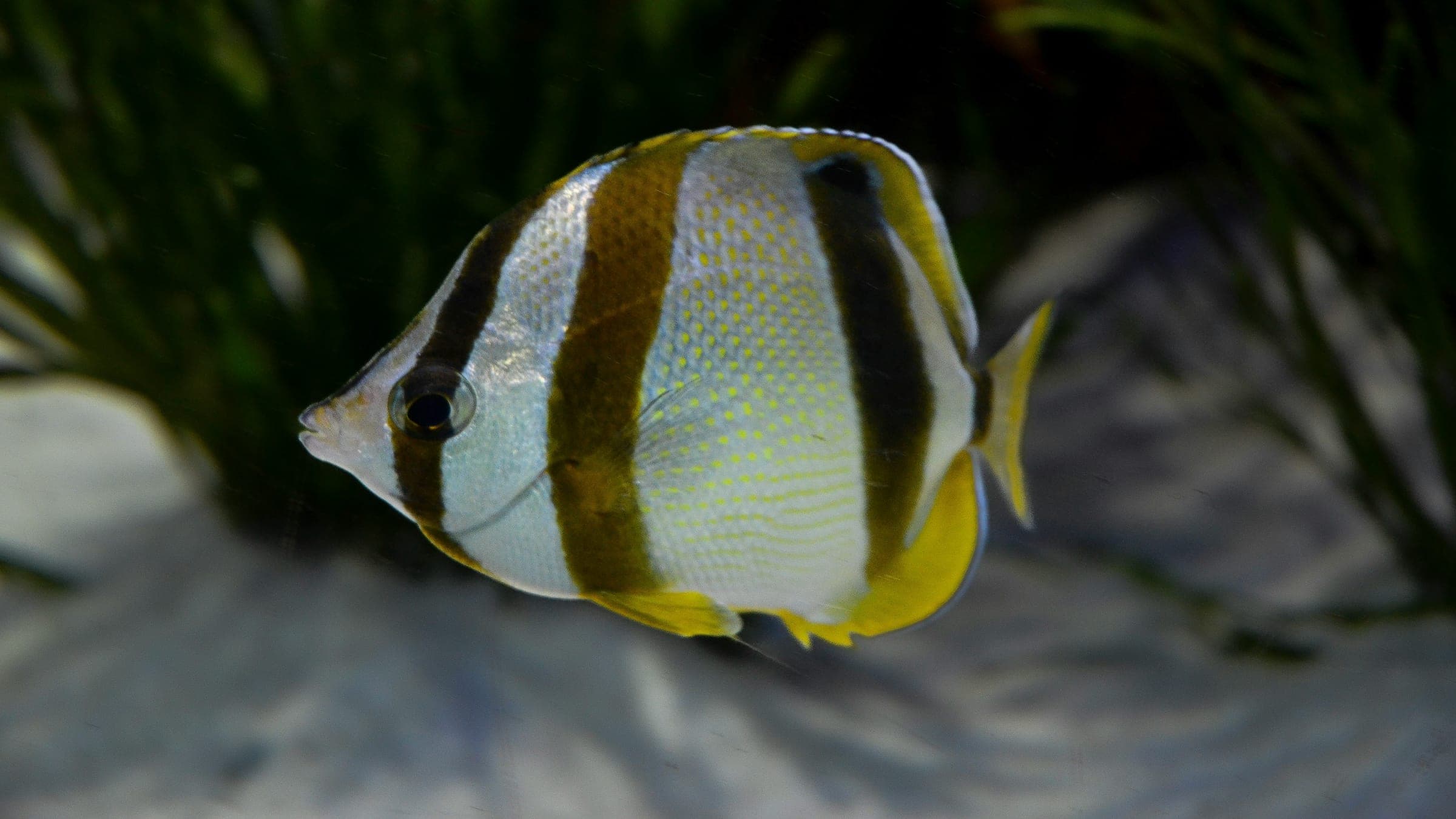
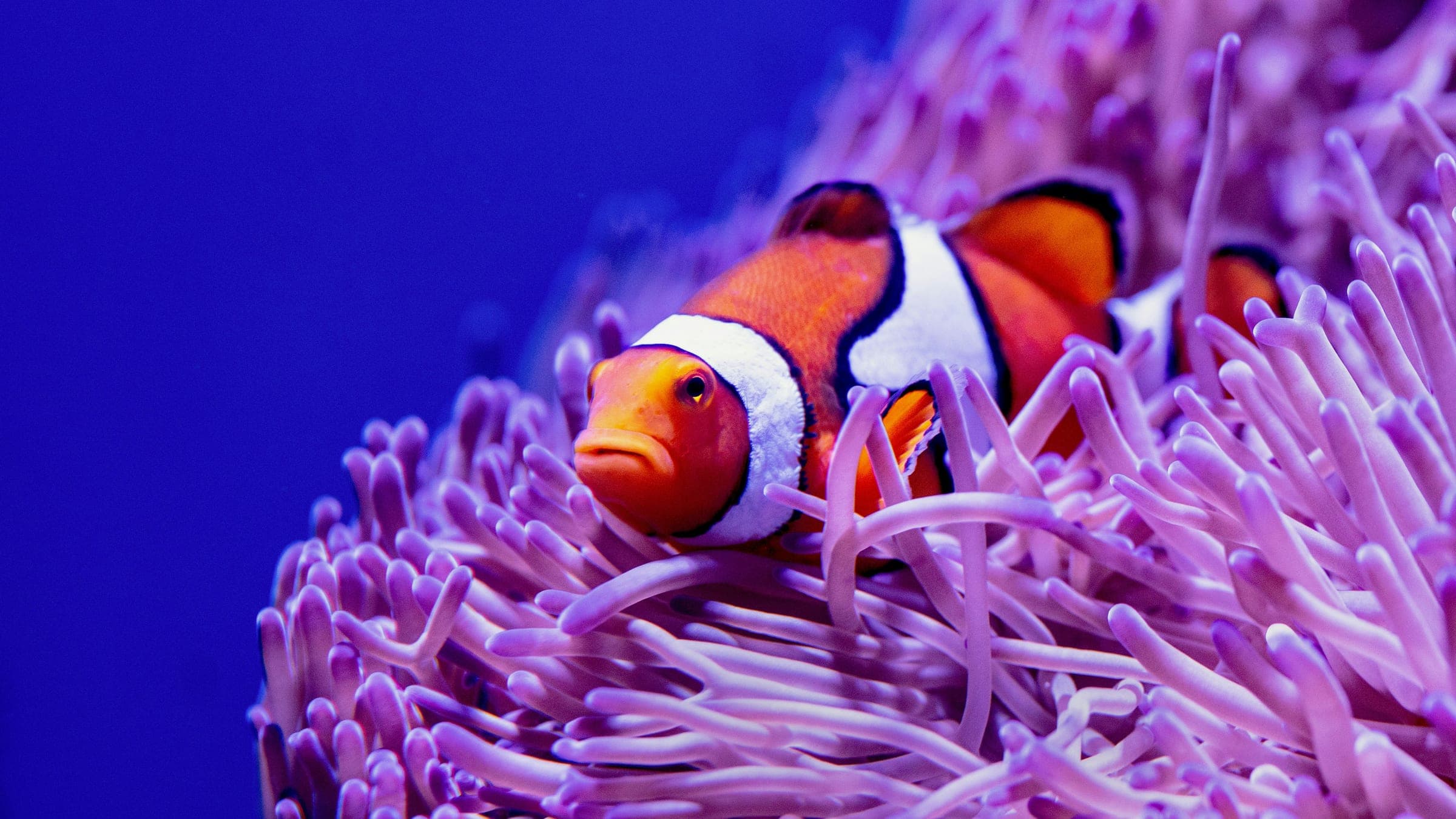
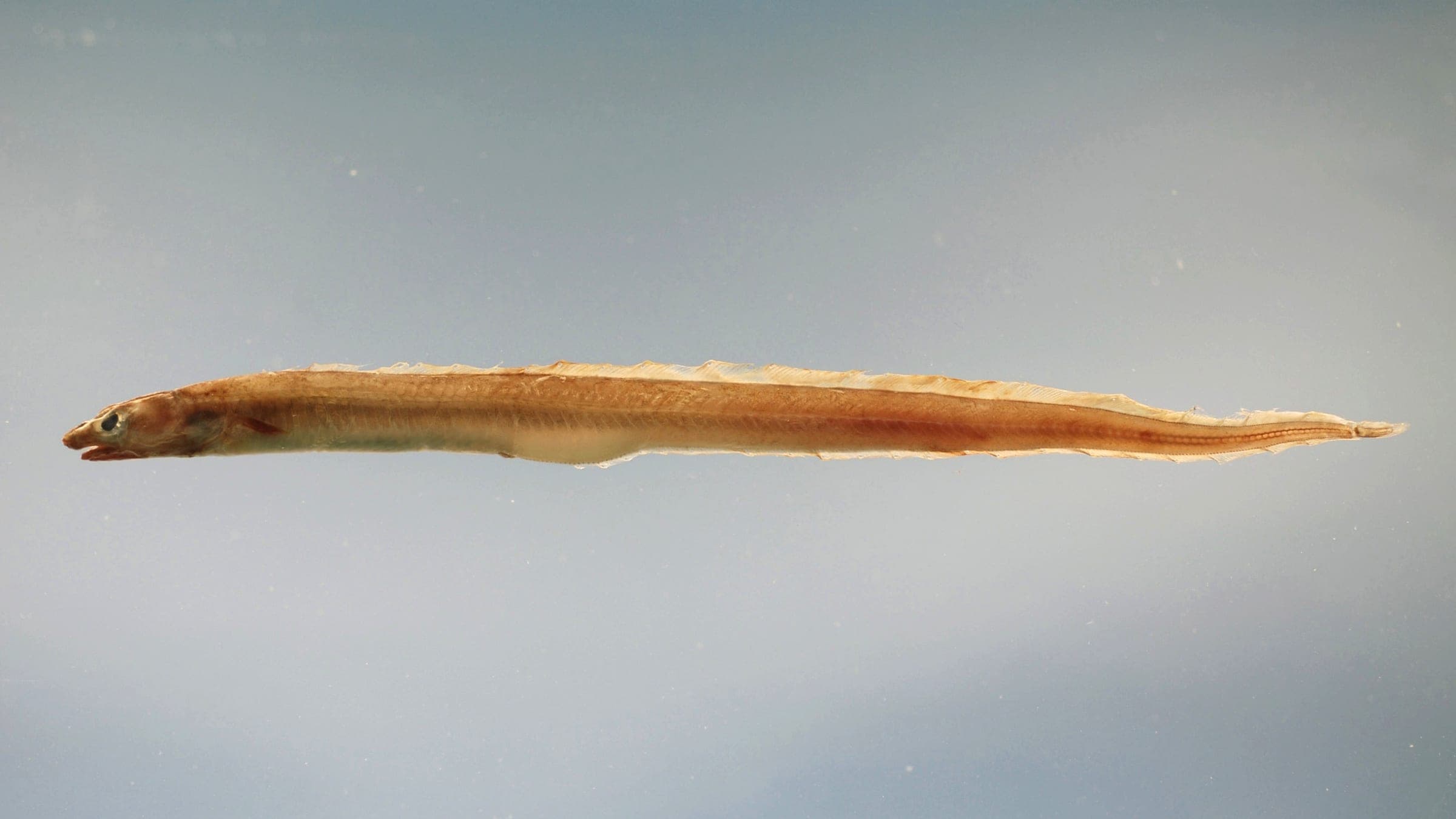
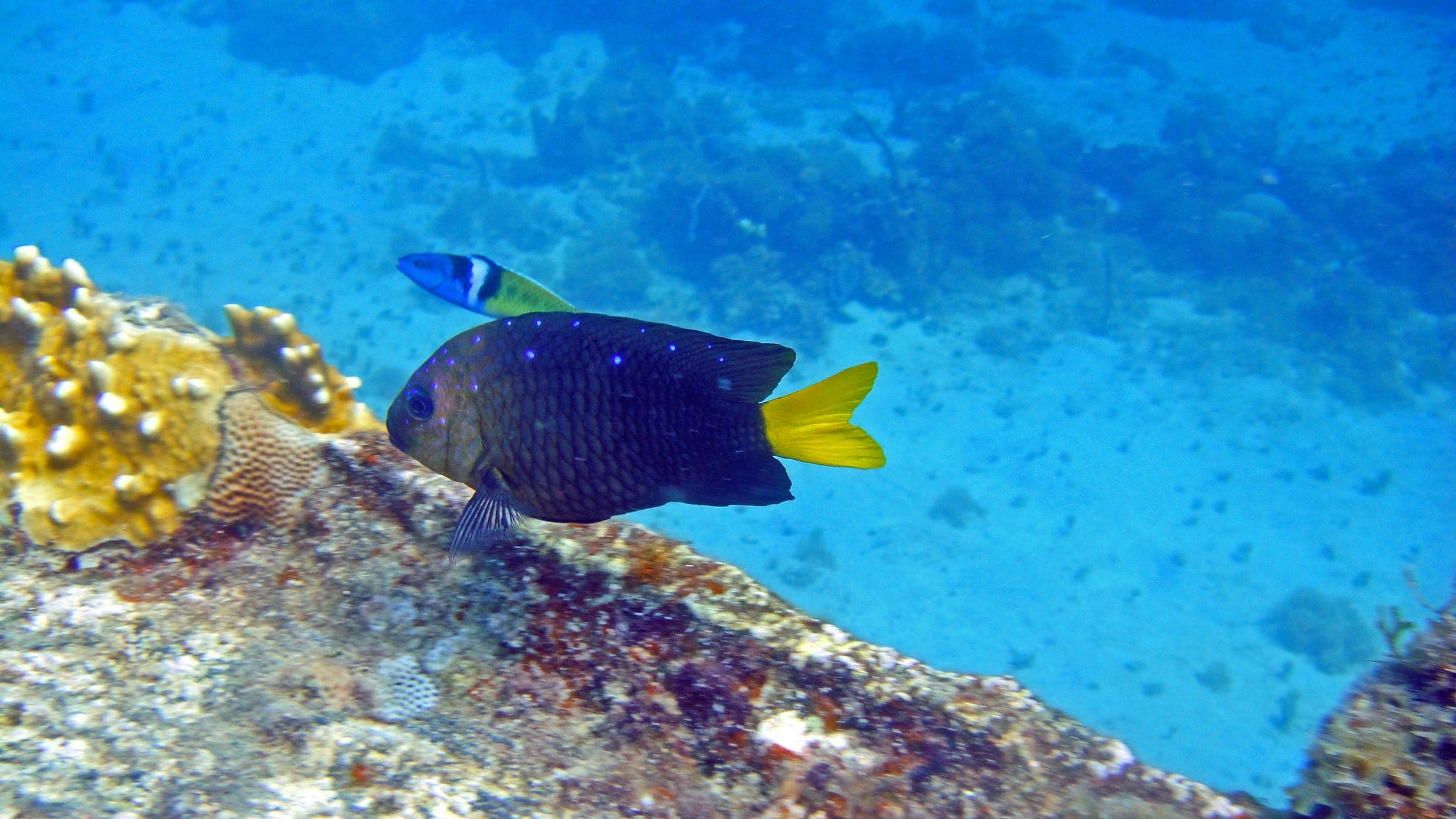
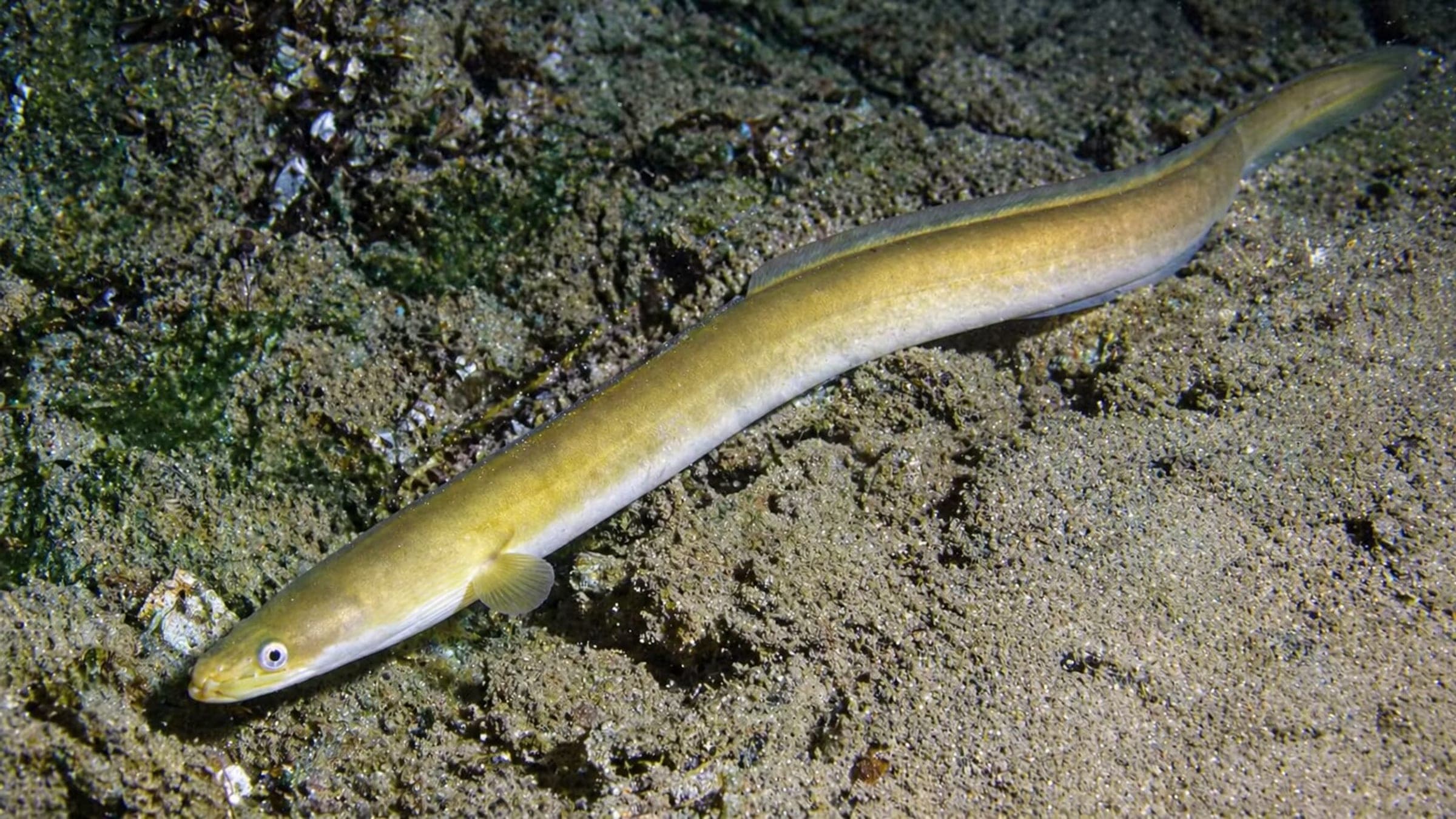
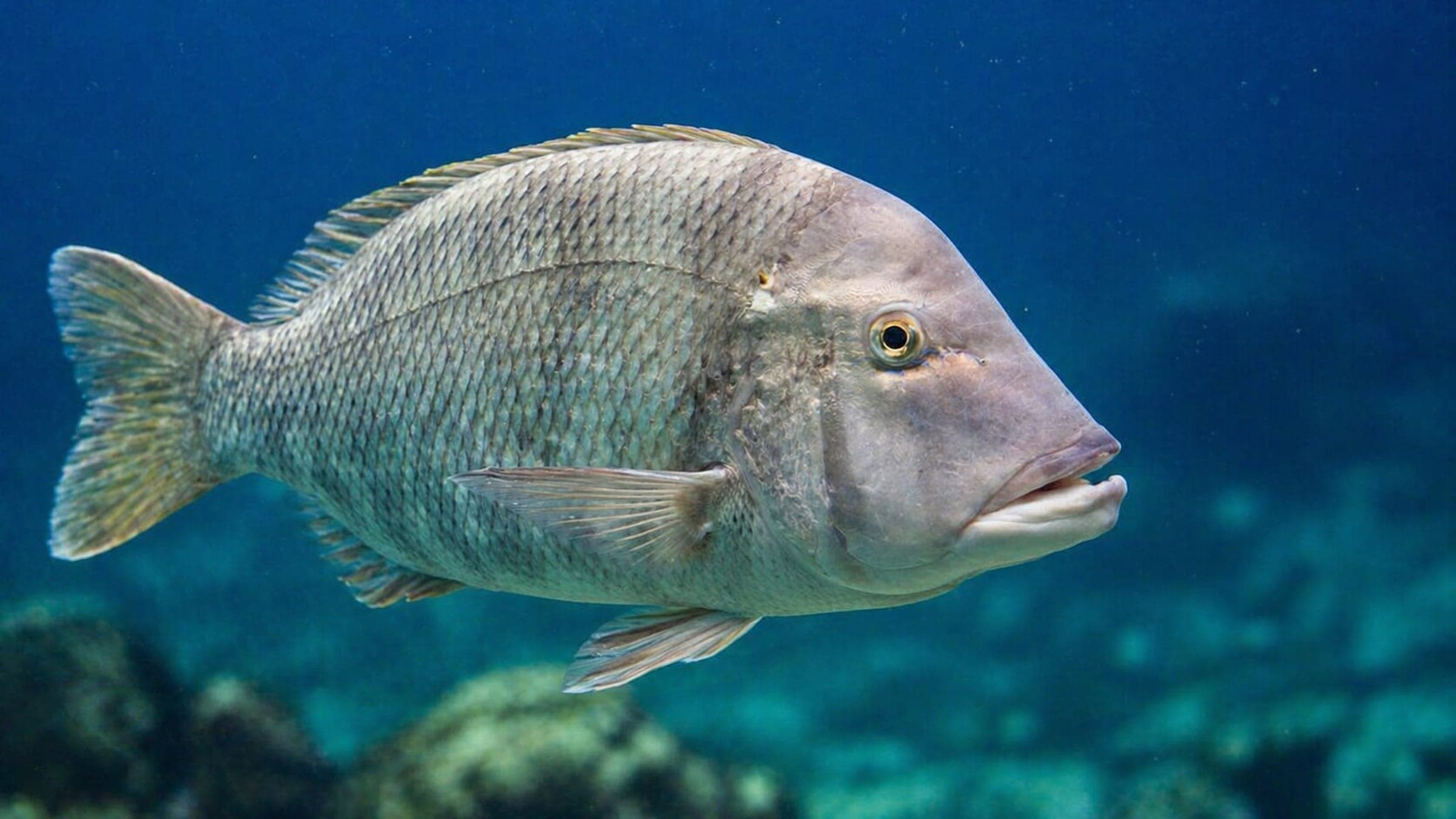
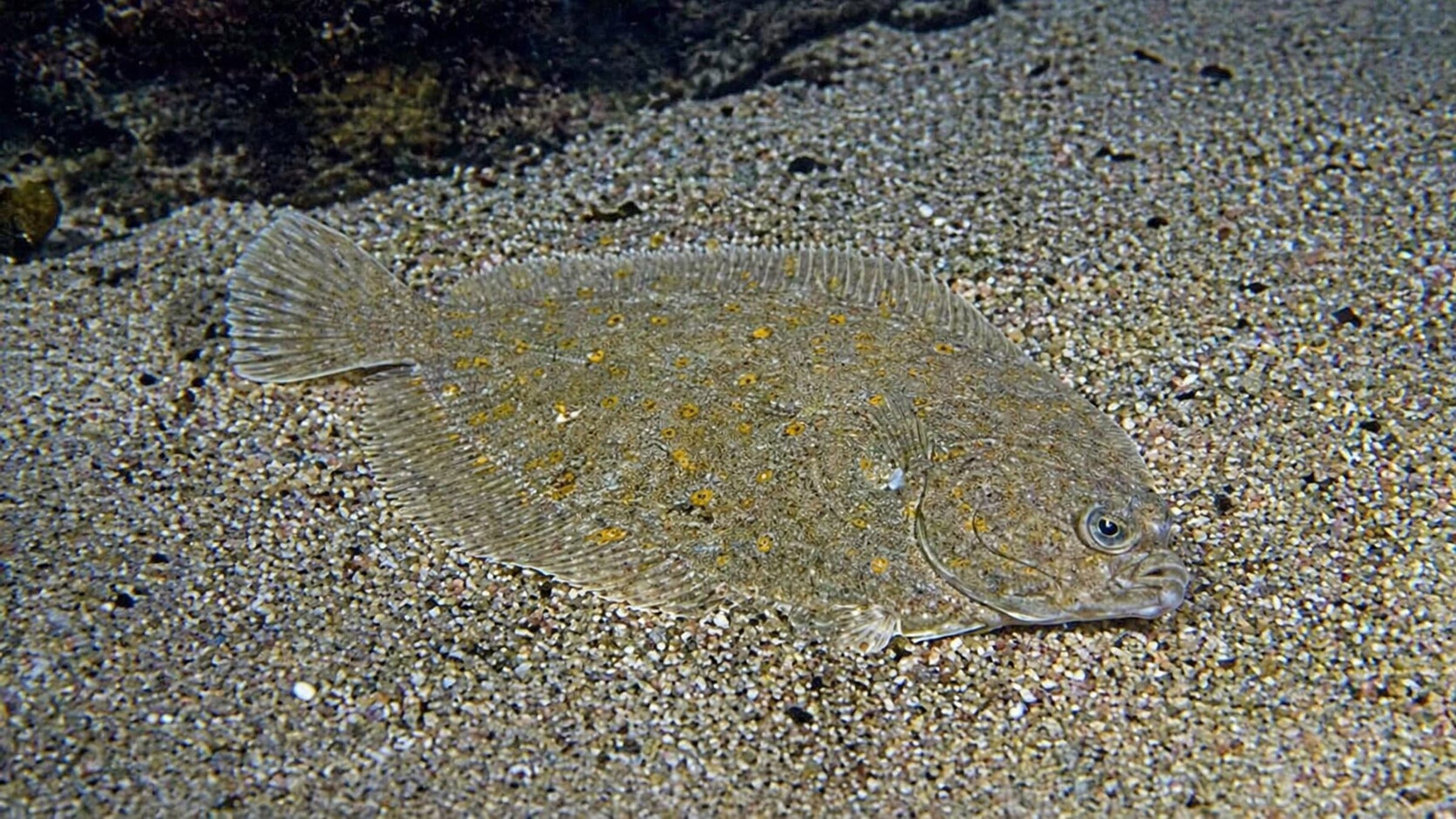
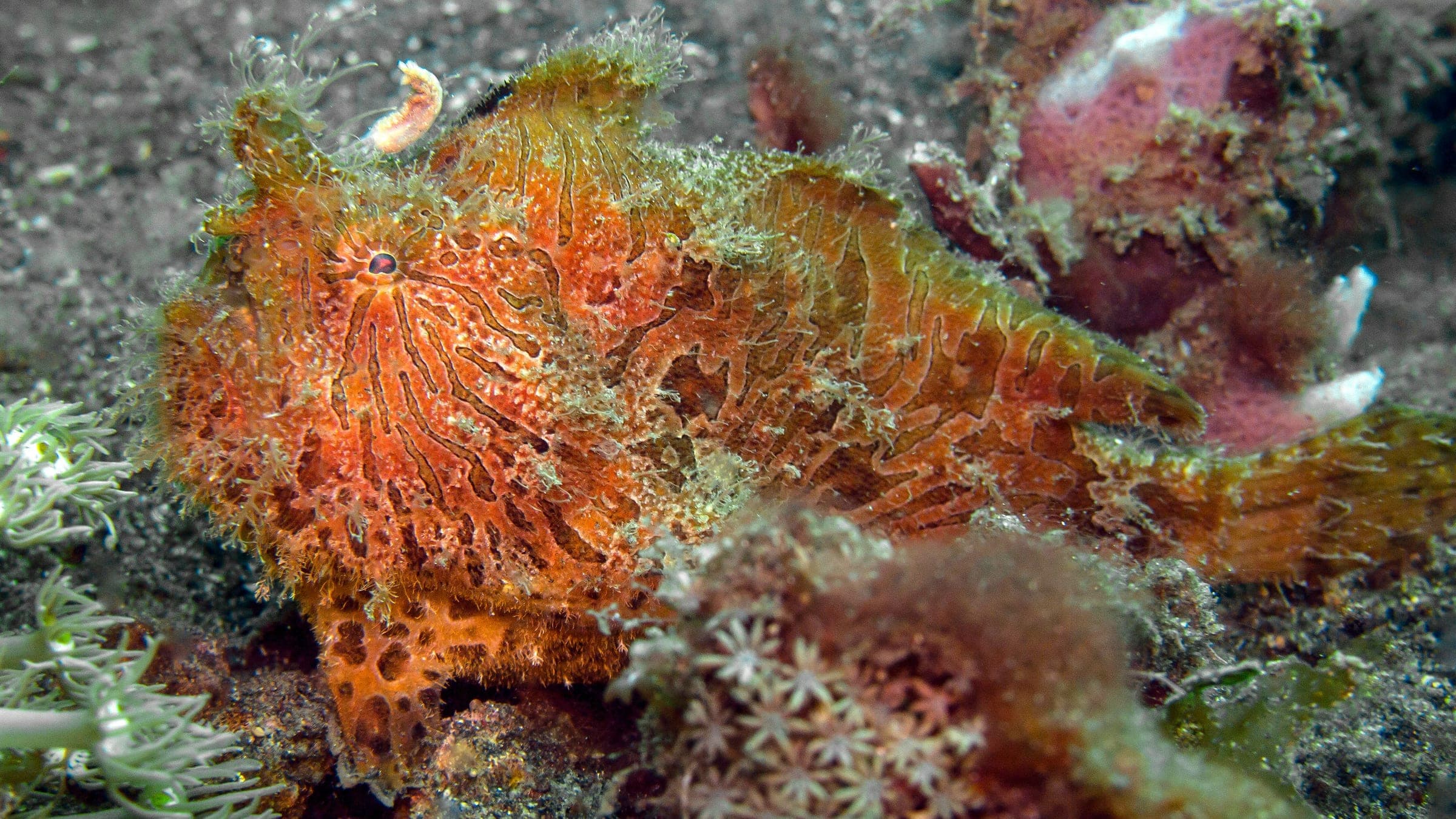
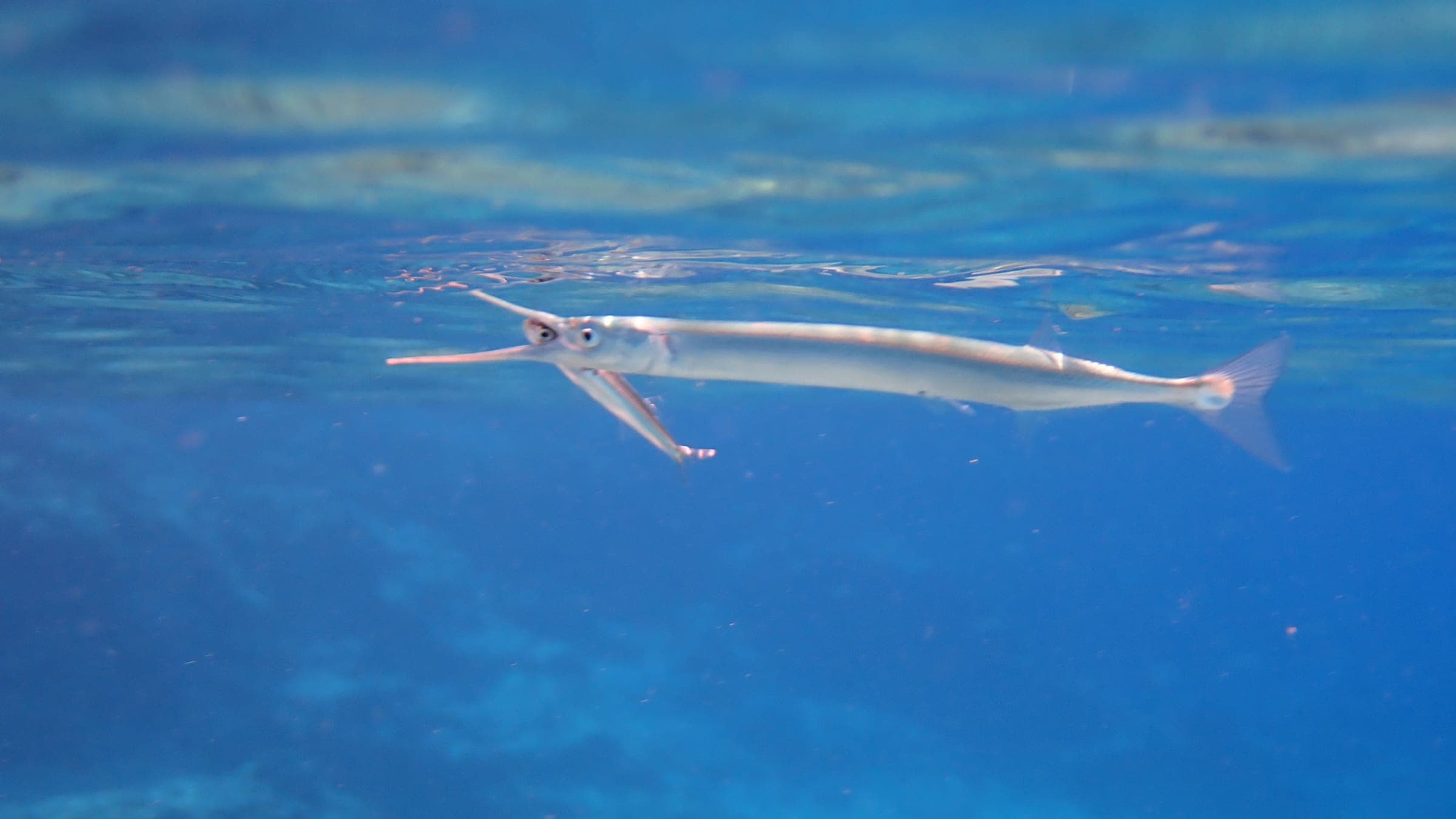
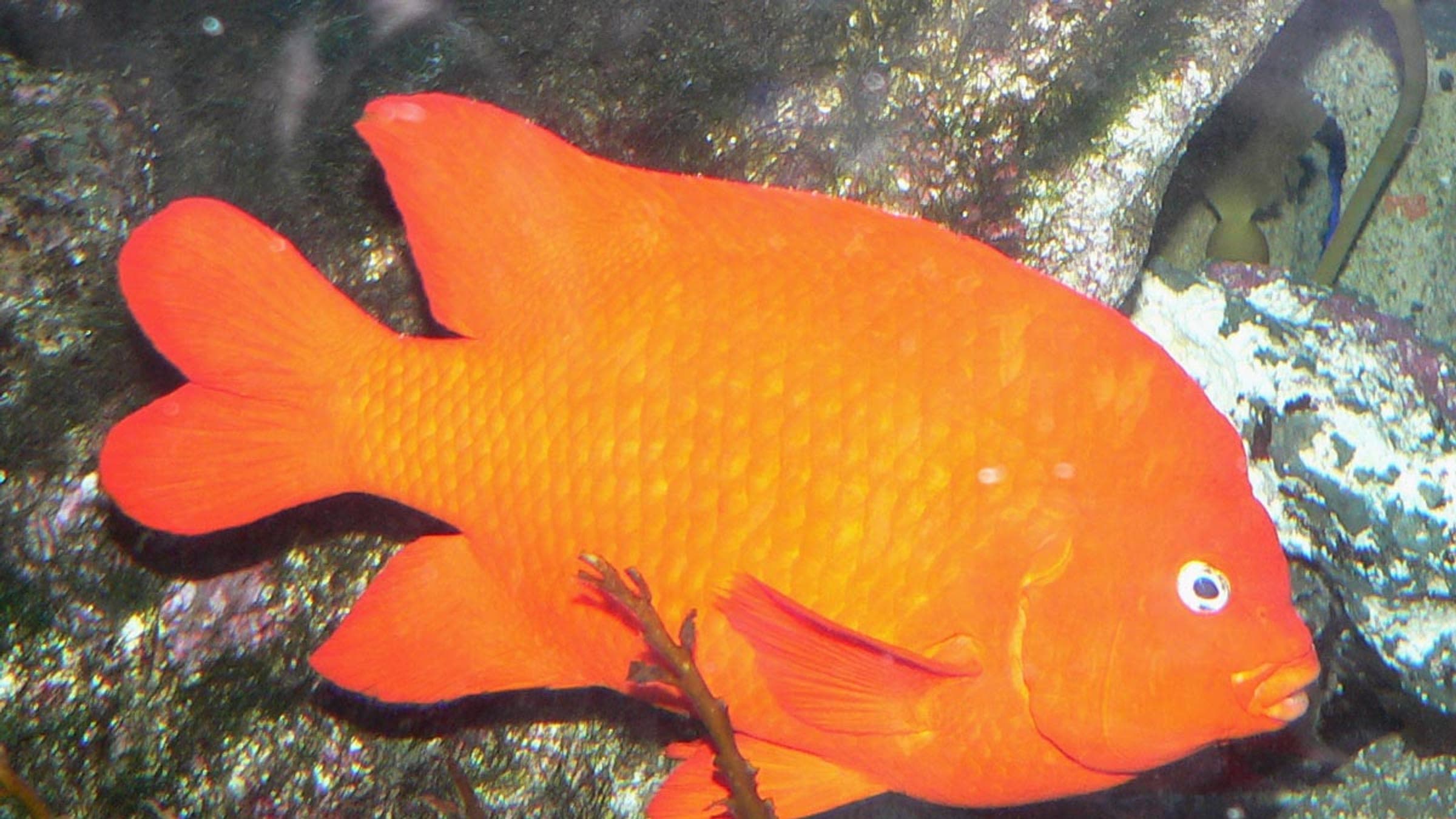
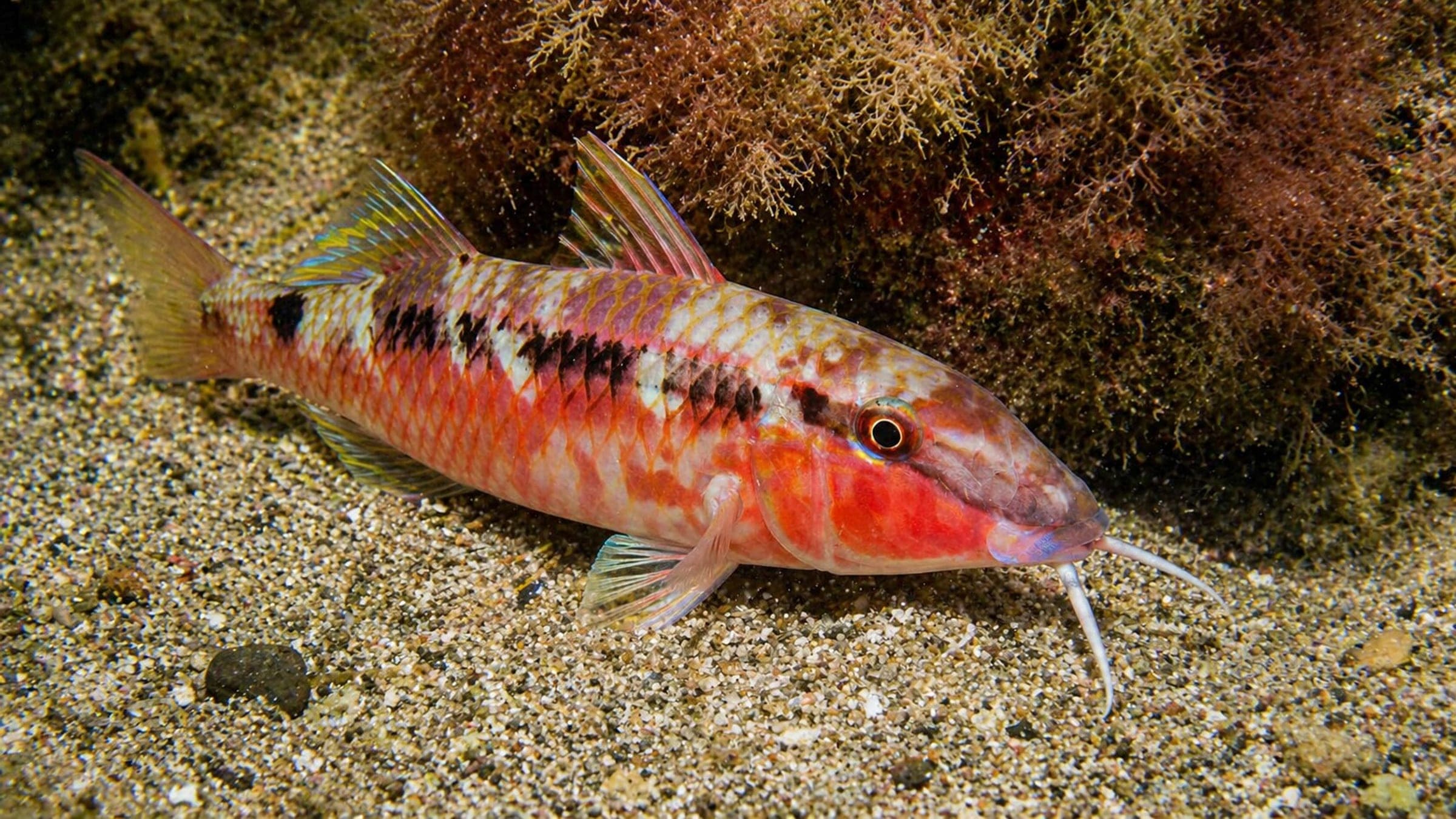
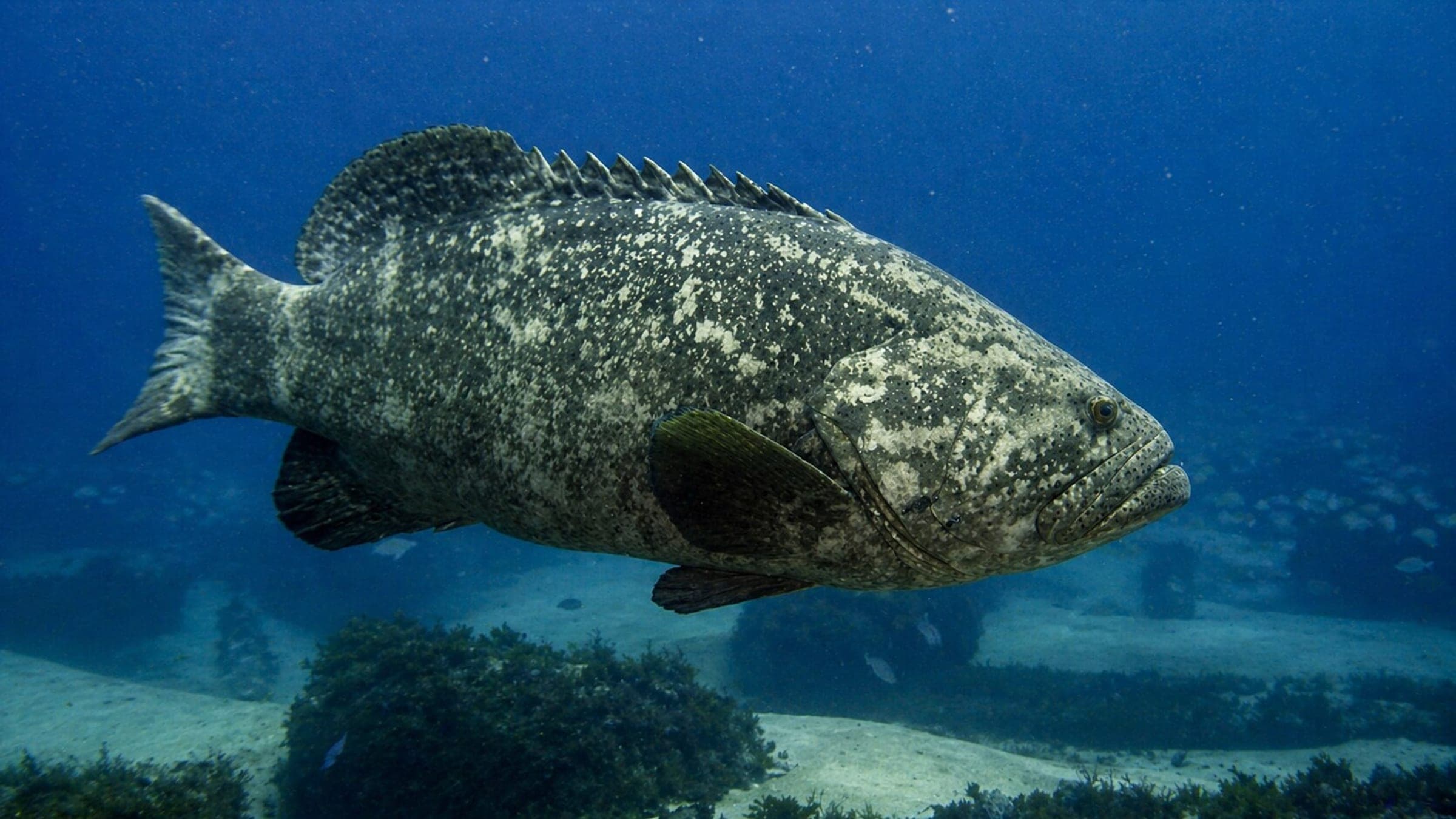
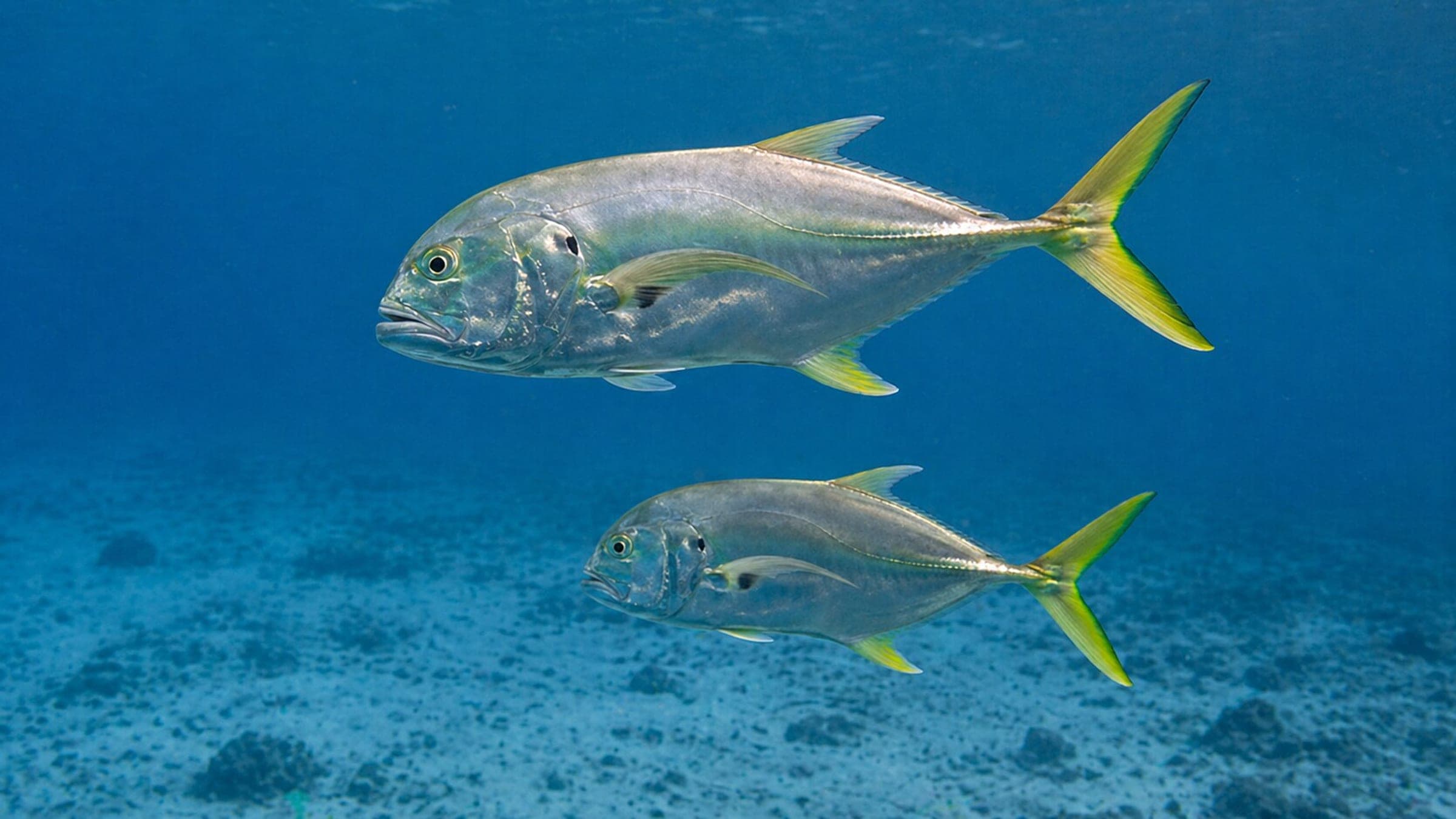
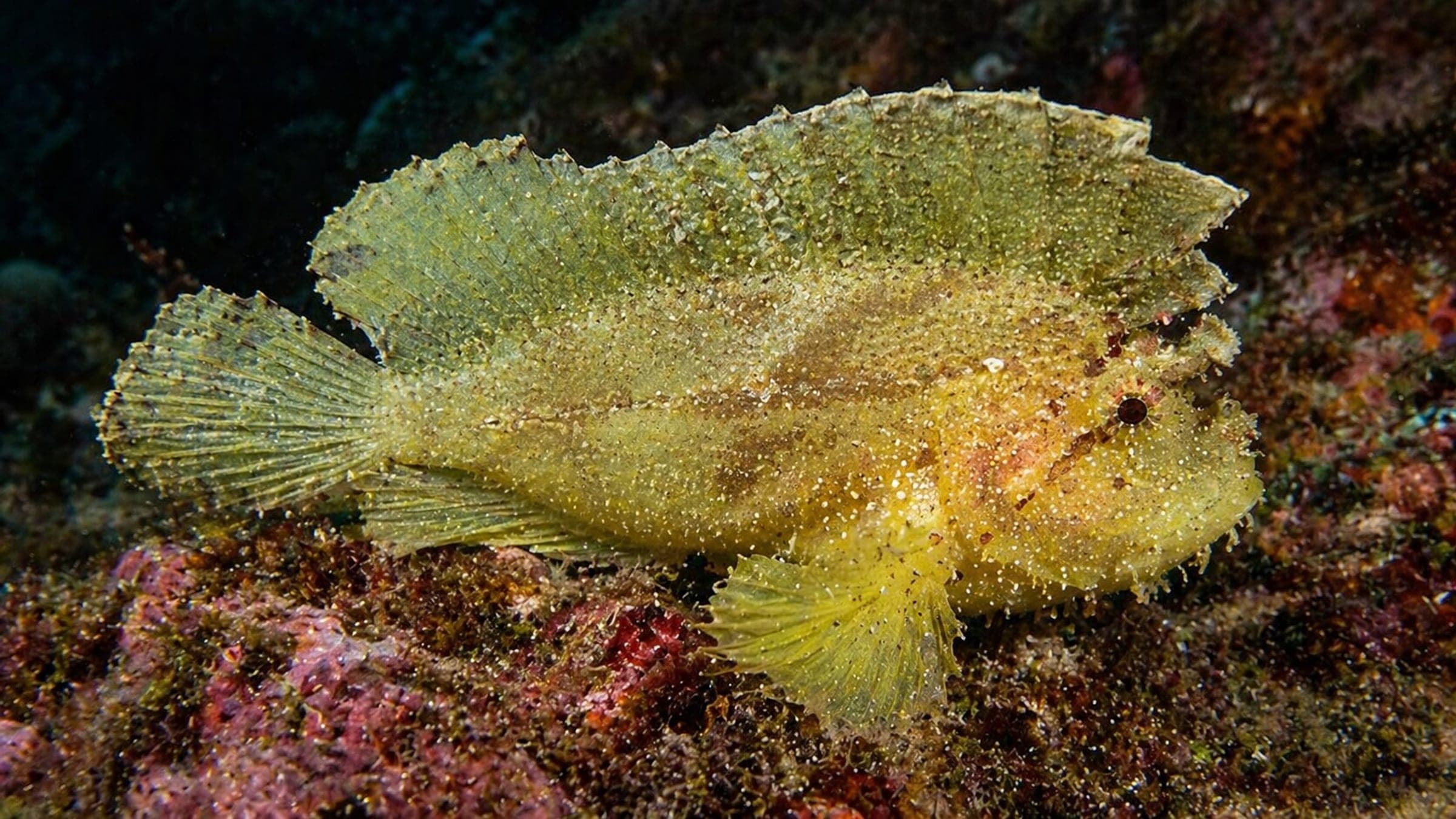
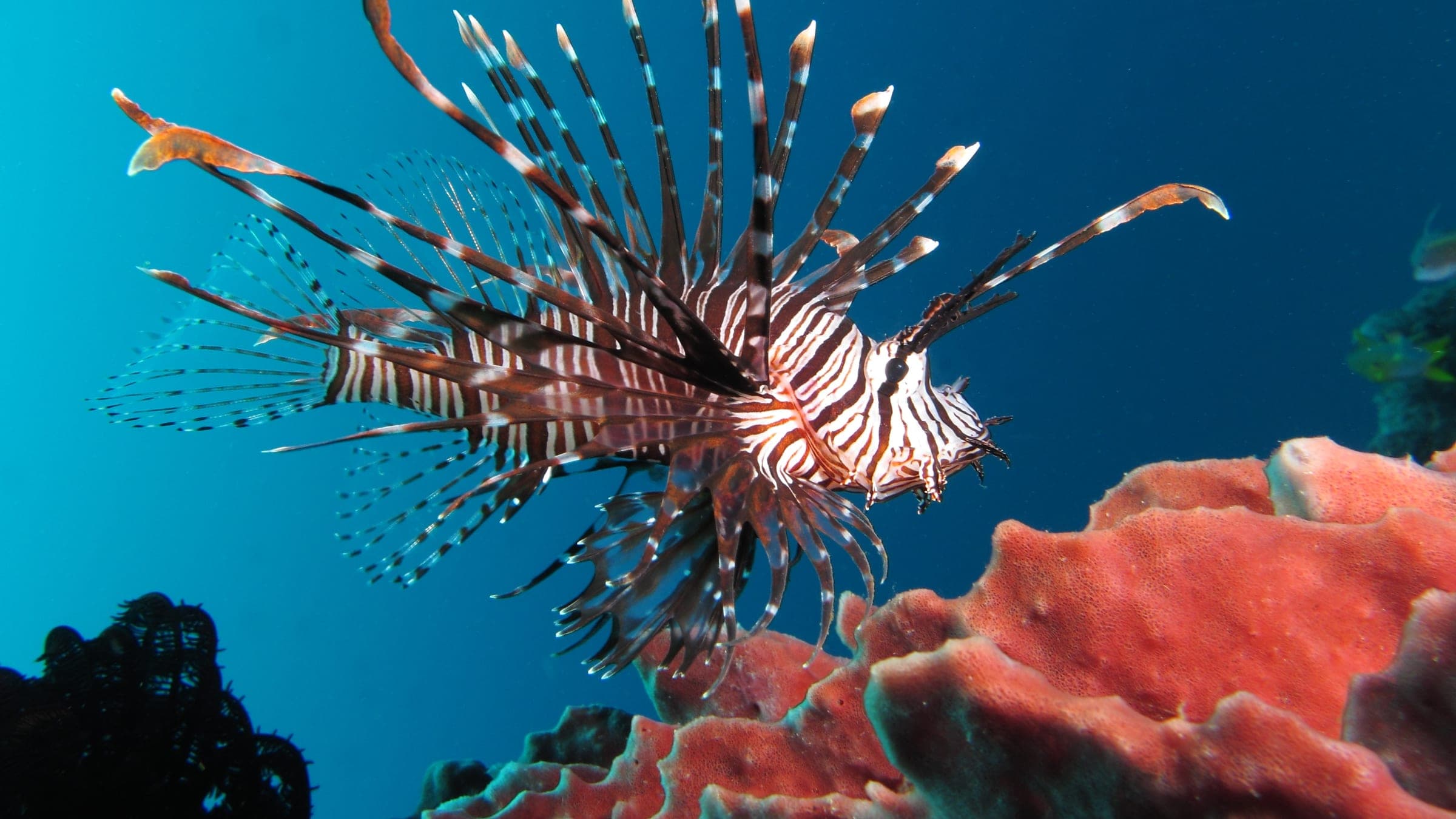
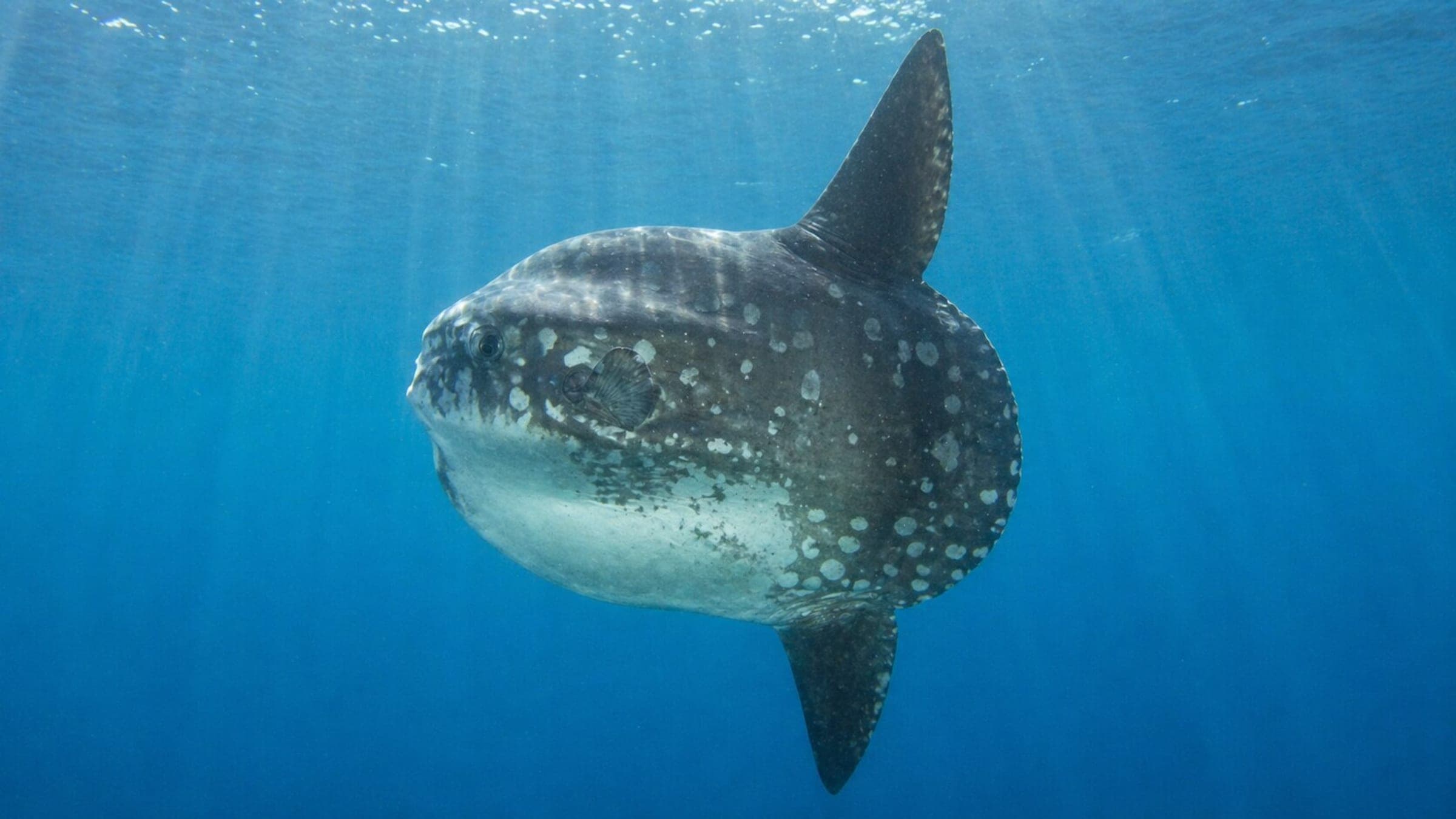
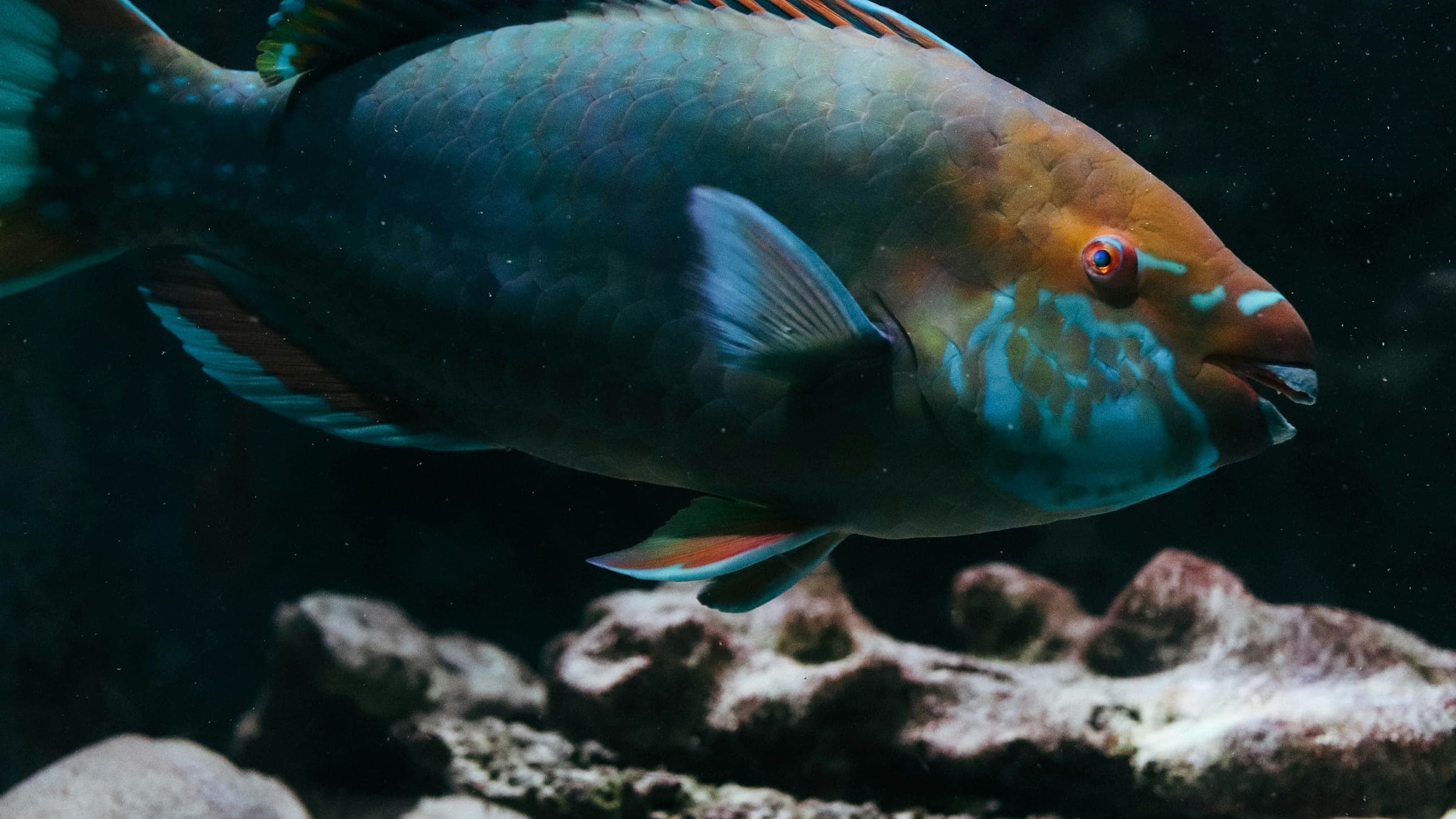
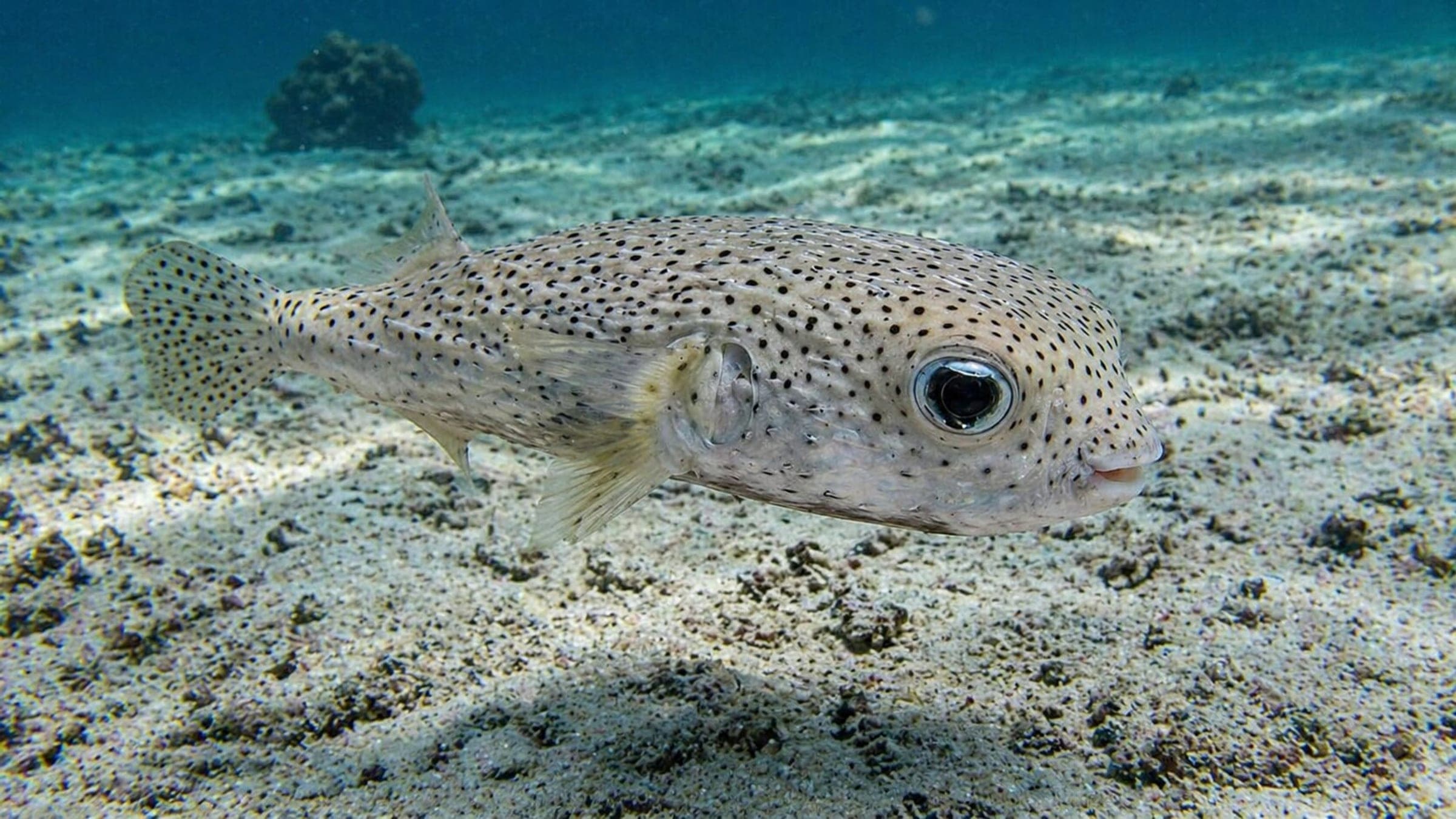
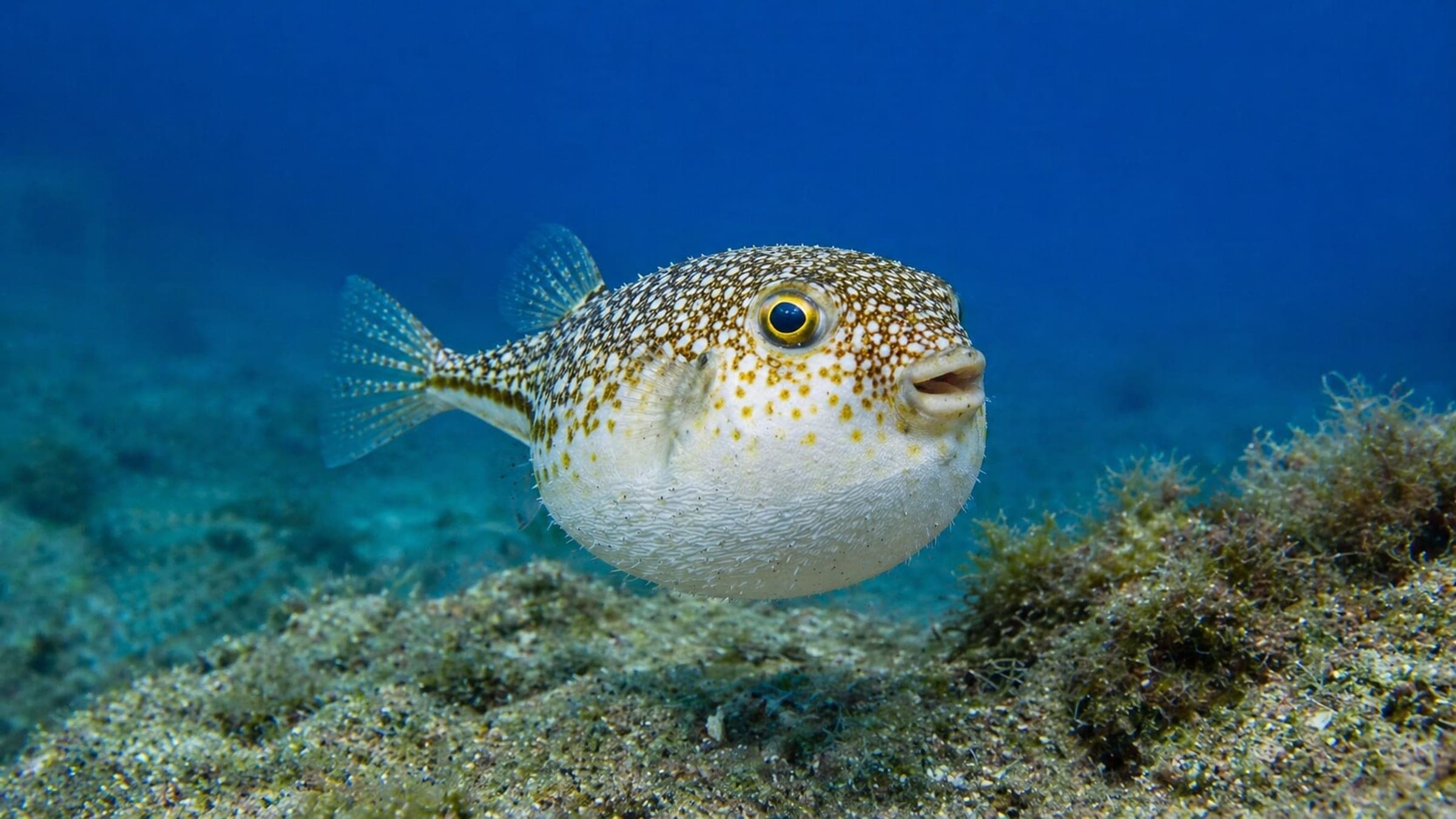
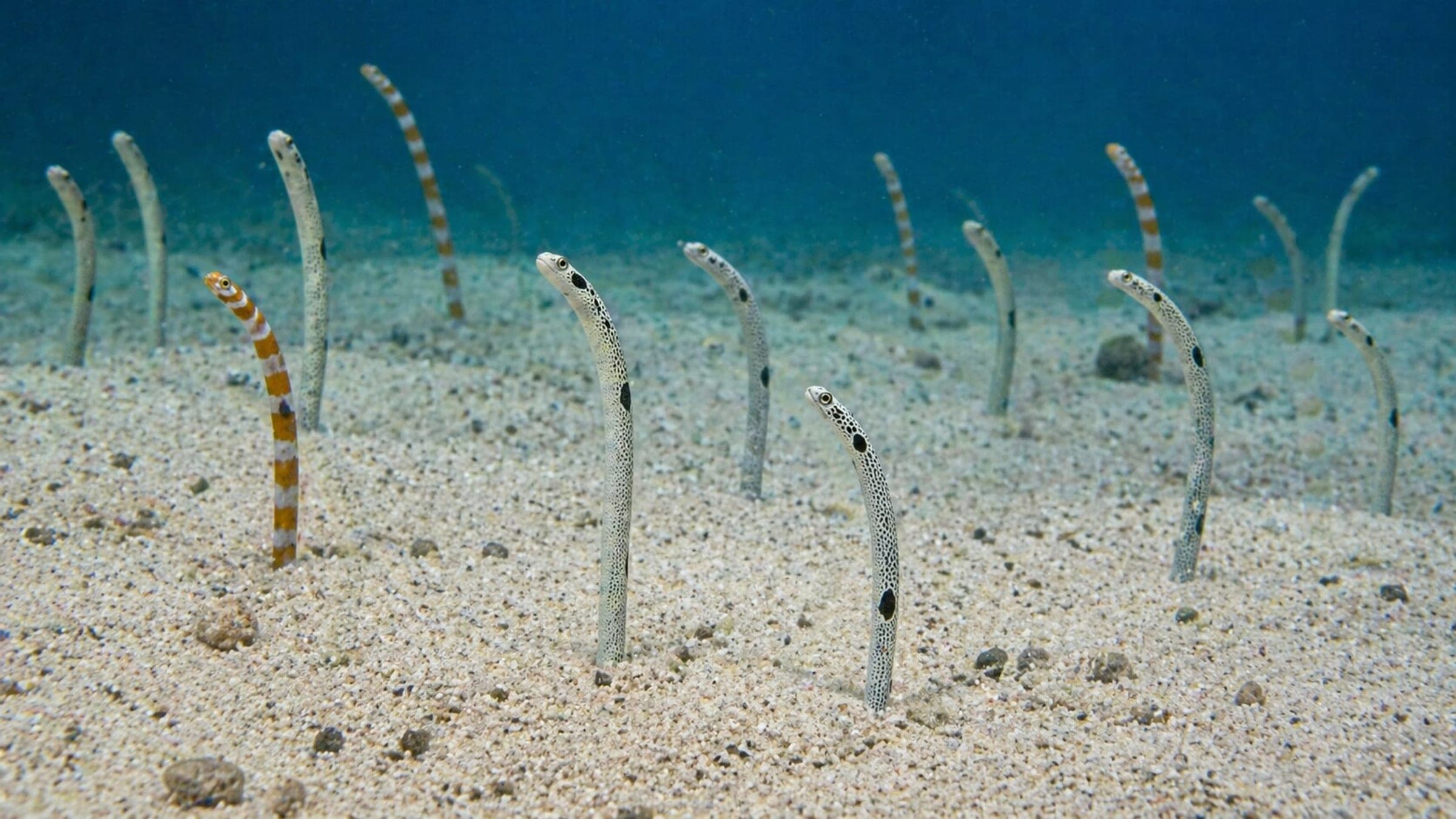
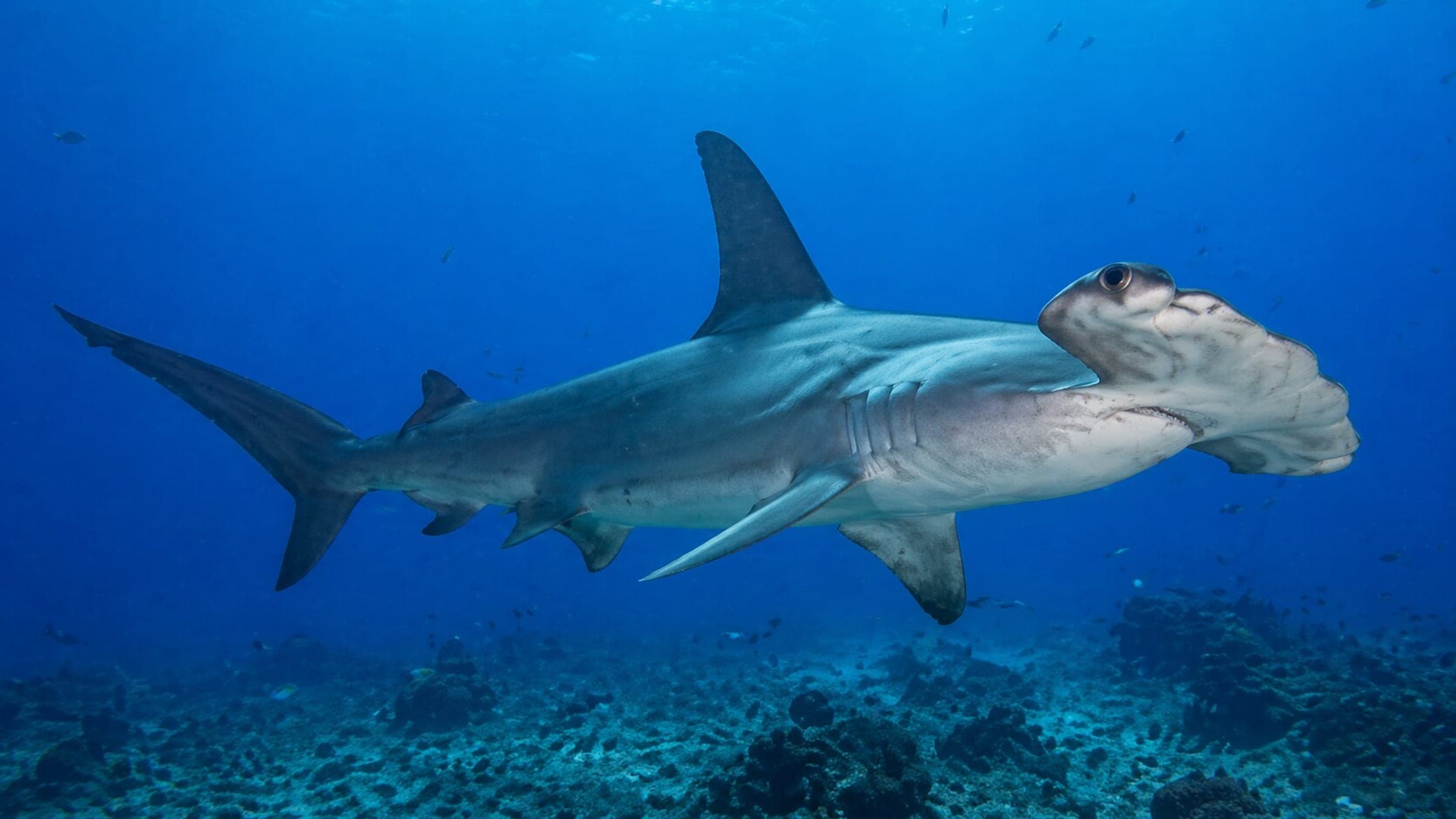
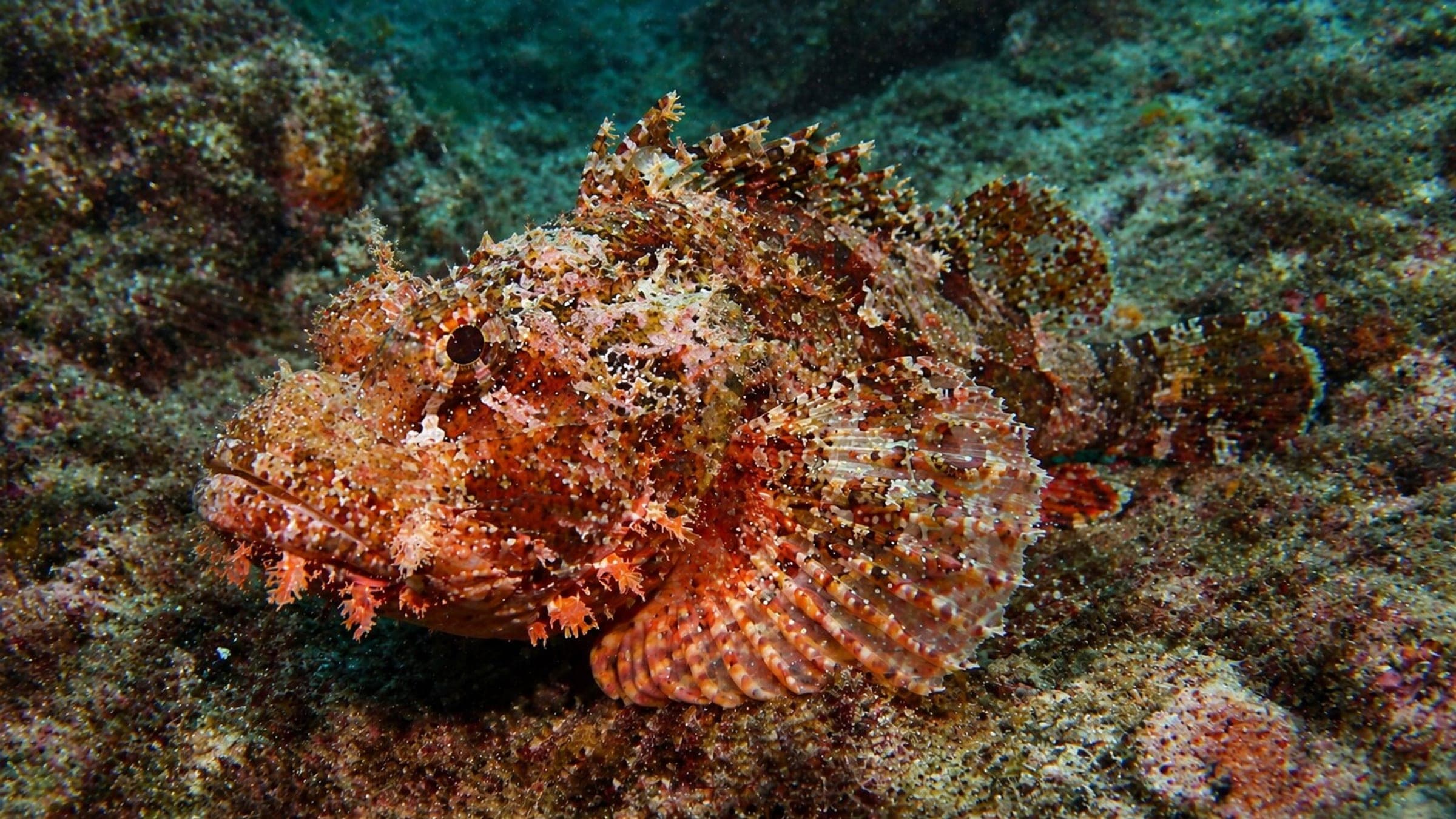
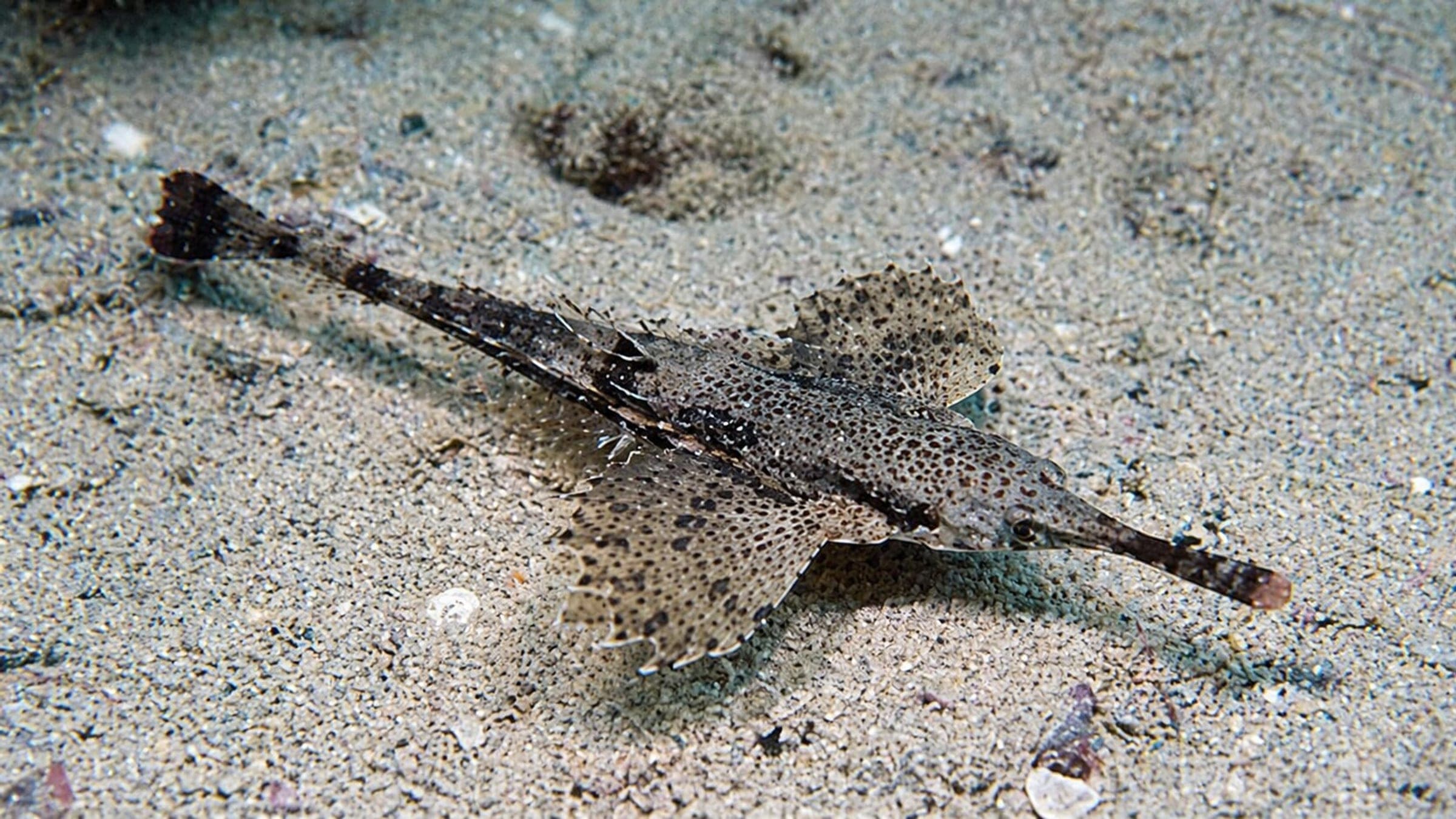
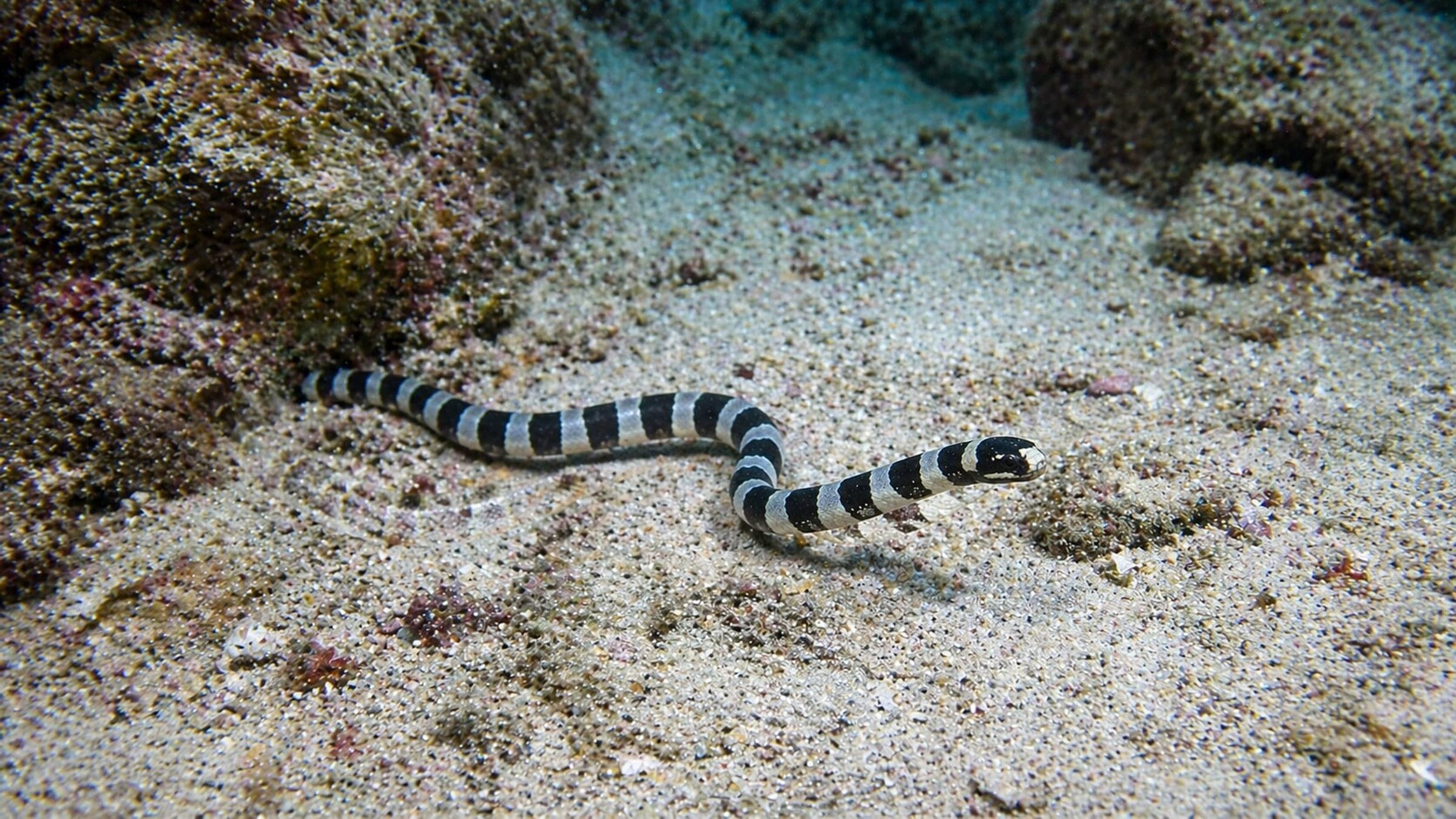
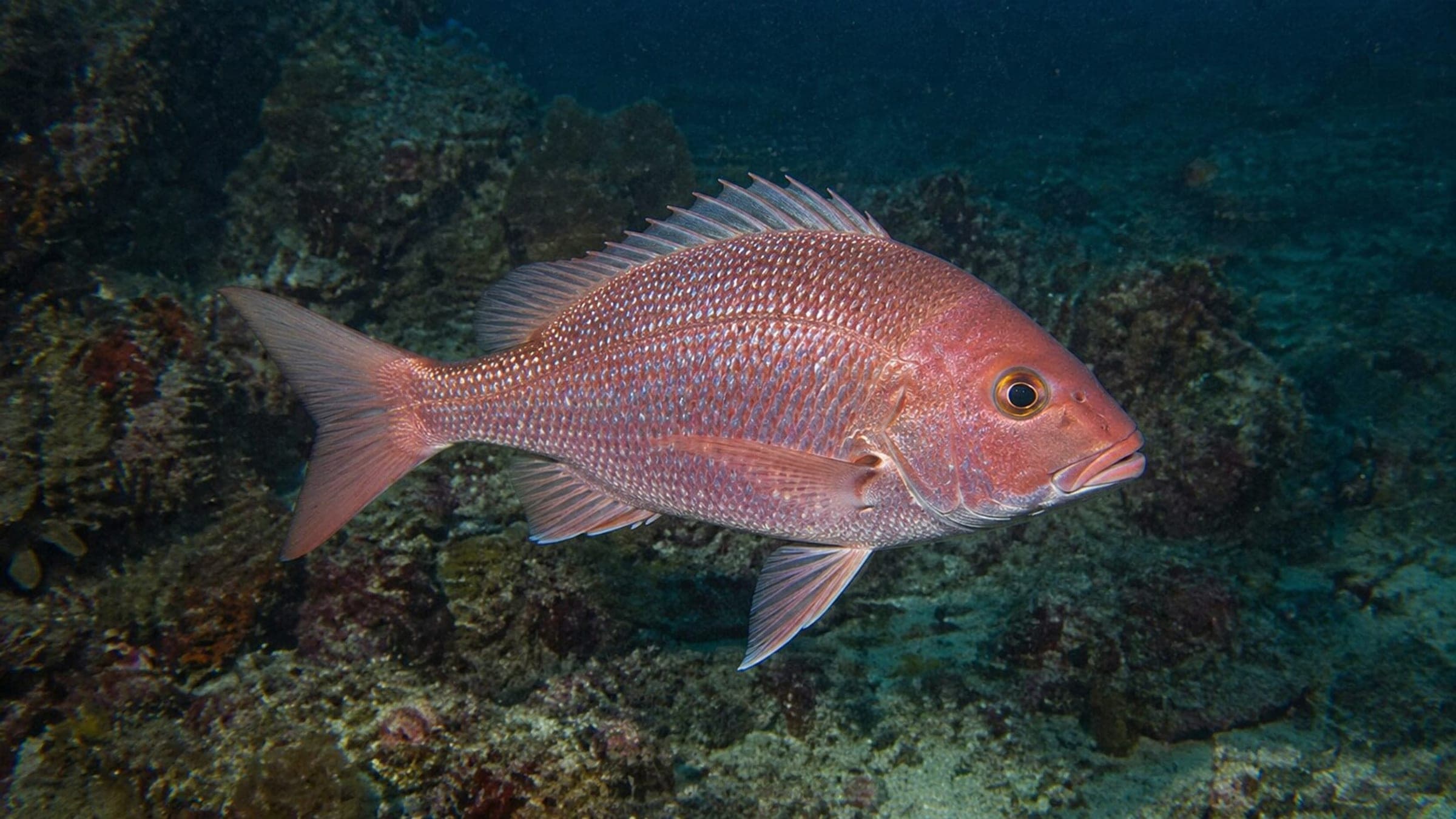
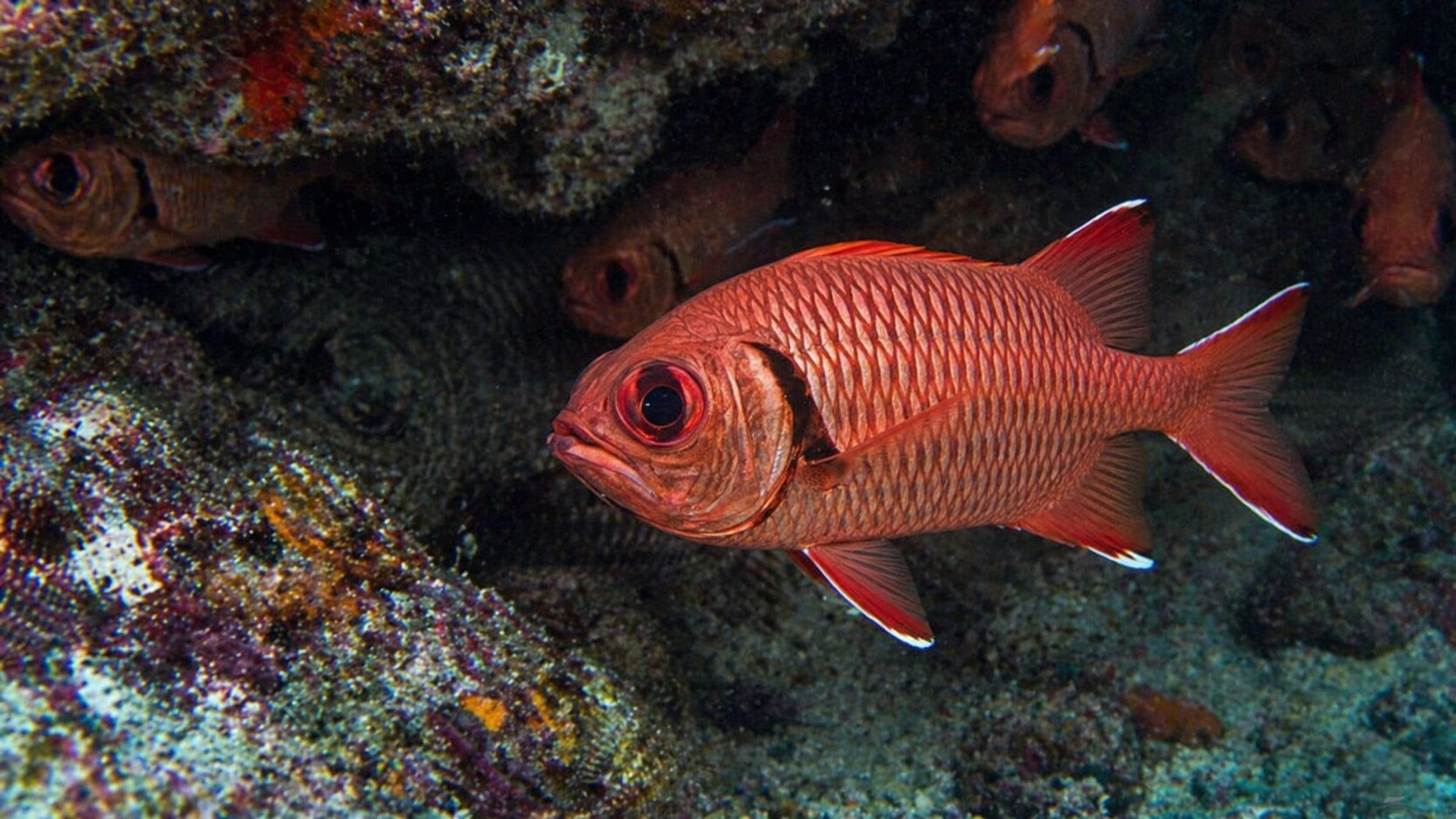
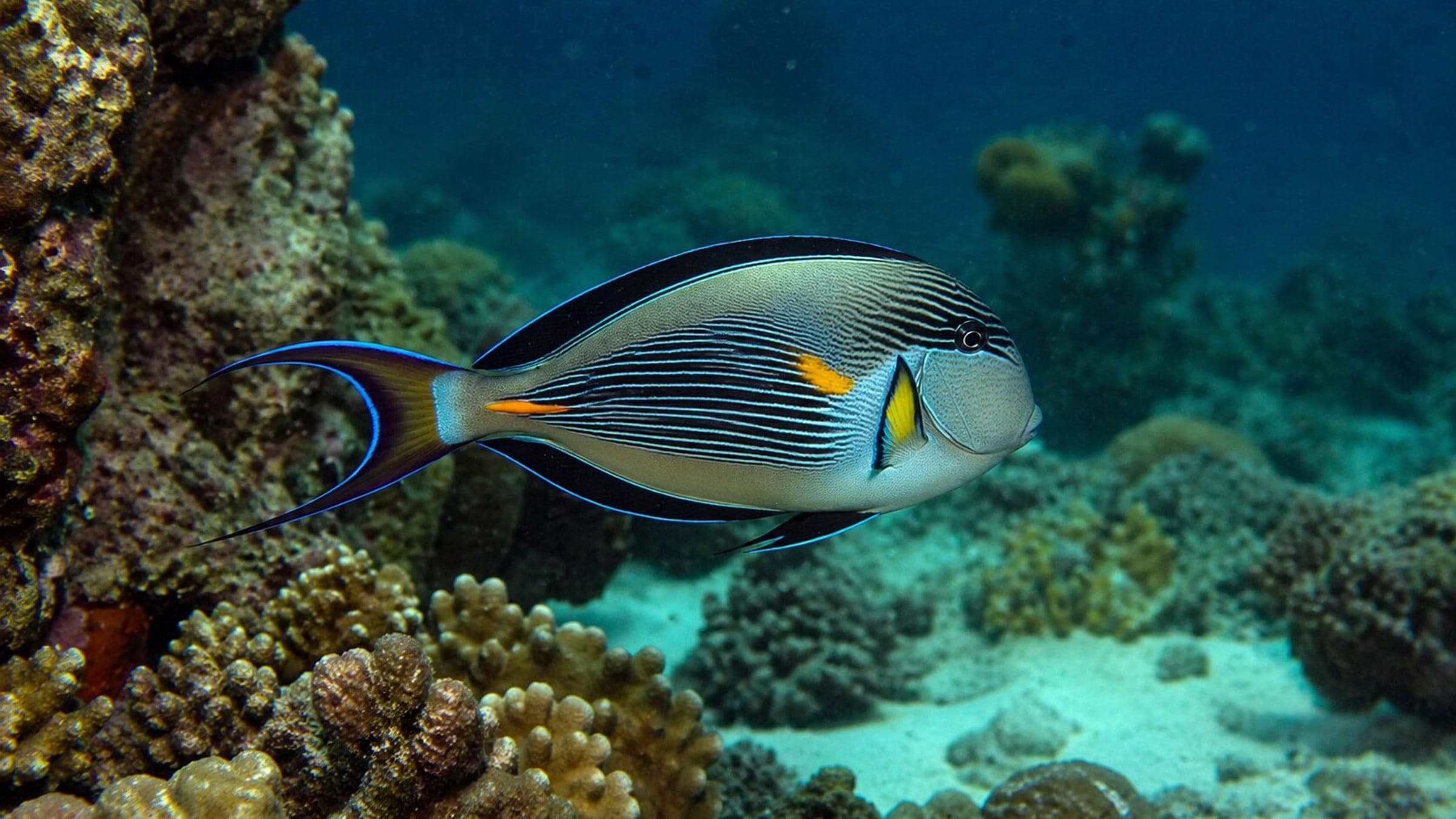
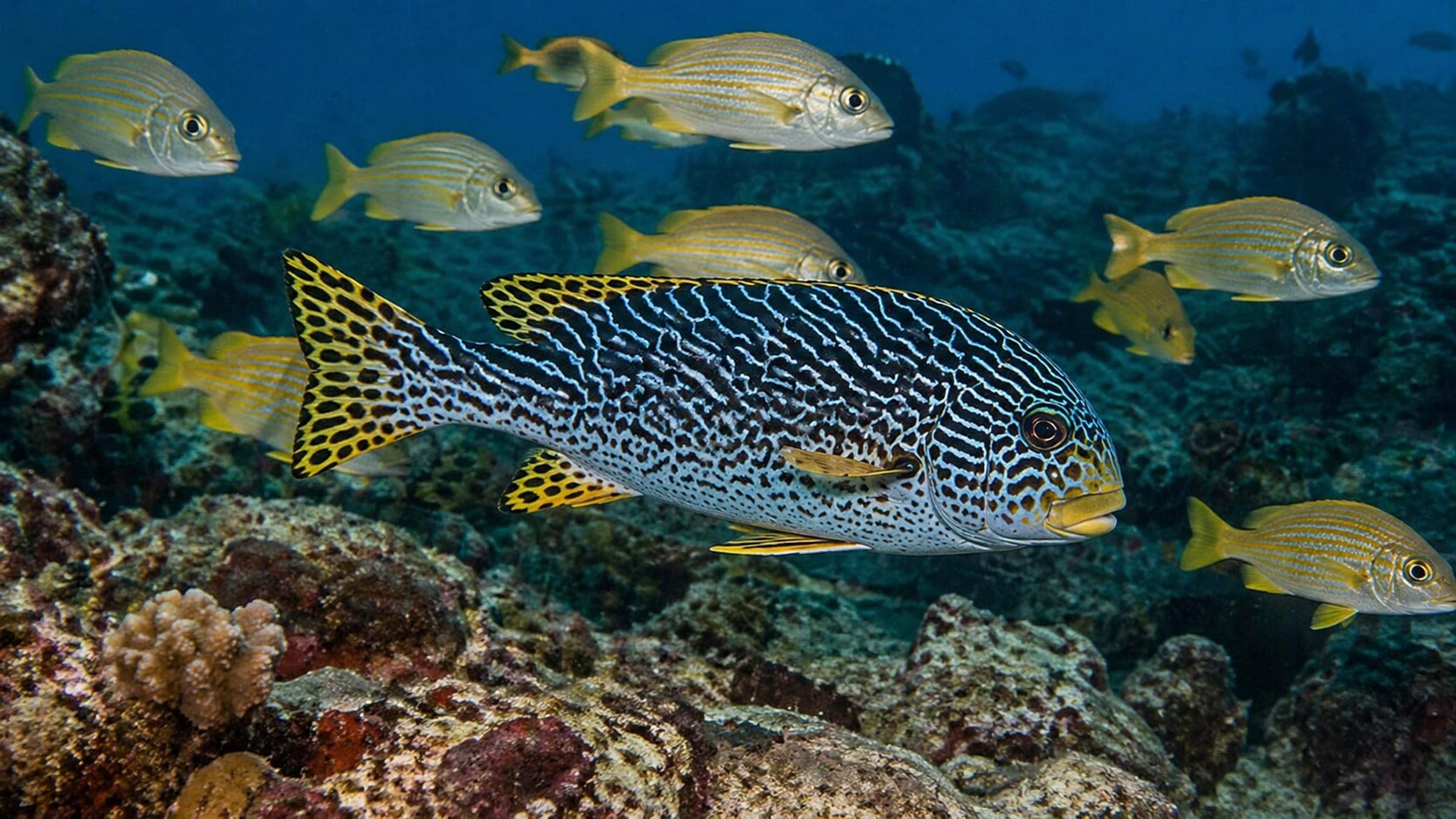
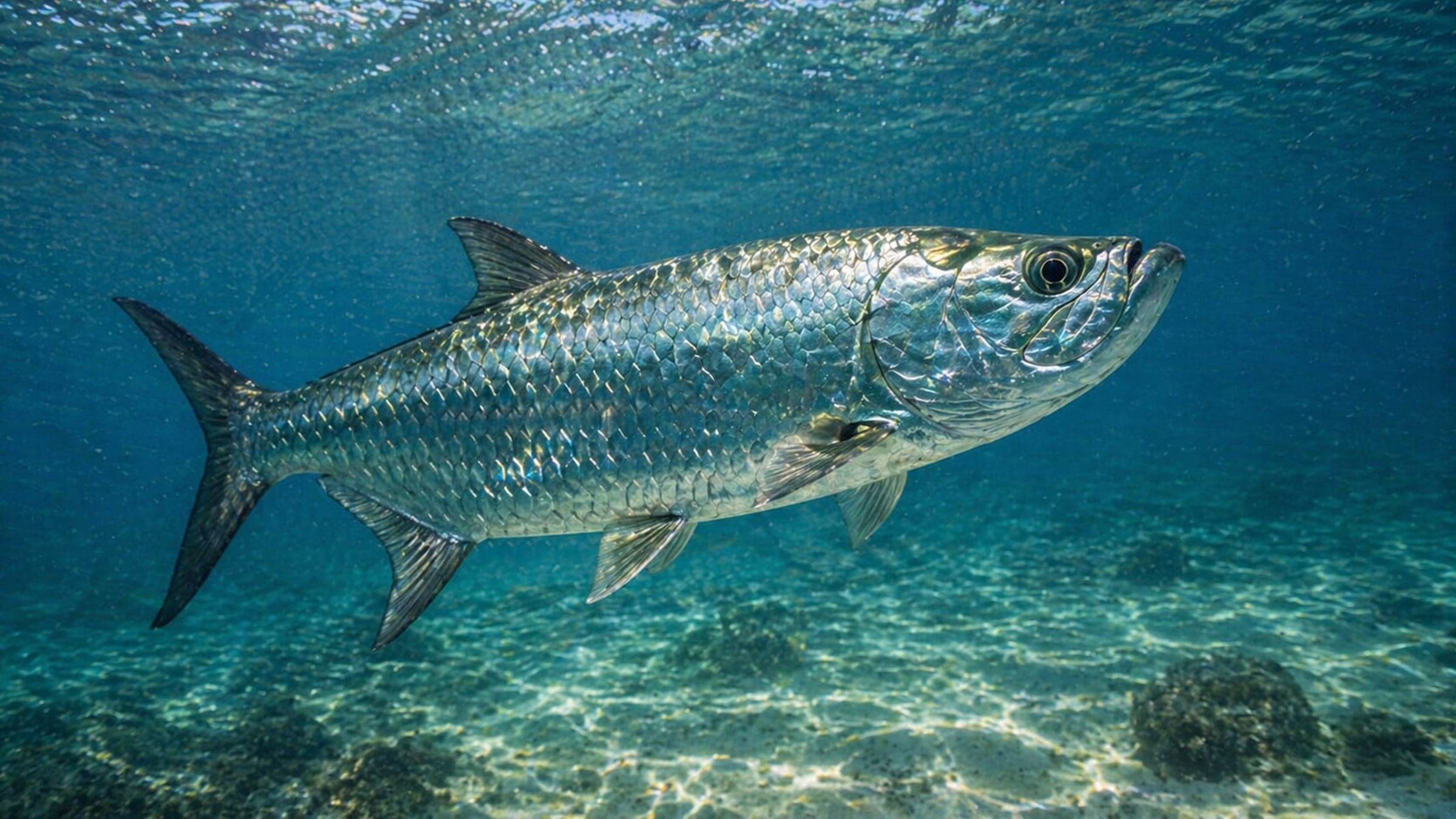
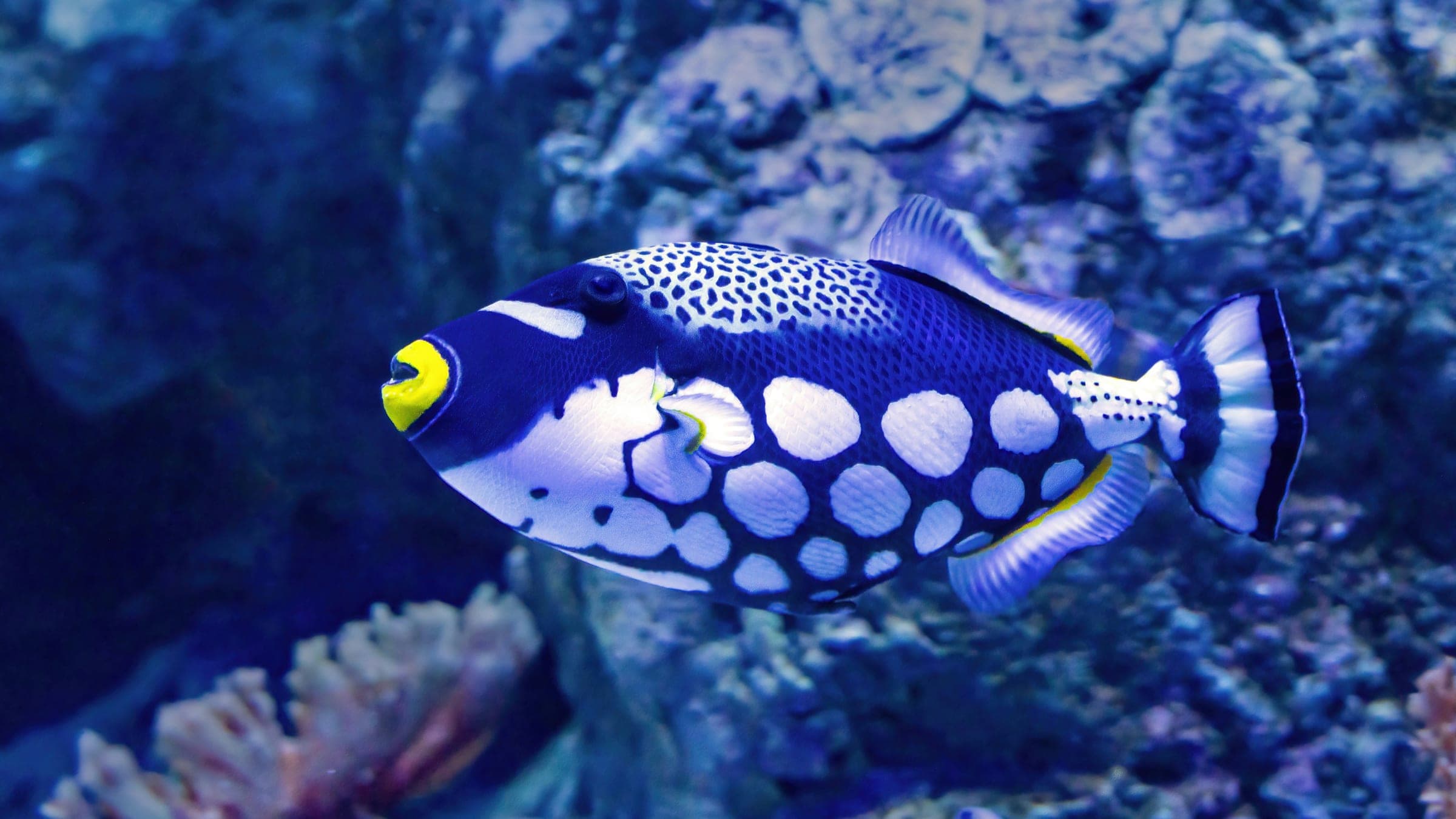
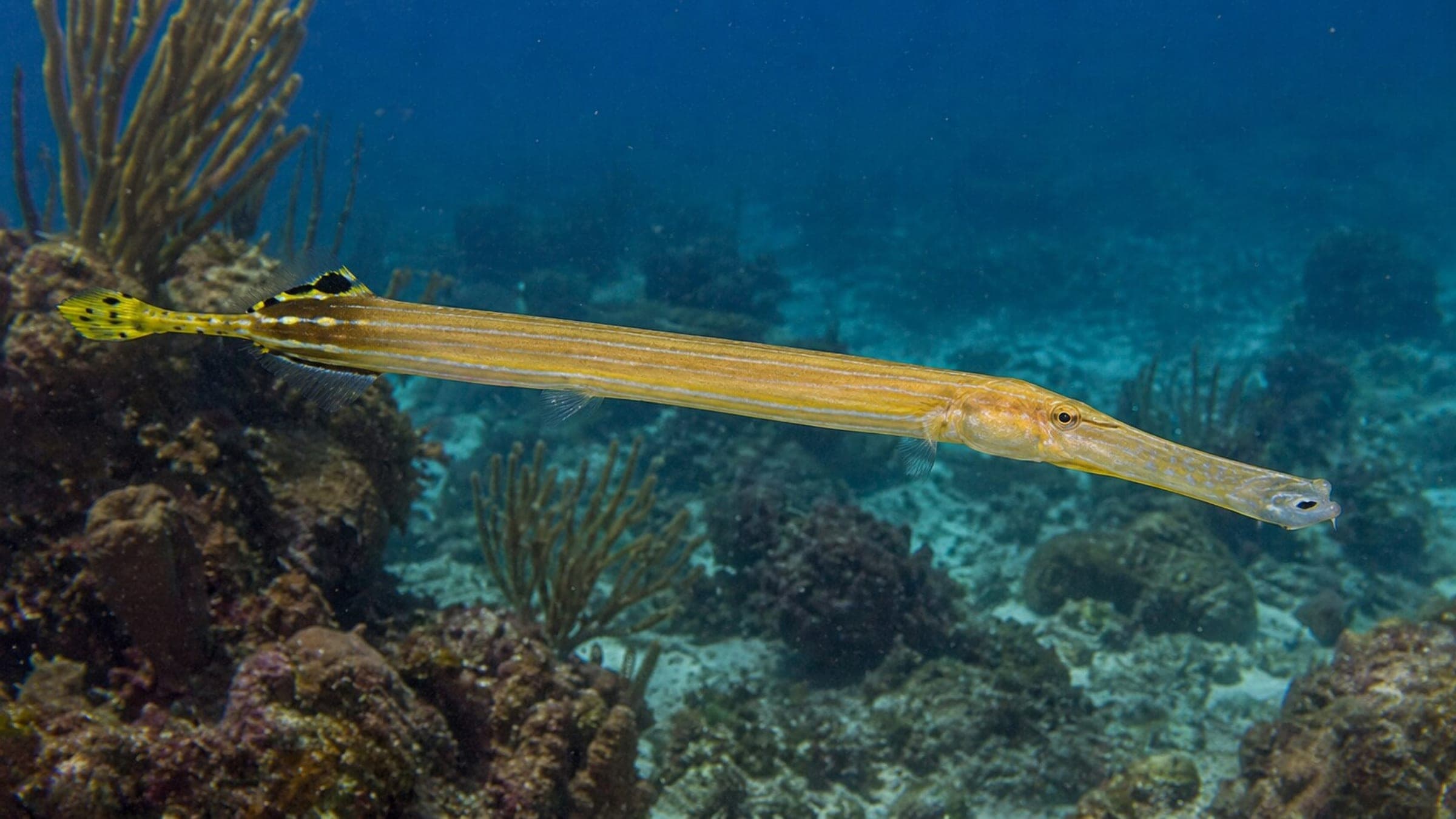
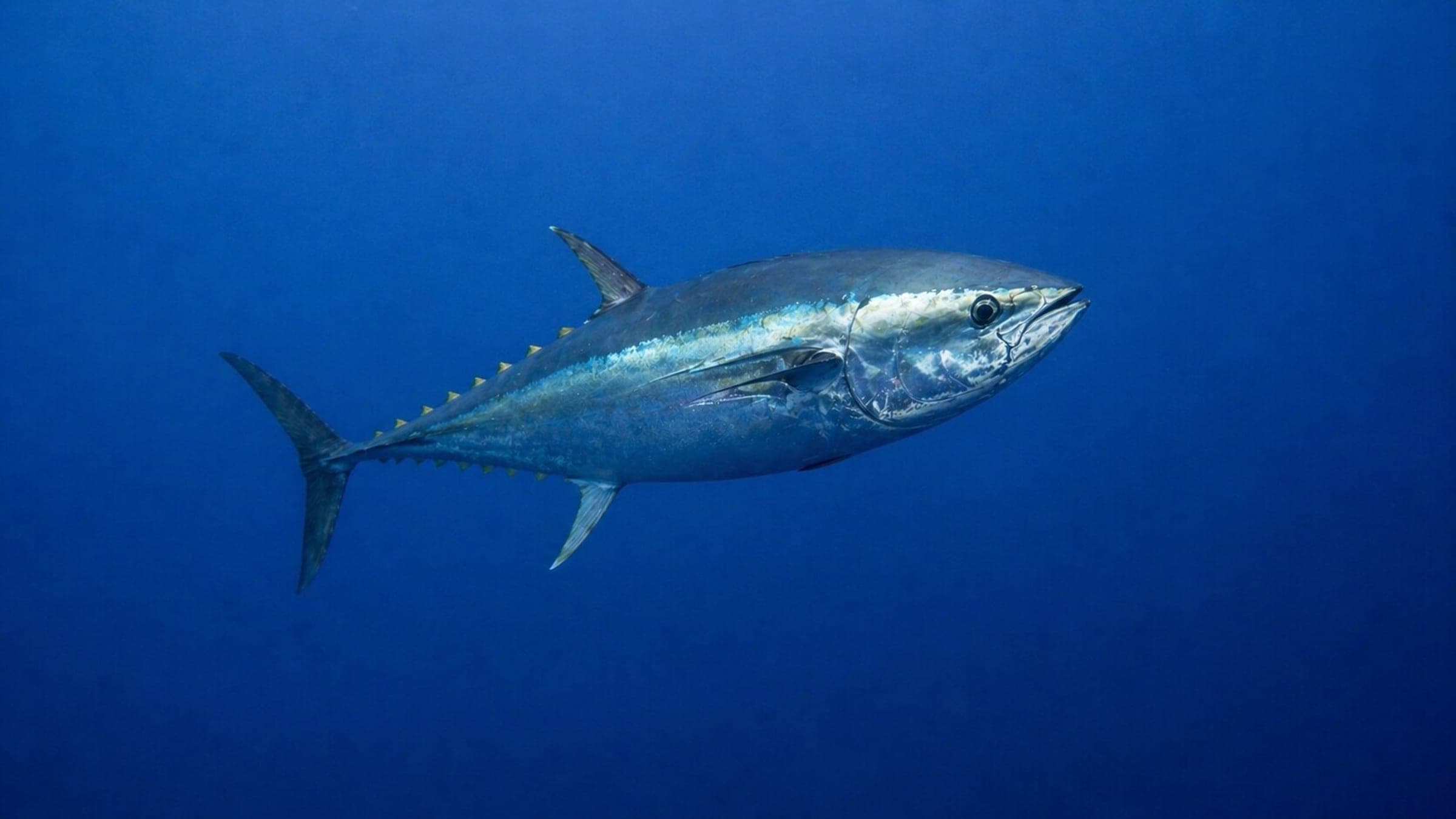
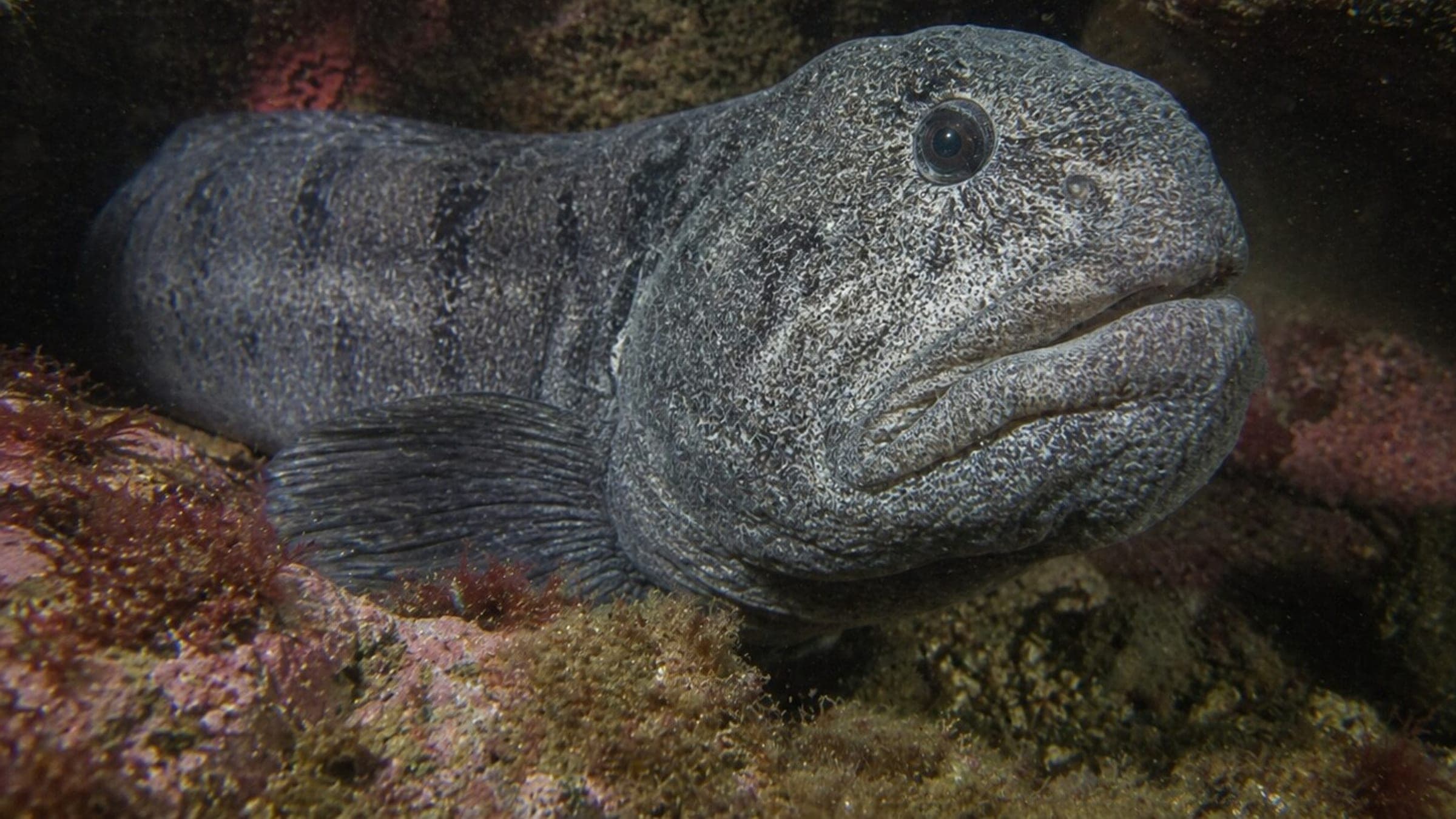
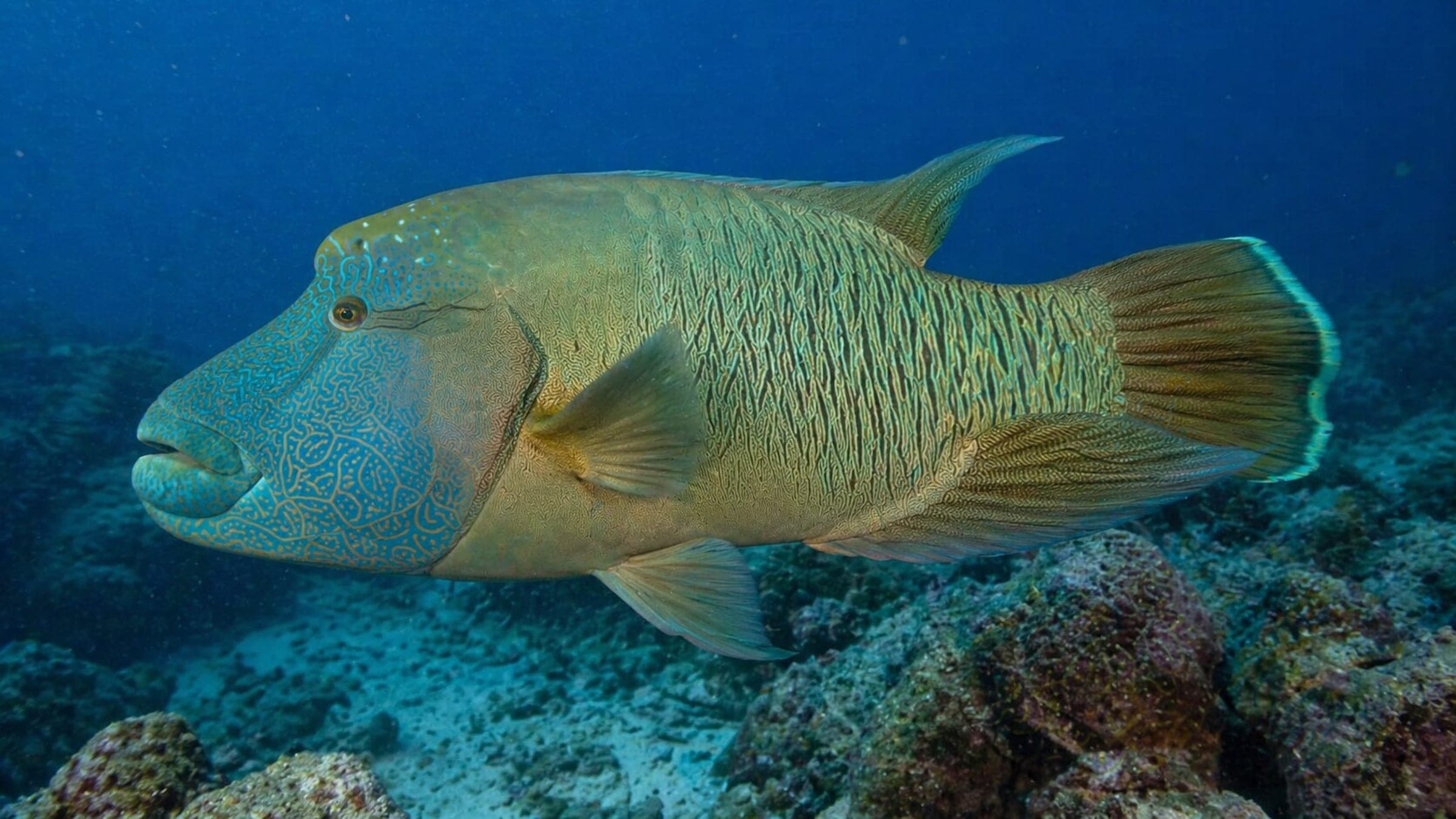
Body shape and fin placement
Silhouette, fin placement, and tail shape are often more reliable than color for separating schooling, reef-tied, and pelagic marine fishes underwater.
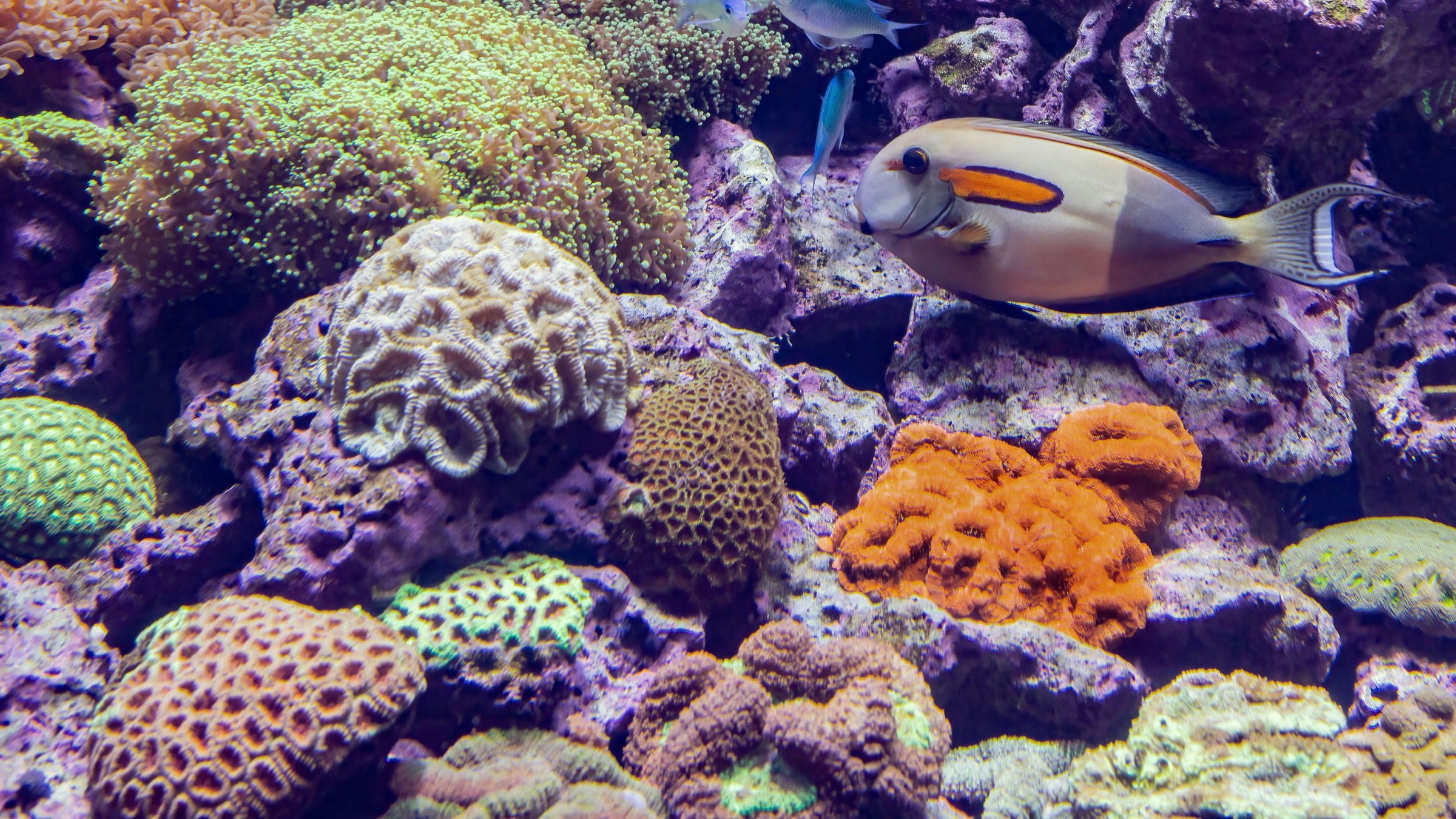
Saltwater fishes range from reef residents to fast pelagics, so the best dives depend on habitat matching, seasonality, and realistic expectations about schools versus macro species.
Group Guide
A group-level field guide built to move divers from broad intent into the right species, destinations, and encounter planning.
Saltwater fishes are the default visual texture of most dives, but that does not mean they behave like one clean wildlife group. This bucket spans reef residents, schooling midwater species, cryptic bottom dwellers, eels, and open-water fish that only overlap in the broadest marine sense. For trip planning, the practical value is habitat-first: match your destination and dive style to the kind of fish life you actually want to see, whether that means coral-reef density, cleaning stations, bait-rich current points, or slow macro habitat.
Identification starts with body shape, swimming style, schooling behavior, mouth shape, and the part of the water column the fish prefers. Reef fish often give reliable habitat clues, while pelagic fish and fast-moving schools require broader silhouette reading. Color helps, but structure and behavior are usually stronger than color alone once visibility or depth changes.
Saltwater fish encounters happen almost everywhere underwater, but the type of site matters enormously. Coral reefs, kelp forests, wrecks, current points, seagrass beds, and offshore blue water all produce very different fish communities. A destination famous for macro life may be poor for schooling pelagics, and a current-swept corner full of jacks may offer little close-range reef detail.
This page is a browse tool, not a promise that all marine fish life feels the same. Use it to narrow toward the right species pages, habitats, and trip style rather than to flatten every fish encounter into one expectation.
This group guide pulls together 38 published Saltwater Fishes guides so divers can move from broad trip intent to the right species pages, destinations, and dive spots faster.
There is no single conservation framework that meaningfully covers every saltwater fish divers encounter, but the practical patterns are clear: habitat quality, fishing pressure, water quality, and reef condition strongly shape fish abundance and behavior. For divers, the best group-level guidance is to read this bucket as a habitat-health indicator rather than as one unified taxonomic story.
Movement is highly variable across marine fishes. Some are tightly tied to one reef patch or shelter area, while others form wide schools, shift with tides and current, or move seasonally to feed or spawn. For trip planning, habitat type and timing usually matter more than any single generic idea of how 'fish' move.
Coral Coast, Viti Levu, Rakiraki and Vatu-i-Ra / Bligh Water, and Bequia currently stand out as strong destination entry points for Saltwater Fishes planning.
United States of America, French Polynesia, and Spain are some of the clearest country-level starting points for this group right now.
Silhouette, fin placement, and tail shape are often more reliable than color for separating schooling, reef-tied, and pelagic marine fishes underwater.
Whether a fish hugs the reef, hovers over structure, or moves in open water is a strong practical clue for divers trying to sort broad marine fish groups.
Schooling, cleaning, grazing, ambush hunting, or eel-like hiding behavior usually tells divers more than the raw color pattern does.
A reef, wreck, current point, kelp forest, or blue-water drift can all be full of fish while feeling like completely different wildlife experiences.
Schooling can change with predators, current, light, and feeding opportunities, which is why the same site can look dramatically different across one day.
Depth, light angle, and water quality can all distort color underwater, so experienced divers rely heavily on shape and behavior instead.
Movement is highly variable across marine fishes. Some are tightly tied to one reef patch or shelter area, while others form wide schools, shift with tides and current, or move seasonally to feed or spawn. For trip planning, habitat type and timing usually matter more than any single generic idea of how 'fish' move.
Marine fish diet spans plankton feeding, algae grazing, cleaning, scavenging, and active predation on invertebrates or other fish. That variety is why saltwater fish life can look completely different from one reef zone or current point to the next.
Conservation
A group-level read on the pressures, protections, and diver behavior that matter most across these species.
There is no single conservation framework that meaningfully covers every saltwater fish divers encounter, but the practical patterns are clear: habitat quality, fishing pressure, water quality, and reef condition strongly shape fish abundance and behavior. For divers, the best group-level guidance is to read this bucket as a habitat-health indicator rather than as one unified taxonomic story.
Do not feed fish, do not chase schools, and do not wedge yourself into shelter just for a closer shot. Move slowly, keep fin wash off the reef, and treat normal feeding or cleaning behavior as something to watch rather than manipulate. Calm divers usually see more fish because the site returns to normal around them.
Damaged reefs, polluted coastal water, and degraded nursery habitat reduce the structure and food base that support diverse fish communities.
Targeted fishing, bycatch, and removal of key species can change abundance, schooling behavior, and the balance of reef communities.
Chasing, feeding, and crowding fish for photos or tourism can alter normal behavior and make encounters worse for the next group of divers.
Marine protected areas, anchoring controls, and strong local management help maintain the structure that diverse marine fish communities depend on.
Catch limits, spawning protections, and bycatch controls matter because many of the fish divers notice most are also subject to heavy fishing pressure.
For divers, the simplest protection is to avoid feeding fish, avoid direct pursuit, and let normal behavior recover around you.
Species
Jump into the individual species pages that currently sit inside this wildlife group.
Top Destinations
Destinations surfaced from the linked dive spots associated with species in this group.
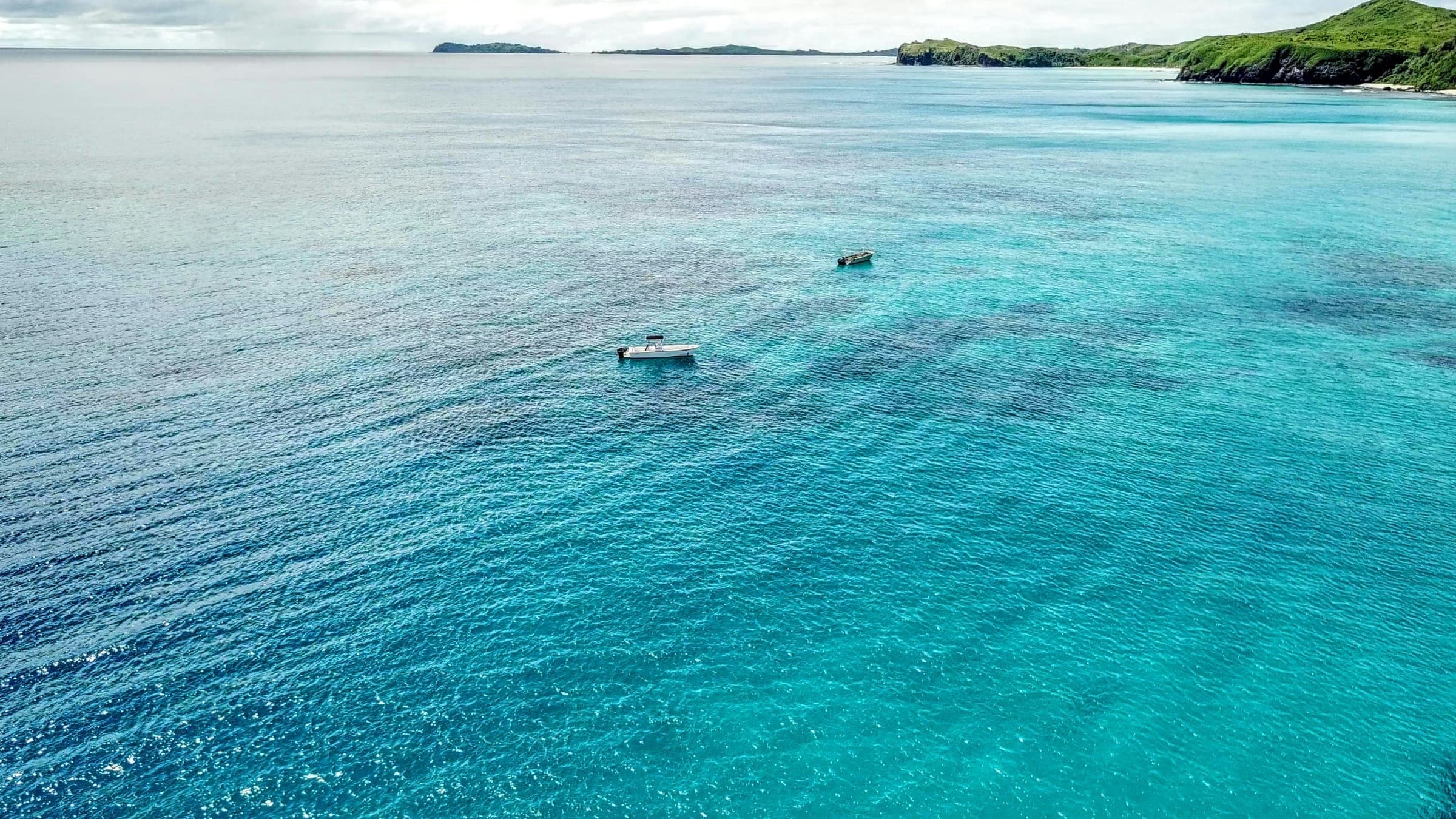
Fiji
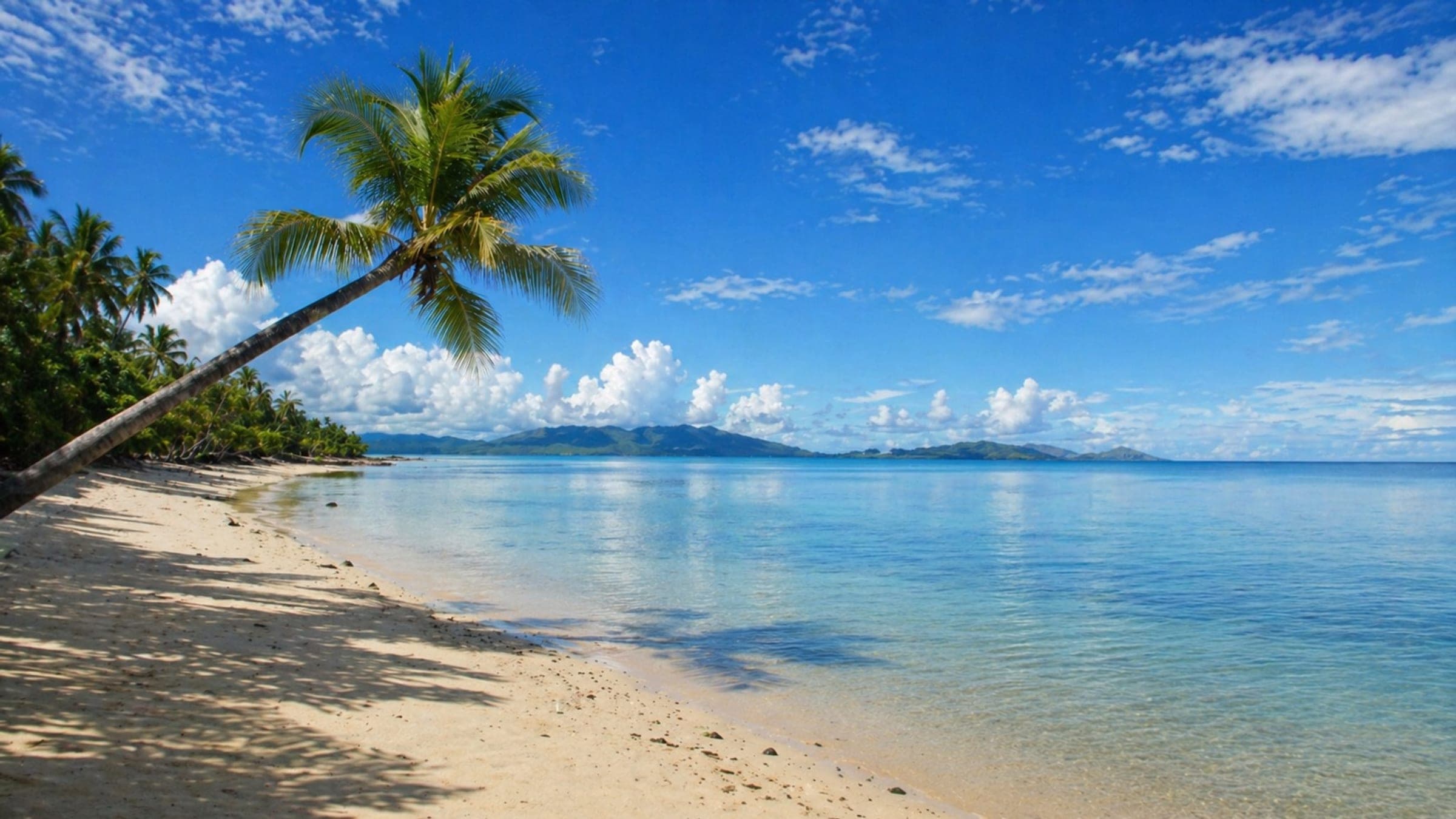
Fiji
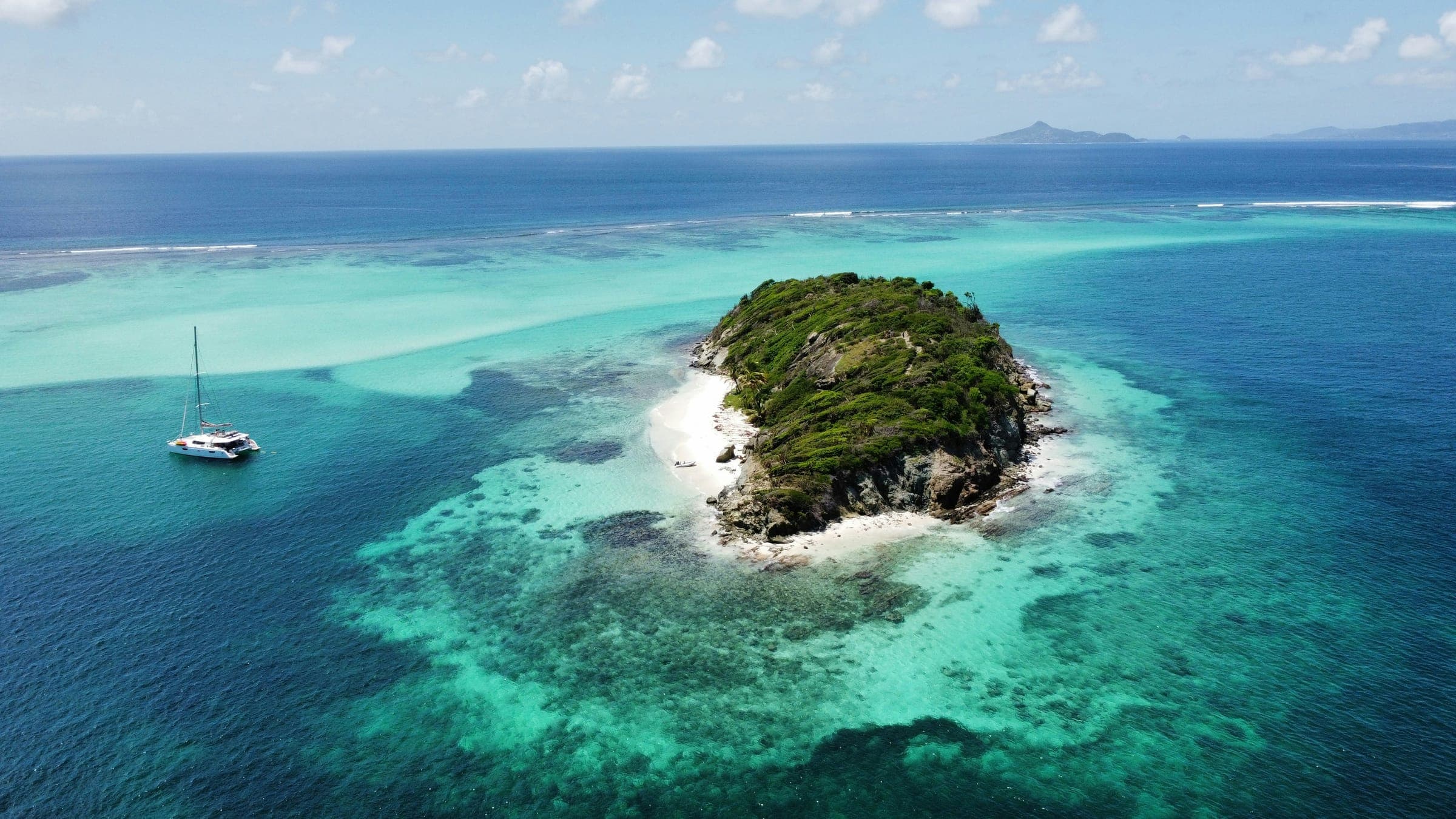
Saint Vincent and the Grenadines
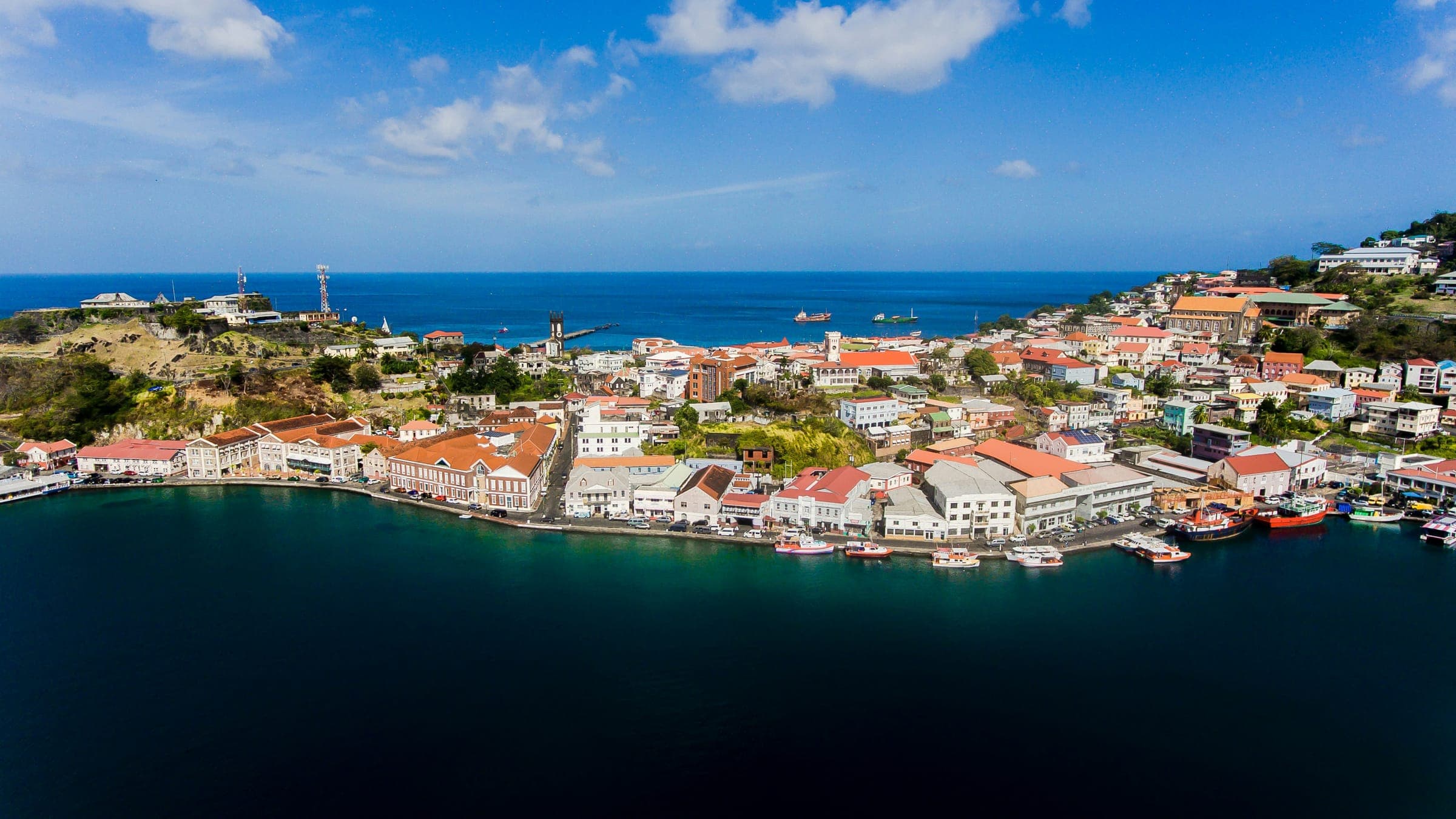
Grenada

Thailand
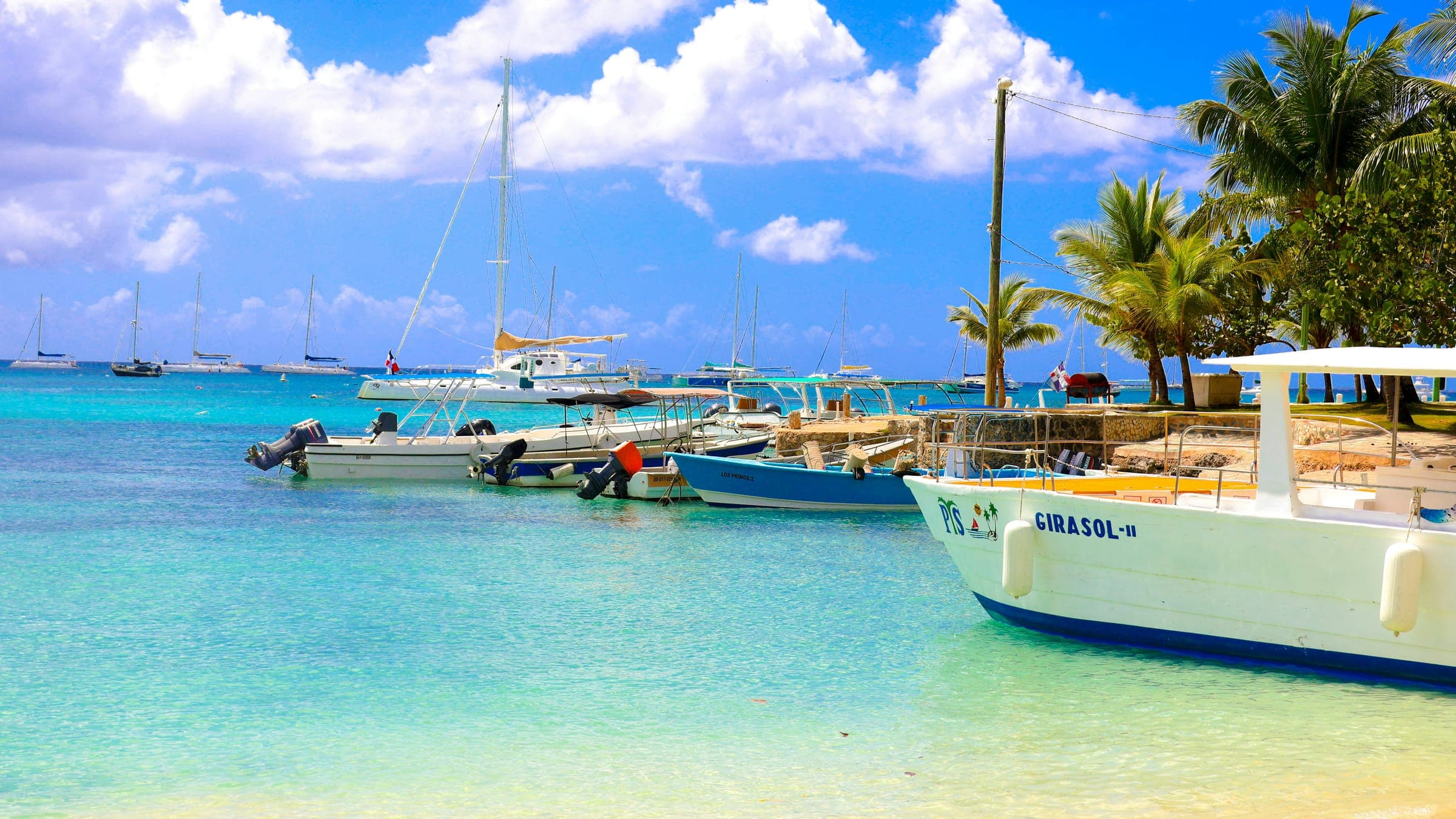
Dominican Republic
Top Countries
The strongest country-level starting points currently linked to this wildlife group.
Top Dive Spots
Directly linked dive spots where species in this group already show up in the planning data.
Boat-access reef and canyon diving off Ambergris Caye.
Boat-access rocky plateau in Cap Corse
Sheltered Red Sea bay with seagrass, reefs, and dugongs.
Historic offshore Djerba wreck with compact profile
Coral-head cluster with swim-throughs and a strong night dive.
Maze-like pinnacle line with multiple swim-throughs.
FAQ
Direct answers to the questions divers and planners tend to ask first.
Research Sources
Primary and supporting references used for the published group guide.
Reef-fish diversity, habitat use, and diver-facing fish ecology.
Global fish taxonomy and species-reference database used for broad fish-group framing.
Official U.S. marine species directory and profile gateway.
Broad marine biodiversity and fisheries-management context.