Cephalofoil shape
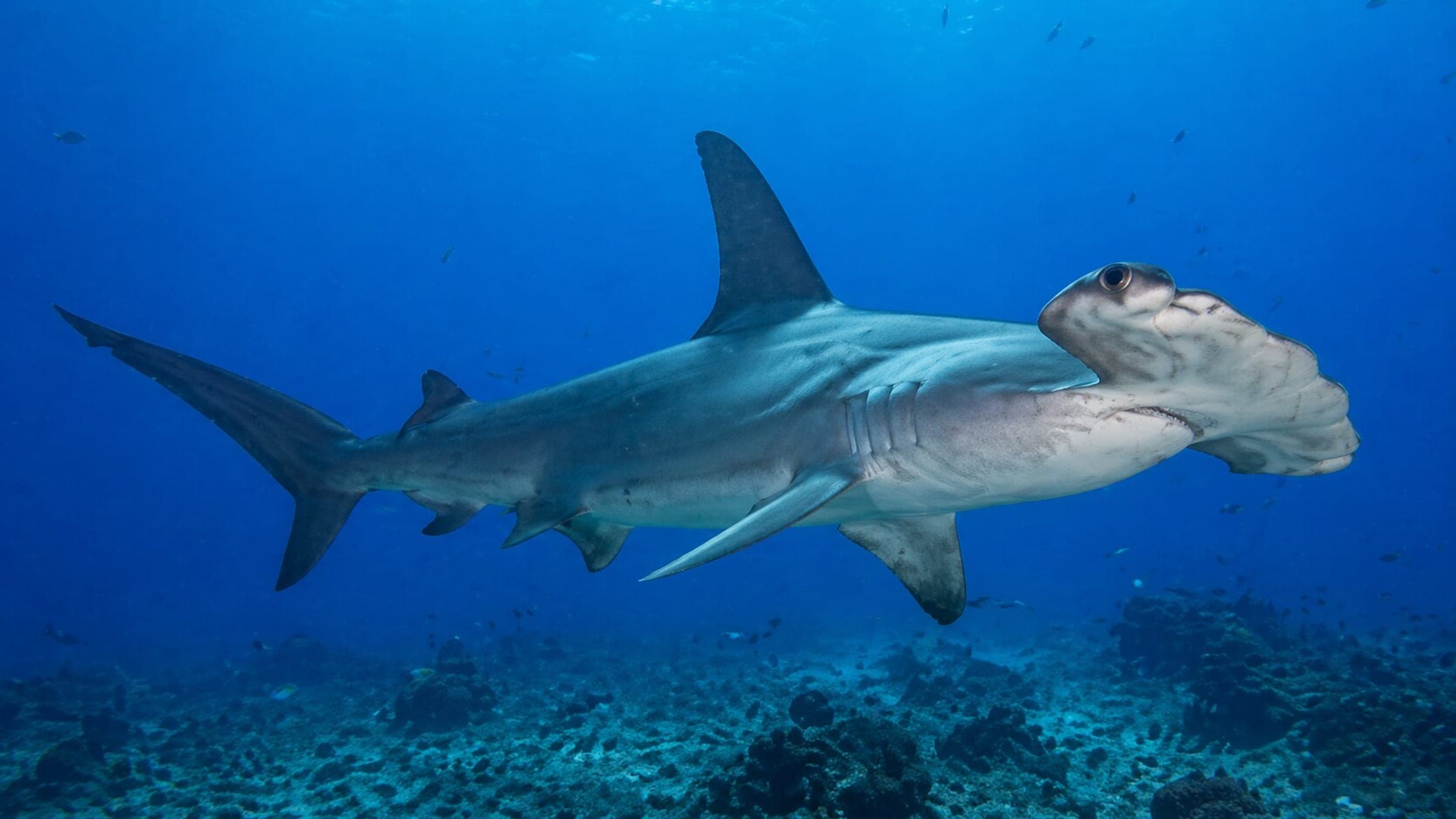
Distinct scalloped, hammer-shaped head (cephalofoil) that gives the species its common name.
Sphyrna lewini
A medium-to-large hammerhead shark with a distinct scalloped head, found in warm coastal waters worldwide.
Species Guide
A clean field guide focused on habitat, identification, behavior, and conservation context without burying the useful parts.
The scalloped hammerhead (Sphyrna lewini) is a species of hammerhead shark in the family Sphyrnidae. Its most distinguishing feature is the scalloped, hammer-shaped head (cephalofoil), with the eyes and nostrils positioned at the tips of the lateral extensions. It was originally described as Zygaena lewini. This species inhabits warm, temperate, and tropical coastal waters worldwide between about 46°N and 36°S and can be found down to depths of roughly 500 m (1,600 ft). It is reported as the most common of the hammerhead sharks and is smaller than the great and smooth hammerheads.
The strongest linked planning options currently surface around destinations such as Galapagos Islands, Fuvahmulah, Ari Atoll and countries such as Japan, Maldives, Costa Rica for divers building trips around scalloped hammerheads.
Identification
The visual markers divers can use underwater, plus the species most likely to cause confusion.
Distinct scalloped, hammer-shaped head (cephalofoil) that gives the species its common name.
Eyes and nostrils are located at the tips of the lateral extensions of the head.
Last Updated Mar 9, 2026 · 3 sources
Fairly large for a hammerhead species, but smaller than the great and smooth hammerheads.
Larger hammerhead species; scalloped hammerhead is smaller in comparison.
Another larger hammerhead species; differs in head shape and size.
Responsible Encounters
Conservation-minded guidance for divers who want the encounter without adding pressure.
Give scalloped hammerhead space, avoid blocking the animal's path, and follow local site and operator rules for wildlife interactions with saltwater fishes.
Field Notes
Useful species context that makes the encounter more meaningful once you are underwater.
The genus name Sphyrna comes from Greek and translates to "hammer," referring to the head shape.
The species was originally described as Zygaena lewini.
Reported to occur down to about 500 m (1,600 ft).
Reported as the most common of all hammerhead species.
Top Destinations
Destinations surfaced from the linked dive spots associated with this species.
Top Countries
The strongest country-level starting points currently linked to this species.
Top Dive Spots
Directly linked dive spots where this species already shows up in the planning data.

Boat-only south-point drift for pelagics off Fuvahmulah.
Advanced offshore seamount dive for hammerheads and pelagics.
Abu Hashish South Ergs is a Makadi Bay reef system with a drift wall and ergs.
Advanced Cocos seamount dive with hammerheads and strong current.
Amazon is a far-offshore Tofo reef for experienced divers.
Batumulapan is a drift-friendly Nusa Penida wall dive.
FAQ
Clear planning and conservation answers written for search visibility and AI retrieval.
Research Sources
Primary and credible references behind the field-guide and conservation claims on this page.
Primary wildlife guide source.
Supporting wildlife source.
Taxonomy reference.
Related Species
Related species guides in the same encounter family.