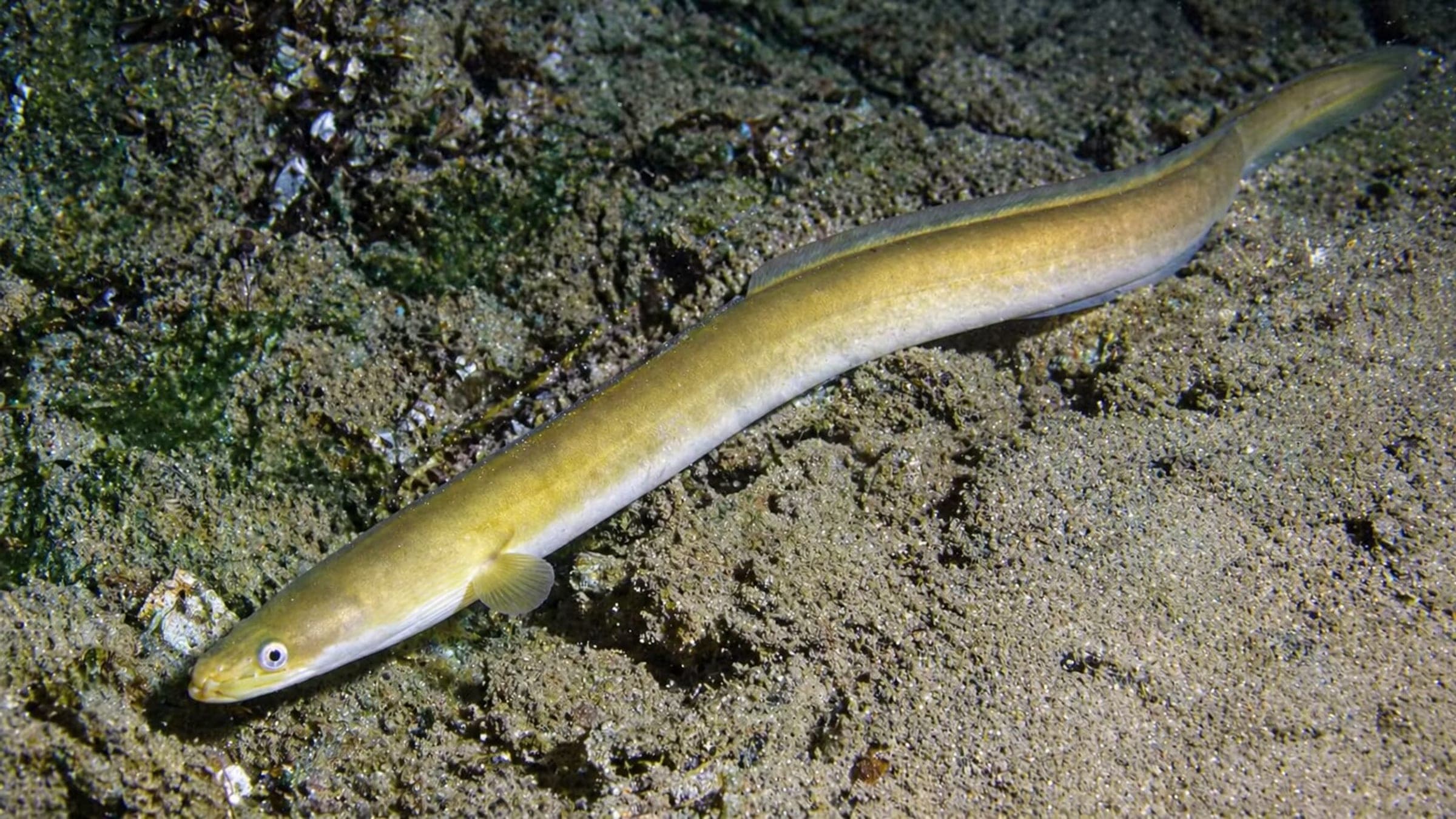
Size range
Most species are relatively small; the largest species can reach about 30 cm (12 in) in length.
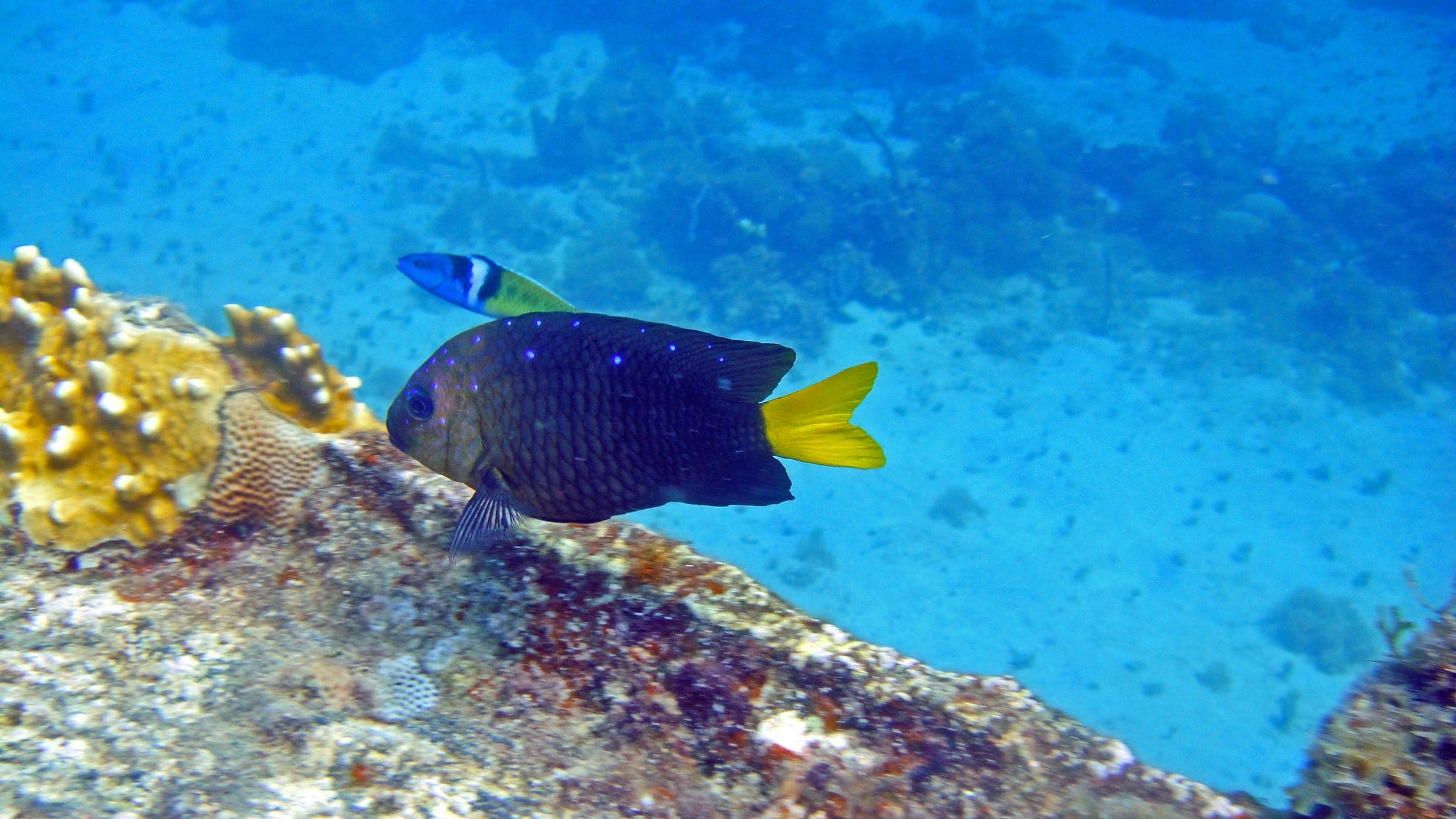
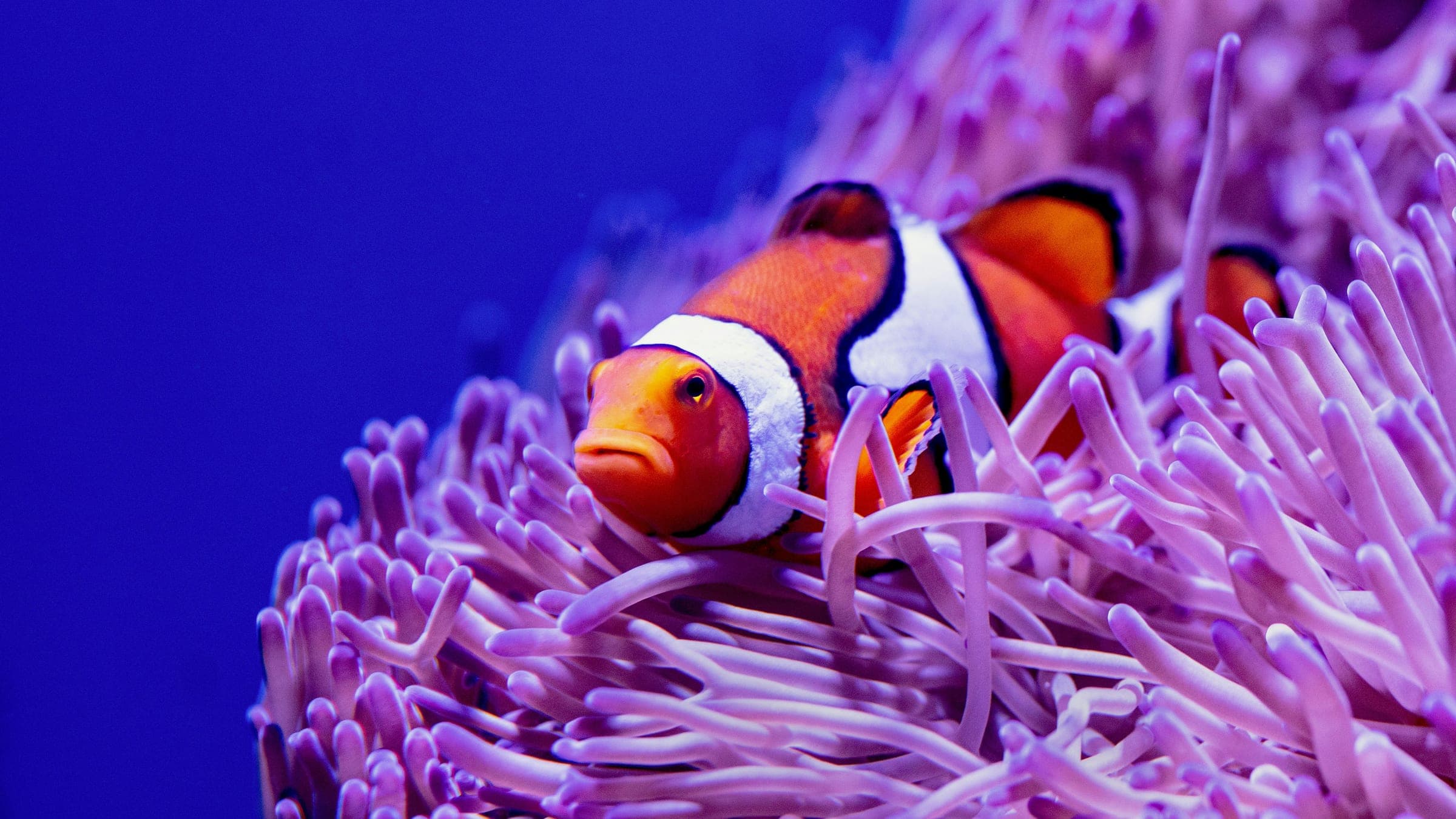
Damselfish are small marine fishes in family Pomacentridae, found worldwide in tropical to temperate waters, with a few species in brackish or fresh water.
Species Guide
A clean field guide focused on habitat, identification, behavior, and conservation context without burying the useful parts.
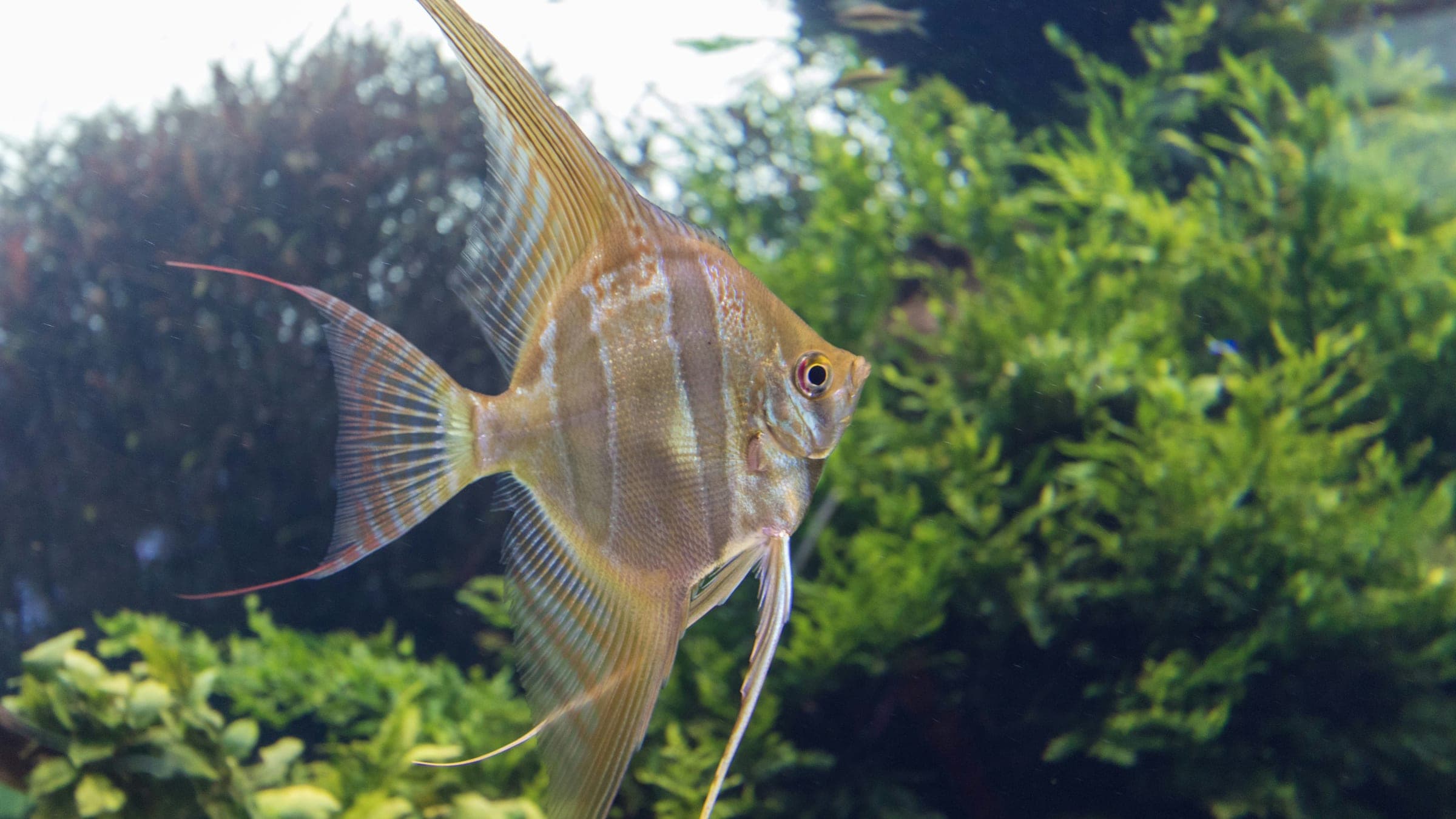
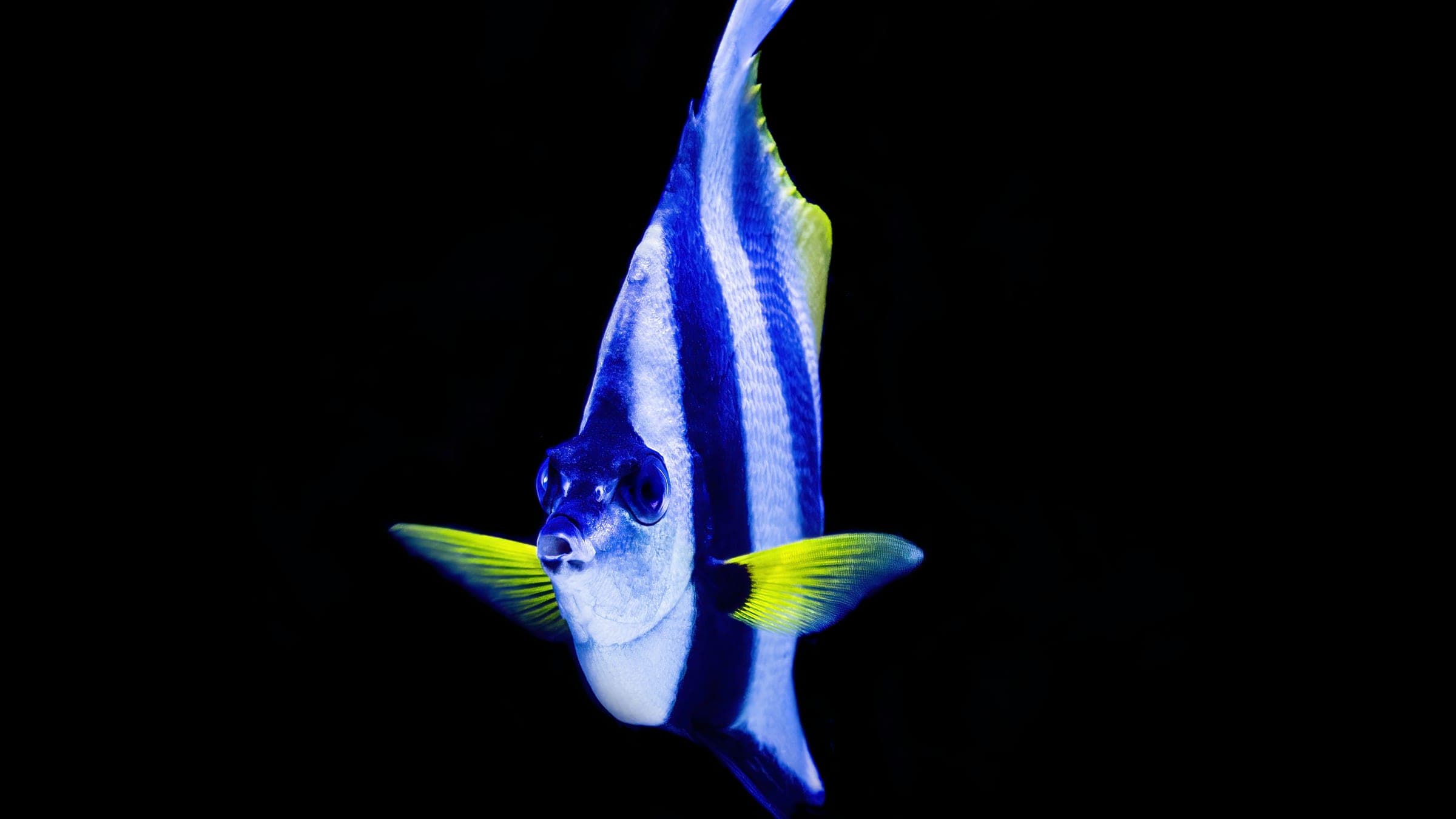
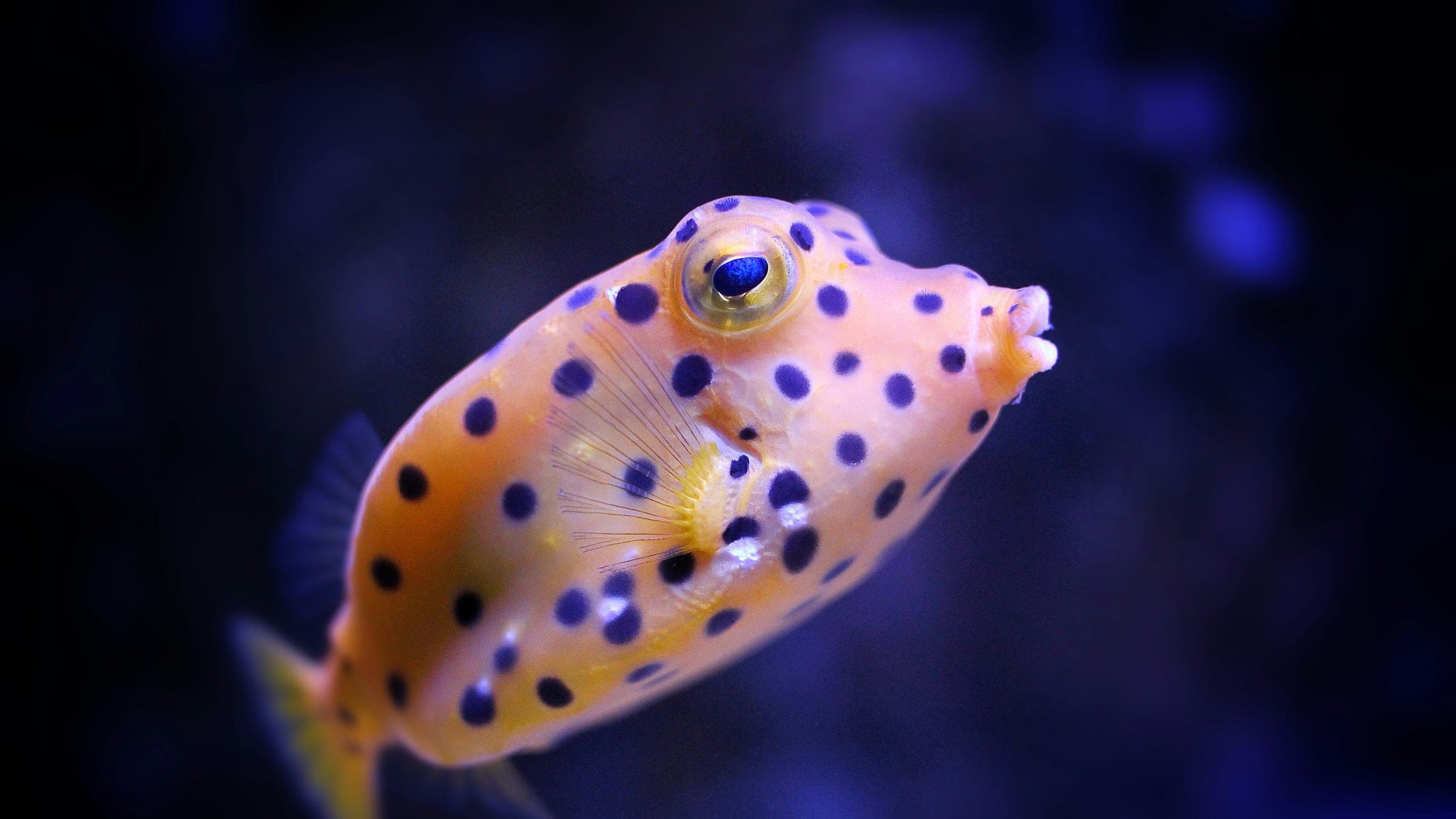
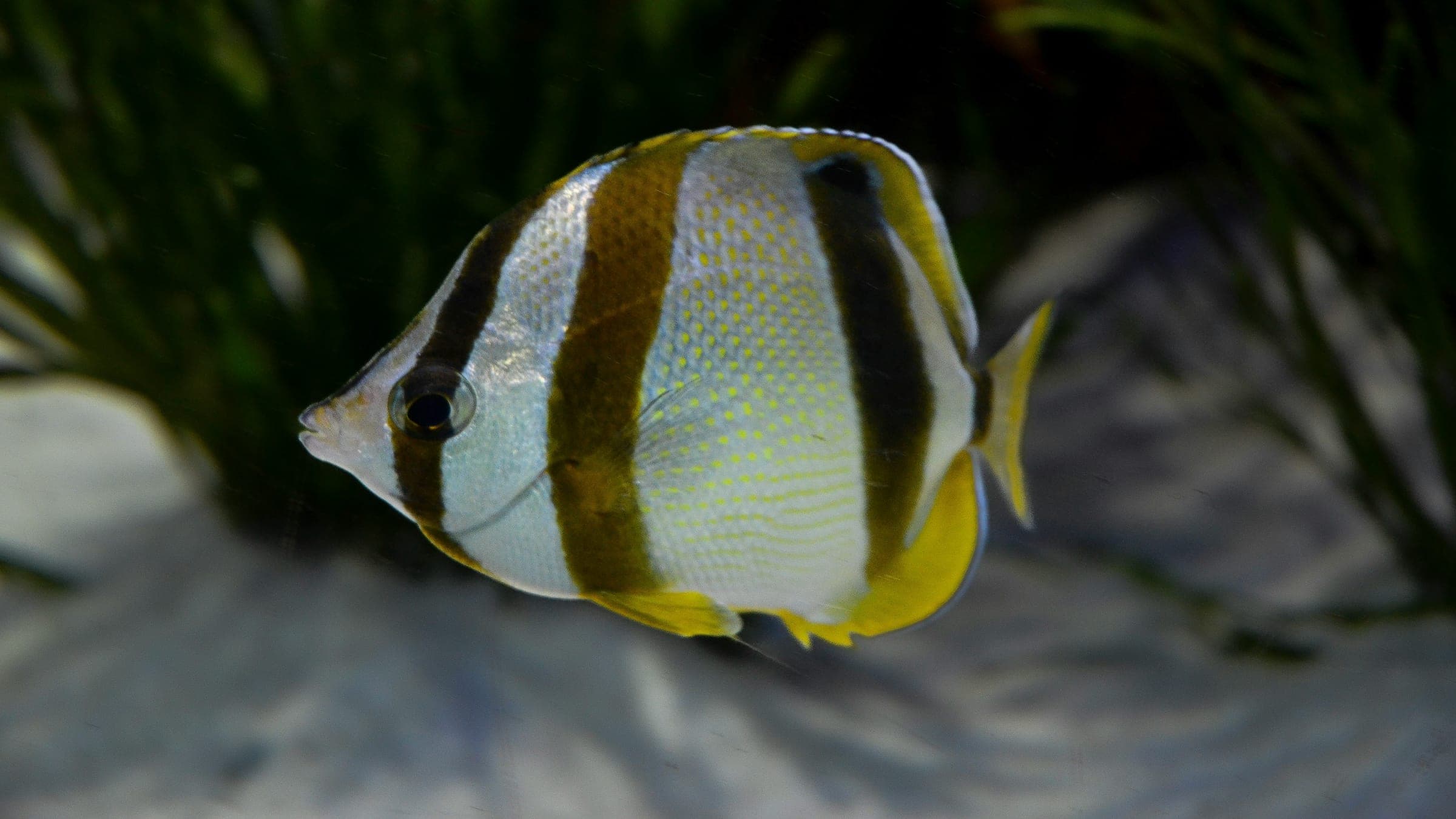
Damselfish belong to the family Pomacentridae and include fish within the subfamilies Abudefdufinae, Chrominae, Lepidozyginae, Pomacentrinae, and Stegastinae. Most species are relatively small; the four largest species (Hypsypops rubicundus, Microspathodon bairdii, M. dorsalis and Nexilosus latifrons) can reach about 30 cm (12 in) in length. Most damselfish species occur in marine environments, though a few inhabit brackish or fresh water. They are found globally across tropical, subtropical, and temperate waters.
The strongest linked planning options currently surface around destinations such as Malta, Carriacou (Tyrrel Bay), Okinawa and countries such as Japan, Spain, Malta for divers building trips around damselfish.
Identification
The visual markers divers can use underwater, plus the species most likely to cause confusion.
Most species are relatively small; the largest species can reach about 30 cm (12 in) in length.
Responsible Encounters
Last Updated Mar 9, 2026 · 3 sources
Conservation-minded guidance for divers who want the encounter without adding pressure.
Give damselfish space, avoid blocking the animal's path, and follow local site and operator rules for wildlife interactions with saltwater fishes.
Field Notes
Useful species context that makes the encounter more meaningful once you are underwater.
Damselfish cover multiple subfamilies within Pomacentridae (Abudefdufinae, Chrominae, Lepidozyginae, Pomacentrinae, Stegastinae).
While most are marine, a few damselfish species inhabit brackish or fresh water.
Damselfish occur in tropical, subtropical, and temperate waters worldwide.
Top Destinations
Destinations surfaced from the linked dive spots associated with this species.
Top Countries
The strongest country-level starting points currently linked to this species.
Top Dive Spots
Directly linked dive spots where this species already shows up in the planning data.
A beginner rocky site with photogenic holes
Beginner-friendly bommie reef off Beau Vallon
Controlled artificial-reef dive off Puerto de Mogán.
Shallow island-edge wall with coral bommies
Relaxed Baie des Pirates reef dive.
Boat-access reef wall with coral gardens
Diver Sightings
Approved diver reports where damselfish were recently tagged.
FAQ
Clear planning and conservation answers written for search visibility and AI retrieval.
Research Sources
Primary and credible references behind the field-guide and conservation claims on this page.
Primary wildlife guide source.
Supporting wildlife source.
Supporting wildlife source.
Related Species
Related species guides in the same encounter family.