Taxonomy
Family Haemulidae with two subfamilies: Haemulinae (grunts) and Plectorhynchinae (sweetlips).
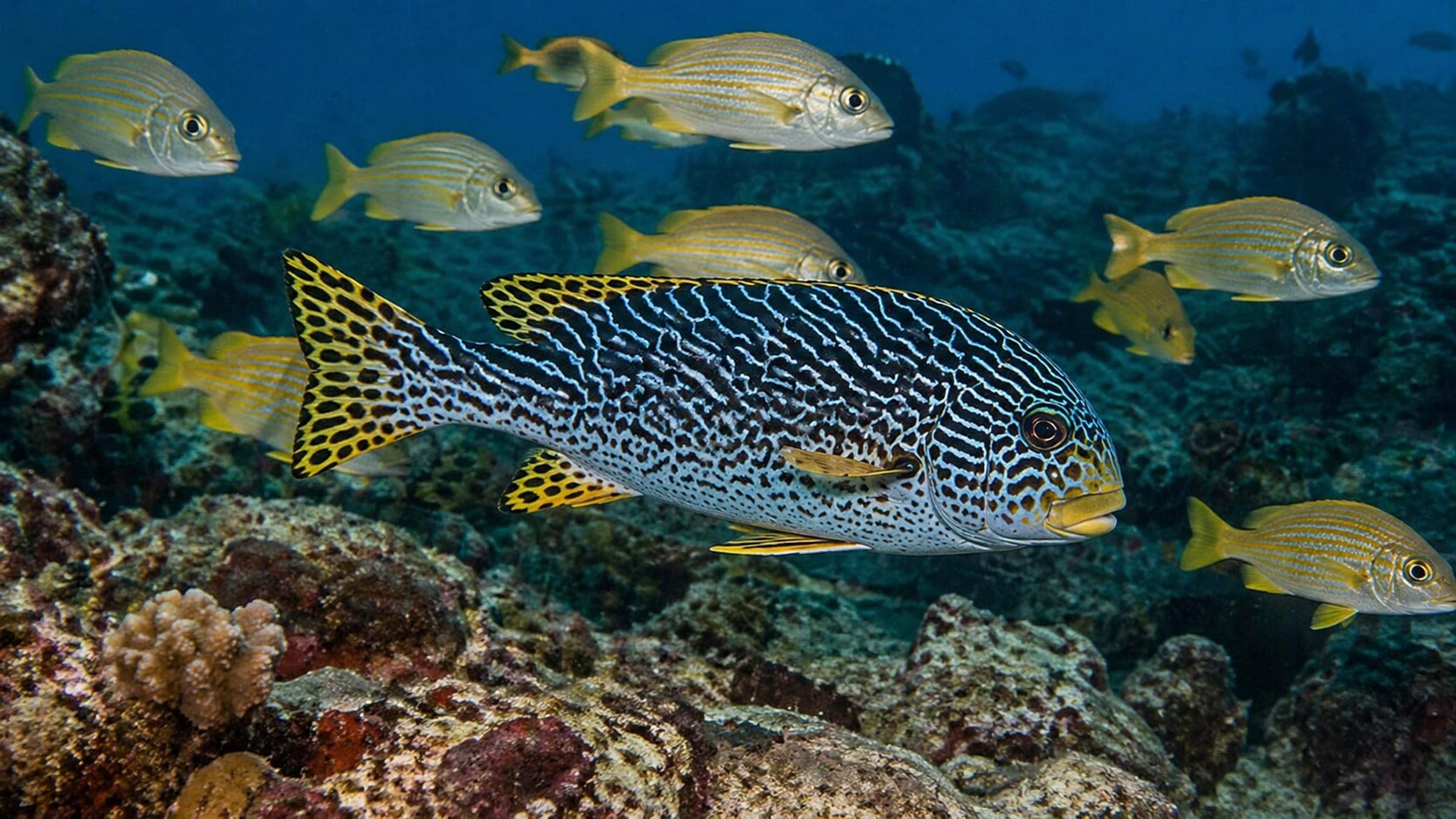
Sweetlips and grunts are tropical and subtropical marine fishes in the family Haemulidae, comprising sweetlips and grunt subfamilies.
Species Guide
A clean field guide focused on habitat, identification, behavior, and conservation context without burying the useful parts.
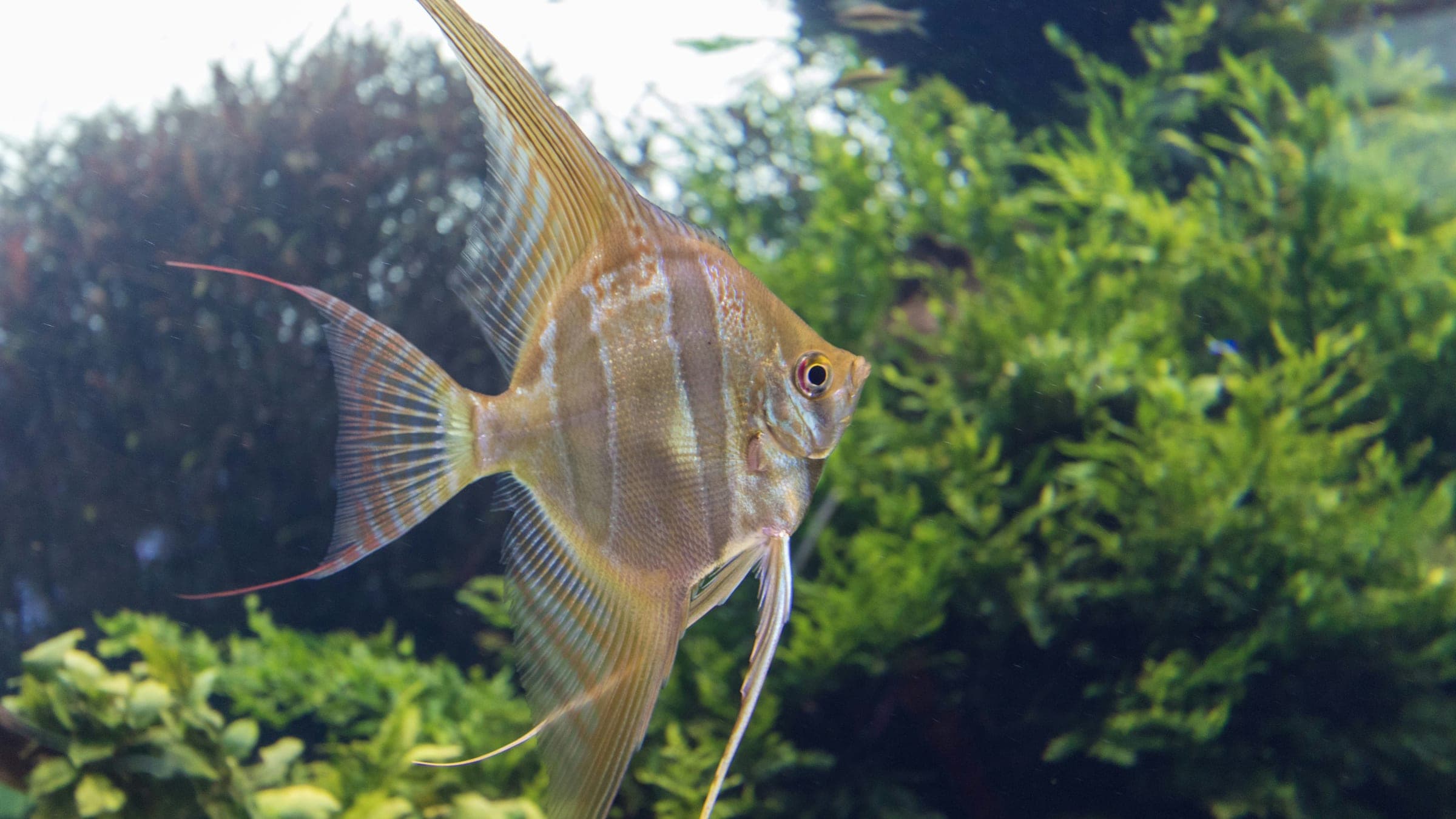
Haemulidae is a family of fishes in the order Acanthuriformes commonly called grunts. The family is composed of two subfamilies: Haemulinae (grunts) and Plectorhynchinae (sweetlips). Together they include about 133 species in 19 genera distributed around the world. Members inhabit tropical, subtropical, and warm temperate regions and occur in marine, brackish, and occasionally fresh waters. The family displays diverse feeding adaptations from bottom-feeding predation to water-column planktivory. Haemulinae are named for their ability to produce sounds by grinding their pharyngeal teeth. Some species form mutualistic relationships with cleaner gobies of the genus Elacatinus, allowing cleaners to remove ectoparasites.
Feeding adaptations vary across the family, including bottom-feeding predation and water-column planktivory.
Members exhibit diverse diets and feeding strategies, ranging from benthic predators to planktivores in the water column.
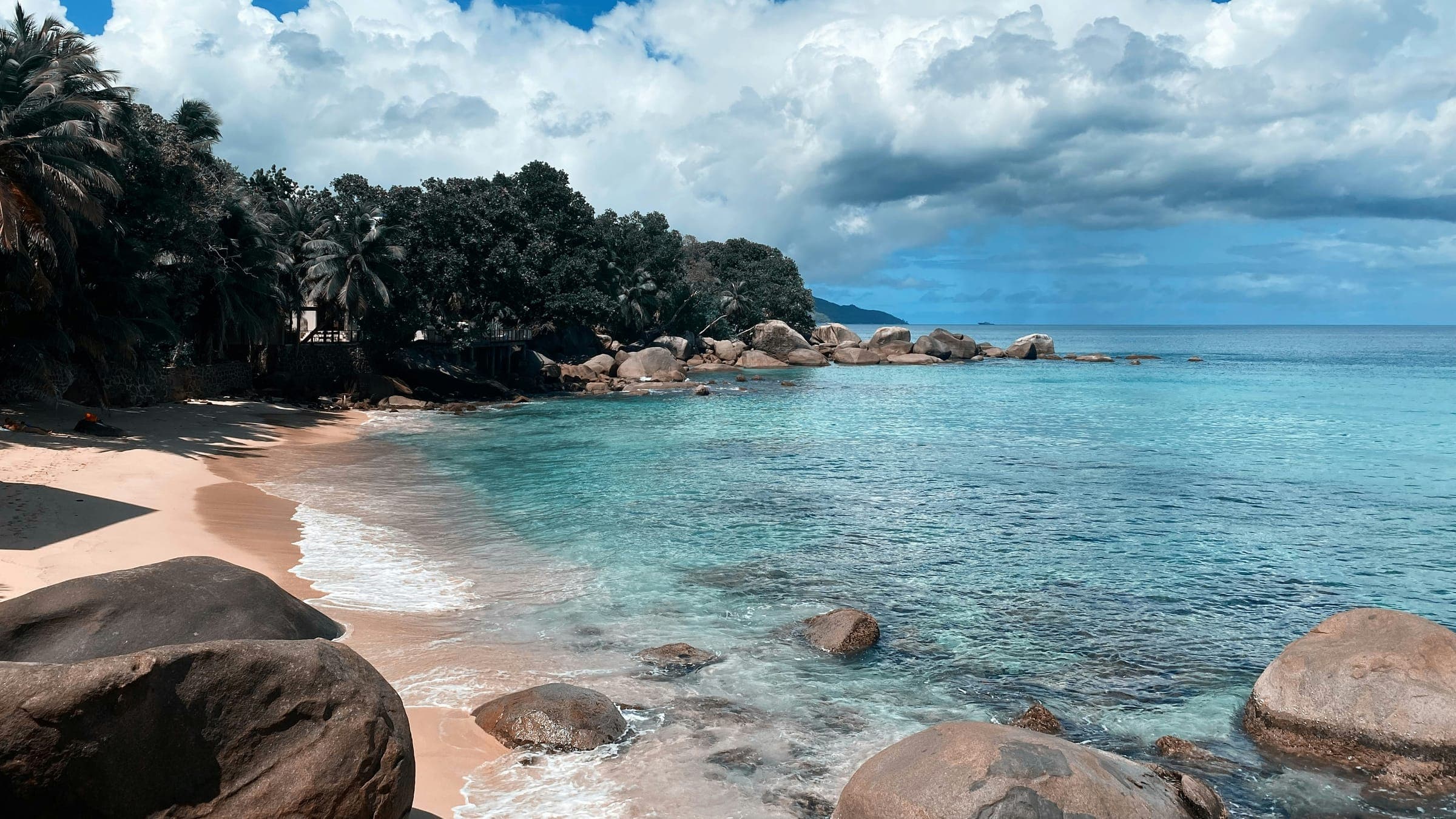
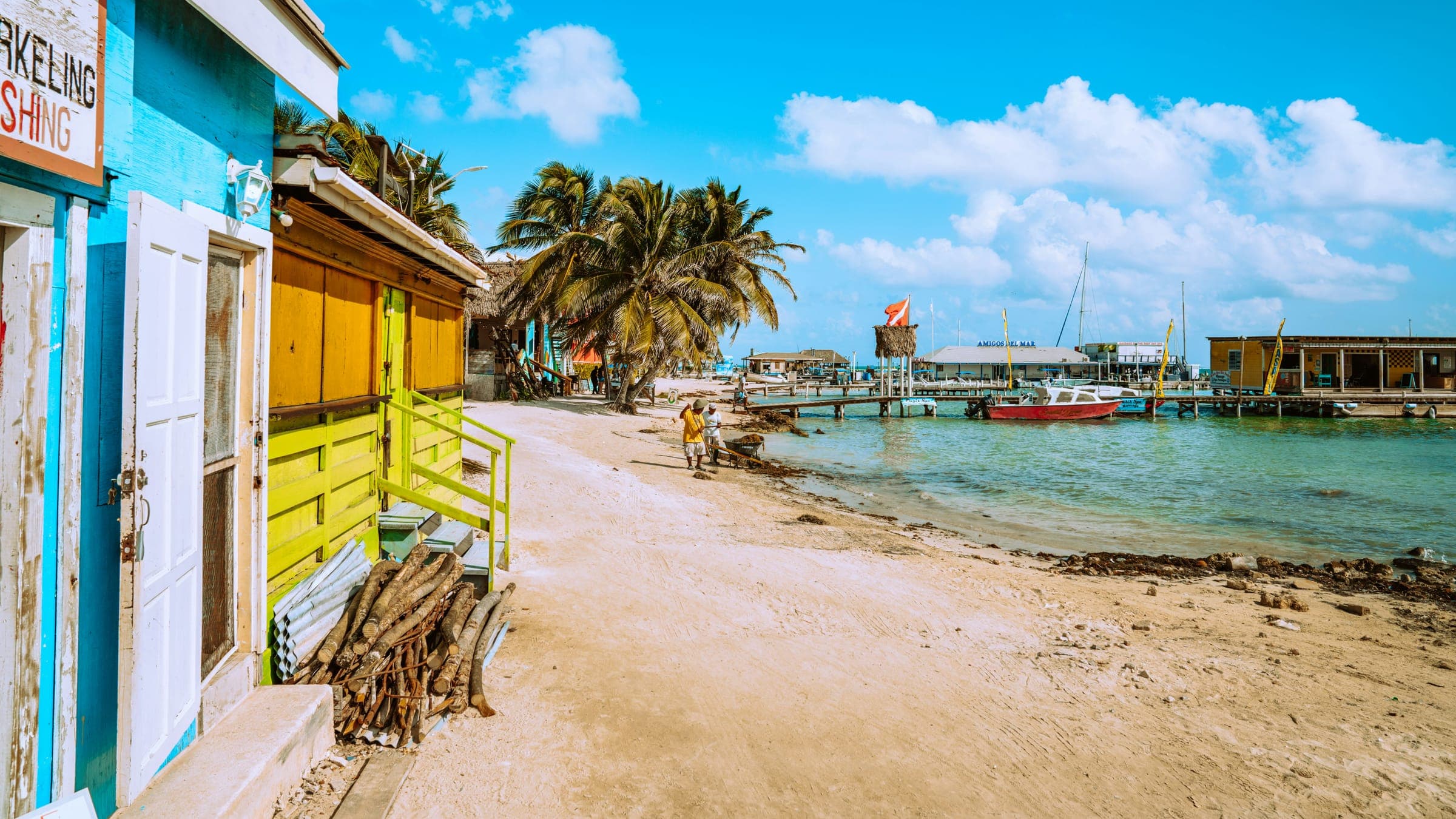
The strongest linked planning options currently surface around destinations such as Mahé, Caye Caulker, Koh Tao and countries such as Indonesia, Philippines, Seychelles for divers building trips around sweetlips and gruntses.
Identification
The visual markers divers can use underwater, plus the species most likely to cause confusion.
Family Haemulidae with two subfamilies: Haemulinae (grunts) and Plectorhynchinae (sweetlips).
Last Updated Mar 9, 2026 · 2 sources
About 133 species distributed in 19 genera.
Found in tropical, subtropical, and warm temperate regions; occupy marine, brackish, and sometimes fresh waters.
Haemulinae can produce sounds by grinding their pharyngeal teeth.
Range and Movement
The broad range, seasonal movement, or migratory behavior that shapes where divers encounter this species.
Feeding adaptations vary across the family, including bottom-feeding predation and water-column planktivory.
Diet
Useful feeding context that often explains habitat, movement, and encounter style.
Members exhibit diverse diets and feeding strategies, ranging from benthic predators to planktivores in the water column.
Responsible Encounters
Conservation-minded guidance for divers who want the encounter without adding pressure.
Give sweetlips and grunts space, avoid blocking the animal's path, and follow local site and operator rules for wildlife interactions with saltwater fishes.
Field Notes
Useful species context that makes the encounter more meaningful once you are underwater.
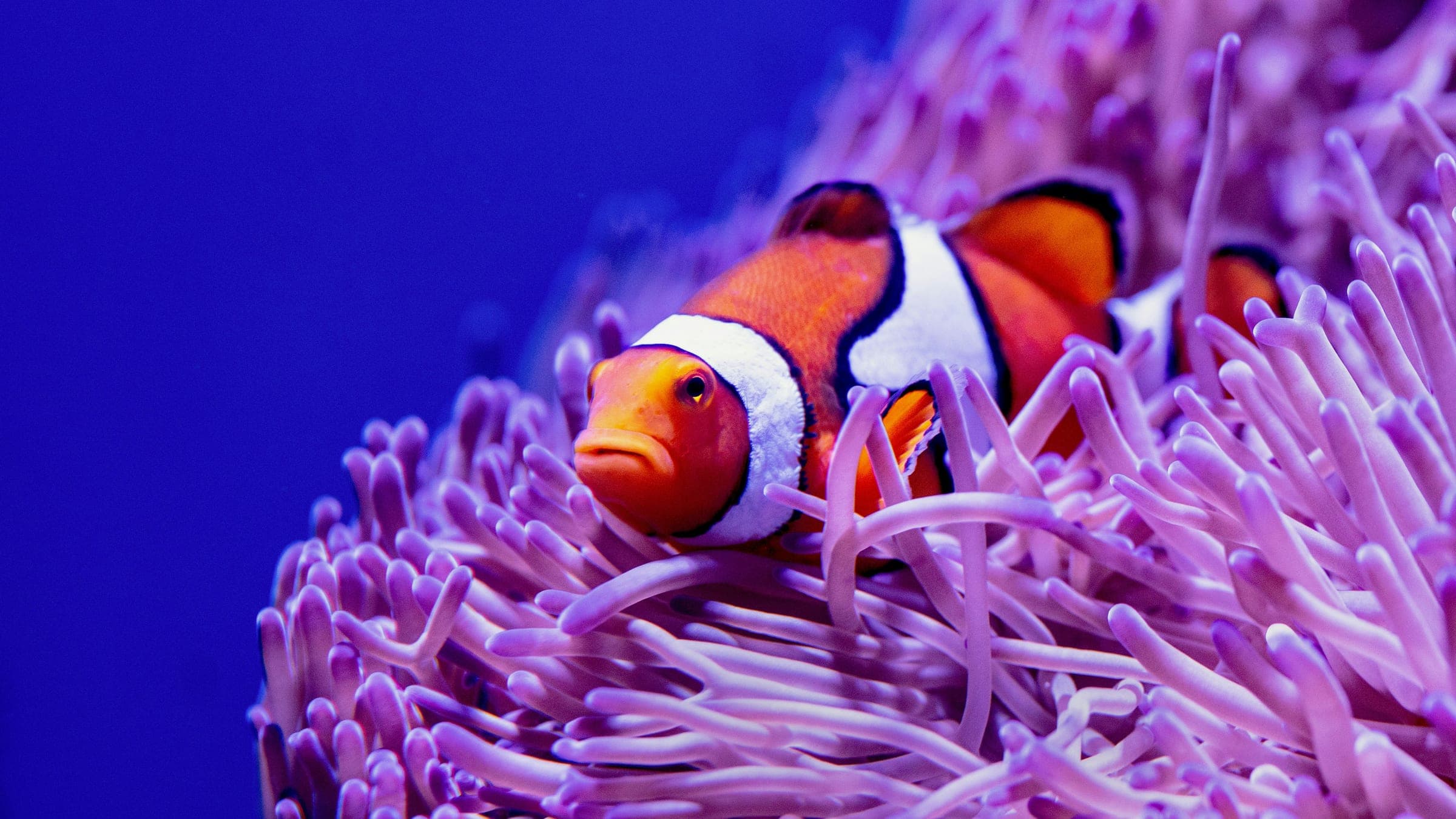
Some Haemulidae species allow cleaner gobies (Elacatinus) to remove ectoparasites in mutualistic interactions.
The common name 'grunt' refers to sound production by grinding pharyngeal teeth in Haemulinae.
Top Destinations
Destinations surfaced from the linked dive spots associated with this species.
Top Countries
The strongest country-level starting points currently linked to this species.
Top Dive Spots
Directly linked dive spots where this species already shows up in the planning data.
Current-sensitive Nusa Penida wall with coral terraces and big-life chance.
Miyaru Kandu is a protected shark channel with a strong drift.
Boat-access reef and canyon diving off Ambergris Caye.
Boat-reached reef and drift dive in South Male with coral rock formations.
Aldebaran Wreck is a deep wreck dive off Mahé.
Artificial reef wreck with schooling fish in Sabang Bay.
FAQ
Clear planning and conservation answers written for search visibility and AI retrieval.
Research Sources
Primary and credible references behind the field-guide and conservation claims on this page.
Primary wildlife guide source.
Supporting wildlife source.
Related Species
Related species guides in the same encounter family.