Size and shape
Small, short and stocky body.
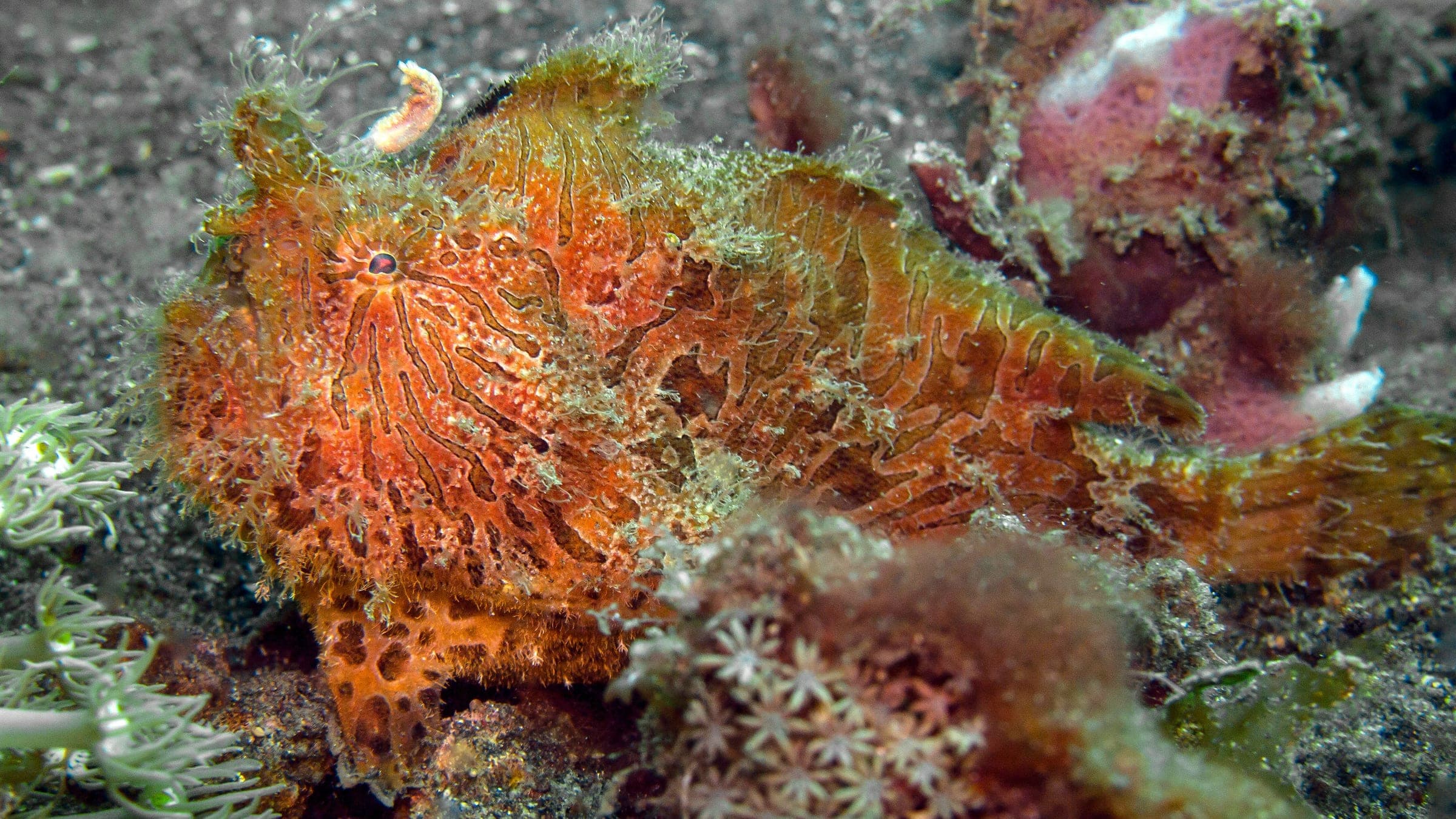
Frogfishes (family Antennariidae) are small, stocky ambush predators with strong camouflage found in most tropical and subtropical oceans worldwide.
Species Guide
A clean field guide focused on habitat, identification, behavior, and conservation context without burying the useful parts.
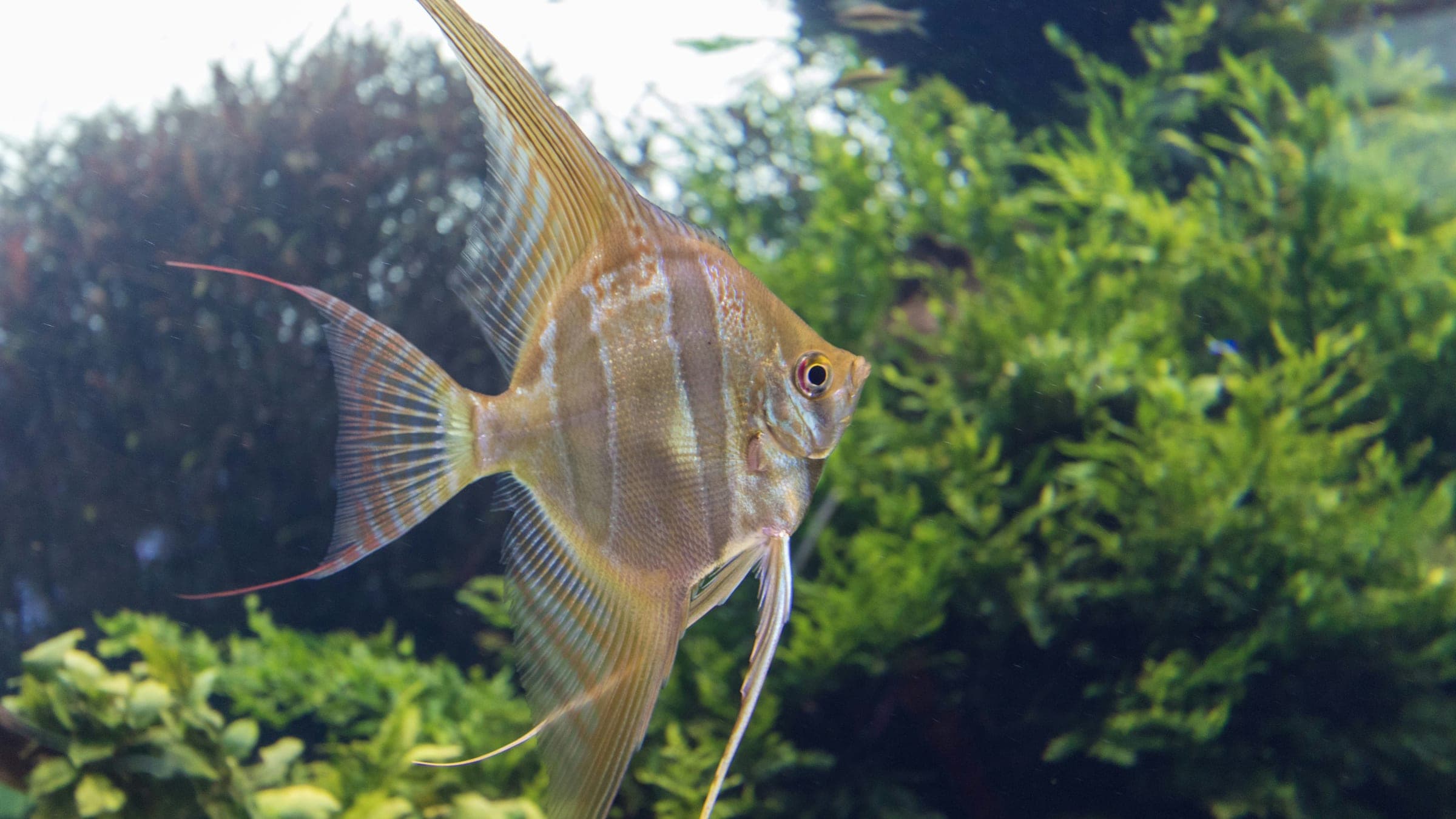
Frogfishes are members of the anglerfish family Antennariidae (order Lophiiformes). They occur in almost all tropical and subtropical oceans and seas worldwide, with the primary exception of the Mediterranean Sea. Frogfishes are small, short and stocky, and may be covered in spinules and other appendages that aid camouflage. Many species can change colour and some are covered with other organisms such as algae or hydrozoa. Their camouflage serves both to protect them from predators and to help them lure prey. Frogfishes typically move slowly and lie in wait, then strike extremely rapidly — in as little as 6 milliseconds. The fossil record for frogfishes is sparse, though some fossil species are known from the Eocene of Italy and the Miocene of Algeria.
Typically move slowly and lie in wait; they can strike extremely rapidly, in as little as 6 milliseconds.
Use camouflage to lure prey and perform very rapid strikes to capture it.
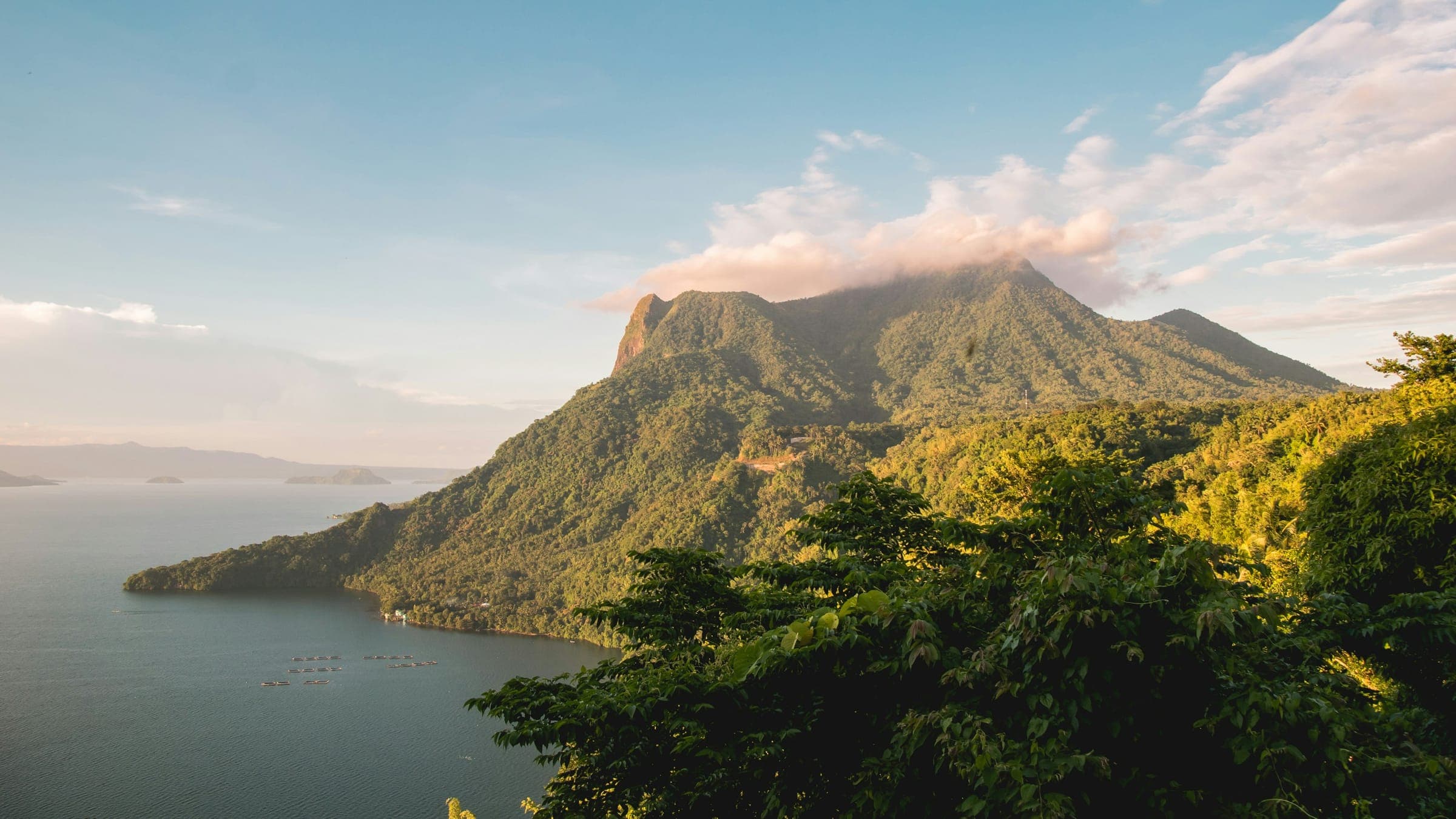
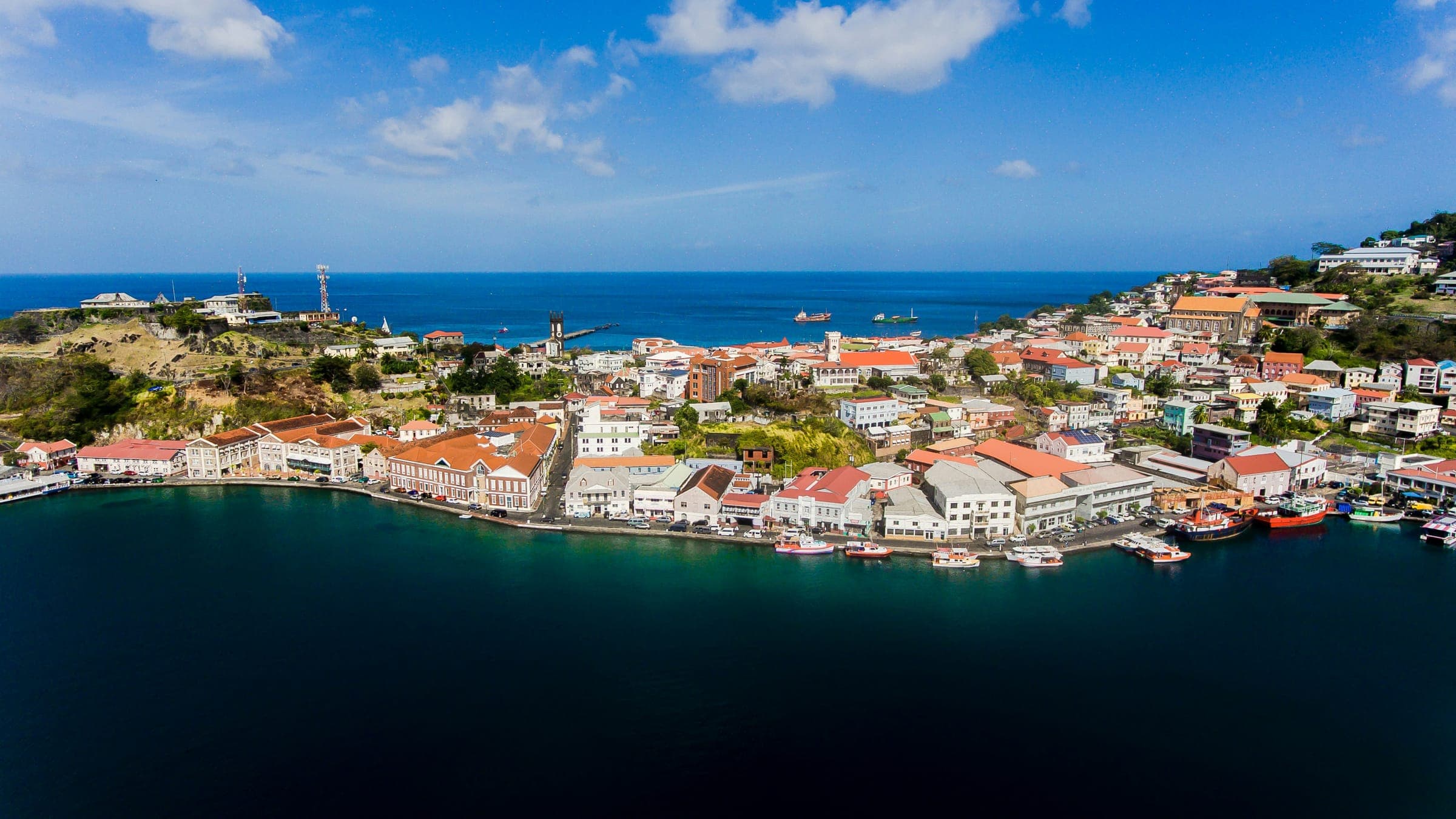
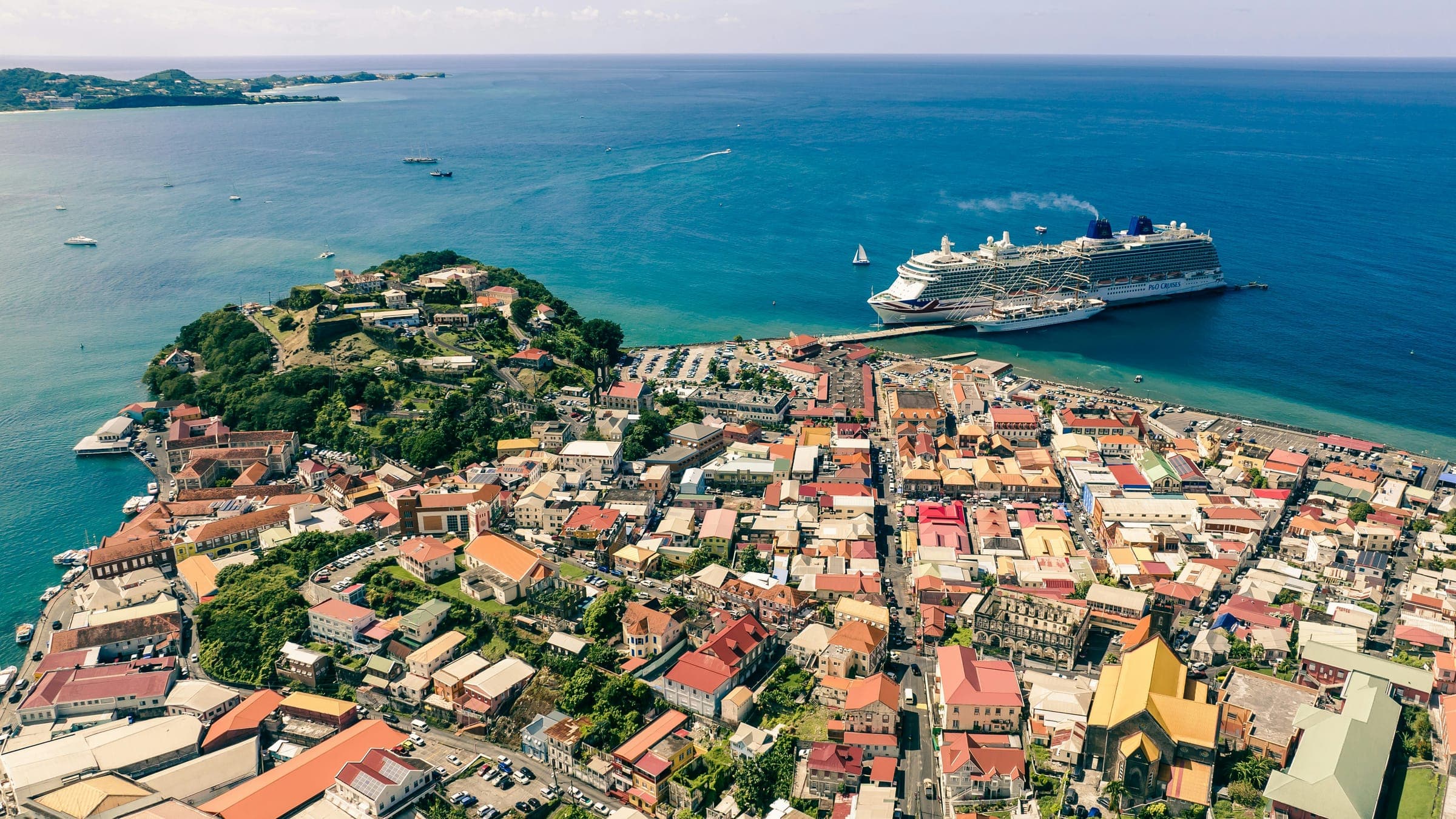
The strongest linked planning options currently surface around destinations such as Komodo, Bonaire, Anilao + Batangas (Verde Island Passage) and countries such as Indonesia, Philippines, Japan for divers building trips around frogfish.
Identification
The visual markers divers can use underwater, plus the species most likely to cause confusion.
Small, short and stocky body.
Last Updated Mar 9, 2026 · 4 sources
Often covered in spinules and other appendages; many species can change colour and some are covered with algae or hydrozoa.
Typically move slowly and lie in wait, using camouflage to lure prey before striking extremely rapidly.
In Australia, the common name 'frogfish' is also used for members of the unrelated family Batrachoididae.
Range and Movement
The broad range, seasonal movement, or migratory behavior that shapes where divers encounter this species.
Typically move slowly and lie in wait; they can strike extremely rapidly, in as little as 6 milliseconds.
Diet
Useful feeding context that often explains habitat, movement, and encounter style.
Use camouflage to lure prey and perform very rapid strikes to capture it.
Responsible Encounters
Conservation-minded guidance for divers who want the encounter without adding pressure.
Give frogfish space, avoid blocking the animal's path, and follow local site and operator rules for wildlife interactions with saltwater fishes.
Field Notes
Useful species context that makes the encounter more meaningful once you are underwater.
Frogfishes can strike in as little as 6 milliseconds.
Few frogfish fossils are known; some species are recorded from the Eocene of Italy and the Miocene of Algeria.
Found in almost all tropical and subtropical oceans and seas, primarily absent from the Mediterranean Sea.
Top Destinations
Destinations surfaced from the linked dive spots associated with this species.
Top Countries
The strongest country-level starting points currently linked to this species.
Top Dive Spots
Directly linked dive spots where this species already shows up in the planning data.
Harbor-side Penida reef dive with coral slopes and variable current.
Current-sensitive Nusa Penida wall with coral terraces and big-life chance.
Central Komodo manta site with sandy slope and shallow bommies.
Meemu Atoll reef with plateau and cavern sections.
Artificial reef wreck with schooling fish in Sabang Bay.
Anemone Reef: a submerged pinnacle with dense anemones and reef life.
FAQ
Clear planning and conservation answers written for search visibility and AI retrieval.
Research Sources
Primary and credible references behind the field-guide and conservation claims on this page.
Primary wildlife guide source.
Supporting wildlife source.
Supporting wildlife source.
Supporting wildlife source.
Related Species
Related species guides in the same encounter family.