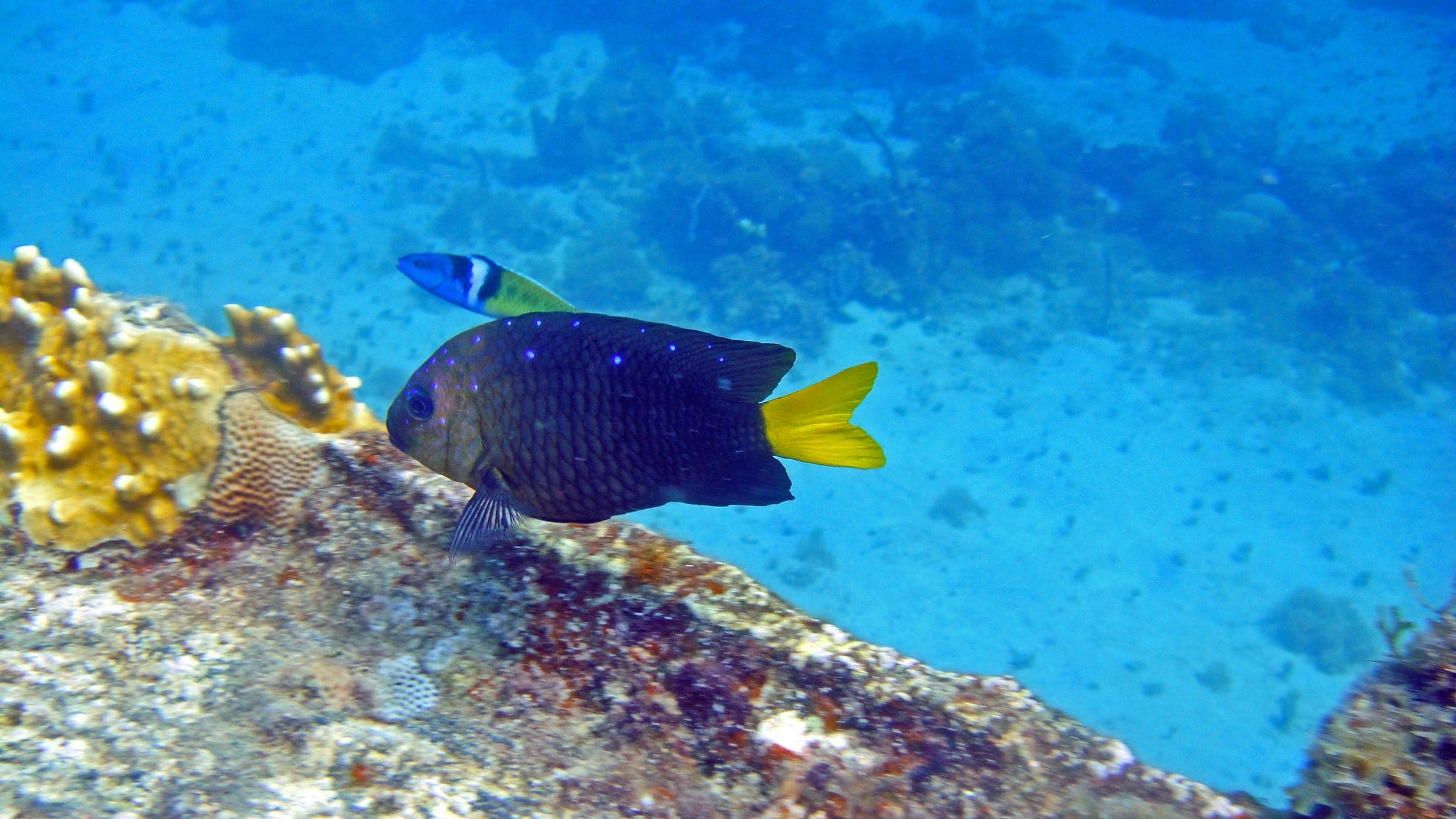
Body shape
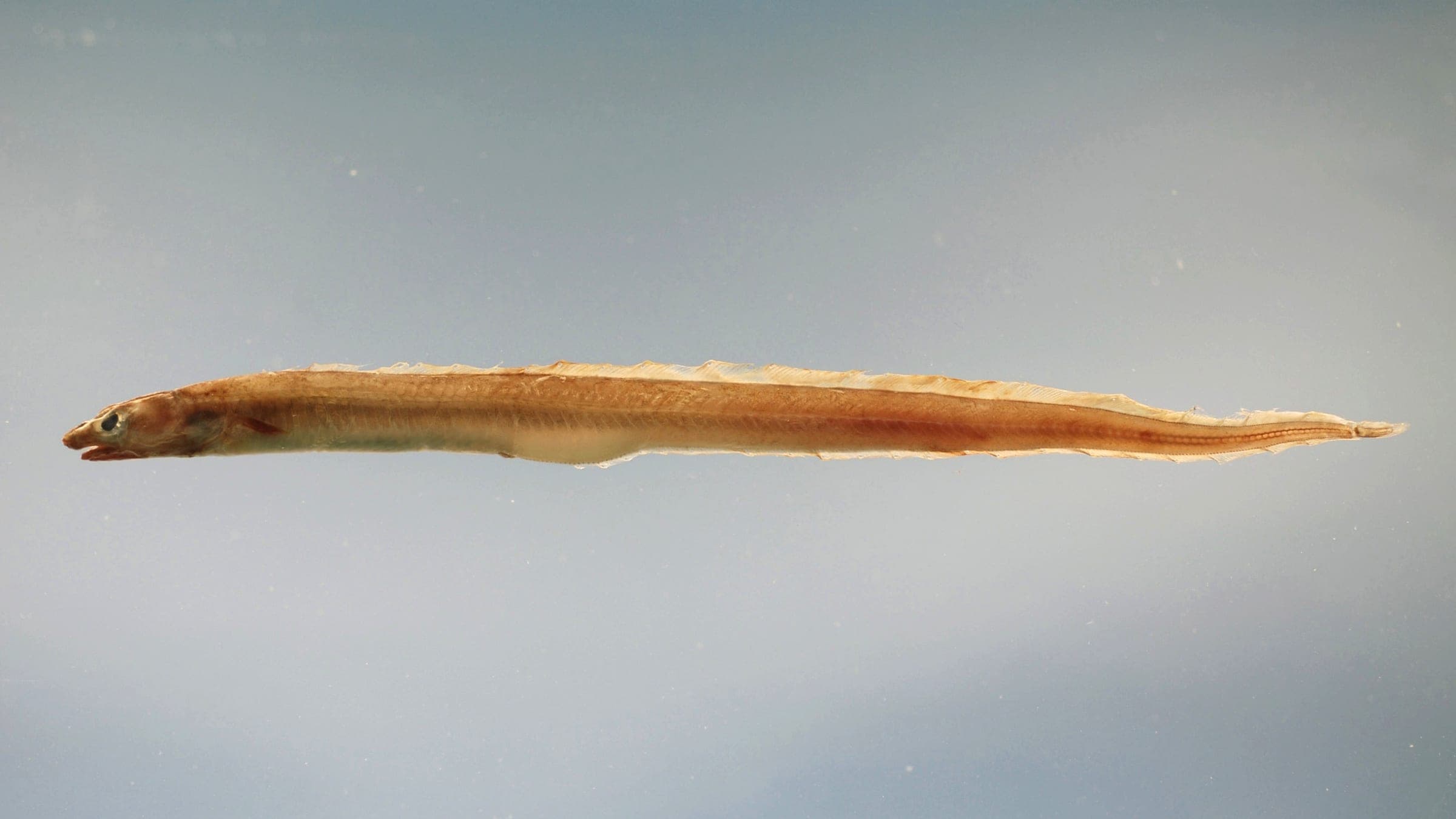
Eel-like appearance but not true eels.
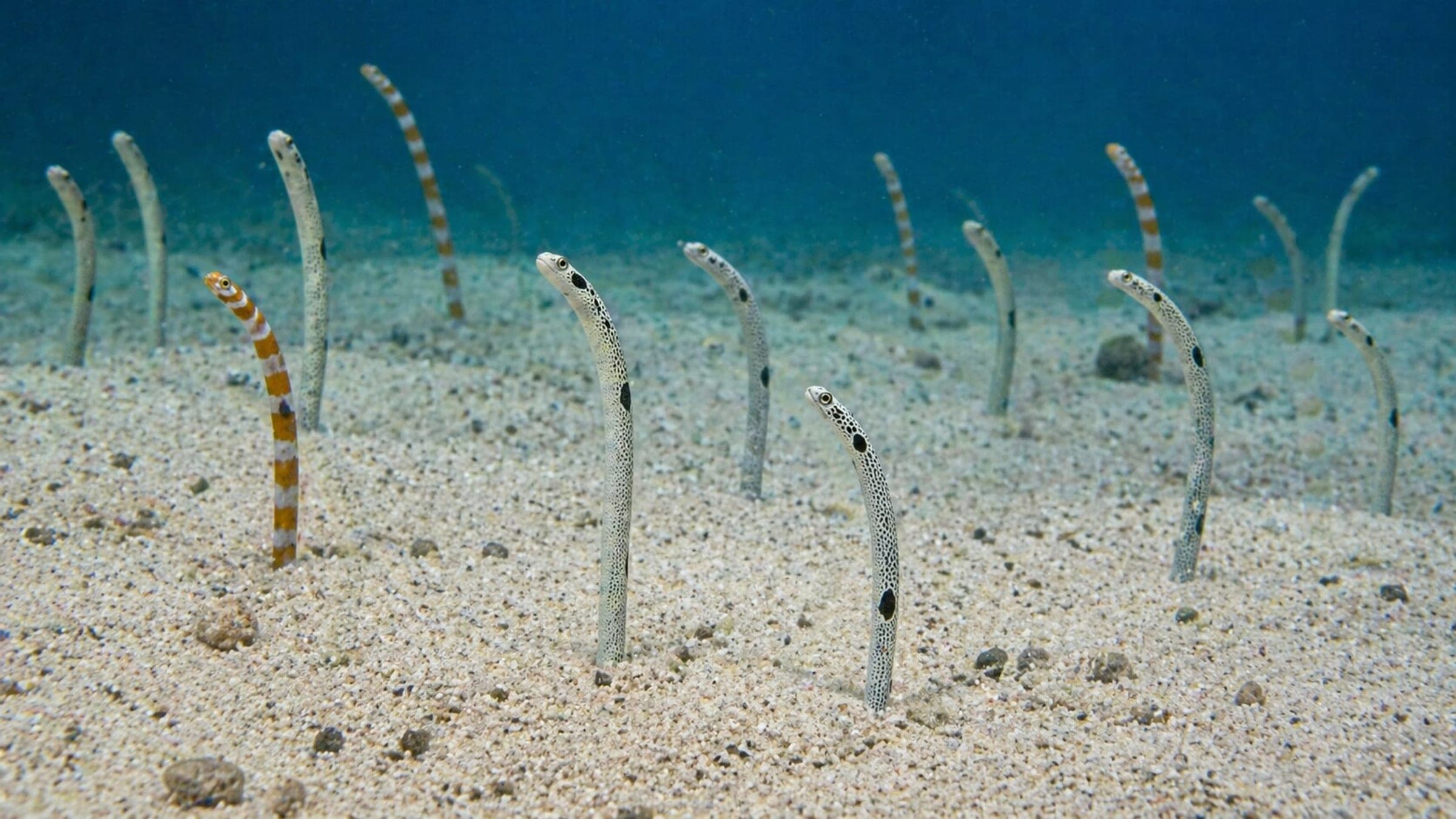
Sand eels are eel-like small fishes (not true eels) found in various species, often reaching about 30 cm in length.
Last Updated Mar 9, 2026 · 2 sources
Species Guide
A clean field guide focused on habitat, identification, behavior, and conservation context without burying the useful parts.
Sand eel or sandeel is the common name applied to a considerable number of fish species. They are not true eels but are eel-like in appearance and can grow up to about 30 cm (12 in) in length. Many species occur off the western coasts of Europe from Spain to Scotland, and in the Mediterranean and Baltic Seas. Sand eels are an important prey item for seabirds such as puffins and kittiwakes. They are also commercially important for fish-meal production.
Sand eels are an important food source for seabirds such as puffins and kittiwakes.
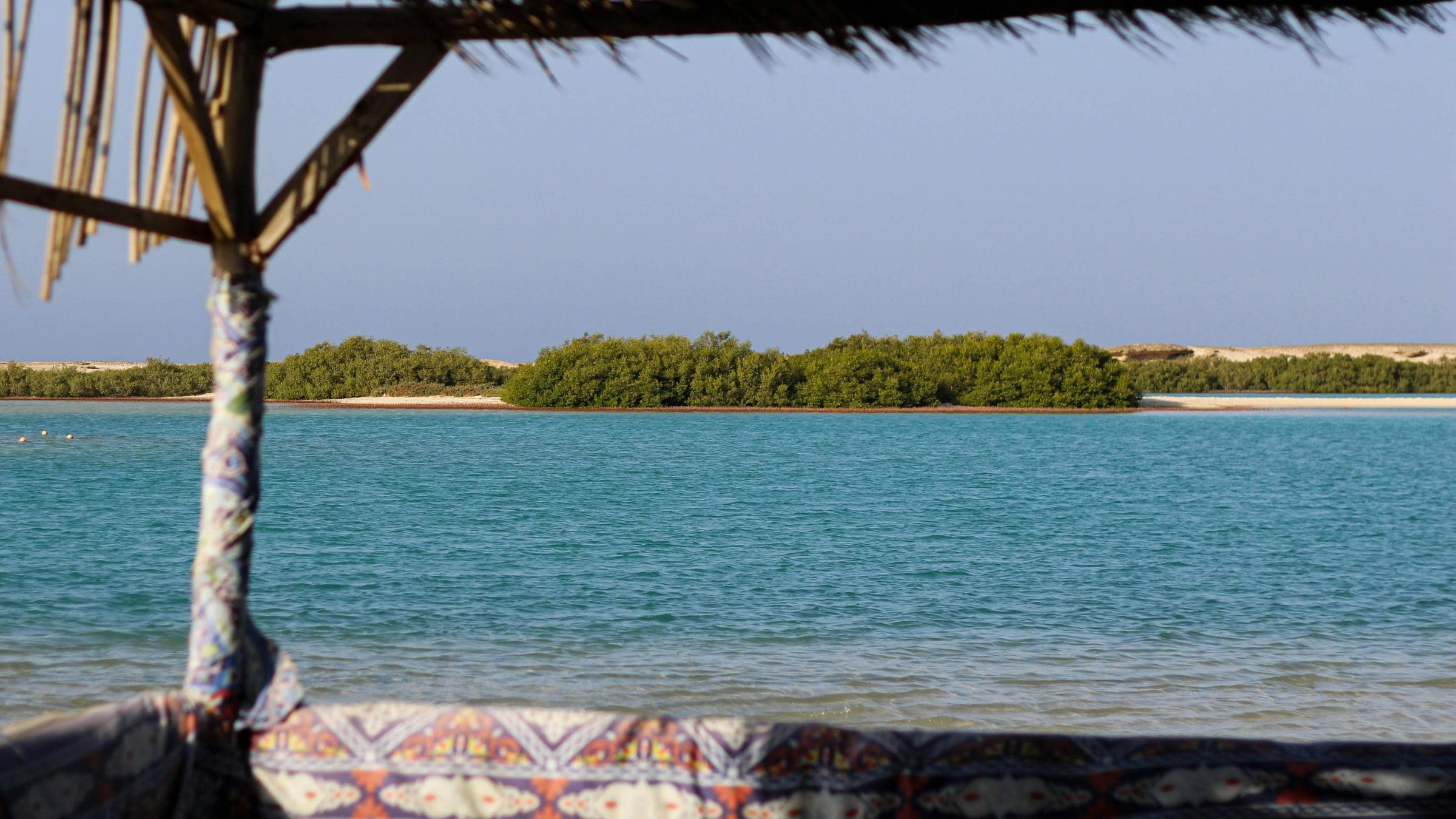
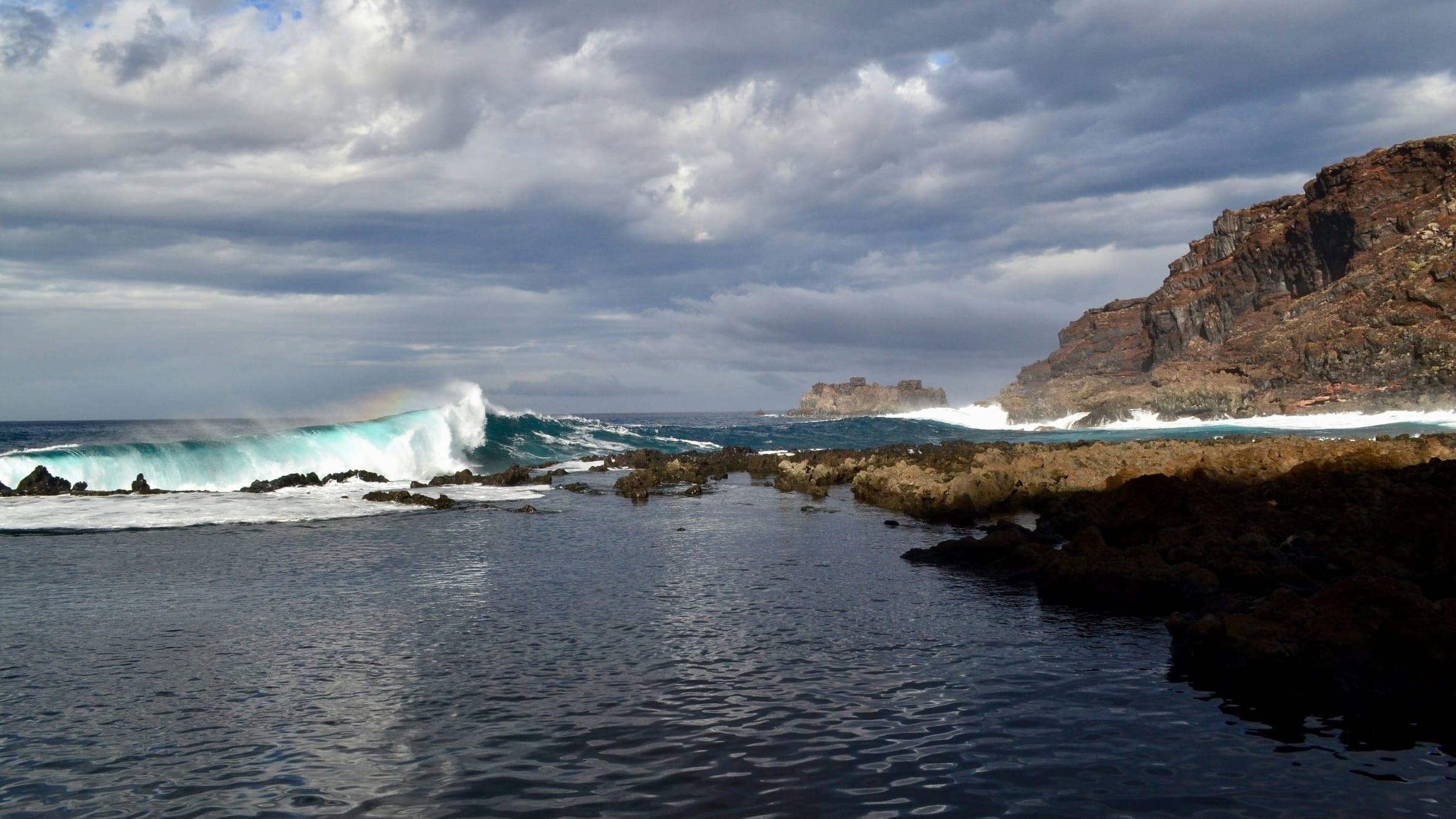
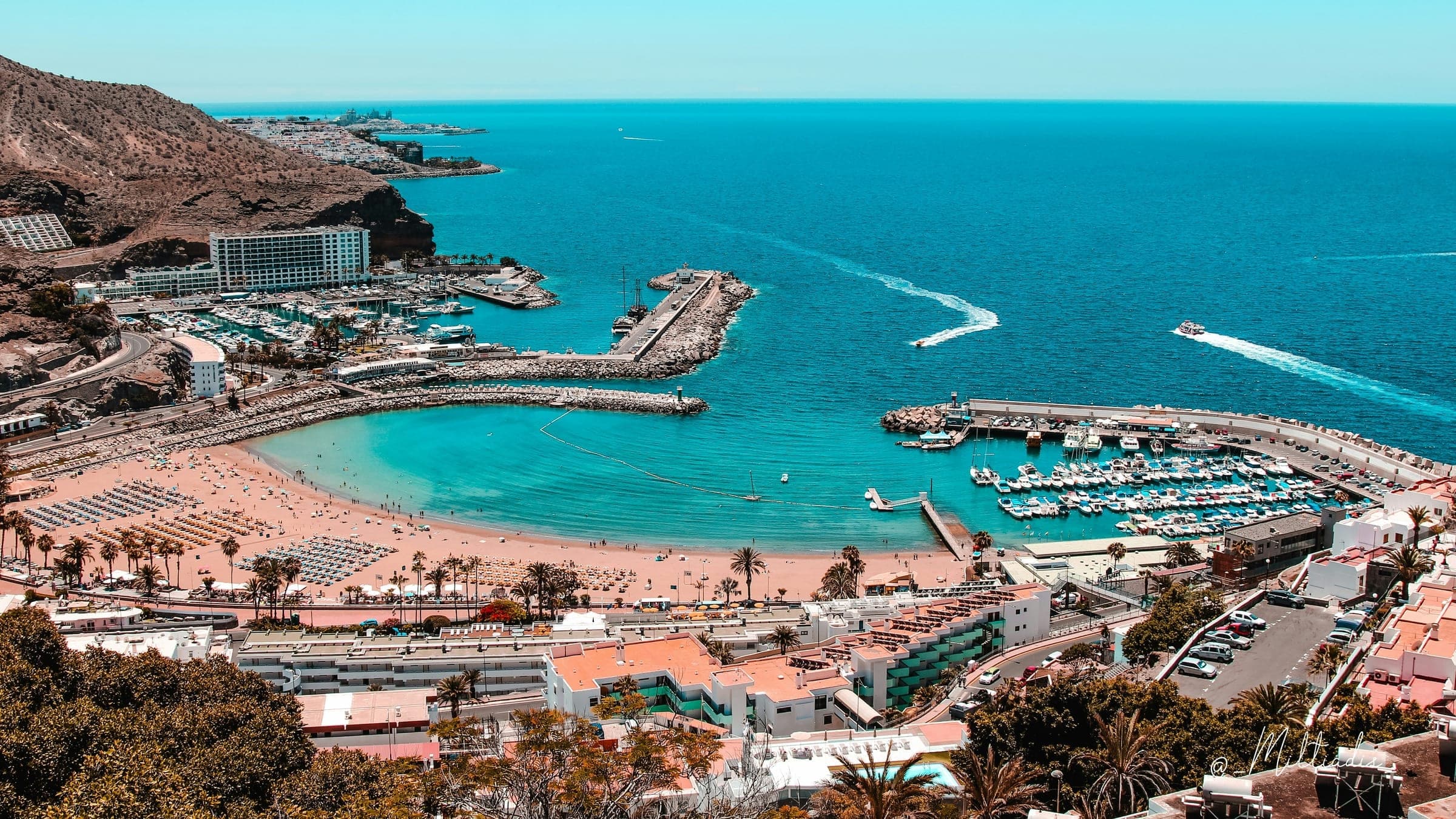
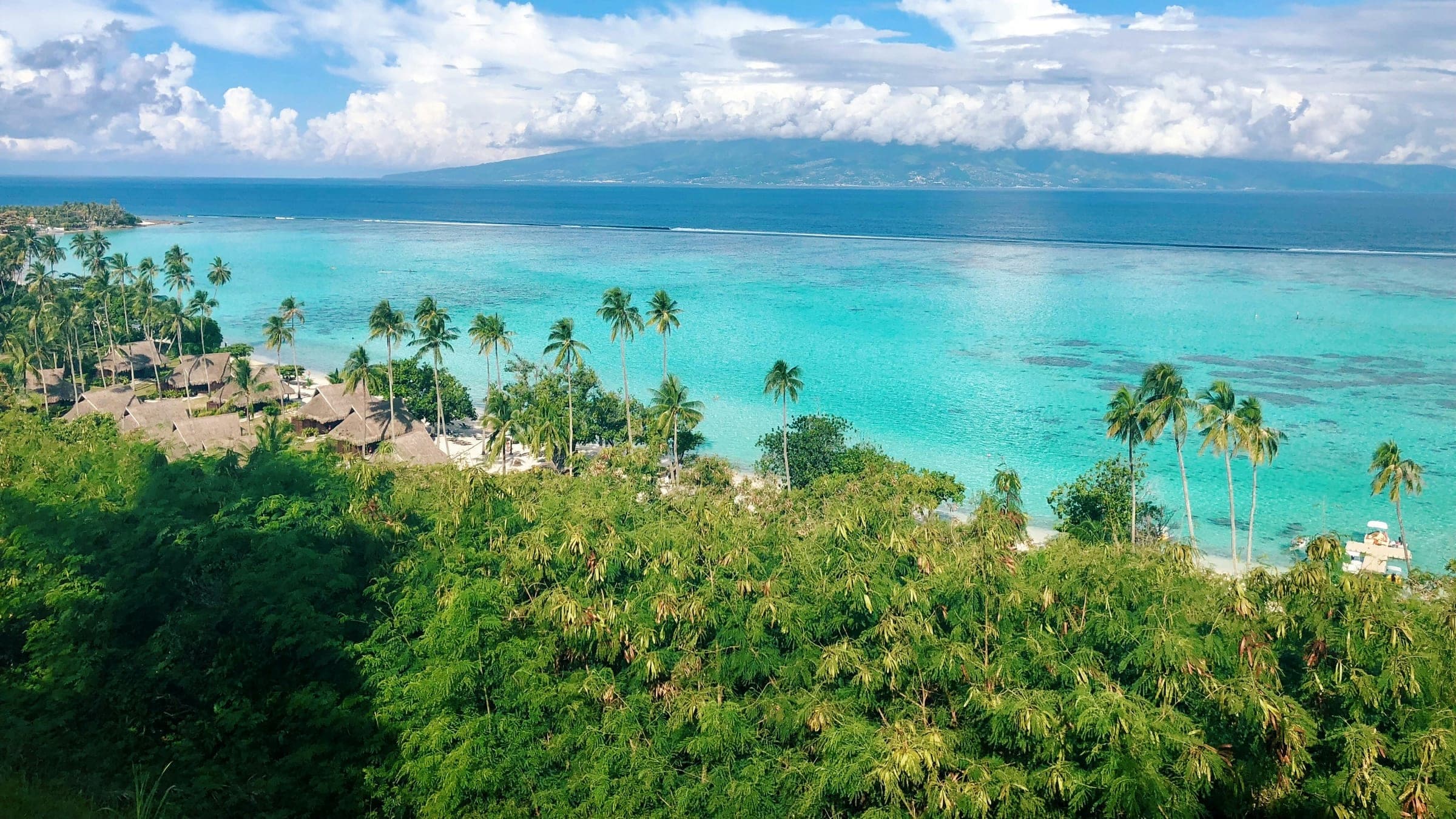
The strongest linked planning options currently surface around destinations such as Marsa Alam (Abu Dabbab and Elphinstone), El Hierro, Gran Canaria and countries such as Egypt, Spain, French Polynesia for divers building trips around sand eels.
Identification
The visual markers divers can use underwater, plus the species most likely to cause confusion.
Eel-like appearance but not true eels.
Can grow up to about 30 cm (12 in) in length.
Diet
Useful feeding context that often explains habitat, movement, and encounter style.
Sand eels are an important food source for seabirds such as puffins and kittiwakes.
Responsible Encounters
Conservation-minded guidance for divers who want the encounter without adding pressure.
Give sand eel space, avoid blocking the animal's path, and follow local site and operator rules for wildlife interactions with saltwater fishes.
Field Notes
Useful species context that makes the encounter more meaningful once you are underwater.
Sand eels are commercially important for production of fish meal.
Between 1997 and 2001 they made up about 4% of fish globally caught for fish-meal production.
Many species are found off western Europe from Spain to Scotland, and in the Mediterranean and Baltic Seas.
Top Destinations
Destinations surfaced from the linked dive spots associated with this species.
Top Countries
The strongest country-level starting points currently linked to this species.
Top Dive Spots
Directly linked dive spots where this species already shows up in the planning data.
Boat-accessed artificial reef over sand with steady reef life.
Boat coral head dive off Amami Oshima
Wallnau: a shallow Baltic shore dive with boulders.
Classic Abu Nuhas tile wreck with open holds and penetration options.
Mnemba coral garden with shallow hard corals and fish.
Easy shore dive over coral blocks between Safaga and El Quseir.
FAQ
Clear planning and conservation answers written for search visibility and AI retrieval.
Research Sources
Primary and credible references behind the field-guide and conservation claims on this page.
Related Species
Related species guides in the same encounter family.