Destination guide
Porto Santo
Quiet island base for Atlantic wrecks, volcanic reefs, and beach-first recovery days
Currently Viewing:
Overview
Quiet island base for Atlantic wrecks, volcanic reefs, and beach-first recovery days
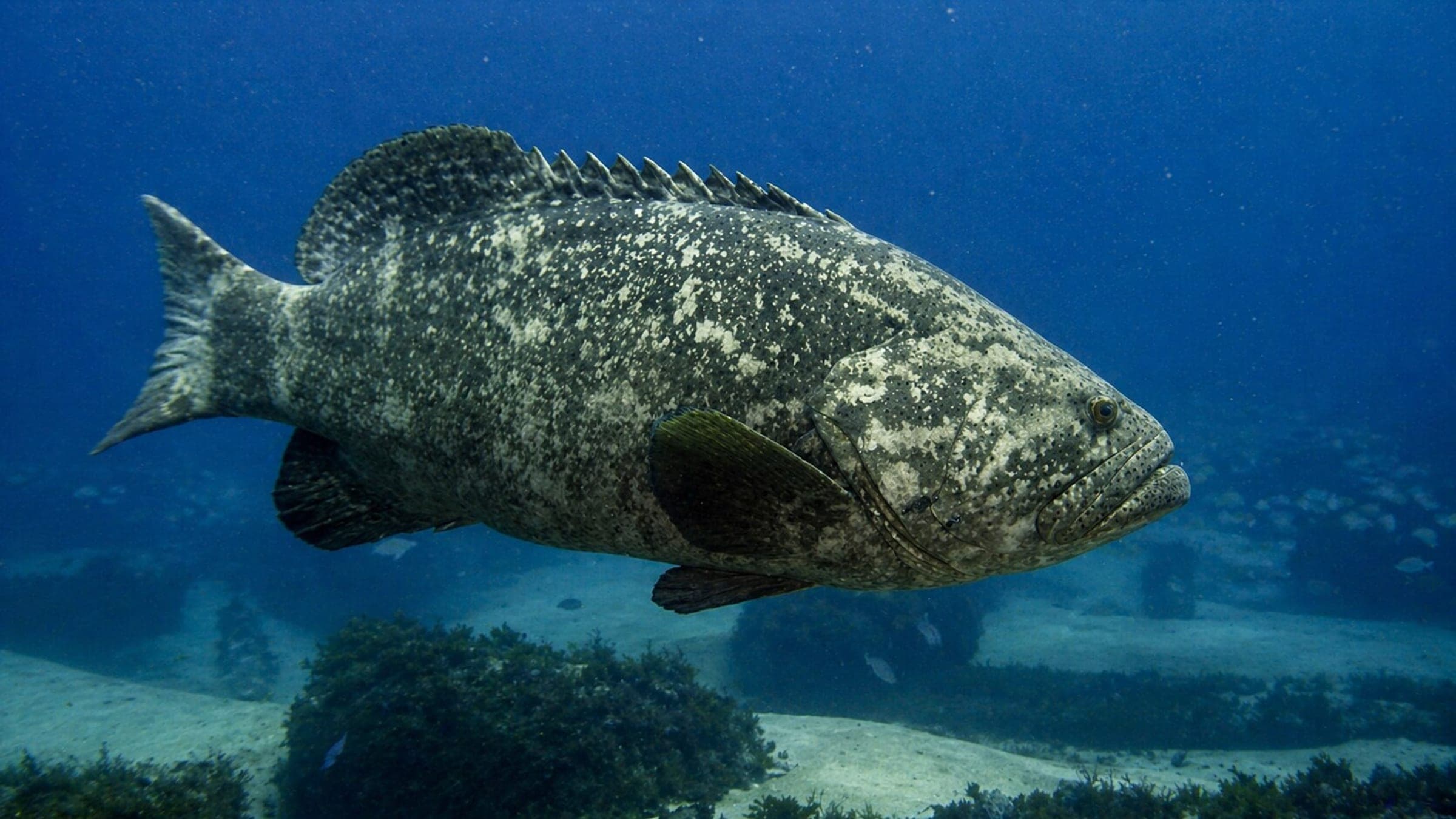
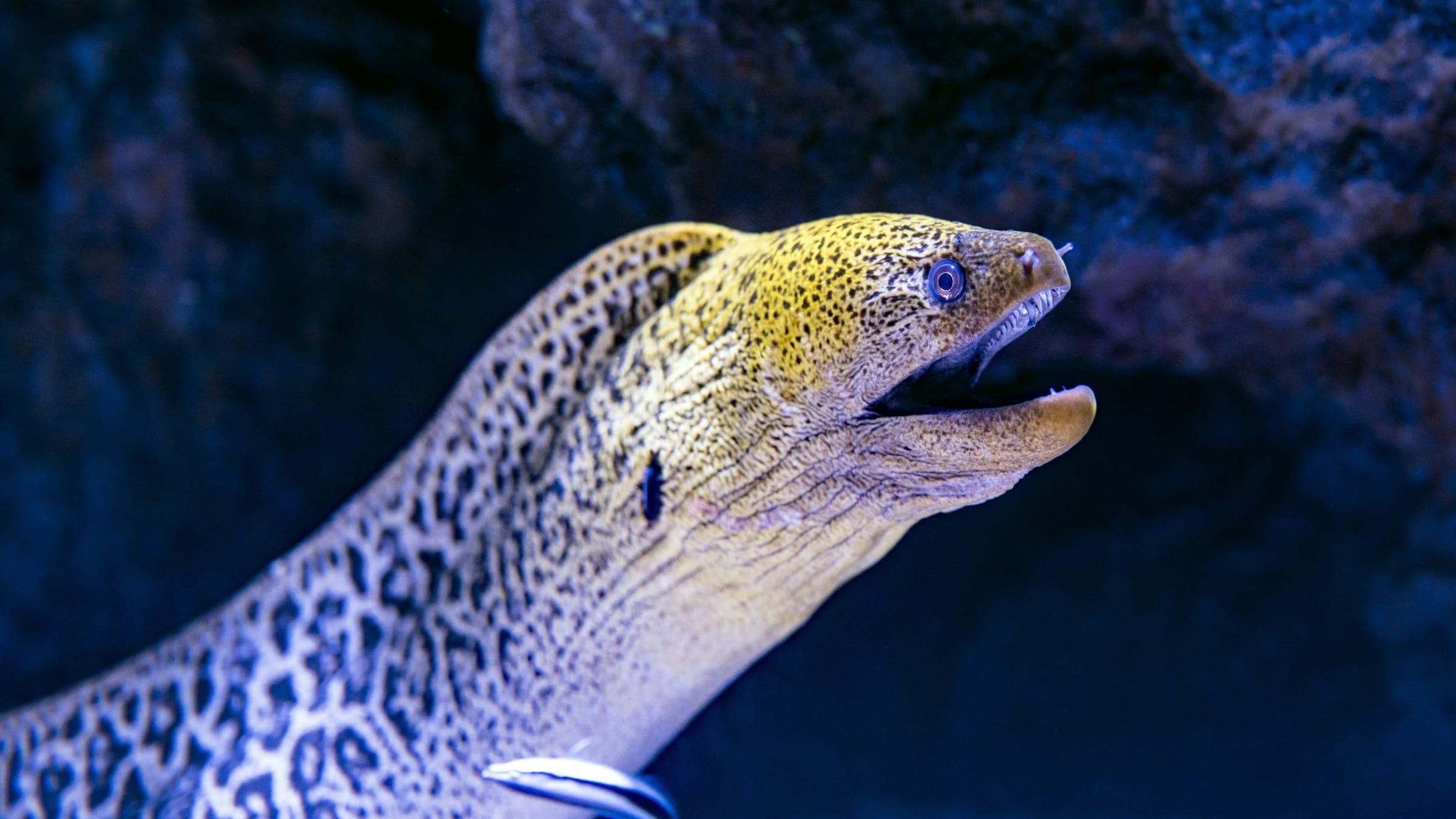
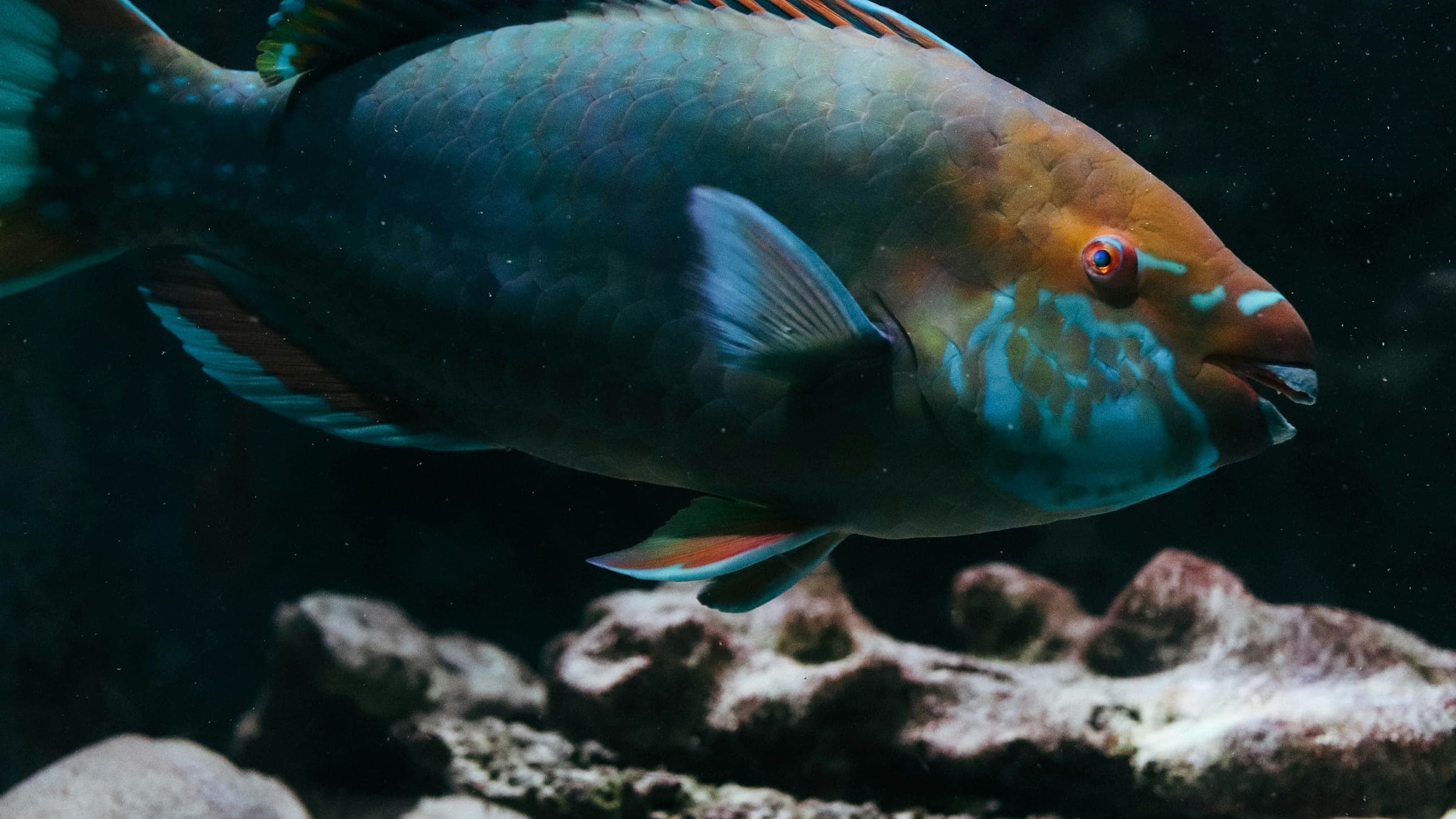
Porto Santo is Madeira's laid-back sister island: a compact volcanic outpost with a 9 km beach, clear water, and two signature wreck dives close to shore. Most underwater action sits around the port and the nearby islets, where rocky reefs, small caves, and sandy channels attract groupers, rays, and schooling fish. You can mix easy training dives and snorkeling in sheltered shallows with deeper wreck profiles on the Madeirense and Cordeca. Topside, the vibe is slow: sunrise viewpoints, short hikes to island peaks, and long beach days that feel restorative. If you want Madeira-region underwater variety without Madeira's crowds, Porto Santo delivers.
Quick orientation
- Base: Vila Baleira and the Porto Santo harbor area.
- Underwater style: volcanic reef, walls, small caves, and two headline wrecks.
- Best for: divers who want wrecks plus relaxed beach time, and mixed groups with non-divers.
Underwater highlights
Two wrecks worth planning around
- Madeirense (Wreck): deeper cargo ship profile for Advanced-style bottom time.
- Cordeca (Wreck): intentionally sunk wreck with a shallower top section for progressive training.
Reefs, walls, and a cave day
- Ilheu de Cima Cave: a compact cave with generally stable conditions.
- Baixa dos Leques and Baixa do J: classic reef platforms with good visibility.
- Baixa do Max: a wall option that can see strong currents, best for experienced teams.
- Pedra do Ginja: volcanic rock structure known for its resident dusky grouper.
What the water feels like
- Visibility is often in the 15 m to 30 m range depending on swell and site selection.
- Water temperature typically ranges from about 18°C in winter to around 23°C in late summer.
- Expect an Atlantic rhythm: calmer windows and occasional swell. Your operator will choose the side and site that matches the day.
Practical planning
Dive logistics
- Porto Santo is small and diving is concentrated. Book your boat days first, then fill shore sessions around them.
- Ask in advance if you want Nitrox, a wreck-focused plan, or a freediving course track.
Topside rhythm
- Porto Santo rewards slow travel: beach mornings, a sunset viewpoint, and an early dinner in Vila Baleira.
- If you time it right, the Columbus Festival brings history-themed shows and street life in mid-September.
Conservation context
- Porto Santo is part of a Biosphere Reserve framework and the surrounding islets include protected zones.
- The protected-islets network is often described as including the Cenouras and the islets commonly called Ilheu de Baixo (Cal) and Ilheu de Cima (Dragoeiros), among others.
- Follow local briefings, avoid touching marine life, and keep distance from wildlife, especially around the islets.
Trip callouts
- Two wreck anchors close to shore
Plan a mini wreck safari on Madeirense (Wreck) and Cordeca (Wreck), then layer in reefs and caves for variety.
- Beginner-friendly shallows for mixed groups
Training sites like High Stones and Ancoras make it easy to pair try dives with snorkeling and freedive practice.
- Protected islets and Biosphere Reserve setting
The Porto Santo islets sit inside protected-area management, including a dedicated marine protected areas network and a broader Biosphere Reserve context.
- Beach-first recovery on the Golden Island
Between dives, reset on a 9 km beach that is marketed for its therapeutic sand and calm turquoise shallows.
Activity highlights
scuba
Why Porto Santo for Scuba Diving
Porto Santo concentrates a surprising amount of diving into a small, easy-to-navigate island: two headline wrecks, volcanic reefs with strong Atlantic character, and short hops to the nearby islets. The Madeirense (Wreck) and Cordeca (Wreck) give you a clear wreck progression, while reefs and caves keep the week from feeling repetitive. Many sites deliver clear water and fishy structure at mid-range depths, while a few walls and pinnacles add current and challenge for experienced divers. A single base near the harbor keeps logistics simple, and you can alternate boat dives with sheltered shore sessions depending on the day's swell.
freedive
Why Porto Santo for Freediving
Porto Santo's sheltered harbor-front shallows and clear water make it a practical place to learn freediving fundamentals and build comfort in open water. Local operators run structured freediving training, from pool and confined-water introductions up to depth certification tracks, and you can add relaxed reef swims on calm days. For serious depth sessions, coordinate buoy and boat support in advance and prioritize low-wind mornings.
snorkel
Why Porto Santo for Snorkeling
Porto Santo is easy to snorkel because you can start with calm, sandy shallows and then graduate to rocky structure near the harbor without long drives. The best sessions are on low-wind mornings when the surface is glassy and visibility opens up. Families can stay close to shore at training reefs like High Stones, while confident snorkelers can join boat trips to the islets for clearer water and more dramatic rock formations.
topside
What to do when you're not in the water
Porto Santo is built for decompression between dives: a long sandy beach, compact roads, and a handful of viewpoints and short hikes that fit neatly into surface intervals. Most highlights are close to Vila Baleira, so you can keep the schedule flexible and follow the wind. In September, the Columbus Festival adds a lively historical reenactment feel to the island.
About these guides
DiveJourney destination guides are living documents built from local knowledge, operator experience, and publicly available sources. Conditions, regulations, and logistics can change. Each guide shows its last update date and sources used.
Last updated: December 13, 2025 • 24 sources
If you see something inaccurate or outdated, you can submit an update. This is how the platform improves.