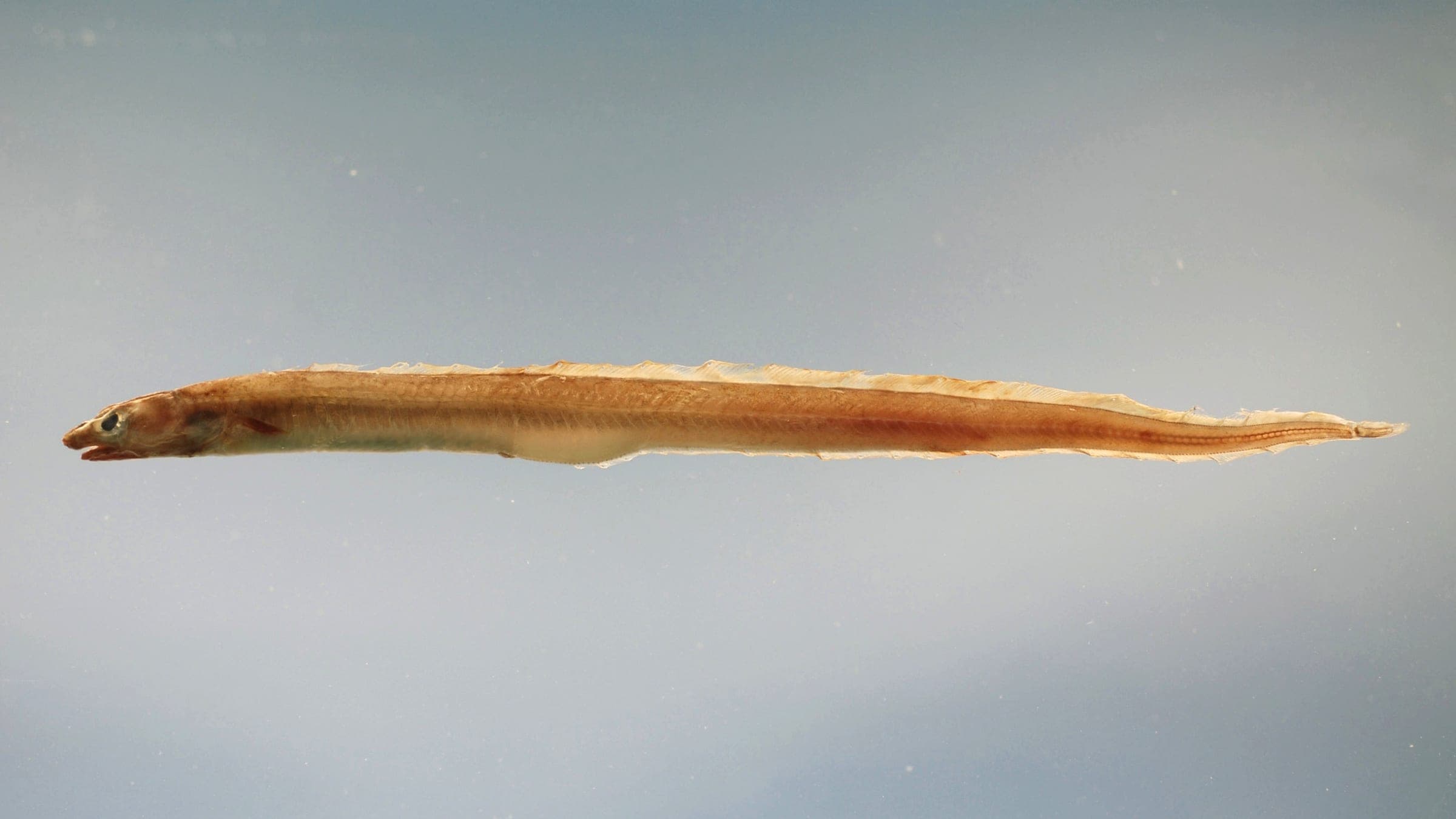
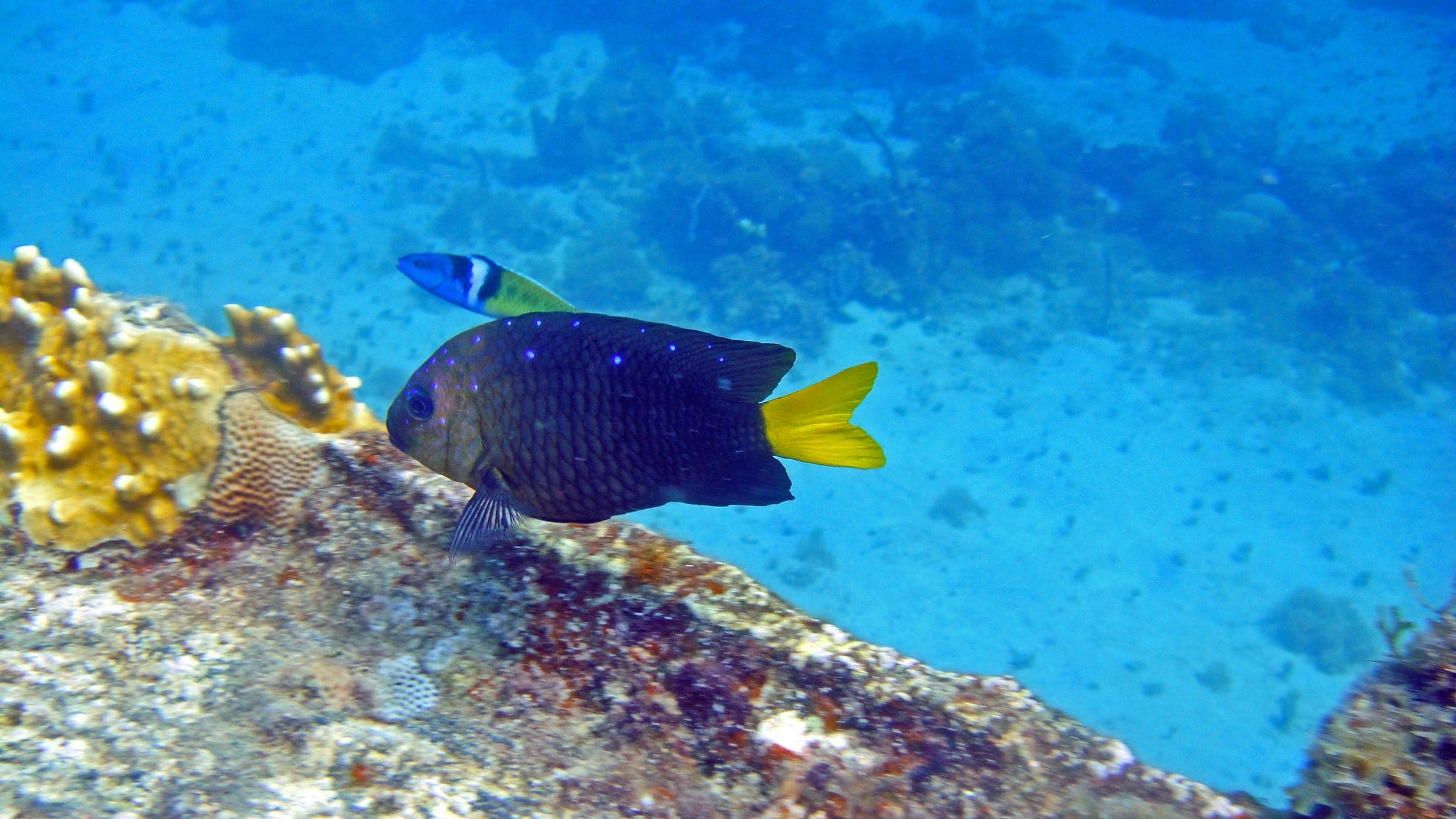
Size range
Most species are under 20 cm (7.9 in); the humphead wrasse can reach about 2.5 m (8.2 ft).
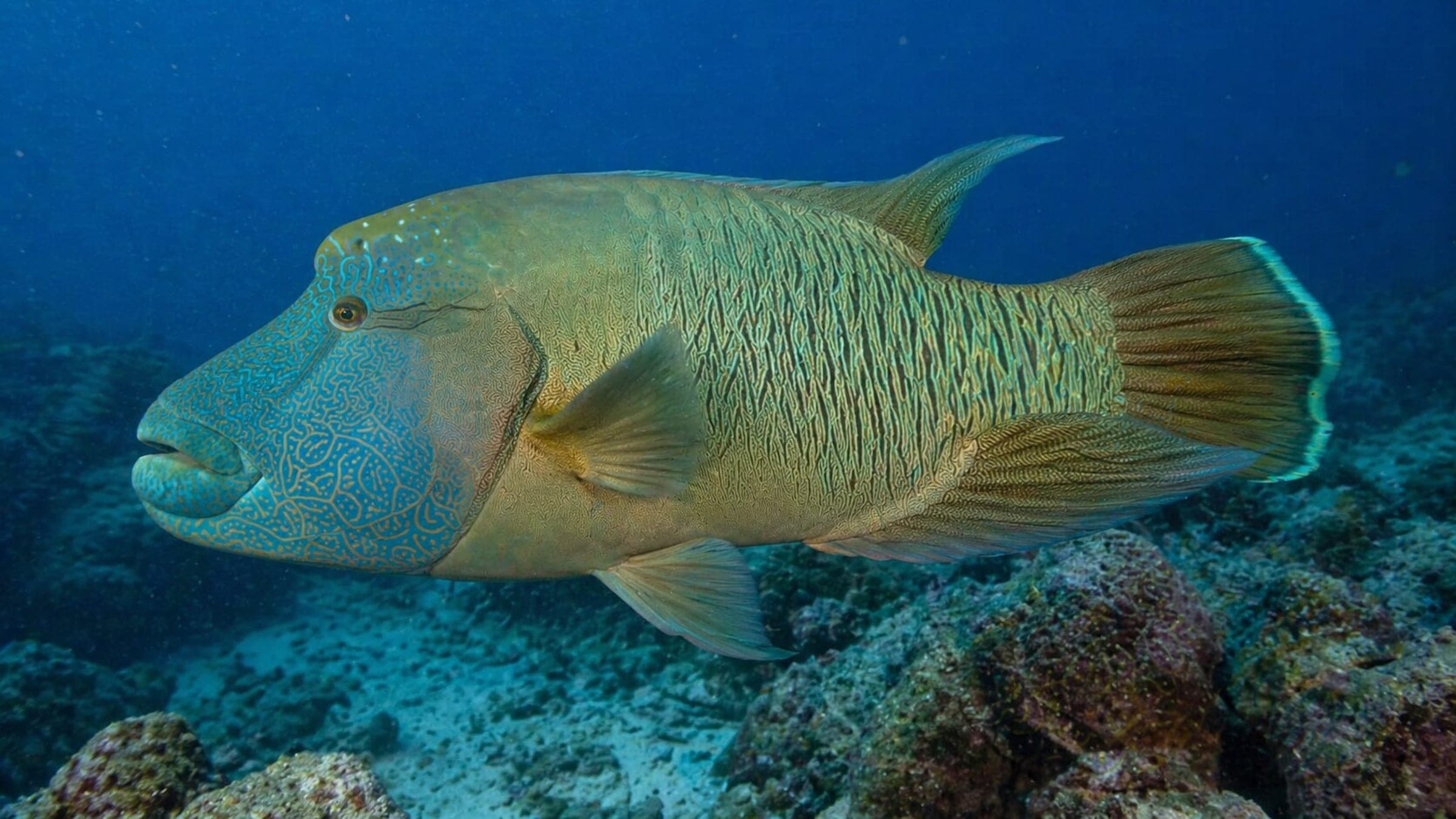
Wrasses are a diverse family of typically small, often brightly colored marine ray-finned fish found in many genera and subfamilies.
Last Updated Mar 9, 2026 · 2 sources
Species Guide
A clean field guide focused on habitat, identification, behavior, and conservation context without burying the useful parts.
Wrasses (family Labridae) are a large, diverse group of marine ray-finned fish, with over 600 species in 81 genera divided into eight subfamilies. Many species are brightly colored. Most wrasses are typically small (most less than 20 cm / 7.9 in), though the largest, the humphead wrasse, can reach about 2.5 m (8.2 ft). Wrasses are efficient carnivores feeding on a wide range of small invertebrates. Some smaller wrasses follow feeding trails of larger fish, picking up invertebrates disturbed by their passing. Juveniles of several genera (including Bodianus, Epibulus, Cirrhilabrus, Oxycheilinus, and Paracheilinus) may hide among the tentacles of free-living mushroom corals such as Heliofungia actiniformis.
Many smaller wrasses follow the feeding trails of larger fish, picking up invertebrates disturbed by their passing.
Efficient carnivores that feed on a wide range of small invertebrates.
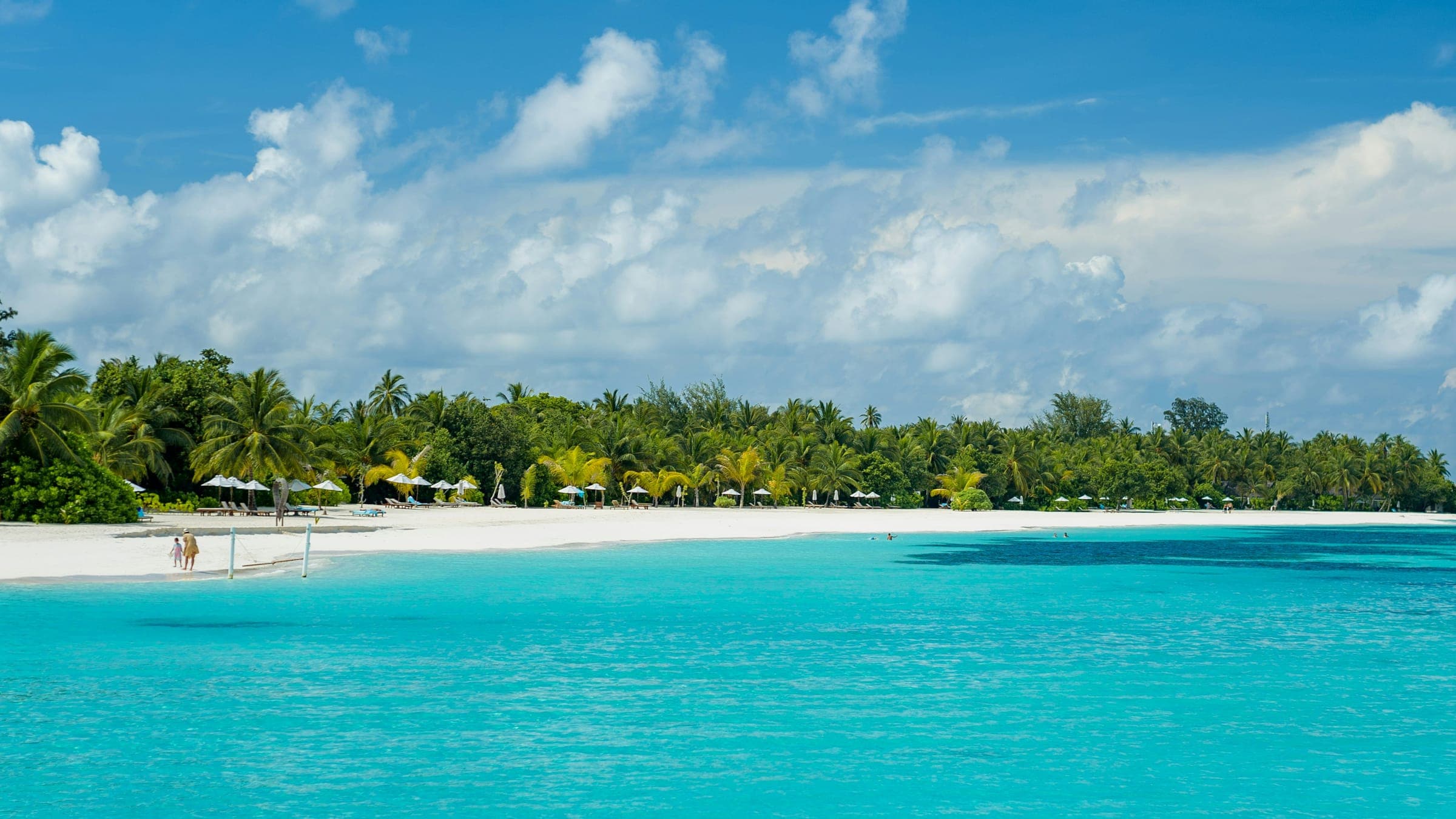
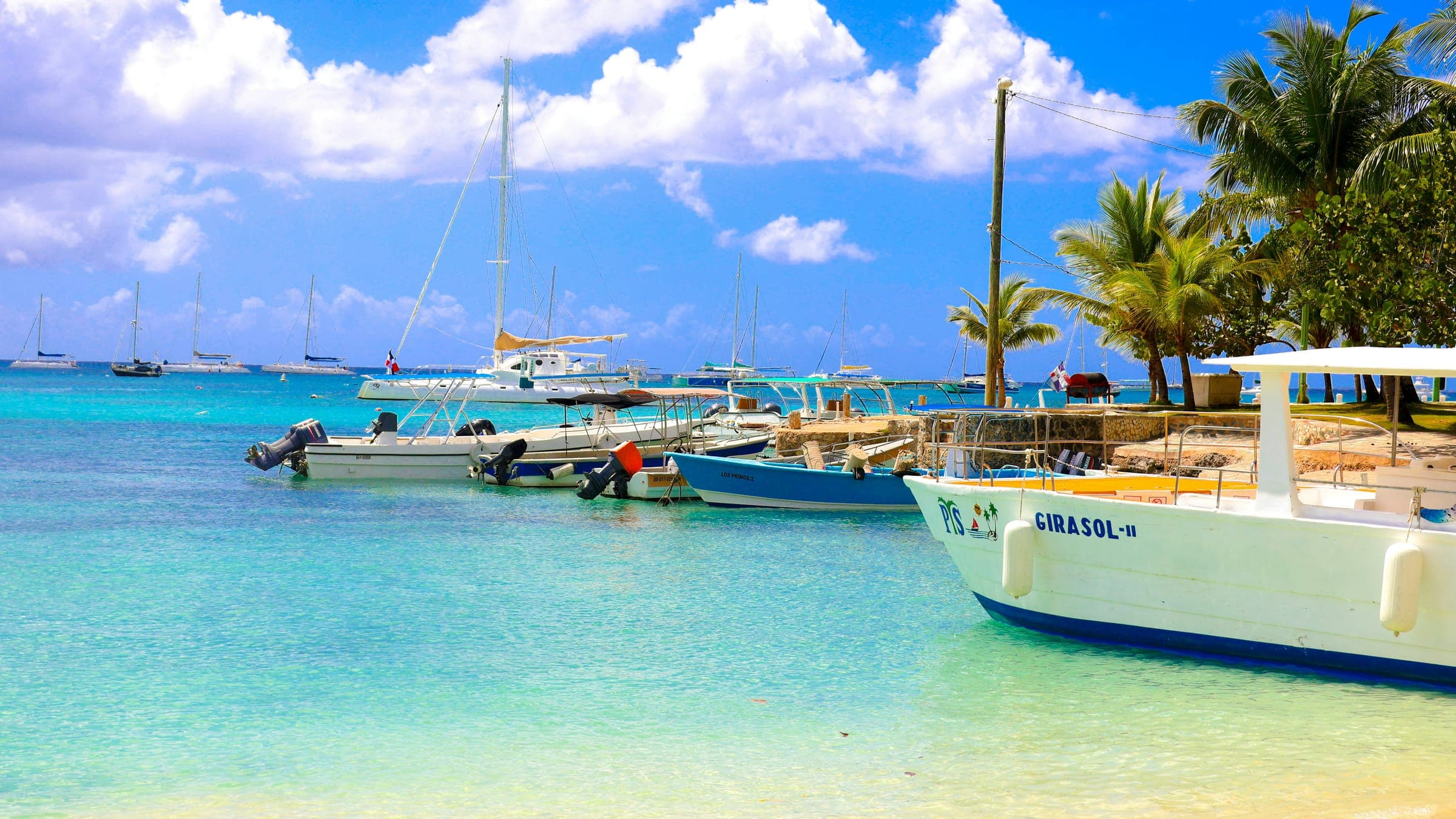
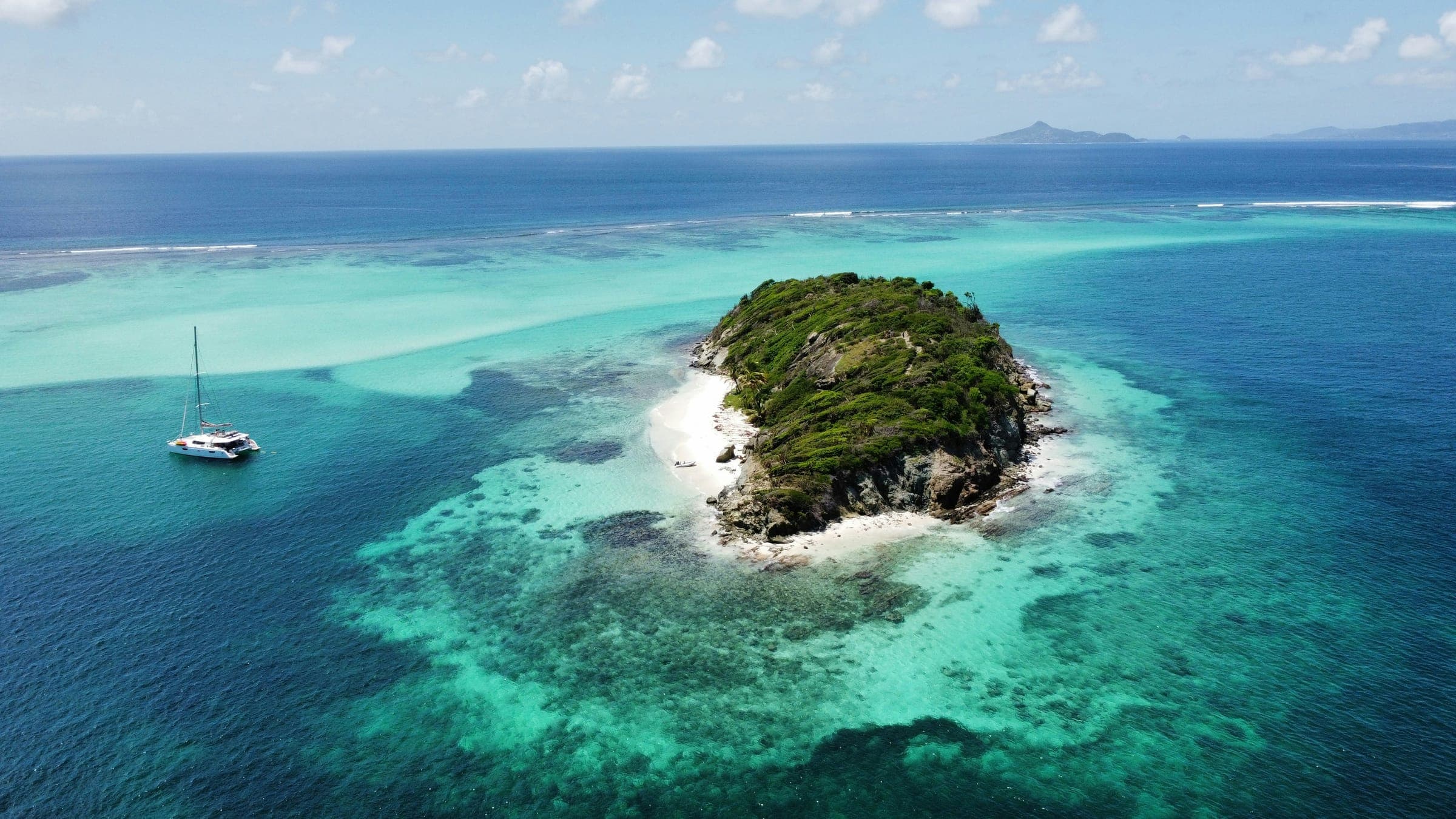
The strongest linked planning options currently surface around destinations such as Ari Atoll, Bayahibe and Dominicus, Bequia and countries such as Spain, French Polynesia, Maldives for divers building trips around wrasses.
Identification
The visual markers divers can use underwater, plus the species most likely to cause confusion.
Most species are under 20 cm (7.9 in); the humphead wrasse can reach about 2.5 m (8.2 ft).
Many wrasses are brightly colored.
Over 600 species across 81 genera and eight subfamilies.
Range and Movement
The broad range, seasonal movement, or migratory behavior that shapes where divers encounter this species.
Many smaller wrasses follow the feeding trails of larger fish, picking up invertebrates disturbed by their passing.
Diet
Useful feeding context that often explains habitat, movement, and encounter style.
Efficient carnivores that feed on a wide range of small invertebrates.
Responsible Encounters
Conservation-minded guidance for divers who want the encounter without adding pressure.
Give wrasse space, avoid blocking the animal's path, and follow local site and operator rules for wildlife interactions with saltwater fishes.
Field Notes
Useful species context that makes the encounter more meaningful once you are underwater.
Juveniles of some genera hide among the tentacles of free-living mushroom corals such as Heliofungia actiniformis.
The family Labridae includes over 600 species in 81 genera.
The humphead wrasse is the largest, able to measure up to about 2.5 m (8.2 ft).
Top Destinations
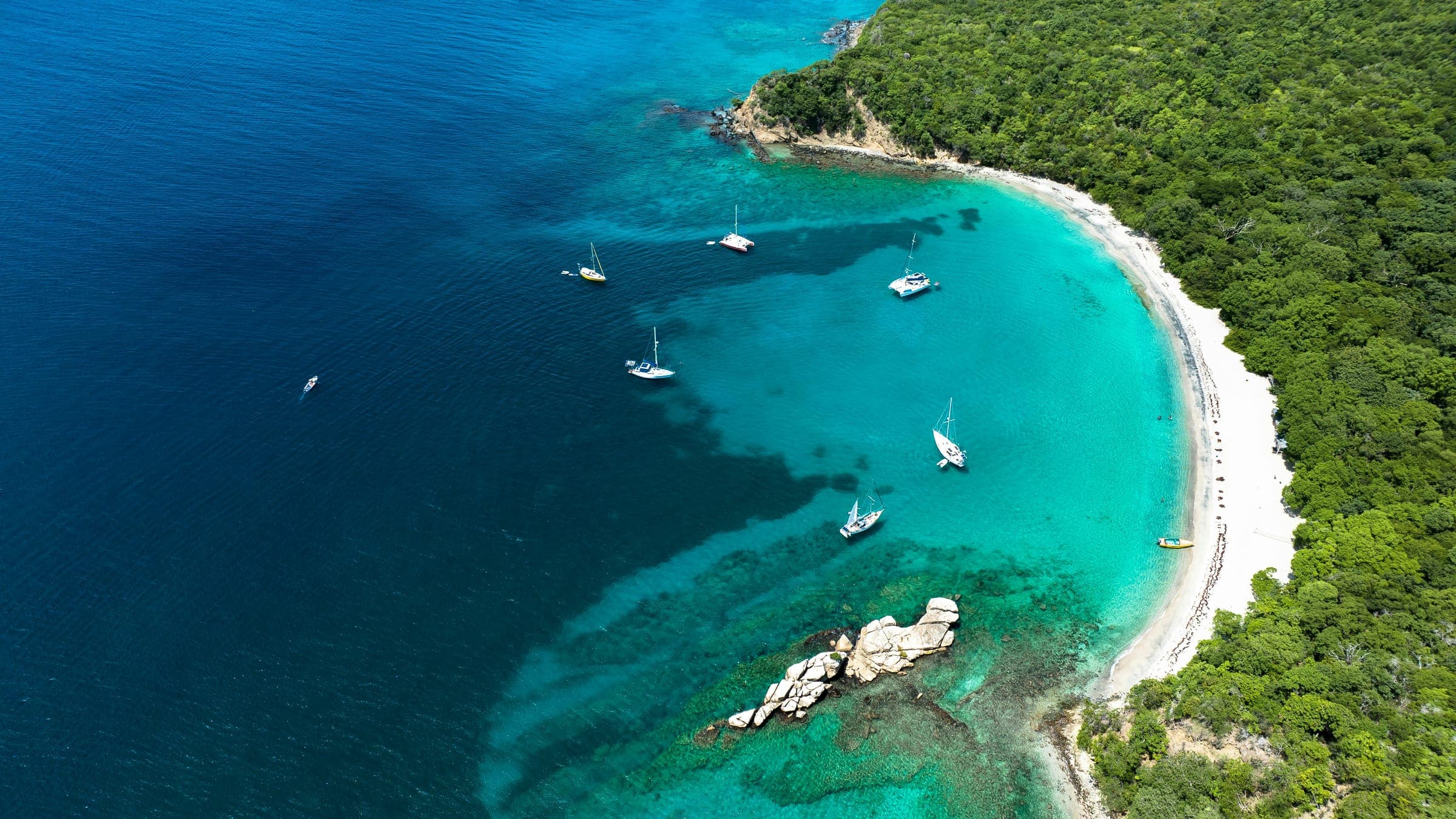
Destinations surfaced from the linked dive spots associated with this species.
Top Countries
The strongest country-level starting points currently linked to this species.
Top Dive Spots
Directly linked dive spots where this species already shows up in the planning data.
Miyaru Kandu is a protected shark channel with a strong drift.
Sheltered beginner bay with calm water and easy boat access.
Boat-access reef wall with coral gardens
Barracuda Point/Batfish Bend is a classic Similan drift reef.
Wreck dive with a shallow bow and much deeper stern.
Shallow shore reef off Agios Prokopios beach.
Diver Sightings
Approved diver reports where wrasses were recently tagged.
FAQ
Clear planning and conservation answers written for search visibility and AI retrieval.
Research Sources
Primary and credible references behind the field-guide and conservation claims on this page.
Related Species
Related species guides in the same encounter family.