Body shape
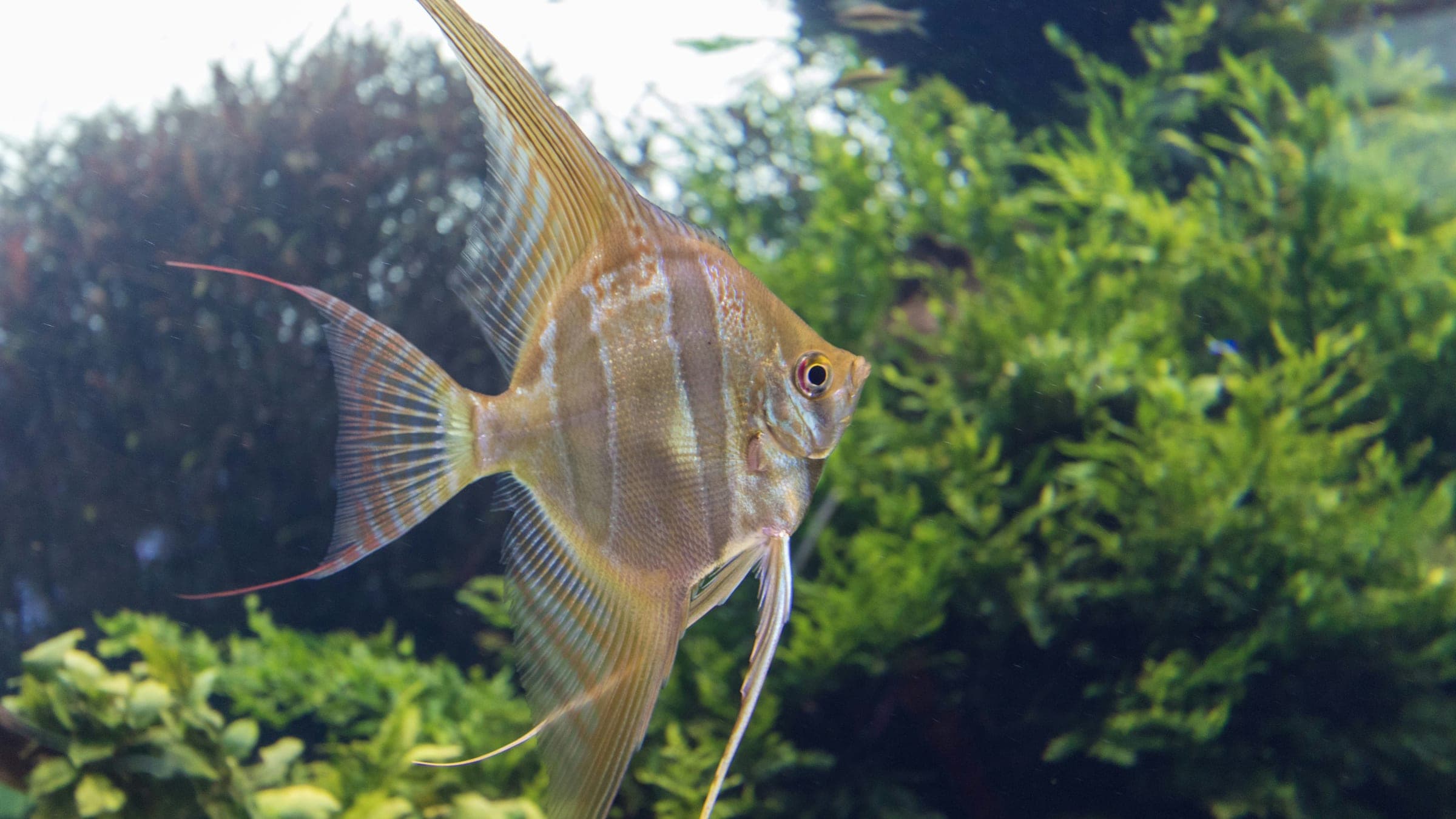
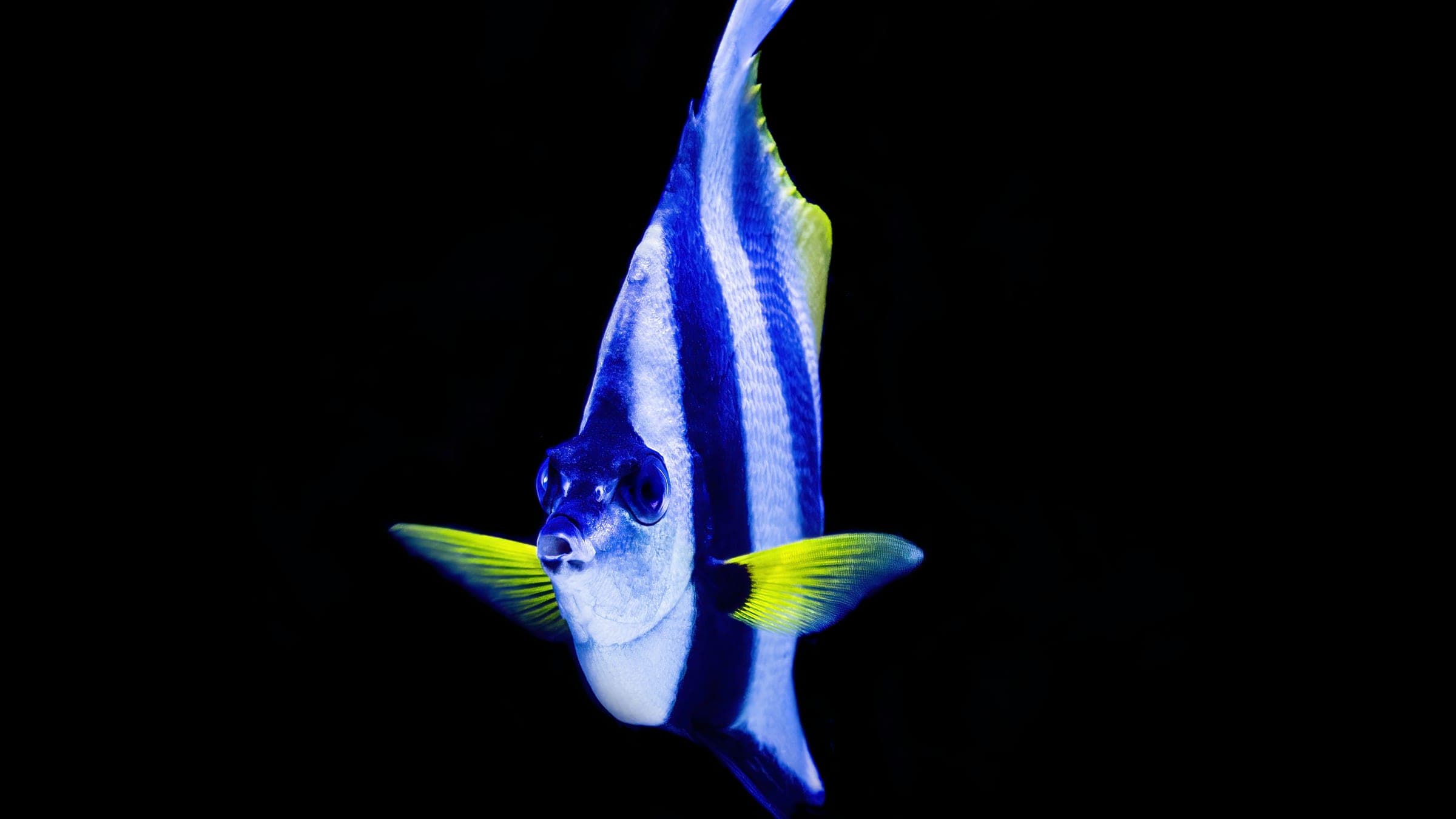
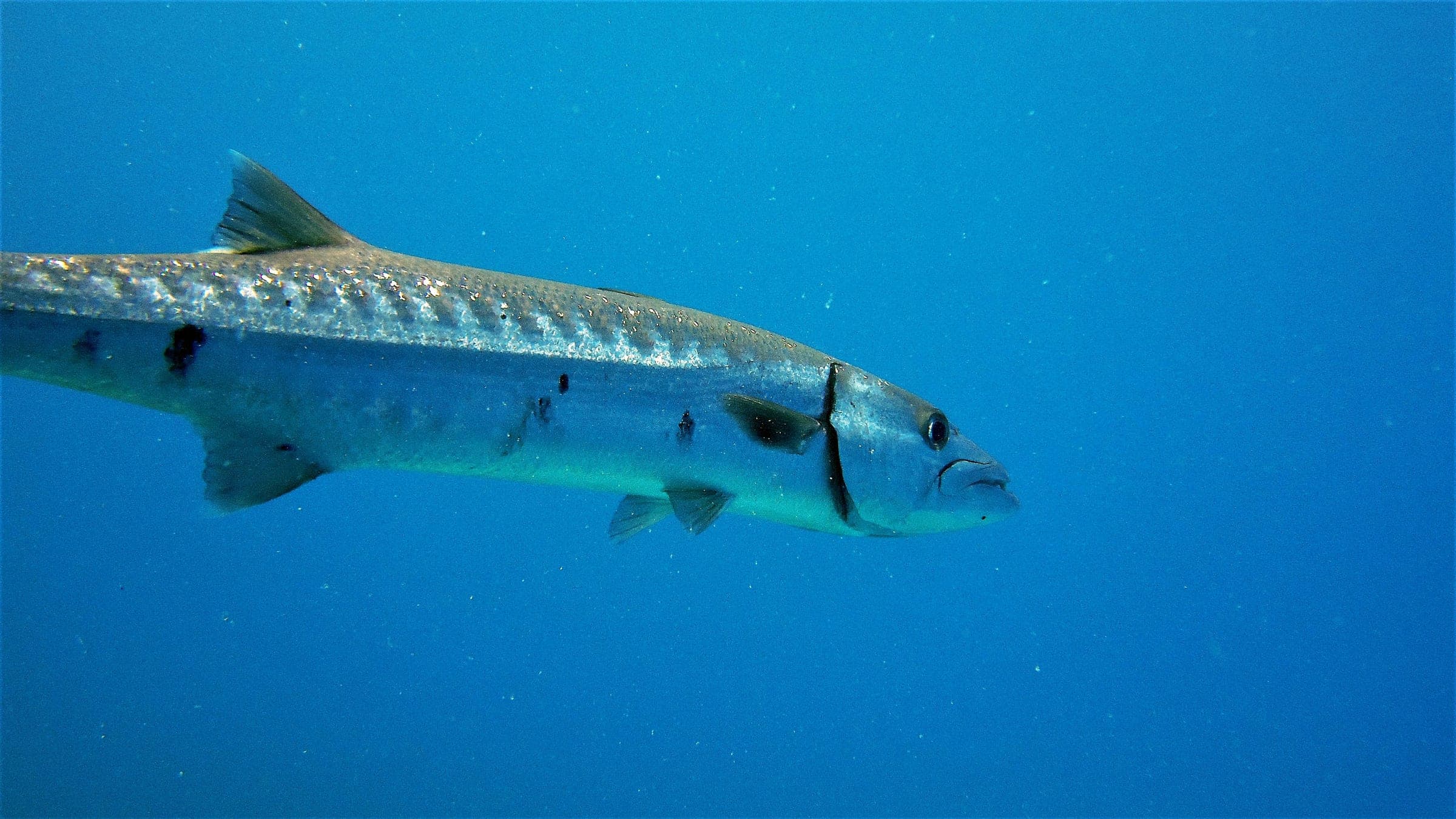
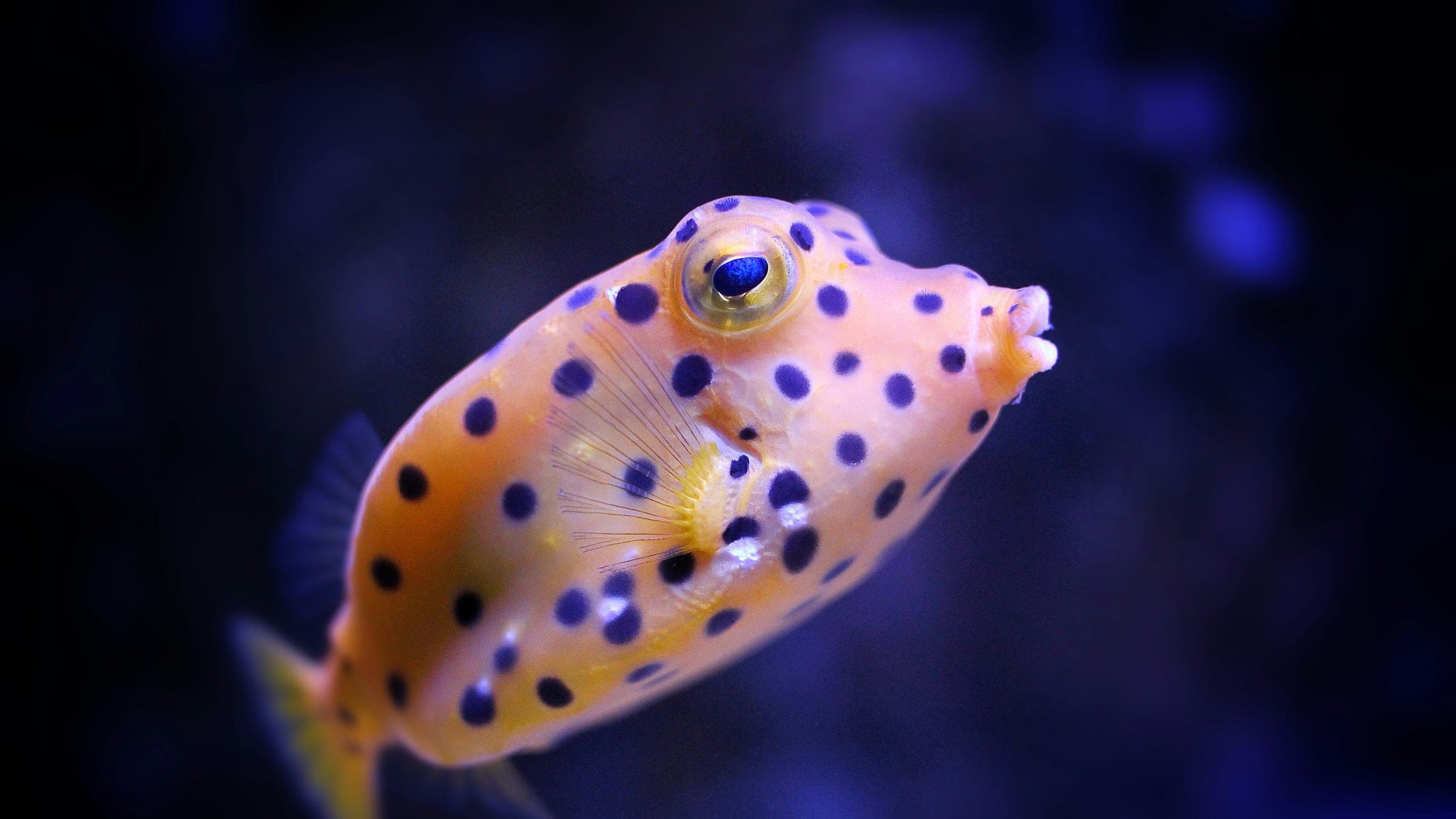
Sleek, streamlined body adapted for fast, sustained swimming in open water.
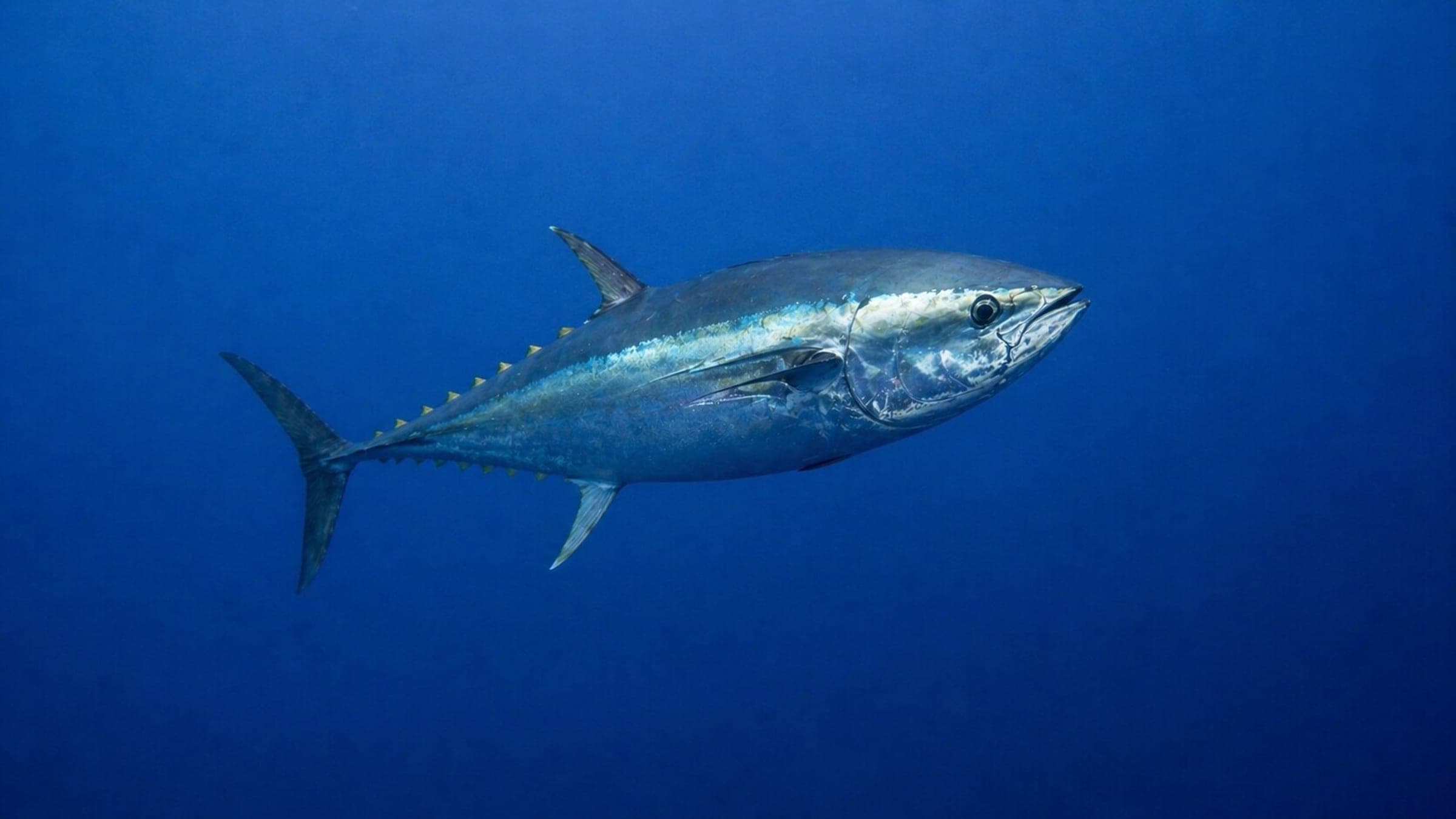
Tuna are streamlined, fast-swimming pelagic fish in the Thunnini tribe found in warm seas and widely fished for food and sport.
Last Updated Mar 9, 2026 · 2 sources
Species Guide
A clean field guide focused on habitat, identification, behavior, and conservation context without burying the useful parts.
Tuna belong to the tribe Thunnini within the mackerel family Scombridae and comprise 15 species across five genera. Sizes vary greatly, from bullet tuna (about 50 cm and 1.8 kg) to Atlantic bluefin tuna (up to 4.6 m and 684 kg; averages around 2 m and may live up to 50 years). Tuna are active, agile predators with sleek, streamlined bodies and are among the fastest-swimming pelagic fishes; yellowfin tuna can reach speeds up to 75 km/h (47 mph). Tuna, opah, and certain mackerel sharks are among the few fishes capable of maintaining a body temperature higher than the surrounding water. Found in warm seas, tuna are extensively commercially fished for food and are popular as bluewater game fish. Overfishing has put some tuna species, such as southern bluefin tuna, at risk of extinction.
Some tuna species have been driven toward extinction risk due to extensive commercial fishing and overfishing.
Pelagic, active and agile predator; among the fastest-swimming open-ocean fishes, capable of short bursts at high speed.
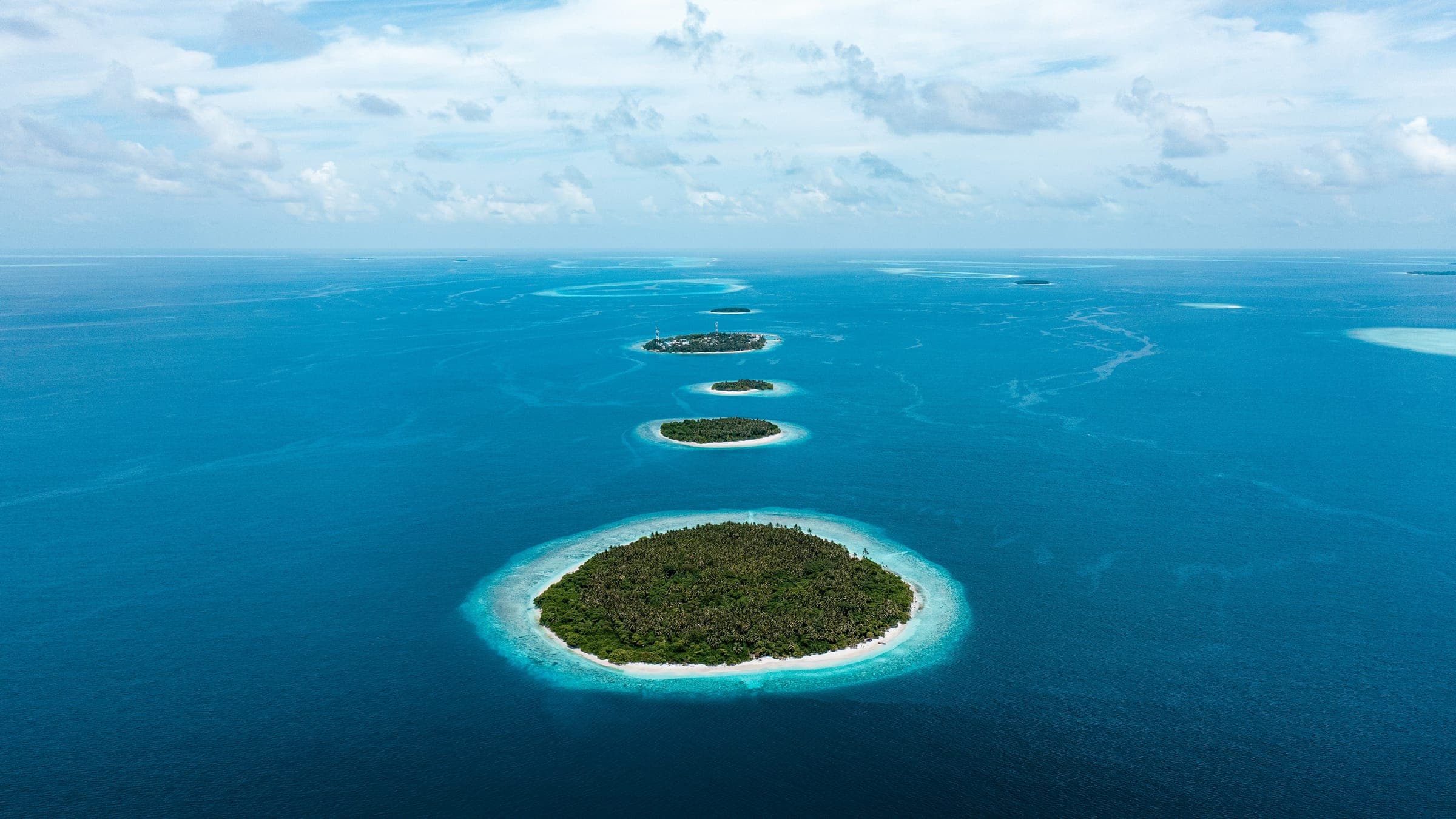
The strongest linked planning options currently surface around destinations such as Ari Atoll, Ibiza and Formentera, North Male Atoll and countries such as Maldives, Spain, Egypt for divers building trips around tunas.
Identification
The visual markers divers can use underwater, plus the species most likely to cause confusion.
Sleek, streamlined body adapted for fast, sustained swimming in open water.
Species vary greatly in size, from around 50 cm and 1.8 kg up to several meters and hundreds of kilograms.
Found in warm seas, occupying pelagic, bluewater environments.
Able to maintain a body temperature higher than the surrounding water (shared with opah and some mackerel sharks).
Range and Movement
The broad range, seasonal movement, or migratory behavior that shapes where divers encounter this species.
Pelagic, active and agile predator; among the fastest-swimming open-ocean fishes, capable of short bursts at high speed.
Diet
Useful feeding context that often explains habitat, movement, and encounter style.
Active predator (specific prey items not detailed in source).
Conservation
Status, pressure, and protection context grounded in cited sources rather than filler.
Some tuna species have been driven toward extinction risk due to extensive commercial fishing and overfishing.
Extensive commercial fishing for food and sport has caused declines in some tuna species, leading to threat status for species such as southern bluefin tuna.
Responsible Encounters
Conservation-minded guidance for divers who want the encounter without adding pressure.
Give tuna space, avoid blocking the animal's path, and follow local site and operator rules for wildlife interactions with saltwater fishes.
Field Notes
Useful species context that makes the encounter more meaningful once you are underwater.
Tuna are among the few fish that can keep their body temperature above the surrounding water temperature.
Yellowfin tuna can reach speeds up to about 75 km/h (47 mph).
Species range from the small bullet tuna to the very large Atlantic bluefin tuna, which can exceed 4 m and hundreds of kilograms.
Atlantic bluefin tuna are believed to live up to around 50 years.
Tuna are extensively commercially fished for food and are popular as bluewater game fish.
Top Destinations
Destinations surfaced from the linked dive spots associated with this species.
Top Countries
The strongest country-level starting points currently linked to this species.
Top Dive Spots
Directly linked dive spots where this species already shows up in the planning data.
Boat-access Red Sea pinnacle with sharks, turtles, and varied reef structure.
Protected Baa reef known for sharks and seasonal manta action.
Shore-entry spirograph meadow in Archi
Deep Djerba wreck with compact fish-rich profile
Baarah Caves is a boat-run wall dive with caves and sharks.
Boat-only channel thila in North Ari with sharks and current.
Diver Sightings
Approved diver reports where tunas were recently tagged.
FAQ
Clear planning and conservation answers written for search visibility and AI retrieval.
Research Sources
Primary and credible references behind the field-guide and conservation claims on this page.
Related Species
Related species guides in the same encounter family.