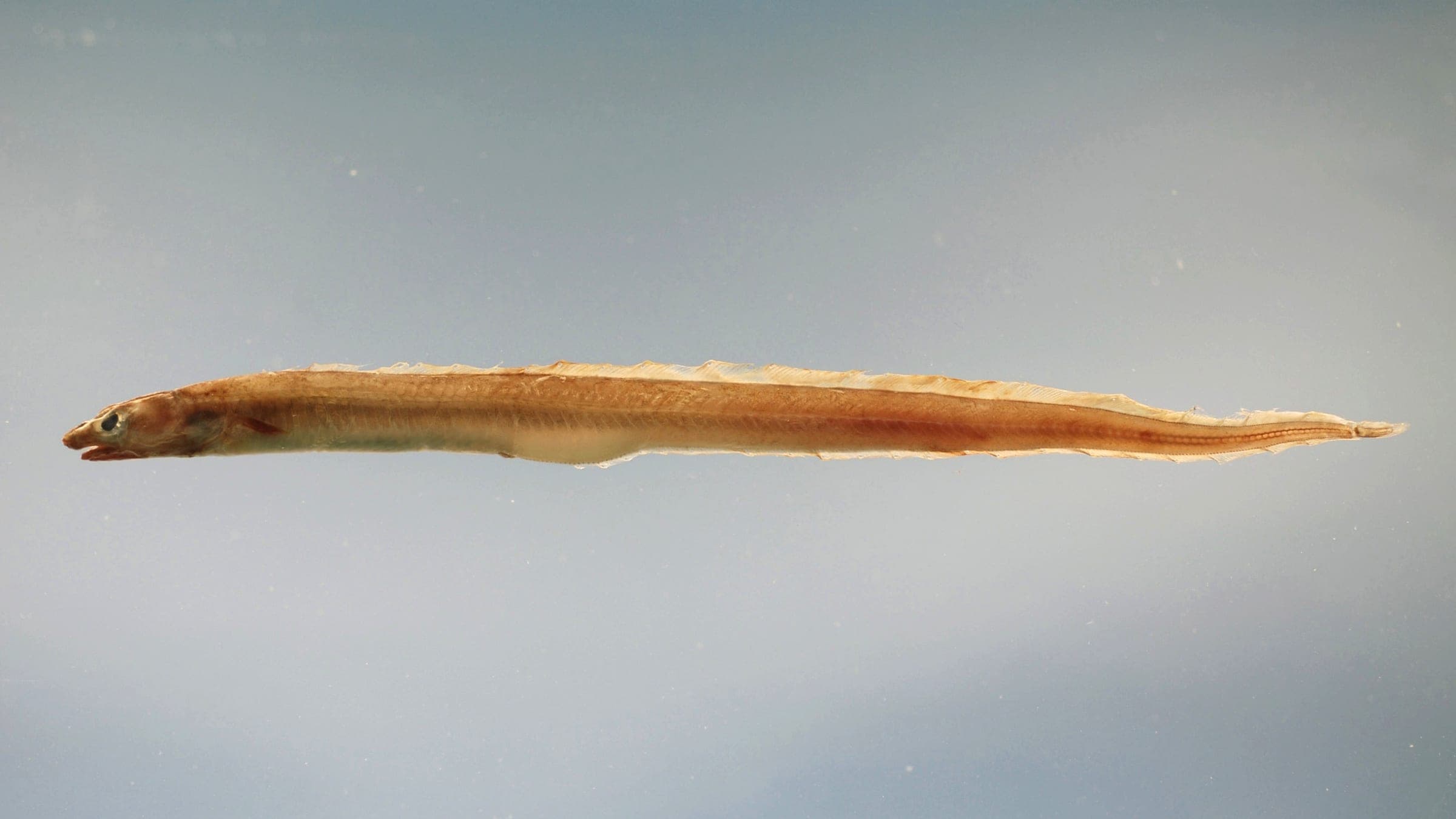
Body shape
Flattened body.
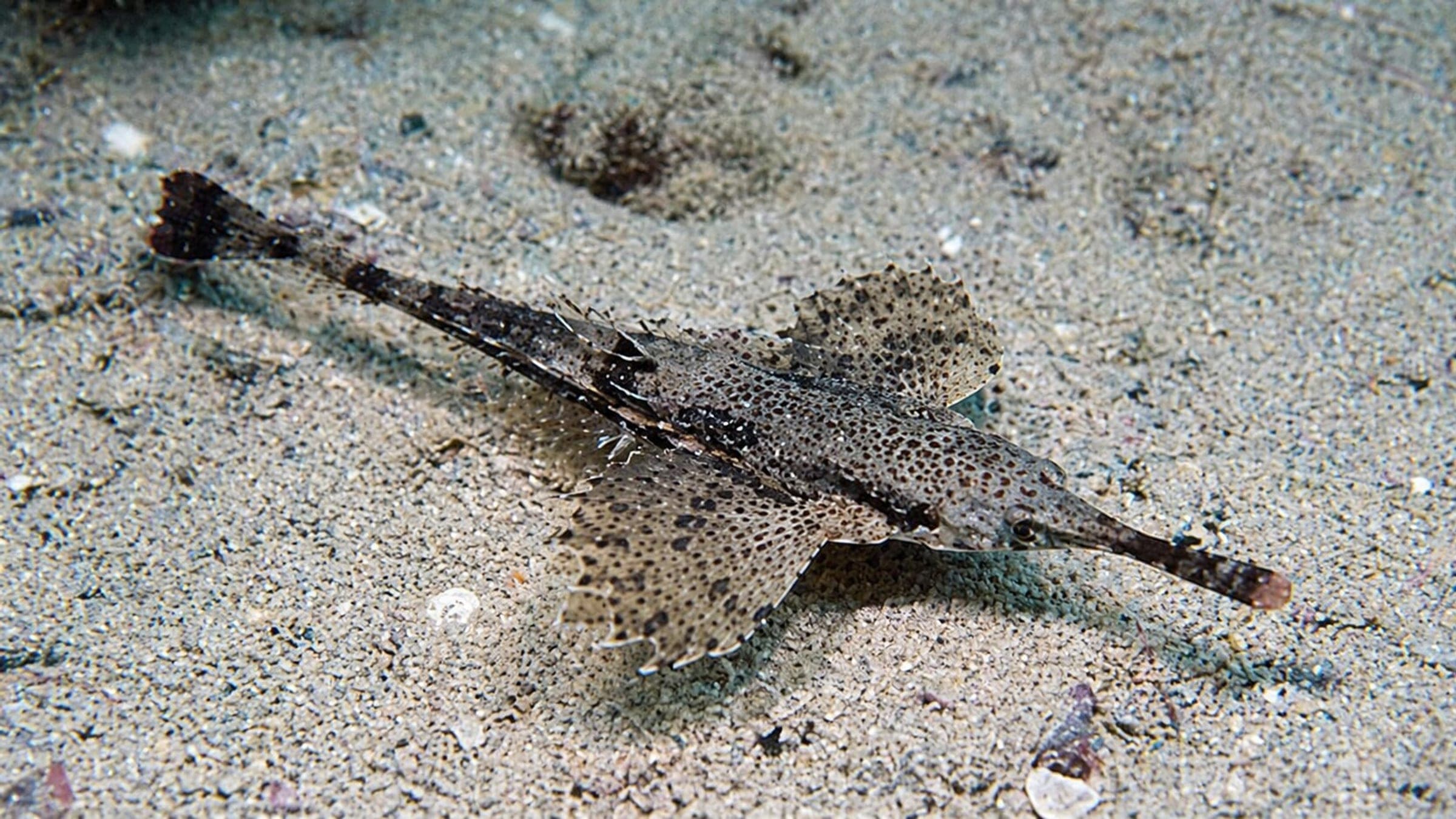
Seamoths (family Pegasidae) are small Indo-Pacific fishes with flattened bodies, large wing-like pectoral fins, long snouts and bodies encased in thick bony plates.
Last Updated Mar 9, 2026 · 2 sources
Species Guide
A clean field guide focused on habitat, identification, behavior, and conservation context without burying the useful parts.
Seamoths belong to the fish family Pegasidae within the order Syngnathiformes. They are notable for a flattened body shape, large wing-like pectoral fins, an elongated snout, and a body encased in thick, bony plates. Seamoths occur primarily in coastal tropical waters of the Indo-Pacific.
Found primarily in coastal tropical waters of the Indo-Pacific.
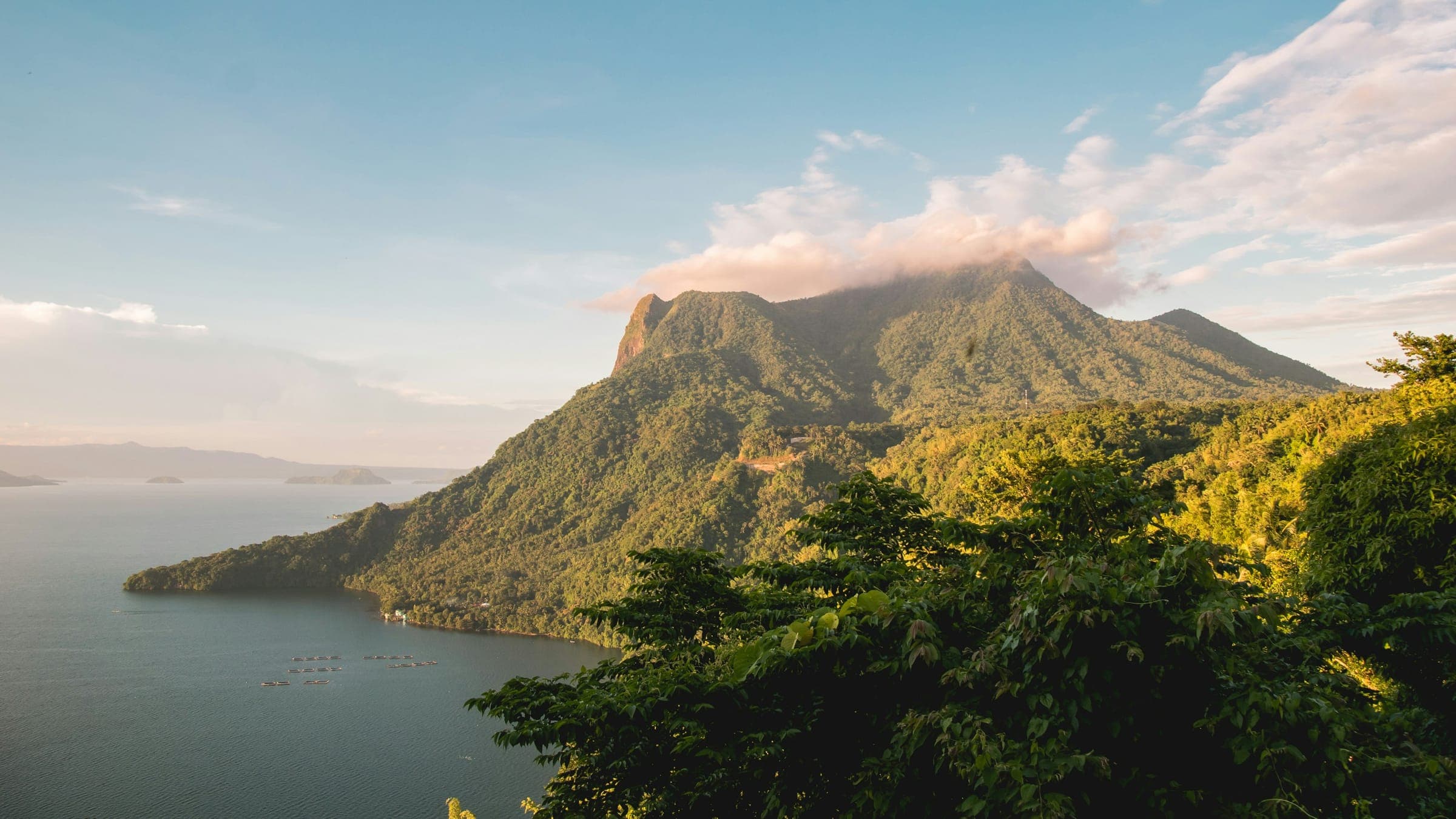
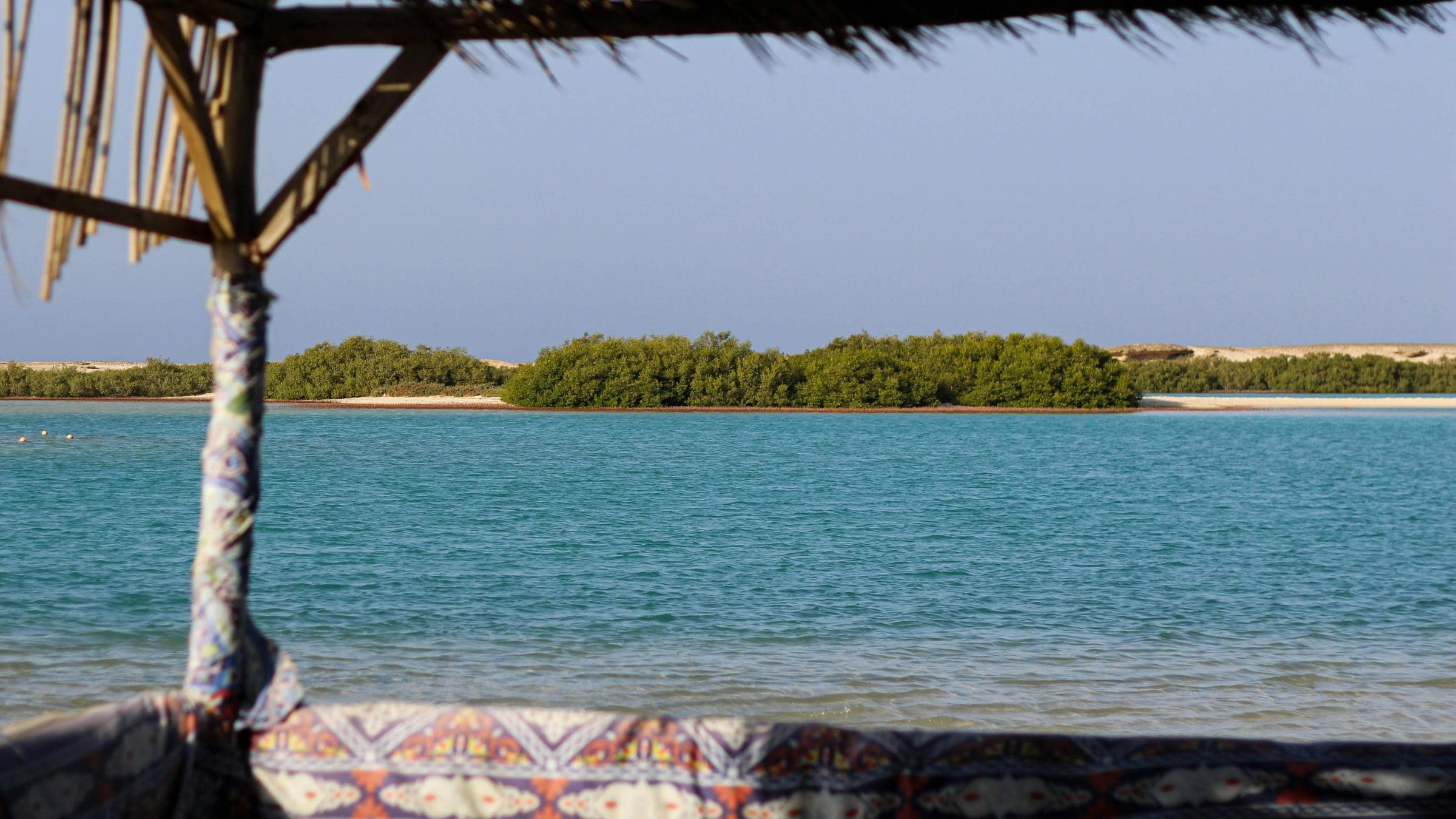
The strongest linked planning options currently surface around destinations such as Anilao + Batangas (Verde Island Passage), Khao Lak (Similan and Surin Islands), Marsa Alam (Abu Dabbab and Elphinstone) and countries such as Philippines, Egypt, Indonesia for divers building trips around seamoths.
Identification
The visual markers divers can use underwater, plus the species most likely to cause confusion.
Flattened body.
Large, wing-like pectoral fins.
Long, elongated snout.
Body encased in thick, bony plates.
Range and Movement
The broad range, seasonal movement, or migratory behavior that shapes where divers encounter this species.
Found primarily in coastal tropical waters of the Indo-Pacific.
Responsible Encounters
Conservation-minded guidance for divers who want the encounter without adding pressure.
Give seamoth space, avoid blocking the animal's path, and follow local site and operator rules for wildlife interactions with saltwater fishes.
Field Notes
Useful species context that makes the encounter more meaningful once you are underwater.
They are named after Pegasus, a creature from Greek mythology.
Top Destinations
Destinations surfaced from the linked dive spots associated with this species.
Top Countries
The strongest country-level starting points currently linked to this species.
Top Dive Spots
Directly linked dive spots where this species already shows up in the planning data.
Big-boulder dive with canyons, soft corals, and fish activity.
Malapascua macro site with a flat sandy, grassy bottom and small coral patches.
Shallow muck dive off Malapascua with reef, sand, and macro life.
Chocolate Island Malapascua is a shallow macro reef boat dive.
Crazy Eight is a boat-accessed Red Sea reef with a deep drop-off.
El Quadim South is a sheltered house reef dive in El Quseir.
FAQ
Clear planning and conservation answers written for search visibility and AI retrieval.
Research Sources
Primary and credible references behind the field-guide and conservation claims on this page.
Related Species
Related species guides in the same encounter family.