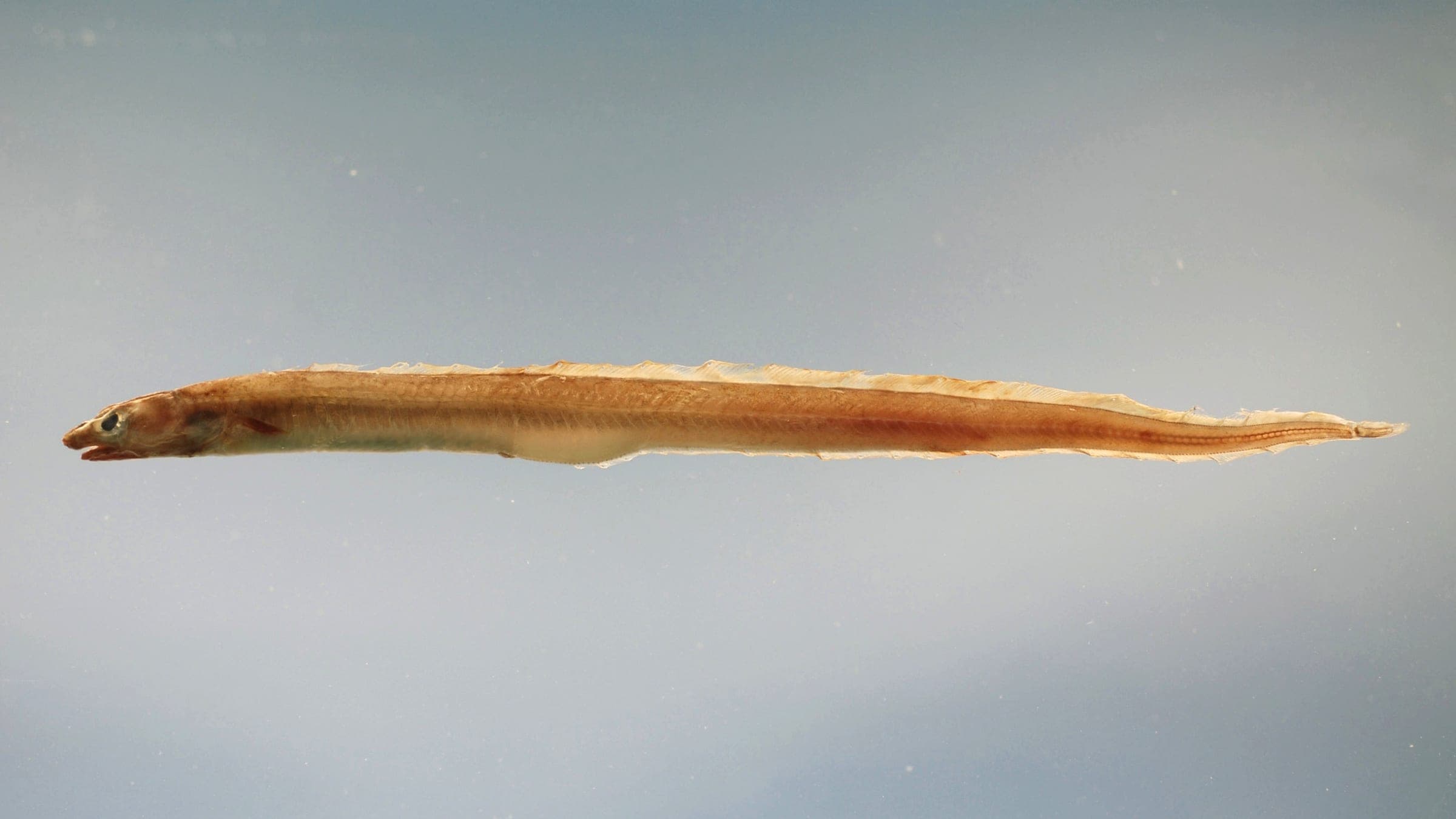
Body shape
Long, cylindrical, snake-like bodies adapted for burrowing.
Ophichthidae
Snake eels are long, cylindrical eels found worldwide in tropical to warm temperate waters, often living in mud or sand and feeding on crustaceans and small fish.
Species Guide
A clean field guide focused on habitat, identification, behavior, and conservation context without burying the useful parts.
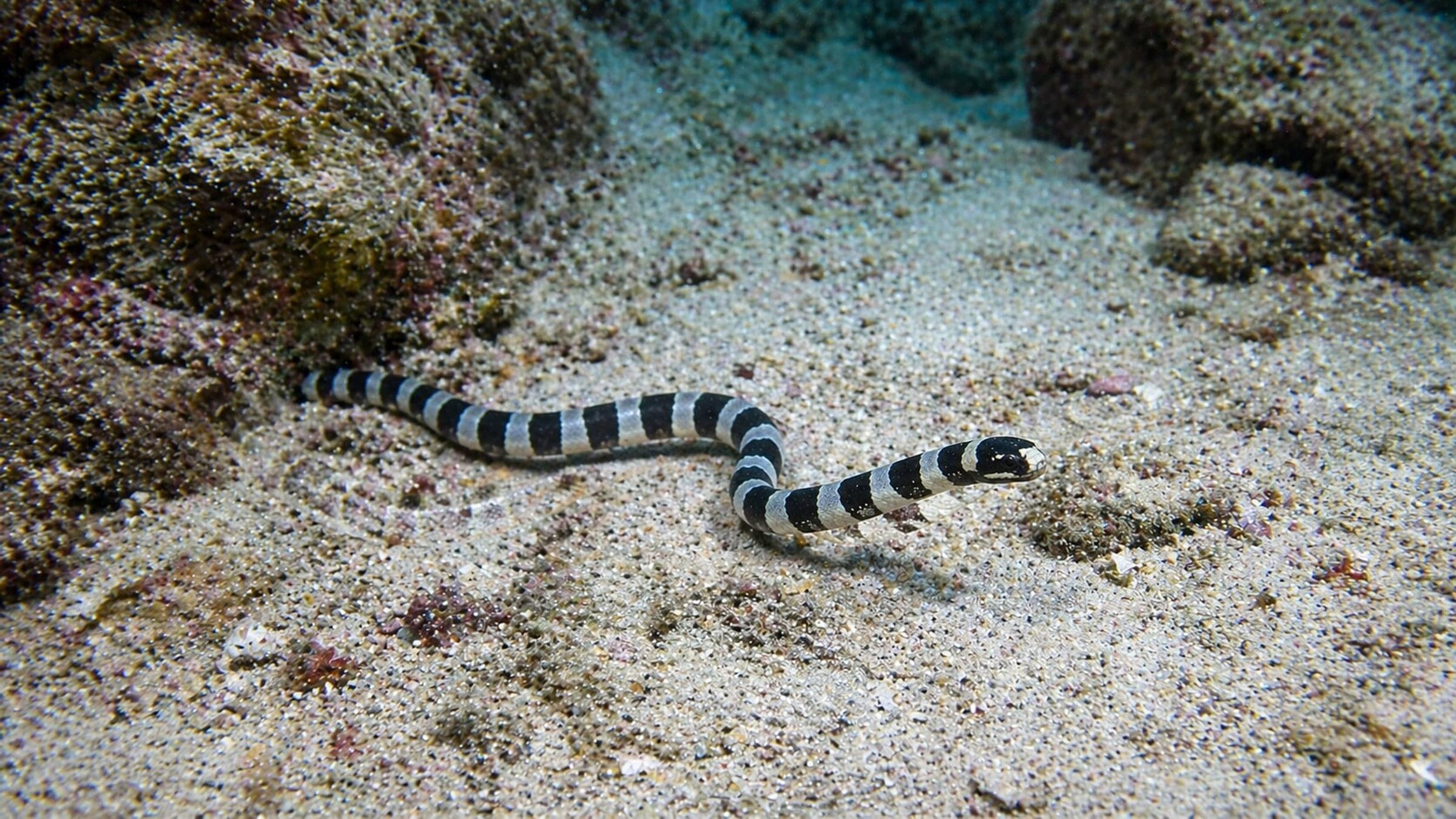
Snake eels (family Ophichthidae) are named for their long, cylindrical, snake-like bodies. They occur worldwide in tropical to warm temperate waters and inhabit a wide range of habitats from coastal shallows and rivers to depths below 800 m. Most species are bottom dwellers that hide in mud or sand to capture prey such as crustaceans and small fish; some species are pelagic. Species in this family vary widely in size, from about 5 cm to 2.3 m or more. Many lack fins to aid burrowing, and many are spotted or striped, a pattern that mimics venomous sea snakes to deter predators. Large storms sometimes wash individuals ashore.
Mostly bottom-dwelling and burrowing in mud or sand; some species are pelagic.
Feeds on crustaceans and small fish, typically by ambush from substrate.
The strongest linked planning options currently surface around destinations such as Padangbai and Candidasa, Phuket, Anilao + Batangas (Verde Island Passage) and countries such as Philippines, Indonesia, New Zealand for divers building trips around snake eels.
Identification
The visual markers divers can use underwater, plus the species most likely to cause confusion.
Long, cylindrical, snake-like bodies adapted for burrowing.
Last Updated Mar 9, 2026 · 3 sources
Species range from about 5 cm to 2.3 m or more in total length.
Many species lack fins, which aids burrowing into substrate.
Often spotted or striped, patterns that can mimic venomous sea snakes.
Some snake eels' spotted or striped coloration can resemble venomous sea snakes, a mimicry that may deter predators.
Range and Movement
The broad range, seasonal movement, or migratory behavior that shapes where divers encounter this species.
Mostly bottom-dwelling and burrowing in mud or sand; some species are pelagic.
Diet
Useful feeding context that often explains habitat, movement, and encounter style.
Feeds on crustaceans and small fish, typically by ambush from substrate.
Responsible Encounters
Conservation-minded guidance for divers who want the encounter without adding pressure.
Give snake eel space, avoid blocking the animal's path, and follow local site and operator rules for wildlife interactions with saltwater fishes.
Field Notes
Useful species context that makes the encounter more meaningful once you are underwater.
The family name Ophichthidae derives from Greek words meaning "serpent" and "fish."
Members of this family inhabit depths from coastal shallows to below 800 m.
Snake eels are often washed ashore by large storms.
Top Destinations
Destinations surfaced from the linked dive spots associated with this species.
Top Countries
The strongest country-level starting points currently linked to this species.
Top Dive Spots
Directly linked dive spots where this species already shows up in the planning data.
Shore drift dive with reef life at Aquarium Flic en Flac, Mauritius.
Kelp-fringed reef dive near Whale Island with swim-throughs.
Maratua boat dive with gentle slope, coral blocks, and rays
Boat-access Padang Bai reef by White Sand Beach with turtles and macro life.
Bream Rock is a deep, current-swept rock dive.
Bungalow Bay is a sheltered Racha Yai reef bay for easy training dives.
Diver Sightings
Approved diver reports where snake eels were recently tagged.
FAQ
Clear planning and conservation answers written for search visibility and AI retrieval.
Research Sources
Primary and credible references behind the field-guide and conservation claims on this page.
Primary wildlife guide source.
Supporting wildlife source.
Taxonomy reference.
Related Species
Related species guides in the same encounter family.