Hero photo of Sesimbra

Destination guide

Sesimbra

Arrabida marine park reefs and Atlantic wrecks, minutes from Lisbon

Marine park accessShort logistics, big varietyBeginner to technical rangeTopside payoff

Community

0 in the area now · 0 planning trips

Counts include locals plus active trips inside the destination boundary; “planning” includes any future trip.

Currently Viewing:

Overview

Arrabida marine park reefs and Atlantic wrecks, minutes from Lisbon

Sesimbra is a classic Portuguese fishing town on the Setubal Peninsula, about 45 km south of Lisbon, and one of the easiest bases in Europe for true marine protected area diving. Boats leave straight from the harbor into the Parque Marinho Professor Luiz Saldanha (Arrabida), where rocky reefs, gorgonians, sponges, and octopus live minutes from town. Add Atlantic character, walls, caverns, and headline wrecks like River Gurara, and you have a destination that works for a weekend escape or a full dive week.

Expect cool-water Atlantic conditions with variable visibility, but big payoffs when the sea settles. Late spring through early autumn favors calmer seas for snorkeling and freediving, while shoulder seasons often deliver the best balance of dive conditions and crowds. Between dives, Cabo Espichel sunsets, Arrabida beaches, Setubal wine country, and Lisbon culture are all close.

Quick orientation

  • Sesimbra sits on the Setubal Peninsula, facing the calmer Arrabida coastline and the exposed Cabo Espichel headland.
  • Most diving runs out of Sesimbra harbor. Expect short boat rides, plus a handful of shore entries.

The underwater scene

Reefs, walls, and caverns

  • Rocky structure creates ledges, small caves, arches, and kelp-lined walls.
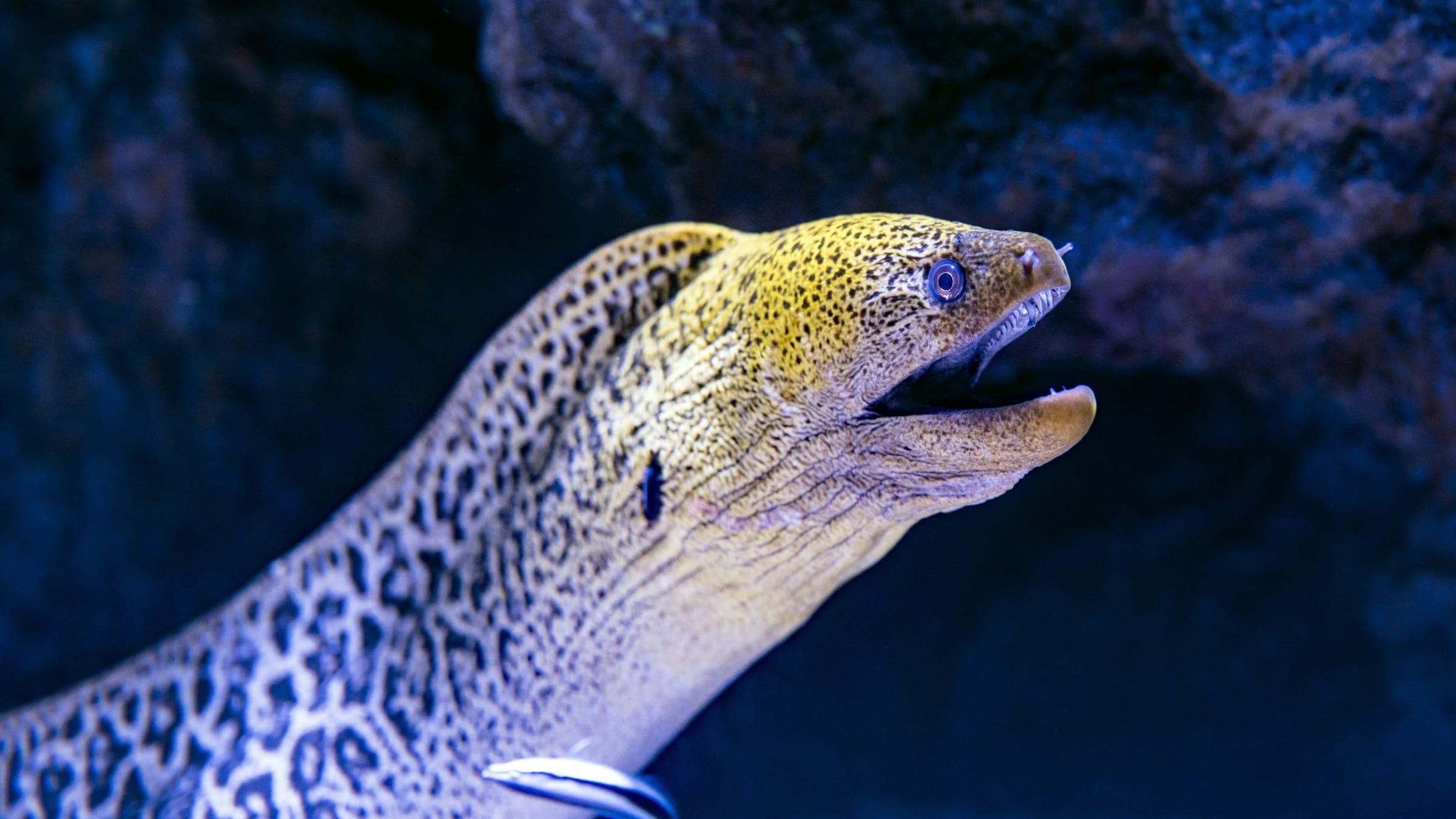
  • Look for octopus, conger and moray eels, nudibranchs, cuttlefish, bream, wrasse, and anemone fields.

Wrecks

  • Several wrecks sit off Cabo Espichel, from mid-depth recreation profiles to deep technical dives.

Marine park rules that matter to divers

  • The Parque Marinho Professor Luiz Saldanha uses zoning: Total protection, Partial protection, and Complementary protection.
  • Recreational diving is allowed in Partial and Complementary zones, but organized groups require authorization.
  • In some zones, anchoring is restricted and vessels must keep about 500 m or more from the coast. When available, use established moorings with your operator.

Conditions and expectations

  • Water temperature commonly sits around 13°C to 20°C across the year.
  • Visibility is variable. Plan for anything from 5 m to 15 m, with better days reaching 20 m.
  • Winter brings larger Atlantic swell. Summer often has calmer mornings and breezier afternoons.

A simple 3 day plan

Day 1: Warm-up reefs and skills

  • Shore dive Batelao or Pedra Do Leao, then a second reef like Jardim das Gorgonias.

Day 2: Wreck day

  • Boat dive River Gurara (or its bow section) and finish with a sheltered reef.

Day 3: Walls and scenery

  • Ponta Da Passagem or Bifa for structure, then drive to Cabo Espichel for sunset.

Trip callouts

  • Marine park access

    Dive inside the Parque Marinho Professor Luiz Saldanha (Arrabida), with zoning that protects key habitats and concentrates life on the nearshore reefs.

  • Short logistics, big variety

    From Sesimbra harbor you can reach reefs, walls, caverns, and multiple wrecks in short boat rides, plus several shore entries for quick dives.

  • Beginner to technical range

    Shallow sites like Batelao and Pedra Do Leao suit training and snorkeling, while deeper wrecks like Barco das Telhas push expert and technical limits.

  • Topside payoff

    Cabo Espichel cliffs, Arrabida beaches, Setubal food and wine, and Lisbon culture make it easy to build a mixed diver and non-diver itinerary.

Activity highlights

scuba

Why Sesimbra for Scuba Diving

Arrabida Marine ParkLisbon scuba divingAtlantic wreck divinggorgonian reefsnudibranch photography

Sesimbra is Lisbon's closest high-variety scuba hub: a working harbor that launches straight into the Parque Marinho Professor Luiz Saldanha and the rocky Atlantic coast around Cabo Espichel. You get a true mix of sites in a compact radius: shallow training wrecks, kelp-lined reefs, canyons and walls, caverns, and signature shipwrecks like River Gurara. Conditions are classic Atlantic: cooler water, swell-driven surge on exposed days, and visibility that rewards good timing. When the sea is calm, the marine park reefs show dense life for Portugal, from octopus and conger eels to nudibranchs and gorgonians.

freedive

Why Sesimbra for Freediving

freediving near Lisbonline trainingAtlantic freedivingarches and wallssummer freedive sessions

Sesimbra gives freedivers a rare mix: sheltered coastline inside Arrabida, quick access to depth on rocky structure, and easy logistics from Lisbon. On calm days you can combine technique sessions in the bay with deeper drops along reef walls and arches. The trade-off is that this is still the Atlantic: swell, surge, and boat traffic can be real factors, so planning and surface safety matter more than in a lagoon-style destination.

snorkel

Why Sesimbra for Snorkeling

snorkeling near LisbonArrabida coastrocky reef snorkelingfamily snorkeling Portugalbest beaches near Sesimbra

Sesimbra's best snorkeling is rocky, not tropical: shallow reefs, kelp, and clear pockets of water along the Arrabida coastline when the sea is calm. In summer and early autumn, sheltered coves can deliver surprisingly good visibility for Portugal, plus real marine life density thanks to the nearby marine park. Snorkeling is most rewarding if you treat it like a light ocean sport: check swell, choose protected entries, and use fins and a surface float.

topside

What to do when you are not in the water

Cabo EspichelArrabida Natural ParkSesimbra seafoodday trips from SesimbraLisbon side trip

Sesimbra is more than a dive base. The town is built around seafood and a working harbor, backed by cliffs and the green limestone ridges of Arrabida. You can stack quick half-day adventures like Cabo Espichel viewpoints, beach time in Arrabida coves, and castle history, or go bigger with Lisbon culture and Setubal food and wine.

About these guides

DiveJourney destination guides are living documents built from local knowledge, operator experience, and publicly available sources. Conditions, regulations, and logistics can change. Each guide shows its last update date and sources used.

Last updated: December 13, 2025 15 sources

If you see something inaccurate or outdated, you can submit an update. This is how the platform improves.