Very large body size
Adults typically weigh between 247 and 1,000 kg (545–2,205 lb).
Mola mola
A very large, laterally flattened bony fish found in tropical and temperate oceans worldwide.
Last Updated Mar 9, 2026 · 3 sources
Species Guide
A clean field guide focused on habitat, identification, behavior, and conservation context without burying the useful parts.
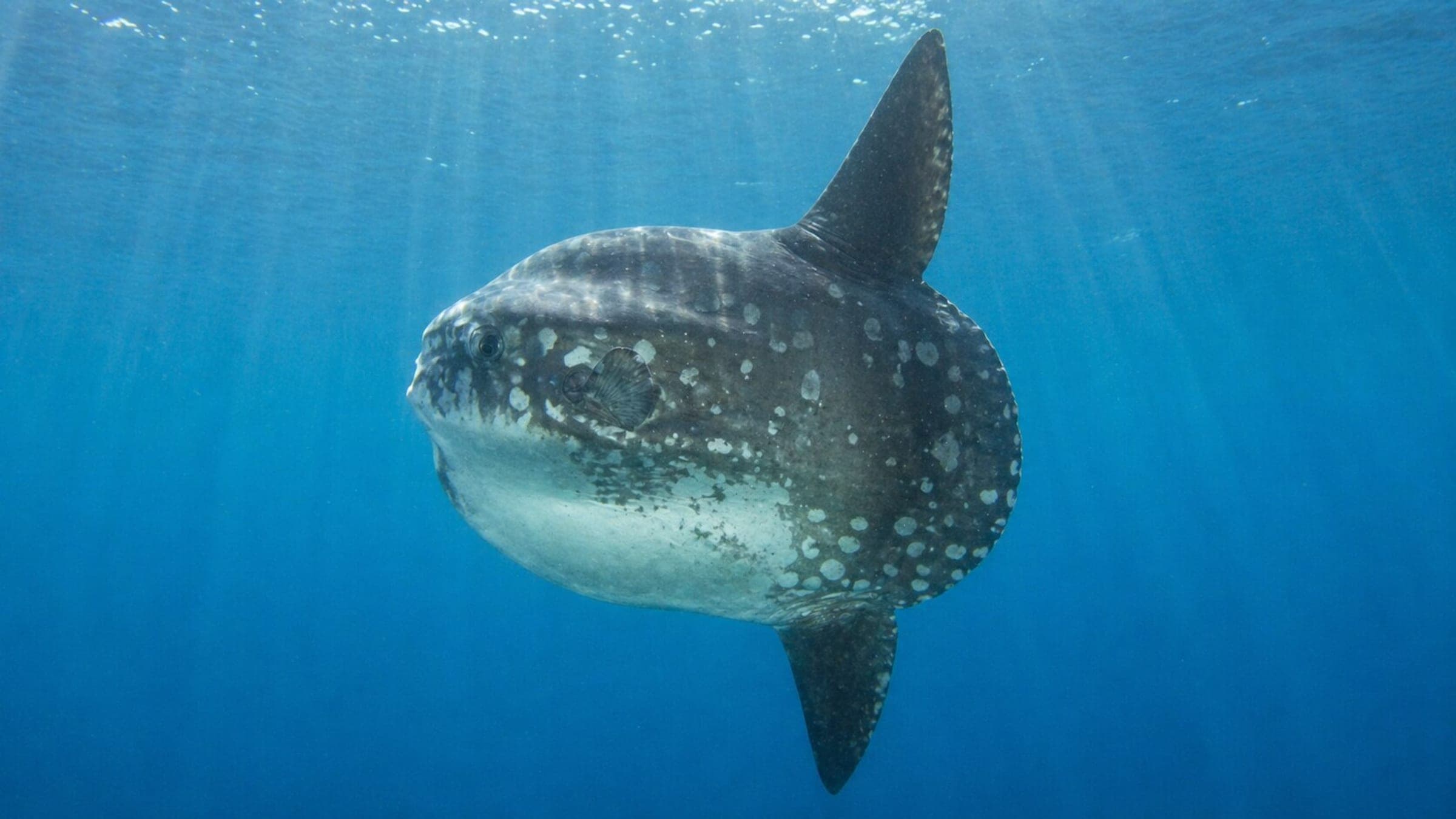
The ocean sunfish (Mola mola) is one of the largest bony fishes and the type species of the genus Mola. Adults typically weigh between 247 and 1,000 kg (545–2,205 lb). The body is flattened laterally and can resemble a fish head without a tail; when dorsal and ventral fins are extended, the fish can be about as tall as it is long. It is native to tropical and temperate waters around the world. Many aspects of sunfish biology remain poorly understood, including mating and spawning locations, early life stages, movement and migration patterns, population structure and status, diet and trophic ecology, and post-release survival rates.
Population status and structure are poorly understood; sunfish are frequently caught in gillnets, they are consumed as a delicacy in some countries, and the EU bans sale of Molidae products.
Movement and migration patterns are poorly understood and the subject of ongoing research.
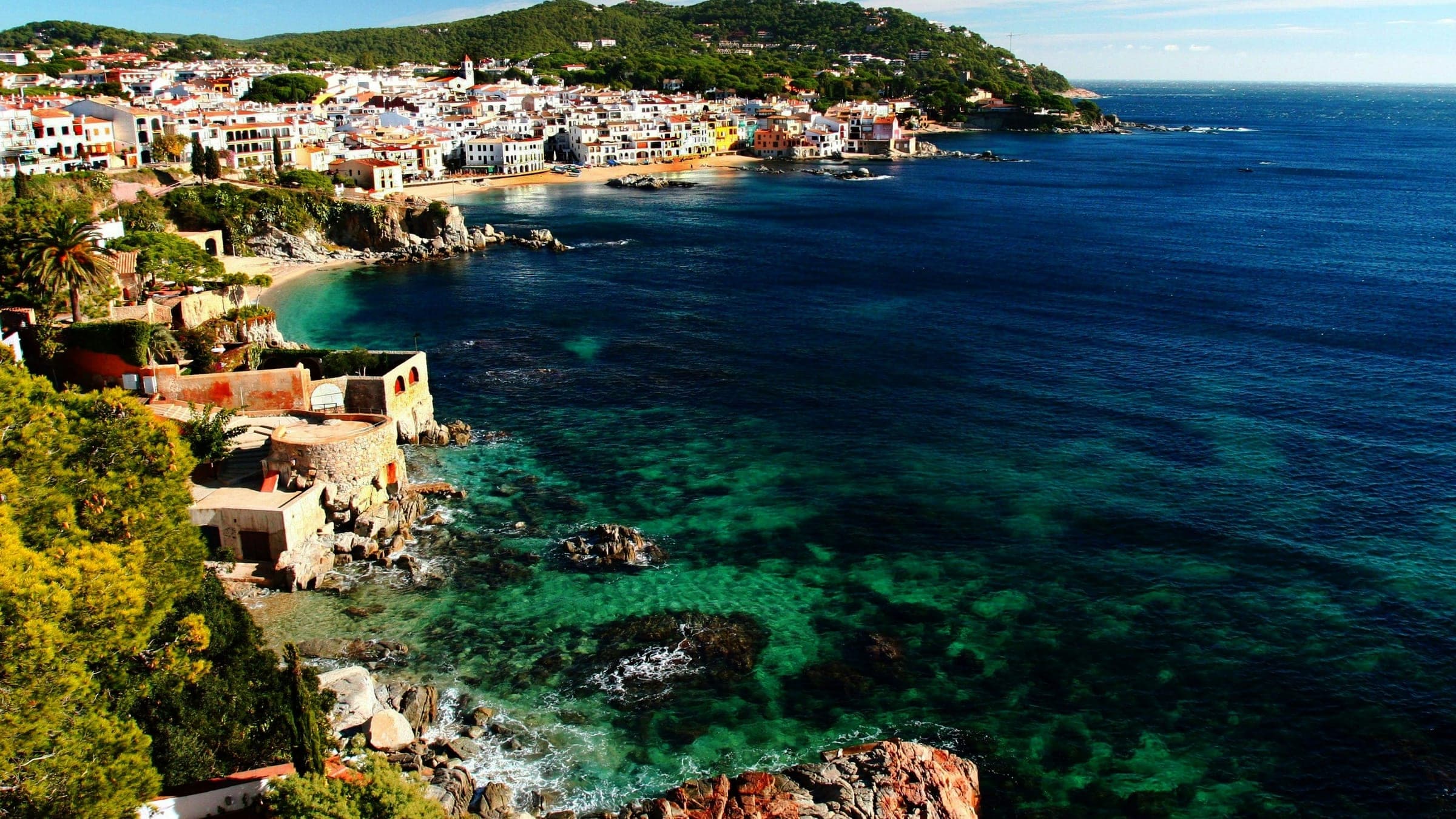
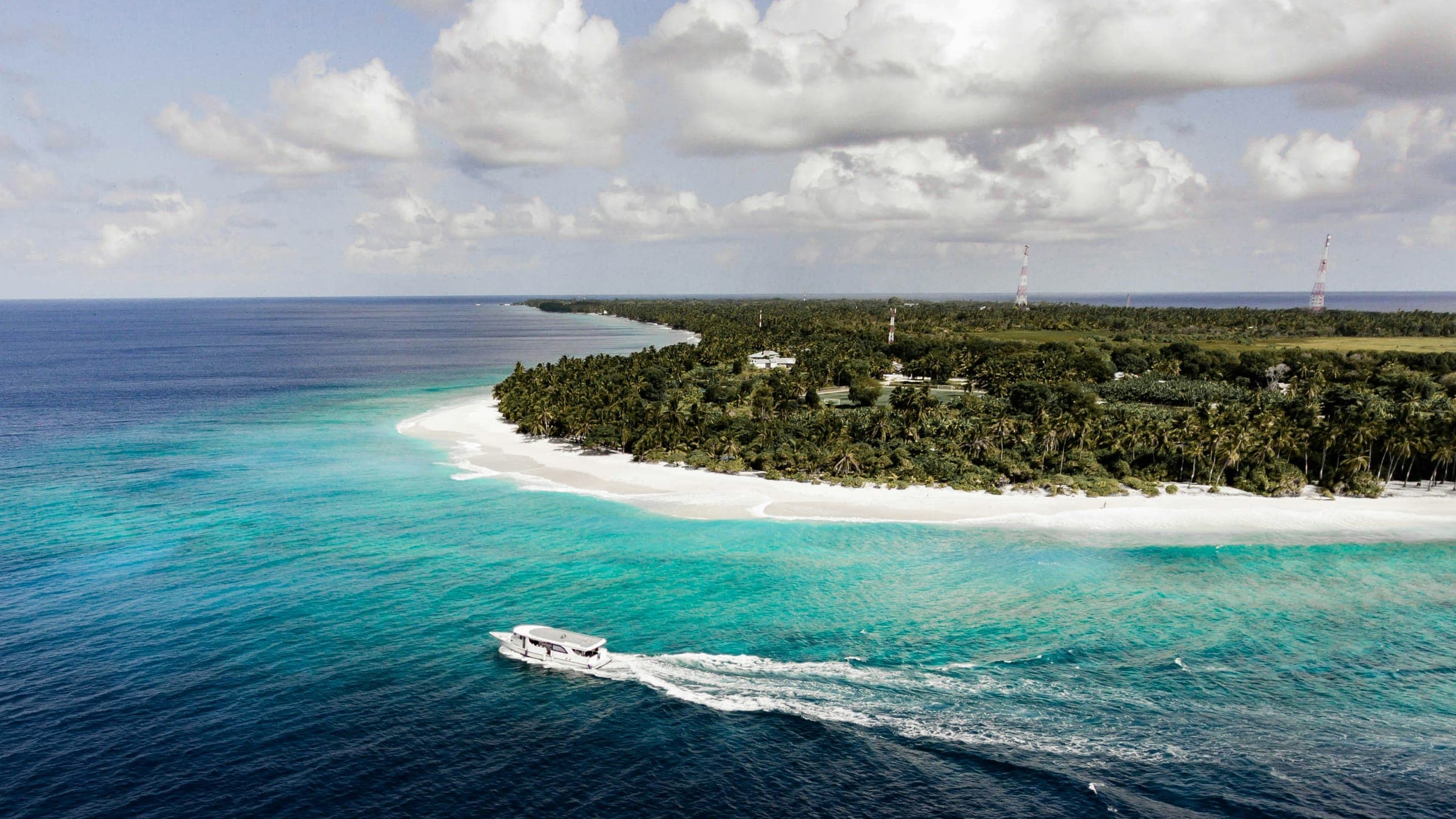
The strongest linked planning options currently surface around destinations such as Nusa Penida, Costa Brava and Medes Islands, Côte Vermeille (Banyuls-sur-Mer and Cerbère) and countries such as Spain, Indonesia, France for divers building trips around ocean sunfish.
Identification
The visual markers divers can use underwater, plus the species most likely to cause confusion.
Adults typically weigh between 247 and 1,000 kg (545–2,205 lb).
Main body is flattened laterally and can resemble a fish head without a tail.
When dorsal and ventral fins are extended, sunfish can be as tall as they are long (about 175 cm or 6 ft).
Range and Movement
The broad range, seasonal movement, or migratory behavior that shapes where divers encounter this species.
Movement and migration patterns are poorly understood and the subject of ongoing research.
Diet
Useful feeding context that often explains habitat, movement, and encounter style.
Diet and trophic ecology are reported as poorly understood.
Conservation
Status, pressure, and protection context grounded in cited sources rather than filler.
Population status and structure are poorly understood; sunfish are frequently caught in gillnets, they are consumed as a delicacy in some countries, and the EU bans sale of Molidae products.
Sunfish are frequently caught in gillnets according to available sources.
Ocean sunfish are considered a delicacy in parts of the world, including Japan, Korea, and Taiwan.
Regulations in the European Union ban the sale of fish and fishery products derived from the family Molidae.
Responsible Encounters
Conservation-minded guidance for divers who want the encounter without adding pressure.
Give ocean sunfish space, avoid blocking the animal's path, and follow local site and operator rules for wildlife interactions with saltwater fishes.
Field Notes
Useful species context that makes the encounter more meaningful once you are underwater.
Ocean sunfish are among the largest bony fish in the world.
It is the type species of the genus Mola and one of five extant species in the family Molidae.
The ocean sunfish was formerly misidentified as the heaviest bony fish; that distinction belongs to the related Mola alexandrini.
Top Destinations
Destinations surfaced from the linked dive spots associated with this species.
Top Countries
The strongest country-level starting points currently linked to this species.
Top Dive Spots
Directly linked dive spots where this species already shows up in the planning data.
Boat-only manta cleaning-station reef off south Nusa Penida.
Blue Corner: a current-swept Nusa Penida drift for experienced divers.
Clear-water Nusa Penida bay famous for Mola mola.
Boat-only south-point drift for pelagics off Fuvahmulah.
Shallow manta cleaning station on southwest Penida.
Current-sensitive Nusa Penida wall with coral terraces and big-life chance.
FAQ
Clear planning and conservation answers written for search visibility and AI retrieval.
Research Sources
Primary and credible references behind the field-guide and conservation claims on this page.
Primary wildlife guide source.
Supporting wildlife source.
Taxonomy reference.
Related Species
Related species guides in the same encounter family.