Family
Belong to the family Balistidae (triggerfishes).
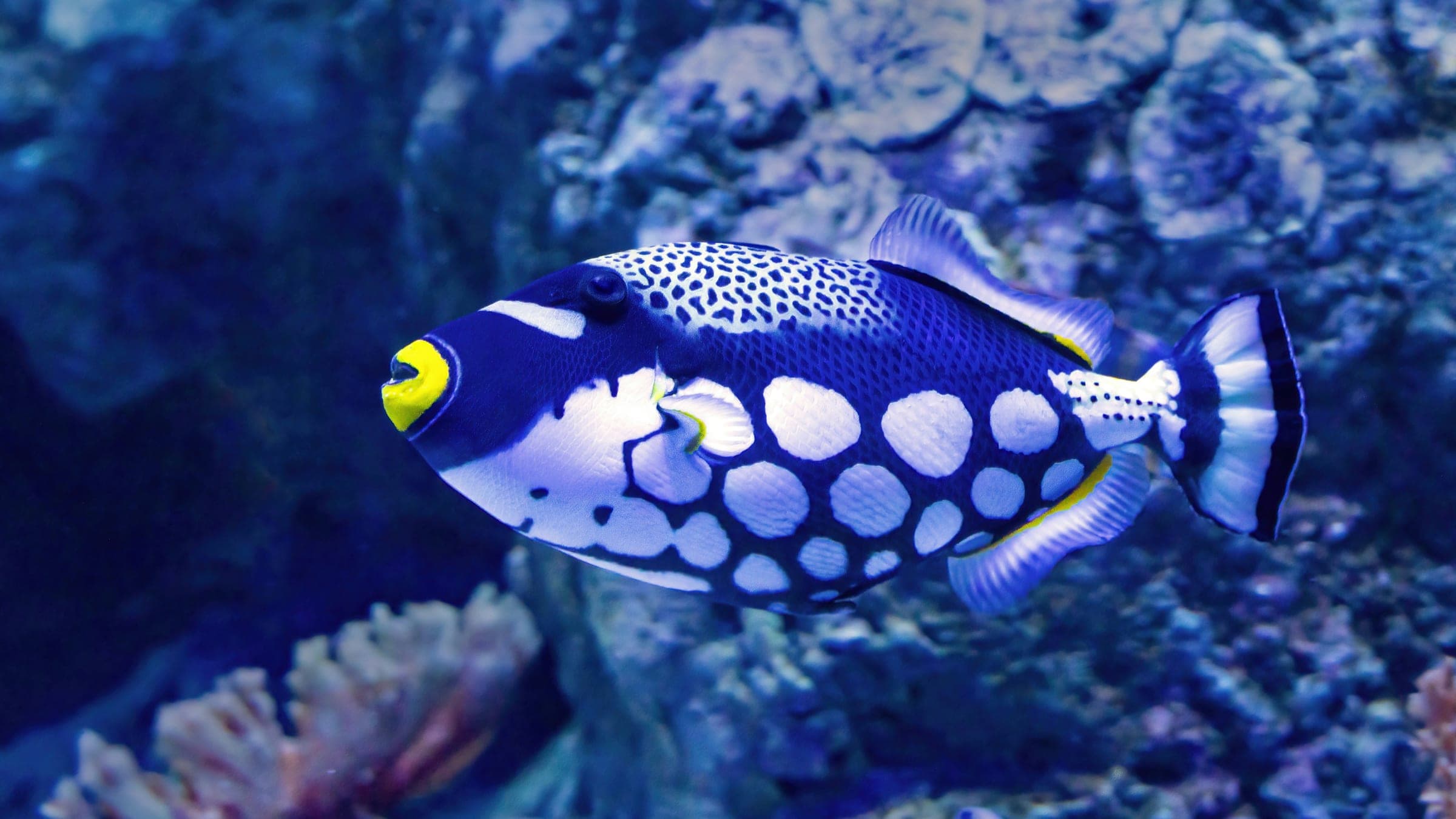
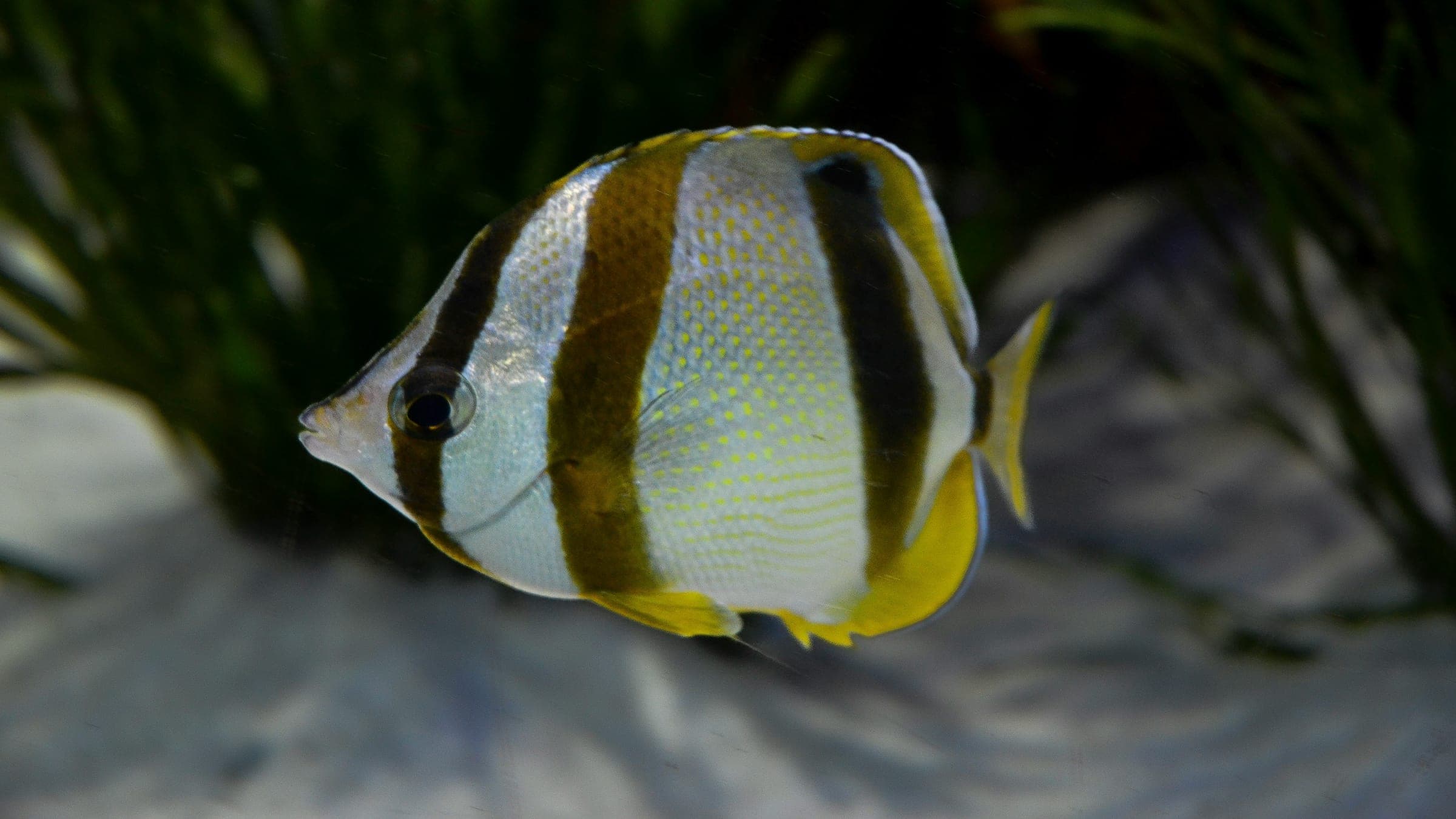
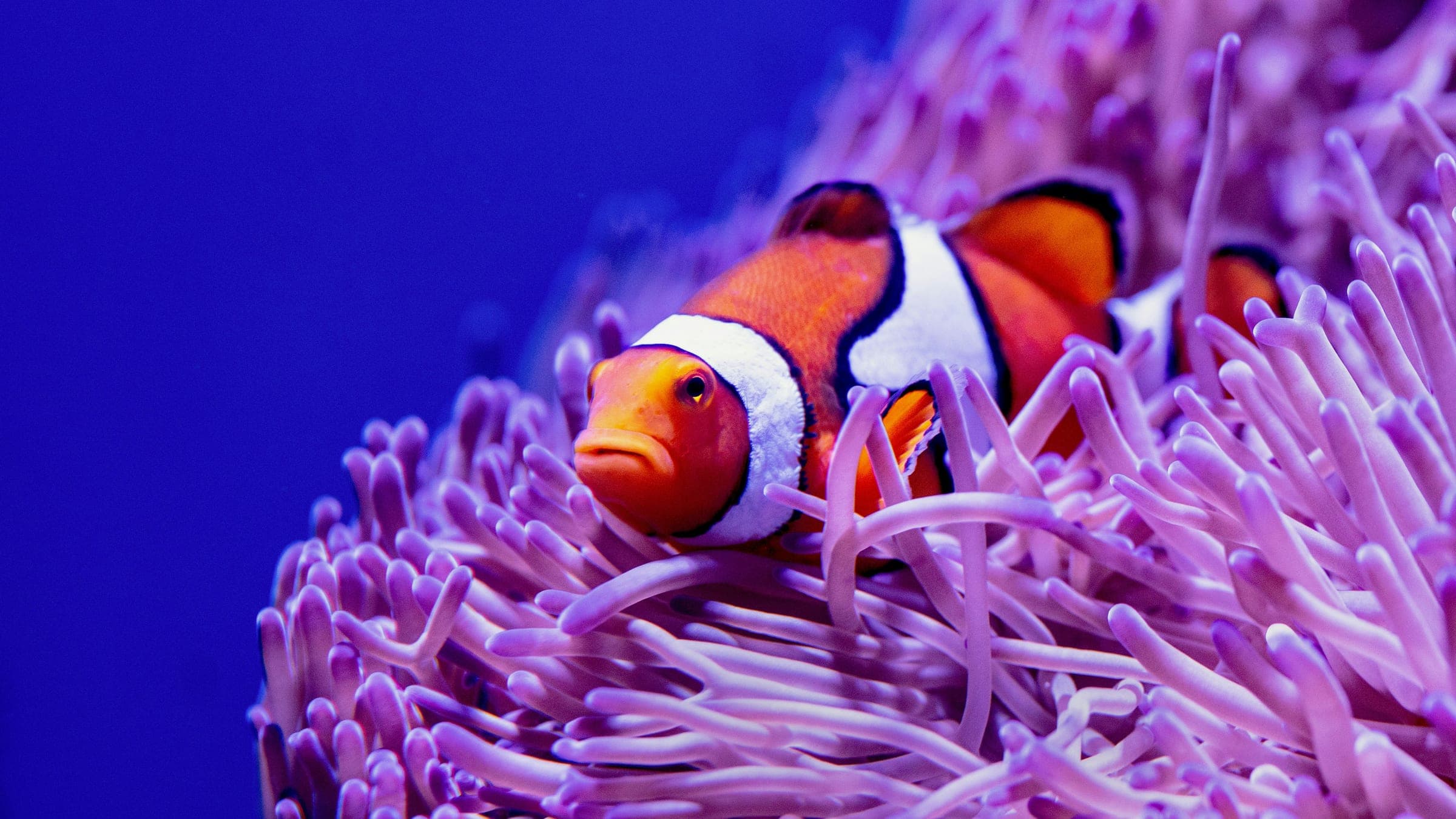
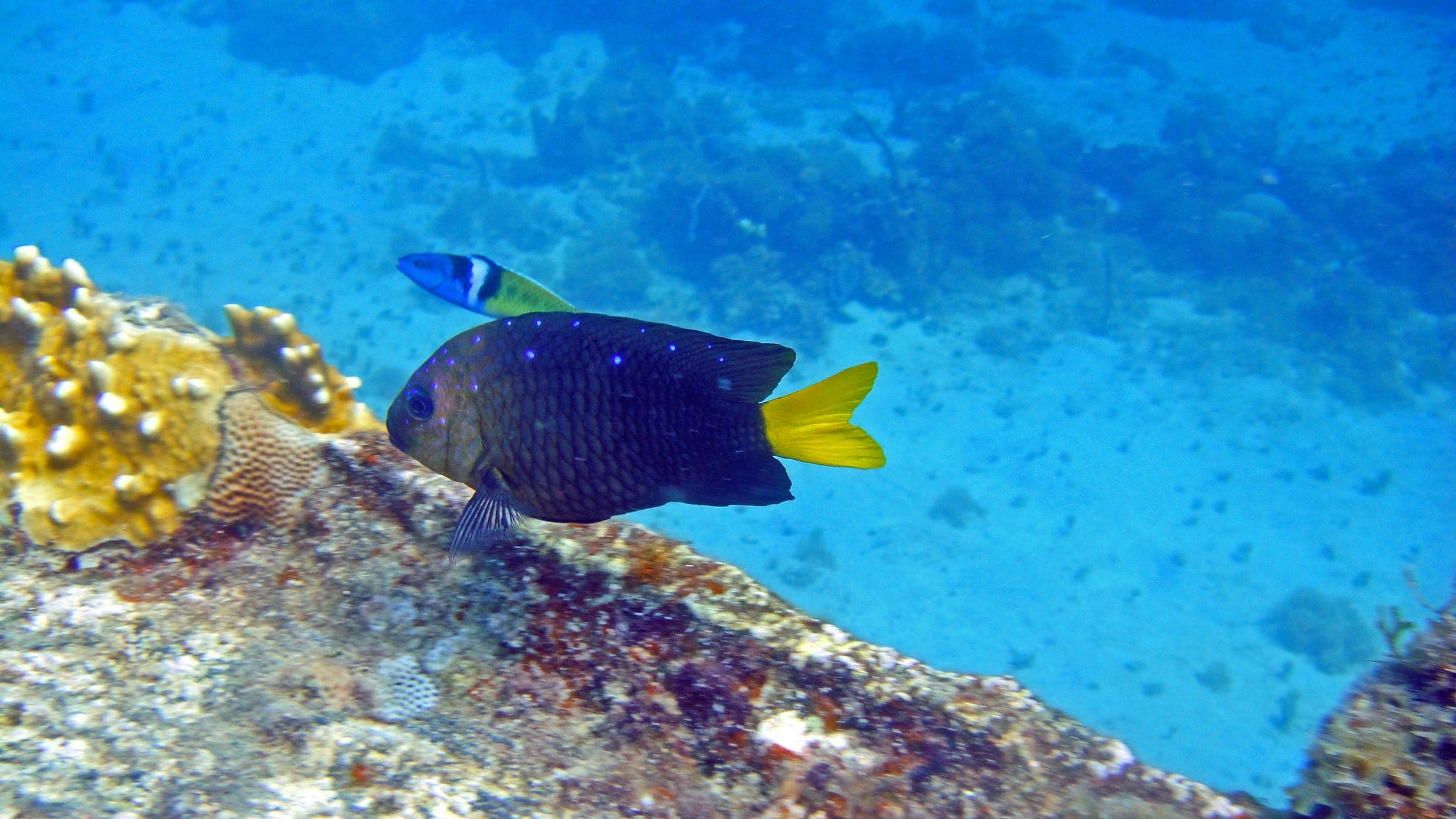
Triggerfish are about 40 brightly colored marine fishes of the family Balistidae found mainly on tropical and subtropical reefs worldwide.
Last Updated Mar 9, 2026 · 2 sources
Species Guide
A clean field guide focused on habitat, identification, behavior, and conservation context without burying the useful parts.
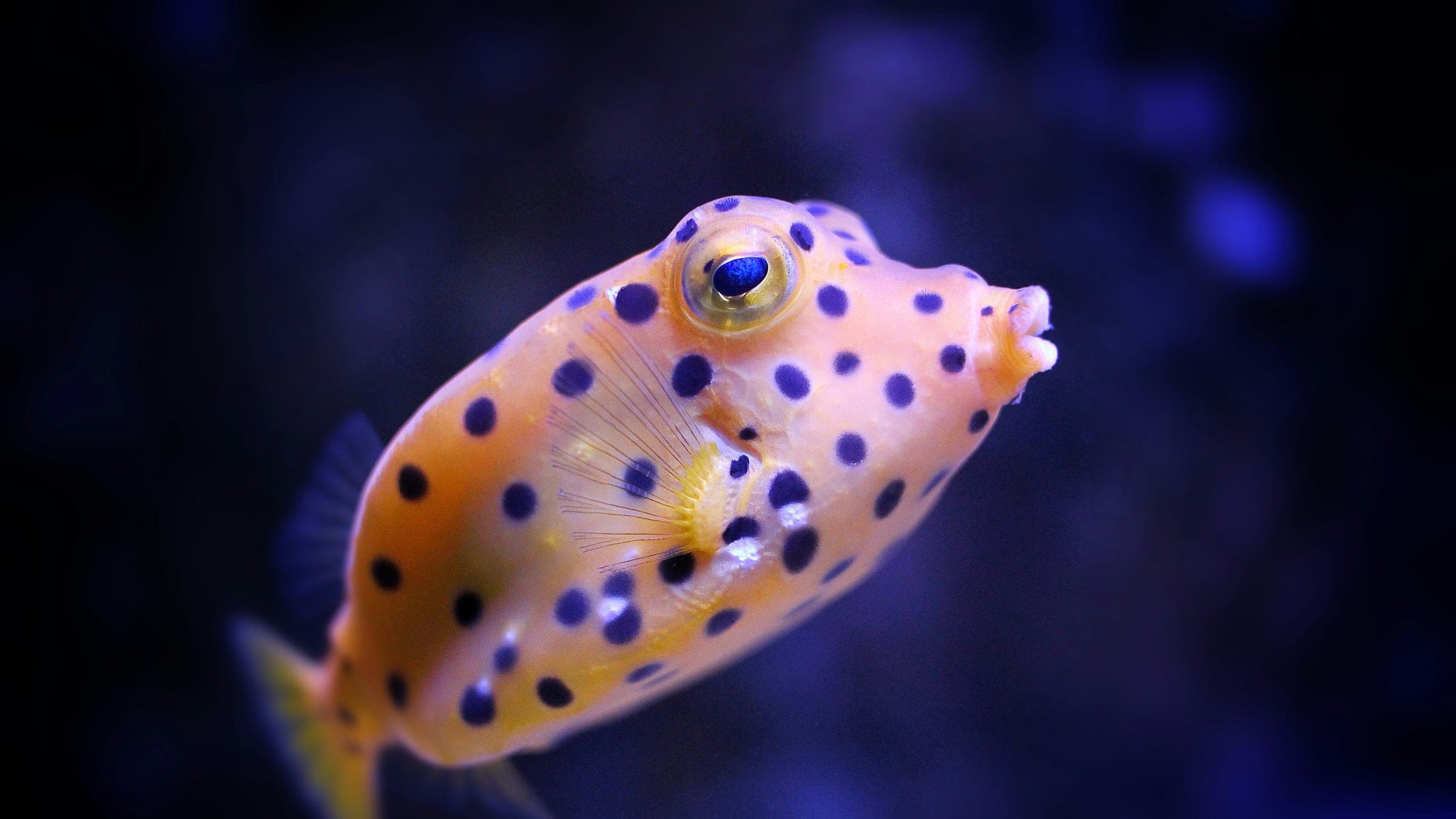
Triggerfish comprise roughly 40 species in the family Balistidae. They are marine ray-finned fishes often brightly colored and marked with lines and spots. The group inhabits tropical and subtropical oceans worldwide, with the greatest species richness in the Indo-Pacific. Most species occur in relatively shallow, coastal habitats—especially coral reefs—while a few, such as the oceanic triggerfish (Canthidermis maculata), are pelagic. Several triggerfish species are kept in the marine aquarium trade, but many are notoriously ill-tempered.
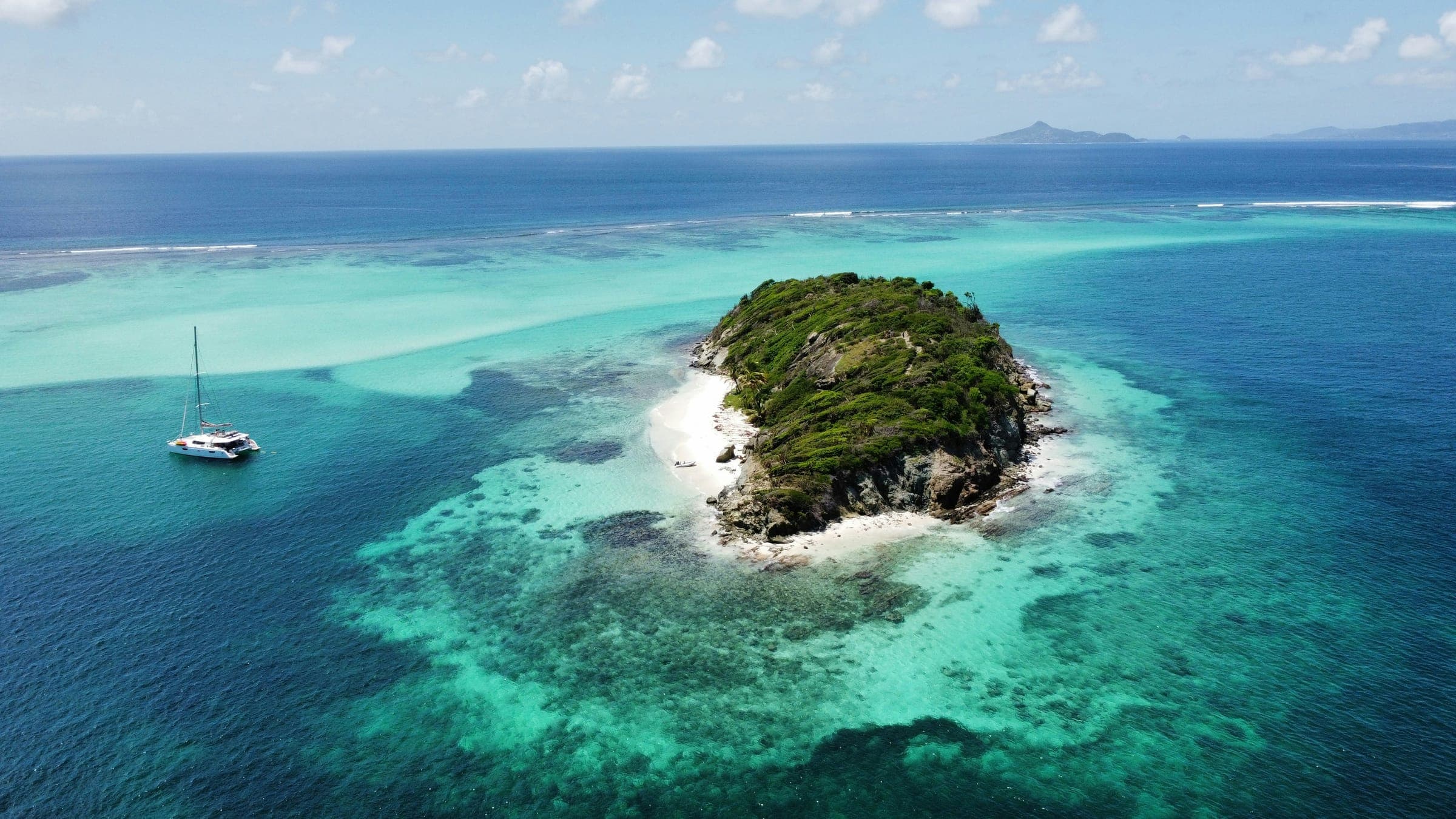
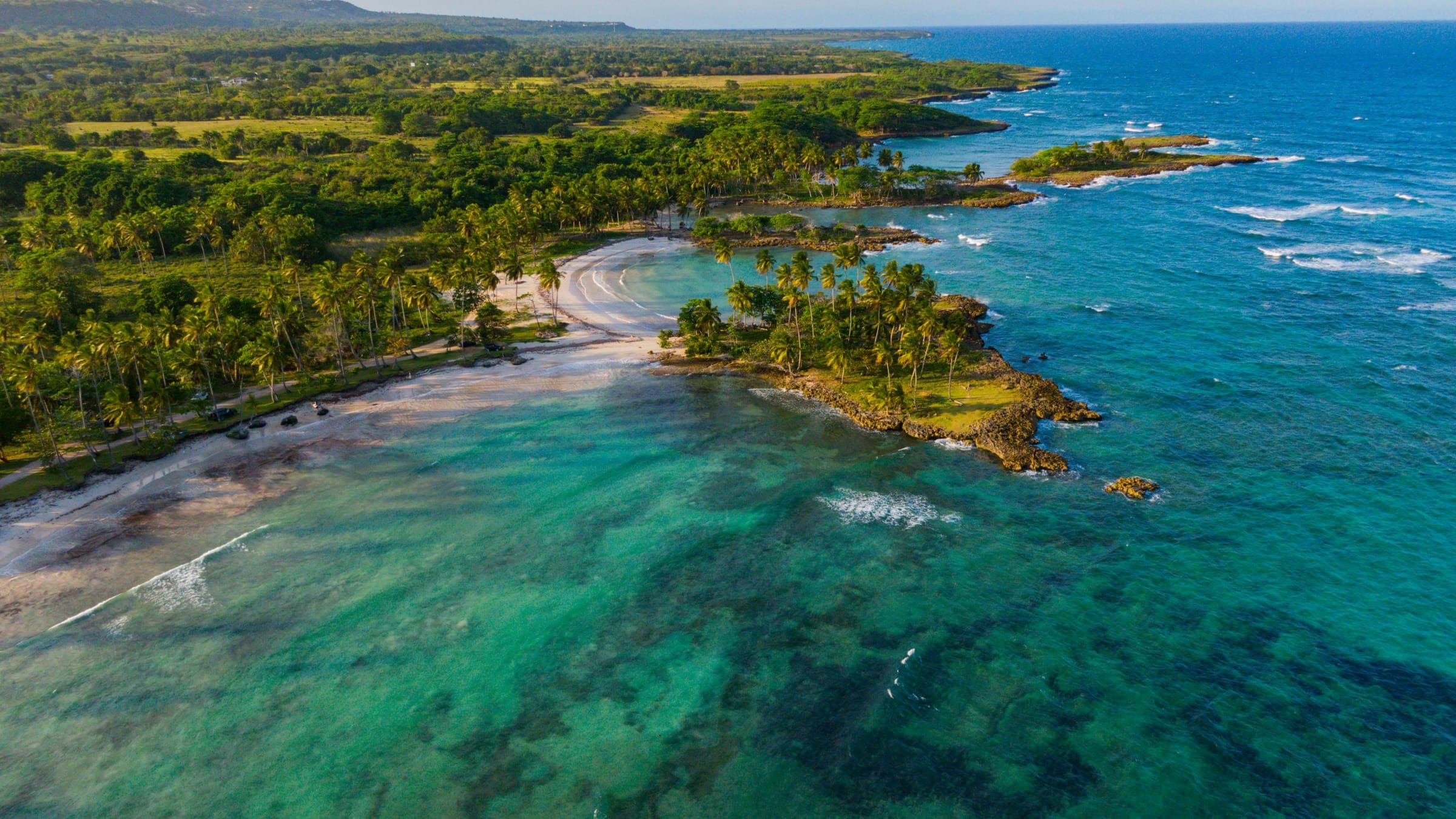
The strongest linked planning options currently surface around destinations such as Khao Lak (Similan and Surin Islands), Bequia, Bonaire and countries such as Thailand, Egypt, Dominican Republic for divers building trips around triggerfish.
Identification
The visual markers divers can use underwater, plus the species most likely to cause confusion.
Belong to the family Balistidae (triggerfishes).
Often brightly colored and commonly marked by lines and spots.
Marine ray-finned fishes.
Responsible Encounters
Conservation-minded guidance for divers who want the encounter without adding pressure.
Be aware that many triggerfish species are known to be ill-tempered; avoid provoking or cornering them and give them space, especially near nests or sheltering sites.
Field Notes
Useful species context that makes the encounter more meaningful once you are underwater.
Triggerfish show greatest species richness in the Indo-Pacific region.
While most are coastal, the oceanic triggerfish (Canthidermis maculata) is an example of a pelagic species.
Several species are popular in the marine aquarium trade despite many being notoriously ill-tempered.
Top Destinations
Destinations surfaced from the linked dive spots associated with this species.
Top Countries
The strongest country-level starting points currently linked to this species.
Top Dive Spots
Directly linked dive spots where this species already shows up in the planning data.
Miyaru Kandu is a protected shark channel with a strong drift.
Roatan's flexible north-side reef and canyon dive.
Boat reef with coral blocks, caves, and soft corals
Closed Similan reef with a shallow sandy slope.
Ao Nui is a sheltered Phi Phi reef with a mini wall.
Deep Djerba wreck with compact fish-rich profile
Diver Sightings
Approved diver reports where triggerfish were recently tagged.
FAQ
Clear planning and conservation answers written for search visibility and AI retrieval.
Research Sources
Primary and credible references behind the field-guide and conservation claims on this page.
Primary wildlife guide source.
Supporting wildlife source.
Related Species
Related species guides in the same encounter family.