Best time to go
December to May
More reliable crossings and calmer seas for an offshore reef.
Main caution: Habagat rain and wind can increase surface chop. July to October is also the peak tropical cyclone window in the Philippines.
Remote Philippine atoll walls and seamounts, best explored by expedition or liveaboard
Overview
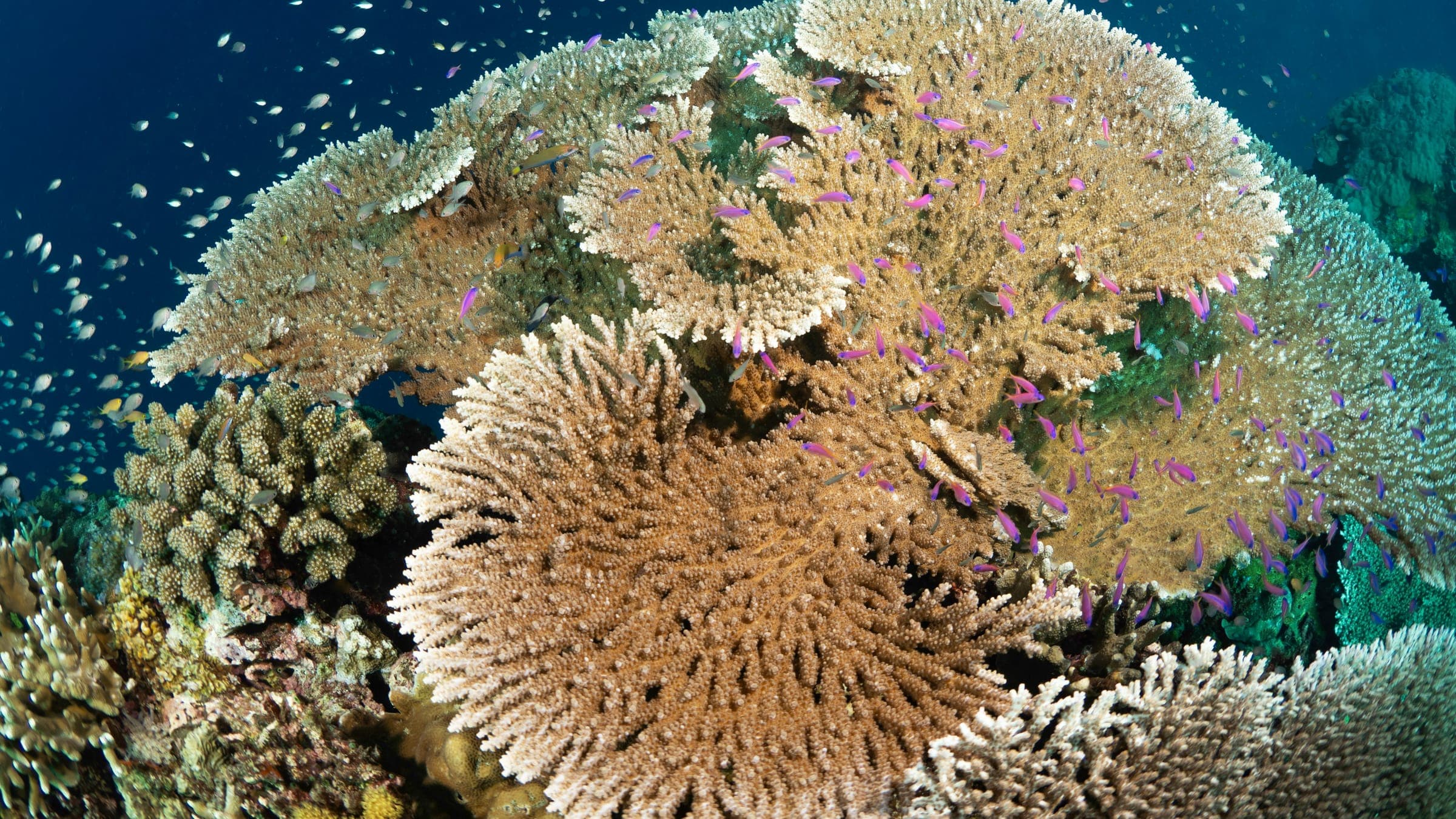
Apo Reef Natural Park is a remote atoll system in the Mindoro Strait, about 30 km to 40 km west of Mindoro and 28 km to 33 km offshore from Sablayan, Occidental Mindoro. Protected as a Natural Park with surrounding waters as a buffer zone, it includes Apo Island, Apo Menor (Binanggaan), and Cayos del Bajo (Tinankapan), plus a shallow lagoon and current-swept outer walls.
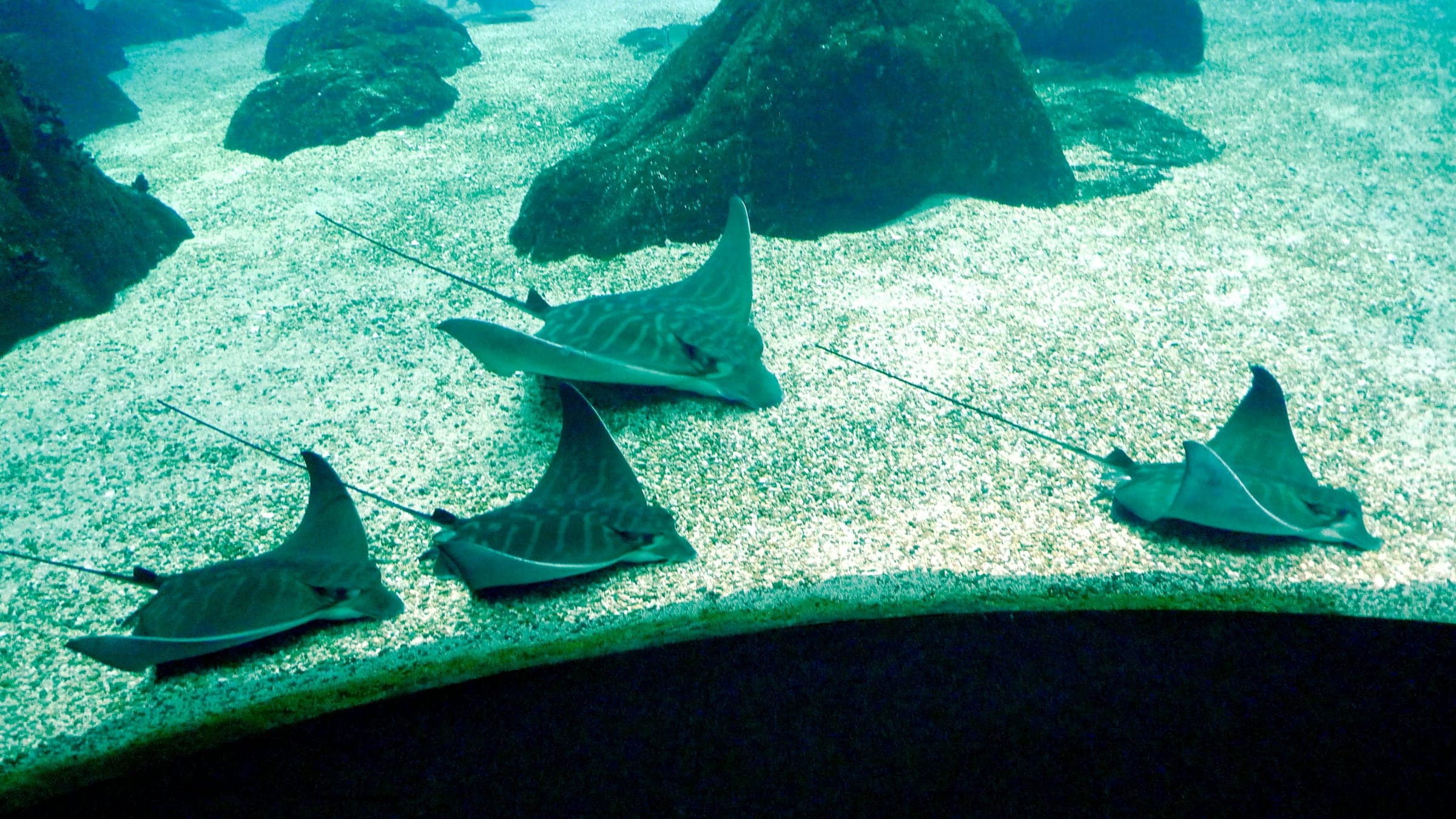
Most visitors come on multi-day expeditions from Sablayan or by liveaboard on routes that often pair Apo Reef with Coron. Underwater, expect drift dives along walls like Shark Ridge, deep seamounts like Apo 29, and a real chance of sharks, schooling barracuda, turtles, and big reef fish. Topside, you can camp on Apo Island and hike to the lighthouse for panoramic views.
This is a destination for divers who want frontier-style reef action with serious conservation credentials.
Declared a protected area (Natural Park) with surrounding waters as a buffer zone, administered by DENR and the Protected Area Management Board.
A vast reef system with lagoons, walls, and offshore seamounts. The reef area is often cited around 34 to 40 square kilometers, making it the Philippines' largest contiguous reef.
Top species linked to approved dive spots in Apo Reef Natural Park.
Share what the whole destination was like. Once enough independent reviews are approved, DiveJourney publishes anonymous patterns, not reviewer profiles.
Quick shortlist before you jump into the full planning page.
Apo Island coral-garden boat dive with reef slope, turtles, and sharks.
DiveJourney destination guides are living documents built from local knowledge, operator experience, and publicly available sources. Conditions, regulations, and logistics can change. Each guide shows its last update date and sources used.
Last updated: February 13, 2026 • 18 sources
If destination data is inaccurate, stale, missing, or sourced poorly, send a factual correction. This is separate from anonymous destination reviews.
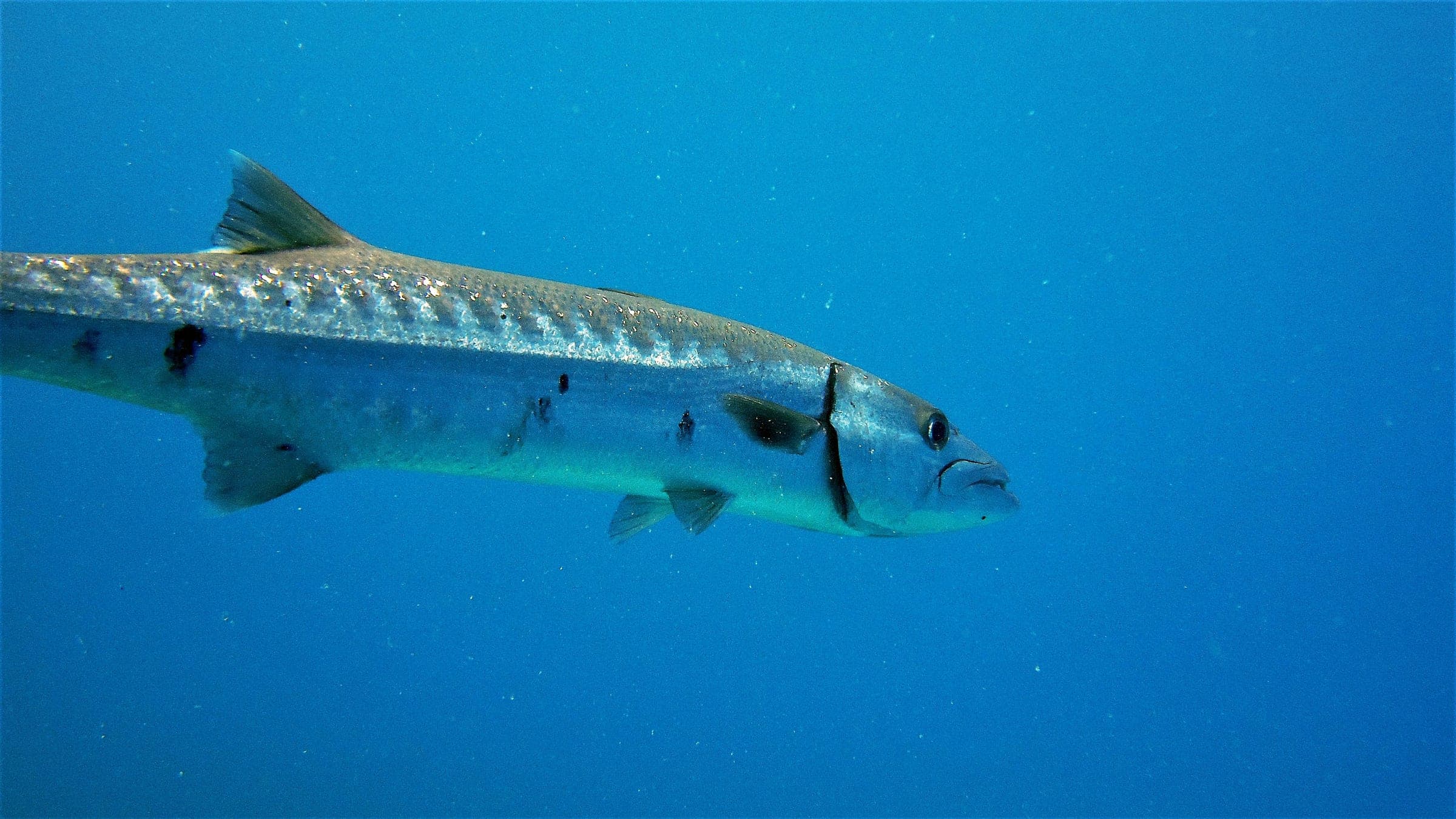
Current-swept walls and pinnacles attract reef sharks, barracuda, jacks, tuna, and occasional larger pelagics.
Dive it as a Sablayan expedition or via liveaboard routes departing from Batangas (Luzon) or Puerto Princesa (Palawan), often combined with Coron.
Expedition Planning
External Booking PartnerThis destination is usually planned around a liveaboard itinerary rather than a local day-boat base. Compare departures and routes with our external booking partner.
DiveJourney may earn referral revenue from this external booking partner. Booking is handled by the partner and operator under their terms.
9 linked spots
Best time to go
December to May
More reliable crossings and calmer seas for an offshore reef.
Main caution: Habagat rain and wind can increase surface chop. July to October is also the peak tropical cyclone window in the Philippines.