Inflation
Ability to inflate body by swallowing water or air as a defensive mechanism; hidden spines may become visible when inflated.
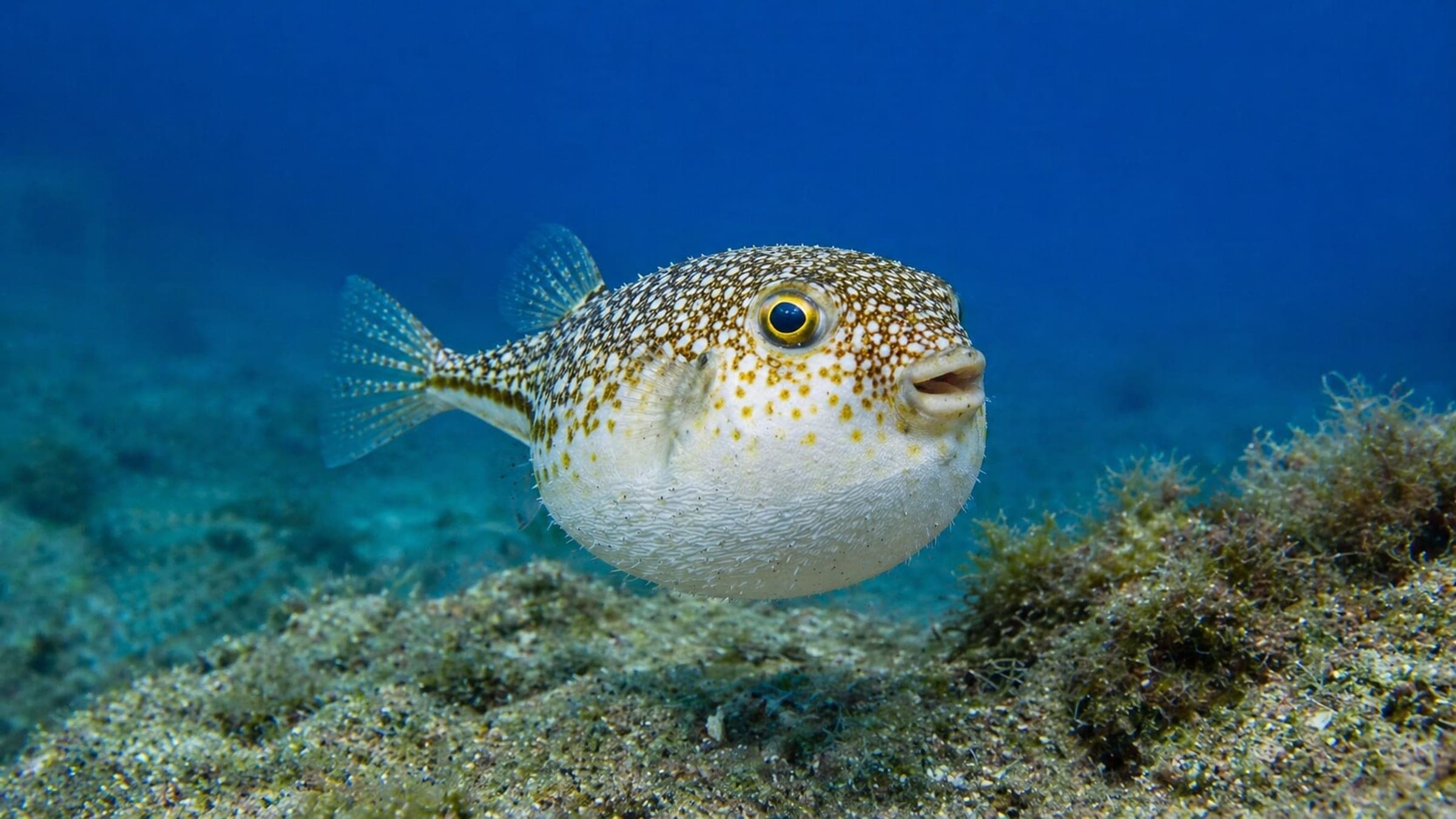
Tetraodontidae
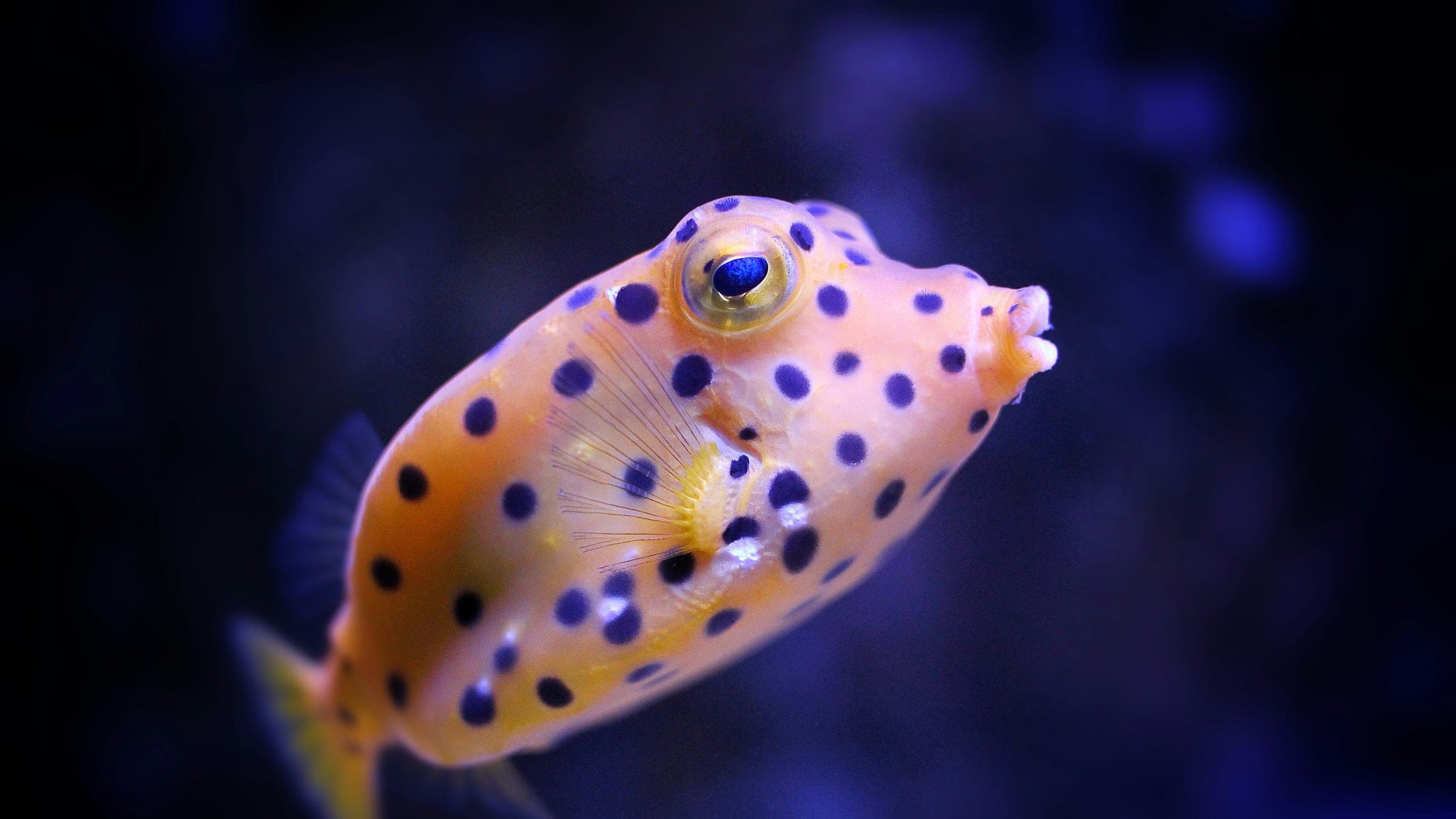
Pufferfish (family Tetraodontidae) are fishes known for inflating themselves and many species contain potent tetrodotoxin in organs and sometimes skin.
Species Guide
A clean field guide focused on habitat, identification, behavior, and conservation context without burying the useful parts.
Tetraodontidae is a family of marine and freshwater fishes in the order Tetraodontiformes. Members are commonly called pufferfishes and by many other common names. They are morphologically similar to porcupinefish; porcupinefish have large external spines, while Tetraodontidae species have thinner, hidden spines that become visible only when the fish inflate. The family name refers to the four teeth of the genus Tetraodon. The majority of pufferfish species are toxic — some contain the potent neurotoxin tetrodotoxin in internal organs and sometimes skin. Despite this, certain species' meat is consumed as a delicacy in parts of East Asia when prepared by trained chefs who know which parts and quantities are safe. Some species have nontoxic flesh and are eaten elsewhere. One species, Torquigener albomaculosus, is noted for males that build complex geometric sand nests to attract females.
The strongest linked planning options currently surface around destinations such as Nusa Penida, Coral Coast, Viti Levu, Phuket and countries such as Indonesia, Thailand, Egypt for divers building trips around pufferfish.
Identification
The visual markers divers can use underwater, plus the species most likely to cause confusion.
Ability to inflate body by swallowing water or air as a defensive mechanism; hidden spines may become visible when inflated.
Last Updated Mar 9, 2026 · 3 sources
Members of the family have four teeth (fused into a beak-like structure in some species).
Closely related and morphologically similar; porcupinefish have large external spines unlike the thinner hidden spines of Tetraodontidae.
Responsible Encounters
Conservation-minded guidance for divers who want the encounter without adding pressure.
Give pufferfish space, avoid blocking the animal's path, and follow local site and operator rules for wildlife interactions with saltwater fishes.
Field Notes
Useful species context that makes the encounter more meaningful once you are underwater.
Some pufferfish species contain tetrodotoxin, making them some of the most poisonous vertebrates.
Despite toxicity, certain species are prepared as delicacies (for example fugu in Japan) by trained chefs.
Torquigener albomaculosus males create complex geometric sand nests to attract females.
Top Destinations
Destinations surfaced from the linked dive spots associated with this species.
Top Countries
The strongest country-level starting points currently linked to this species.
Top Dive Spots
Directly linked dive spots where this species already shows up in the planning data.
Tiger Reef Tioman is a current-swept pinnacle for advanced boat dives.
Miyaru Kandu is a protected shark channel with a strong drift.
Advanced south Maui shore dive with lava caves and longer surface swim.
Shallow drift reef with pinnacles, caves, and dolphins.
Quiet Bonaire shore dive with easy access and rich shallows.
Quiet Chumphon shore bay for shallow snorkeling and easy fish spotting.
Diver Sightings
Approved diver reports where pufferfish were recently tagged.
FAQ
Clear planning and conservation answers written for search visibility and AI retrieval.
Research Sources
Primary and credible references behind the field-guide and conservation claims on this page.
Primary wildlife guide source.
Supporting wildlife source.
Taxonomy reference.
Related Species
Related species guides in the same encounter family.