Best time to go
May to October
Good mixedtrip weather, warming or stillwarm sea, more manageable coves and better hiking comfort. Sea often ranges from about 18°C in May to 22°C in October.
Main caution: School Holiday Crowds.
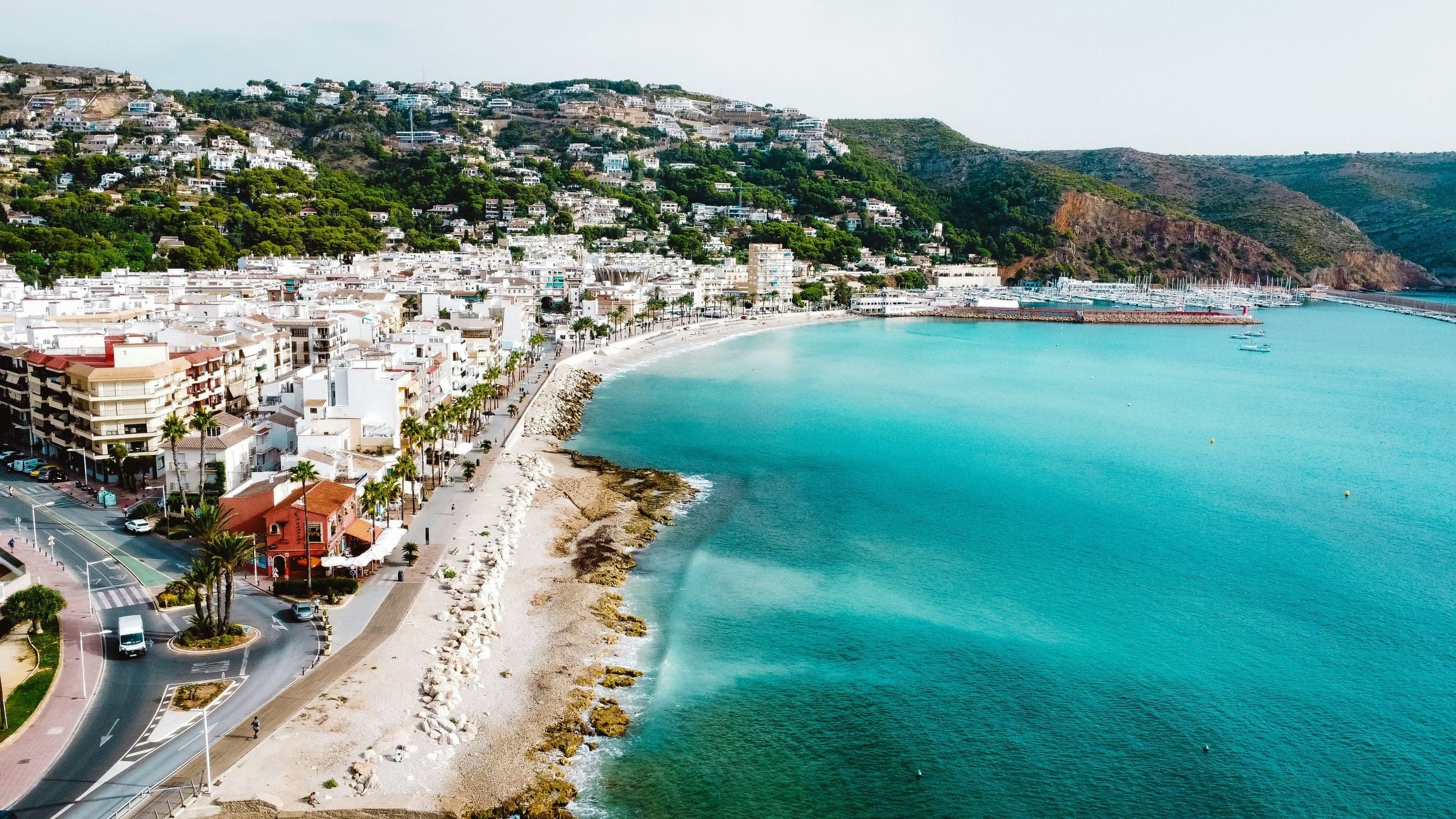
Mediterranean coves, reserve diving and whale-watch headlands between Denia and Xabia
Overview
Denia and Xabia/Javea are a compact Costa Blanca base for local boat dives, rocky snorkel coves, relaxed freedive mornings and strong non-diver days. The headline is Cabo de San Antonio Marine Reserve, a protected cape between both towns where posidonia meadows, boulder fields, sandy passages, caves and gorgonian-covered walls attract groupers, octopus, morays, nudibranchs and seasonal pelagic life. This is not a liveaboard destination. Plan it as a shore-and-day-boat trip with a rental car, local dive center permits, early cove starts and flexible routing around wind. Summer brings the warmest water and busiest beaches. September and October are the sweet spot for warm sea, clearer coves and easier logistics. Non-divers can hike Montgo, visit Cova Tallada, explore Denia Castle, wander Xabia old town and take responsible whale-watch trips during the fin whale migration season.
Cabo de San Antonio Marine Reserve gives the destination its signature. Expect regulated local diving among cliffs, boulders, caves, posidonia and fish refuge habitat rather than a mass-market resort circuit.
Within a short drive you can switch between Les Rotes, Cala Blanca, Sardinera, Portitxol Island and Granadella, which makes the trip adaptable when wind or crowds affect one side of the headland.
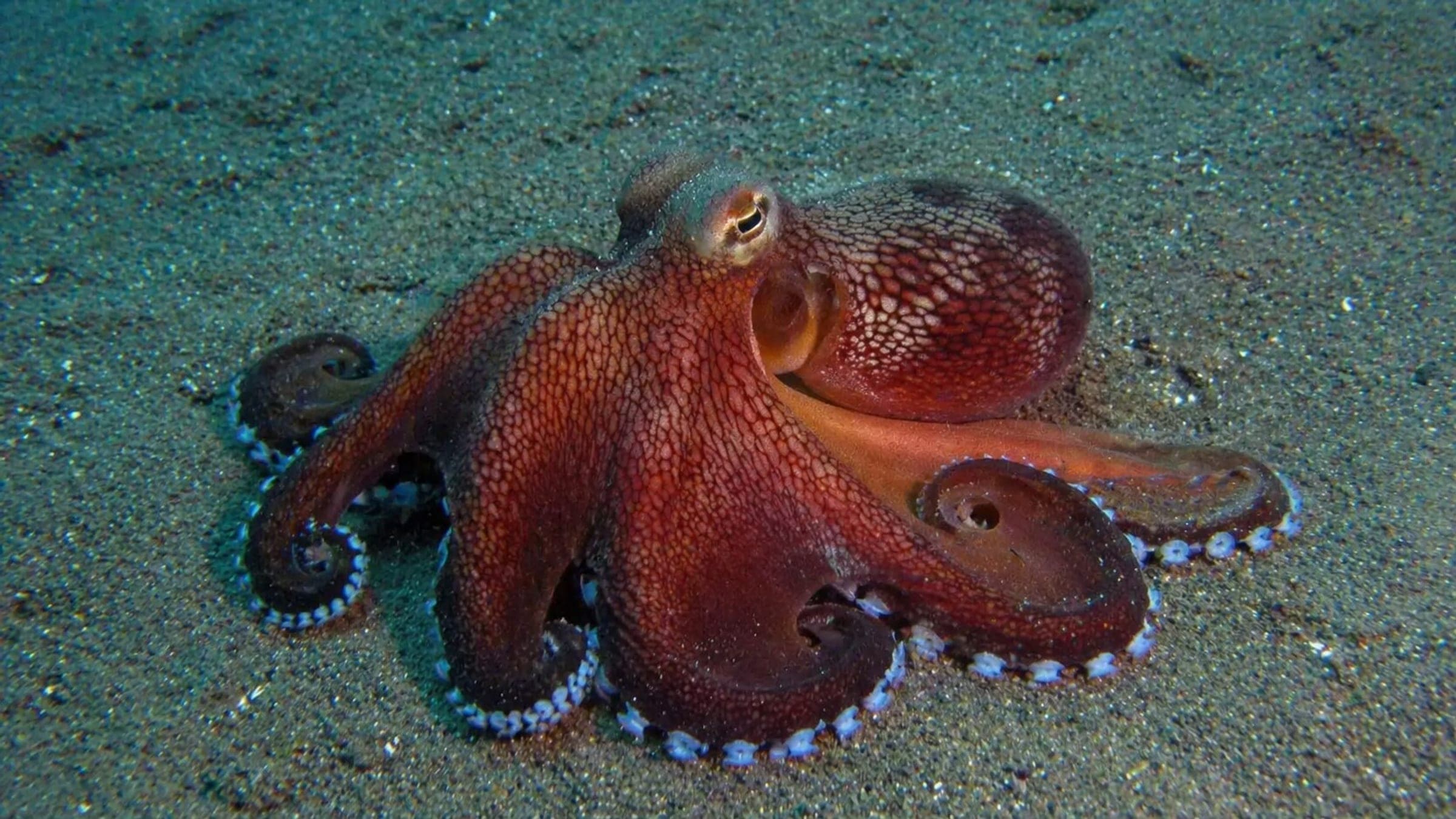
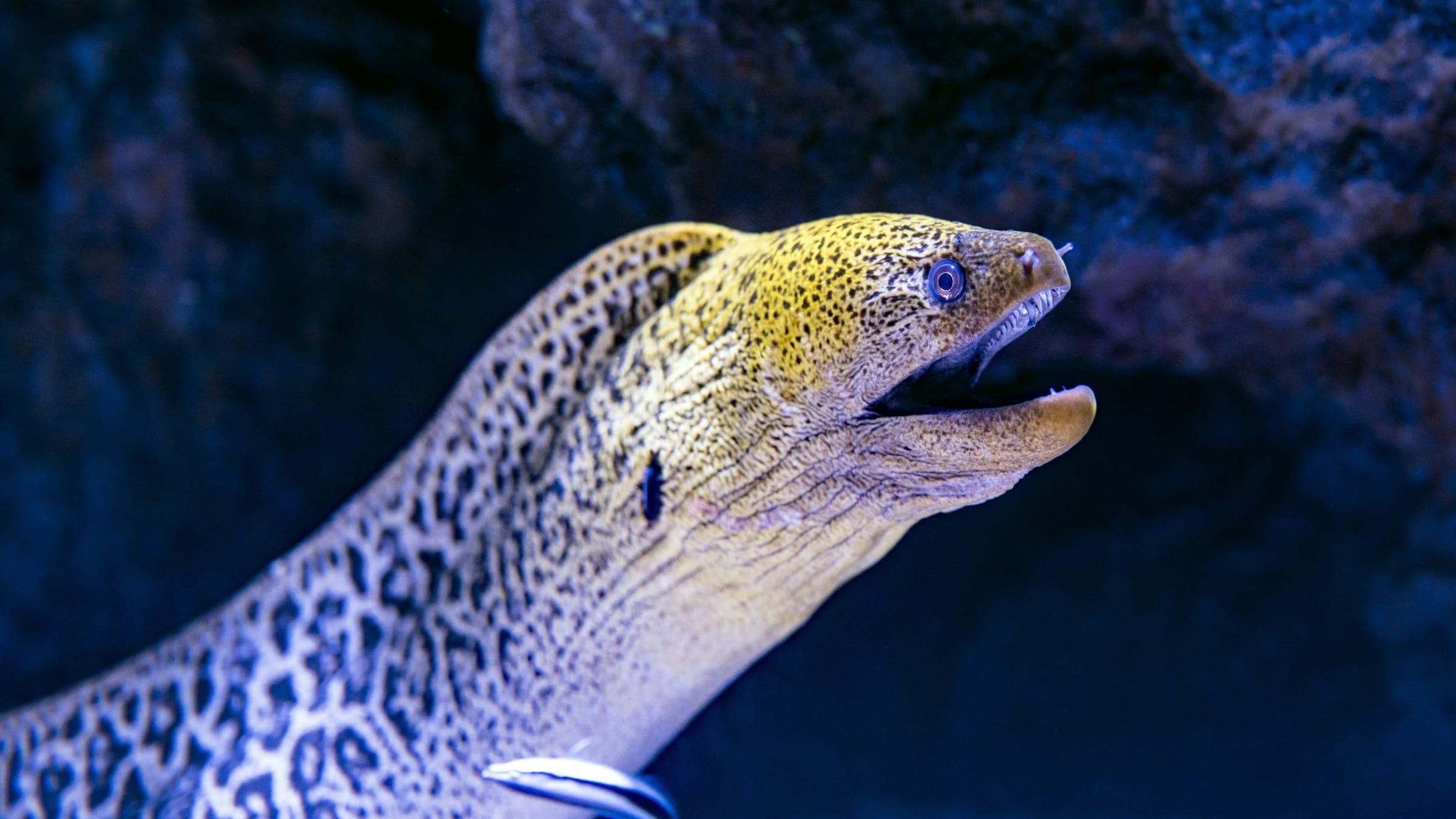
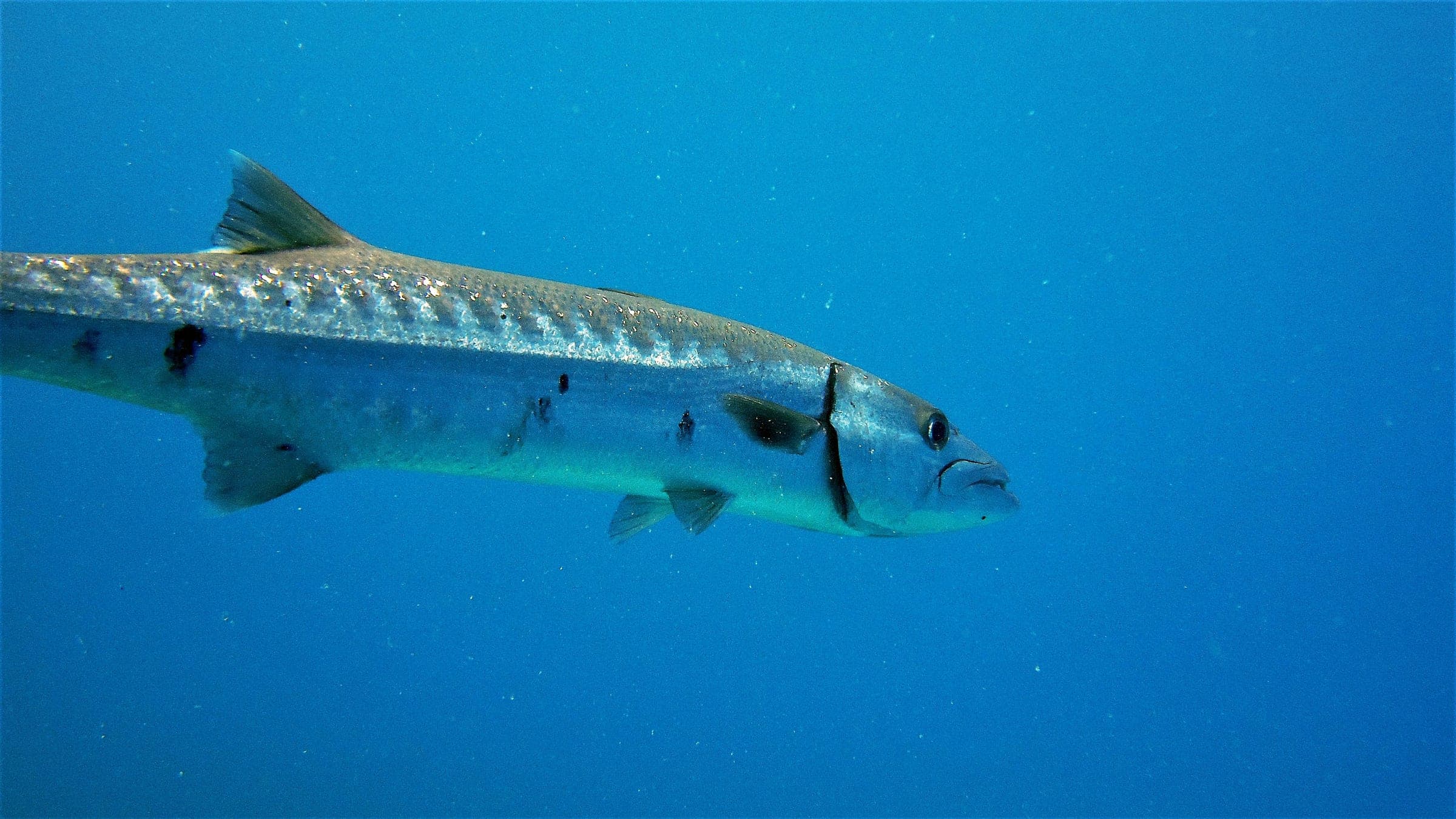
Top species linked to approved dive spots in Costa Blanca: Denia and Xabia/Javea.
Share what the whole destination was like. Once enough independent reviews are approved, DiveJourney publishes anonymous patterns, not reviewer profiles.
Quick shortlist before you jump into the full planning page.
Freshwater training pool in Xàbia/Jávea for beginner skills practice.
DiveJourney destination guides are living documents built from local knowledge, operator experience, and publicly available sources. Conditions, regulations, and logistics can change. Each guide shows its last update date and sources used.
Last updated: April 20, 2026 • 28 sources
If destination data is inaccurate, stale, missing, or sourced poorly, send a factual correction. This is separate from anonymous destination reviews.
Rocky entries and clear-water coves make snorkeling meaningful even for non-divers, especially at Cala Blanca, Cala Sardinera, Cala Barraca/Portitxol, Granadella and the permitted approaches to Cova Tallada.
Montgo Natural Park, Cova Tallada, Denia Castle, Xabia old town, sea-view miradors, markets and restaurants keep mixed groups busy between water days.
20 linked spots
Best time to go
May to October
Good mixedtrip weather, warming or stillwarm sea, more manageable coves and better hiking comfort. Sea often ranges from about 18°C in May to 22°C in October.
Main caution: School Holiday Crowds.