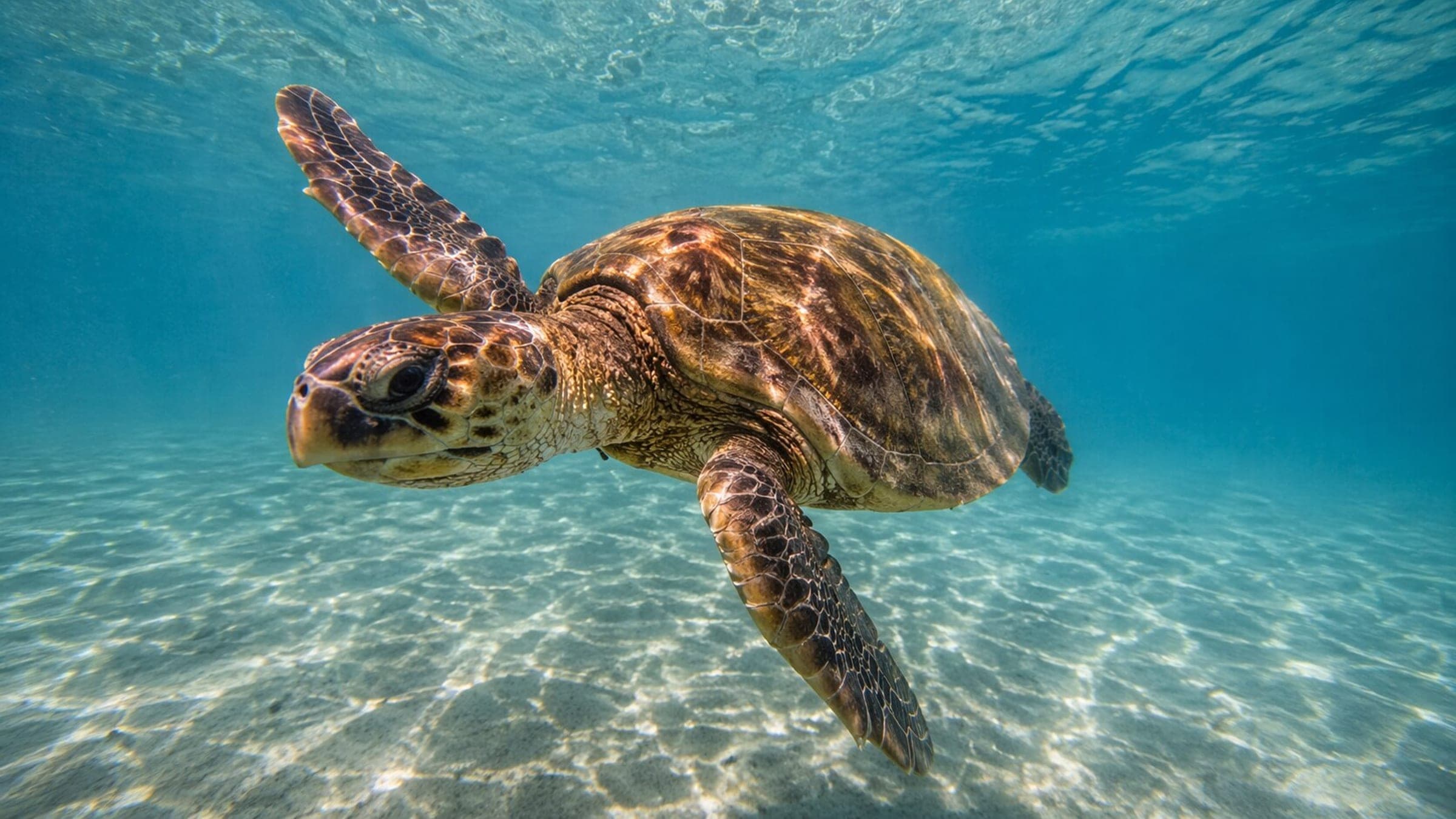
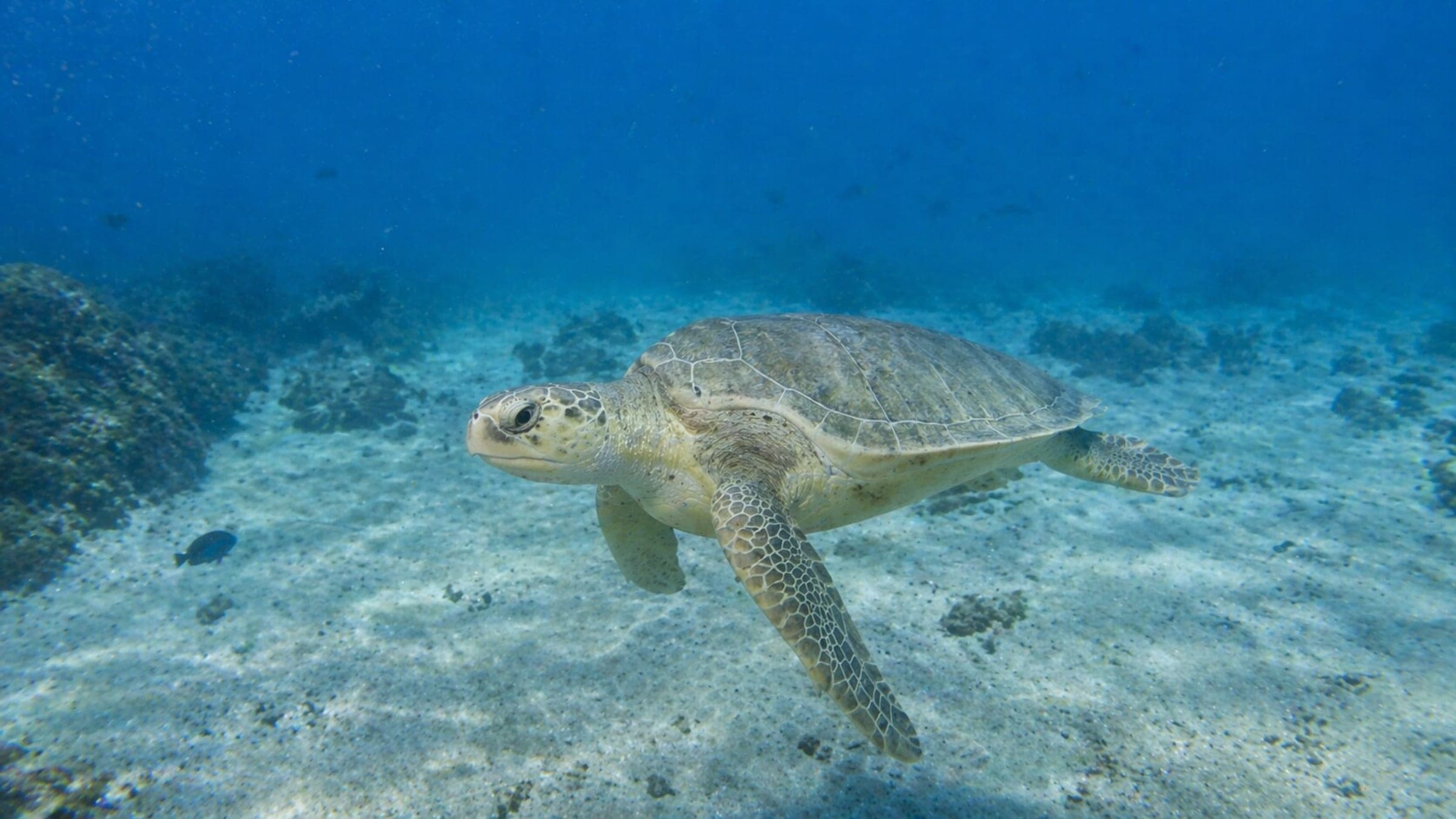
Carapace shape
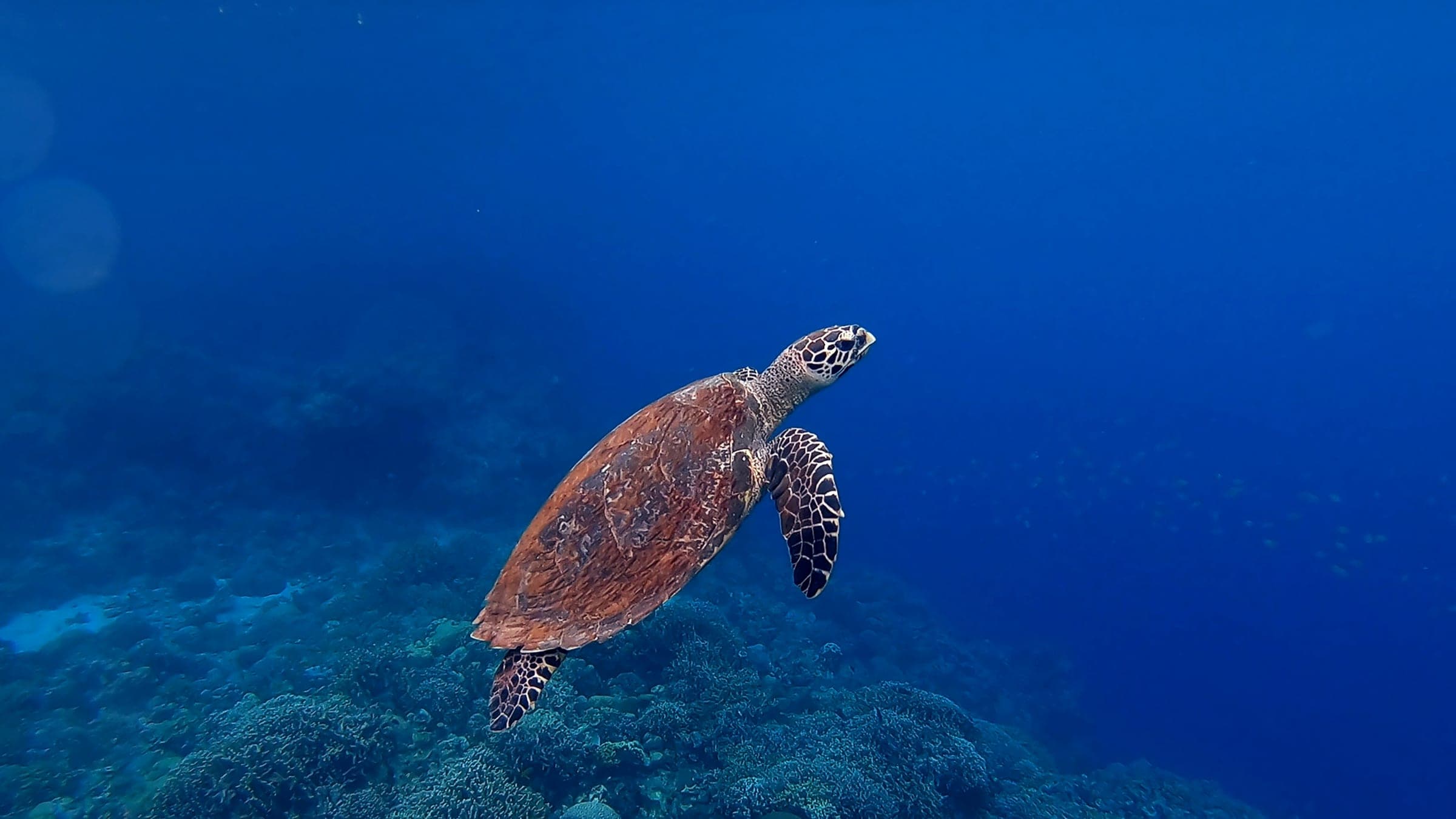
Large, teardrop-shaped carapace; dorsoventrally flattened body.
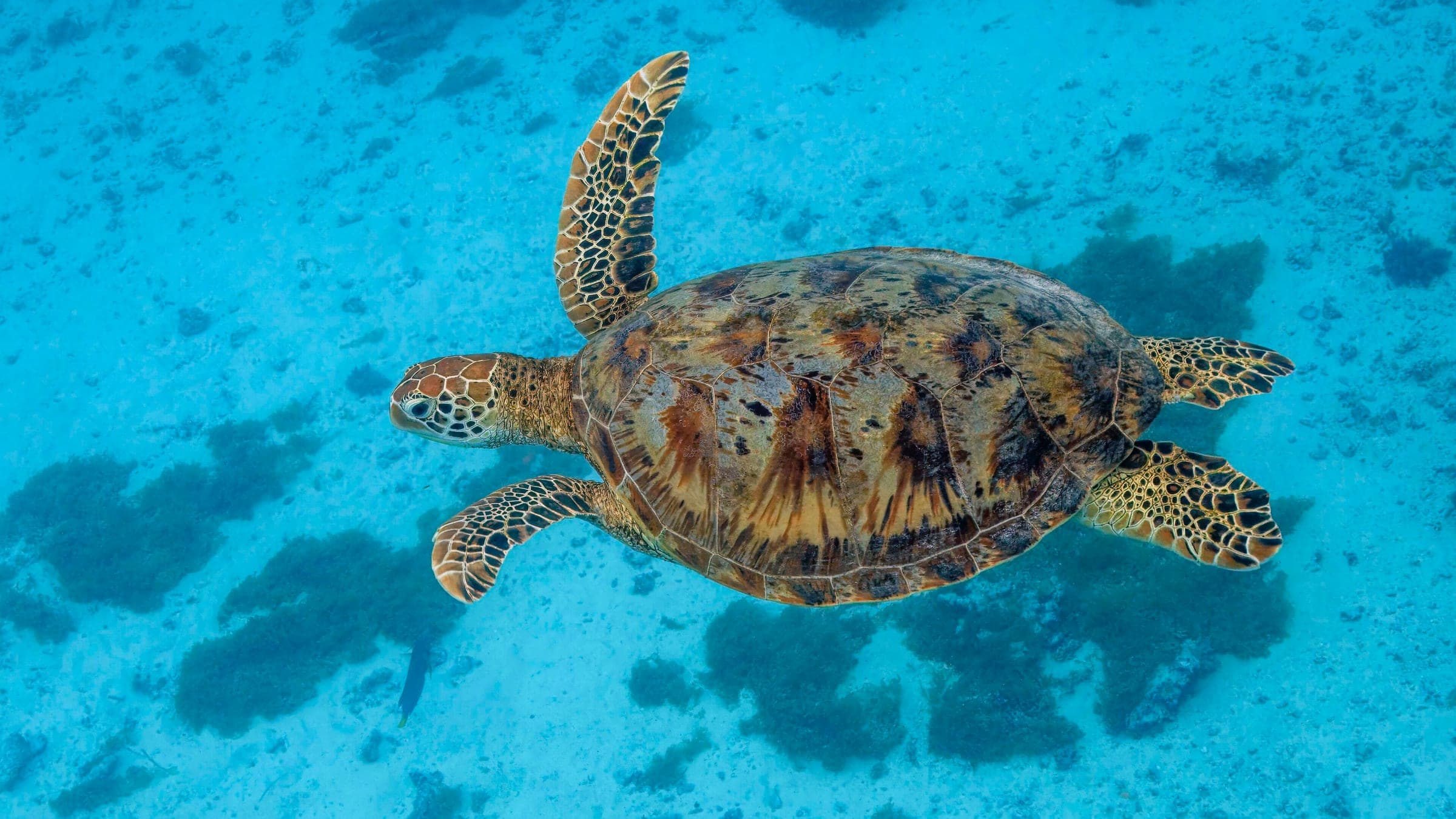
Chelonia mydas
A large sea turtle species that is mostly herbivorous as an adult and occurs throughout tropical and subtropical seas worldwide.
Species Guide
A clean field guide focused on habitat, identification, behavior, and conservation context without burying the useful parts.
The green sea turtle (Chelonia mydas) is a large sea turtle in the family Cheloniidae and the only species in the genus Chelonia. Its body is dorsoventrally flattened and covered by a large, teardrop-shaped carapace, and it has a pair of large, paddle-like flippers. Populations occur throughout tropical and subtropical seas worldwide, with distinct Atlantic and Pacific populations and presence in the Indian Ocean. Adults usually inhabit shallow lagoons and feed mainly on seagrasses. Green sea turtles migrate long distances between feeding grounds and nesting beaches. Females come ashore at night to dig nests and lay eggs; hatchlings later emerge and move into the water. Individuals that reach maturity may live to around 90 years in the wild.
Green sea turtles have been listed as endangered and are protected from exploitation in most countries; many jurisdictions prohibit collecting, harming, or killing them and protect nesting beaches, but threats from hunting, pollution, fishing bycatch, and habitat loss persist.
Green sea turtles migrate long distances between feeding grounds (often shallow lagoons) and hatching/nesting beaches.
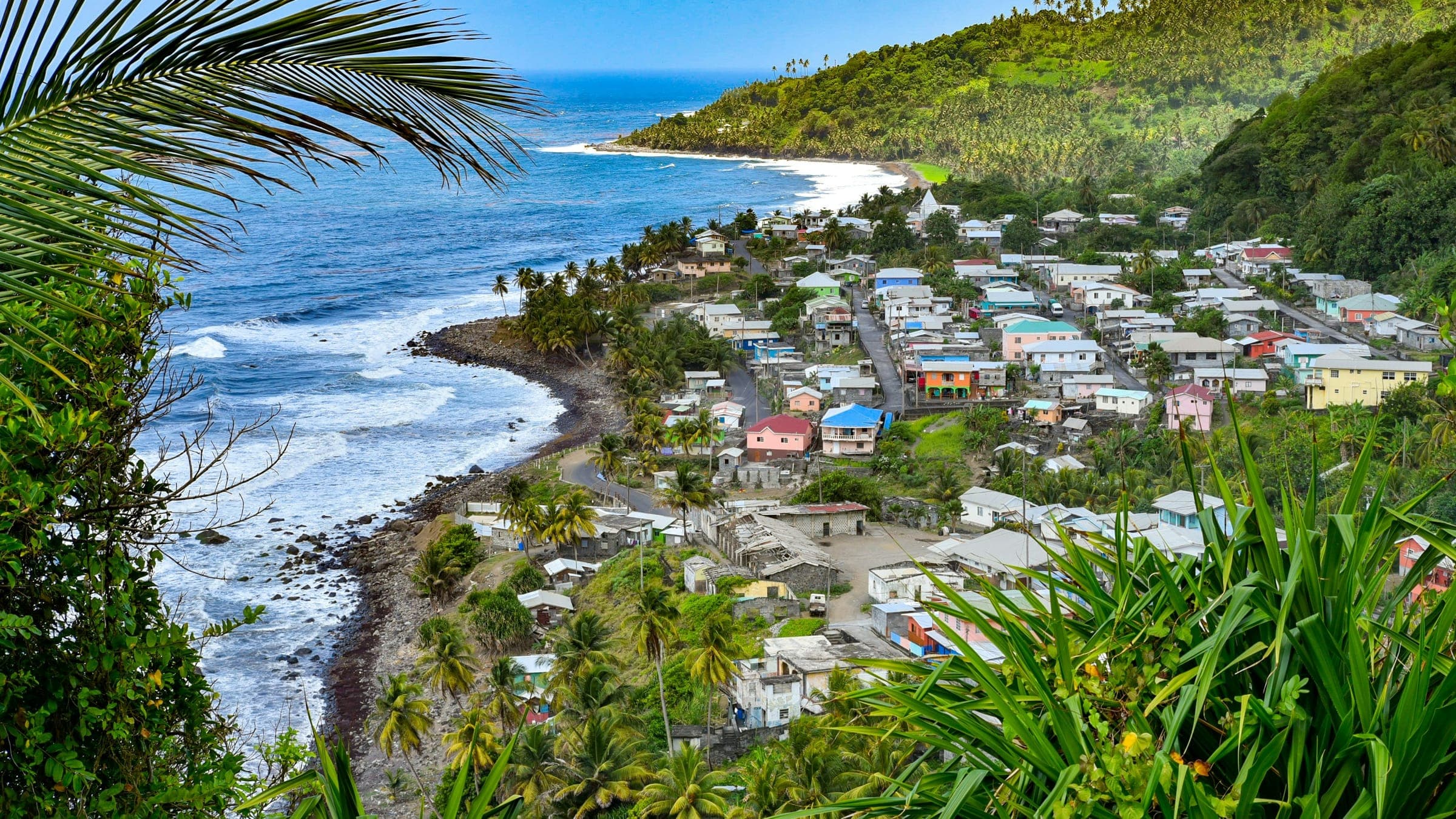
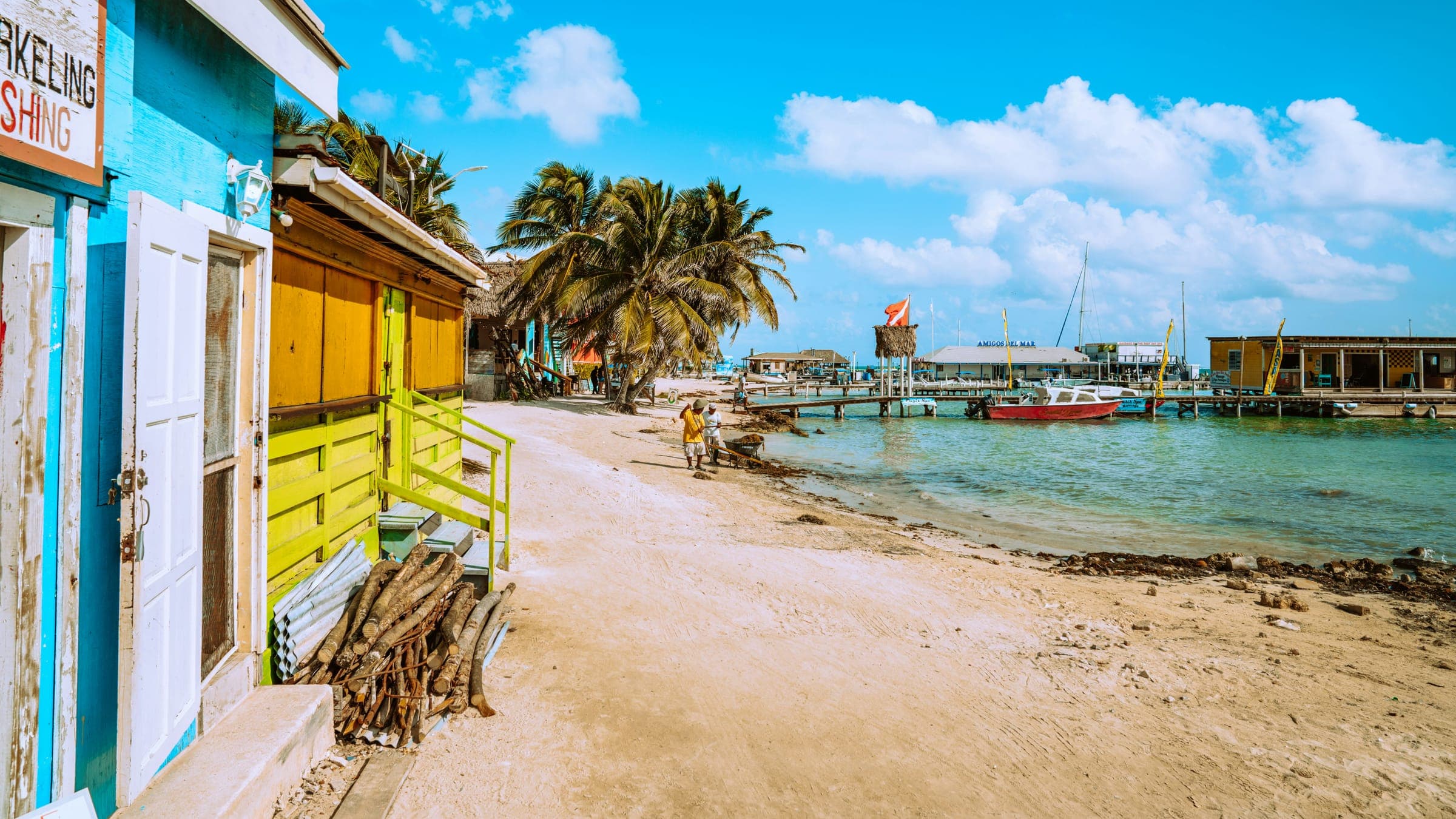
The strongest linked planning options currently surface around destinations such as Caye Caulker, San Pedro (Ambergris Caye), Belize, Marsa Alam (Abu Dabbab and Elphinstone) and countries such as United States of America, Saint Vincent and the Grenadines, Belize for divers building trips around green turtles.
Last Updated Mar 9, 2026 · 2 sources
Identification
The visual markers divers can use underwater, plus the species most likely to cause confusion.
Large, teardrop-shaped carapace; dorsoventrally flattened body.
Pair of large, paddle-like flippers.
Carapace color ranges from olive to black; the common name refers to the usually green fat beneath the carapace due to diet.
Unlike the hawksbill, the green sea turtle is mostly herbivorous as an adult.
Range and Movement
The broad range, seasonal movement, or migratory behavior that shapes where divers encounter this species.
Green sea turtles migrate long distances between feeding grounds (often shallow lagoons) and hatching/nesting beaches.
Diet
Useful feeding context that often explains habitat, movement, and encounter style.
Adults are mostly herbivorous and feed primarily on various species of seagrass; green sea turtles are the only aquatic turtle species that is herbivorous when fully grown.
Conservation
Status, pressure, and protection context grounded in cited sources rather than filler.
Green sea turtles have been listed as endangered and are protected from exploitation in most countries; many jurisdictions prohibit collecting, harming, or killing them and protect nesting beaches, but threats from hunting, pollution, fishing bycatch, and habitat loss persist.
In some countries turtles and their eggs are still hunted for food.
Pollution indirectly harms turtles at both population and individual scales.
Many turtles die after being caught in fishing nets.
Real estate development can eliminate nesting beaches, causing habitat loss.
They have been listed by international frameworks and are protected from exploitation; CITES regulated trade.
Many countries have laws and ordinances to protect nesting beaches.
In many places it is illegal to collect, harm, or kill green sea turtles.
Responsible Encounters
Conservation-minded guidance for divers who want the encounter without adding pressure.
Give green turtle space, avoid blocking the animal's path, and follow local site and operator rules for wildlife interactions with turtles.
Field Notes
Useful species context that makes the encounter more meaningful once you are underwater.
Individuals that reach maturity may live to around 90 years in the wild.
The green sea turtle is the only aquatic turtle species that is herbivorous when fully grown.
Many islands worldwide are known as 'Turtle Island' due to green sea turtles nesting on their beaches.
Top Destinations
Destinations surfaced from the linked dive spots associated with this species.
Top Countries
The strongest country-level starting points currently linked to this species.
Top Dive Spots
Directly linked dive spots where this species already shows up in the planning data.
Calm Matinhos beach with shallow water, lifeguards, and easy snorkeling.
Boat-access reef and canyon diving off Ambergris Caye.
Boat reef with coral blocks, caves, and soft corals
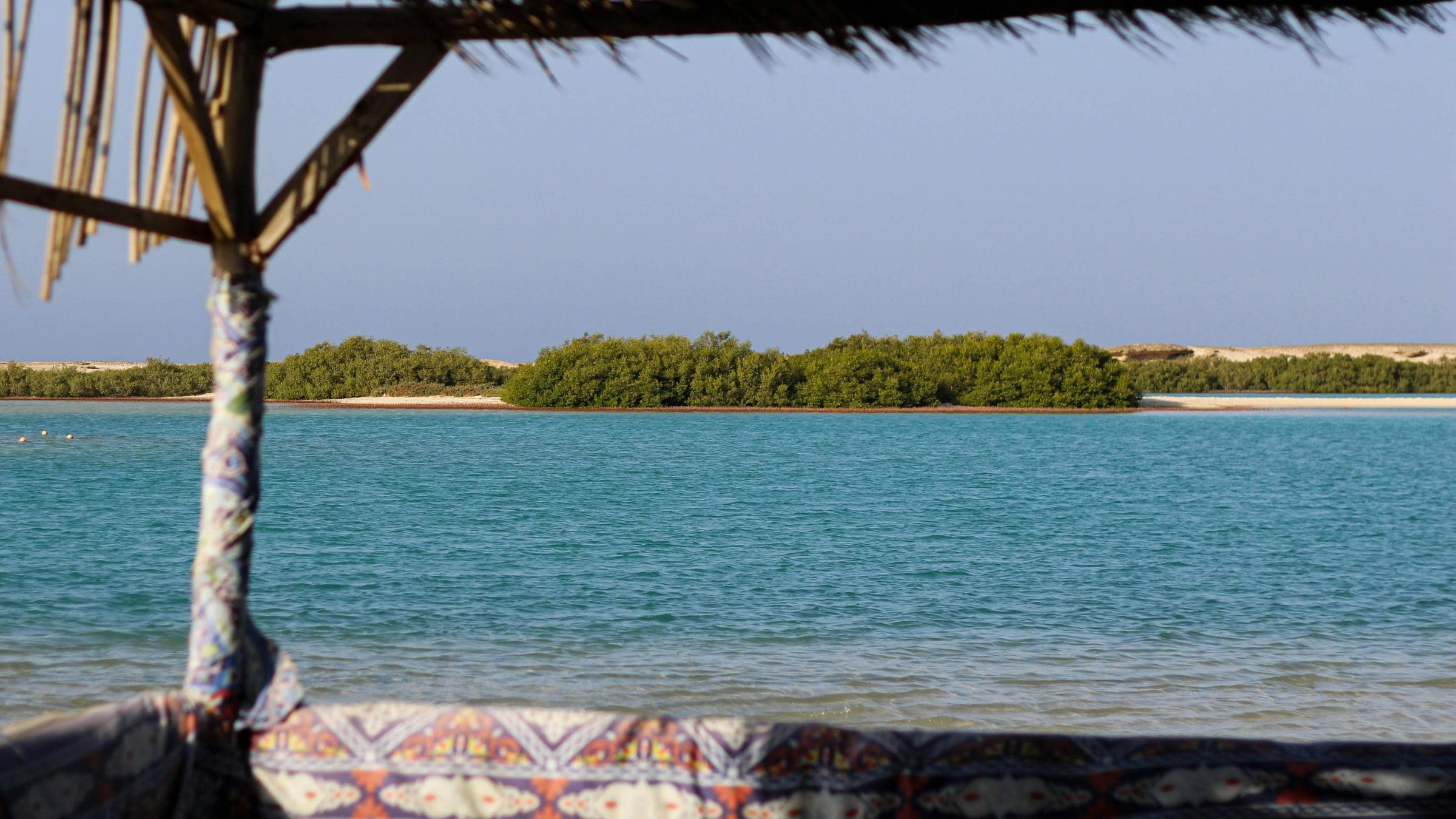
Sheltered Red Sea bay with seagrass, reefs, and dugongs.
Bayahibe boat-dive base for reefs, wrecks, and park sites.
Calm, shallow training water at Bikini Beach.
Diver Sightings
Approved diver reports where green turtles were recently tagged.
FAQ
Clear planning and conservation answers written for search visibility and AI retrieval.
Research Sources
Primary and credible references behind the field-guide and conservation claims on this page.
Primary wildlife guide source.
Taxonomy reference.
Related Species
Related species guides in the same encounter family.






![Scientific name: Dermochelys coriacea Common name Spanish: Tinglar Photo by Claudia Lombard, USFWS Location, Sandy Point National Wildlife Refuge, US Virgin Islands More information: [1]](/_next/image?url=https%3A%2F%2Fscccpsqeuaphhrqmepmb.supabase.co%2Fstorage%2Fv1%2Fobject%2Fpublic%2Fimages-public%2Fclean%2Fcontent%2Fce079739-416f-4696-b477-a5113ebfaec1%2Fmaster.jpg&w=3840&q=75)