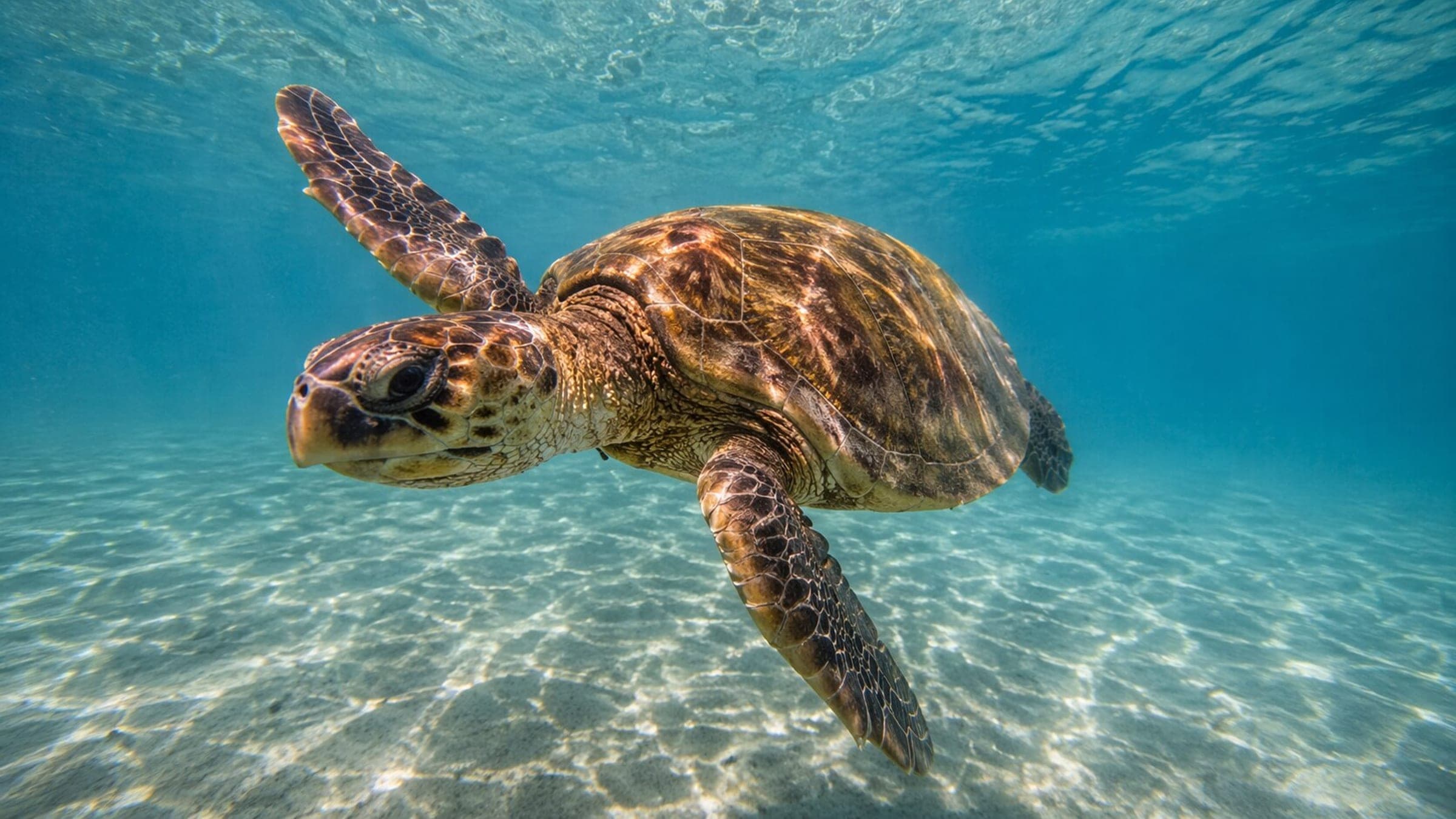
Size and abundance
Second-smallest sea turtle species and described as the most abundant of all sea turtles.
Species Guide
A clean field guide focused on habitat, identification, behavior, and conservation context without burying the useful parts.
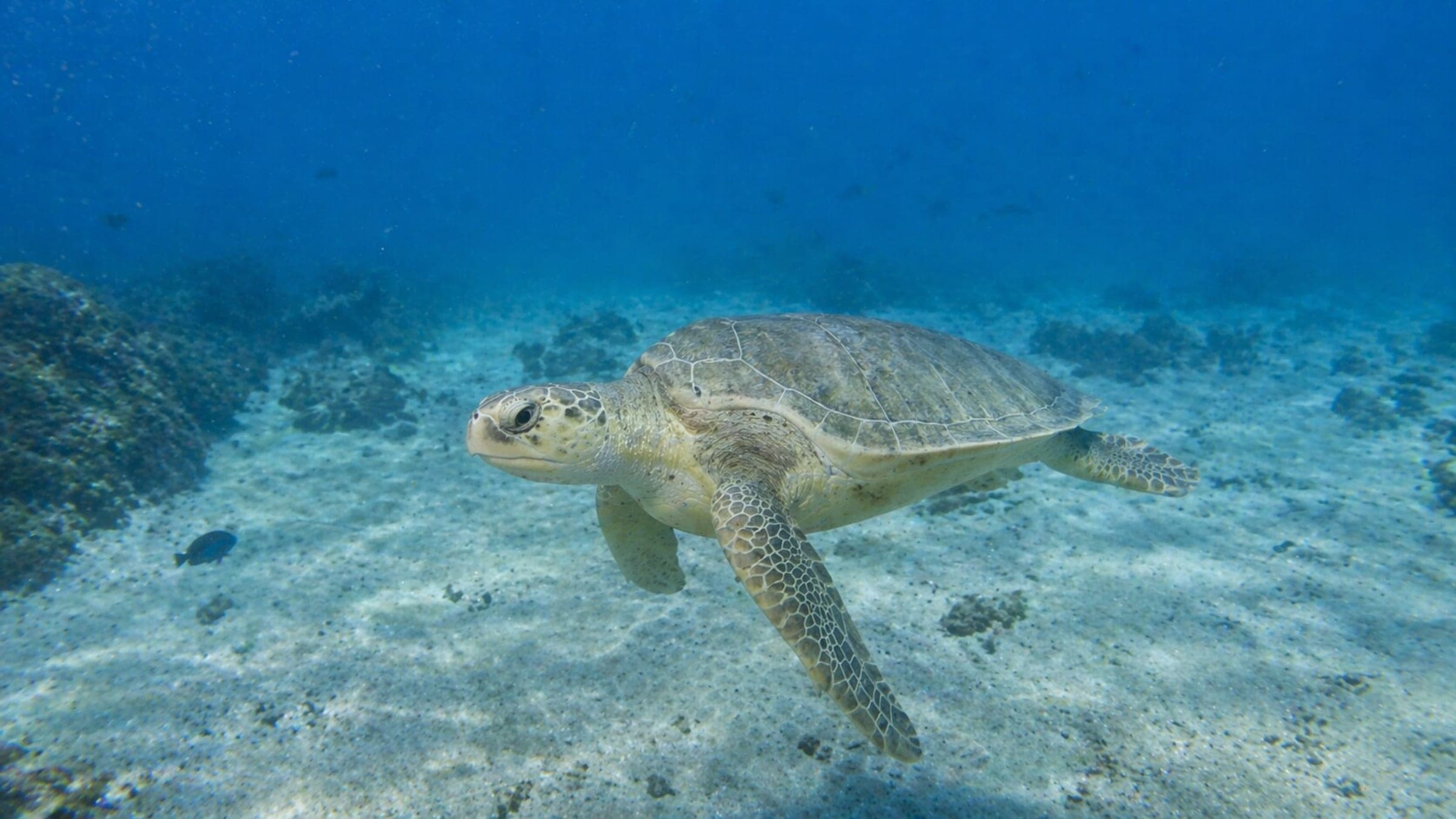
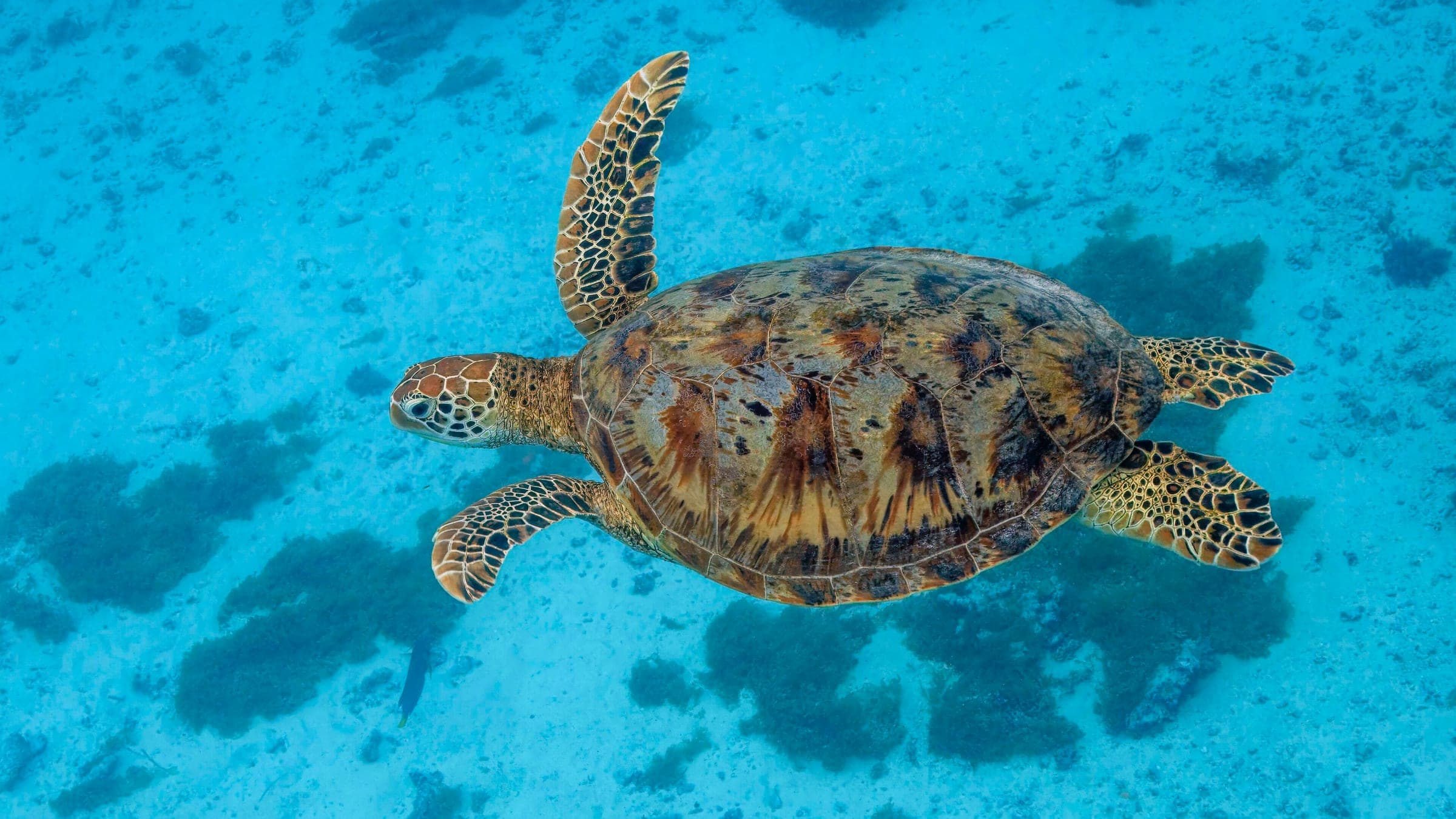
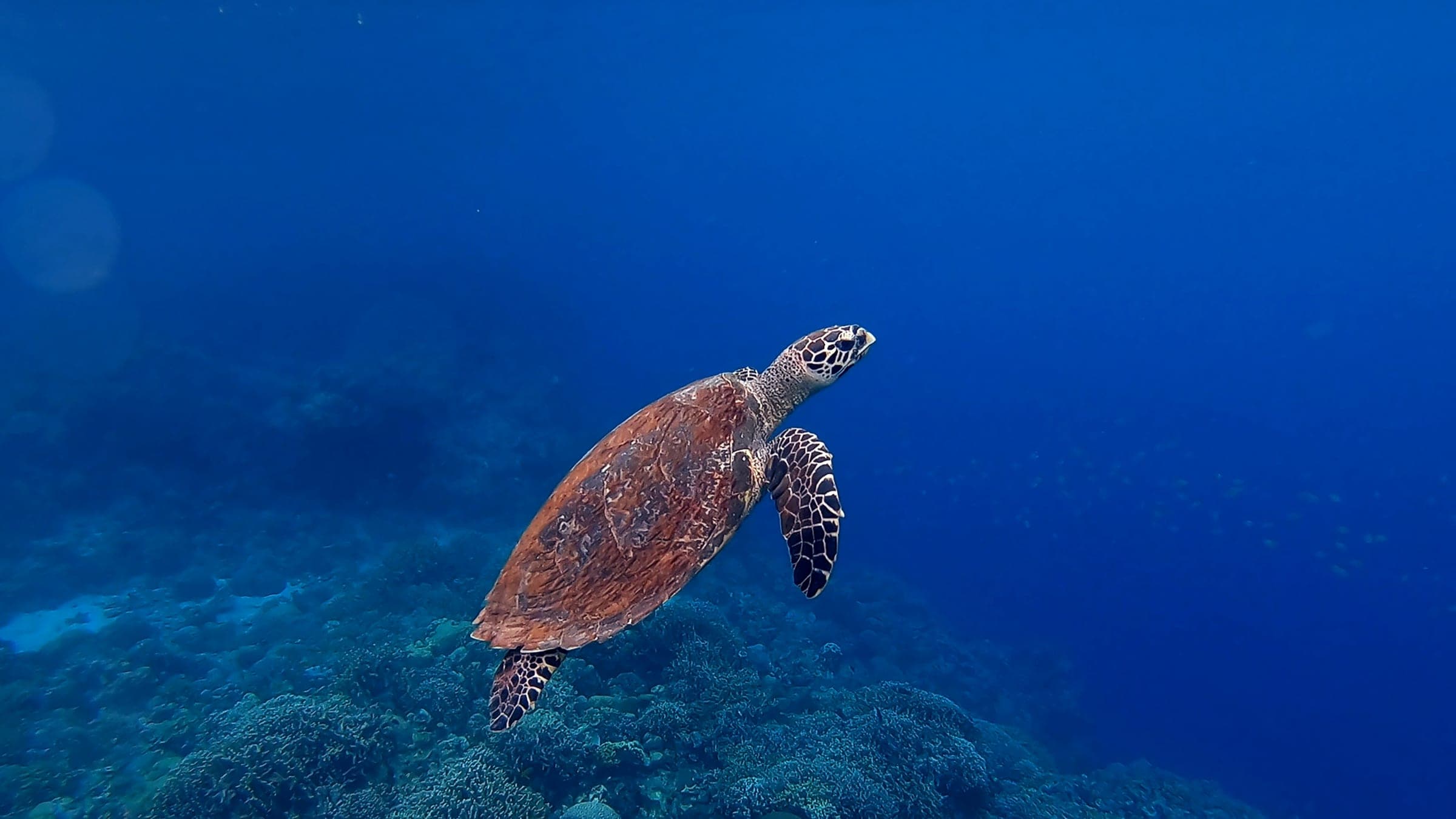
The olive ridley sea turtle (Lepidochelys olivacea) is a species in the family Cheloniidae. It is the second-smallest and the most abundant of all sea turtles. Olive ridleys occur in warm and tropical waters, primarily in the Pacific and Indian Oceans, and also in warm areas of the Atlantic Ocean. This species and the related Kemp's ridley are known for synchronized mass nestings called arribadas, when thousands of females come together on the same beach to lay eggs.
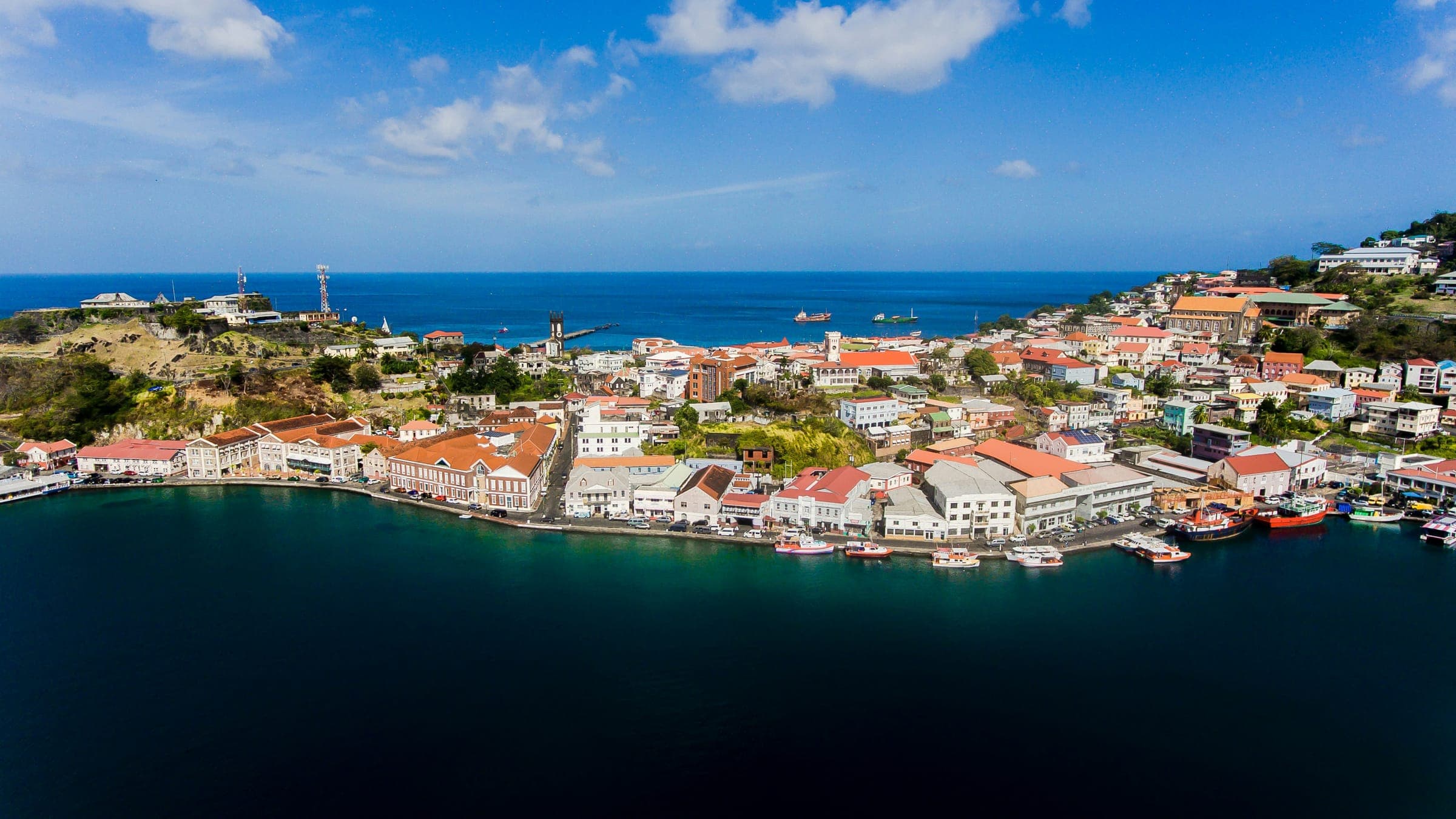
The strongest linked planning options currently surface around destinations such as Bahias de Huatulco, Bonaire, Chumphon and countries such as Mexico, Philippines, Costa Rica for divers building trips around olive ridley turtles.
Identification
The visual markers divers can use underwater, plus the species most likely to cause confusion.
Second-smallest sea turtle species and described as the most abundant of all sea turtles.
Found in warm and tropical waters, primarily in the Pacific and Indian Oceans, and also in warm Atlantic waters.
A related species noted alongside the olive ridley; both are known for mass nesting events.
Responsible Encounters
Conservation-minded guidance for divers who want the encounter without adding pressure.
Give olive ridley turtle space, avoid blocking the animal's path, and follow local site and operator rules for wildlife interactions with turtles.
Field Notes
Useful species context that makes the encounter more meaningful once you are underwater.
Olive ridleys are best known for synchronized mass nestings called arribadas, where thousands of females nest on the same beach.
They occur in warm tropical waters across the Pacific, Indian, and parts of the Atlantic Oceans.
Top Destinations
Destinations surfaced from the linked dive spots associated with this species.
Top Countries
The strongest country-level starting points currently linked to this species.
Top Dive Spots
Directly linked dive spots where this species already shows up in the planning data.
Boat-access airplane wreck on a sandy slope in Moalboal.
Signature Tawali reef-wall dive with strong photo appeal
Shallow Christ statue dive off Las Gatas.
A Huatulco drift-wall site for experienced divers.
A guided reef-and-pinnacle dive in Manuel Antonio.
A reef site with cove and rock sections in Huatulco.
FAQ
Clear planning and conservation answers written for search visibility and AI retrieval.
Research Sources
Primary and credible references behind the field-guide and conservation claims on this page.
Primary wildlife guide source.
Supporting wildlife source.
Taxonomy reference.
Related Species
Related species guides in the same encounter family.





![Scientific name: Dermochelys coriacea Common name Spanish: Tinglar Photo by Claudia Lombard, USFWS Location, Sandy Point National Wildlife Refuge, US Virgin Islands More information: [1]](/_next/image?url=https%3A%2F%2Fscccpsqeuaphhrqmepmb.supabase.co%2Fstorage%2Fv1%2Fobject%2Fpublic%2Fimages-public%2Fclean%2Fcontent%2Fce079739-416f-4696-b477-a5113ebfaec1%2Fmaster.jpg&w=3840&q=75)