Size
Largest living turtle, up to 2.7 metres in length and about 500 kilograms in weight.
![Scientific name: Dermochelys coriacea Common name Spanish: Tinglar Photo by Claudia Lombard, USFWS Location, Sandy Point National Wildlife Refuge, US Virgin Islands More information: [1]](/_next/image?url=https%3A%2F%2Fscccpsqeuaphhrqmepmb.supabase.co%2Fstorage%2Fv1%2Fobject%2Fpublic%2Fimages-public%2Fclean%2Fcontent%2Fce079739-416f-4696-b477-a5113ebfaec1%2Fmaster.jpg&w=3840&q=75)
Dermochelys coriacea
The leatherback sea turtle is the largest living turtle, notable for its flexible, leather-like carapace rather than a bony shell.
Species Guide
A clean field guide focused on habitat, identification, behavior, and conservation context without burying the useful parts.
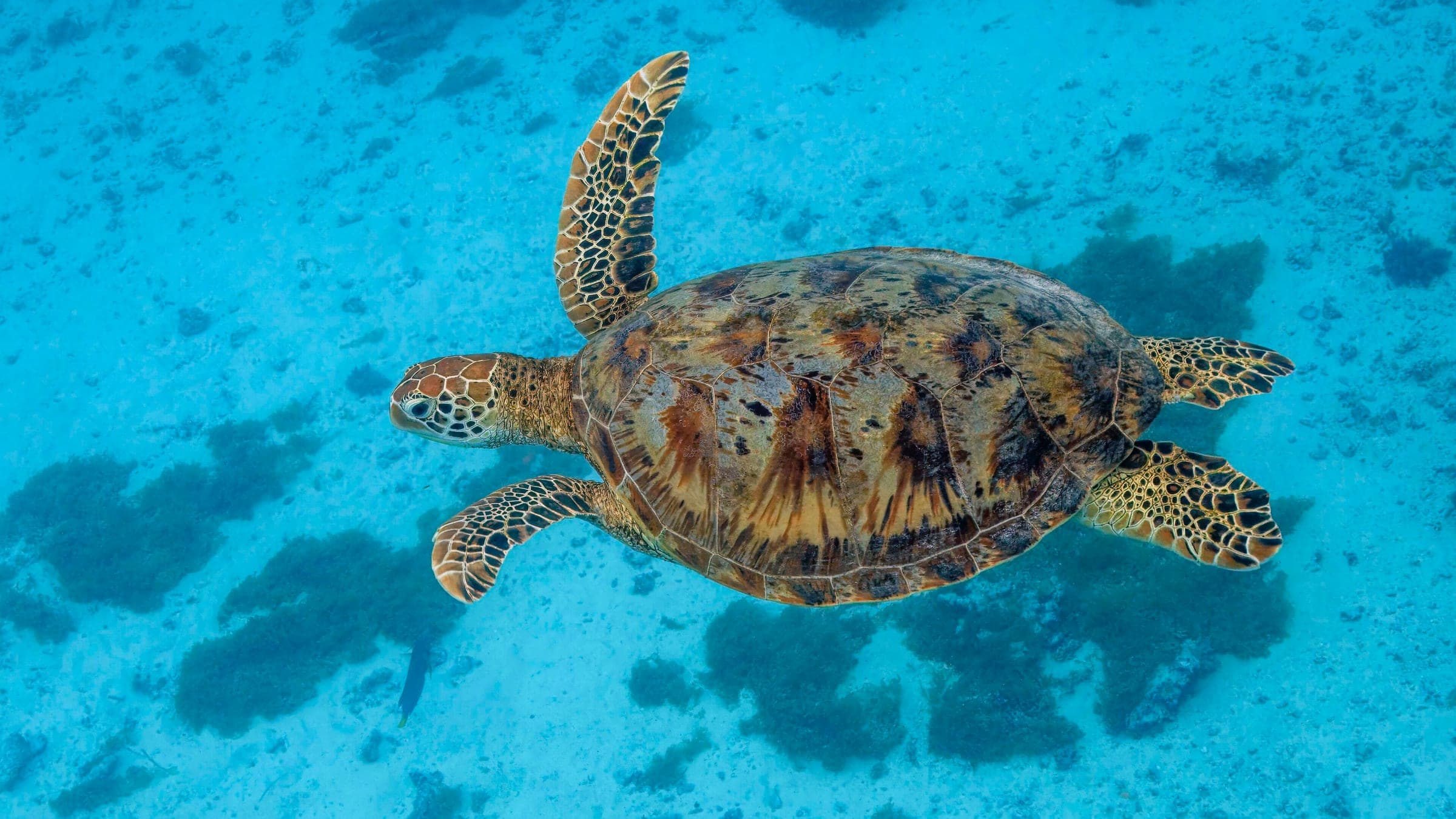
The leatherback sea turtle (Dermochelys coriacea) is the largest of all living turtles and the heaviest non-crocodilian reptile, reaching lengths up to 2.7 metres and weights up to 500 kilograms. It is the only living species in the genus Dermochelys and the family Dermochelyidae. Leatherbacks differ from other modern sea turtles by lacking a bony shell; their carapace is covered by oily flesh and flexible, leather-like skin. The species has a global range with multiple distinct subpopulations.
The species is assessed as vulnerable overall, with some distinct subpopulations listed as critically endangered.
The strongest linked planning options currently surface around destinations such as Ari Atoll, Bahias de Huatulco, Bayahibe and Dominicus and countries such as Maldives, Mexico, Mozambique for divers building trips around leatherback turtles.
Identification
Last Updated Mar 9, 2026 · 2 sources
The visual markers divers can use underwater, plus the species most likely to cause confusion.
Largest living turtle, up to 2.7 metres in length and about 500 kilograms in weight.
Lacks a bony shell; carapace covered by oily flesh and flexible, leather-like skin.
Only living species in the genus Dermochelys and family Dermochelyidae.
Conservation
Status, pressure, and protection context grounded in cited sources rather than filler.
The species is assessed as vulnerable overall, with some distinct subpopulations listed as critically endangered.
Responsible Encounters
Conservation-minded guidance for divers who want the encounter without adding pressure.
Give leatherback turtle space, avoid blocking the animal's path, and follow local site and operator rules for wildlife interactions with turtles.
Field Notes
Useful species context that makes the encounter more meaningful once you are underwater.
Leatherbacks are the only living species in their genus and family.
They are the heaviest non-crocodilian reptiles, reaching weights around 500 kilograms.
Top Destinations
Destinations surfaced from the linked dive spots associated with this species.
Top Countries
The strongest country-level starting points currently linked to this species.
Top Dive Spots
Directly linked dive spots where this species already shows up in the planning data.
Sodwana Bay boat reef with coral ledges and reef fish
Anemone plateau at the Shark and Yolanda start
Bodu Gaa is a shallow-topped boat dive with lively wall life.
Cueva de los Cerebros is an advanced cave dive off Playa San Juan.
Calm Bayahibe reef inside Parque Nacional del Este
Volcanic wall-and-cave dive in La Restinga's marine reserve.
FAQ
Clear planning and conservation answers written for search visibility and AI retrieval.
Research Sources
Primary and credible references behind the field-guide and conservation claims on this page.
Primary wildlife guide source.
Taxonomy reference.
Related Species
Related species guides in the same encounter family.