Size and shape
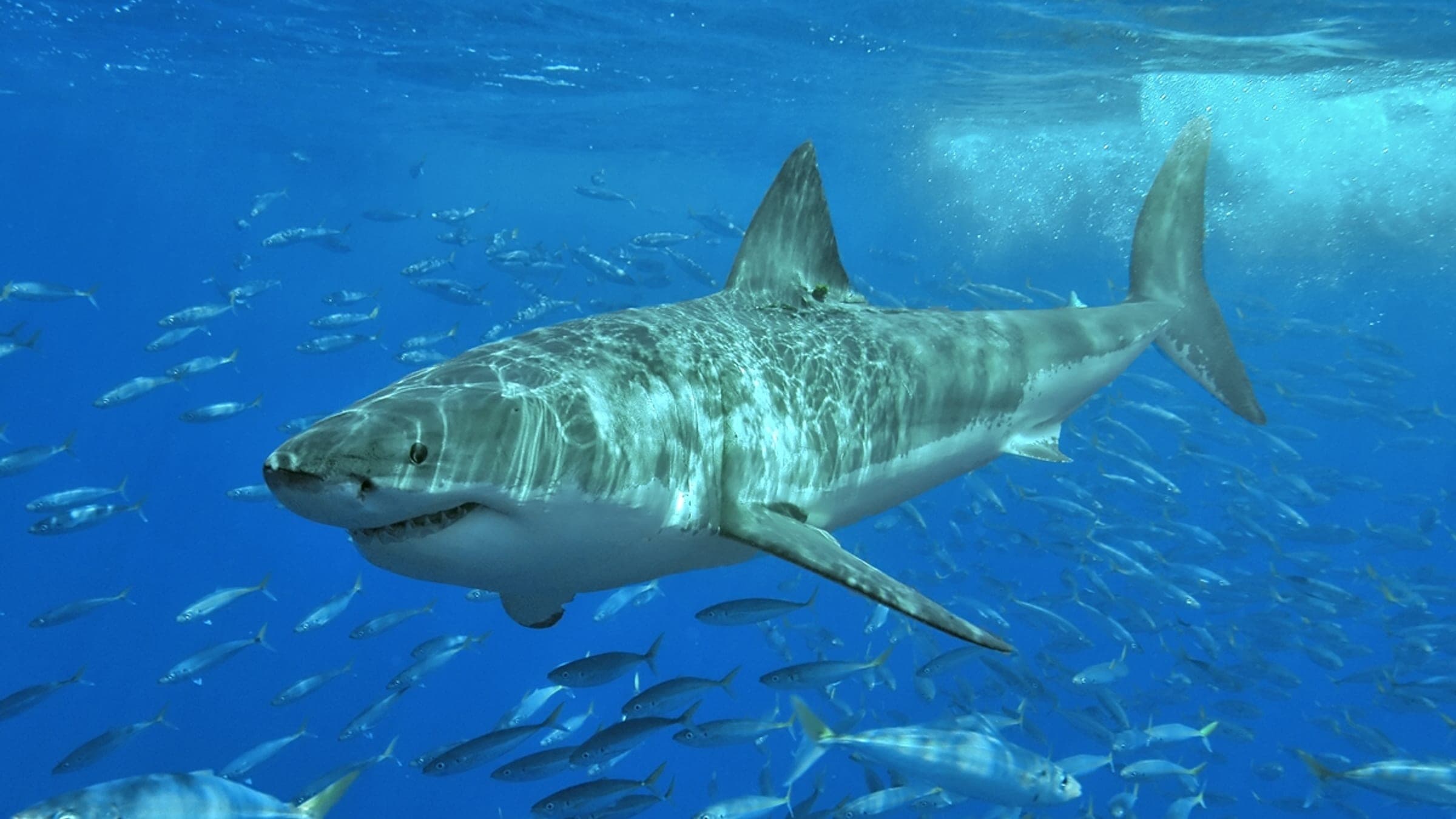
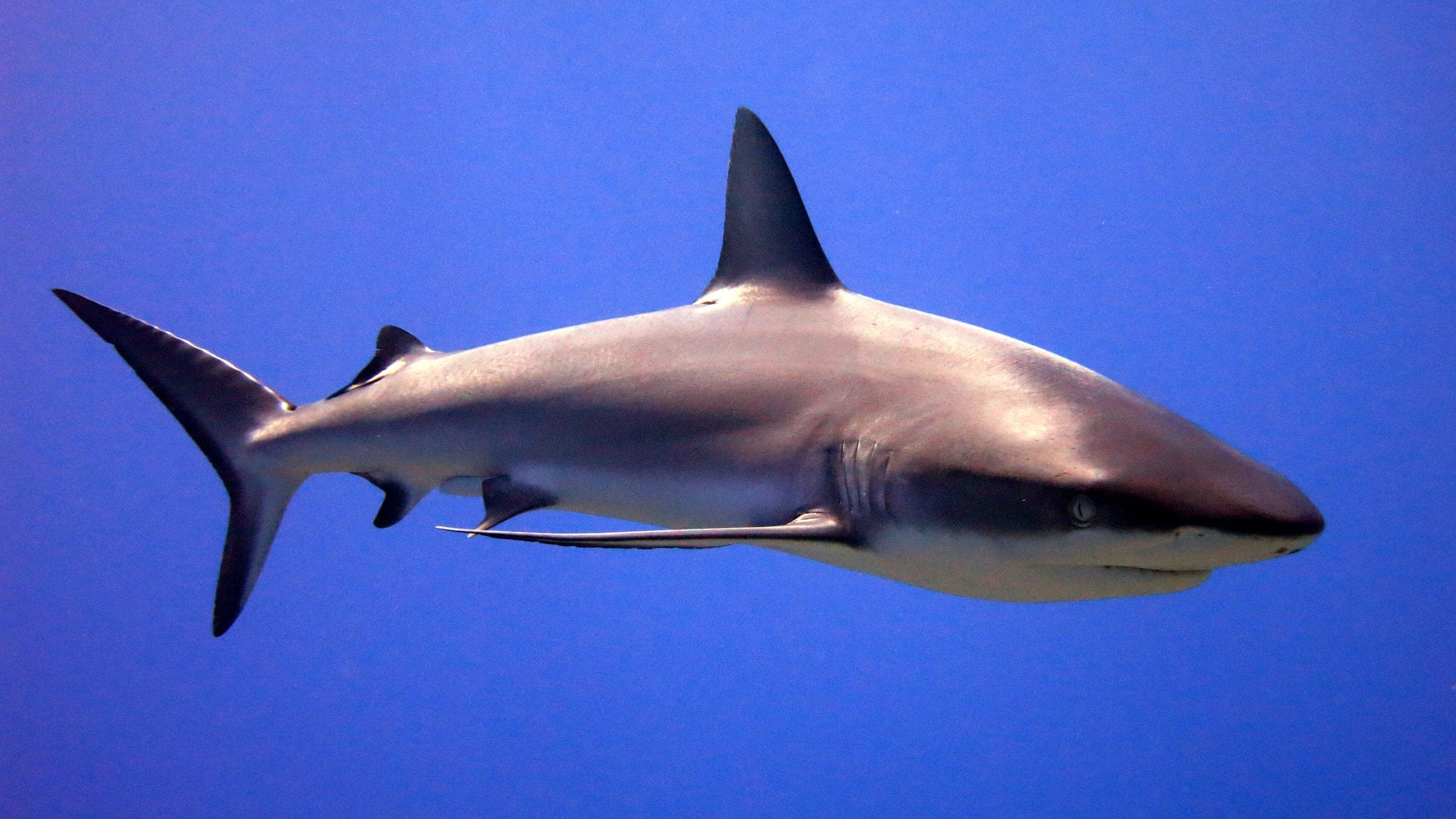
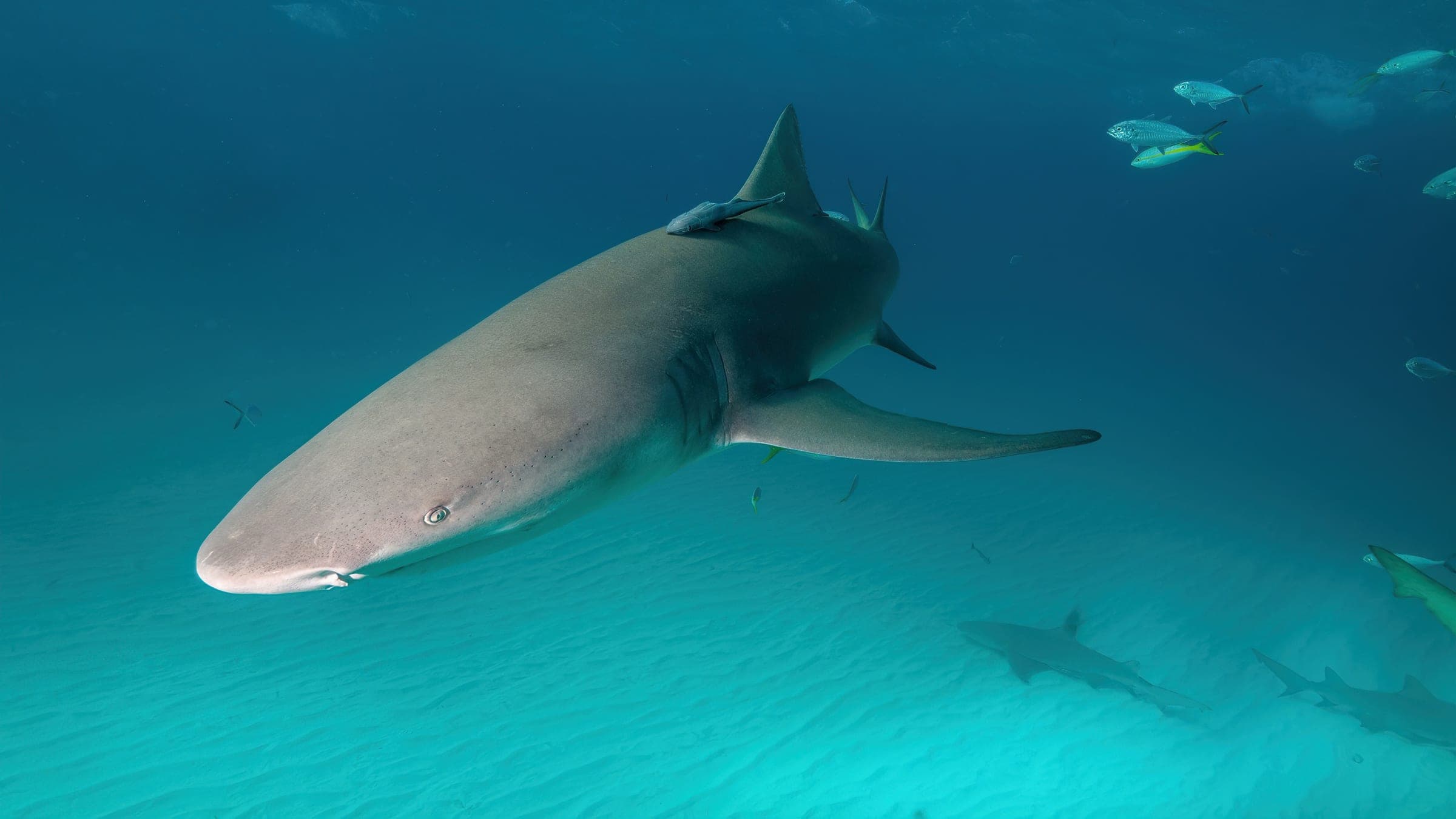
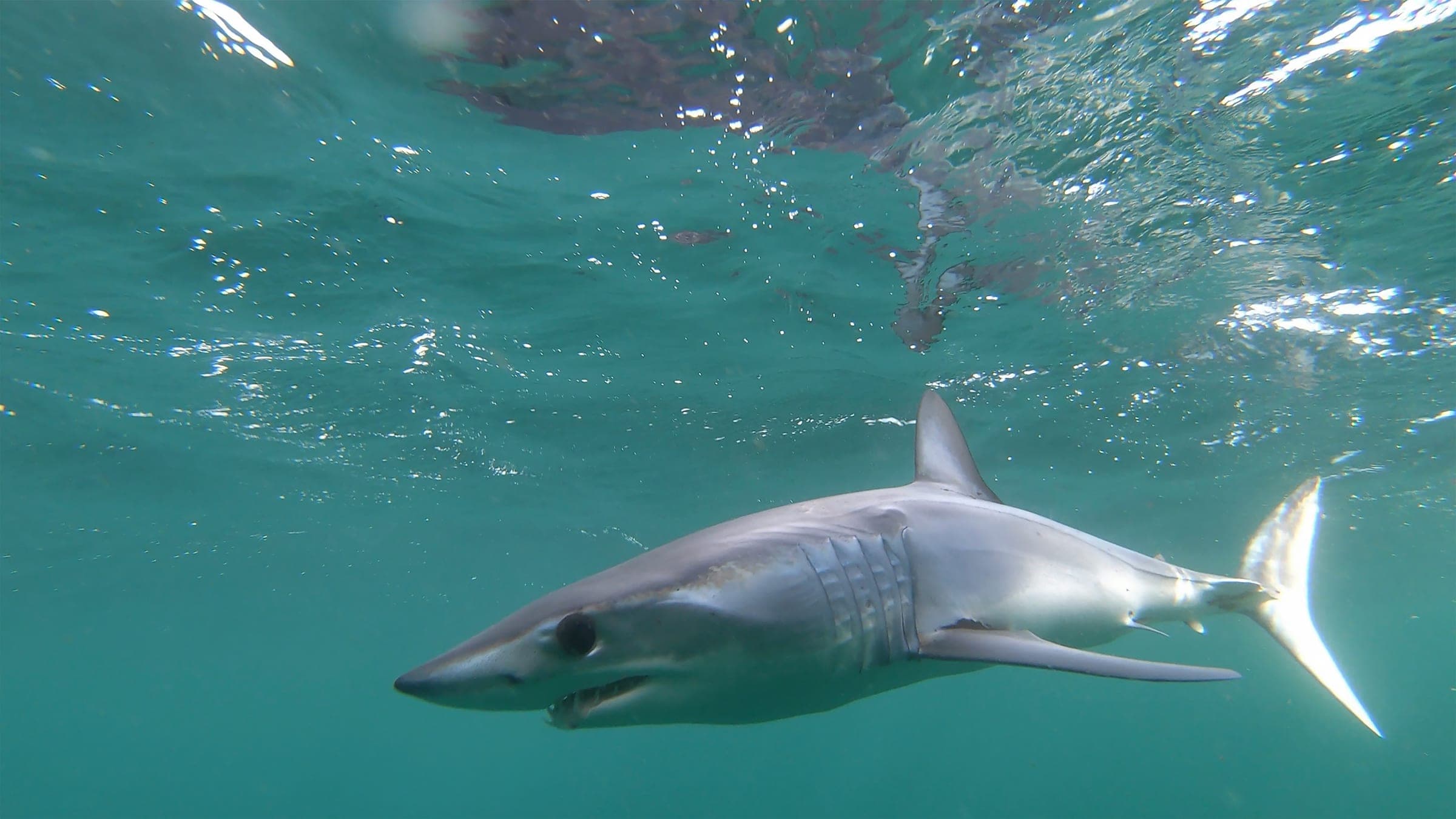
A slim pelagic shark averaging around 3.1 m (10 ft).
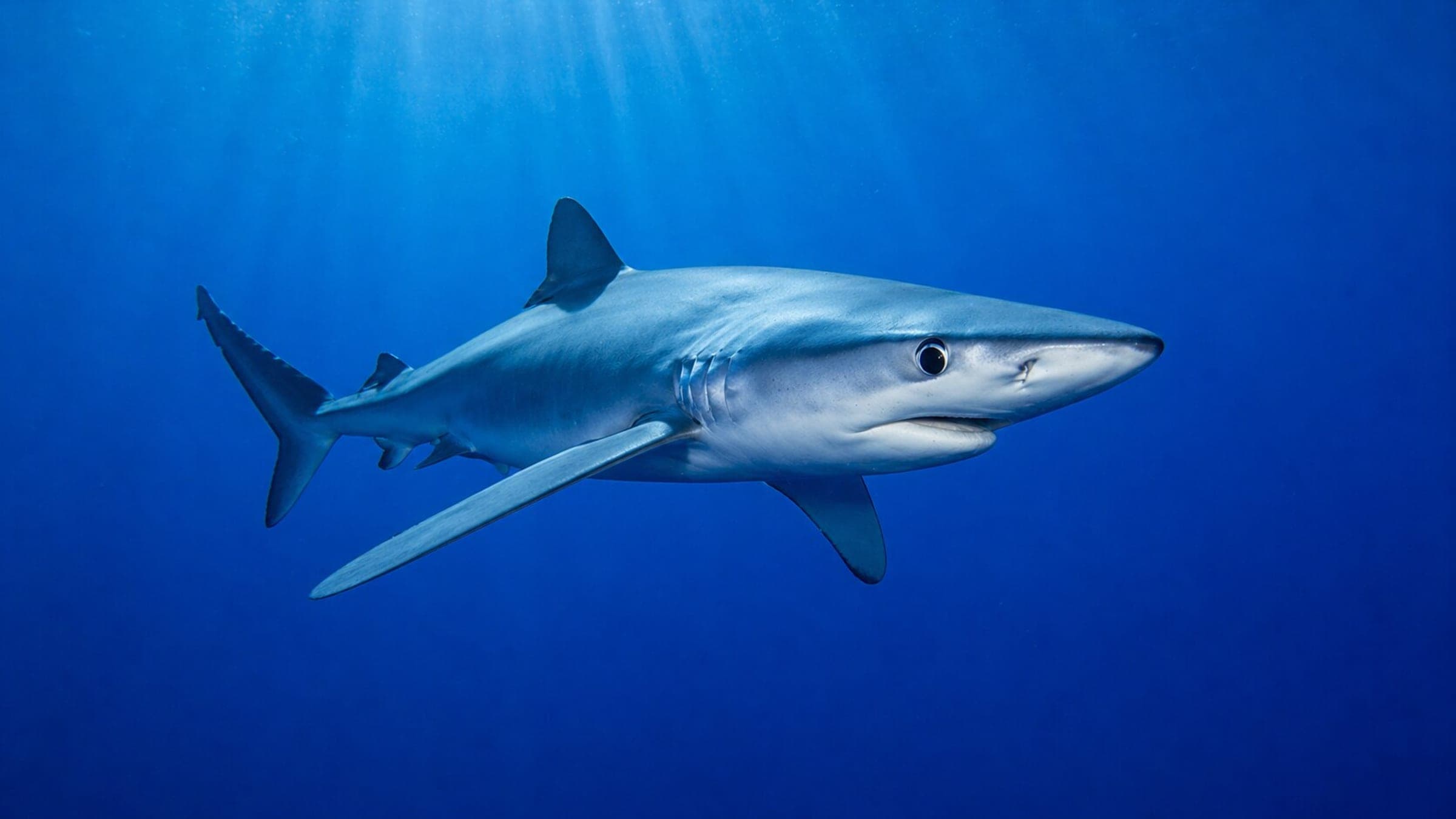
Prionace glauca
A slim, wide-ranging pelagic shark averaging about 3.1 m that migrates long distances and is listed as Near Threatened by the IUCN.
Species Guide
A clean field guide focused on habitat, identification, behavior, and conservation context without burying the useful parts.
The blue shark (Prionace glauca) is a requiem shark in the family Carcharhinidae and the only species in the genus Prionace. It inhabits deep waters in the world’s temperate and tropical oceans and prefers cooler waters. Adults average around 3.1 m (10 ft). Blue sharks undertake long-distance migrations (for example, between New England and South America). They are generally lethargic but capable of very quick movement. Blue sharks are viviparous and are noted for very large litters, commonly 25 to over 100 pups. Their diet consists primarily of small fish and squid, though they can take larger prey. Known predators include killer whales and larger sharks such as tiger sharks and great white sharks. They are among the most abundant pelagic sharks, and large numbers are taken as fisheries bycatch on longlines and nets. Fossil teeth attributable to this species are known from Miocene and Pliocene deposits in multiple regions.
Listed as Near Threatened by the IUCN; substantial numbers are removed by fisheries as bycatch on longlines and nets.
Generally lethargic but capable of very quick movement; undertakes long-distance migrations.
The strongest linked planning options currently surface around destinations such as Bay of Islands, Cape Town, Faial (Azores) and countries such as Greece, New Zealand, Portugal for divers building trips around blue sharks.
Last Updated Mar 9, 2026 · 4 sources
Identification
The visual markers divers can use underwater, plus the species most likely to cause confusion.
A slim pelagic shark averaging around 3.1 m (10 ft).
Inhabits deep temperate and tropical ocean waters and prefers cooler waters.
Range and Movement
The broad range, seasonal movement, or migratory behavior that shapes where divers encounter this species.
Generally lethargic but capable of very quick movement; undertakes long-distance migrations.
Diet
Useful feeding context that often explains habitat, movement, and encounter style.
Feeds primarily on small fish and squid, but can take larger prey.
Population
Published estimates when credible, or an explicit note when no reliable global count exists.
Described as one of the most abundant pelagic sharks, though no numeric estimate provided in source.
Conservation
Status, pressure, and protection context grounded in cited sources rather than filler.
Listed as Near Threatened by the IUCN; substantial numbers are removed by fisheries as bycatch on longlines and nets.
Large numbers are caught as bycatch on longlines and nets, contributing to population pressure.
Responsible Encounters
Conservation-minded guidance for divers who want the encounter without adding pressure.
Give blue shark space, avoid blocking the animal's path, and follow local site and operator rules for wildlife interactions with sharks.
Field Notes
Useful species context that makes the encounter more meaningful once you are underwater.
The blue shark is the sole species in the genus Prionace.
Blue sharks commonly produce litters of 25 to over 100 pups.
Fossil teeth attributed to this species are known from the Miocene and Pliocene in several regions.
Top Destinations
Destinations surfaced from the linked dive spots associated with this species.
Top Countries
The strongest country-level starting points currently linked to this species.
Top Dive Spots
Directly linked dive spots where this species already shows up in the planning data.

Offshore Santa Maria seamount known for summer mobula encounters.
Bird Rock is an offshore wall dive with sharks and seals.
Offshore Azores blue-shark drift
Remote Aegean wall dive with pelagic sightings
A boat-based Cape Point shark trip with blue and mako sharks.
FAQ
Clear planning and conservation answers written for search visibility and AI retrieval.
Research Sources
Primary and credible references behind the field-guide and conservation claims on this page.
Primary wildlife guide source.
Supporting wildlife source.
Supporting wildlife source.
Supporting wildlife source.
Related Species
Related species guides in the same encounter family.