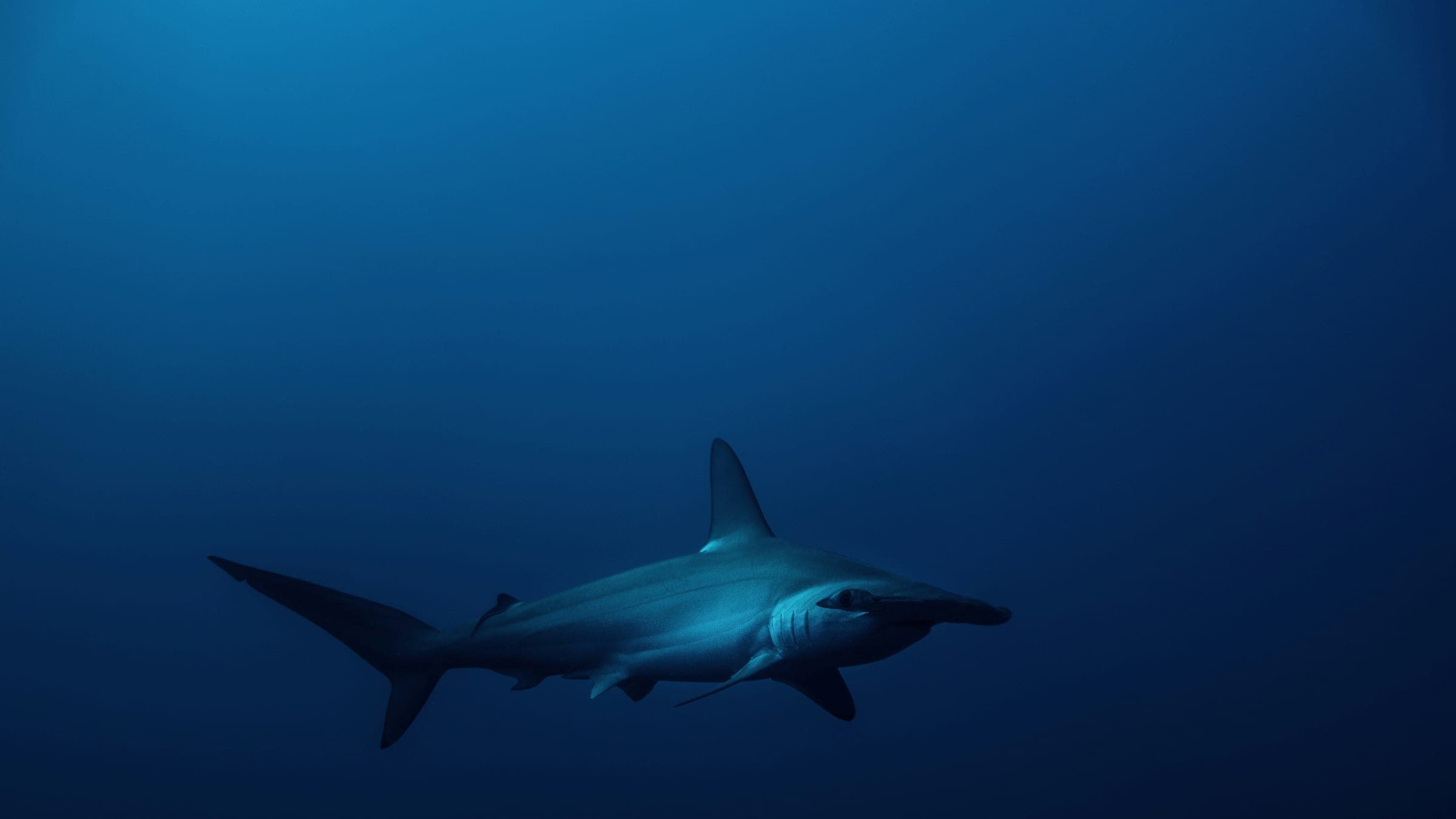
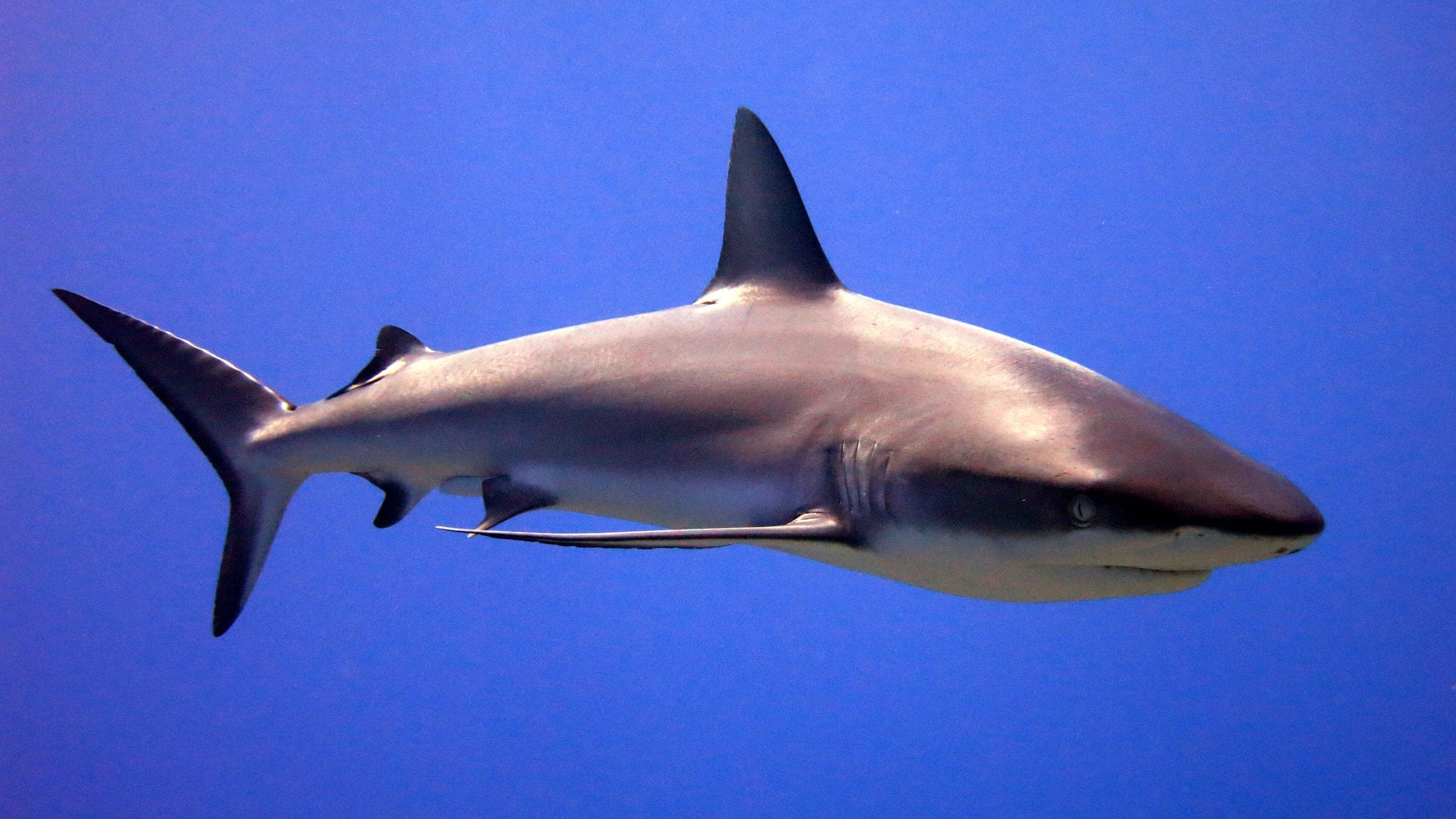
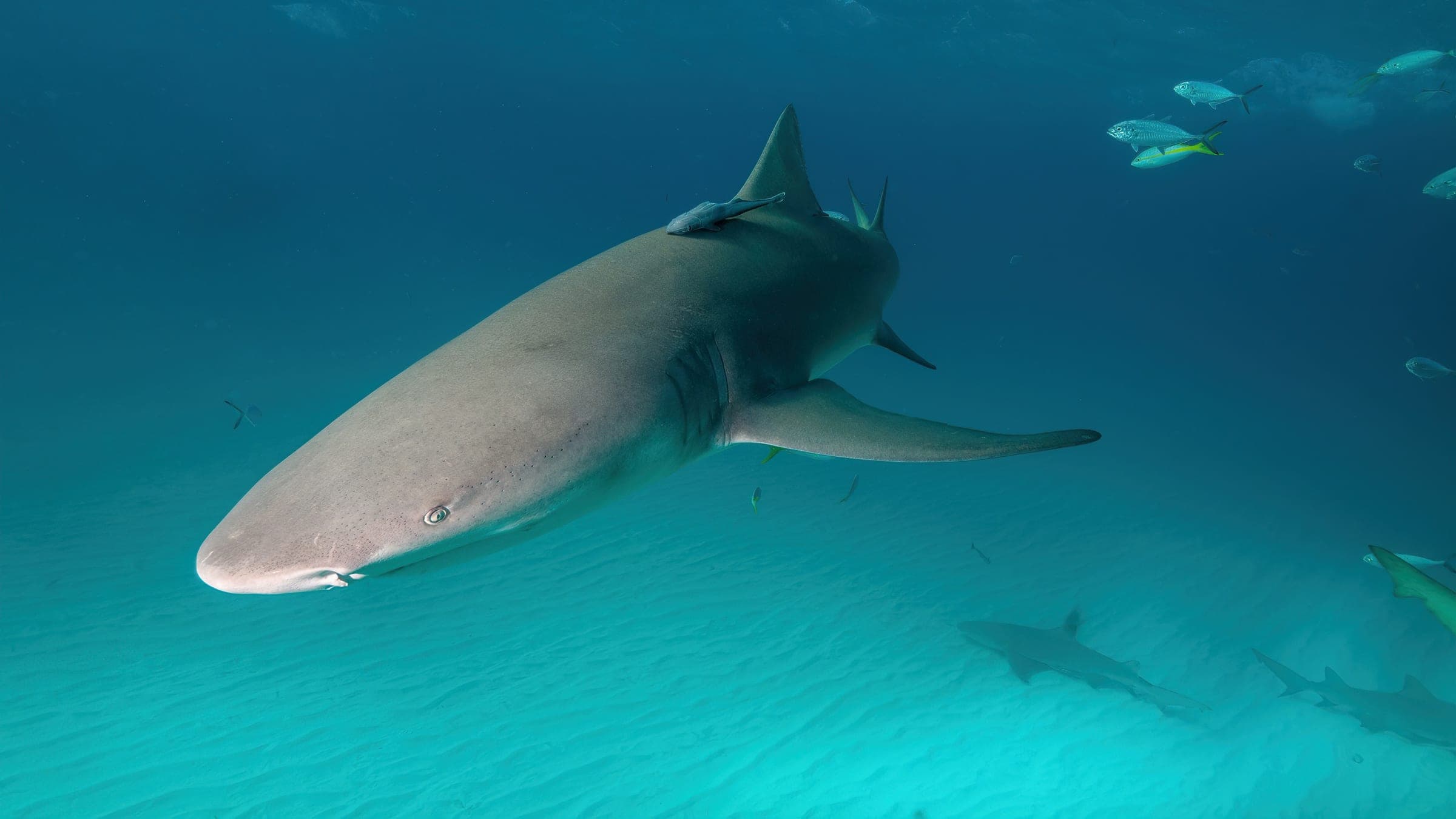
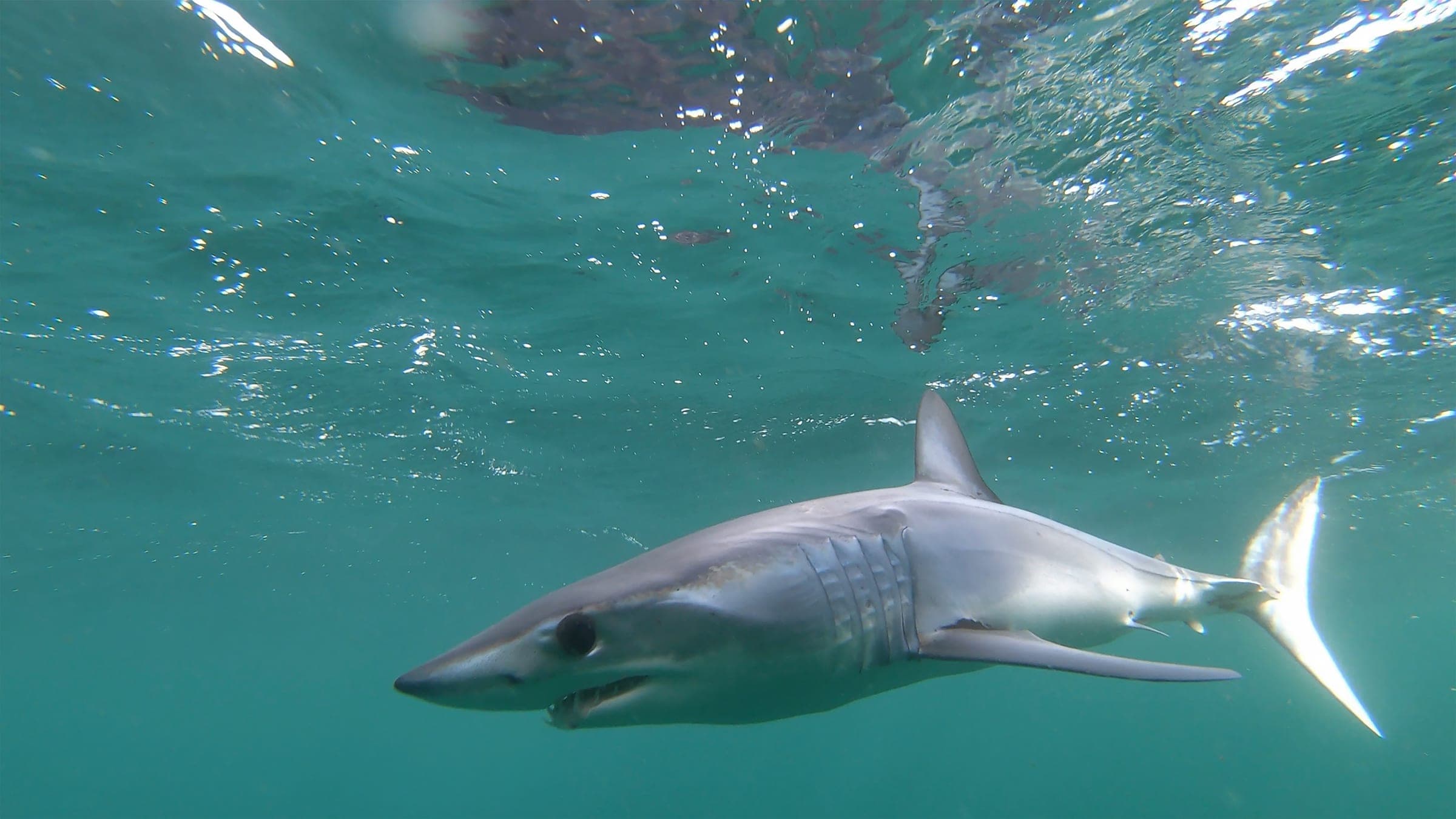
Coloration
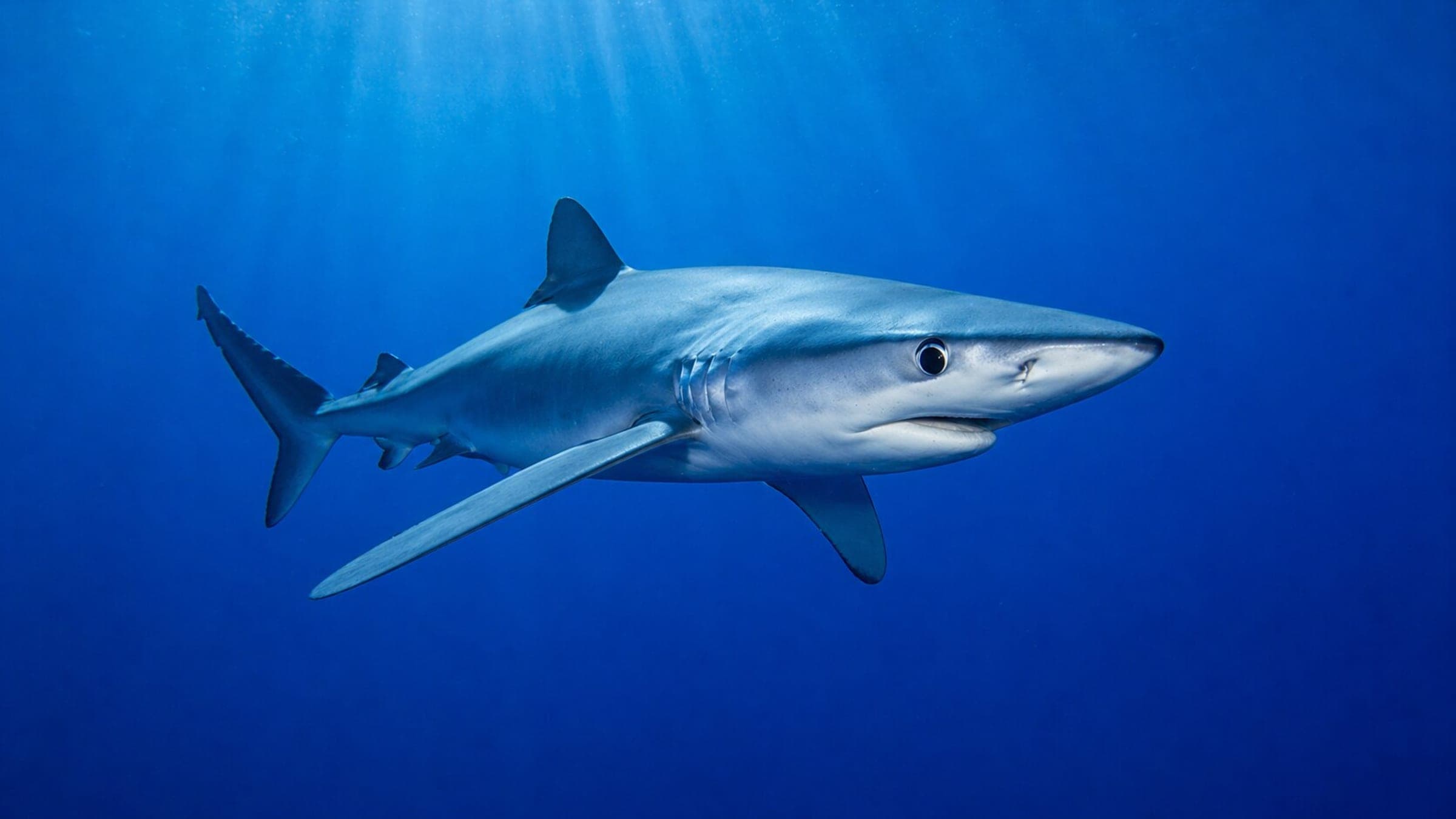
Grayish upperside and white underside.
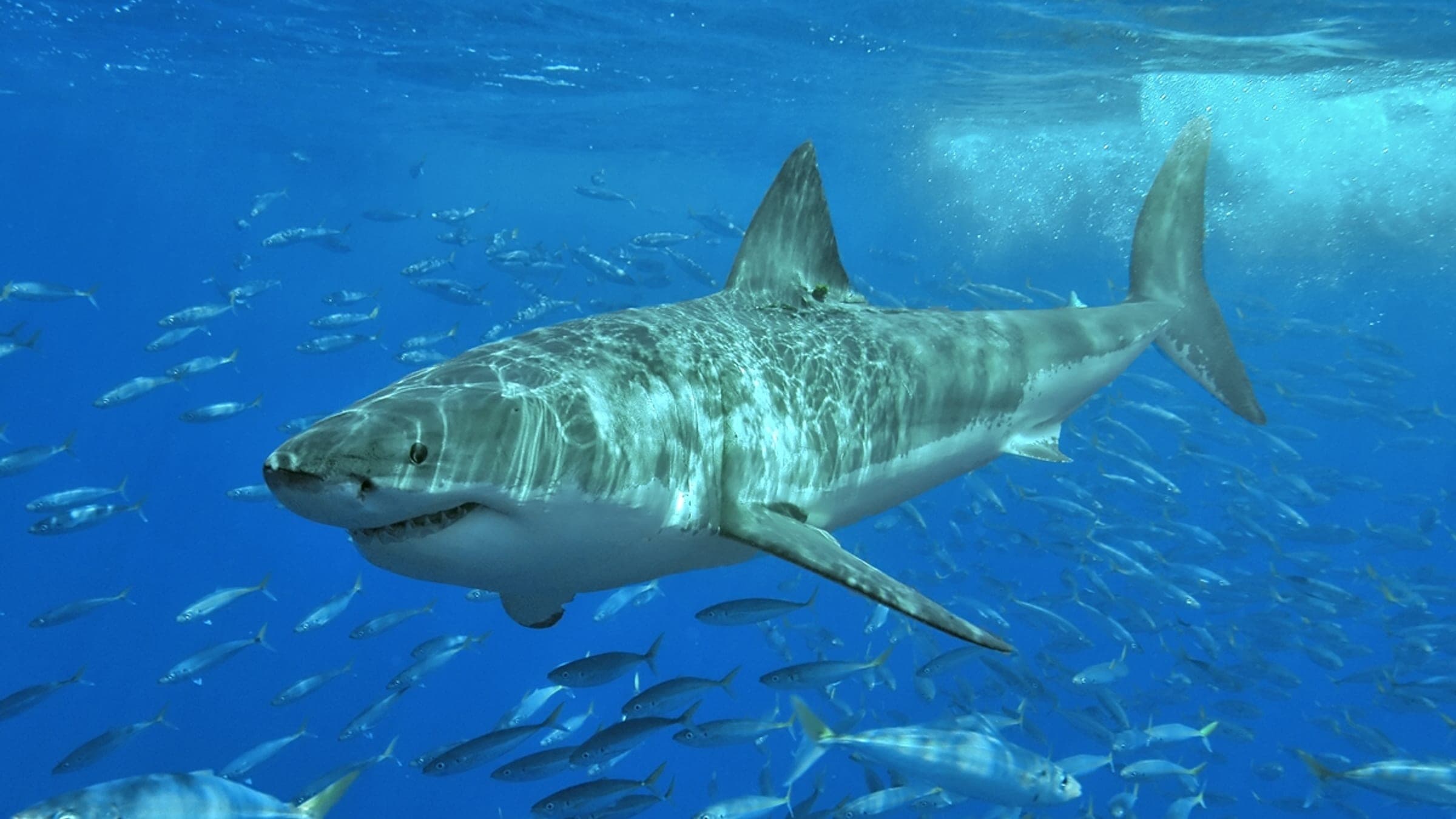
Carcharodon carcharias
A large, partially warm‑blooded mackerel shark found in temperate and tropical oceans, preying on marine mammals, fish and scavenging whale carcasses.
Species Guide
A clean field guide focused on habitat, identification, behavior, and conservation context without burying the useful parts.
The great white shark (Carcharodon carcharias) is the largest living macropredatory shark and fish, a mackerel shark closely related to mako sharks, the porbeagle, and the salmon shark. It is robustly built with a grayish upperside and a white underside. Females average 4.6–4.9 m (15–16 ft) and 1,000–1,900 kg (2,200–4,200 lb); males average 3.4–4.0 m (11–13 ft) and 680–1,000 kg (1,500–2,200 lb). Individuals are estimated to reach lengths close to 6.1 m (20 ft) and weights over 2,495 kg (5,501 lb).
Great whites have about 300 triangular, serrated teeth that are continuously replaced. A massive, fatty liver can exceed a quarter of body weight, providing buoyancy and energy storage. They are partially warm-blooded, an adaptation allowing activity in colder waters.
White sharks inhabit tropical and temperate ocean waters worldwide, occurring both near coastlines and offshore, with population concentrations around the Pacific and Atlantic sides of North America, southern Africa, and Oceania. They are highly migratory and may travel between coasts, open ocean, and between continents. White sharks are generally solitary but may gather in aggregations at feeding sites; they may use body language to communicate and establish dominance hierarchies.
The strongest linked planning options currently surface around destinations such as Cape Town, Guam, Kauai and countries such as South Africa, New Caledonia, Gibraltar for divers building trips around great white sharks.
Last Updated Mar 9, 2026 · 2 sources
Identification
The visual markers divers can use underwater, plus the species most likely to cause confusion.
Grayish upperside and white underside.
Robustly built; females average 4.6–4.9 m, males 3.4–4.0 m; individuals may reach about 6.1 m.
About 300 triangular, serrated teeth that are continuously replaced.
A massive, fatty liver can exceed a quarter of body weight, aiding buoyancy and energy storage.
Partially warm-blooded, allowing activity in colder waters.
Great whites are closely related to mako sharks, the porbeagle, and the salmon shark and are a mackerel shark.
Range and Movement
The broad range, seasonal movement, or migratory behavior that shapes where divers encounter this species.
Highly migratory: they travel between coast and open ocean and between continents, and may form aggregations at feeding sites.
Diet
Useful feeding context that often explains habitat, movement, and encounter style.
Preys on marine mammals (pinnipeds, dolphins), fish including other sharks, cephalopods, and scavenges whale carcasses.
Population
Published estimates when credible, or an explicit note when no reliable global count exists.
Estimated to have declined by 30–49% over the past 159 years (as of 2025).
Conservation
Status, pressure, and protection context grounded in cited sources rather than filler.
White sharks are listed Vulnerable globally and Critically Endangered in European and Mediterranean waters, with estimated declines of 30–49% over 159 years (as of 2025). Major threats have been bycatch, recreational fishing, and trapping in protective drum-lines and gillnets; several governments have enacted protections including bans on catching and killing.
Bycatching by commercial fisheries has been a major threat.
Recreational fishing has contributed to declines.
Trapping in protective drum-lines and gillnets along beaches has been a significant threat.
Several governments have enacted protections for the species, including bans on catching and killing.
Responsible Encounters
Conservation-minded guidance for divers who want the encounter without adding pressure.
Aggregations have attracted tourists who view sharks from boats or in shark cages; viewing from boats and in cages has been used for tourism.
Field Notes
Useful species context that makes the encounter more meaningful once you are underwater.
The species was central to the 1974 novel Jaws and the 1975 film adaptation.
Though an apex predator, great whites can sometimes be preyed on by orcas.
Juveniles typically inhabit shallower water and cannot eat marine mammals until they reach around 3 m (9.8 ft).
Their liver can exceed a quarter of body weight and provides buoyancy and energy storage.
They have about 300 triangular, serrated teeth that are continuously replaced.
Top Destinations
Destinations surfaced from the linked dive spots associated with this species.
Top Countries
The strongest country-level starting points currently linked to this species.
Top Dive Spots
Directly linked dive spots where this species already shows up in the planning data.
Current-sensitive south-shore ledge dive with overhang habitat.
Volcanic island shark-cage destination for great white encounters.
Sheltered Simon's Town kelp reef with shark-country feel
Mur Aux lôches is a strong-current drift wall.
Easy south Guam boat dive with sand flats, caves, and coral islands.
Pointe de Dumbéa pass drift with sharks and pelagics.
FAQ
Clear planning and conservation answers written for search visibility and AI retrieval.
Research Sources
Primary and credible references behind the field-guide and conservation claims on this page.
Primary wildlife guide source.
Taxonomy reference.
Related Species
Related species guides in the same encounter family.