Hero photo of Cape Town

Destination guide

Cape Town

Kelp forests, penguins and two oceans at Africa's southern tip

Two-ocean flexibilityIconic kelp forestsCity, wine and wildernessBig wildlife seasons

Currently Viewing:

Overview

Kelp forests, penguins and two oceans at Africa's southern tip

Cape Town wraps around the Cape Peninsula, where the cold Benguela and warmer Agulhas currents collide to create two very different coasts. Divers split their time between the Atlantic Seaboard's chilly, clear kelp forests and the slightly warmer, more sheltered reefs and wrecks of False Bay. Cape fur seals, shysharks, nudibranchs, penguins and seasonal whales share these waters with snorkelers and freedivers exploring the Great African Sea Forest. Topside, Table Mountain, Cape Point, Boulders Beach, wine farms and a serious food and coffee scene make it easy to blend world class temperate-water diving with a broader South African trip.

Conditions are highly seasonal but diving is possible year round with the right exposure protection and flexible planning.

Two coasts, one city

Cape Town's dive scene is defined by choice. The Atlantic Seaboard offers cold, clear water and dramatic granite boulders covered in kelp forests, while False Bay usually runs a few degrees warmer with more sheltered reefs, kelp and wrecks. Summer south-easterly winds tend to clear the Atlantic side, while winter north-westerlies flatten False Bay, so locals simply switch coasts with the weather.

Water temperatures range roughly from 10°C on the Atlantic in winter highs to around 18°C on milder days in False Bay summer, so 5 mm to 7 mm wetsuits with hoods and gloves are standard for scuba and long freedive sessions.

Underwater character

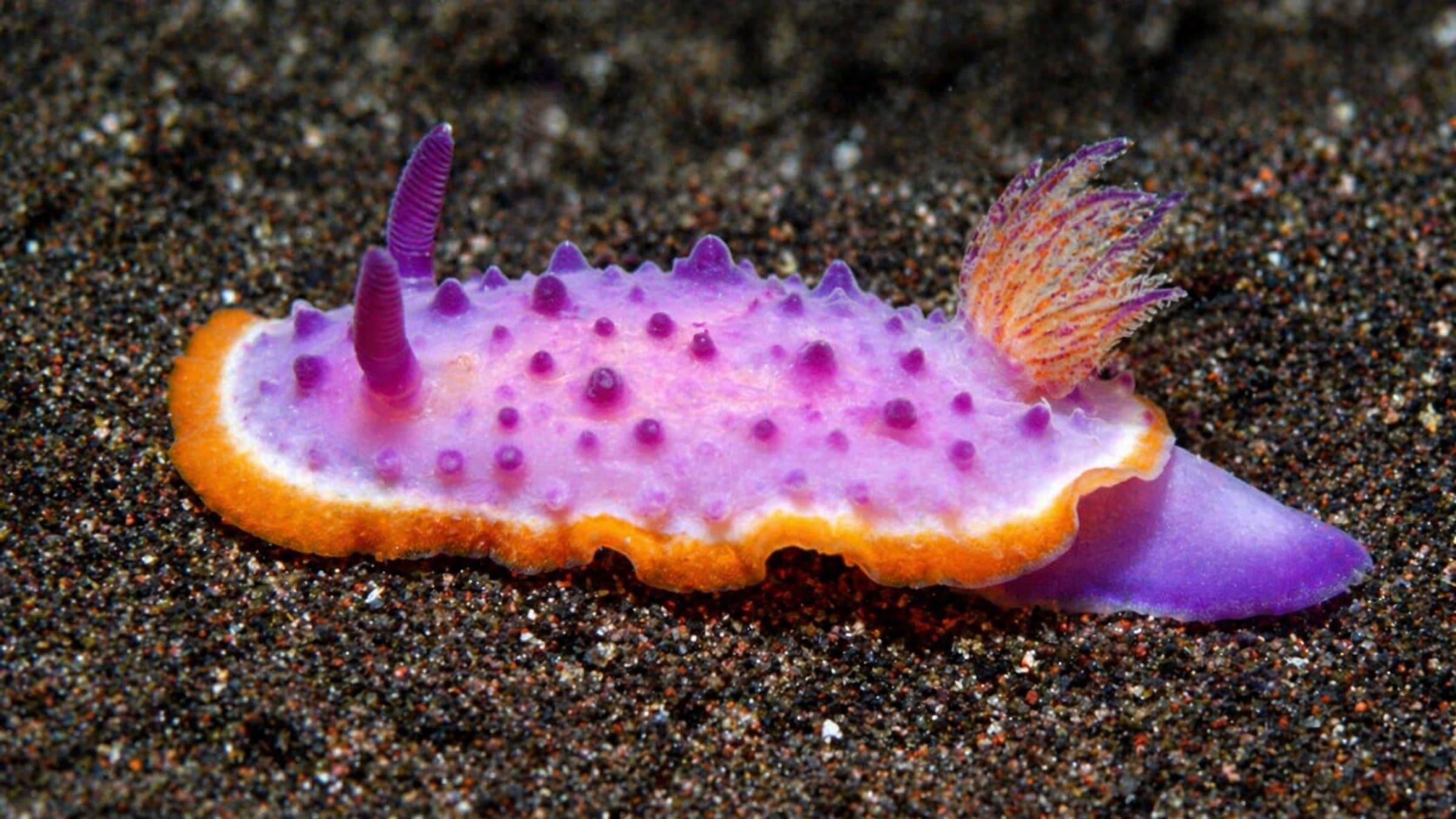
The 'Great African Sea Forest' wraps much of the Cape Peninsula in kelp, creating cathedral-like forests over granite boulders and sand. Expect dense invertebrate life, colorful nudibranchs, shysharks and pajama catsharks, schooling reef fish and occasional pelagics on deeper reefs such as Whittle Rock. Wrecks from the smitswinkel Bay fleet and shore-accessible hulks like the SS Clan Stuart add variety for experienced divers.

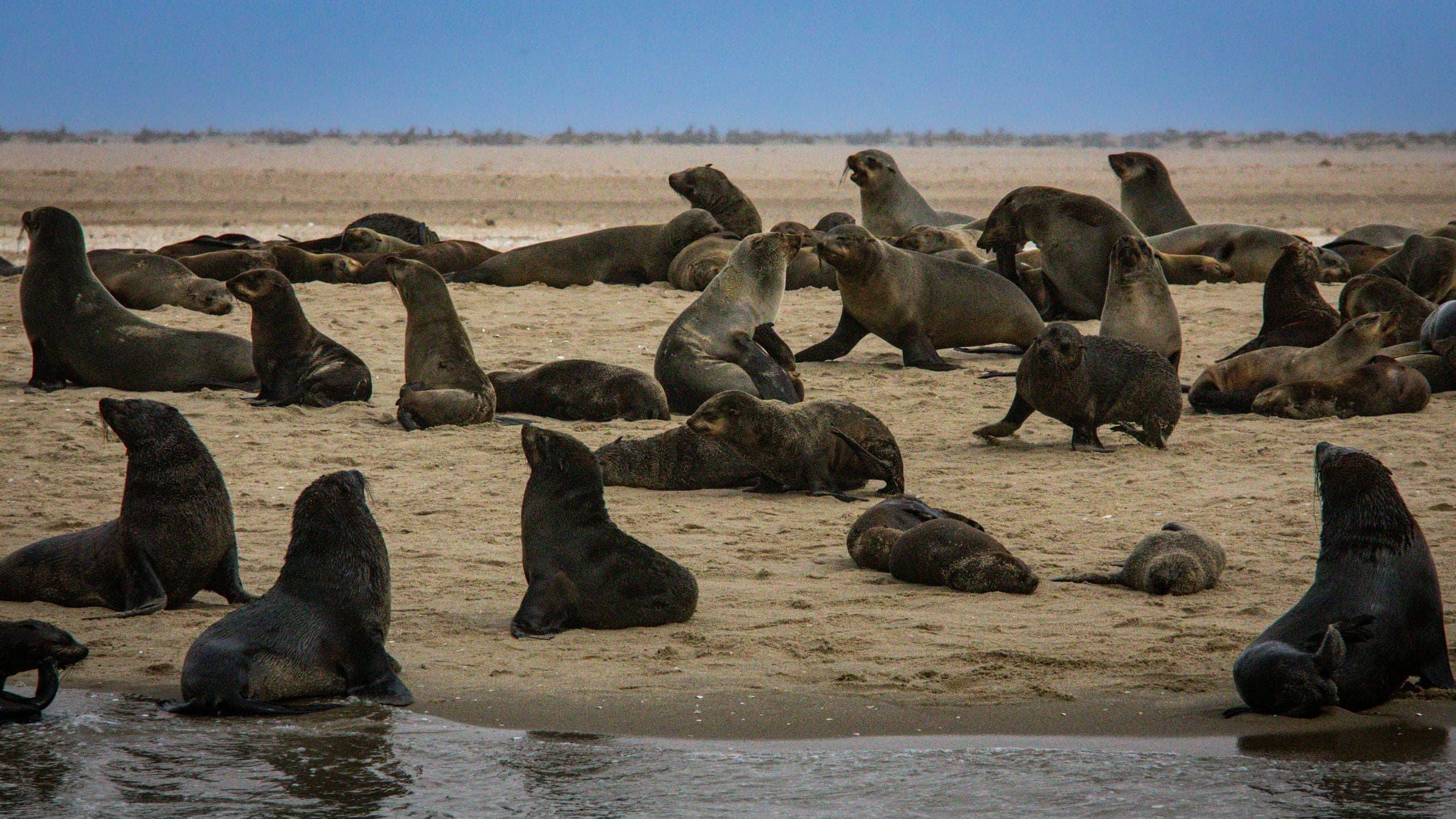
Seal colonies at Duiker Island and around False Bay offer high-energy interactions, generally run as guided snorkel or scuba trips with strict codes of conduct. African penguins and seasonal whales round out the big-ticket encounters, especially around Boulders Beach and False Bay.

Who Cape Town suits

Cape Town is ideal for divers comfortable in cooler water who want serious, characterful temperate diving rather than tropical reefs. Newer divers can learn and log easy dives at training sites like Long Beach and Froggy Pond, while advanced divers target deep reefs and wrecks in smitswinkel Bay or energetic Atlantic sites such as Justin's Caves. Freedivers and snorkelers are spoilt with guided kelp forest sessions, seal trips and protected coves.

At the same time, Cape Town works perfectly as a mixed-interest destination: non-divers can hike Table Mountain, explore the Winelands, visit Robben Island and spend relaxed days at the V&A Waterfront while divers chase good conditions.

Conservation and local rules

Most of Cape Town's signature dive sites fall inside the Table Mountain National Park Marine Protected Area, which bans fishing, spearfishing and shellfish collection in designated zones and requires a recreational scuba permit issued under South Africa's marine living resources regulations.

Boulders Beach, home to a major African penguin colony, is managed by SANParks and charges a conservation fee for boardwalk access and protected swimming coves. Visitors must stay on marked paths, keep a respectful distance from wildlife and never feed or touch penguins, seals or other marine life.

Highlights

Don't miss while you're here

Field notes from guides and contributors on what stands out immediately.

Kelp forest dives at Castle Rock or A-frame

If you do only a handful of dives, prioritize a calm day in False Bay's kelp forests at sites such as Castle Rock or A-frame. These dives showcase the Great African Sea Forest at its best, with towering kelp, granite swim-throughs and catsharks weaving through the fronds.

JanJan
FebFeb
MarMar
AprApr
MayMay
JunJun
JulJul
AugAug
SepSep
OctOct
NovNov
DecDec

Seal snorkeling at Duiker Island

On a clear, low-swell summer morning, a seal trip from Hout Bay to Duiker Island feels like being dropped into a documentary. Hundreds of Cape fur seals porpoise and spin around you in shallow water. Go with an operator that emphasizes small groups and wildlife respect.

JanJan
FebFeb
MarMar
AprApr
MayMay
JunJun
JulJul
AugAug
SepSep
OctOct
NovNov
DecDec

Penguin and kelp combo at Boulders

Combine a morning of boardwalk viewing at Boulders penguin colony with an afternoon snorkel or shallow dive in the neighboring coves. You see the birds both on land and underwater, plus rich kelp forest life in a compact, easy-access area.

JanJan
FebFeb
MarMar
AprApr
MayMay
JunJun
JulJul
AugAug
SepSep
OctOct
NovNov
DecDec

Peninsula loop with Cape Point and Chapman's Peak

Plan a full non-dive day to drive the classic peninsula loop: Muizenberg, Kalk Bay, Simon's Town and Boulders, Cape Point, then up the Atlantic via Misty Cliffs, Kommetjie, Chapman's Peak and Hout Bay. It ties together many of the landmarks you see from the boat and gives context to the dive sites.

JanJan
FebFeb
MarMar
AprApr
MayMay
JunJun
JulJul
AugAug
SepSep
OctOct
NovNov
DecDec

See something inaccurate or want to contribute to the destination details?