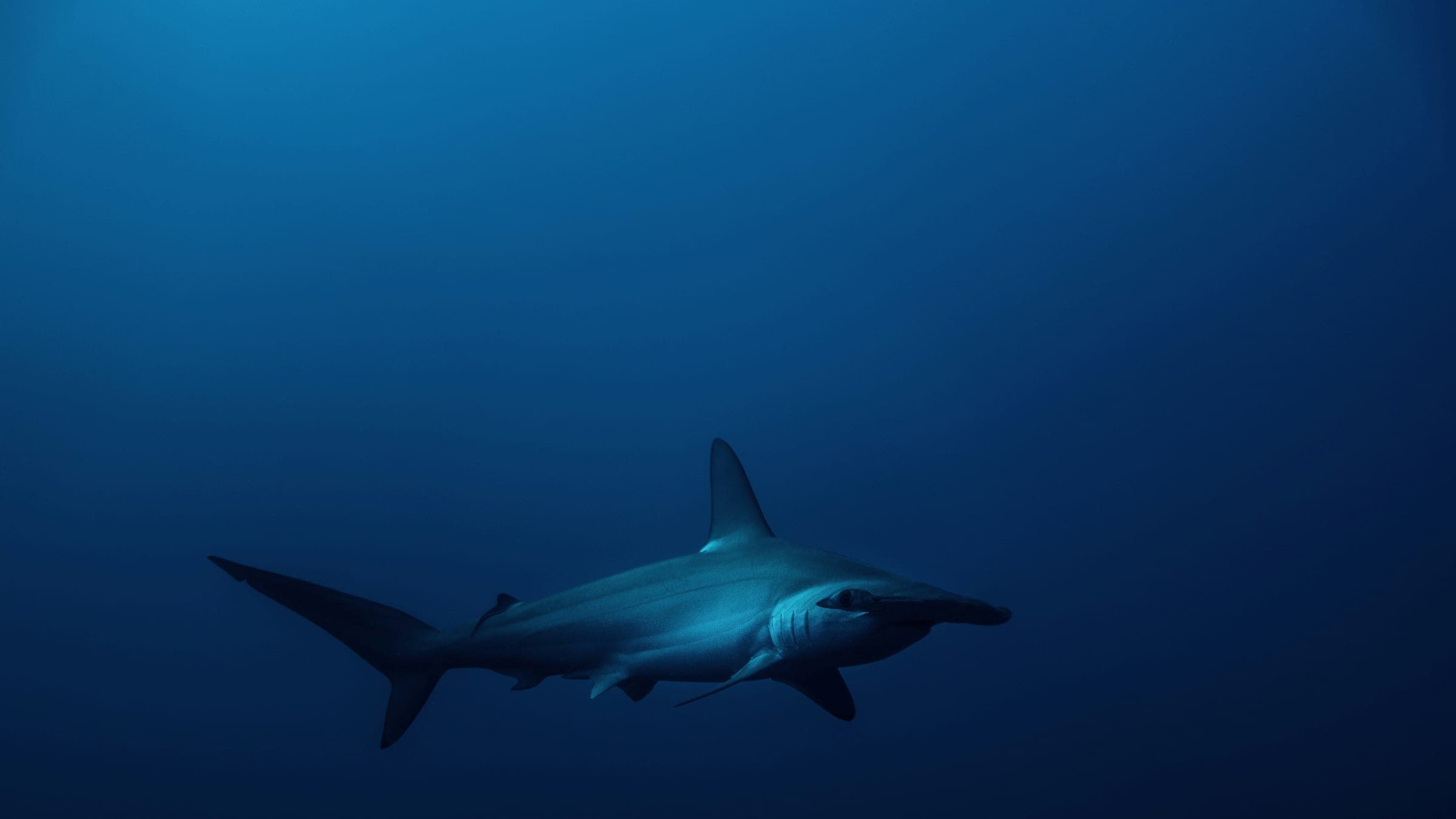
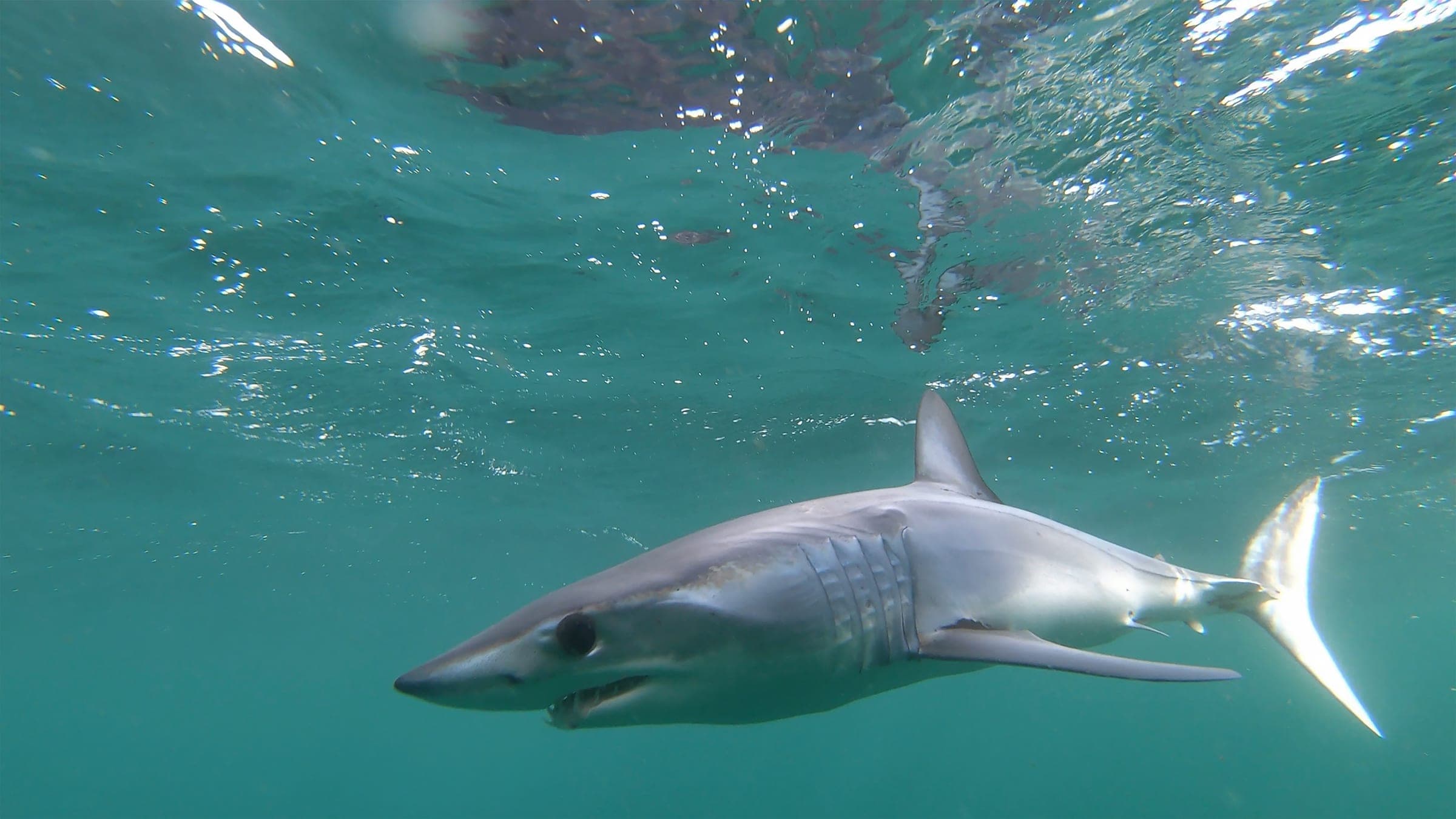
River sharks (genus Glyphis)
River sharks are true freshwater sharks, unlike bull sharks which are euryhaline; the two may be confused in freshwater settings.
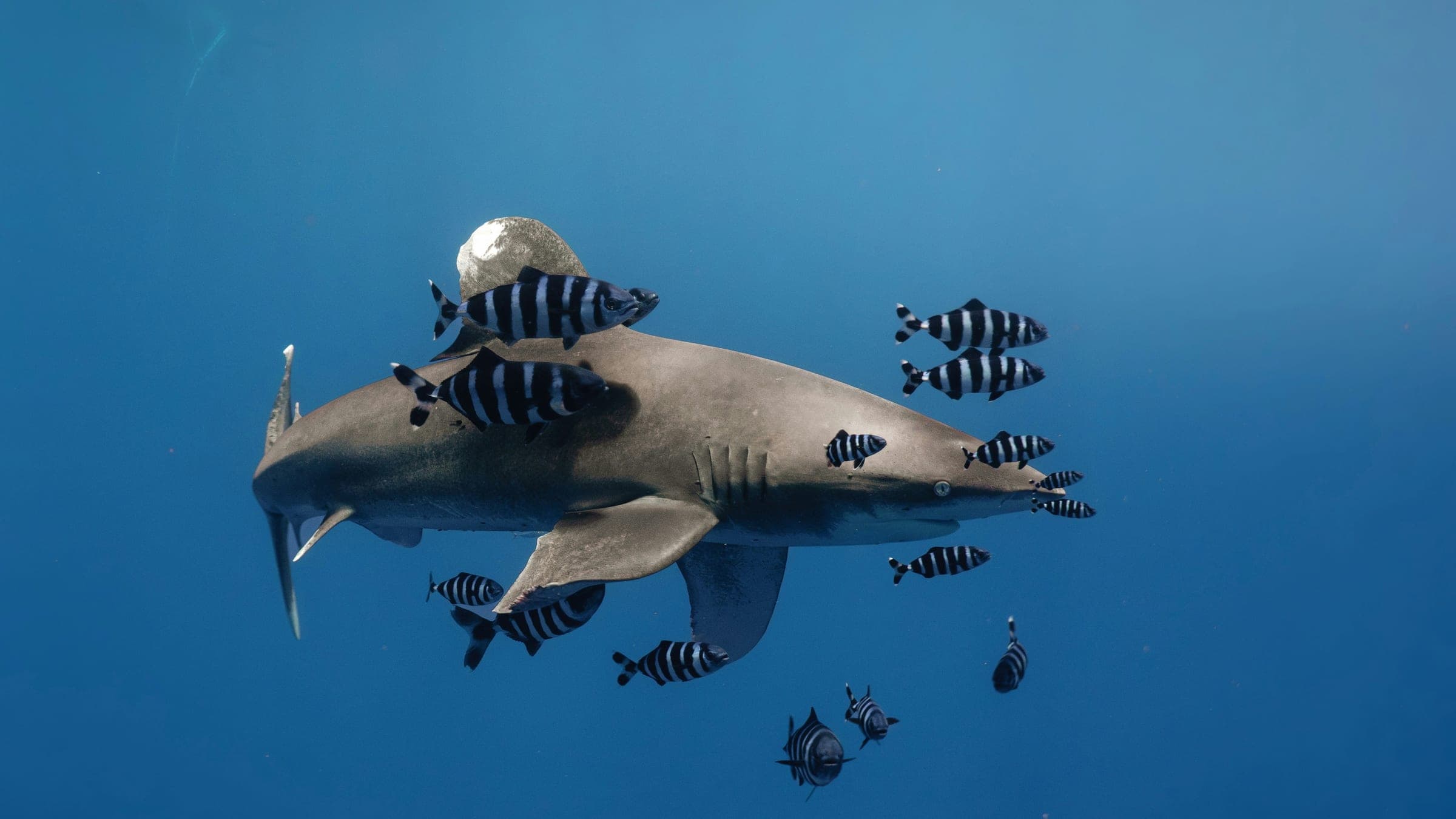
Carcharhinus leucas
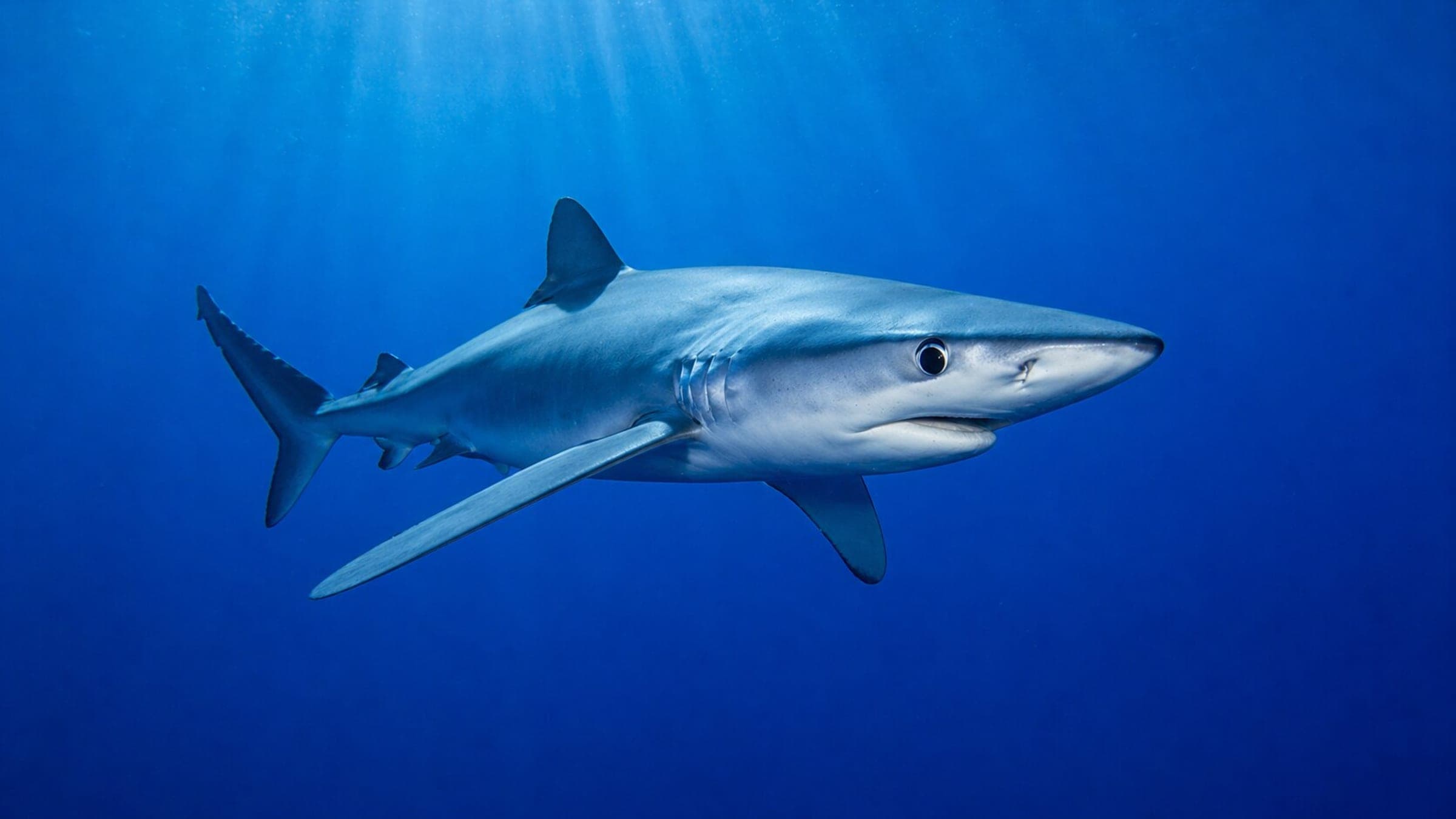
The bull shark is a euryhaline requiem shark found in warm, shallow coastal, estuarine and riverine waters worldwide and is listed as vulnerable.
Species Guide
A clean field guide focused on habitat, identification, behavior, and conservation context without burying the useful parts.
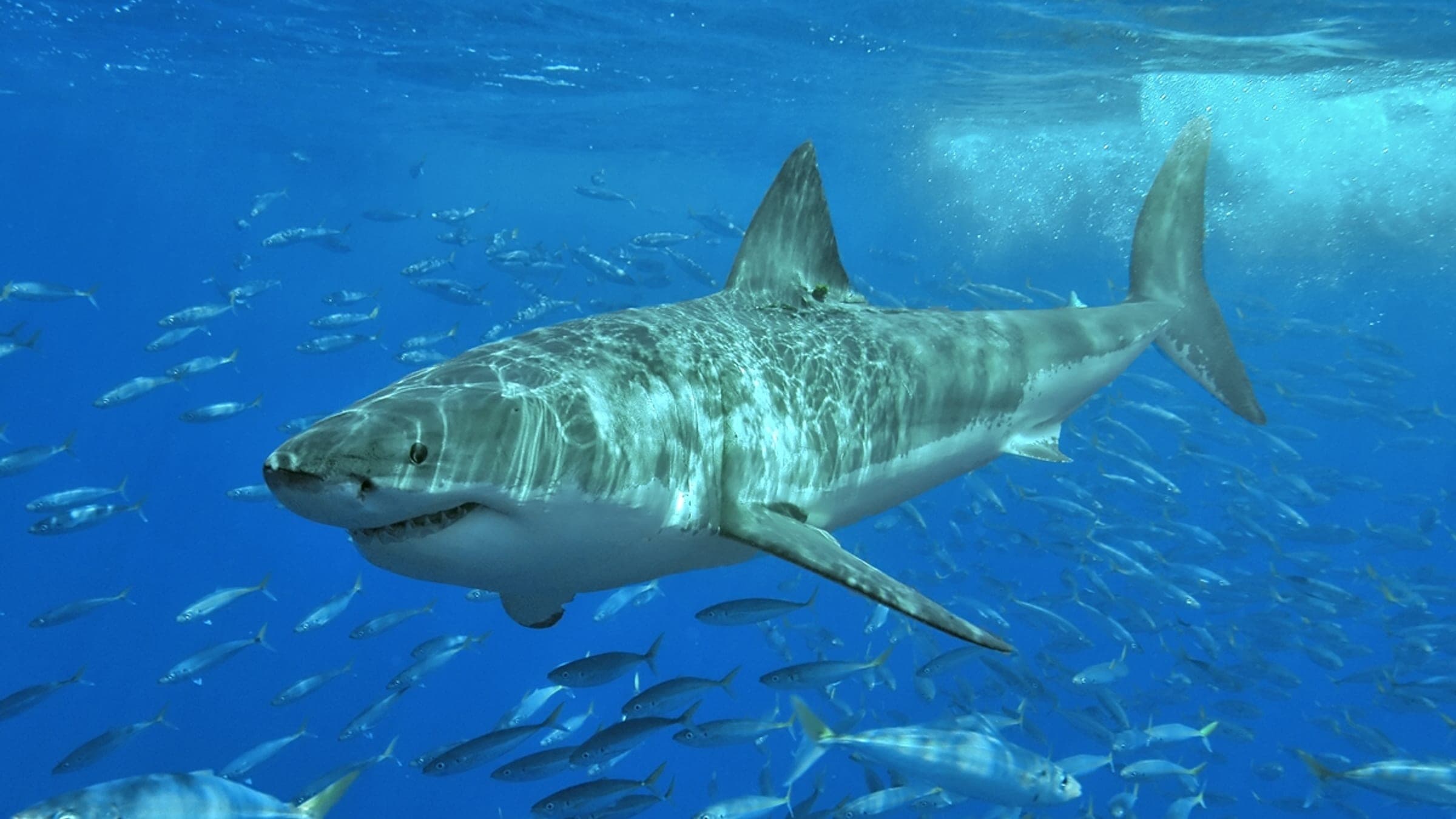
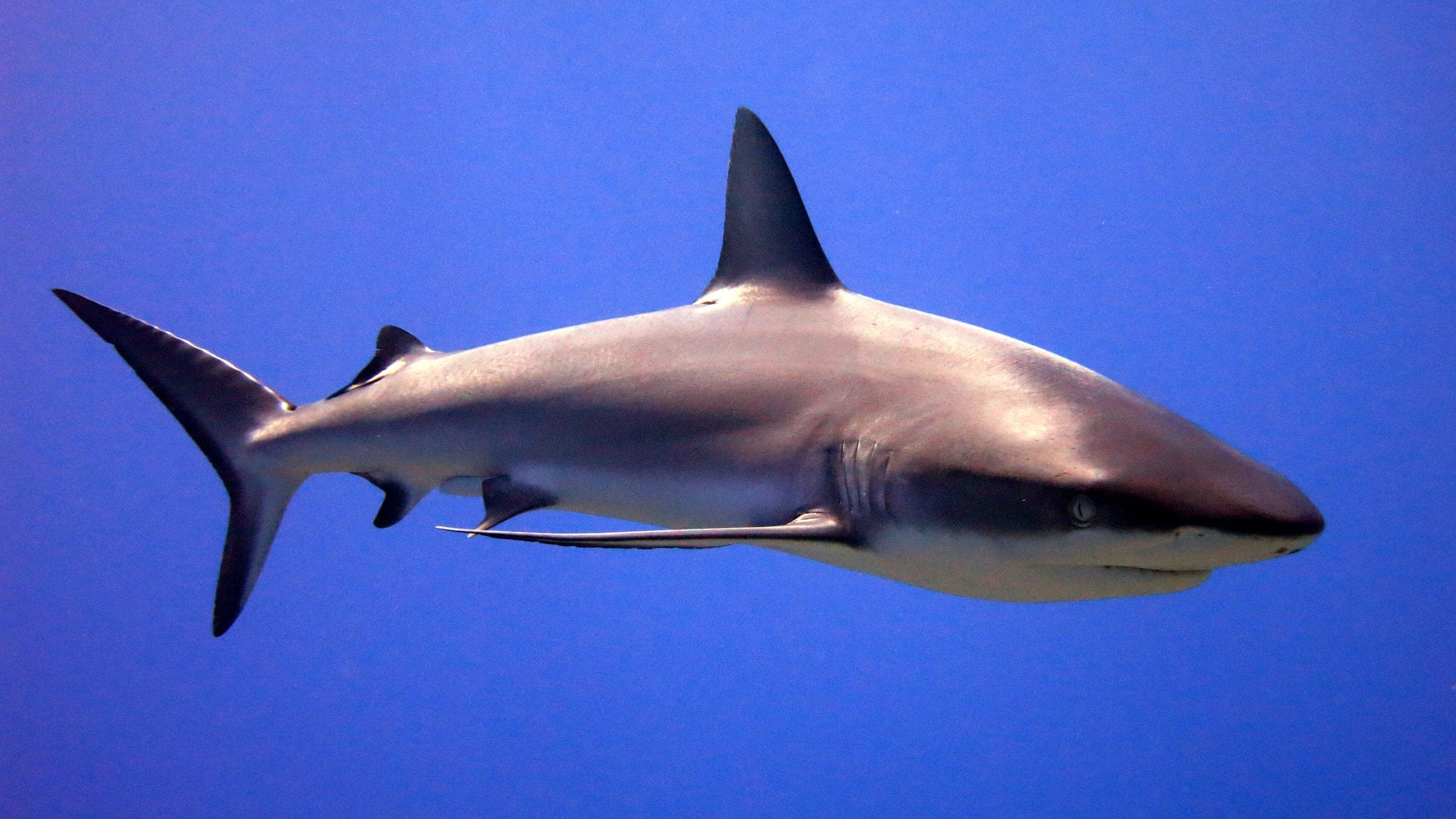
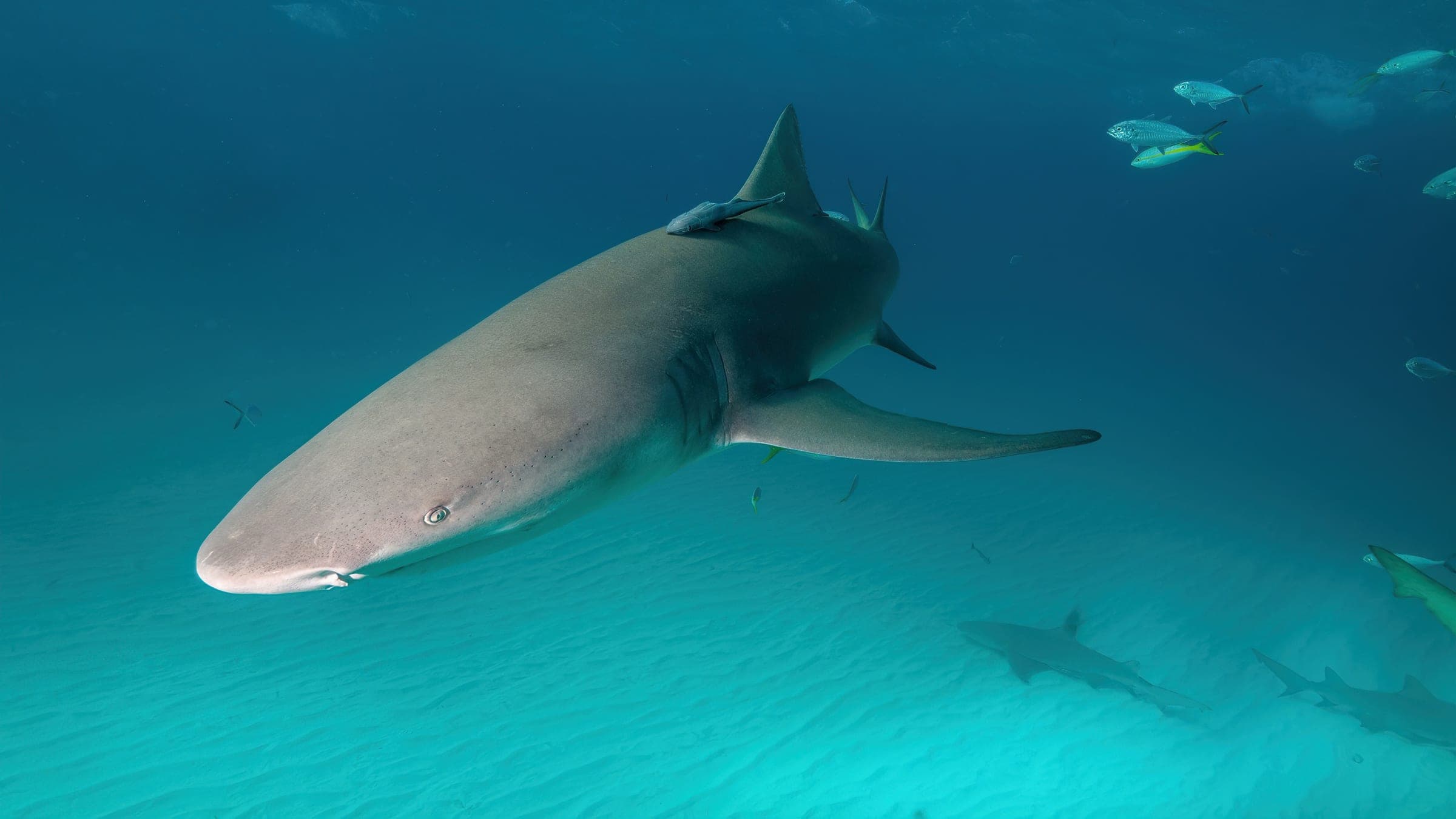
The bull shark (Carcharhinus leucas) is a requiem shark commonly found worldwide in warm, shallow waters along coasts, in estuaries and in rivers. It is euryhaline and can thrive in both salt and fresh water, and individuals have been recorded traveling far upriver — for example, up the Mississippi River as far as Alton, Illinois, about 1,100 kilometres from the ocean. Bull sharks are known for their aggressive nature; larger individuals are responsible for a large part of nearshore shark attacks and may account for many attacks involving unidentified species. Unlike river sharks of the genus Glyphis, bull sharks are not true freshwater sharks despite their ability to survive in freshwater habitats. Bull sharks are listed as vulnerable on the IUCN Red List. Ongoing shark-culling efforts near beaches to protect beachgoers are among the causes contributing to continuing population declines. The species also appears on the 2000 colones banknote from Costa Rica.
Bull shark populations are continuing to decrease; ongoing shark-culling efforts near beaches to protect beachgoers are cited as one cause.
Euryhaline species that commonly occurs in warm, shallow coastal, estuarine and lower river reaches and can travel far upriver from the ocean.
The strongest linked planning options currently surface around destinations such as Coral Coast, Viti Levu, Palm Beach, Florida, Playa del Carmen and countries such as Mexico, United States of America, Costa Rica for divers building trips around bull sharks.
Last Updated Mar 9, 2026 · 4 sources
Identification
The visual markers divers can use underwater, plus the species most likely to cause confusion.
River sharks are true freshwater sharks, unlike bull sharks which are euryhaline; the two may be confused in freshwater settings.
Range and Movement
The broad range, seasonal movement, or migratory behavior that shapes where divers encounter this species.
Euryhaline species that commonly occurs in warm, shallow coastal, estuarine and lower river reaches and can travel far upriver from the ocean.
Conservation
Status, pressure, and protection context grounded in cited sources rather than filler.
Bull shark populations are continuing to decrease; ongoing shark-culling efforts near beaches to protect beachgoers are cited as one cause.
Ongoing shark-culling efforts intended to protect beachgoers have contributed to population decreases.
Responsible Encounters
Conservation-minded guidance for divers who want the encounter without adding pressure.
Give bull shark space, avoid blocking the animal's path, and follow local site and operator rules for wildlife interactions with sharks.
Field Notes
Useful species context that makes the encounter more meaningful once you are underwater.
Bull sharks can thrive in both salt and fresh water.
They have been recorded traveling up the Mississippi River to Alton, Illinois, about 1,100 kilometres from the ocean.
The bull shark appears on the 2000 colones banknote from Costa Rica.
Also known as the Zambezi shark (informally 'zambi') in Africa and the Lake Nicaragua shark in Nicaragua.
Top Destinations
Destinations surfaced from the linked dive spots associated with this species.
Top Countries
The strongest country-level starting points currently linked to this species.
Top Dive Spots
Directly linked dive spots where this species already shows up in the planning data.
Liveaboard-only Gulf pinnacle with coral and pelagics.
Deep Ponta do Ouro reef with boulders and pelagics.
Remote Bat Islands pinnacle with sharks, rays, and schooling fish.
Boahura Express is a steep outer-reef drift wall with strong current.
Bridge Span 1: boat dive on encrusted bridge structure.
Fringing reef with rare bull sharks
FAQ
Clear planning and conservation answers written for search visibility and AI retrieval.
Research Sources
Primary and credible references behind the field-guide and conservation claims on this page.
Primary wildlife guide source.
Supporting wildlife source.
Supporting wildlife source.
Supporting wildlife source.
Related Species
Related species guides in the same encounter family.