Best time to go
October - April
Generally calmer seas, frequent mantas, water around 28°C30°C
Main caution: Southeast trades bring chop and occasional rain squalls

Biodiversity capital of the Coral Triangle with manta highways and living reefs
Overview
Raja Ampat rewards experienced water lovers with world-record biodiversity, reliable warm water, and big animal action. Currents in the Dampier Strait and Misool feed reefs that host both reef and oceanic mantas, schooling fish, and endemic critters. Access runs through Sorong to Waisai, then fast boats to homestays, dive resorts, and liveaboards. The marine park requires an entry card and strict codes of conduct that protect manta cleaning stations, turtle rookeries, and no-take zones. Year-round warmth suits snorkelers and freedivers, while October-April usually brings calmer seas and peak manta encounters.
Encounters at Manta Ridge and Manta Sandy in the north and seamounts in Misool.
Water sits near 28°C to 30°C most months.
Park fees fund patrols, moorings, and education through the Raja Ampat Marine Park Authority.
Homestays, boutique eco-resorts, or liveaboards covering north and south circuits.
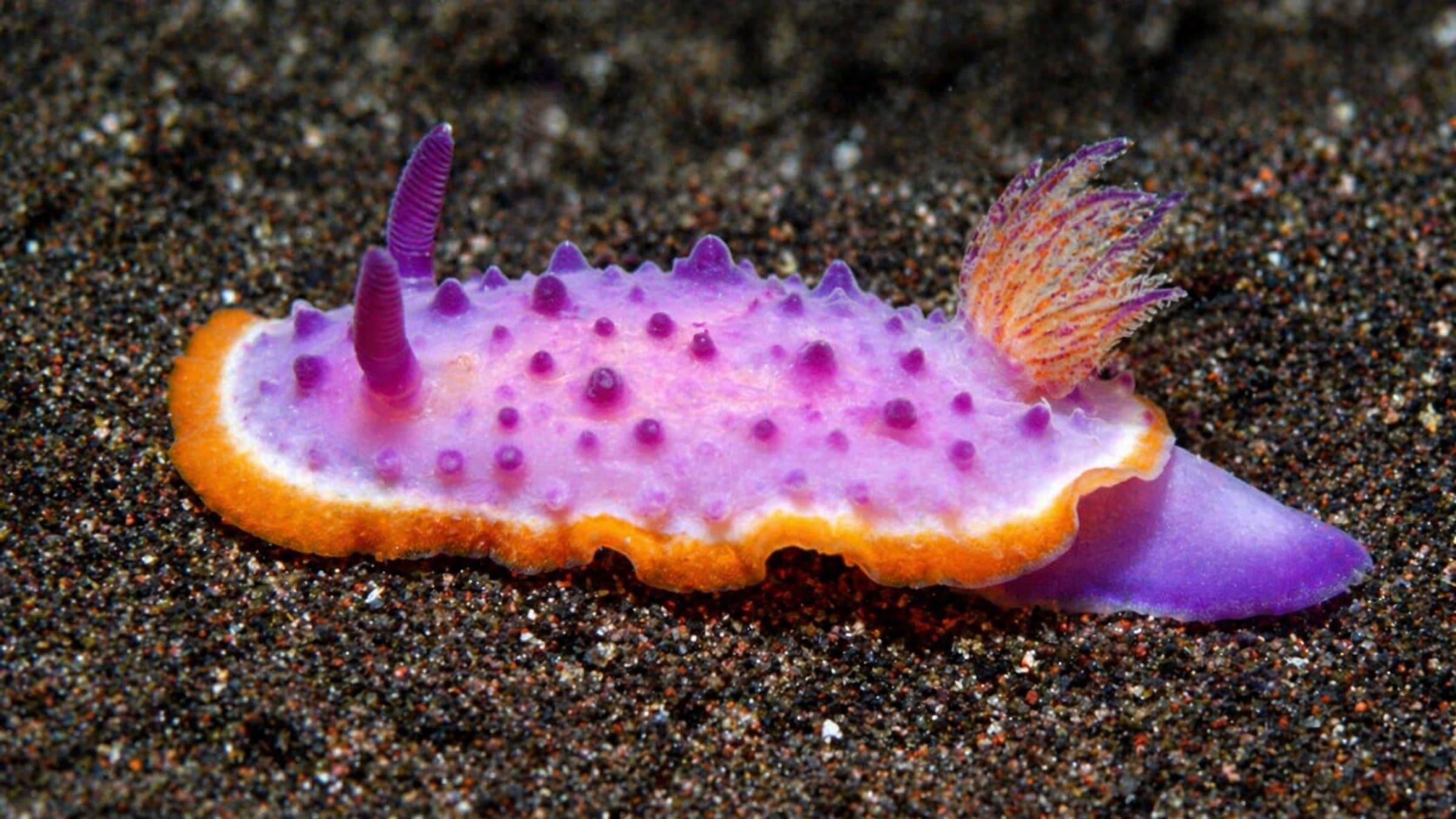
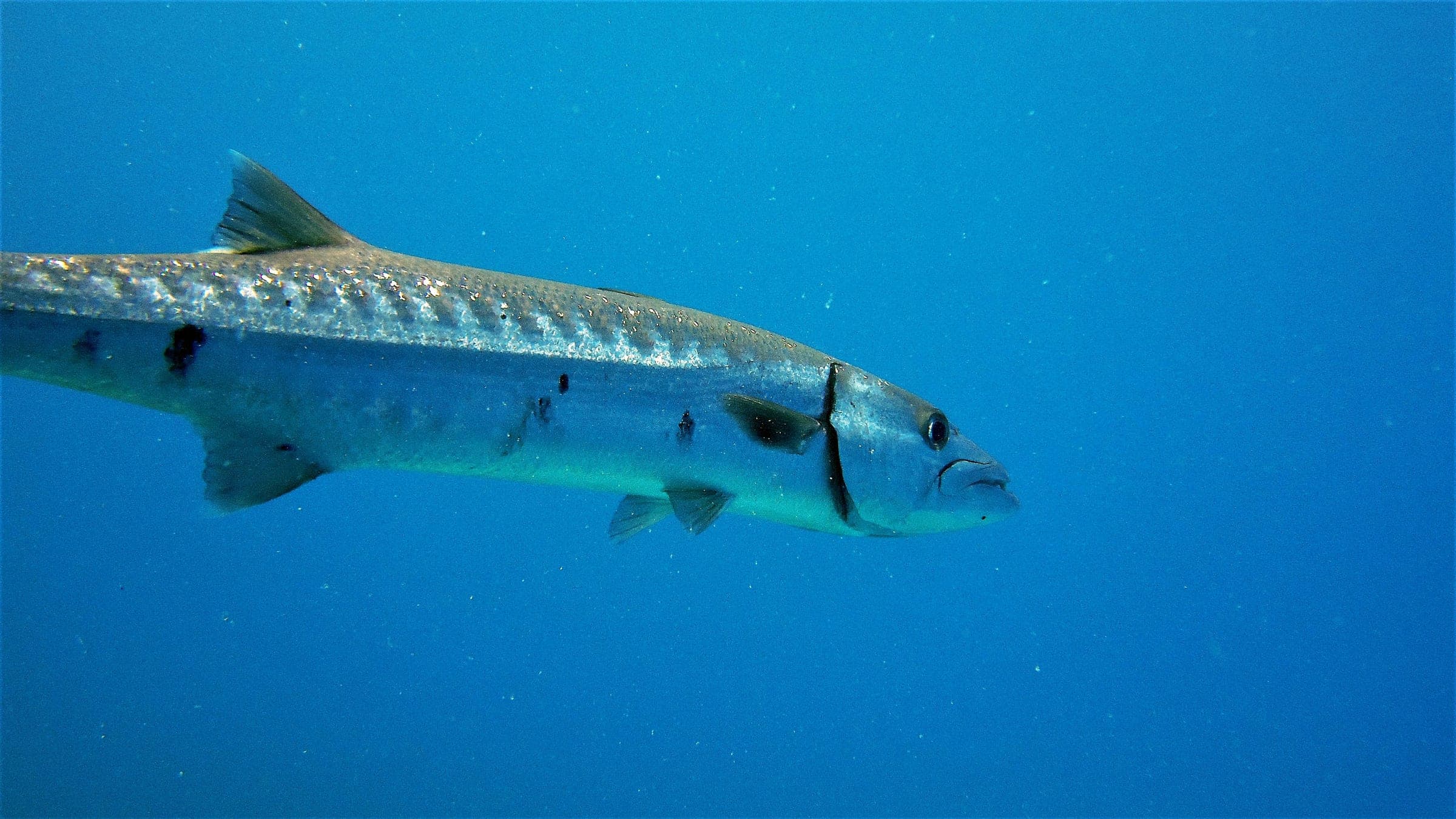
Top species linked to approved dive spots in Raja Ampat.
Share what the whole destination was like. Once enough independent reviews are approved, DiveJourney publishes anonymous patterns, not reviewer profiles.
Quick shortlist before you jump into the full planning page.


DiveJourney destination guides are living documents built from local knowledge, operator experience, and publicly available sources. Conditions, regulations, and logistics can change. Each guide shows its last update date and sources used.
Last updated: October 30, 2025 • 18 sources
If destination data is inaccurate, stale, missing, or sourced poorly, send a factual correction. This is separate from anonymous destination reviews.
October - April
Bring small IDR bills for village fees and snacks. ATMs are limited and may run out.
Trip Planning
External Booking PartnerThis destination works either as a land-based plan or as a longer liveaboard itinerary. Use the guide for local planning, or compare boats if the remote circuit is the priority.
Land-based guide
Base areas, day boats, local operators, and shore logistics
Liveaboard planning
Boats, departures, and longer expedition-style routes
DiveJourney may earn referral revenue from the external booking partner. Liveaboard bookings are handled by the partner and operator under their terms.
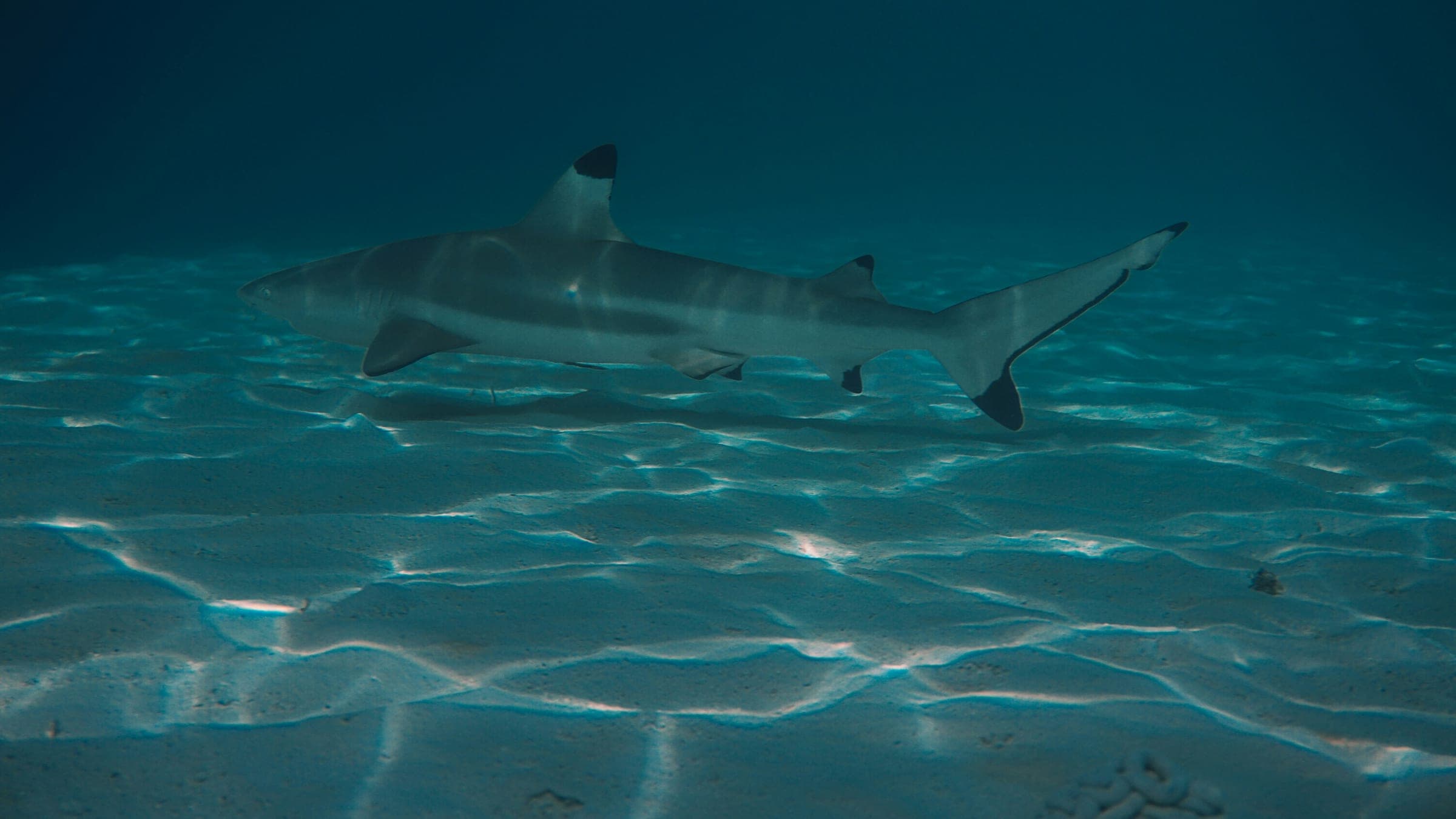
Carcharhinus melanopterus
28 linked spots
Best time to go
October - April
Generally calmer seas, frequent mantas, water around 28°C30°C
Main caution: Southeast trades bring chop and occasional rain squalls