Family and common group
Members of the carpet-shark family Orectolobidae.
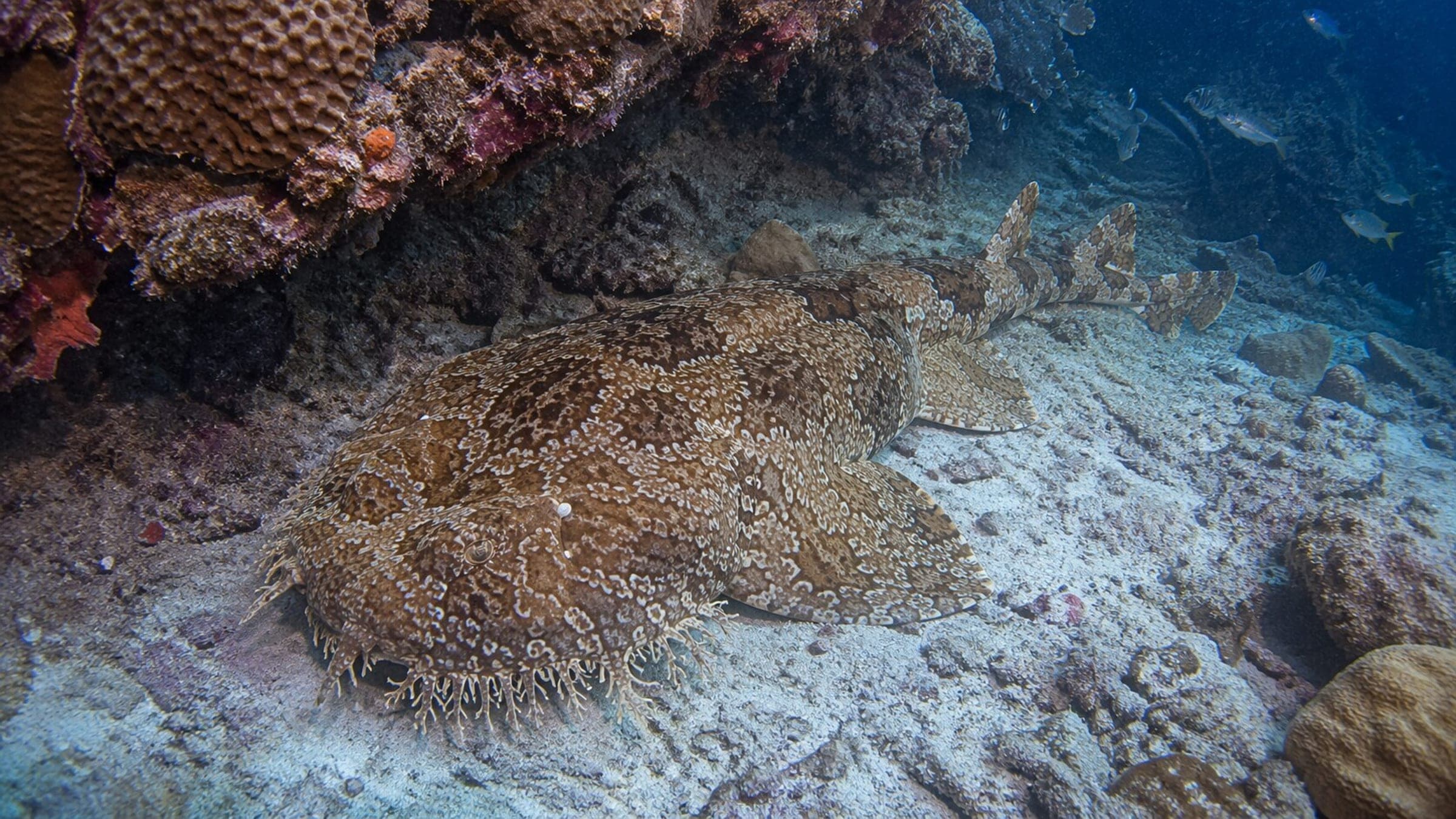
Wobbegongs are a group of 12 carpet-shark species found mainly around Australia and Indonesia in shallow temperate and tropical waters.
Last Updated Mar 9, 2026 ·
Species Guide
A clean field guide focused on habitat, identification, behavior, and conservation context without burying the useful parts.
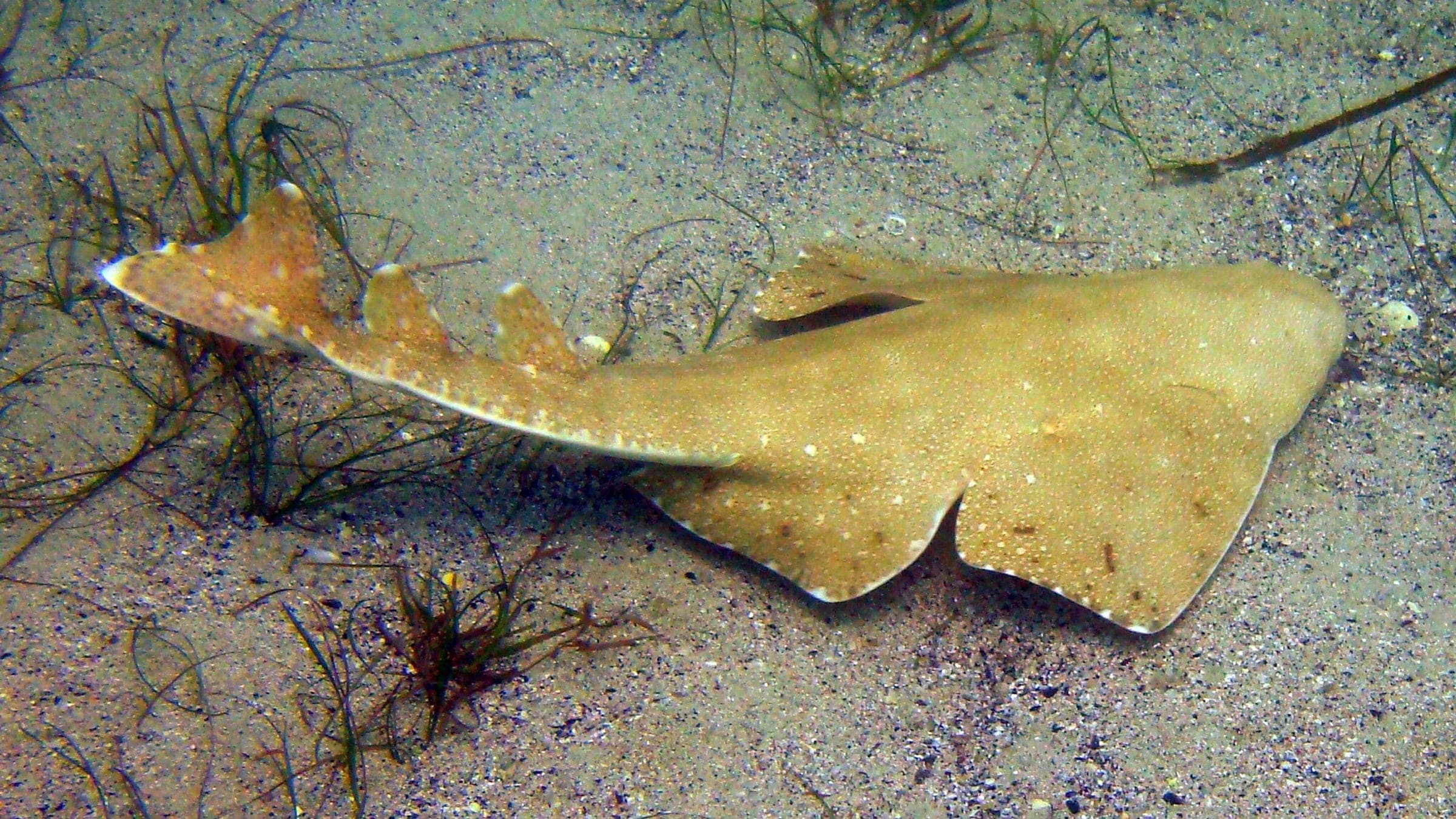
Wobbegong is the common name for the 12 species of carpet shark in the family Orectolobidae. They occur in shallow temperate and tropical waters of the western Pacific Ocean and eastern Indian Ocean, chiefly around Australia and Indonesia. One species, the Japanese wobbegong (Orectolobus japonicus), ranges as far north as Japan. The name "wobbegong" likely comes from an Australian Aboriginal language meaning "shaggy beard," a reference to the growths around the shark's mouth.
The strongest linked planning options currently surface around destinations such as Raja Ampat, Sydney, Perth and Rottnest Island (Wadjemup) and countries such as Australia, Indonesia, Japan for divers building trips around wobbegongs.
Identification
The visual markers divers can use underwater, plus the species most likely to cause confusion.
Members of the carpet-shark family Orectolobidae.
Notable beard-like growths around the mouth, which inspired the name meaning "shaggy beard."
Responsible Encounters
Conservation-minded guidance for divers who want the encounter without adding pressure.
Give wobbegong space, avoid blocking the animal's path, and follow local site and operator rules for wildlife interactions with sharks.
Field Notes
Useful species context that makes the encounter more meaningful once you are underwater.
The term covers 12 distinct species of carpet shark.
The common name likely derives from an Australian Aboriginal word meaning "shaggy beard."
Chiefly found around Australia and Indonesia, with at least one species ranging to Japan.
Top Destinations
Destinations surfaced from the linked dive spots associated with this species.
Top Countries
The strongest country-level starting points currently linked to this species.
Top Dive Spots
Directly linked dive spots where this species already shows up in the planning data.
Vertical Friwen wall with caves and drift options
Fam Islands coral plateau with macro life and sharks.
Protected Shellharbour jetty dive with fish life and rocky entry.
3 mile Bommie is a boat reef with big marine life.
Boat drift site for early-summer hammerhead runs.
Easy Magnetic Island shore bay with shallow reef and sand.
FAQ
Clear planning and conservation answers written for search visibility and AI retrieval.
Research Sources
Primary and credible references behind the field-guide and conservation claims on this page.
Related Species
Related species guides in the same encounter family.