happybubbles.com · Operator
Operator dive-sites page with Aksona Bay summary, travel time, and depth range.
Turkey · Bodrum Peninsula
Aksona Bay is a Bodrum boat dive with archaeology, current, and clear water.
Aksona Bay is a Bodrum boat dive with archaeology, current, and clear water.
Aksona Bay is a Bodrum boat dive named after the sponge hunter Aksona Mehmet, with an archaeological feel from amphoras, anchors, and wreck fragments on a steep Aegean slope. It is usually reached in about 50 minutes by boat and suits advanced or confident open-water divers because reverse currents can set up on the site. Expect clear blue water, a profile that drops quickly, and a dive that rewards good buoyancy more than speed.
Site Conditions
Safety Notes
Reverse currents are possible; plan the dive accordingly and monitor conditions closely.
Access Restrictions
Boat access only; reverse currents can show up, so it suits confident divers with an experienced guide.
Legal Notes
Follow the boat crew's timing and any harbor or entry instructions; this is a managed boat site rather than a shore-access bay.
Community notes to help plan your visit.
Scuba Diving
Advanced boat dive with an archaeological profile, steep drop-offs, and current that can complicate the timing.
Freediving
Freediving is best kept to the shallowest part of the site; the main profile is better suited to scuba.
Snorkeling
Snorkelling is not the main use case; the interesting structure sits below the surface and the current can be active.
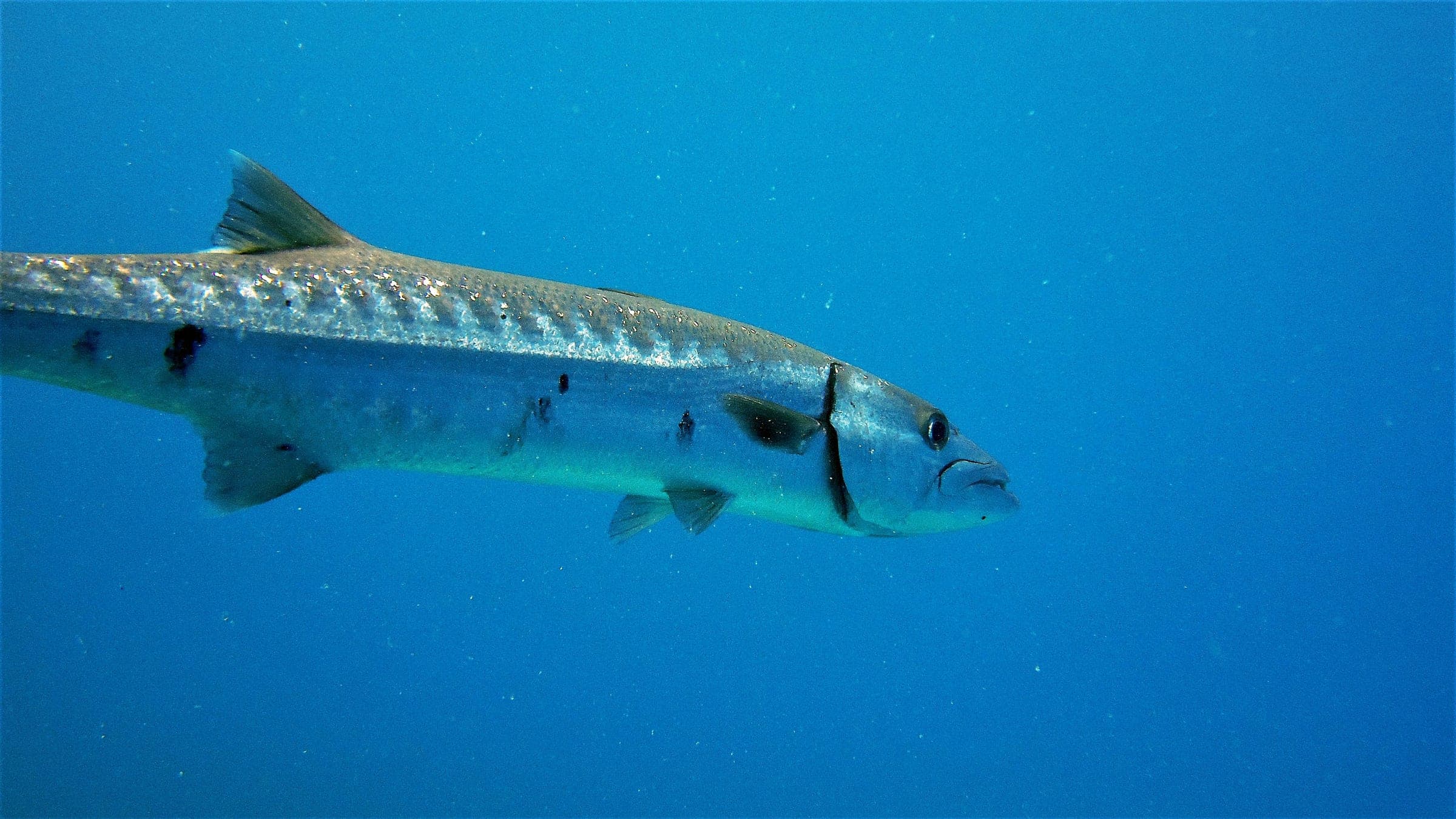
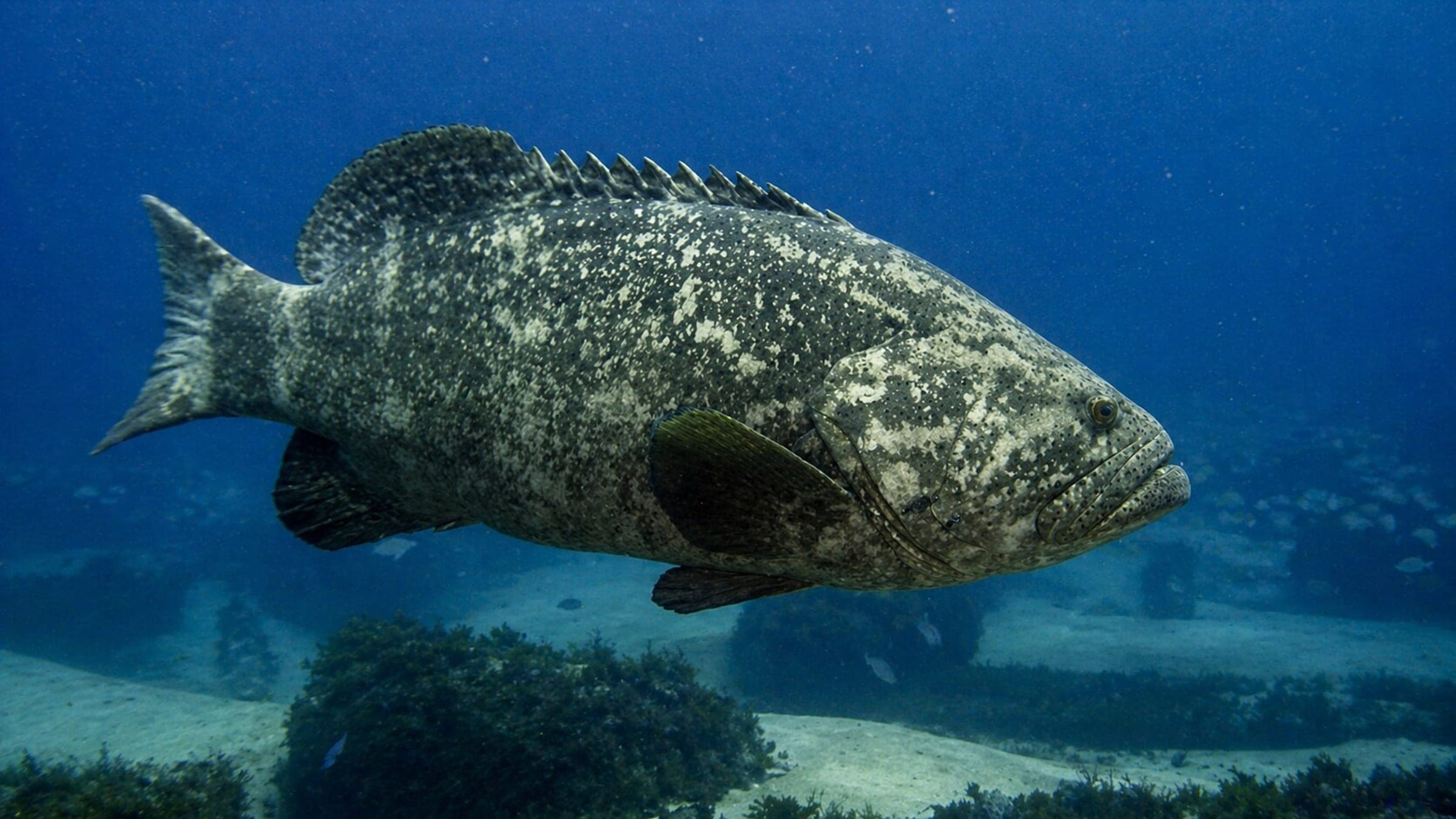
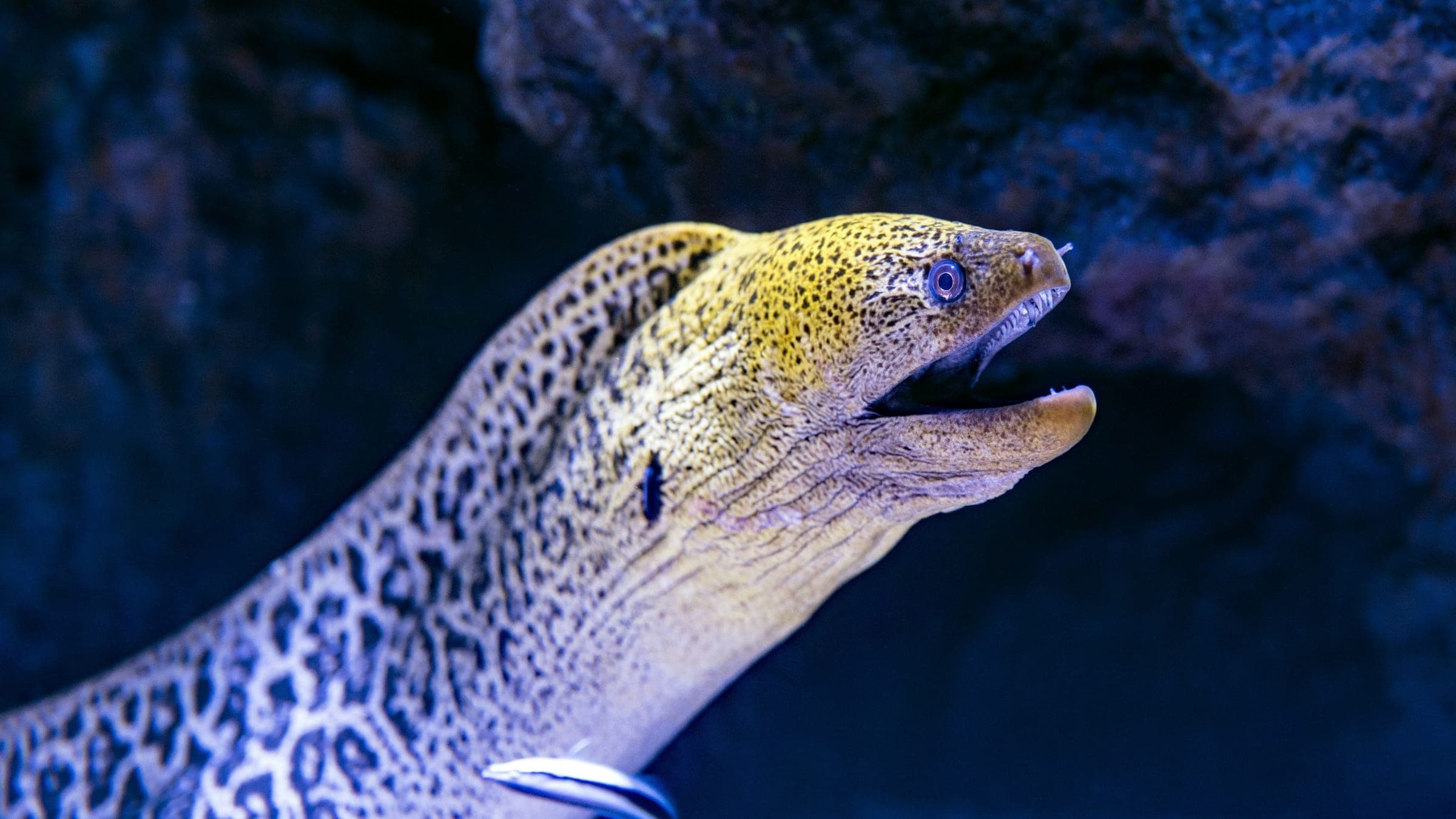
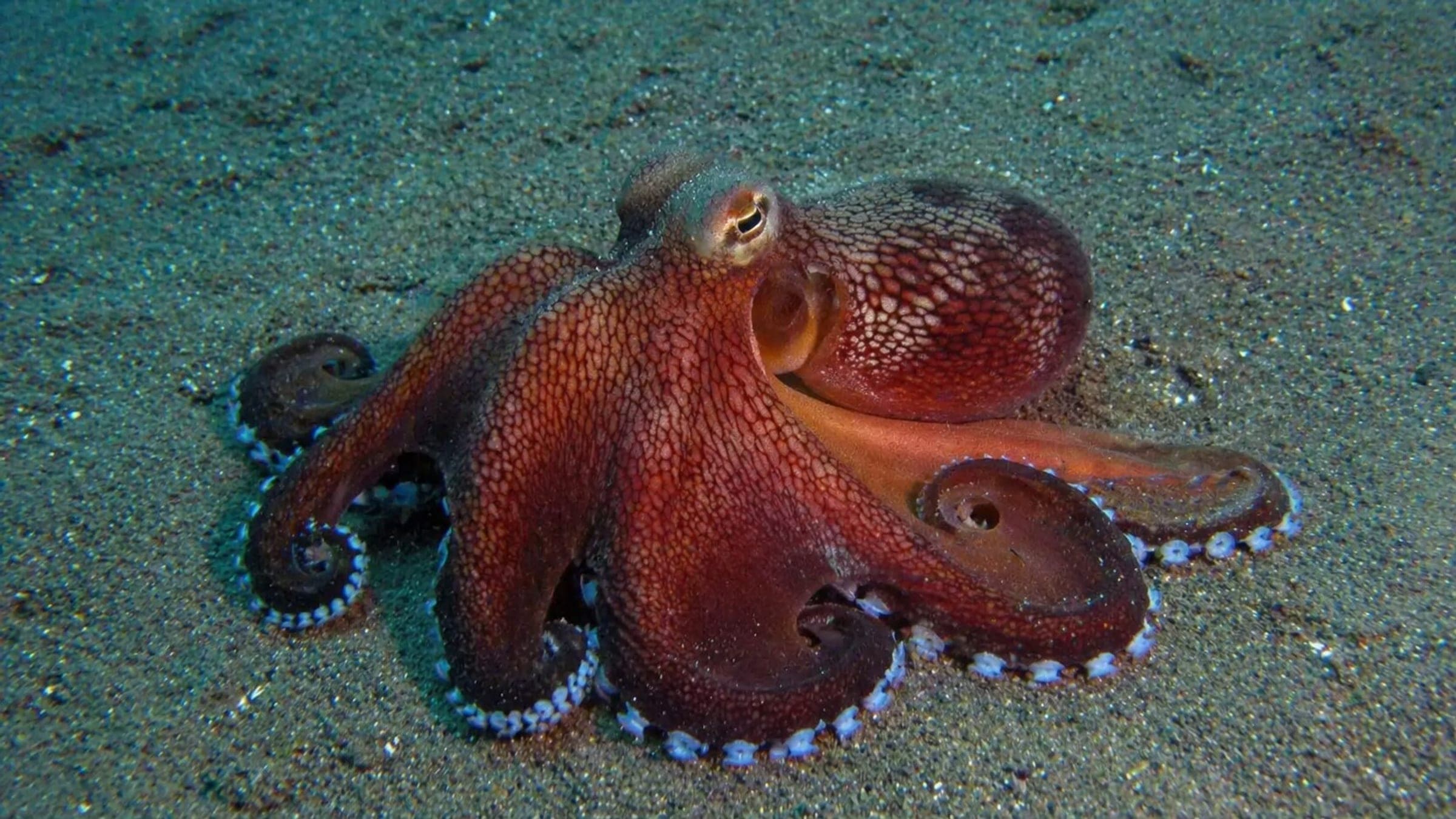
Species commonly reported at this site, with direct links into their wildlife guides.
Conservative baseline from public research. No community dives logged yet.
Last Updated
Research Sources
Operator dive-sites page with Aksona Bay summary, travel time, and depth range.
Exact Aksona Bay operator page with access time, advanced-diver guidance, reverse currents, and marine life.
Independent public article on Aksona Mehmet and the sponge-diving legacy behind the site name.
Black Island Lighthouse: sheltered Bodrum bay for training dives.
Bodrum boat reef with walls, ledges, and dense marine life.