Turkey

Country guide

Turkey

Four seas, endless coves: reefs, walls, wrecks, and a coastline made for slow travel

Destinations
0
Dive spots
120

Currently Viewing:

Overview

Four seas, endless coves: reefs, walls, wrecks, and a coastline made for slow travel

Turkey is a four-seas playground: the warm Mediterranean (Antalya and the Turkish Riviera), the breezier Aegean (Bodrum and the Izmir coast), the ship-laned Sea of Marmara, and the cooler Black Sea. For divers, the headline is variety in short hops: reefs and walls, swim-throughs, and a surprising wreck scene, often within day-boat range of town.

Plan around temperature and wind. The southern coast stays diveable for a long season, with sea temps rising from about 16°C in winter to 28°C in late summer. The Aegean peaks lower, roughly 24°C to 25°C, and can get windy in mid-summer.

Want a concrete starting point? Base in Kas for canyon-and-wreck days like Kanyon Dimitri Wreck, or fly into Bodrum for quick reefs like Fridge Bodrum.

Water regions that matter

  • Mediterranean coast (Antalya Province and the Turquoise Coast): warmer water, long season, and many operators. Kas is a classic base for walls, wrecks, and swim-throughs (start with Kanyon Dimitri Wreck or the tunnel-style swim-through at Kas Tunel).
  • Aegean coast (Mugla to Izmir): great visibility days, lots of bays, and a strong sailing scene. Bodrum pairs easy reefs like Fridge Bodrum with bigger structure dives like Big Reef. The Izmir area is convenient for day boats around Kusadasi, including Adabanko Reef and Yilanci Burnu.
  • Sea of Marmara and the straits: more shipping, more current risk, and some interesting wreck history such as SS Captain Frangos.
  • Black Sea: cooler, rainier, and generally lower-visibility diving. It is best treated as a niche add-on for experienced local guidance.

What you dive for

Reefs, walls, and swim-throughs

  • Rocky points and drop-offs make for satisfying wall profiles. Sites like 40 Kafalar and Baba Burnu Deep Dive are built for depth and drama.
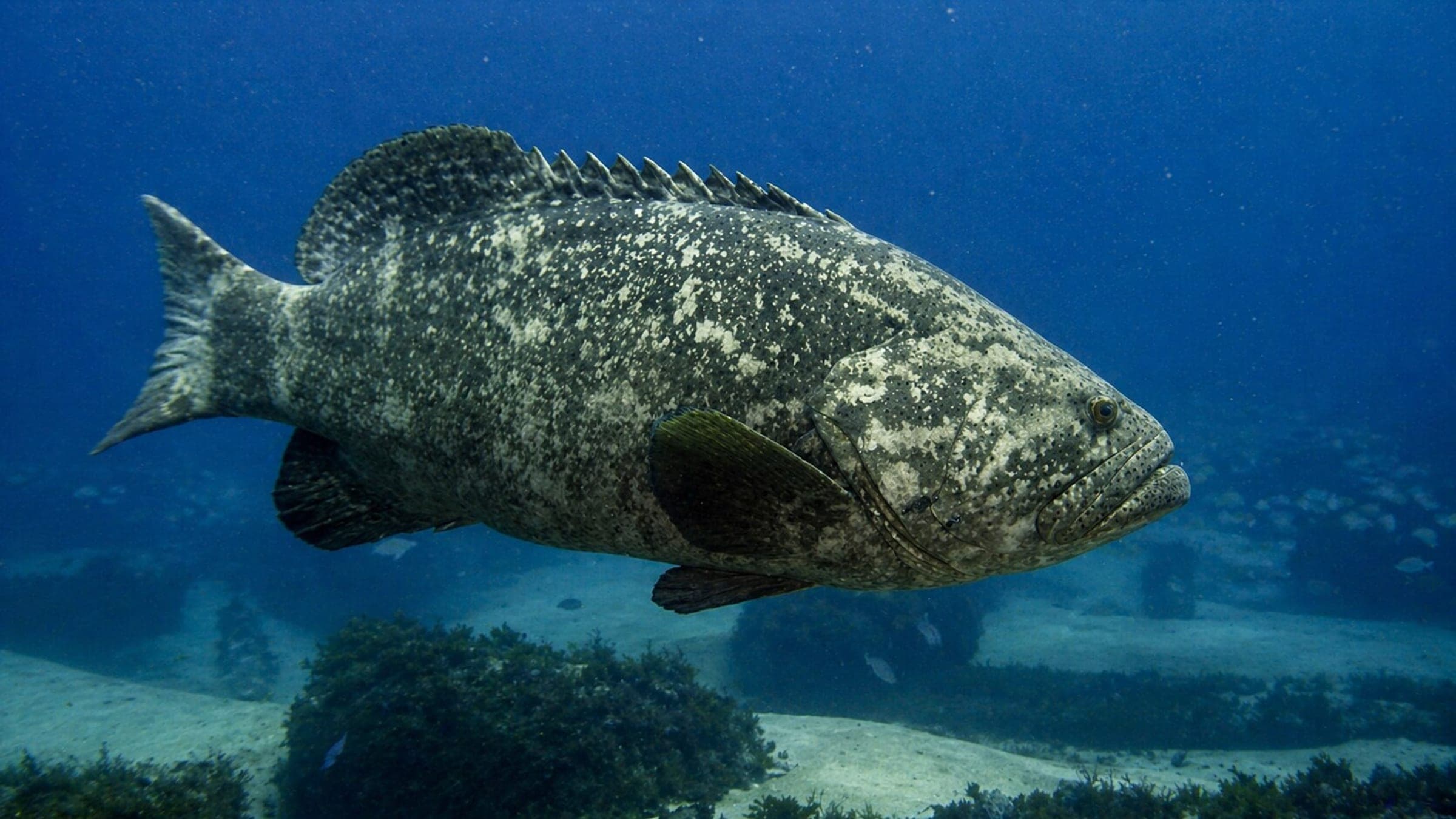
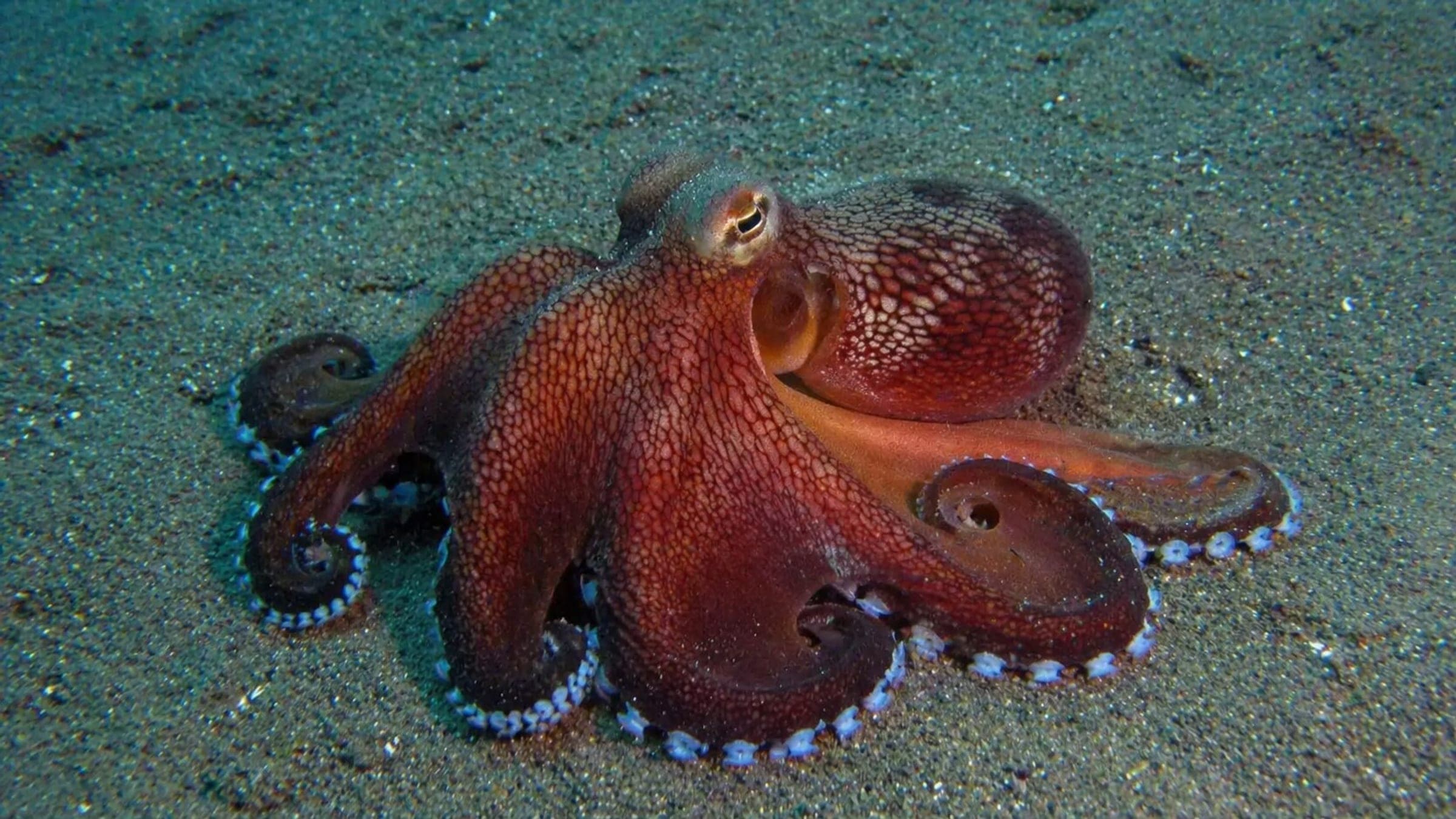
  • Expect Mediterranean-style marine life: octopus, groupers, barracuda, and plenty of small critters for photographers.

Wrecks and big structure

  • Turkey has everything from small local wrecks to larger historical ships. SS Captain Frangos is a good example of a classic wreck profile.
  • Be strict about cultural heritage: never remove artifacts, even if they look abandoned.

Climate and water temps (high level)

  • Mediterranean: around 16°C to 18°C in winter, warming through spring, peaking near 27°C to 28°C in August and September.
  • Aegean: roughly 13°C to 15°C in winter, peaking around 24°C to 25°C in July and August.
  • Marmara and Black Sea: cooler shoulders and winter lows around 8°C to 12°C, summer highs around 23°C to 24°C.

Planning shortcuts

If you want the easiest first trip

If you want the most diving density

If you want a mixed diver and non-diver itinerary

  • Combine an Aegean or Mediterranean dive base with a few nights in Istanbul, and add a gulet 'Blue Voyage' segment for swim stops.

Rules and respect

  • Many stretches of the Turkish coast sit inside Special Environmental Protection Areas and other protected zones. Expect no-take expectations, anchoring limits over seagrass, and local zoning.
  • Use mooring buoys where provided, keep good buoyancy, and bring all trash back to shore.
  • Follow boat-traffic etiquette: tow a surface marker when surfacing, and stay tight to your guide in busy bays.

Trip callouts

  • Four distinct water regions

    Choose between the warmer Mediterranean season and the breezier Aegean, with Marmara wreck history and niche Black Sea diving.

  • Day-boat friendly diving

    Most hubs run flexible schedules with short boat rides and shore entries, so you can build the week around weather windows.

  • Wrecks without the hassle

    From classic ships like SS Captain Frangos to local wreck-and-wall profiles, you can get structure dives without committing to a liveaboard.

  • Freedive and snorkel add-ons

    Warm-water months make it easy to mix sessions and swim stops in bays like Fridge Bodrum and reefs around Pinebay Reef.

  • Topside between dives

    Ruins, coastal hikes, and gulet sailing mean non-divers stay busy while you chase visibility windows.

Activity highlights

scuba

Why Turkey for Scuba Diving

turkey scuba divingkas divingbodrum divingkusadasi divingturkey wreck diving

Turkey rewards divers who like variety more than extremes: reef-and-wall diving on the Aegean and Mediterranean coasts, swim-throughs and canyons around Kas, and a real wreck menu from classic ships to local training wrecks. Most trips are day-boat or short shore entries, so you can keep a relaxed schedule and still log a lot of bottom time.

The southern Mediterranean coast stays warmer longer, while the Aegean runs a bit cooler and can be windier in summer. Visibility is often in the 10 m to 30 m range on good days, with the clearest water most common in late spring and early fall.

Use these as anchors when planning: Kas for canyon profiles like Kanyon Dimitri Wreck, Bodrum for quick reefs like Fridge Bodrum, and the Izmir coast for easy day boats to sites like Adabanko Reef.

freedive

Why Turkey for Freediving

turkey freedivingkas freedivingbodrum freedivemediterranean freediving season

Turkey's freediving sweet spot overlaps its beach season: warm water, long daylight, and enough coves to hide from wind when you plan smart. The Mediterranean coast peaks near 27°C to 28°C in late summer, while the Aegean typically tops out around 24°C to 25°C.

For bases, think coastal towns where you can train in the morning and recover well in the afternoon. Bodrum gives you bay options like Fridge Bodrum. Kas is a strong choice when you want dramatic underwater terrain and structured days, with nearby sites such as Stonehedge and Kas Tunel that can double as exploration sessions.

Best planning: June to October for consistent water comfort, with early mornings in July and August to avoid traffic and chop.

snorkel

Why Turkey for Snorkeling

turkey snorkelingbodrum snorkelingturquoise coast snorkelingkusadasi snorkeling

Turkey is a cove-and-bay snorkel destination: rocky structure, clear-water days, and easy boat trips that stitch together multiple swim stops. The best snorkel stretch is June to September, when water is warmest. On the Mediterranean coast, peak summer water can sit near 27°C to 28°C, while the Aegean is often a touch cooler at 24°C to 25°C.

For simple entries, start with sheltered bays like Fridge Bodrum, or add a reef stop near Pinebay Reef between topside plans. If you want an island-style swim, look at Sican Adasi.

Plan for boat traffic in July and August and prioritize morning snorkels for calmer water and better visibility.

topside

Why Turkey for Topside Water-Lovers

turkey turquoise coast itinerarybodrum blue cruisekas lycian wayturkey beach and culture trip

Turkey works brilliantly for mixed groups because the coast delivers beaches, boat days, and history without heavy logistics. Base on the Aegean or Mediterranean, then add one inland or city detour.

Examples that play well together:

  • Bodrum for gulet cruising and swim stops near Fridge Bodrum.
  • Kas for coastal hikes, viewpoints, and easy water time near Stonehedge.
  • The Izmir coast for ruins days and short boat trips near Adabanko Reef.

For comfort, April to June and September to October are ideal for walking, ruins, and food. July and August are peak beach months, but plan shade breaks and earlier boat departures.

Stay in the loop

Receive new destination drops, profile upgrades, and dive map releases.

No spam. Just solid updates when something surfaces.