Algunos lugares para empezar. Explora la guía completa para comparar todas las regiones y los sitios de buceo.
Recibe nuevos destinos, mejoras de perfiles y lanzamientos del mapa de buceo.
Sin spam. Solo actualizaciones útiles cuando haya novedades.

Guía de país
Kelp forests, freshwater wrecks and wild northern seas
Actualizado 8 nov 2026 • 41 fuentes
Resumen
Canada is a cold-water adventure built around distinct regional circuits. On the Pacific coast, Vancouver Island and Howe Sound offer anemone-covered reefs, kelp, octopus habitat and tide-timed boat dives. Ontario adds clear freshwater wrecks at Tobermory and the busy St. Lawrence River near Brockville. Quebec pairs Les Escoumins seabeds with shore-based whale watching, while the Atlantic offers Halifax coves and Bell Island's advanced wartime wrecks. June through September is the easiest broad travel window, but some British Columbia scuba is clearer in autumn or winter. A drysuit, local operator and realistic emergency plan often matter more than a tropical dive log. Rules vary sharply between provincial parks, federal marine parks, harbours and Indigenous lands.
Pacific kelp, plumose anemones, sponges, nudibranchs, rockfish, octopus and wolf-eel habitat, especially on British Columbia reefs.
Fathom Five and the Thousand Islands provide contrasting shipwreck experiences, from shallow snorkeling views to advanced river and lake diving.
Guided shore entries, tide-timed day boats, remote coastal lodge trips and specialist wreck charters, rather than a single national resort model.
Whale interpretation, forest and coastal hikes, ferry trips, island villages, museums and historic waterfronts accompany many dive bases.

Diversidad de inmersiones desde la costa · Infraestructura real para aguas frías
Mejor ventana general: June to September for a multi-activity coastal trip
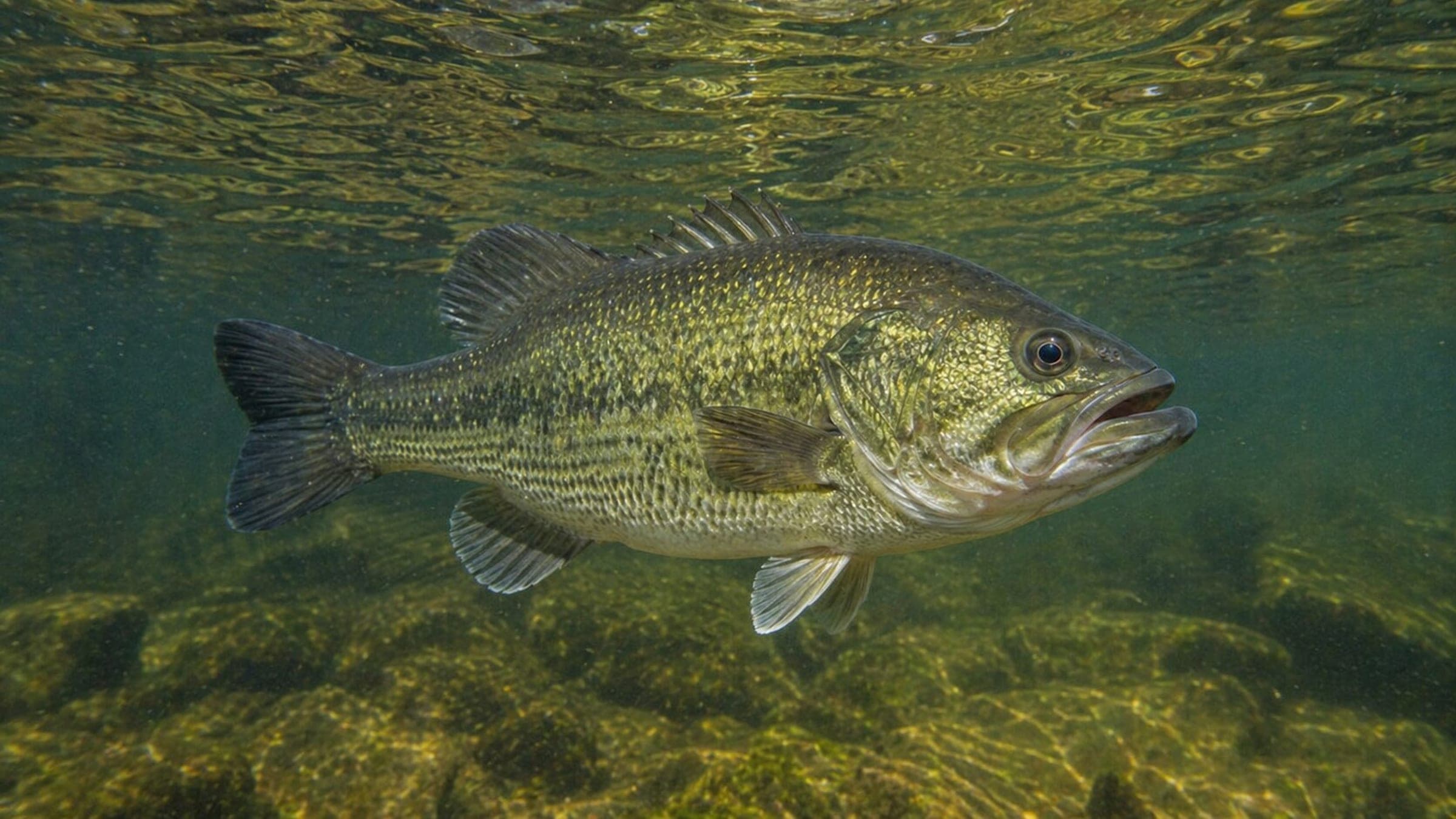
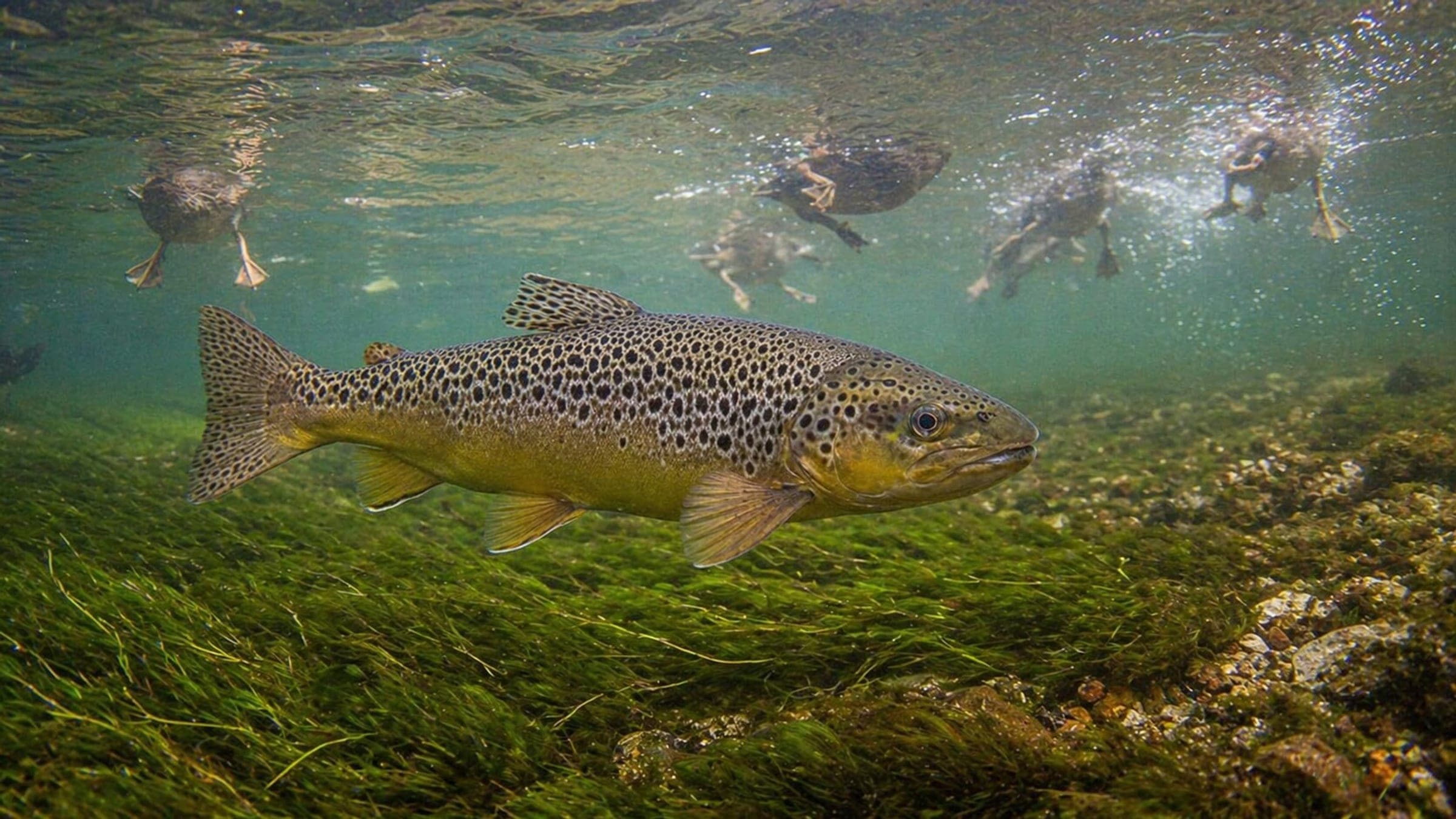
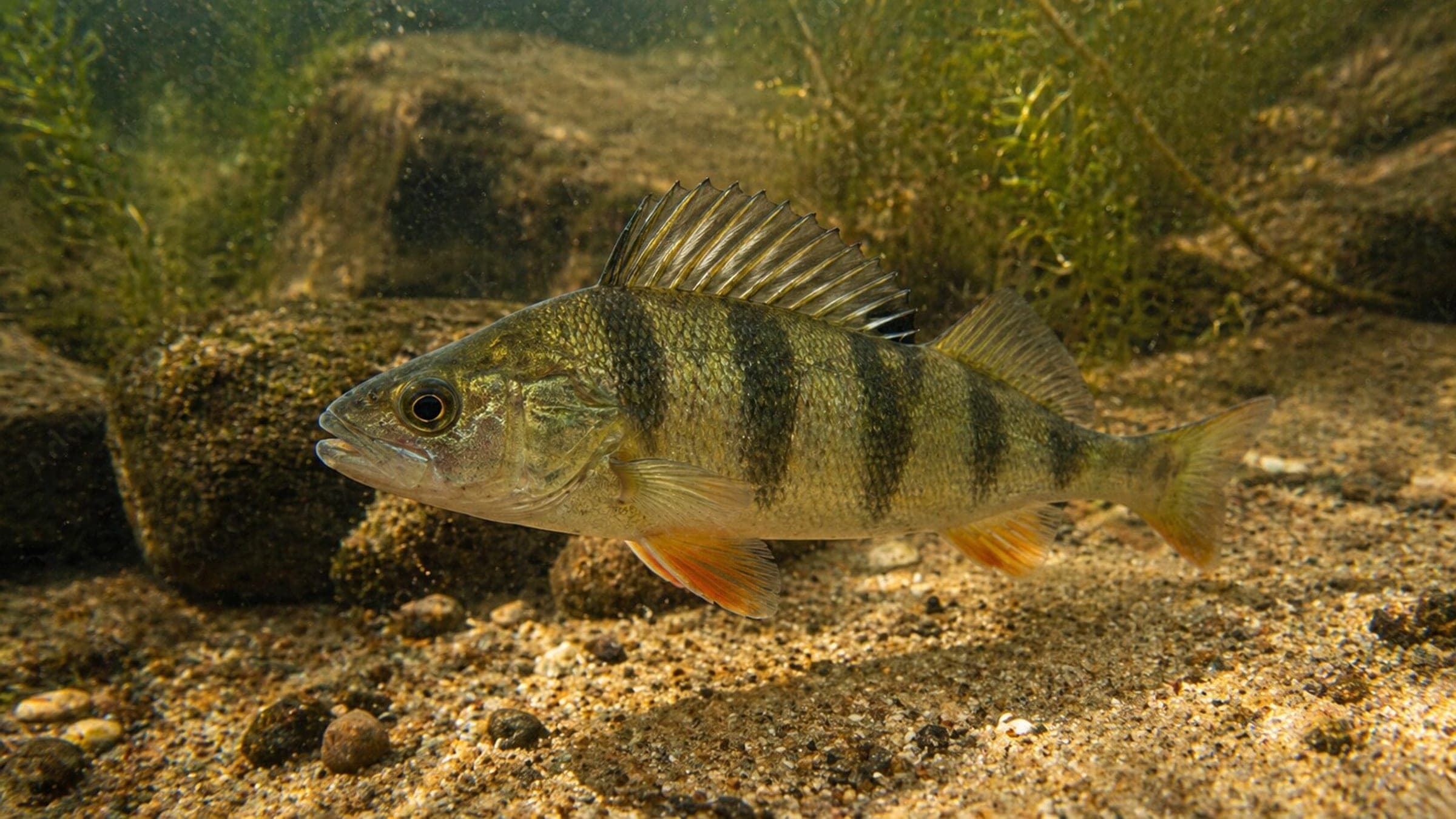
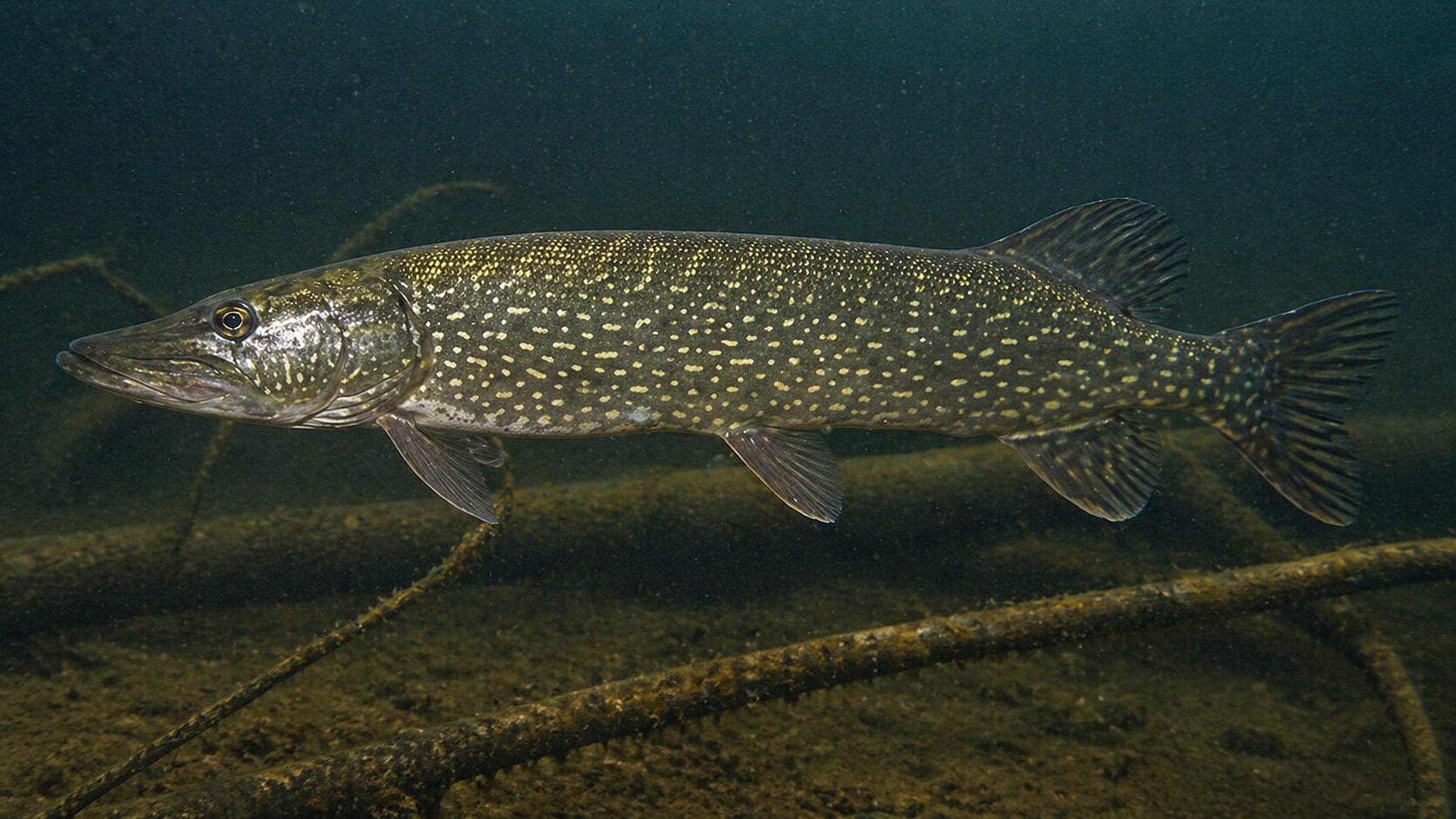
Especies principales vinculadas a puntos de buceo aprobados en Canada.