Best time to go
June to October
Warmest water, calmer seas, best chance of 12 m to 18 m visibility.
Main caution: More Atlantic storms and swell; pick sheltered sites and expect cooler water around 15°C to 17°C.

Atlantic reefs, cliff caves, and easy Algarve road trips from a sunlit harbor town
Overview
Lagos sits on Portugal's southern Algarve coast, where golden beaches and limestone cliffs drop into the Atlantic. From this base you can dive and snorkel rocky reefs, small caves, and nearshore walls around Ponta da Piedade, then day-trip west to Sagres for dramatic cave systems or east toward Portimao for wreck dives. Expect an Atlantic feel: water temperatures are typically around 15°C to 22°C across the year, visibility swings with swell and weather, and boat traffic peaks in summer around the famous grotto coastline. Above water, Lagos is built for split days: sunrise cliff walks, midday dives, and sunset seafood in the old town. It is not tropical, but it is varied, logistically easy, and perfect for travelers who want real ocean conditions plus a strong topside itinerary.
Dive the south-coast coves near Lagos, then pivot to Sagres or Portimao when wind and swell shift.
Limestone geology creates small caves, swim-through style passages, and reef walls that reward patient finning and good buoyancy.
Several local sites are shallow and suited to training dives, refreshers, and relaxed photography.
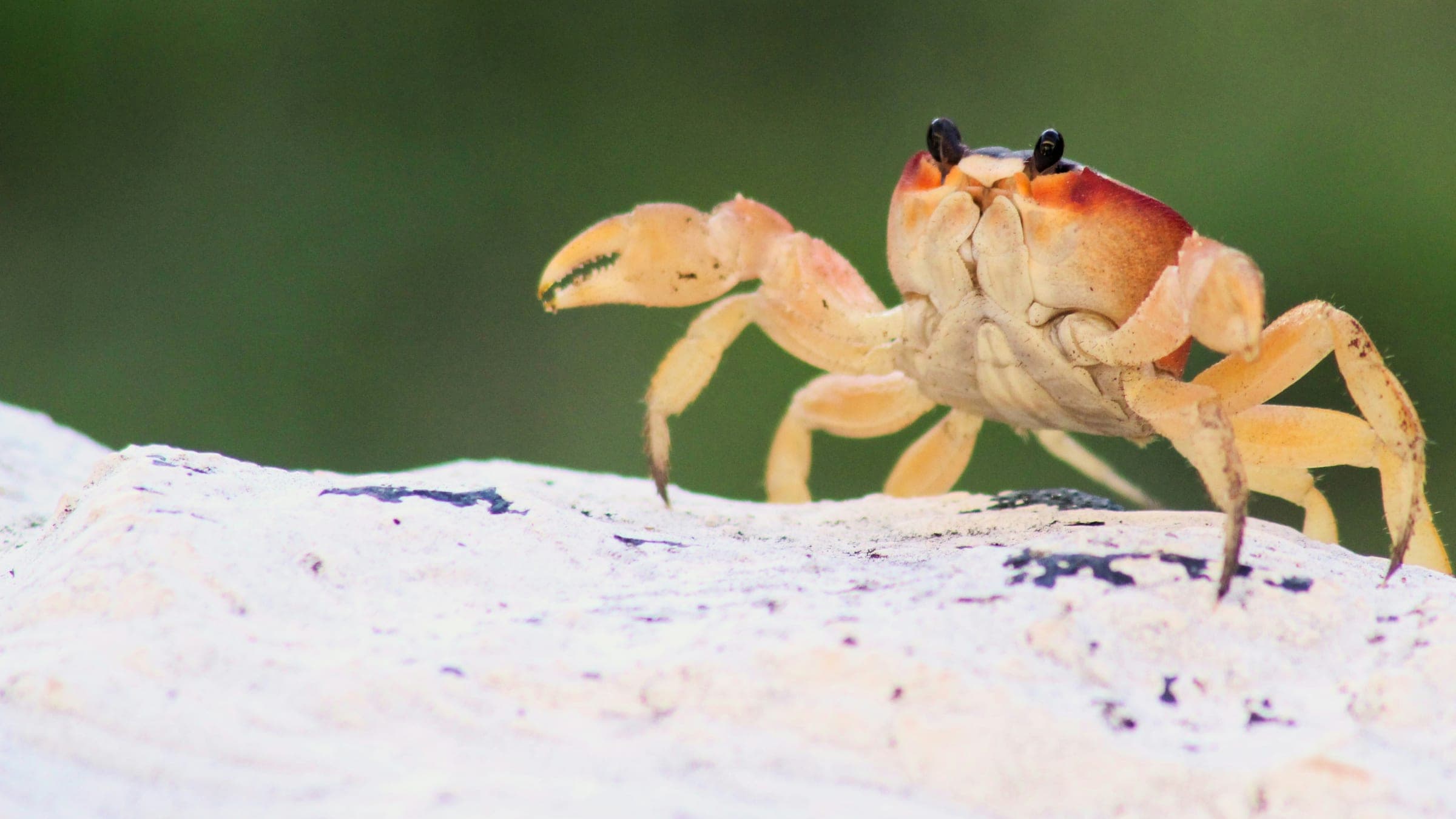
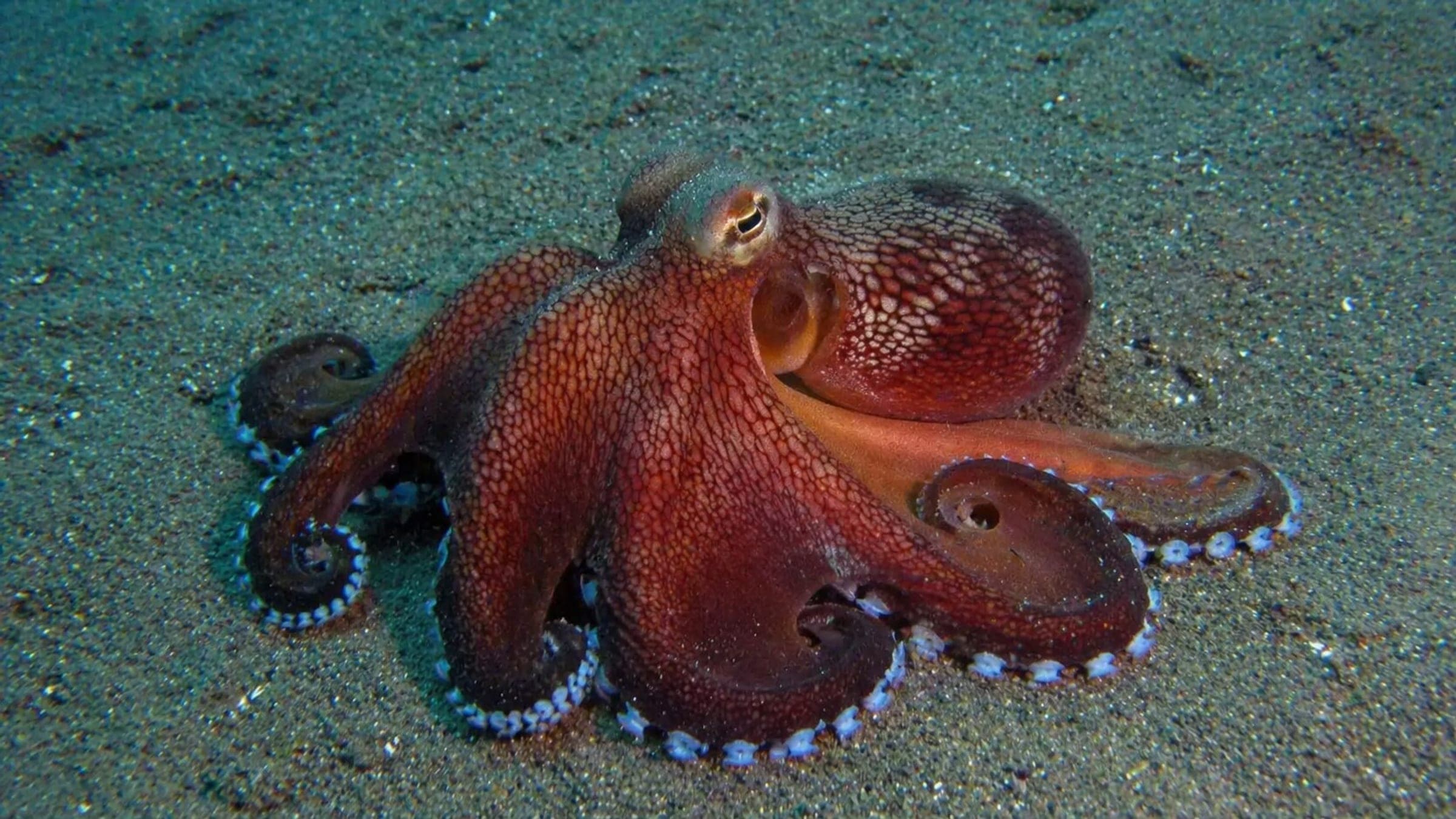
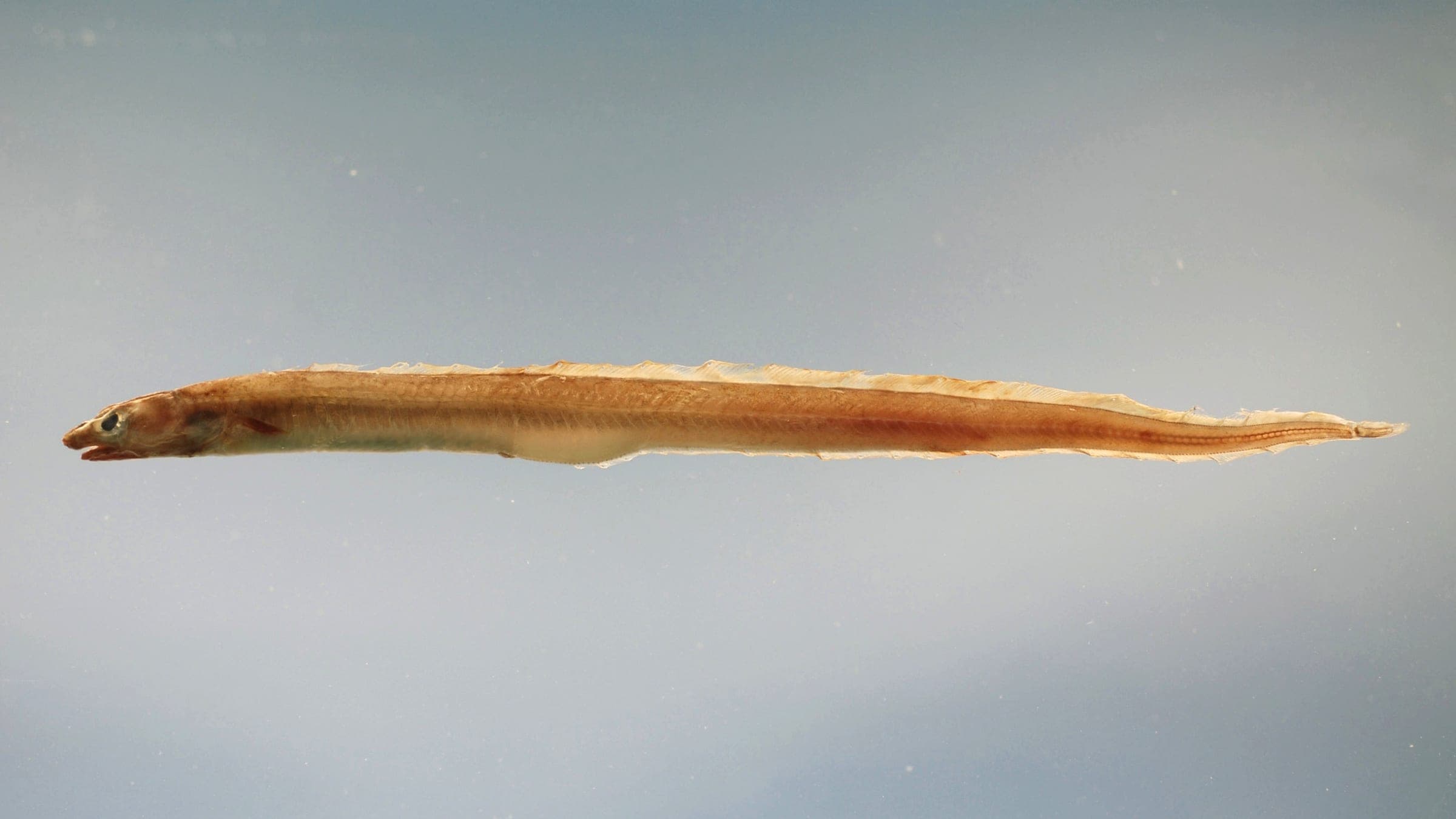
Top species linked to approved dive spots in Algarve (Lagos).
Share what the whole destination was like. Once enough independent reviews are approved, DiveJourney publishes anonymous patterns, not reviewer profiles.
Quick shortlist before you jump into the full planning page.
DiveJourney destination guides are living documents built from local knowledge, operator experience, and publicly available sources. Conditions, regulations, and logistics can change. Each guide shows its last update date and sources used.
Last updated: December 13, 2025 • 22 sources
If destination data is inaccurate, stale, missing, or sourced poorly, send a factual correction. This is separate from anonymous destination reviews.
Cliff walks, kayaking, surfing day trips, and food culture make it easy to build a full itinerary around a few key dive days.
30 linked spots
Best time to go
June to October
Warmest water, calmer seas, best chance of 12 m to 18 m visibility.
Main caution: More Atlantic storms and swell; pick sheltered sites and expect cooler water around 15°C to 17°C.