Big animals and mixed-water biodiversity on a quick boat hop from Byron Bay
Currently Viewing:
Overview
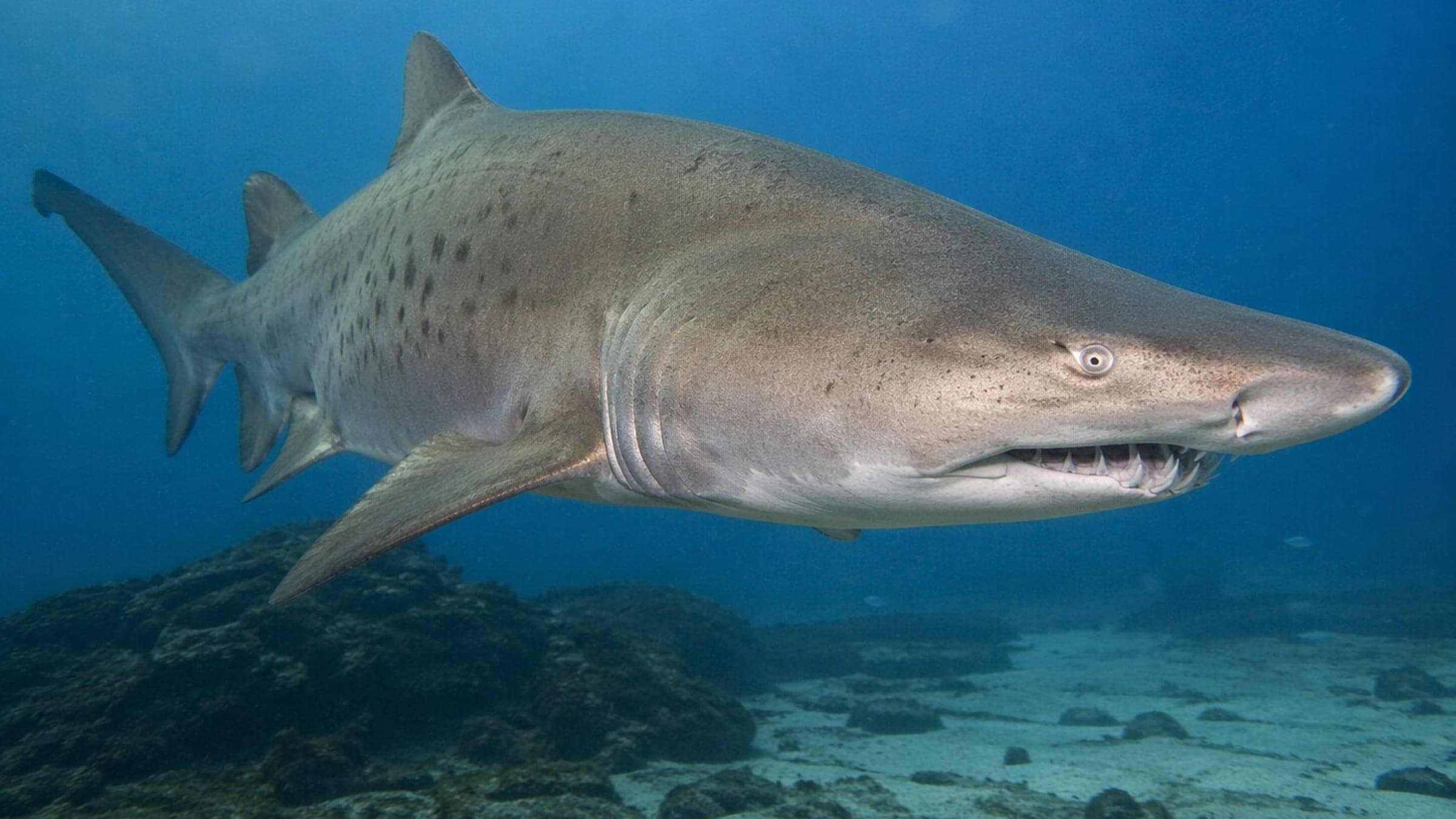
Byron Bay is the jump-off point for Nguthungulli Julian Rocks, a pair of rocky islets inside the Cape Byron Marine Park about 2.5 km offshore. Warm East Australian Current water meets cooler temperate flow here, creating a rare mix of tropical and southern species across caves, trenches, pinnacles, and shallow coral gardens. Most dive and snorkel trips are short boat rides, so you can stack two dives or a long snorkel and still have time for lighthouse walks, surf breaks, and hinterland waterfalls. Seasonal highlights include grey nurse sharks in winter and spring, leopard sharks in summer, and humpback whales along the headland from autumn into spring. Julian Rocks is a sanctuary zone, so expect vibrant fish life and strict no-take rules: no fishing, no collecting, and no touching wildlife.
Byron Bay sits on Bundjalung Country at Australia's most easterly mainland headland. Cape Byron Marine Park spans about 37 km of coastline from the Brunswick River area to Lennox Head. Offshore, Nguthungulli Julian Rocks rises from the seabed as a compact reef complex inside the park's sanctuary zone. Boats typically depart from Byron Bay (The Pass) or Brunswick Heads, depending on operator and sea state.
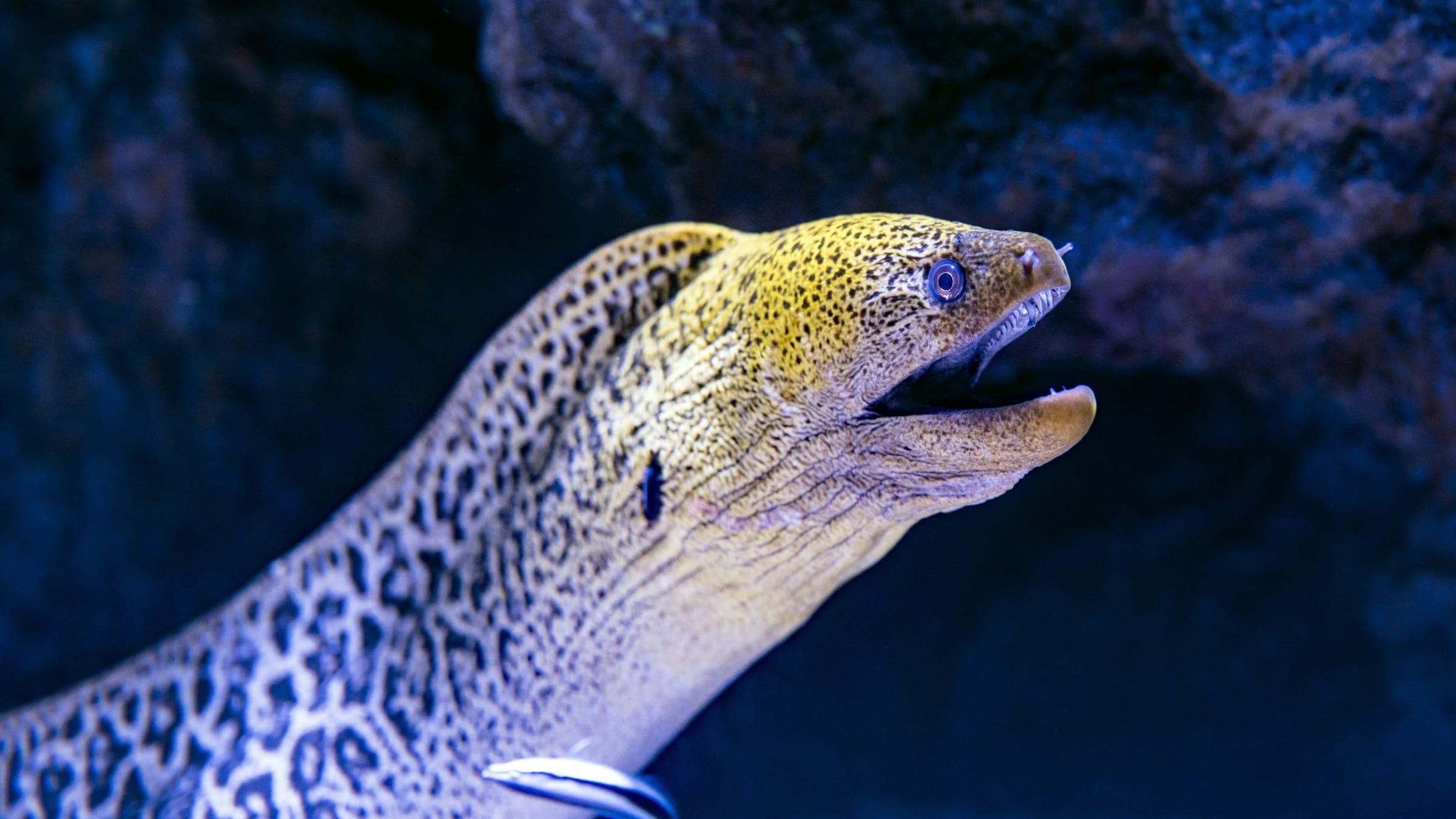
Warm East Australian Current eddies and cooler southern water overlap here, supporting more than 1,000 recorded marine species in a small area. The site is a sanctuary zone, meaning it is fully protected from fishing and collecting. That protection, plus the current-driven food supply, is why big-animal encounters are common on recreational depth profiles.
Expect caves, walls, swim-throughs, trenches, and boulder fields, with many tour sites between 6 m and 24 m and optional deeper pinnacles further offshore.
Grey nurse sharks aggregate around sand trenches and gutters, and humpback whales migrate past the headland.
Leopard sharks and manta rays are more frequent, with warmer water and longer snorkel comfort windows.
Most operators run half-day trips. You check in at the shop, kit up, and do a short ride to the rocks. Between dives, some crews return to shore to swap tanks and keep sea time comfortable. If conditions are sporty, expect alternate sites or cancellations.
Use licensed operators, follow briefings, and treat Julian Rocks like a living sanctuary. Keep good buoyancy, do not chase sharks or turtles, and never stand on reef or kelp. Pack reef-safe sunscreen and plan to leave no trace on land or underwater.
DiveJourney destination guides are living documents built from local knowledge, operator experience, and publicly available sources. Conditions, regulations, and logistics can change. Each guide shows its last update date and sources used.
Last updated: January 23, 2026 • 12 sources
If you see something inaccurate or outdated, you can submit an update. This is how the platform improves.
Trip callouts
Nguthungulli Julian Rocks sits in a no-take sanctuary zone. That protection supports dense reef fish life and repeatable big-animal encounters when conditions cooperate.
Boats reach the rocks quickly, so you spend your day diving and snorkeling instead of commuting offshore.
Caves, swim-throughs, trenches, and shallow coral gardens sit close together, making it easy to tailor each drop to conditions and comfort.
Between water sessions you can walk the Walgun Cape Byron track, surf The Pass, chase hinterland waterfalls, or browse the monthly Byron Community Market.
scuba
Why Byron Bay (Julian Rocks) for Scuba Diving
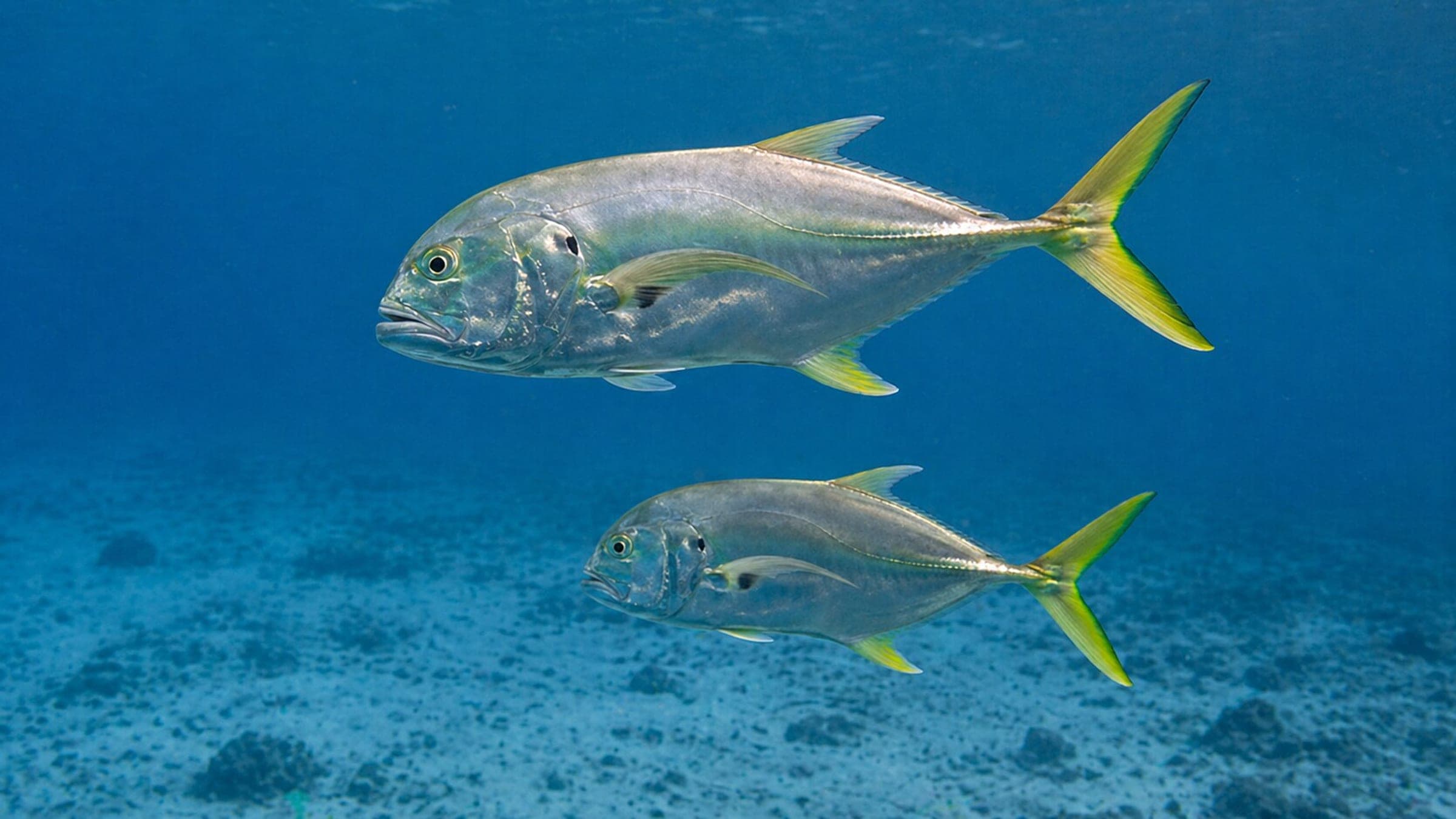
Julian Rocks packs multiple named dive sites into a compact reef system, so your surface interval is often a short reposition rather than a long transit. Operators such as Sundive Byron Bay (departing from Byron Bay) and Blue Bay Divers (often via Brunswick Heads) run guided two-tank trips that suit most certified divers when seas are calm. Expect a mix of swim-throughs, boulder gardens, and sand trenches with frequent rays and turtles, plus seasonal headline encounters like grey nurse sharks (winter to spring) and leopard sharks (summer).
freedive
Why Byron Bay (Julian Rocks) for Freediving
Julian Rocks gives freedivers quick access to varied depth contours, from shallow coral gardens to drop-offs and trenches, with the bonus of big-animal sightings. Some local operators offer entry-level freediving courses and coached sessions, and scuba-focused operators in the area also run PADI Freediver training that uses Julian Rocks for open-water dives when conditions allow. Because the site is open ocean and in a sanctuary zone, freediving here is best done with a boat, a float line, and conservative safety protocols.
snorkel
Why Byron Bay (Julian Rocks) for Snorkeling
Nguthungulli Julian Rocks is one of Australia's best boat-access snorkel sites: shallow reef, turtles and rays on many trips, and seasonal headline species like leopard sharks. Operators such as Byron Bay Dive Centre and Blue Bay Divers run guided snorkel trips, usually focusing on sheltered sections like the Nursery where depth and terrain suit long surface exploration. Tours supply wetsuits and often offer flotation options, and they will change sites or cancel when swell makes entries unsafe. If you want to combine a standout snorkel with classic Byron Bay beach time, this is a high-reward half-day adventure.
topside
What to do when you're not in the water
Byron Bay is built for split days: dive in the morning, then switch to coastal walks, surf, markets, and rainforest. The Walgun Cape Byron walking track loops past beaches and the iconic lighthouse, and the hinterland is close enough for a waterfall hike in Nightcap National Park. When humpbacks are migrating, the headland is one of the best land-based lookout points in NSW. Add a strong wellness scene, excellent coffee, and an easygoing beach culture, and Byron becomes a destination that works even if the ocean turns rough.