Wall dives, whale sharks, and rainforest crabs on Australia's Indian Ocean outpost
Currently Viewing:
Overview
Christmas Island is Australia's remote Indian Ocean outpost, where a narrow fringing reef drops into deep blue water almost immediately. Expect wall dives, caverns, and drift dives off Flying Fish Cove, plus a real chance of whale sharks and mantas in the warmer, wetter months. Snorkelers can keep it simple at Flying Fish Cove or switch to Ethel, West White, and Dolly Beach when conditions change. Freedivers love the island's signature feature: the bottom can fall away to hundreds of metres within a short swim from shore. Topside, Christmas Island National Park is famous for the red crab migration and endemic seabirds you will not see anywhere else. The trade-off is remoteness: limited flights, limited services, and no recompression chamber, so book early and dive conservatively with the right insurance.
A narrow reef shelf, then big blue: walls, bommies, caverns, and caves that start close to shore.
Christmas Island sits inside the Australian Marine Parks network.
DiveJourney destination guides are living documents built from local knowledge, operator experience, and publicly available sources. Conditions, regulations, and logistics can change. Each guide shows its last update date and sources used.
Last updated: January 23, 2026 • 13 sources
If you see something inaccurate or outdated, you can submit an update. This is how the platform improves.
Trip callouts
The island sits inside the Australian Marine Parks network, with inshore Habitat Protection and offshore National Park zones that shape what activities are allowed.
Whale sharks are highlighted as visiting November to April, creating real snorkel and dive opportunities when conditions line up.
Steep reef edges and cavern systems create signature wall and cave-style dives that feel bigger than the island's size.
Red crab migration (often October to January), frigatebird breeding (January to September), and year-round turtle nesting make afternoons count.
scuba
Why Christmas Island for Scuba Diving
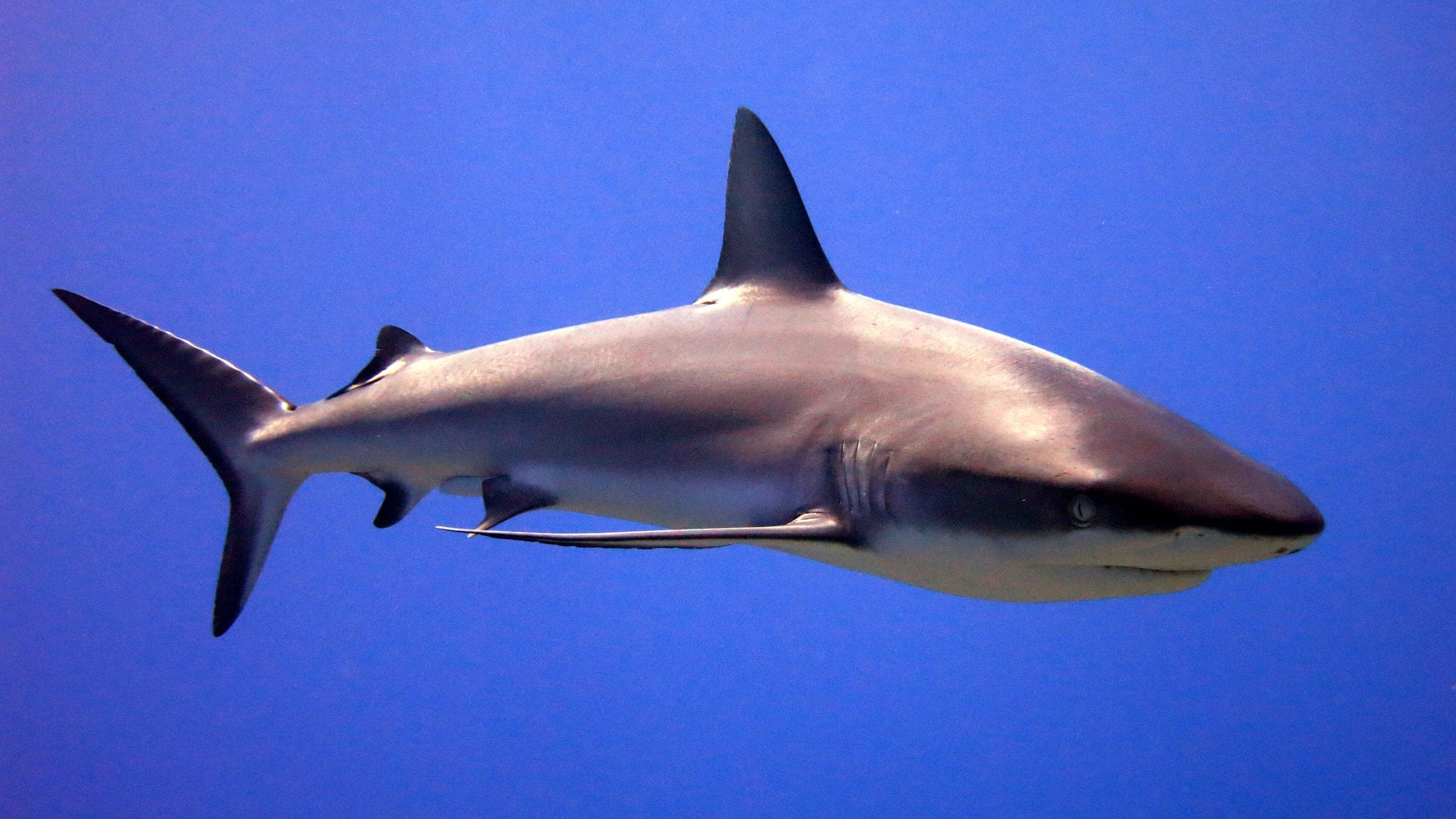
Christmas Island delivers big-reef drama in a compact footprint: a fringing reef you can reach fast, then walls and caverns that fall away into the Java Trench. Operators like Extra Divers and Wet n Dry Adventures focus on small groups and often run morning two-dive trips out of Flying Fish Cove. Expect drift dives, coral gardens with big table corals, and a steady chance of sharks, turtles, and dolphins. From November to April, whale sharks and mantas are the headline act. The key consideration is remoteness: there is no decompression chamber on the island, so plan conservative profiles, carry insurance, and treat surface intervals as sacred.
freedive
Why Christmas Island for Freediving
Christmas Island is a depth playground: steep drop-offs can range from 100 m to 500 m within about 200 m of shore in places, giving freedivers true deep-water terrain without long boat rides. Freedive Christmas Island offers courses, coaching, and line training, and some snorkel and dive operators welcome freedivers on suitable trips. When conditions align, you get clear water, vertical scenery, and a chance of dolphins or even whale sharks during the November to April window. The same features that make it special also make it serious: currents and surge vary by coast and season, so surface safety, floats, and coaching are worth prioritizing.
snorkel
Why Christmas Island for Snorkeling
topside
What to do when you're not in the water
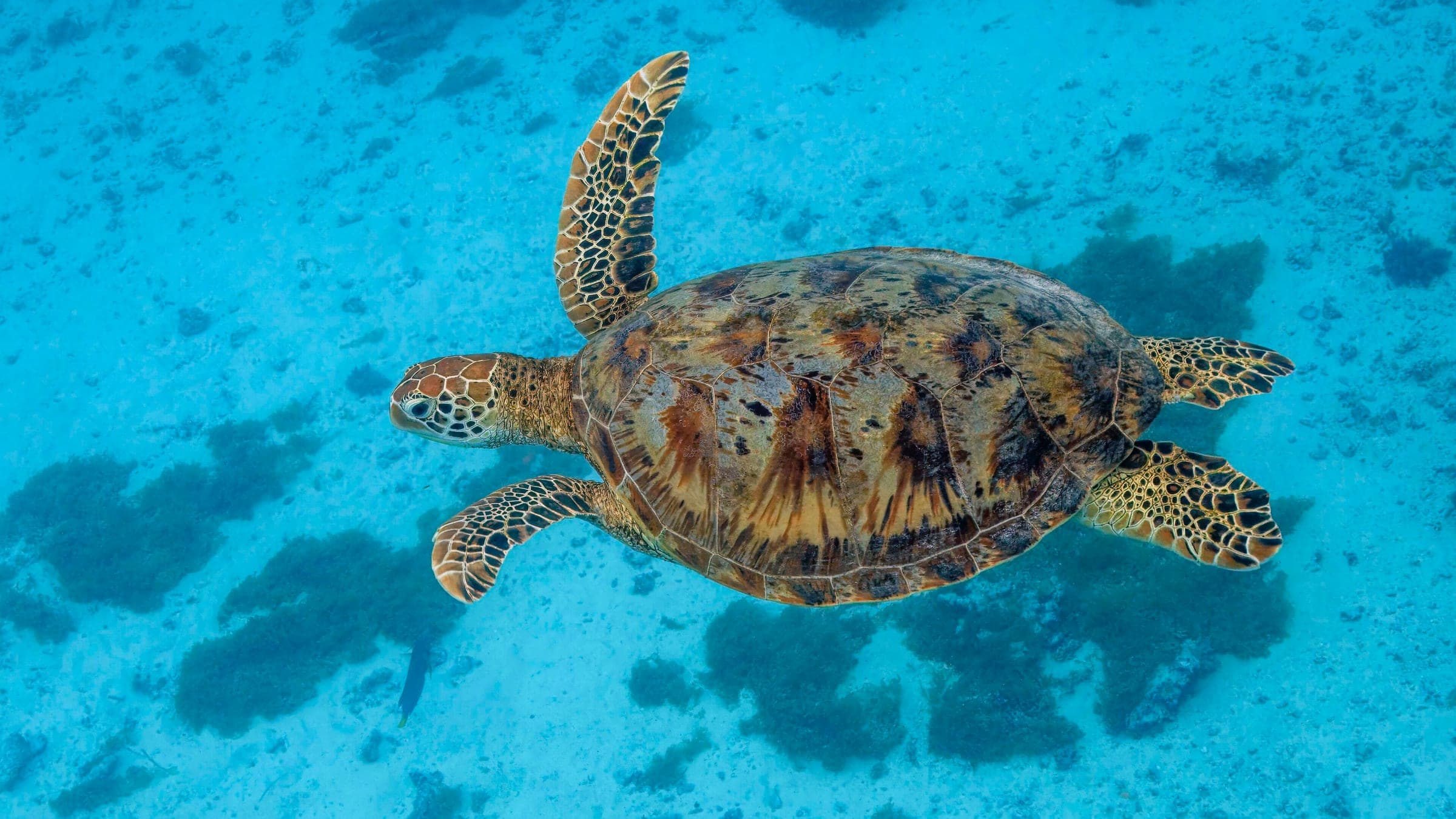
Snorkelling is a must-do on Christmas Island because many beaches have reef close to shore, and the water can be clear and warm year-round. Parks Australia highlights Flying Fish Cove as a family-friendly, relatively protected swimming area that is also great for snorkelling and shore diving. When conditions shift, Ethel Beach is noted as a strong alternative, with West White Beach and Dolly Beach also recommended. You will often share the water with turtles and reef fish, and whale sharks are highlighted as seasonal visitors from November to April. The big rule is simple: never enter the water when it is rough, and wear reef shoes to protect against sharp coral and stonefish.
Christmas Island is not just a dive trip. Christmas Island National Park delivers rainforest, limestone karst, blowholes, and wildlife spectacles that can rival the underwater action. The headline is the red crab migration, commonly October to January after the first wet-season rains, when millions of crabs move toward the coast to breed. Birdwatching is world-class for endemics: Parks Australia notes Christmas Island Frigatebirds breed January to September, and Abbott's booby chicks can be seen in nests year-round. Add turtle watching (nesting occurs all year), sunset sessions at Flying Fish Cove, and short drives between lookouts, beaches, and trailheads, and you have a destination where afternoons matter as much as dive mornings.