Best time to go
May to October
Warmest water and generally calmer seas. Best odds for offshore bank trips.
Main caution: More storms and swell. Focus on topside and be flexible with ocean activities.

Blue-water seamounts, volcanic shore dives, and Azores harbor culture from Horta
Overview
Faial is the Azorean island where harbor life meets blue-water adventure. Base yourself in Horta, then choose between quick coastal dives around Monte da Guia's marine reserve and full-day runs to offshore seamounts like Princesa Alice Bank, famous for mobula rays. Summer brings the calmest seas and warmest water, while spring adds whale migration energy above the surface. Between dives, hike the Caldeira rim, visit the Capelinhos volcano landscape, and hop the ferry to Pico for vineyards and Portugal's highest mountain. Faial rewards planners who treat the Atlantic with respect: flexible schedules, the right exposure protection, and operators who follow Azores codes of conduct for sharks and cetaceans.
Stay in one walkable town and day-trip to coastal sites, Pico by ferry, and offshore banks when the Atlantic cooperates.
Princesa Alice Bank is a world-class pelagic dive reached by boat from Horta, best in mid-summer when seas are calmer.
Lava caves, steep slopes, and black-rock reefs underwater, plus Caldeira and Capelinhos topside.
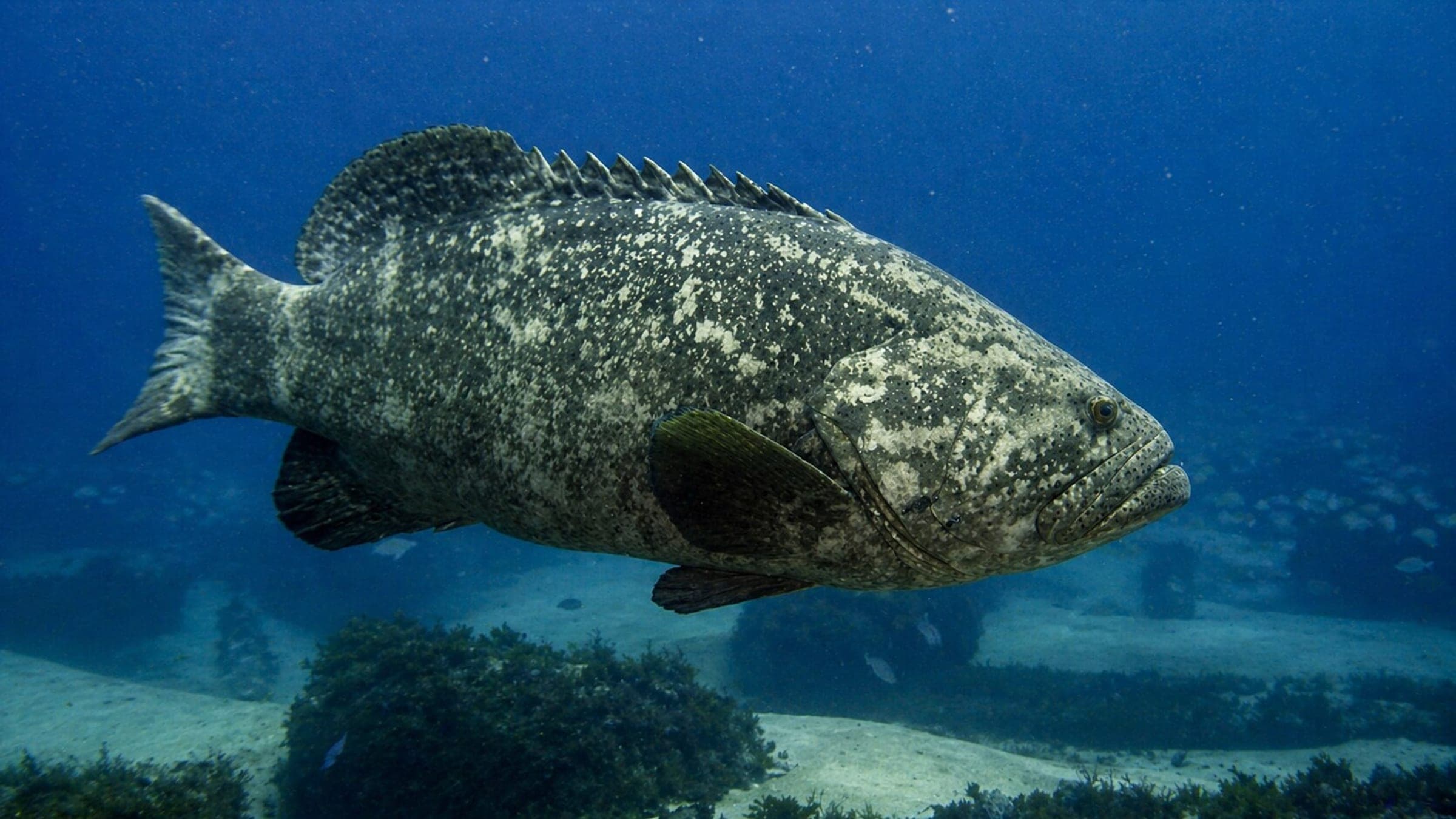
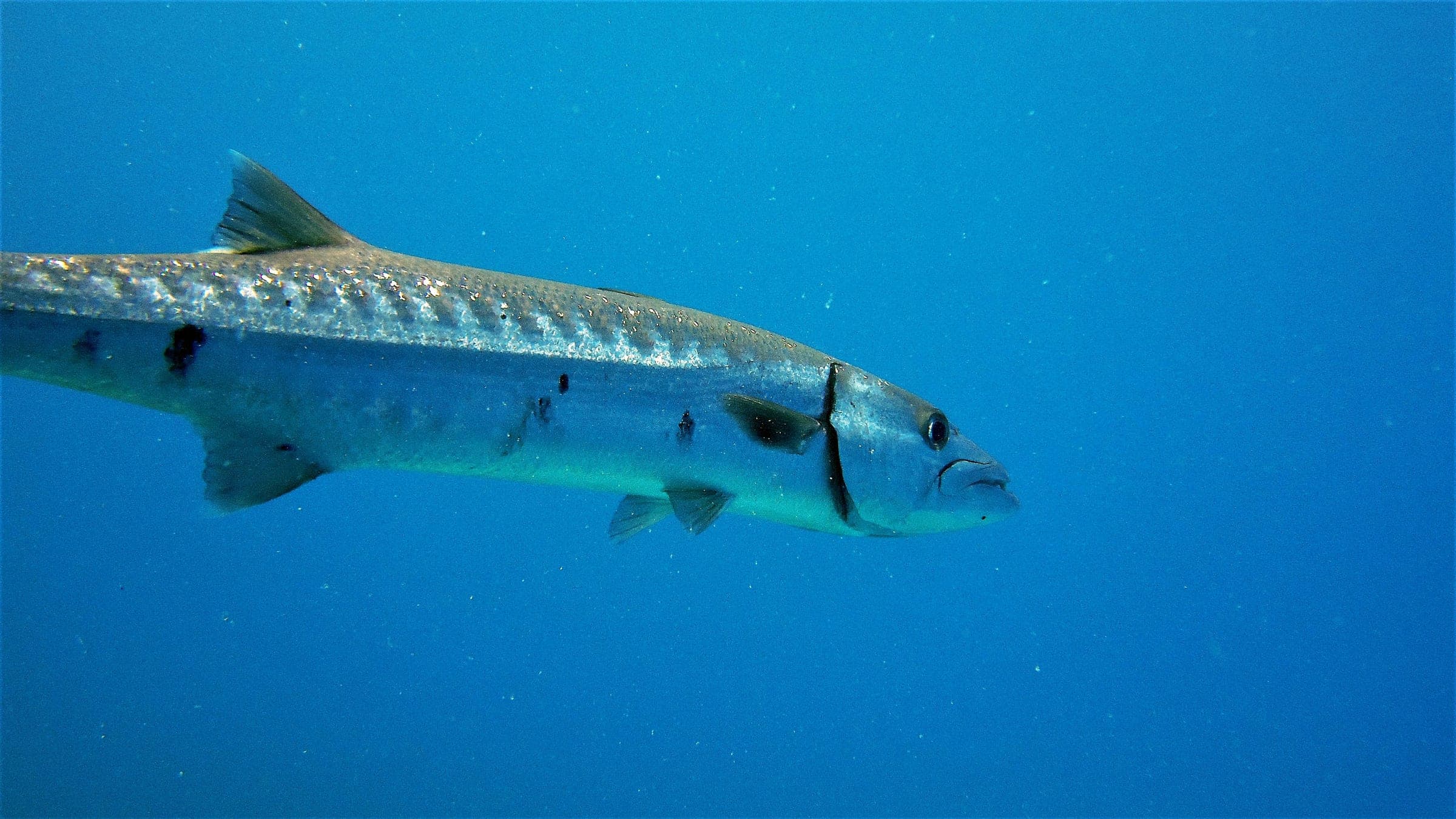
Top species linked to approved dive spots in Faial (Azores).
Share what the whole destination was like. Once enough independent reviews are approved, DiveJourney publishes anonymous patterns, not reviewer profiles.
Quick shortlist before you jump into the full planning page.
Offshore Azores blue-shark drift
Princesa Alice / Princess Alice Bank is a remote seamount dive.
DiveJourney destination guides are living documents built from local knowledge, operator experience, and publicly available sources. Conditions, regulations, and logistics can change. Each guide shows its last update date and sources used.
Last updated: December 13, 2025 • 20 sources
If destination data is inaccurate, stale, missing, or sourced poorly, send a factual correction. This is separate from anonymous destination reviews.
Many operators are connected to marine research and follow Azores codes of conduct for sharks and cetaceans.
3 linked spots
Best time to go
May to October
Warmest water and generally calmer seas. Best odds for offshore bank trips.
Main caution: More storms and swell. Focus on topside and be flexible with ocean activities.