Best time to go
May to October
Drier weather, steadier sea states, and often clearer water.
Main caution: More frequent rain and occasional storms. Build buffer days for boat transfers.

Car-free island life with turtles, reefs, and easy day-boat diving
Overview
The Gili Islands are three tiny, car-free islands off northwest Lombok: lively Gili Trawangan, quiet Gili Meno, and laid-back Gili Air. Underwater, warm water (often 26°C to 30°C) meets fringing reefs, shallow walls, turtle hotspots, and a handful of current-swept drifts for advanced divers. Most diving and snorkeling takes place inside TWP Gili Matra, a national marine conservation area where official entry tickets (karcis) apply for water-based activities. Logistics are easy: short boat rides, many beginner-friendly sites, and a strong conservation storyline you can support through local reef-restoration efforts. Topside is simple and fun: cycle, walk, swim, watch sunsets, then hop over to Lombok for waterfalls and Mount Rinjani trails.
Most water activities occur inside TWP Gili Matra, a zoned conservation area with official entry tickets (karcis) managed via SEAPARK.
Many dive sites are just minutes away by boat, enabling easy multi-dive days with low transit fatigue.
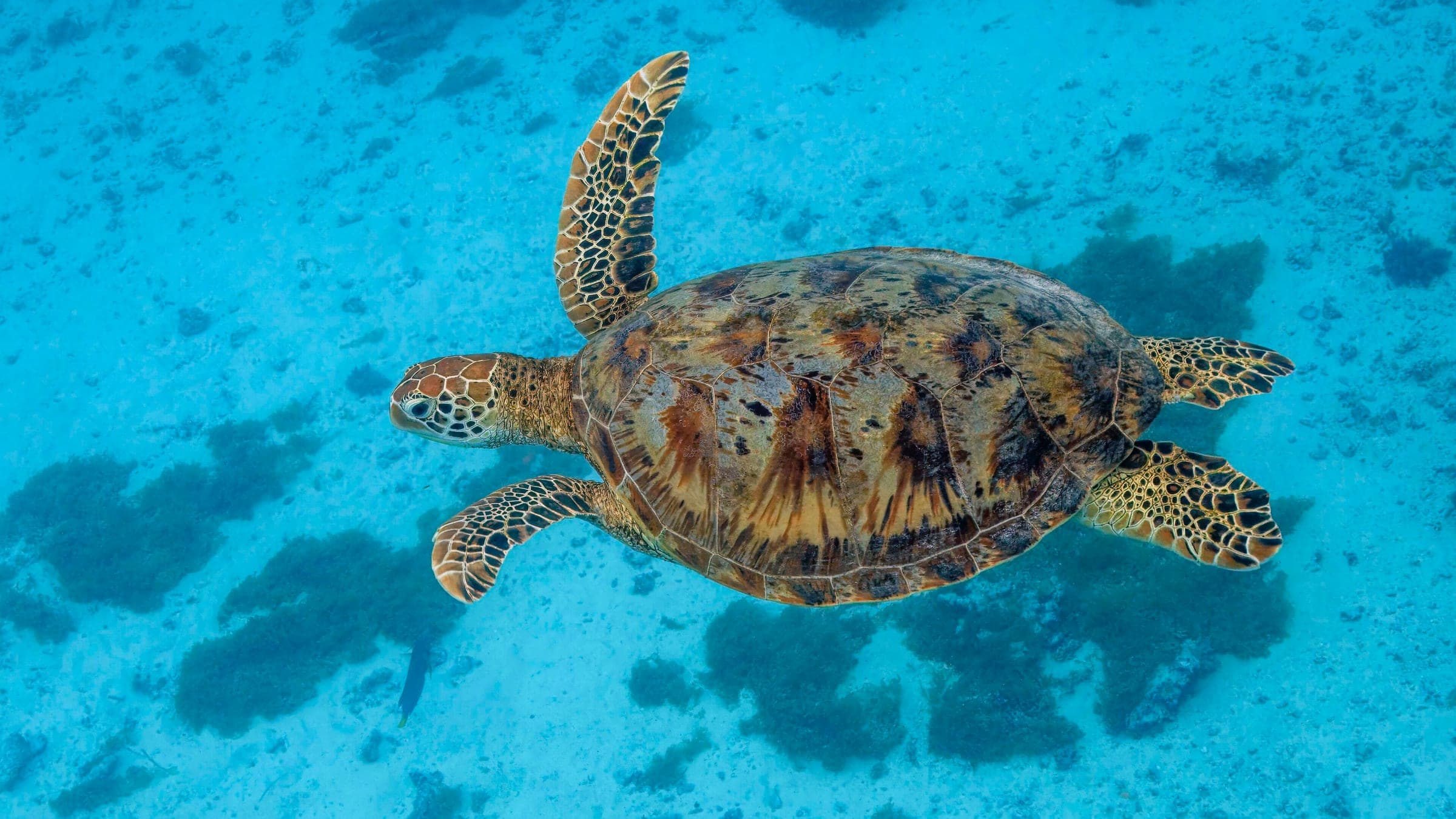
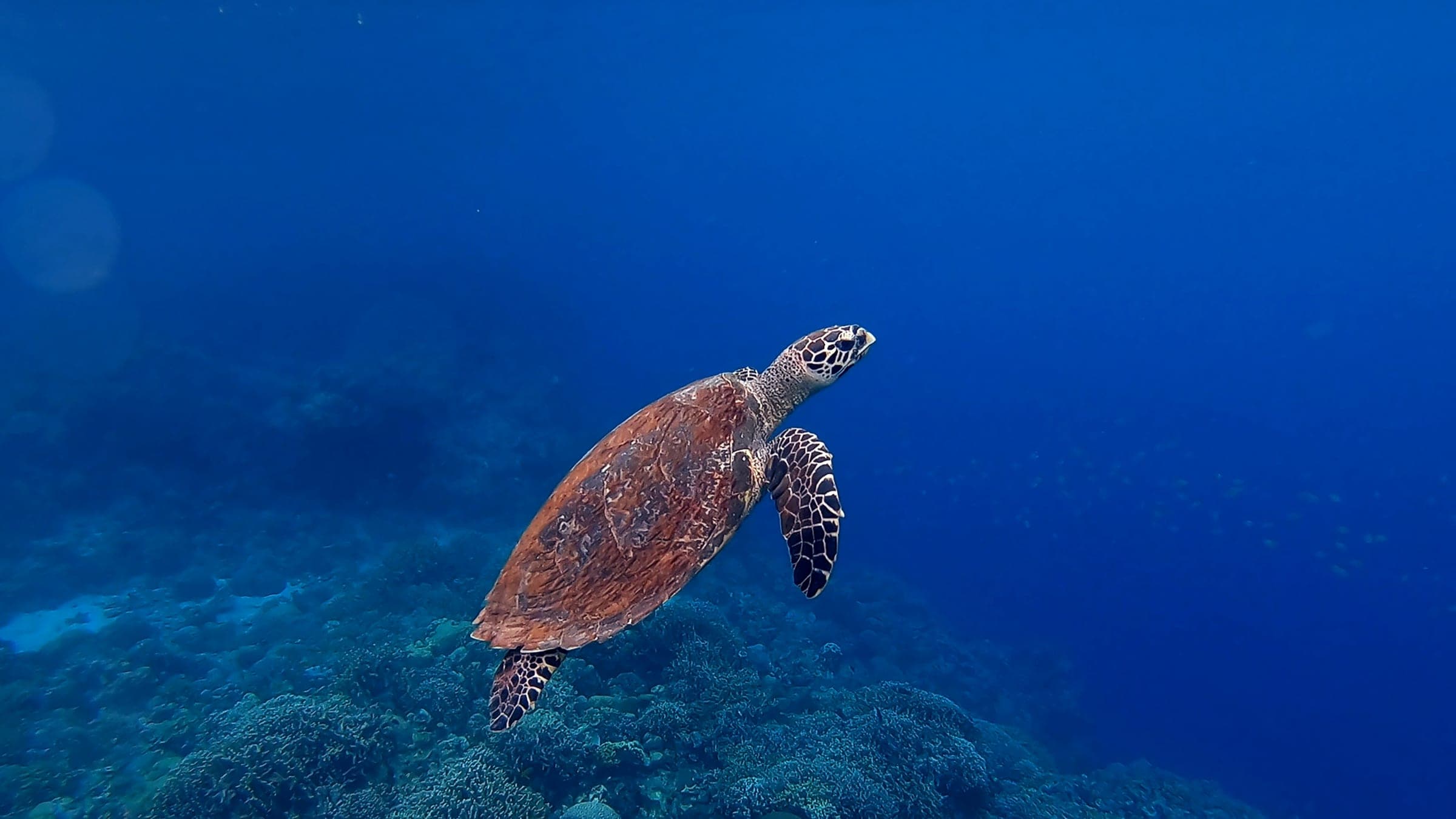
Green and hawksbill turtles are common on multiple reefs, especially around Gili Meno and the turtle-focused sites.
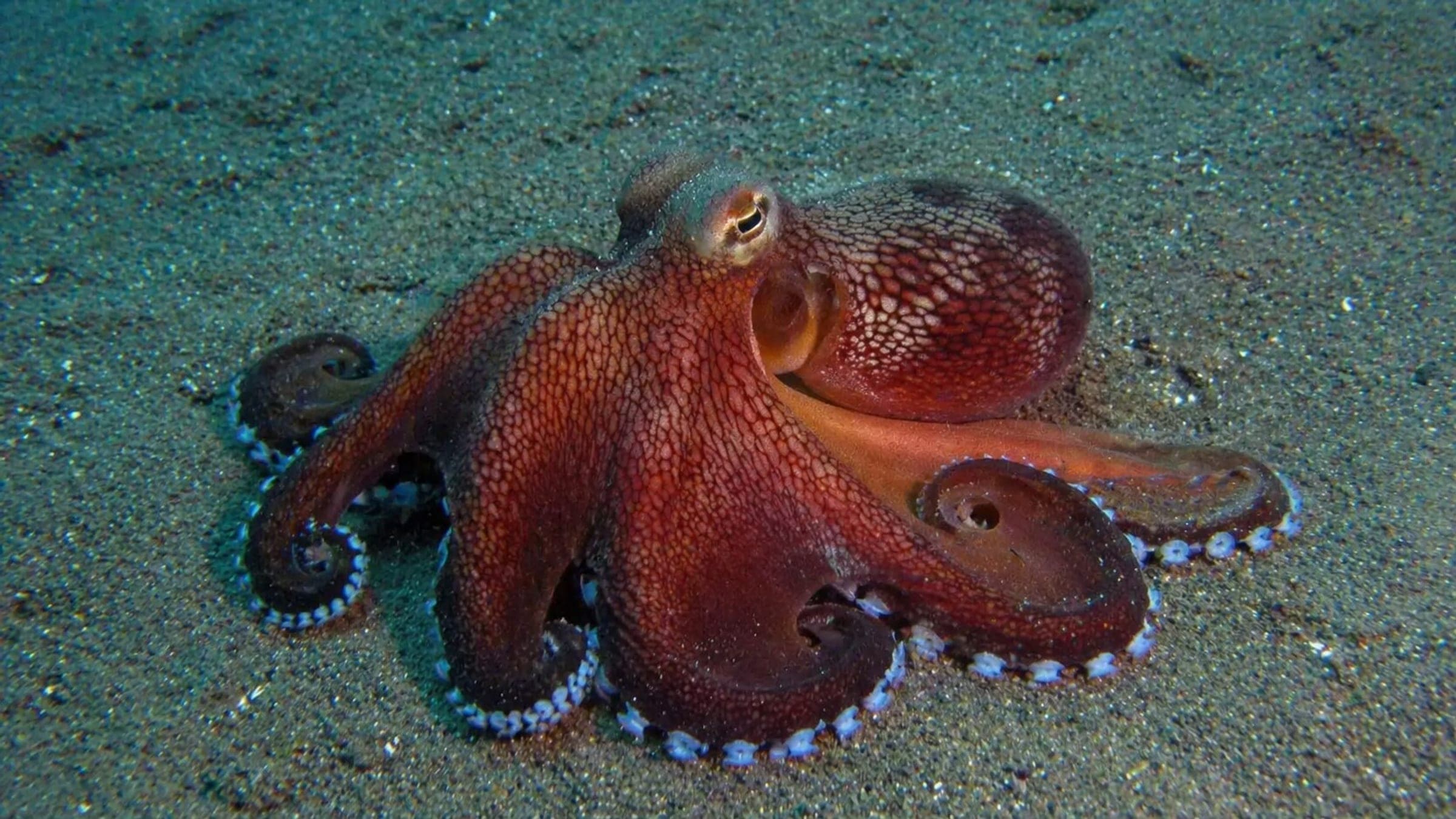
Top species linked to approved dive spots in Gili Islands.
Share what the whole destination was like. Once enough independent reviews are approved, DiveJourney publishes anonymous patterns, not reviewer profiles.
Quick shortlist before you jump into the full planning page.

May 30, 2026
Traveling solo and need a dive buddy? Learn safe ways to find scuba buddies through DiveJourney, dive shops, boats, courses, clubs, and liveaboards.
DiveJourney destination guides are living documents built from local knowledge, operator experience, and publicly available sources. Conditions, regulations, and logistics can change. Each guide shows its last update date and sources used.
Last updated: December 13, 2025 • 13 sources
If destination data is inaccurate, stale, missing, or sourced poorly, send a factual correction. This is separate from anonymous destination reviews.
No cars or motorbikes: explore by bicycle, on foot, or by cidomo. It changes the pace of the whole trip.
Trip Planning
External Booking PartnerThis destination works either as a land-based plan or as a longer liveaboard itinerary. Use the guide for local planning, or compare boats if the remote circuit is the priority.
Land-based guide
Base areas, day boats, local operators, and shore logistics
Liveaboard planning
Boats, departures, and longer expedition-style routes
DiveJourney may earn referral revenue from the external booking partner. Liveaboard bookings are handled by the partner and operator under their terms.
Eretmochelys imbricata
16 linked spots
Best time to go
May to October
Drier weather, steadier sea states, and often clearer water.
Main caution: More frequent rain and occasional storms. Build buffer days for boat transfers.