Walk off the beach into a living reef, then surface to turtles, seabirds, and sky full of stars
Currently Viewing:
Overview
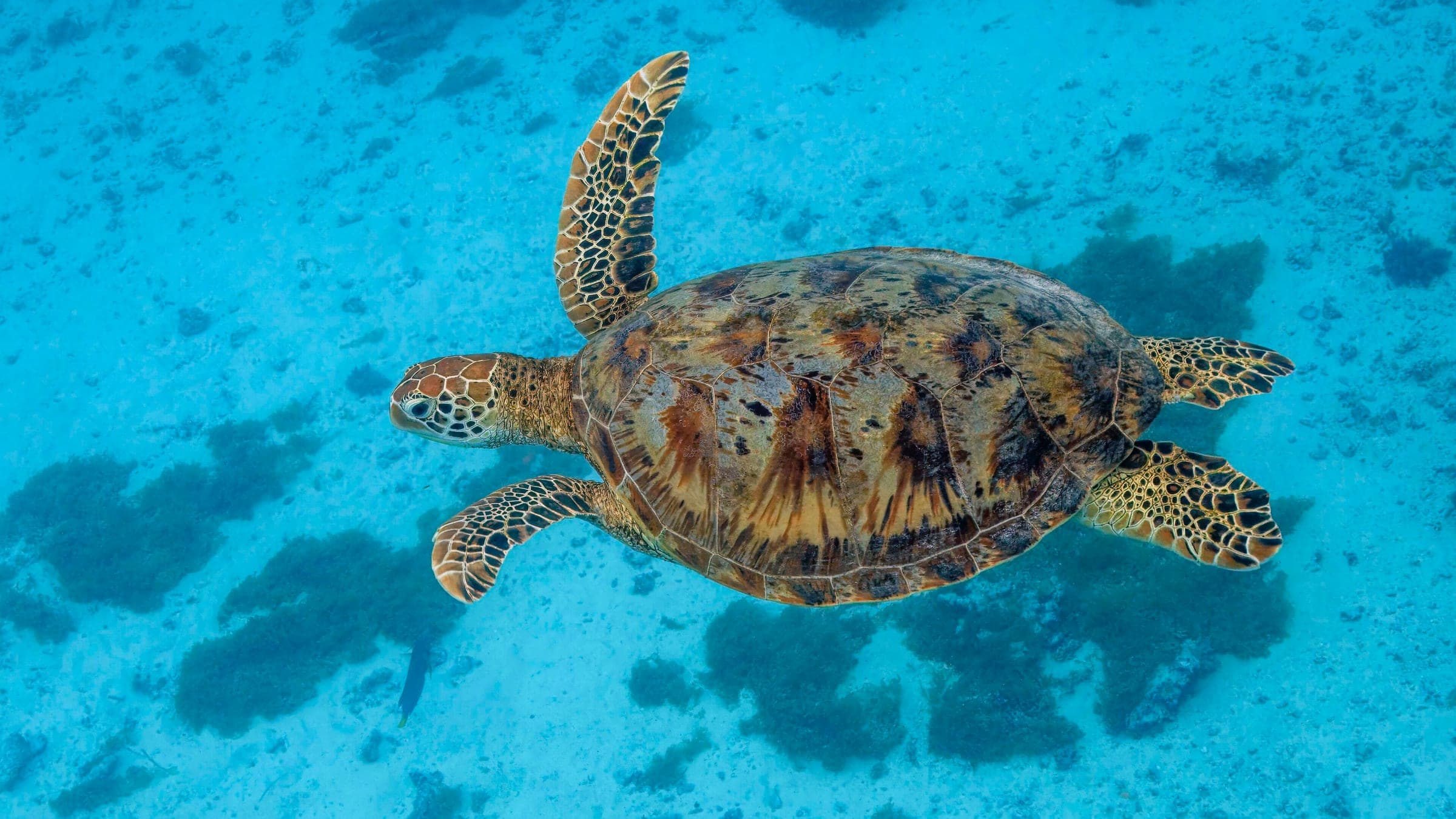
Heron Island is a coral cay at the southern end of the Great Barrier Reef, reached from Gladstone by the Heron Islander catamaran or a scenic helicopter hop. What makes it special is access: you can snorkel and shore dive directly off the island, timed around the tide, and still have boat dives to bommies and channels within minutes. Expect shallow coral gardens, cleaning stations, and calm coves like Heron Island - Blue Pools. Wildlife is the headline act: turtles nest on the beaches from November to March, hatchlings run the gauntlet from January to April, and manta rays plus humpback whales are often seen in winter. On land, this is a seabird sanctuary with a University of Queensland research station, night sky stargazing, and a deliberately slow pace. There is no town and no mobile coverage, so plan like you are visiting a remote national park with resort comforts.
Heron Island sits on a coral cay near the Tropic of Capricorn, surrounded by reef flats and an outer reef slope. It is about 72 km offshore from the Gladstone region, so once you arrive the reef is your front yard. The island is also part of a protected area network that includes the Great Barrier Reef Marine Park and the Capricornia Cays National Park.
Expect a low-key island routine: birdlife in the trees, guided eco talks, reef walks on suitable low tides, and stargazing at night. Plan for limited shopping, paid Wi-Fi, and no mobile coverage, which is a feature if you came to switch off.
DiveJourney destination guides are living documents built from local knowledge, operator experience, and publicly available sources. Conditions, regulations, and logistics can change. Each guide shows its last update date and sources used.
Last updated: January 23, 2026 • 14 sources
If you see something inaccurate or outdated, you can submit an update. This is how the platform improves.
Trip callouts
Great Barrier Reef Marine Park surrounds the island; fees like the Environmental Management Charge help fund management and protection.
Snorkel and shore dive straight from the island. The Marine Centre recommends timing shore snorkels around the tide, with many guests focusing on Heron Island - Blue Pools and the reef edge near the jetty.
Many sites sit in the 10 m to 25 m range, so you can do relaxed photo-friendly dives without chasing deep profiles.
Egg laying is typically November to March, and hatchlings are usually seen January to April. Plan a topside evening for responsible viewing and keep lights low.
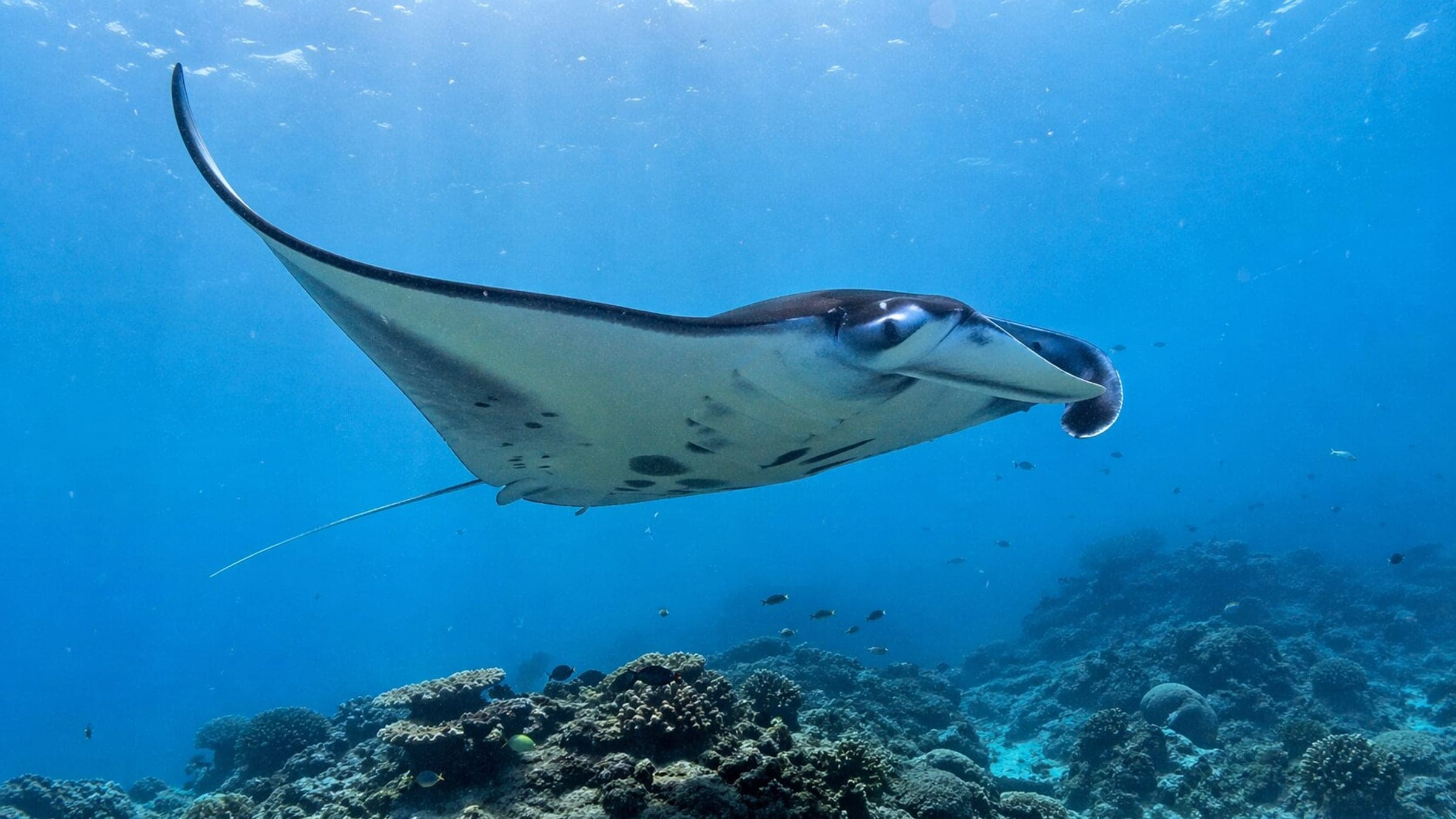
Manta rays are commonly reported around the outer reef in winter, with humpback whale sightings peaking mid-year in the Capricorn-Bunker region.
A University of Queensland research station operates on the island, and visitor fees like the Environmental Management Charge help fund reef management and field work.
One resort, one island, no cars, and no mobile coverage. You trade nightlife for seabird colonies, sunrise snorkels, and a proper off-grid reset.
scuba
Why Heron Island for Scuba Diving
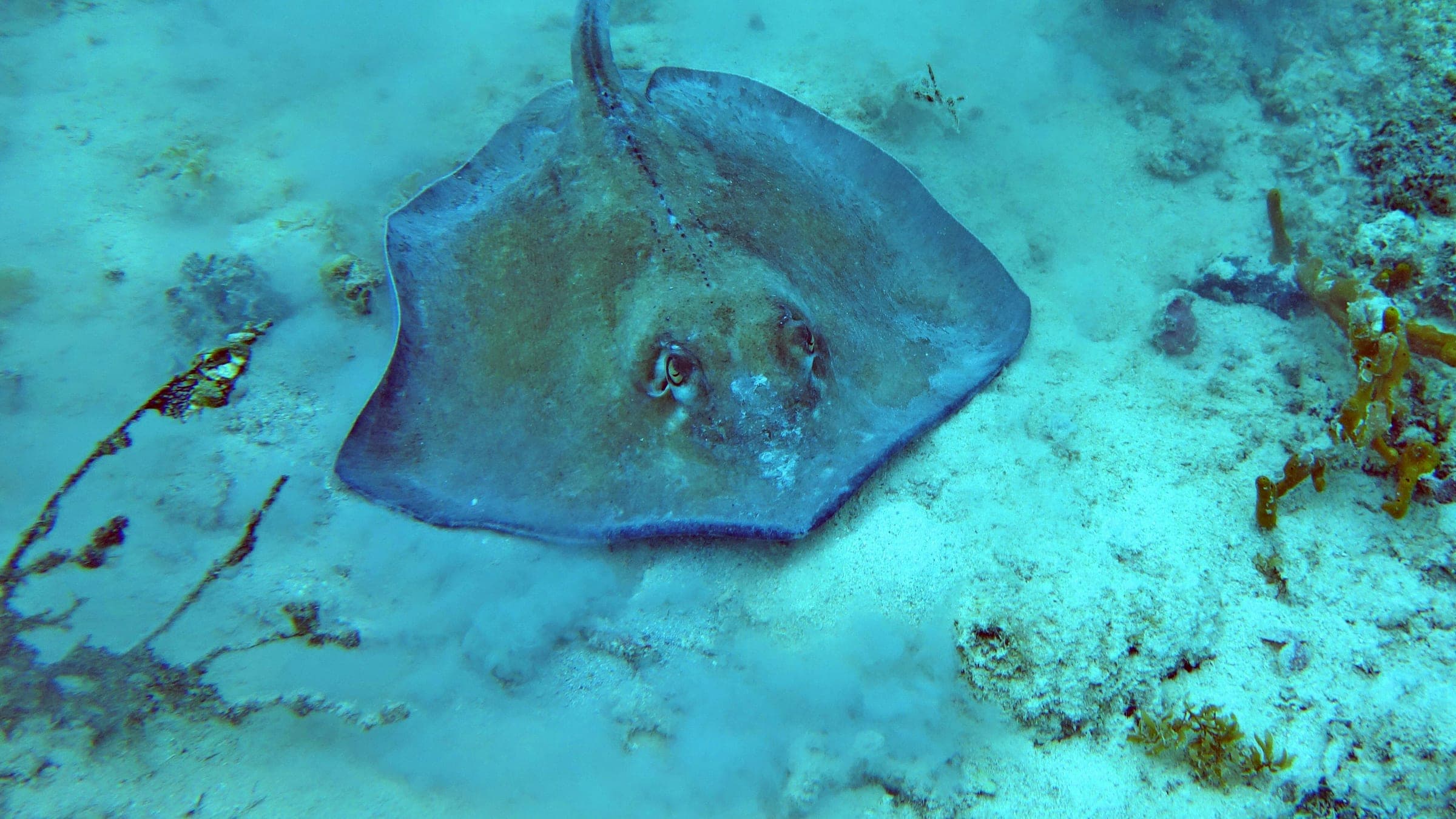
Heron Island is Great Barrier Reef diving without the commute. With many sites just minutes from the jetty and average depths around 10 m to 25 m, you can stack easy reef dives, photography sessions, and surface intervals without losing hours to long boat rides. Expect coral gardens, bommies that act as cleaning stations, and tide-driven drifts when conditions line up. Signature areas like Heron Island - Pams and Heron Island - North Bombie are famous for big fish energy and rays. On the calendar, turtle season peaks in summer, while winter often adds manta rays and occasional humpback whale encounters. The on-island Marine Centre runs guided boat dives, refreshers, and PADI courses.
freedive
Why Heron Island for Freediving
Heron is a rare Great Barrier Reef base where freedivers can mix calm-water skills sessions with real reef exploration. Start in protected areas like Heron Island - Blue Pools, then progress toward the reef edge for deeper structure and current awareness. In the cooler months, visibility often improves and the outer reef can feel crisp and clear for line work. Because tides shape access and boats operate through the day, the safest approach is a conservative plan: dive with a buddy, use a float and flag, and avoid the channel during daytime operations. Wildlife encounters are frequent and close-range: turtles cruise the shallows year-round, rays visit bommies, and winter can add manta rays.
snorkel
Why Heron Island for Snorkeling
Heron Island is one of the most convenient snorkel destinations on the Great Barrier Reef because the reef starts right off the beach. Time it around high tide and you can glide over coral gardens, turtles, and reef fish without boarding a boat. The classic calm-water option is Heron Island - Blue Pools, but the Marine Centre also recommends shore routes like Gantry to Harbour (check local guidance) and other sheltered bays when conditions allow. For more range, join a boat snorkel tour to bommies and reef edges on Heron and nearby reefs. Novices can take a complimentary snorkel lesson, and families appreciate the shallow profiles and high wildlife density.
topside
What to do when you're not in the water on Heron Island
Topside Heron Island is a wildlife sanctuary with resort comforts, built for people who like nature to set the schedule. Start with the simple stuff: a barefoot beach walk, a loop around the cay, and sunrise coffee while seabirds commute overhead. Depending on season, evenings can mean turtle nesting or hatchling viewing (done responsibly), while November to January can be noisy thanks to breeding shearwaters. For a science-forward break, visit the University of Queensland research station for talks and tours that explain how reefs are monitored and restored. Add a guided reef walk on suitable low tides, a sunset cruise from Wistari Terrace, or a kids' Junior Ranger session during school holidays. Expect minimal shopping, paid Wi-Fi, and no mobile coverage, which is a feature if you came to switch off.