Hero photo of Lake Tahoe

Destination guide

Lake Tahoe

High-alpine blue water: cold, clear, and built for adventure

High-alpine clarityShore-access cold-water divingHeritage and wreck flavorFour-season topside payoff
View dive spots

Currently Viewing:

Overview

High-alpine blue water: cold, clear, and built for adventure

Lake Tahoe is a high-alpine freshwater lake straddling California and Nevada, famous for blue-water clarity and granite terrain that can feel more like an ocean wall than a lake. For scuba divers, the headline is cold-water, altitude-aware exploration: boulder gardens, steep shelves, and a small but memorable set of wreck and heritage dives, with several sites reachable from shore. Snorkelers and freedivers get clear coves and sandy shallows, especially on the east shore, plus calmer morning windows before afternoon winds build.

Plan for real conditions. The lake sits around 1.9 km above sea level, near-surface temperatures can be near 6°C in winter and over 21°C in July and August, and mountain weather can change quickly. Bring the right exposure protection, use a dive flag, and build conservative profiles. Do that, and Tahoe delivers a rare mix of wilderness scenery, underwater history, and world-class topside adventures.

The lake in one glance

Lake Tahoe is not a tropical dive destination. It is a high-elevation, cold-water lake where planning and exposure protection matter as much as the site choice. The reward is distinctive freshwater diving: granite boulder gardens, steep shelves that disappear into blue, and a small set of wreck and heritage dives that feel unexpectedly big for a lake.

What makes Tahoe different for divers

  • Altitude diving: Your surface interval happens at roughly 1.9 km. Use an altitude-capable dive computer, keep profiles conservative, and think twice before driving high passes right after diving.
  • Cold water: Near-surface temperatures can be near 6°C in winter and over 21°C in July and August, but it can get much colder below the thermocline.
  • Weather and wind: Summer afternoons are famous for building winds. Mornings are often the calm window.

Underwater terrain and what you will see

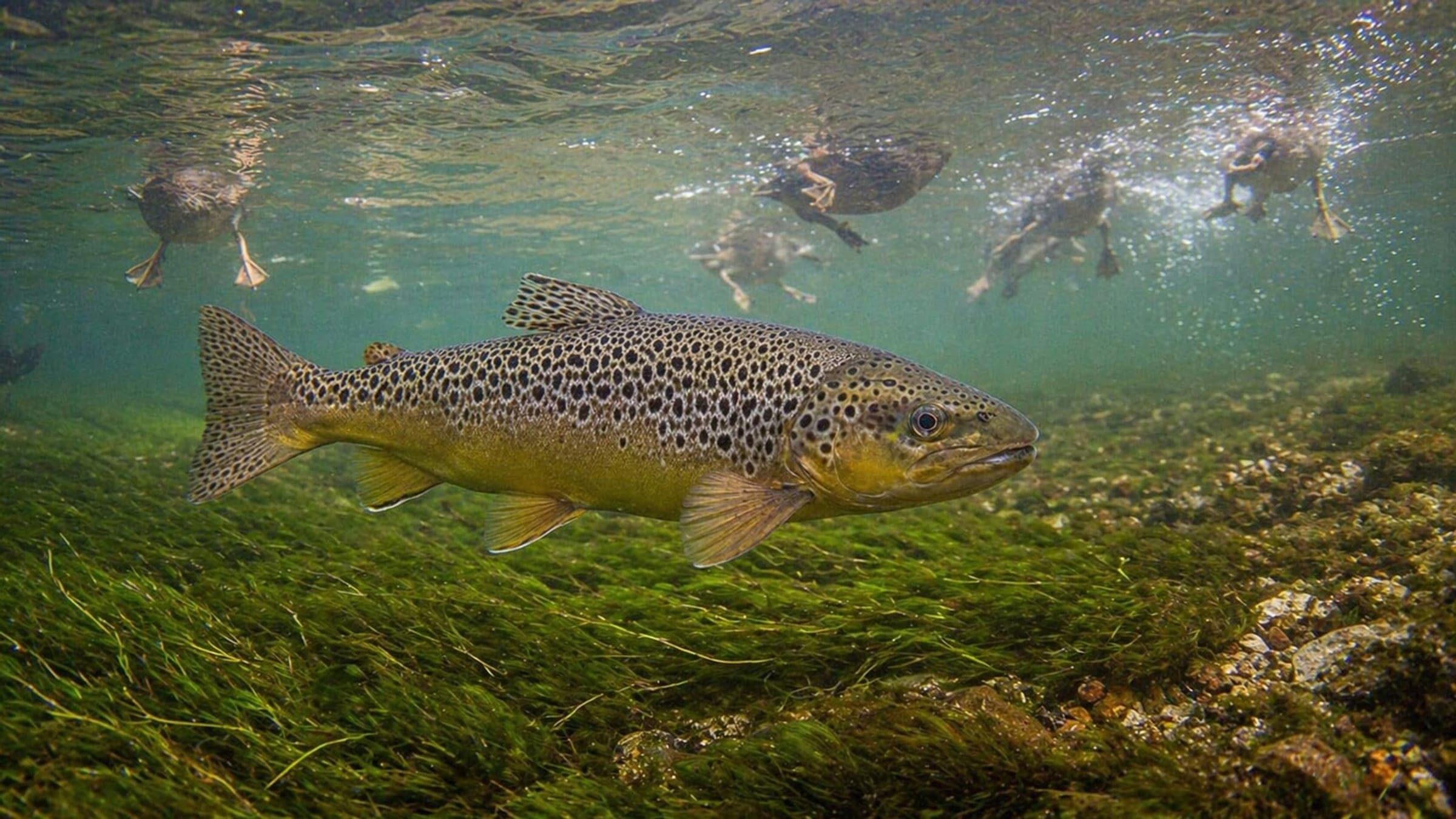
Expect rock, sand, and submerged timber rather than coral. Fish life is freshwater: schools of small baitfish, crayfish, and trout, with occasional surprises at deeper drop-offs.

  • Boulder gardens and swim-through-like gaps at shoreline coves
  • Shelves that break into walls (especially along the west shore)
  • Select wrecks and historic features, including Emerald Bay's underwater heritage sites

Signature water experiences

Use these as anchors when planning your week. Each is linked to a DiveJourney spot page:

  • Sand Harbor: iconic east-shore clarity and boulders for snorkeling, freediving, and scuba.
  • Lester Beach: shore access to dramatic wall topography near D.L. Bliss.
  • Rubicon Point: boulders and wall structure with fast depth changes.
  • Hurricane Bay: approachable wreck-style diving, including a sunken sailboat.
  • Meeks Bay: a friendlier training-style bay when winds are light.
  • Sunnyside: easy access with the potential for deeper exploration offshore.
  • Waterman's Landing: convenient shore access for shorter sessions.
  • Fannette Island: boat-access historic area inside Emerald Bay.
  • Fallen Leaf Lake: a nearby, smaller lake option for a quieter cold-water session.

Rules, access, and conservation

  • Underwater state park: Emerald Bay is designated an underwater state park and includes an underwater trail of historic features. Treat all artifacts as protected: look, do not touch or remove.
  • Parking and access: Many premium entries sit inside state parks or busy public beaches. Arrive early in summer and carry a plan B for overflow.
  • Keep Tahoe blue: Tahoe's clarity is fragile. Avoid kicking up sediment in the nearshore, secure all gear, and do not leave trash or fishing line behind. Clean and dry your kit between waters.

Planning playbook

  1. Pick your base: South Lake Tahoe and Stateline for nightlife and quick Emerald Bay access; Tahoe City and the West Shore for quieter mornings and wall-style terrain.
  2. Plan for mornings: Aim for splash by mid-morning in summer before winds build.
  3. Keep the day balanced: One cold-water session, then a warm topside afternoon.
  4. Stay flexible: Tahoe weather can flip quickly. Keep one non-water option every day.

Sample itineraries

3-day scuba sampler

3-day mixed group (snorkel + topside)

  • Day 1: Snorkel morning at Sand Harbor, then beach picnic and viewpoint stops.
  • Day 2: Short snorkel at Meeks Bay, then a Tahoe Rim Trail out-and-back hike.
  • Day 3: Emerald Bay hike toward Vikingsholm, then sunset at a West Shore shoreline stop.

Trip callouts

  • High-alpine clarity

    A deep lake famous for blue-water clarity and dramatic granite terrain.

  • Shore-access cold-water diving

    Many sites are reachable from beaches and coves, making Tahoe a strong destination for self-guided divers who plan conservatively.

  • Heritage and wreck flavor

    Emerald Bay is an underwater state park with historic underwater features, plus a handful of approachable wreck-style dives.

  • Four-season topside payoff

    Ski in winter, paddle in summer, and hike the Tahoe Rim most of the year.

Activity highlights

scuba

Why Lake Tahoe for Scuba Diving

altitude divingdrysuit divingfreshwater wallshore divinglake wreck

Tahoe delivers a rare style of U.S. diving: high-altitude freshwater walls, boulder reefs, and historic features in a setting that feels remote even when you are minutes from town. Many dives are shore entries, but the lake drops off fast, so you can experience blue-water terrain without a boat. The catch is commitment: cold water, altitude planning, and rapidly changing winds mean Tahoe rewards divers who stay conservative and start early.

freedive

Why Lake Tahoe for Freediving

freedivingcold-water freedivingaltitudeline trainingclear freshwater

Tahoe's clarity and steep granite terrain make it a compelling freedive training lake, especially if you like cooler water and quiet mornings. You can combine technique sessions in coves with deeper progression near drop-offs, all while surrounded by Sierra scenery. The key is safety discipline: cold-water shock is real, boat traffic can be heavy in summer, and the lake's altitude rewards conservative training plans.

snorkel

Why Lake Tahoe for Snorkeling

snorkelingclear waterboulder gardensfamily beachcold water

Tahoe snorkeling is about clarity, light on granite boulders, and easy beach access, not coral reefs. In summer, the best coves can feel surprisingly tropical from above the surface, especially on the east shore. Keep expectations realistic: water is cold year-round and weather can change quickly, so wetsuits and conservative plans are what turn Tahoe into a great snorkel trip.

topside

What to do when you're not in the water

Tahoe Rim TrailskiingEmerald Baybeachesscenic drive

Lake Tahoe is a world-class mountain destination even if you never put your face in the lake. Summer brings beaches, paddling, and the Tahoe Rim Trail. Winter turns the basin into a ski and snowshoe hub. Shoulder seasons are perfect for quieter hikes, scenic drives, and food-focused days in Tahoe City, South Lake Tahoe, Incline Village, and Truckee.

About these guides

DiveJourney destination guides are living documents built from local knowledge, operator experience, and publicly available sources. Conditions, regulations, and logistics can change. Each guide shows its last update date and sources used.

Last updated: December 13, 2025 13 sources

If you see something inaccurate or outdated, you can submit an update. This is how the platform improves.